Castles Near Vienna: Which Ones to Visit and How to Reach Them
Plan a castle day trip from Vienna: Kreuzenstein, Laxenburg, Schloss Hof, Rosenburg and the Wachau ruins, with how each fits a train or car route.
On this page
The most convenient castle day trip from Vienna in this guide is Laxenburg, a short trip south to a park with two castles in one place. If you want the fairy-tale image, Kreuzenstein Castle is the romantic rebuild to the north of the city. For baroque gardens on a grand scale, Schloss Hof is a full day east toward the Slovak border, and Rosenburg above the Kamptal is a car-based run north. This guide sorts the main Austrian castles near the city by the kind of trip each supports, with access notes and the planning constraints that matter.
What kind of castle trip you want
Austria's castles fall into three practical types for a day out: a genuine medieval ruin, a 19th-century romantic rebuild, and a baroque palace with gardens and state rooms. The rebuild looks the most dramatic in photos but is a designed fantasy rather than a working fortress. The palace gives you interiors, gardens and a cafe, while a ruin gives you a climb and a view. Decide which of those you want before you pick a destination, because the access and the time each takes differ sharply.
The country's official tourism board groups its castles and palaces by province, which is a useful way to see what sits within reach of Vienna in Lower Austria and Burgenland. Lower Austria holds Schloss Hof, Laxenburg, Grafenegg, Rosenburg and the Aggstein ruins, while Burgenland has Forchtenstein and Esterházy Palace. That provincial sort tells you which direction to point the car or train.
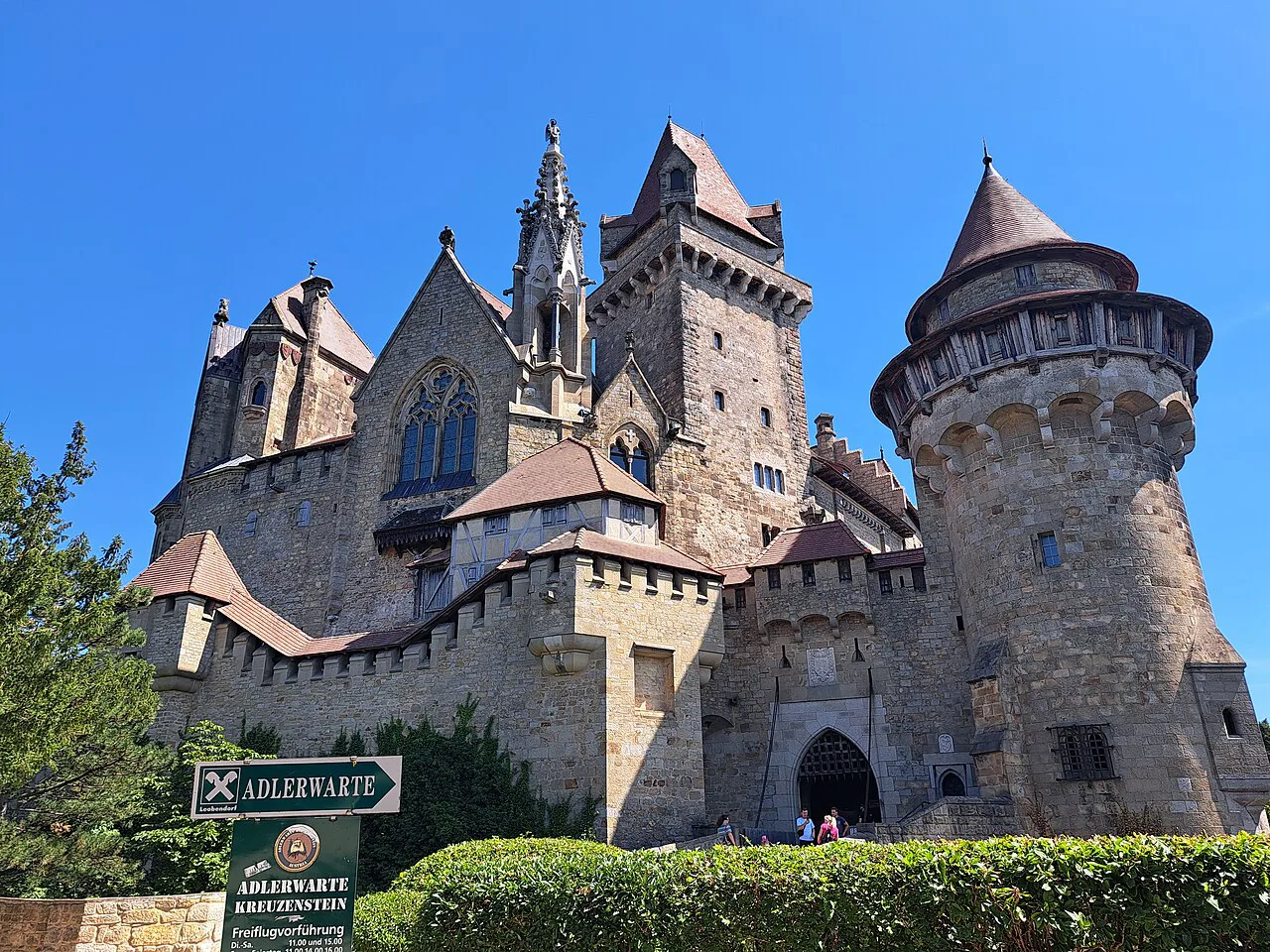
Kreuzenstein Castle: the romantic rebuild near Vienna
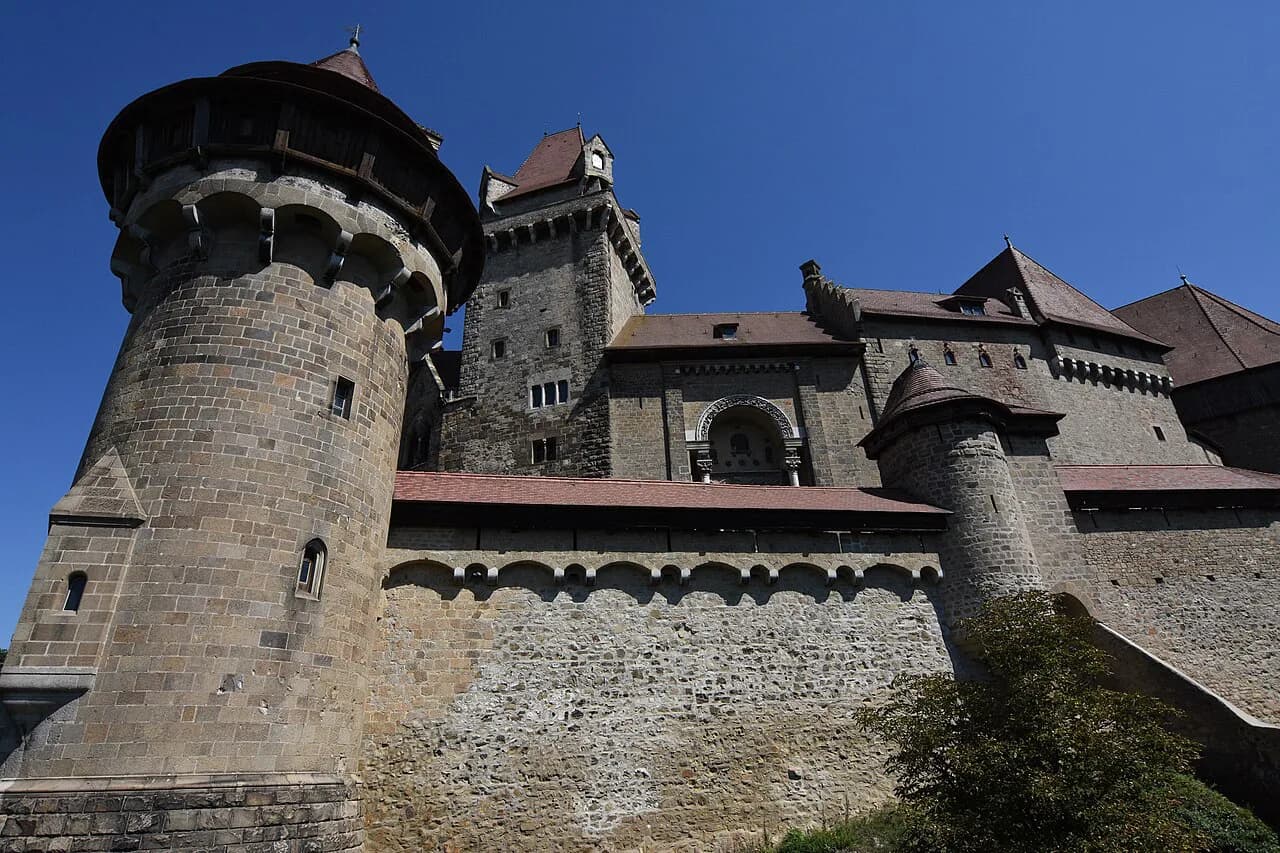
Kreuzenstein Castle is the romantic rebuild that many people picture when they search for castles near Vienna, and a travel blog describes it as a hidden-gem trip from the city. Treat it as a picturesque reconstruction rather than an intact medieval fortress: the towers, courtyard and setting are the point. It is a strong choice if you want the classic castle photograph.
What is the easiest castle to visit from Vienna without a car? Laxenburg is a convenient pick in this guide: it sits south of the city and holds two castles and a park in one place. Kreuzenstein is another option, north of Vienna.
Is Kreuzenstein Castle a real medieval castle? Kreuzenstein is a romantic rebuild rather than an intact medieval fortress, so treat it as a designed castle. Visit it for the towers, courtyard and setting rather than for original medieval fabric.
Which castle near Vienna has the best gardens? Schloss Hof has grand baroque gardens near Vienna, with reconstructed planting and a maze. Laxenburg is the alternative if you want a park that holds several buildings.
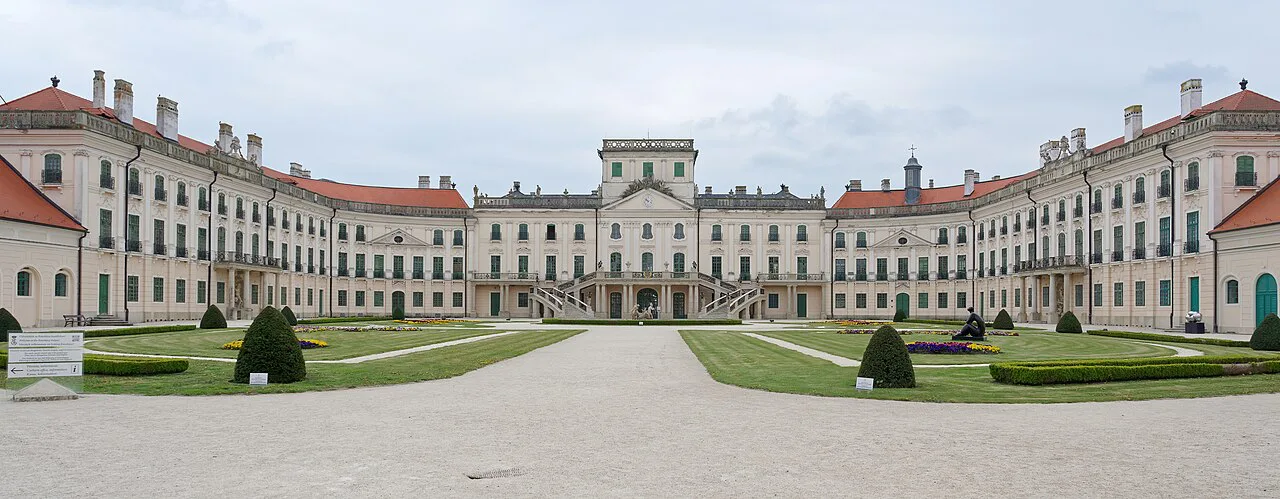
Because the castle is a rebuild rather than a furnished palace, the visit is mostly about the exterior, the courtyard and the setting. If you want state rooms and gardens instead, Laxenburg or Schloss Hof will suit you better. If you want a genuine medieval mood, a Wachau ruin is the better match.
Laxenburg: two castles in one park
Laxenburg combines two buildings in a single park south of Vienna: the medieval Old Castle and the baroque Blue Court. That pairing makes it the most efficient castle day trip from the city, because you get a medieval core and a baroque palace without changing trains. The park itself is the draw, with paths between the buildings and water. Allow a relaxed half day to walk it properly.
Laxenburg is south of Vienna, which makes it a practical default if you do not want to rent a car, though you should confirm the current train or bus connection. The Blue Court is the baroque piece to prioritize if you have limited time. The Old Castle gives the medieval contrast.
Schloss Hof: baroque gardens east of Vienna
Schloss Hof is the grand baroque palace east of Vienna, with reconstructed gardens and a maze that make it a full-day outing rather than a quick stop. The chambers are the interior draw, and the gardens are the reason to come in good weather. It sits close to the Slovak border, so it works best as a dedicated day rather than one stop among several.
The gardens are reconstructed rather than original, which is worth knowing if you are comparing Schloss Hof with a palace that kept its historic planting. The trade-off is scale: you get more ground to cover but less authentic fabric. A car gives you the most flexibility for the eastern run.
Rosenburg above the Kamptal: a rock-top castle with a falconry
Rosenburg sits high above the Kamptal on a massive rock, and its falconry is the reason many visitors make the northern run. It is a car-based trip, best paired with the Waldviertel and Kamptal countryside rather than squeezed into a train schedule. The castle itself is the destination, so give it a full day if you are driving up from Vienna.
Grafenegg Castle can only be visited in the summer months, which makes it a seasonal add-on rather than a year-round stop. If you are building a northern loop, their seasons do not always overlap. Rosenburg's rock-top setting is the dramatic one; Grafenegg is the concert-and-garden stop. Choose based on whether you want the falconry or the summer program.
Forchtenstein Castle in Burgenland: the Esterházy stronghold
Forchtenstein Castle is the Esterházy stronghold in Burgenland, and it is the fortress-style counterpoint to the palaces closer to Vienna. It pairs naturally with Esterházy Palace if you want a full day in the province, but plan them as two separate visits with their own tickets and hours. The castle's hilltop position is part of the appeal, so plan for the approach as well as the interior. A car makes the Burgenland circuit far easier than public transport.
The Esterházy family's other palace at Eisenstadt is the baroque contrast, so a Burgenland day can combine a fortress and a palace if you start early. Forchtenstein rewards travelers who want military architecture rather than silk wallpaper. The two together make a coherent day.
Wachau and Danube ruins: Aggstein and a boat-and-train day
The Aggstein ruins above the Danube are a well-known Wachau castle fragment, and they work into a day that combines a train ride with a boat or bus along the river. Aggstein is also used as a venue for medieval festivals and markets, so check its calendar if you want the ruin without an event crowd. The ruin itself is the attraction: walls and views. Build the day around the river transport rather than the castle alone.
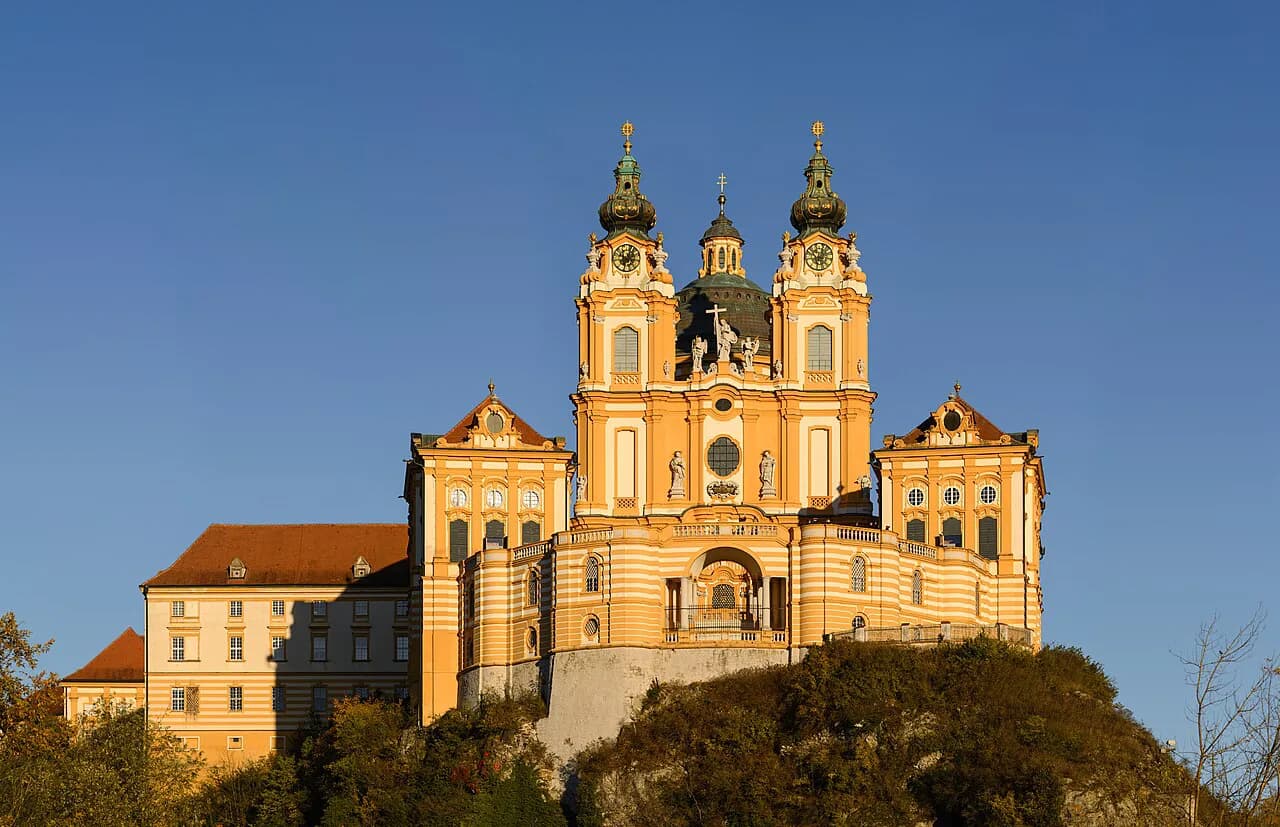
A Wachau day is easiest by train to the valley and then boat or bus between the villages, with the ruin as one stop rather than the whole day. The trade-off is that river transport runs on its own seasonal schedule, so fit the castle around the boat rather than the other way round. Stift Melk (Melk Abbey) anchors the western end of the valley if you want an indoor stop.
Liechtenstein Castle and Franzensburg: two south-of-Vienna castle stops
Liechtenstein Castle is listed as one of the castle stops south of Vienna, near Laxenburg, rather than an add-on in the city. Franzensburg, the castle in Laxenburg park, is the park-based alternative where the building is part of a larger landscape. The distinction matters for scheduling: one asks you to plan a dedicated trip, the other lets you walk the grounds and fit the interior around it.
Franzensburg sits inside the Laxenburg park, so you can combine it with the Old Castle and the Blue Court on one visit. That makes Laxenburg the most efficient way to see several castle styles in a single day from Vienna. Liechtenstein is the more focused experience if you want a dedicated castle stop. Both are near Laxenburg south of the city, so confirm your own transport before you commit.
Getting there: train, Postbus or car
Schloss Hof and Rosenburg are far more comfortable by car, because the last stretch is rural and public connections are thin. Forchtenstein and the Wachau ruins sit in between, with train to a hub and then bus or boat. Laxenburg is south of Vienna, within reach of the city. Match the transport to the castle rather than the other way round.
A rental car saves real time on the northern and eastern loops, where you can chain Rosenburg, Grafenegg and Schloss Hof only if you drive. The trade-off is parking and the need to check each site's access road. If you are relying on public transport, build the day around one castle rather than two. Confirm current train and bus times with the operators before you commit.
Tickets and tours: what the entry fee covers
Prices vary by site and by whether you want a guided tour or just the grounds, and each castle publishes its own ticket page. Guided tours run at set times at some properties, while gardens and grounds can be visited more freely at Schloss Hof and Laxenburg. Budget for separate tickets if you combine two sites in one day.
Falconry displays at Rosenburg are an add-on rather than the core castle visit, so treat them as a timed extra to plan around. If you want a castle interior with interpretation, book the guided tour; if you want gardens and a walk, the palace grounds are the better value. The type of ticket you buy determines how much of the day you can shape yourself.
Timing and trade-offs: half day, full day, seasonal openings
Laxenburg and Kreuzenstein fit a half day; Schloss Hof, Rosenburg and Forchtenstein want a full day once you add the drive or the train connections. Grafenegg is summer-only, so check the calendar before you build an itinerary around it. Weekend afternoons bring the biggest crowds at the popular palaces.
The most common mistake is trying to see three castles in one day from Vienna; the travel time between them eats the visit. Pick one anchor castle and add a second only if it is genuinely on the way. For a low-stress day, Laxenburg is a good choice because the park holds several buildings in one place.
What to skip if you only have one spare day
With one spare day, skip the far northern and eastern loops and stay with Laxenburg or Kreuzenstein, both of which are the more manageable trips from Vienna without a car. Rosenburg and Schloss Hof are better saved for a trip where you have a car and a full day to give them. The Wachau is a day in itself once you factor in the river transport.
If you want a medieval ruin rather than a palace, Aggstein is the one-day option that pairs with a Danube train ride. If you want interiors, Schloss Hof or Laxenburg's Blue Court give you more to see indoors. The right pick depends on whether your priority is the building or the landscape.
Which castle day trip to book
For most travelers with one free day in Vienna, Laxenburg is the best-value pick in this guide: two castles, a park and a short trip south, all without a car. Choose Kreuzenstein if you want the romantic rebuild and the classic photograph, and Schloss Hof if you want baroque gardens and a full day out east. Rosenburg and the Wachau ruins reward travelers who rent a car or build the day around river transport.
If your route continues west, the castles near Salzburg and the castles near Innsbruck make natural next stops, and our Austrian Castles guide covers the rest of the country. Build the day around one anchor castle and let the second be a bonus rather than a requirement.
Explore more Austria guides
Frequently Asked Questions
What is the easiest castle to visit from Vienna without a car?
Laxenburg is a convenient pick in this guide: it sits south of the city and holds two castles and a park in one place. Kreuzenstein is another option, north of Vienna. Confirm the current train or bus connection before you go, and plan either as a half day.
Is Kreuzenstein Castle a real medieval castle?
Kreuzenstein is a romantic rebuild rather than an intact medieval fortress, so treat it as a designed castle. Visit it for the towers, courtyard and setting rather than for original medieval fabric. If you want a genuine ruin, look to the Wachau instead.
Which castle near Vienna has the best gardens?
Schloss Hof has grand baroque gardens near Vienna, with reconstructed planting and a maze. Laxenburg is the alternative if you want a park that holds several buildings. Both are outdoor-heavy, so plan them for good weather and confirm garden hours before you go.
Sources
Notes for your next Austrian town break
Optional updates when we add or revise town guides.
You might also like
Continue reading
More guides you'll find useful