Artstetten Castle: Franz Ferdinand's Home and Family Crypt
Artstetten Castle holds the museum and family crypt of Archduke Franz Ferdinand and Sophie. See what is inside, how to reach it, and how long to allow.
On this page
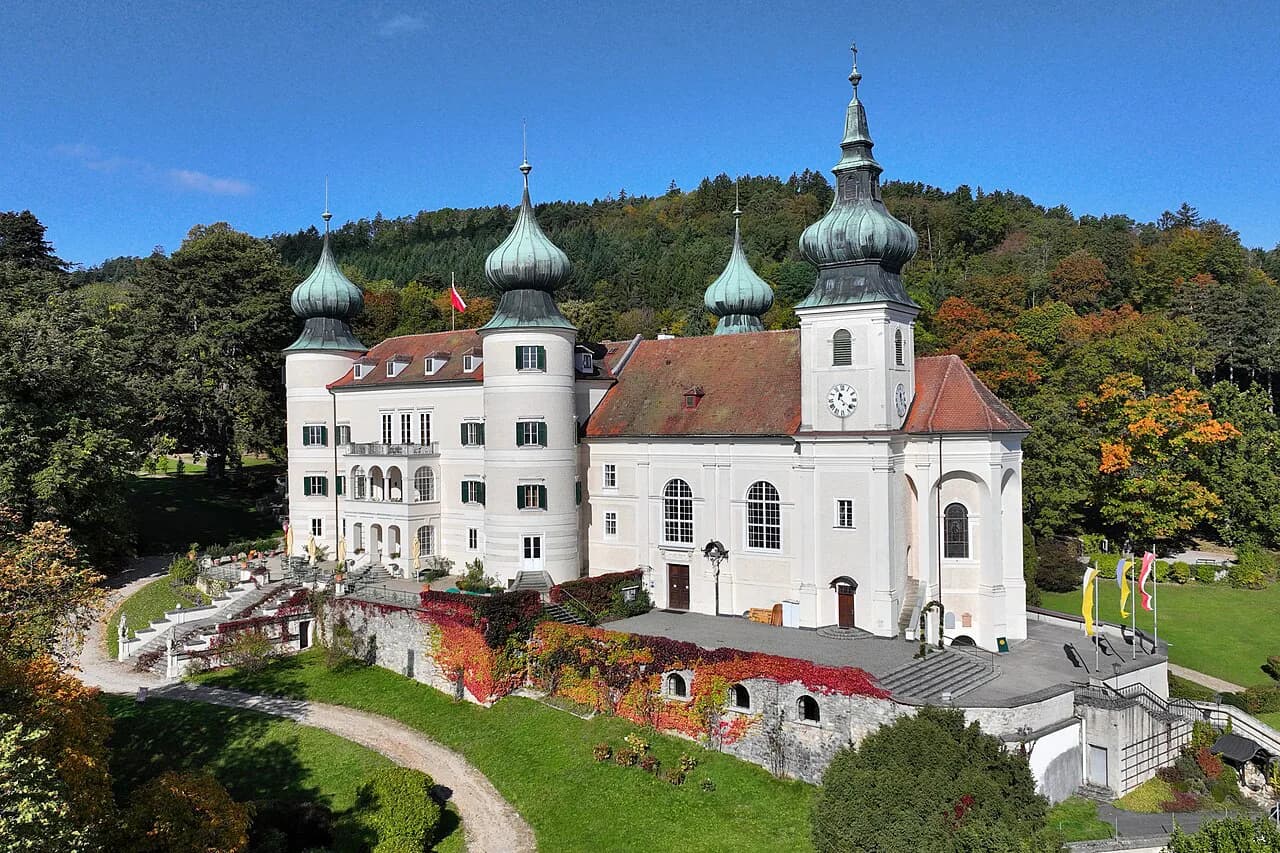
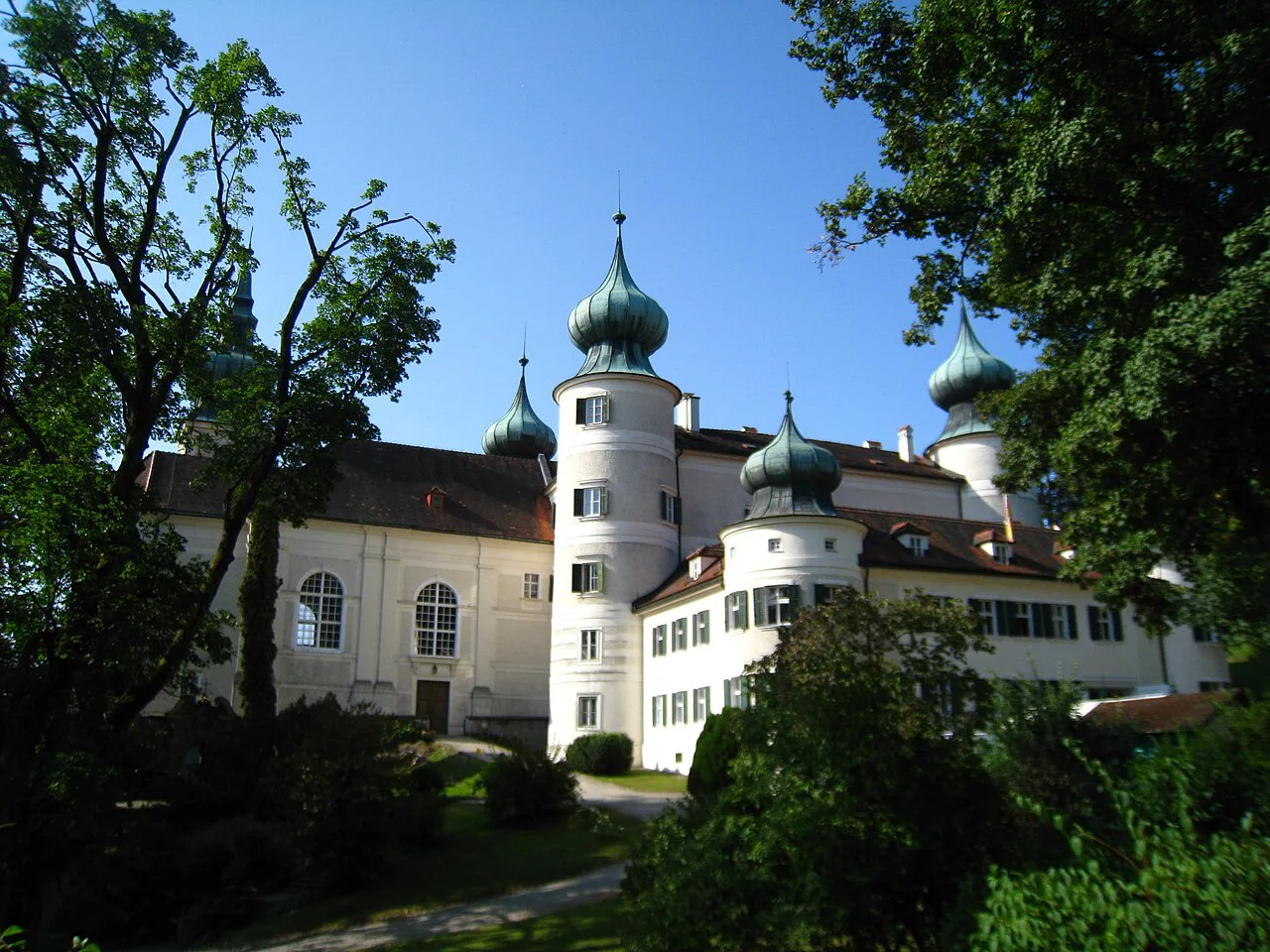
Artstetten Castle is a country seat in Lower Austria, set in the hills above the Danube valley near the Nibelungengau, and it is best known as the burial place of Archduke Franz Ferdinand of Austria and his wife Sophie, Duchess of Hohenberg. A visit splits cleanly into two halves: the castle interior with its museum and the family crypt beneath the castle church, and the surrounding castle park with its stairway, rose parterre, and old trees. This guide covers both halves and how to plan the stop into a Danube route.
Where Artstetten sits above the Danube valley
Artstetten is a small village in the Nibelungengau, the stretch of the Danube valley downstream of Melk where the river cuts between wooded hills. The castle stands above the village rather than on the water, so the setting is a hilltop country estate with long views rather than a riverside fortress. The castle's own site gives its address as Schlossplatz 1 in 3661 Artstetten, with a phone number and email for visitor questions.
Treat Artstetten as a half-day anchor in the Wachau and Nibelungengau rather than a quick photo stop, because interior and park together make a real visit. It pairs naturally with a Danube day that already includes abbeys or river towns, and the guide to Austrian castles and palaces helps you slot it in alongside fortresses elsewhere.
The Franz Ferdinand connection
Archduke Franz Ferdinand of Austria and his wife Sophie, Duchess of Hohenberg, were buried in a crypt underneath Artstetten Castle's church in 1914, the year of the assassination in Sarajevo. That fact is why most travelers make the trip, and it shapes how the castle presents itself: the crypt sits at the center of the story rather than at the margins. The castle's own site treats the family crypt, the museum, and the church as separate stops, which is a useful map before you arrive.
See the museum rooms first so the crypt lands as the emotional core of the day. Visitors who arrive already knowing who these two people were and why the Archduke's death mattered get more from the quiet there; reversing the order works too, but the history reads better first. Set aside unhurried time at the crypt instead of treating it as a box to tick on the way to the cafe.
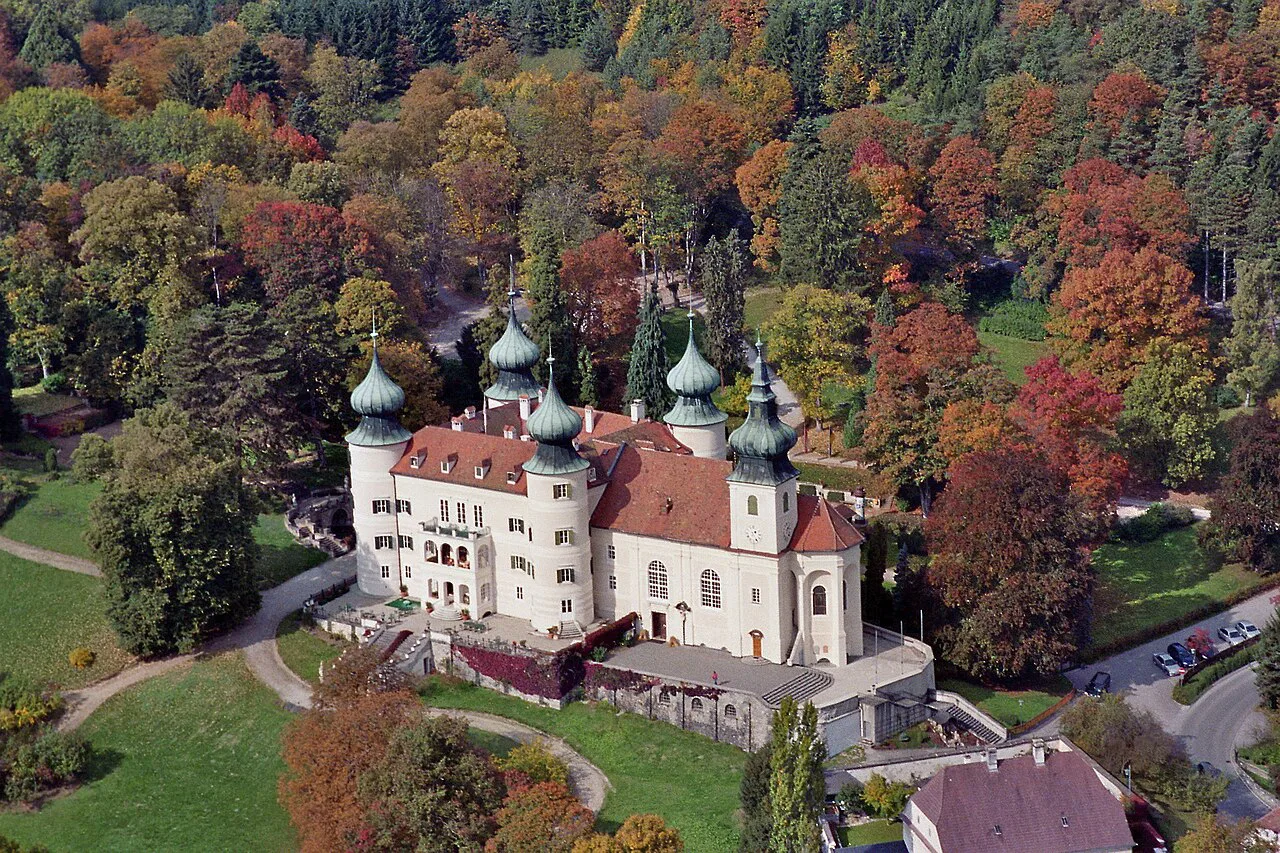
What you see inside: museum rooms and the family crypt
Inside, the castle combines the museum with the church and the crypt, and its plan page separates these elements so you can see what each one involves. The practical question is whether your date allows a guided tour or a self-guided walk-through, and the castle publishes guided-tour options and prices on its own pages. Read its opening times and prices pages for the current arrangement before you build a day around it.
Expect the interior to be the shorter half of the visit and the park to take the rest. Museum rooms in a castle of this size rarely need more than an hour of close attention, while the crypt and church reward a slower pace. Travelers with limited stamina for stairs will find the interior the gentler commitment; the park involves more walking and changes in level, including the stairway up to the rose parterre.
The castle park: stairway, rose parterre, and old trees
The castle park is a designed landscape rather than a wild garden, and the castle lists specific features worth seeking out. The route begins with a stairway up to the rose parterre, passing a stone figure the castle calls the Grossen Spuckmann, with a smaller Spuckmann further along. Beyond that come a bathing pavilion, a pool, and a tent frame, then a sequoia, a Siberian pine, and a large-leafed boxwood the castle describes as 150 to 200 years old.
Further features include a chestnut avenue, a peony garden, and a house garden used for a project the castle calls munching on nobility, with rose trellises. The garden terrace and its flight of steps lead to the Schanigarten of the Castle-Cafe and the Lion Stairway, and the old riding ground closes the list. Work through these in order and you get a coherent loop instead of wandering.
How the two halves fit into one visit
Treat the castle and park as a single outing rather than two separate stops, since the walk between them belongs to the same visit. A sensible split is the interior and crypt first, then a pause at the cafe, then the park loop at an easy pace. Travelers on a tight Danube schedule can do the interior alone, but the park is what makes Artstetten feel like a country seat.
The park is also the reason to come in the growing season: peonies, roses, and chestnut avenues are not at their best in a cold month, and the castle presents the peonies as a seasonal draw. If your trip falls outside that window, weigh whether the interior and crypt alone justify the detour. A castle centered on a burial and a museum can carry a visit in any weather, but the grounds lose much of their point.
Opening times, prices, and the castle cafe
Opening times and ticket prices are published on the castle's own site, which keeps separate opening-times and prices pages alongside visitor information. Read those pages for your exact date rather than relying on a travel app or a seasonal assumption. The numbered plan page for the park also loads on a phone, so you can keep the feature list in hand while walking.
The Castle-Cafe and its sun terrace sit by the garden terrace and the Lion Stairway, and the castle lists them as a distinct part of the visit. Plan a sit-down break there between the interior and the grounds.
Getting there by car and by public transport
By car, Artstetten is reached from the roads that serve the Nibelungengau, and the castle site provides a route planner on its plan page for directions from your starting point. The castle gives its address as Schlossplatz 1 in 3661 Artstetten. Drivers coming from Vienna cross Lower Austria westward; see the guide to castles near Vienna for other stops that fit a loop around Artstetten.
By public transport, the practical approach is a train to a Danube-valley town followed by a bus or taxi up to Artstetten, and the details change with the season and the operator. Check ÖBB and the regional bus operator's own timetable for the connection on your date before committing to a car-free plan, and leave slack for the return trip. Travelers mixing river towns and country seats will find that abbeys such as Stift Melk sit on the same axis and can share a day with careful timing.
Group guided tours and what they add
The castle runs guided tours alongside the standard visitor route, and the site lists guided tours as a separate offering. Ask the castle what a given tour covers and whether it includes the museum and crypt, which matters most if you arrive knowing little about Franz Ferdinand beyond the assassination. For a solo traveler or a couple, the standard visit plus the printed material usually covers the same ground at your own pace.
If you are organizing for a club or a family group, contact the castle directly through the phone number and email on its site rather than booking through an intermediary. Group arrangements involve timing and numbers that only the castle can confirm. Do that before you book transport, since the tour slot drives the rest of the day.
Where Artstetten fits a wider castle route
Artstetten works best as one stop on a route that treats castles as the spine of the trip rather than as individual detours. The wider guide to Austrian Castles and Palaces covers the fortress tradition at Festung Kufstein as well as the palaces of the Habsburg lands, which helps you see what makes a country seat like Artstetten different from a defensive stronghold. Use it to decide whether your limited days go to fortresses, palaces, or estates like this one.
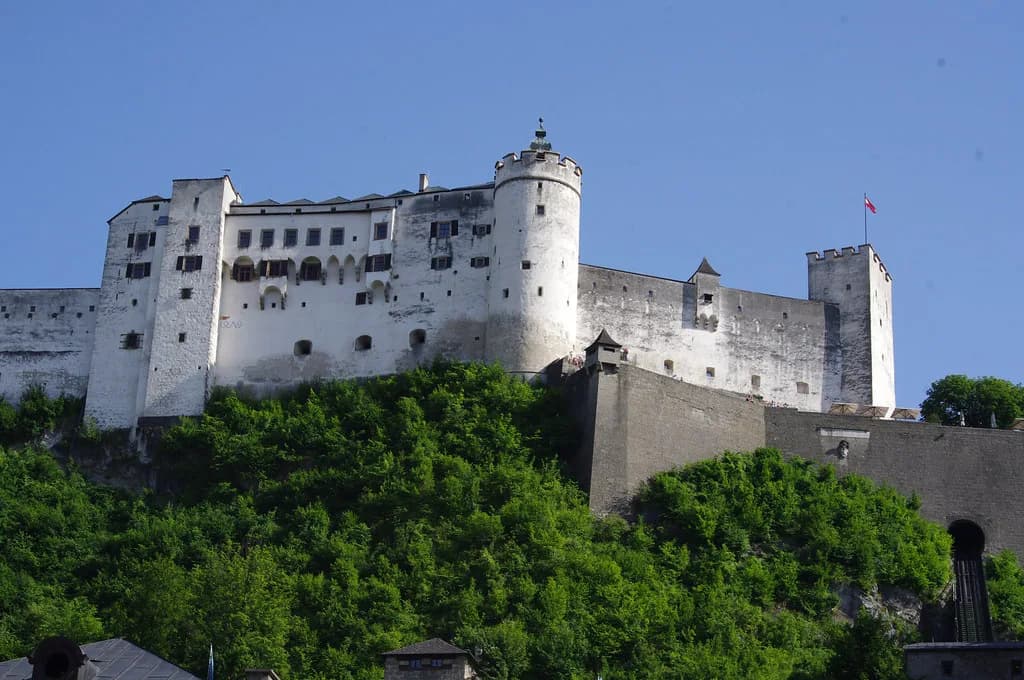
Travelers heading west after the Danube can continue the castle thread around Salzburg or Innsbruck, where Hohensalzburg Fortress and Tratzberg Castle represent very different building types. Austrian baroque, with names like Johann Bernhard Fischer von Erlach, is the other thread worth following if interiors and churches interest you more than fortifications. Pick one thread per trip and Artstetten will read as part of a story rather than a single stop.
Should Artstetten make your Danube itinerary?
Add Artstetten to a Danube and Nibelungengau day if the Franz Ferdinand story and a quiet country park appeal to you, and if you can give the stop half a day. Skip it if your schedule only allows a rushed hour, because the crypt rewards attention and the park rewards walking, and neither works at a sprint. Check the opening times and prices for your date on the castle's own pages, then decide whether the detour fits.
Frequently Asked Questions
Who owns Artstetten Castle today?
The castle is operated as a visitor site with a museum, church, family crypt, and castle park, and it publishes its own contact details and visitor information. For questions about the property's current administration, contact the castle directly through the phone number or email listed on its site.
Do I need a guided tour to see the castle?
The castle lists guided tours as a separate offering aimed at groups, alongside its standard visitor route through the museum, church, and crypt. For an individual visit, check the castle's opening times and prices pages to see what is running on your date before you travel.
Sources
Notes for your next Austrian town break
Optional updates when we add or revise town guides.
You might also like
Continue reading
More guides you'll find useful