Admont Abbey Library: Visiting the World's Largest Monastery Library
Plan a visit to the Admont Abbey Library in Styria: the 1776 Baroque hall, its frescoes and 60,000 volumes, plus the abbey museum and church at Admont.
On this page
Yes, you can visit the Admont Abbey Library, and the room itself is the reason to come: a 70-meter hall completed in 1776, described by the Benedictine abbey as the largest monastic library in the world, with more than 60,000 volumes on open display. This guide covers what fills that hall, how the abbey museum and church sit around it, and how to slot Admont into a route through Styria.
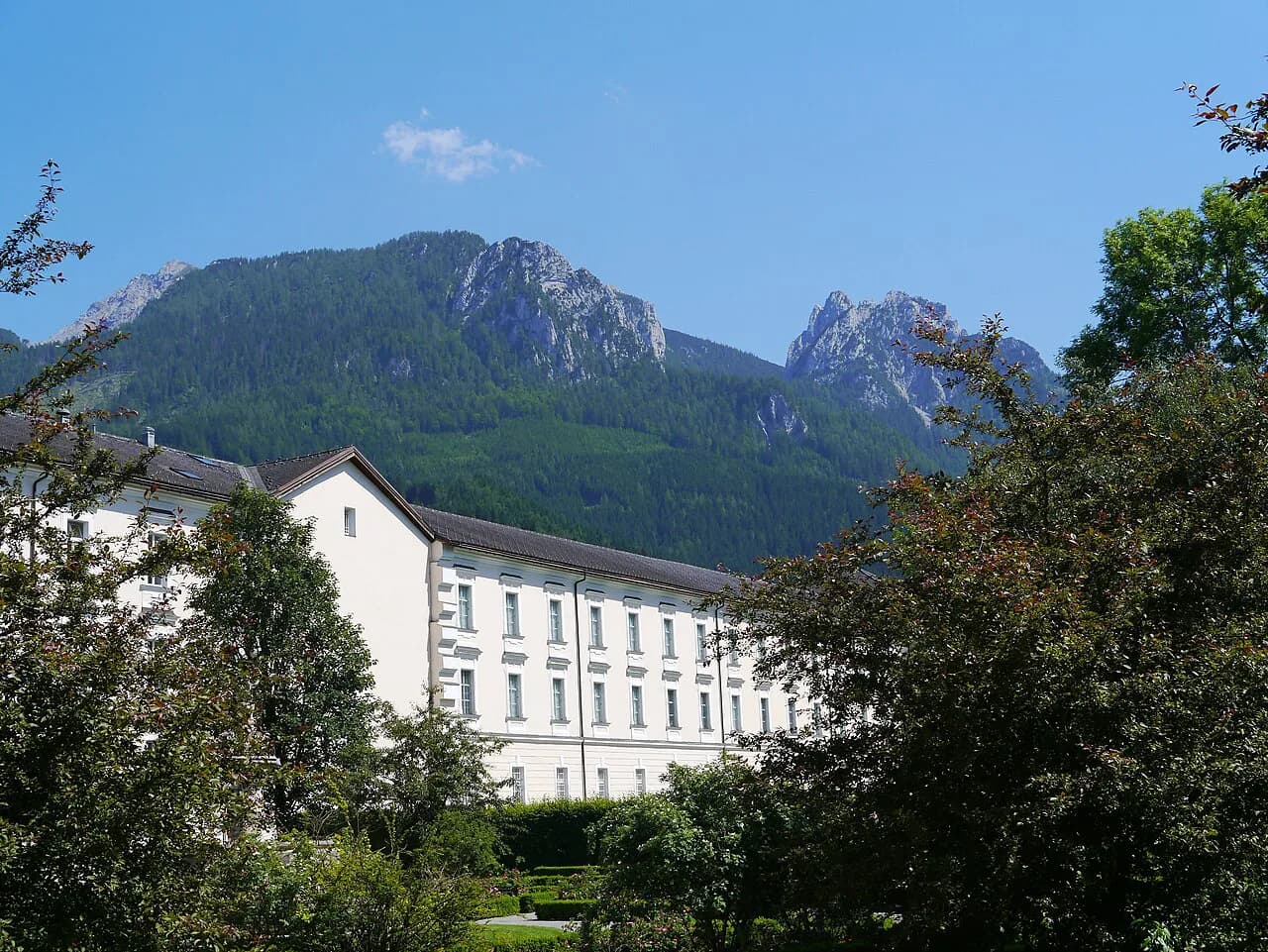
Admont sits in the Ennstal, the valley of the river Enns, at the edge of the Gesäuse mountains, roughly midway between Graz and the Salzkammergut. It is not a quick add-on to a Salzburg morning, which is why the library rewards a deliberate stop rather than a detour squeezed between other sights.
The library hall itself: 1776, Josef Hueber, and the largest monastic library in the world
The library hall was commissioned by Abbot Matthäus Offner and designed by the Austrian Baroque architect Josef Hueber, and it was finished in 1776. Its 70-meter length is split into a majestic tripartite structure under a vault carrying seven ceiling frescoes by Bartolomeo Altomonte, painted when he was over 80. The abbey presents the room as a masterpiece of the European late Baroque, a synthesis of architecture, frescoes, sculpture and centuries-old writings.
Read the program before you look up: the frescoes trace the path of human knowledge from thought and language through the sciences to divine revelation at the center of the dome. That scheme explains why the hall was built for light and air rather than storage density, an Enlightenment idea made visible in the architecture.
The abbey presents the hall as the largest monastic library in the world, with over 60,000 visible volumes. Treat the room as a total work of art, where shelves, sculpture and fresco are one composition rather than a single showpiece manuscript.
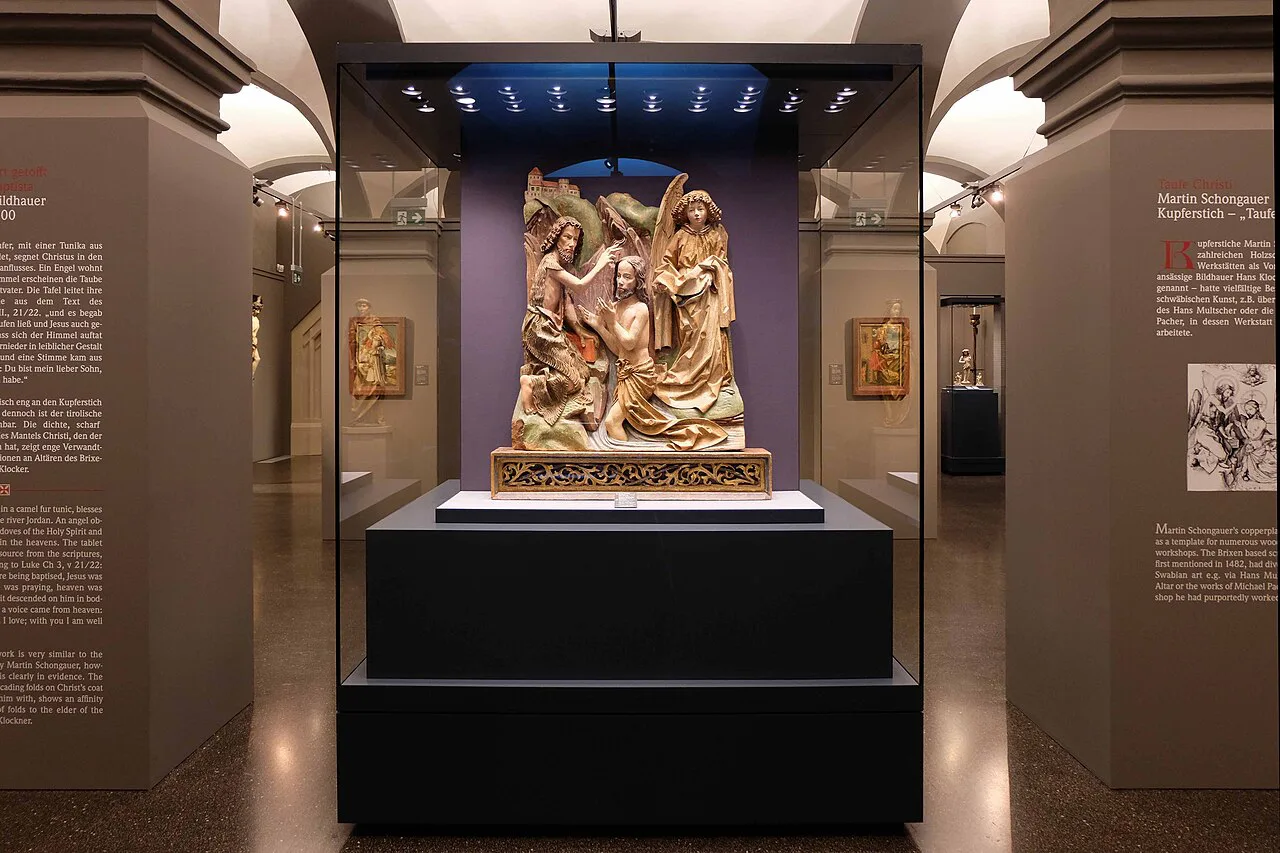
How the books are arranged: theology in the northern side hall, everything else in the southern hall
Look at what the shelves actually hold. Important editions of the Bible and the Church Fathers are artfully arranged under the baroque dome, with theology in the northern side hall and works from all other subject areas in the southern hall. Once you know the split, the two side halls stop being decoration and become an argument about how a Benedictine house ordered knowledge.
The abbey counts over 60,000 visible volumes, which is what you see rather than the full holdings. Give the shelves a few minutes of close attention before you sit down: the volumes are arranged as an art object, so the point is the pattern of bindings and editions, not a title list.
The hall is long and bright enough that it rewards a slow pass rather than a quick circuit. Walk the central axis first for the full length and the fresco cycle, then step into the side halls to read the room the way its designers intended.
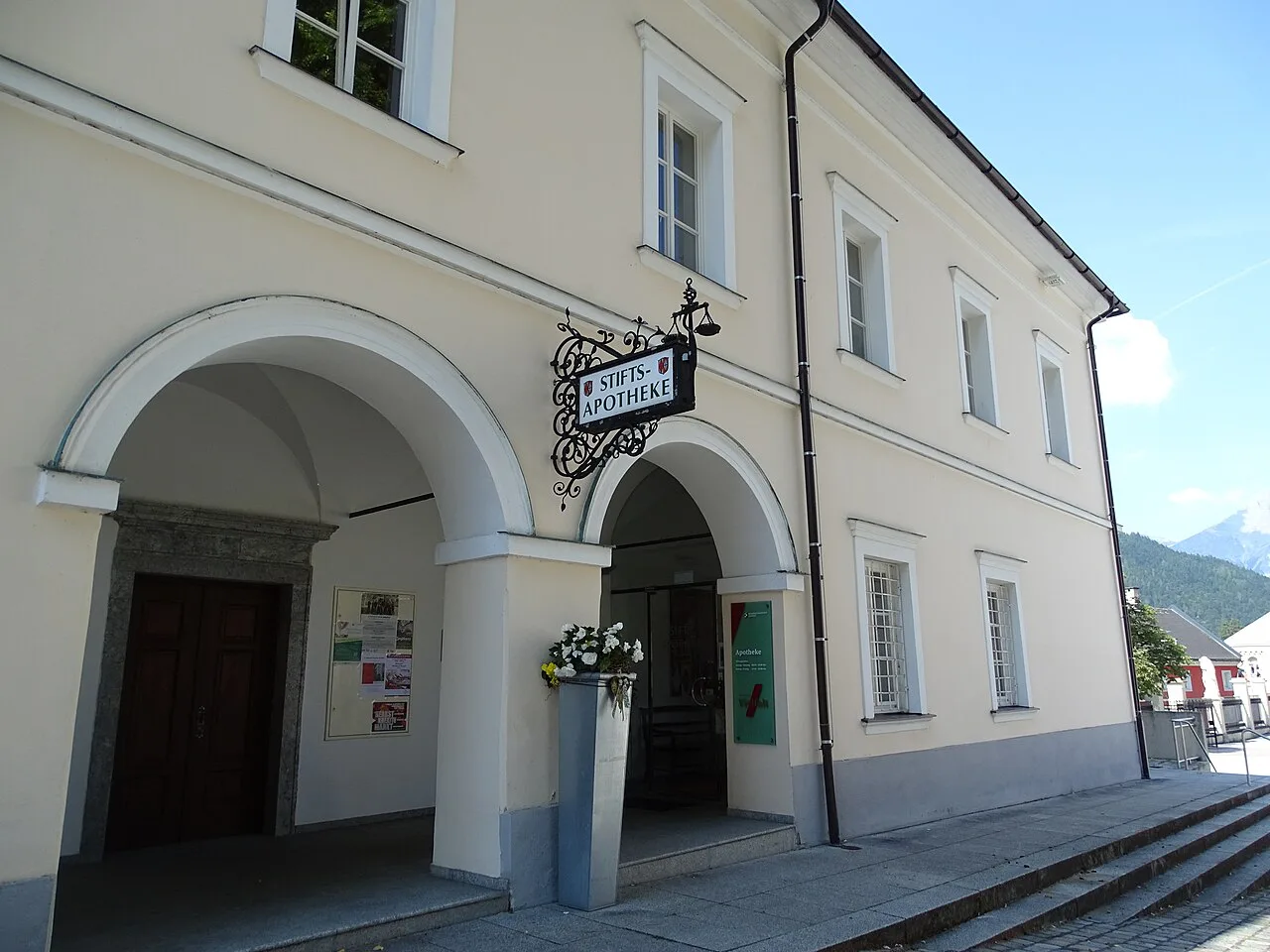
The abbey museum and exhibitions around the library
The library sits within the abbey's culture and tourism offerings, alongside the Admont Abbey Museum, current exhibitions, an abbey shop and special guided tours. The abbey publishes separate pages for its museum, current exhibitions and entry fees, so use those to see what is on during your dates.
The museum and library share a visit, so plan them as one block rather than two separate stops. If your interest is the Baroque room, the library is the anchor and the museum is the context; if you are traveling with people who prefer objects and history to architecture, the museum carries the weight.
Special guided tours run separately from the standard visit, and the abbey asks groups to arrange them in advance. The abbey lists a museum contact address and phone number for information and requests.
The abbey church and the rest of the complex
The abbey church is the other fixed point of the visit, and it is the reason the library is not the only interior worth your time. Pair the two while you are on site: the church gives you the liturgical setting for a Benedictine house, the library gives you the intellectual one.
The abbey site also lists a restaurant and an abbey shop, so a meal before or after the library can be organized without leaving the grounds. The abbey's site is the place to confirm current service times.
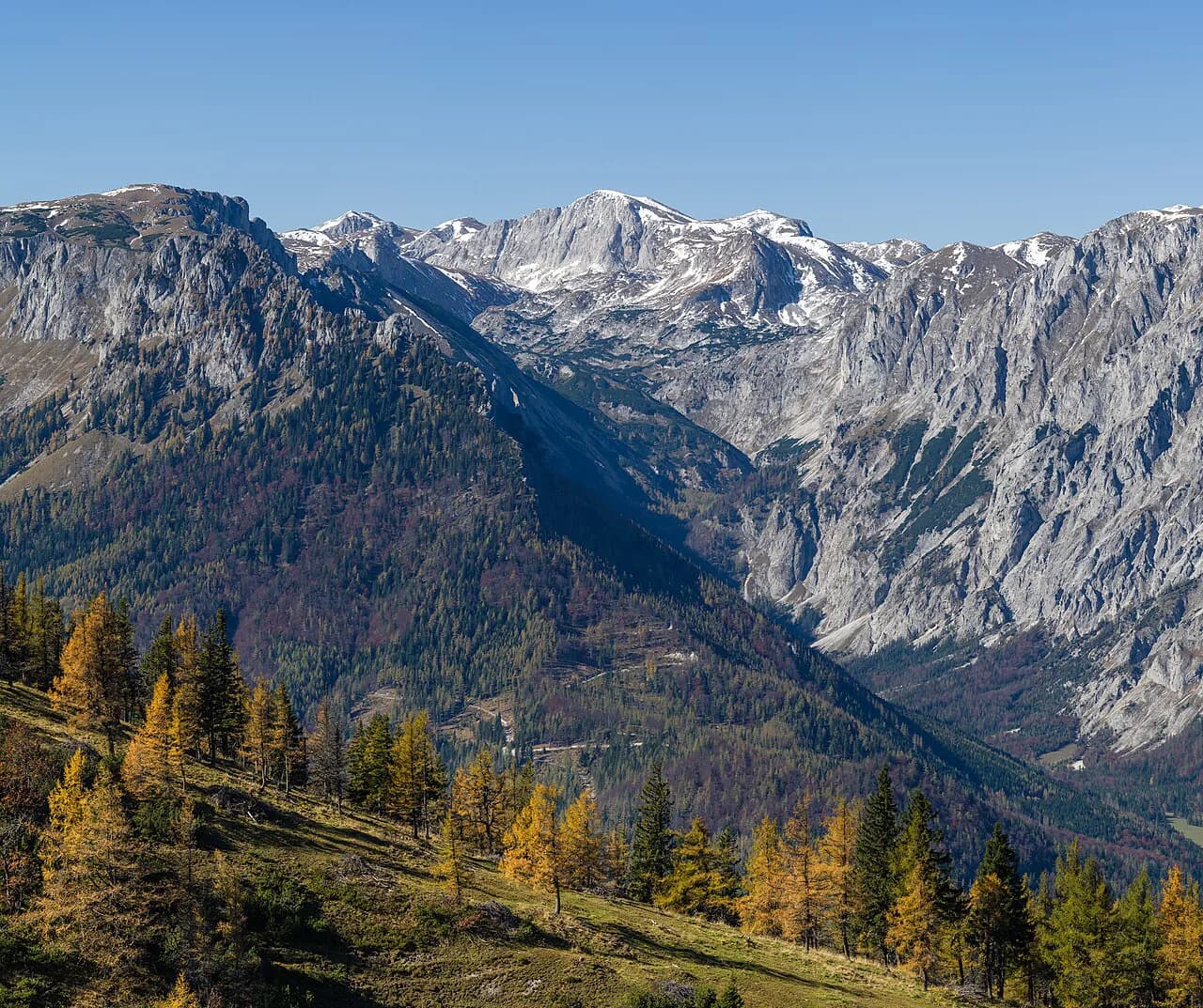
Admont's setting is part of the visit. The abbey sits in the Ennstal, the valley of the river Enns, at the edge of the Gesäuse mountains, and the Gesäuse is the natural next stop if you have the afternoon. It also explains the abbey's character: this is an Alpine valley institution, not a city one.
How long the library takes and how to pace a stop in Admont
Budget the library and museum as a half-day, not a photo stop. The hall rewards a slow pass down the center, time in both side halls, and a second look at the frescoes once you understand the knowledge program; the museum adds its own sequence.
The practical risk is arriving late in the day. Opening hours and last entry are published by the abbey, so check them against your drive or train before you commit, and keep the church and library together in the morning if the trip is long.
If your trip through Styria is built around old towns and squares, Admont is the counterpoint: a rural abbey with a single overwhelming room. That contrast is the reason to include it rather than another town center.
Getting to Admont from Graz, the Salzkammergut side and the Ennstal
By train, Admont is reached through the Ennstal, but confirm the actual departure and connection times for your date with ÖBB rather than relying on a remembered schedule.
By car, Admont sits on the Enns valley road with the Gesäuse beyond. Winter conditions on valley roads can matter, so check the route before a cold-season drive.
On a longer Austrian route, Admont works as the northern end of a Styria loop built from Graz and the Mur valley, with the vineyard hills in between. If you are building that loop, the wider Styria: A Traveler's Guide to Graz, the Vineyard Hills and the Alps gives you the other stops to pair with it.
Coming from the west, Admont can be paired with Erzberg in Eisenerz, the iron mountain that anchors the same stretch of Upper Styria, for a mountain-and-monastery day.
Tickets and opening hours: what the abbey publishes
Entry fees and opening hours are set by the abbey. Its own entry fees and opening hours pages are the reliable source for the current amounts and times, so use those rather than a third-party listing.
Tickets may be bundled with the museum or sold as separate products, with separate arrangements for guided tours and groups. Read the abbey's ticket page carefully for what is included before you pay, because buying the wrong product is the usual mistake at a combined abbey site.
Austrian abbey attractions can run reduced hours outside the main season, so check the abbey's published opening hours for your exact dates before you drive into the Ennstal.
Practical constraints: tours, groups and the quiet hours
Access to the library hall is managed through the abbey's own visitor arrangements, with the museum, church and special guided tours as part of the same site. Confirm the day's tour slots ahead of time, and plan the church visit around them.
Midday often brings coach groups at major Austrian monasteries. The Admont hall is long enough to absorb a crowd better than a small chapel, but early morning and late afternoon tend to be calmer; if your schedule is flexible, aim for the edges of the day.
Admont is a living Benedictine monastery with monks, parishes and a school, not only a museum, and the visitor route is a concession the community makes. Visit with that in mind.
Is Admont worth the detour into the Ennstal?
Yes, if you want one interior that justifies a valley detour rather than another old town. The library hall has the length, the fresco cycle and the book count to hold a traveler's attention for an unhurried visit with the museum and church.
Skip it if your trip is already tight on the Graz side and you would be driving two hours each way for a single room. Build the stop into a Styria loop instead, with Graz, the Mur valley towns and the Ennstal in one line, and add Mariazell if you are heading toward Lower Austria.
Explore more Graz guides
Frequently Asked Questions
Can you visit the Admont Abbey Library?
Yes. The library hall is part of the abbey's visitor route, alongside the Admont Abbey Museum, the abbey church and the abbey shop. Access follows the abbey's published opening hours, so check the current hours and tour slots on the abbey site before you travel.
Is the Admont Abbey Library the library that inspired Beauty and the Beast?
The abbey's own pages describe the hall's architecture, frescoes and collection and make no connection to Beauty and the Beast. There is no official confirmation that the room inspired the film, so treat the film association as an unverified story.
Can you get married in the Admont Abbey Library?
The abbey publishes the library as a museum and cultural site, with church services in the abbey church and a parish life around it. The abbey's library pages do not describe using the hall for weddings, so ask the abbey directly rather than assuming it can be booked for a ceremony.
Sources
Notes for your next Austrian town break
Optional updates when we add or revise town guides.
You might also like
Continue reading
More guides you'll find useful