Stübing Open-Air Museum: Austria's Farmhouses in One Valley
Plan a visit to the Austrian Open-Air Museum Stübing near Graz, where farmhouses from every Austrian province stand rebuilt in one wooded valley.
On this page
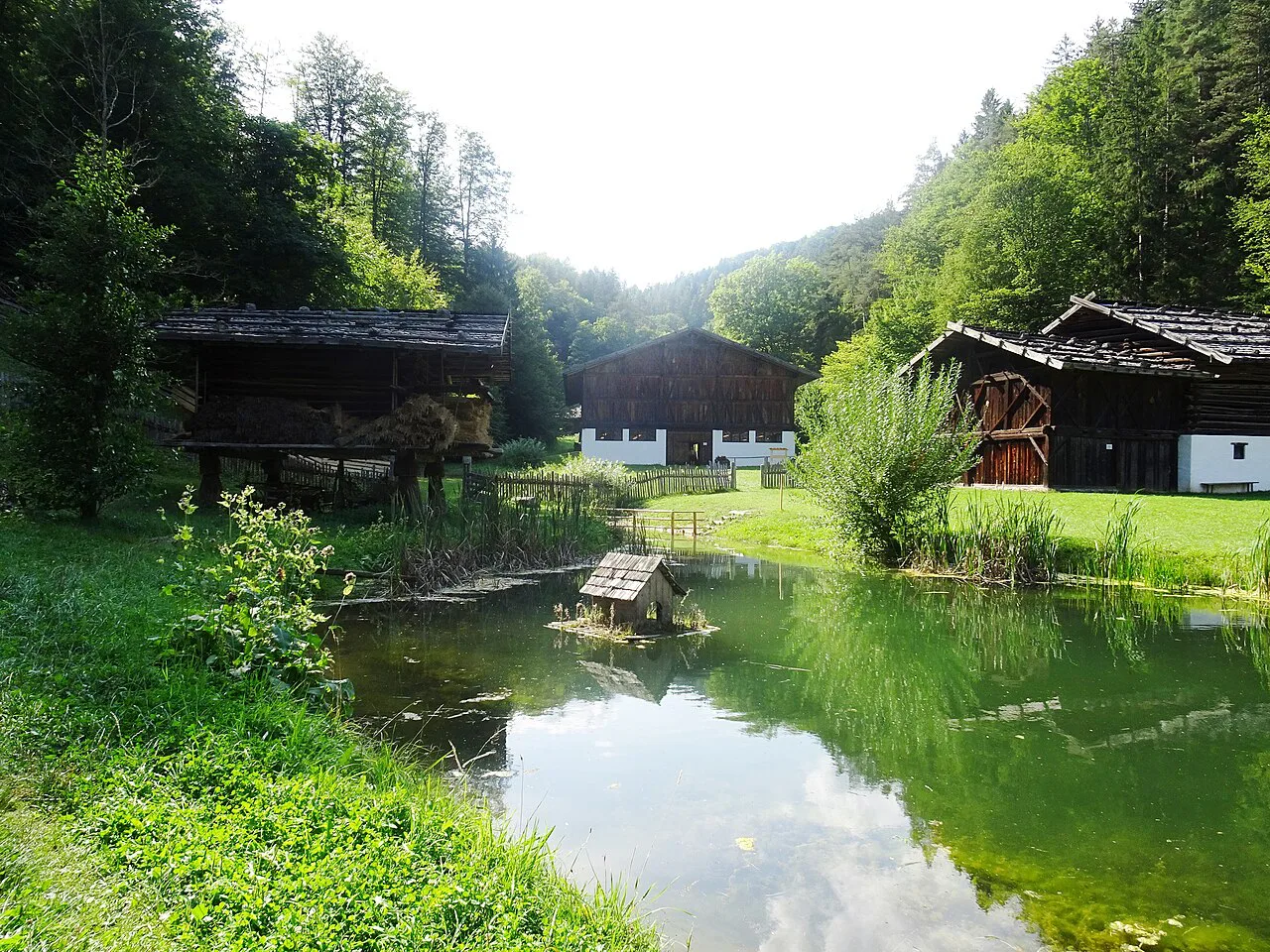
The Austrian Open-Air Museum Stübing is the country's largest and only national open-air museum, and its draw is simple: formative historic building styles from each of Austria's federal provinces, assembled on a single site in a Styrian valley. Plan on a half day outdoors rather than a quick museum stop, because the collection is a landscape of buildings rather than a row of galleries. This guide covers what stands there, how the grounds are arranged, how to get there from Graz, and what to settle before you go.
Stübing is part of the Universalmuseum Joanneum, the association of around 20 museums at 14 locations that includes the Styrian Armoury, Schloss Eggenberg and the Folk Life Museum in Graz. That membership matters for planning: Stübing can anchor a rural day while the Graz sites fill the urban ones.
What the museum is, and what it is not
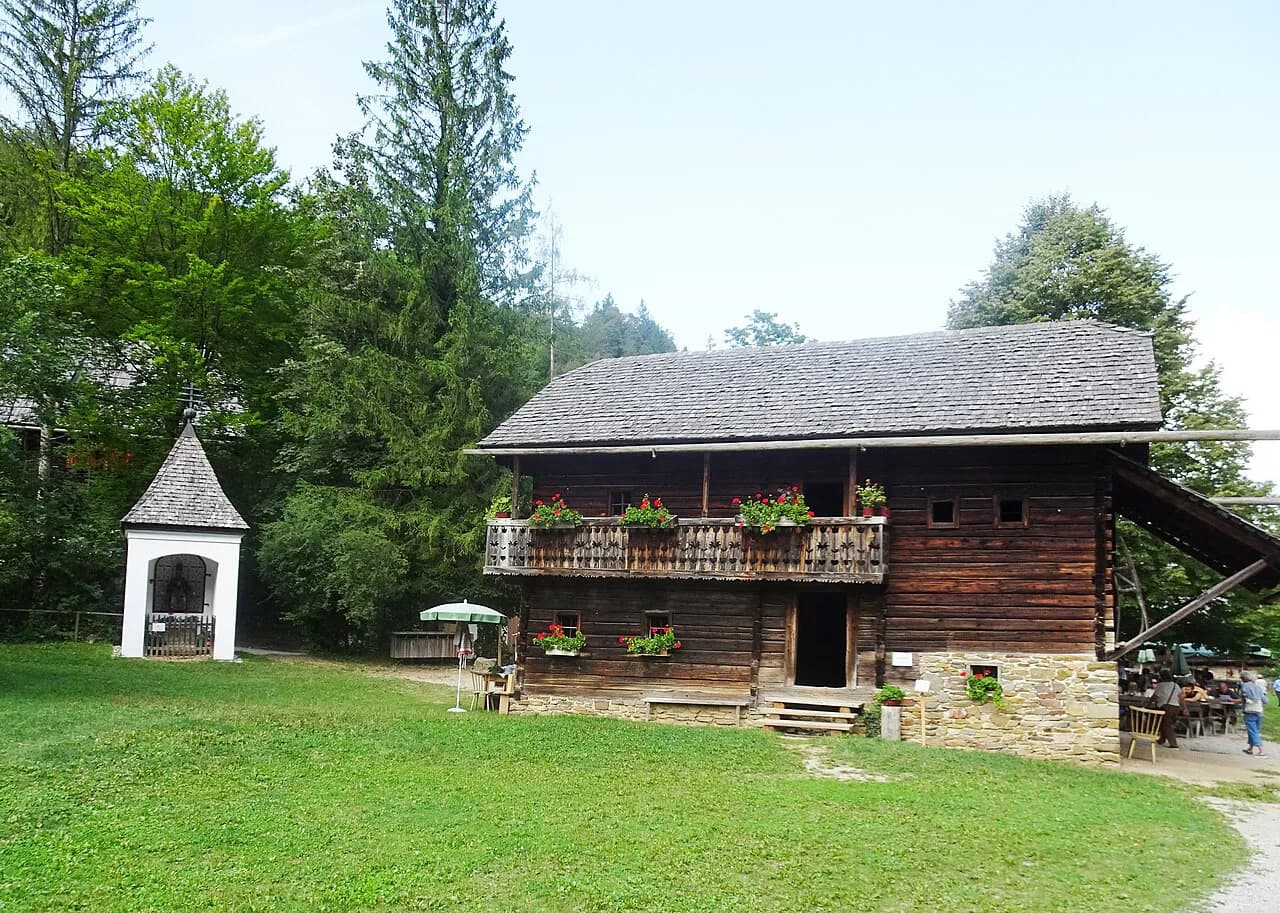
This is not a reconstruction of one invented village. It is a collection of original farm buildings brought from their home regions and re-erected here, so the site reads as a catalogue of Austrian rural architecture rather than a single settlement. Expect variety between provinces in materials, roof forms and construction rather than one uniform style repeated down the valley.
The museum's own framing is architectural and ethnographic: it presents the historical building styles that shaped each federal province, not a chronological march through centuries. That changes how you walk the site. Instead of following a timeline, you compare regions and notice how landscape, climate and available timber or stone pushed builders in different directions.
Where Stübing sits
The museum lies at Kleinstuebing in the municipality of Deutschfeistritz, in the hills northwest of Graz. It is a rural setting, so the visit begins and ends with a transfer rather than a stroll from a city center. Treat Graz as the base and the museum as a half-day excursion into the surrounding countryside.
The valley setting is part of the experience and part of the logistics. Buildings sit on sloping ground among trees, so the route involves gradients and uneven surfaces rather than gallery floors. Budget energy for walking between clusters, and plan around the fact that the exhibits are open to the sky.
Getting there from Graz
Stübing is reachable by train, bus or car from Graz, and the last stretch to the entrance is worth researching in advance. Pull current connections from the ÖBB timetable for rail and from Postbus or the Styrian transport association for buses, then compare them with the museum's own directions page, which is the practical place to start.
If you drive, the trade-off is flexibility against the final approach to the entrance. Confirm parking and the walking distance from car park to ticket desk on the museum's directions page before committing. For rail travelers, the useful question is how the station connects to the site, since that last leg turns a straightforward train ride into a hike if you have not checked it.
What you walk through
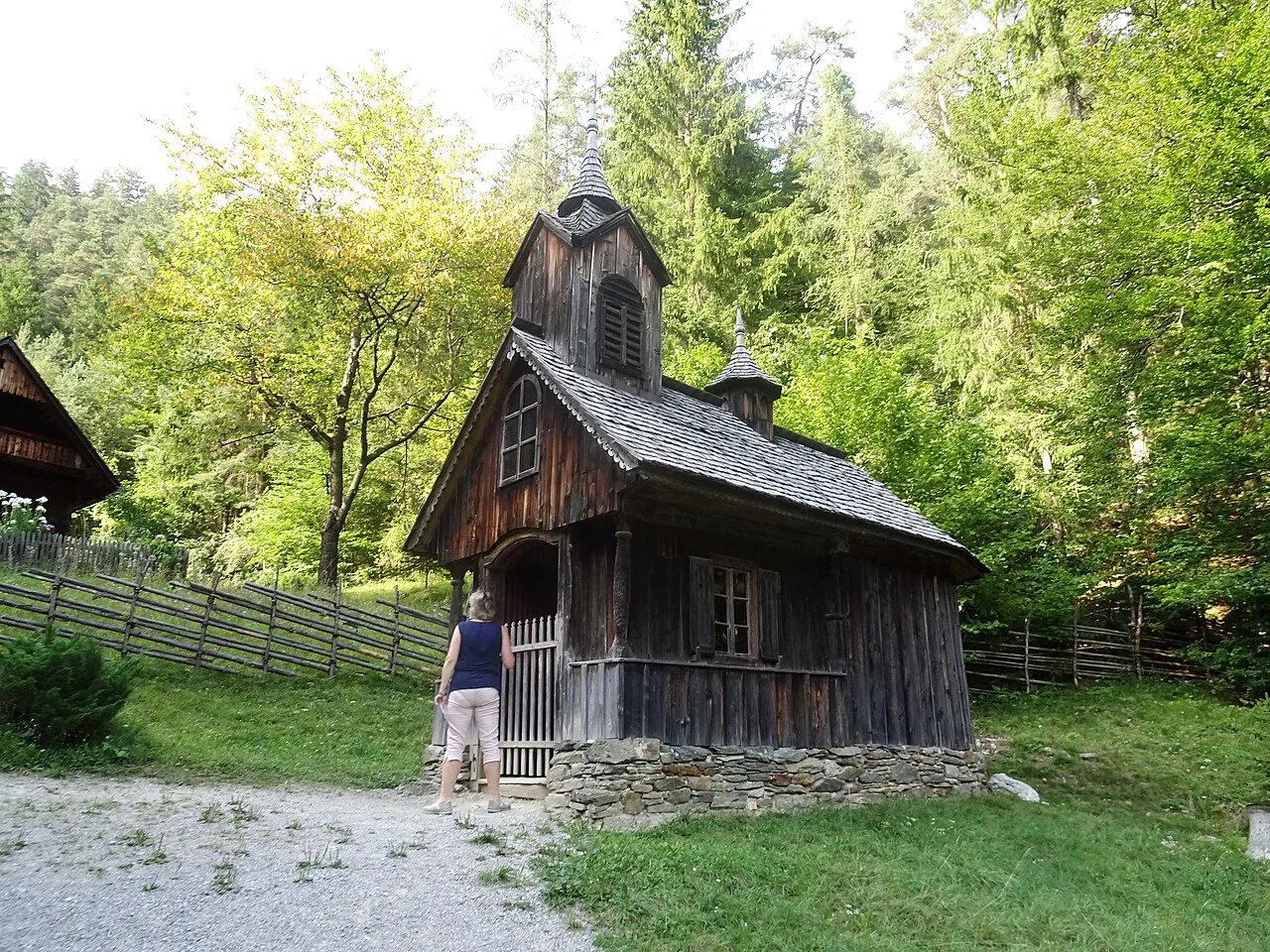
The buildings span the range of Austrian rural construction: log cabins, timber-framed structures, and brick or stone farm buildings, each moved from its region of origin. Walking the grounds is therefore a lesson in materials as much as in floor plans. Look at how a building's home landscape shows up in its walls, its roof pitch and the way it sits into the slope.
Because the buildings are grouped by province, the layout is regional rather than thematic or chronological. That makes a deliberate loop worthwhile: pick a direction through the grounds and work province by province, comparing farm types as you cross from one region's cluster to the next. Route by region and the site makes sense as a comparative collection. Wander without a plan and the clusters blur into one long lane of old wood.
The Rural tools and vehicles exhibit
One named stop deserves a place on your route: the Rural tools and vehicles exhibit in the Bundwerkstadel Flaurling. The permanent collection documents how farming vehicles and tools developed, with particular attention to forestry, field and grass farming, and it traces the path from grain to bread through a series of examples.
The display uses pictures, drawings, tools and staged scenarios to give an overview of how equipment changed and how farming methods developed. Set inside a timber-framed barn, it rewards a slower read than the outdoor lanes, where the buildings themselves carry the argument. Pair it with a look at the working structures elsewhere on site to connect the implements to the spaces where they were used.
Admission, hours and season
The museum publishes admission prices and opening hours on its own visit pages, and those pages are where the numbers belong, since an outdoor site's schedule shifts with the season. Read the published opening hours against your travel dates rather than assuming a year-round daily schedule. The pages also list group offers and accessibility notes, both worth checking if you are arriving with a larger party or need step-free routes.
Season matters more here than at an indoor museum. Buildings that stand open to the weather and paths that cross grass and slope behave differently in a cold or wet month, and a site framed around outdoor walking is best matched to a day when you can stay outside for hours. Check the season and daily hours on the museum's visit page before you set out.
How long to allow
Allow at least half a day. The grounds hold buildings from every federal province, so a loop that actually compares regions takes longer than a single pass down one lane, and the Rural tools and vehicles exhibit adds an indoor stop worth twenty minutes or more. If you are combining Stübing with a Graz museum the same day, put Stübing first and leave the city for the afternoon.
Pace is governed by terrain. Sloped ground, outdoor surfaces and clusters spread across a valley mean you will walk more than the building count suggests. Wear shoes suited to grass, gravel and gradients, and treat benches and barn interiors as natural rest points rather than detours. A slower circuit with fewer buildings read closely beats a rushed sweep of the whole site.
Weather, footwear and the outdoor setting
Almost everything at Stübing is outdoors. The farm buildings are the collection, and the lanes between them are exposed, so rain, wind and heat all shape the visit. Carry a layer and footwear with grip, and keep an eye on the sky, since the barns are the only real shelter.
The setting does half the interpretive work. Buildings sit in a wooded valley that resembles the landscapes they came from, which is precisely what an urban museum cannot reproduce. If the weather turns, finish in the Bundwerkstadel Flaurling rather than pressing on across exposed ground.
Stübing within a Joanneum itinerary
Because Stübing belongs to the Universalmuseum Joanneum, it slots naturally into a Graz museum plan. In the city, Schloss Eggenberg holds original 17th and 18th century designs, furniture and decorations, with a circle of 24 state rooms and the Planetary Room at its core, and the same location houses the Alte Galerie with paintings from the High Middle Ages to the late 18th century. The Styrian Armoury, the History Museum and the Kunsthaus make up the rest of an urban day, and Styria: A Traveler's Guide to Graz, the Vineyard Hills and the Alps sets them in the wider region.
A sensible split gives one day to the city's museums and another to the valley. Check the Joanneum site for combined admission options and for which houses close on which days, since the city museums and the open-air site keep different rhythms.
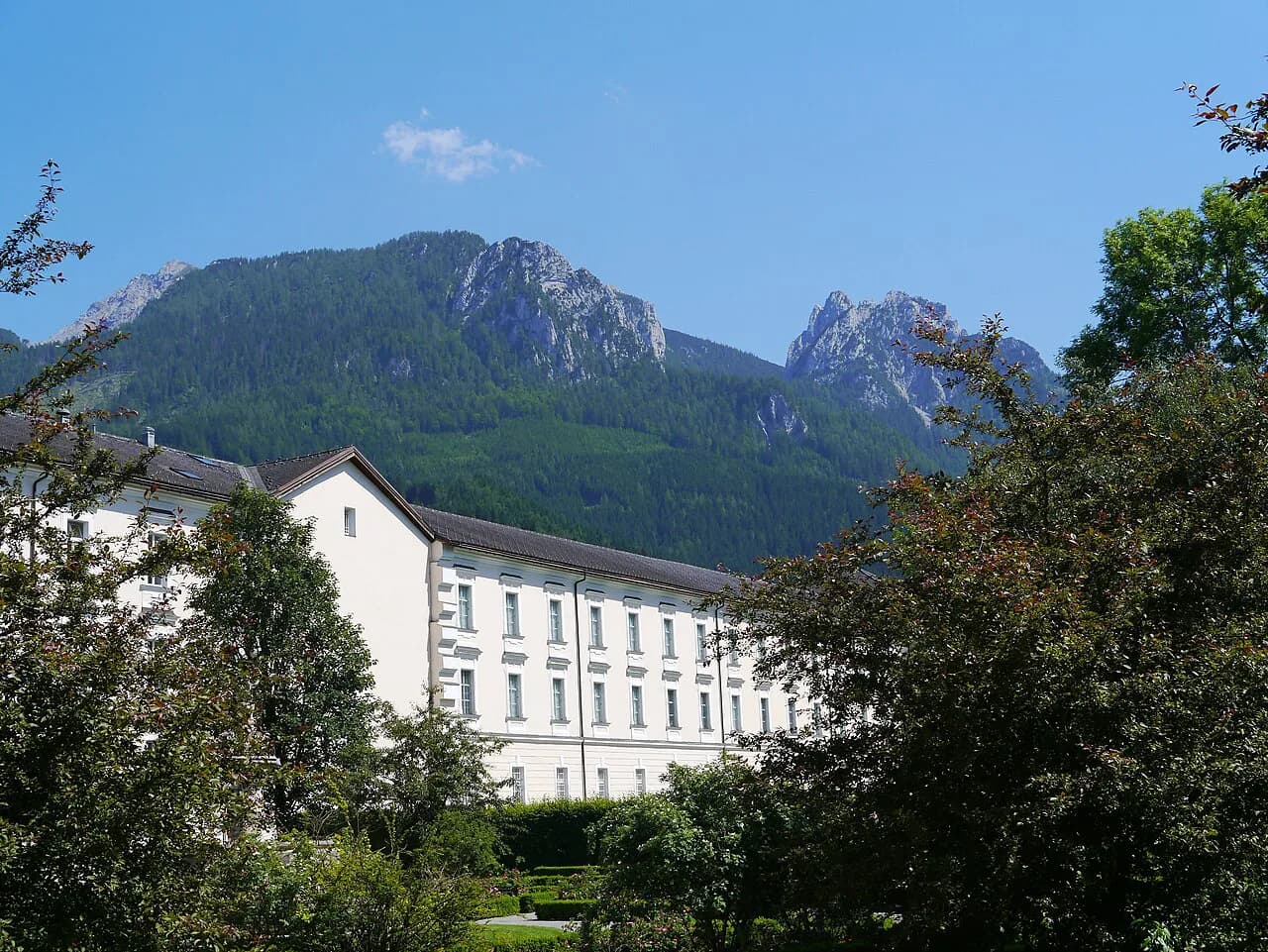
Styria rewards a longer loop beyond Graz and Stübing. The Admont Abbey library, the largest monastic library hall in the world, sits east of the valley in the Enns region, and the design by Josef Hueber makes it a natural companion to a farmhouse day if you are touring by car. Keep the two on separate days; each deserves unhurried time.
Should Stübing be on your Styria route?
Yes, if you want Austrian rural architecture explained through original buildings rather than replicas, and you are willing to give it half a day outdoors. The trade-off is real: no city-center convenience, a schedule tied to season, and walking on sloped ground. Travelers who prefer a compact indoor museum should keep Stübing for a trip built around the countryside.
Build the day around three fixed points: the published opening hours, a confirmed connection for the last stretch from the station or car park, and a route through the grounds that goes province by province and ends at the Rural tools and vehicles exhibit. Pace and footwear follow from those choices.
Explore more Graz guides
Frequently Asked Questions
Is Stübing worth it compared with staying in Graz?
They serve different purposes. Graz holds the urban Joanneum houses such as Schloss Eggenberg, the Styrian Armoury and the Kunsthaus, while Stübing is an outdoor landscape of original farm buildings from every Austrian province. If you have a spare half day and reasonable weather, the valley adds something the city museums cannot show.
How do I find out when Stübing is open?
The Universalmuseum Joanneum publishes opening hours and admission details on its own visit pages for the open-air museum. Because the site is seasonal and outdoor, match the published hours to your travel dates rather than assuming a daily year-round schedule, and check again shortly before you travel.
Can I reach Stübing without a car?
Rail and bus services connect the area from Graz, and the museum publishes directions alongside its visit information. The final stretch from the station to the entrance is the part to plan carefully, so confirm it on the museum's directions page and against current ÖBB or Postbus timetables before you set out.
What should I not miss inside the grounds?
The Rural tools and vehicles exhibit in the Bundwerkstadel Flaurling is the one named indoor stop, covering forestry, field and grass farming equipment and the path from grain to bread. Otherwise, walk the buildings province by province so the regional differences in log, timber-framed and stone construction stay legible.
Sources
Notes for your next Austrian town break
Optional updates when we add or revise town guides.
You might also like
Continue reading
More guides you'll find useful