Styria, Austria: Graz, Castles, Abbey Country and the Alps
Styria packs Graz's Schlossberg and Kunsthaus, baroque Schloss Eggenberg, hilltop Riegersburg and the Dachstein massif into one Austrian state.
On this page
Styria is where Austria turns green, southern and mountainous at once, and Graz is the hinge of any trip through it. The state is the country's second-largest, roughly 60 percent forested, which is why it is marketed as the Green Heart of Austria; its capital sits low at 353 meters while the Dachstein massif rises to 2,995 meters in the north. This guide groups what to see by distance from Graz, from the Schlossberg above the Mur to Admont Abbey and the Gesäuse, so you can plan a few days that actually connect.
The first decision is scale. Graz alone rewards a full day or more, the castle country east of the city and the vine hills to the south are easy half- and full-day loops, and the northern sights — Eisenerz, Admont, the Dachstein — sit far enough apart that each wants its own day. Treat the wine country as scenery and villages rather than a tasting itinerary, and let the mountains and abbeys carry the weight of the trip. If you are weighing city against countryside, comparing the things to do in Graz with the rural loops above will tell you quickly which shape suits your days.
What Styria is and where it sits
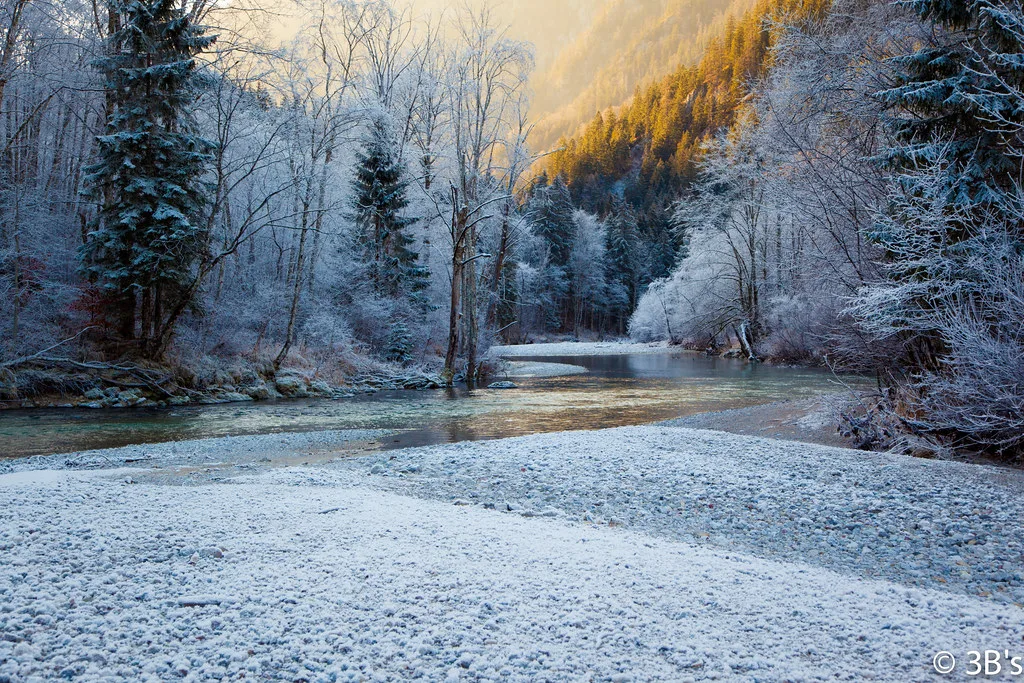
Styria (Steiermark) occupies Austria's southeast, bordering Slovenia and the Hungarian plain, and the state's own tourism framing sells it as the Green Heart partly because so much of it is wooded. The land splits cleanly: alpine ranges in the north and west, gentler country in the south and east where the climate turns mild and the vine hills around Gamlitz read more like Tuscany than like the Alps. Graz, the Landeshauptstadt, sits in the south on the Mur, which makes it the natural base for everything within an hour's drive or train ride.
The practical consequence is that Styria is not a single destination but a set of them, and many travelers conflate the Graz city break with the rural state. A short trip can stay entirely around Graz — the old town, Schloss Eggenberg, the castles east of the city — while a longer one pushes north to the Erzberg, Admont and the Dachstein. If the city half is your priority, the things to do in Graz map neatly onto a day or two. Decide which shape you want before booking, because the two halves use different roads and different days.
Graz as your base: the Schlossberg, Murinsel and Kunsthaus
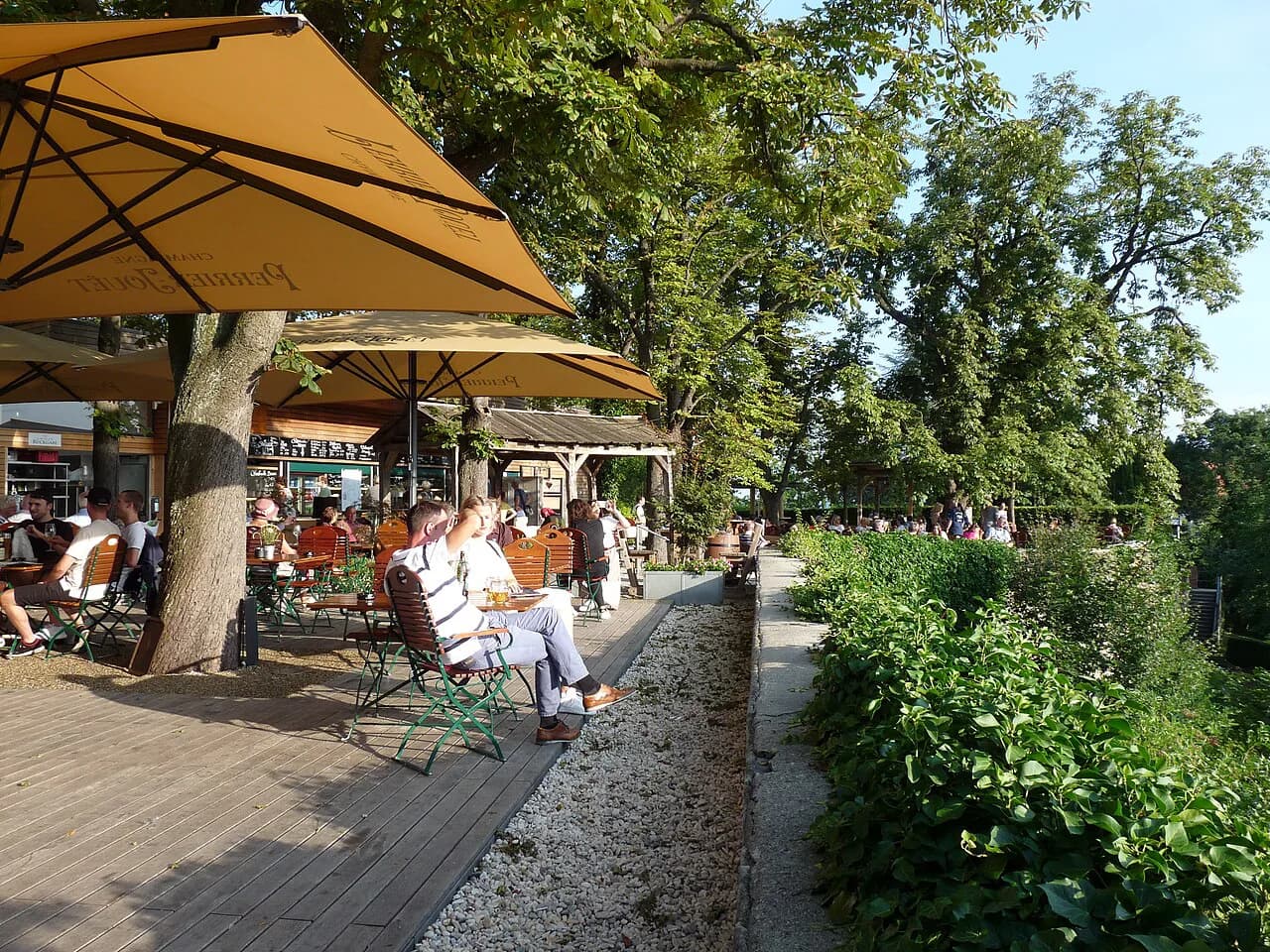
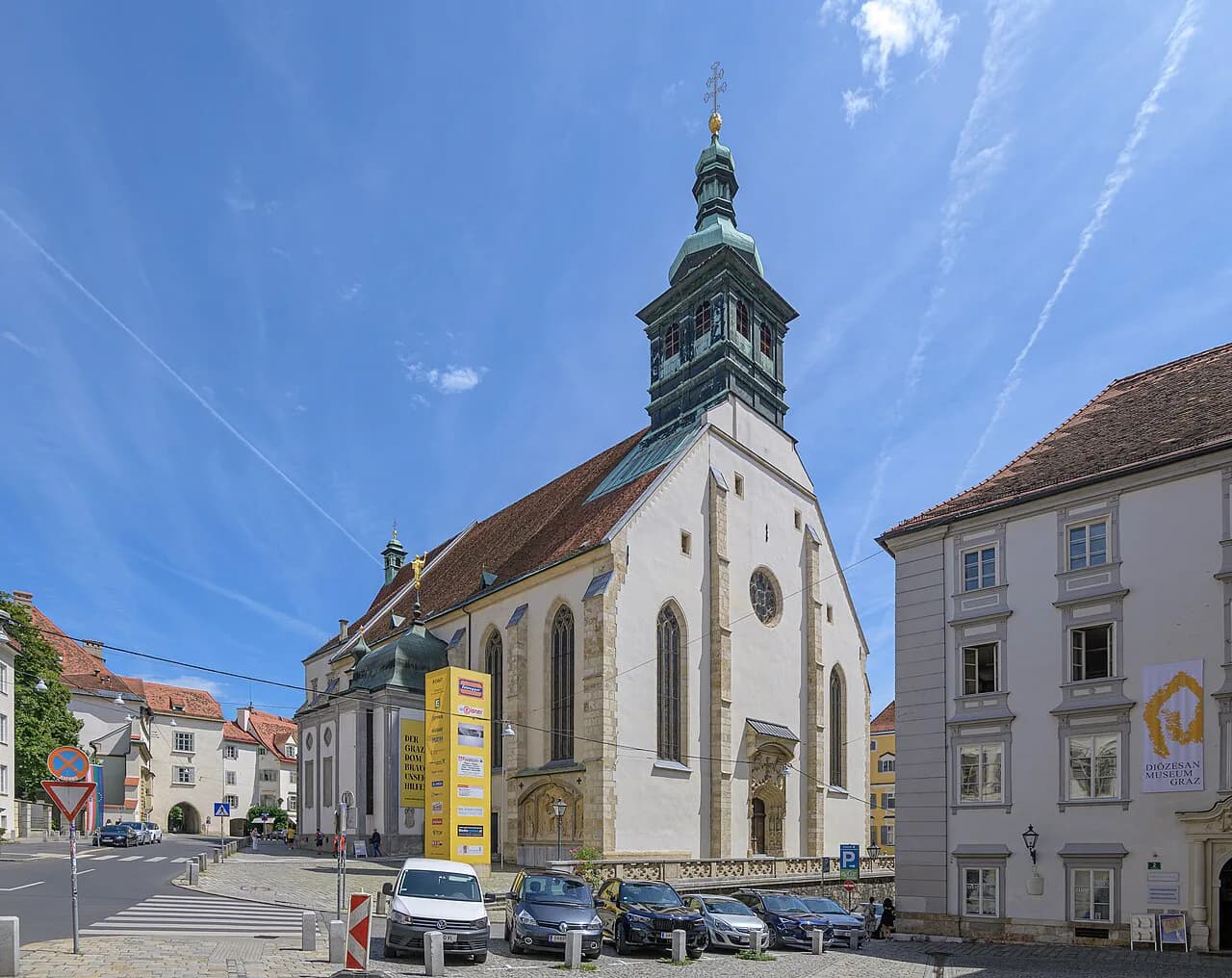
The Schlossberg is the center of the Graz Altstadt, a hill that held a powerful fortress until the Napoleonic era and keeps two landmarks from it: the Uhrturm clock tower and the Glockenturm. You can climb on foot or take the Schloßbergbahn, and the hill also hides a slide that drops you back into town in about 40 seconds, plus a footpath through the old tunnels connecting two districts. The lookout from the top puts the red roofs and the Mur at your feet, which is the single best orientation you can get before walking the center.
Down on the river, the Murinsel is not an island but a shell-shaped steel platform floating in the Mur, linked to both banks and used as an open-air theater with some 350 seats, with a café and a playground alongside. A few minutes away the Kunsthaus Graz is the blue, blob-like contemporary art museum with 15 light tubes on its skin; it holds no permanent collection but shows art made after 1960, and its facade doubles as a low-resolution screen of 930 individually controlled light elements. Both are quick visits that fit between the Schlossberg and lunch rather than anchoring a whole day.
Budget the Graz sights with the ticket desk in view. The Schlossberg slide and the Kunsthaus charge separate admissions, listed at 5.50 euros for adults at the slide and 10.50 euros at the Kunsthaus in the year those figures were compiled, with the Kunsthaus closed on Mondays. A wider set of Graz museums and walks is covered in the city's own guide to its attractions.
Schloss Eggenberg: the baroque palace built on numbers
Schloss Eggenberg, just outside the city, is Styria's most important baroque palace, and its architecture runs on number symbolism: 365 exterior windows, 52 of them on the second floor, 24 state rooms and 31 rooms on each floor, all mirroring the calendar. Look up and count as you walk the piano nobile — the point of the building is the scheme, not just the furnishings. The palace also houses an archaeology museum and a coin collection, so a single ticket covers several hours if you want it.
Adult admission was 16 euros in the year the figure was recorded, with reduced rates for students under 26 and free entry for children under six, and the palace opened Tuesday to Sunday from 10 to 17. Confirm the current tariff and any state-room tour times on the palace's own site before you go, since guided access to the ceremonial rooms can be timed. Pair it with the Schlossberg on a different day so you are not rushing either.
Castles east of Graz: Riegersburg and Schloss Herberstein
East of Graz the land rises into the Thermen- & Vulkanland, and Riegersburg is the signature sight: a castle on a basalt crag that you see long before you reach it, reached by a climb or a lift and best given a half day. The region around it also holds producers worth a stop, including Alois Gölles, whose manufactory works in fine brandy and vinegar. This is the corner of Styria where you can link a castle, a country estate and a food producer in one loop.
Schloss Herberstein, also east of the city, pairs a historic Schloss with an animal park, and Graz's tourism office lists it among the region's top excursion targets alongside Schloss Kornberg. Because these estates sit off the main rail lines, a car makes the day far simpler than buses; if you rely on public transport, pick one estate and build the day around it rather than two.
A short drive south of Riegersburg, the Zotter chocolate factory runs a bean-to-bar experience that suits a rainy afternoon, with its hand-scooped chocolate among the reasons people stop. Treat it as an indoor fallback on a castle day rather than a destination in itself, and check tour times directly with the factory.
Leoben and the industrial north
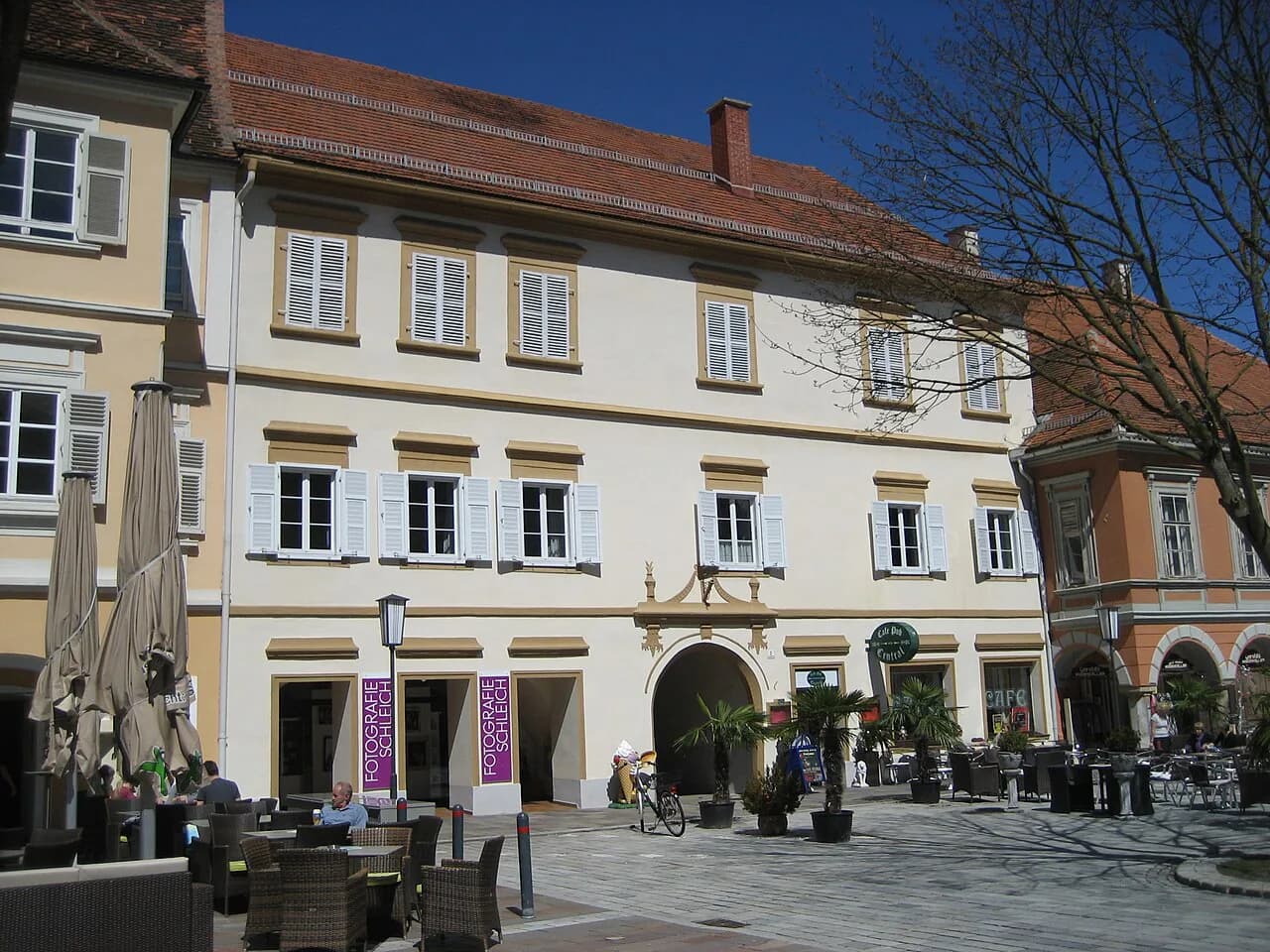
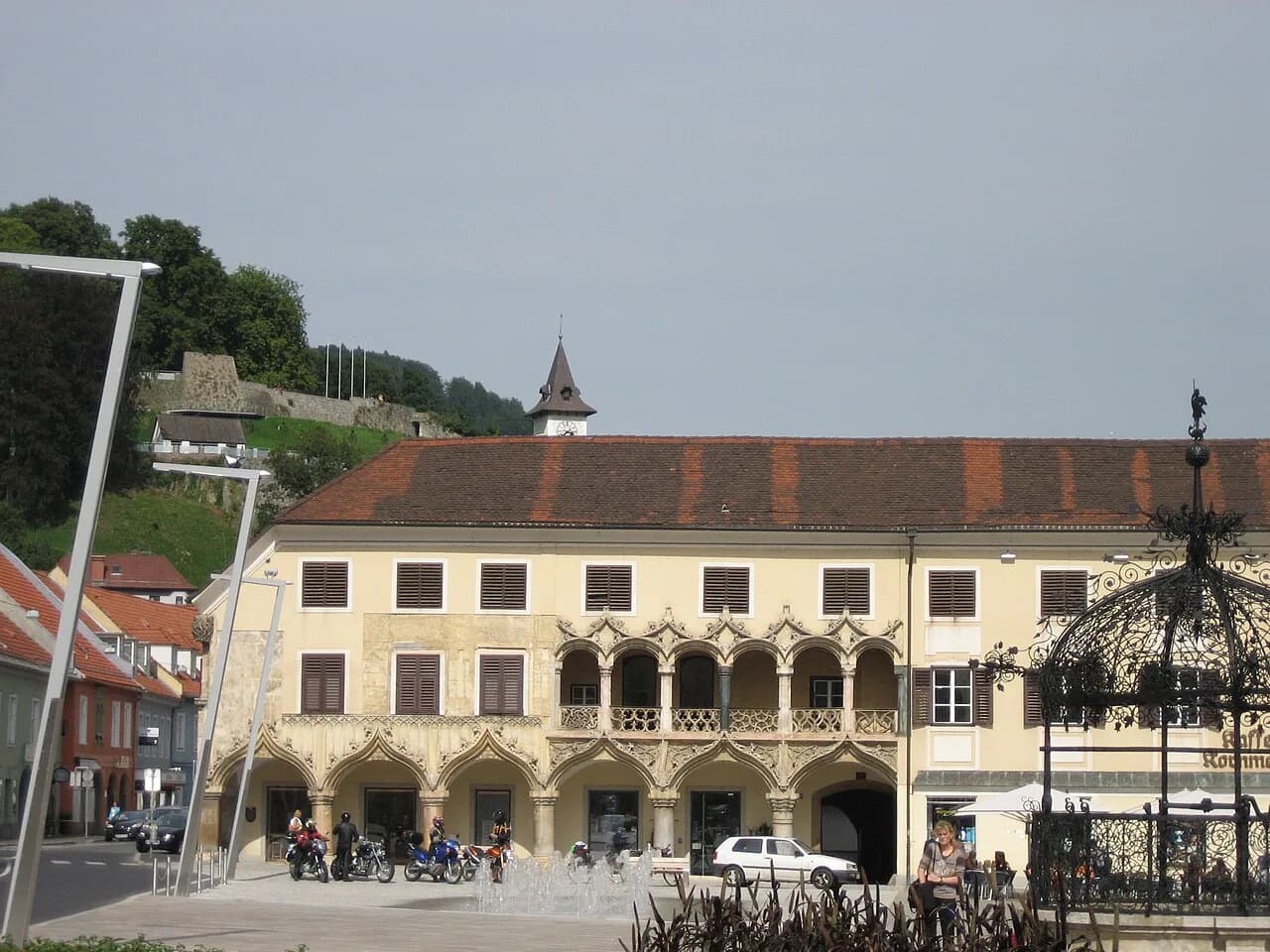
North along the Mur, Leoben is Styria's second city and a former mining and iron town whose Hauptplatz is ringed with stops: the baroque Hacklhaus, the parish churches of St. Xaver and Leoben-Göss, and the Gösser brewery museum tied to the brewery of the same name. It is a compact center that works as a couple of hours on the way to or from the Erzberg rather than a day on its own. Nearby, Bruck an der Mur adds another small old town with its own squares and chapels if you are following the Mur valley.
The baroque street front is the reason to linger here: the Hacklhaus is the showpiece, and the two parish churches give the town more layers than its industrial reputation suggests. Trains along the Mur make Leoben an easy stop without a car, which is not true of most of Styria's castles.
The Erzberg and Eisenerz: mining country
Eisenerz is a mining town on the steirische Eisenstraße whose old center and Hauptplatz sit under the vast terraced Erzberg, the ore mountain that shaped the whole region. The town is a good base for mountain walks and a sobering, fascinating look at how iron was carved out of a mountain for centuries. Give the Erzberg in Eisenerz a half day at least, since the site is large and the mining landscape takes time to read.
The Graz tourism office lists Abenteuer Erzberg among the state's top excursion targets, which confirms it as a visitor site rather than a viewpoint you pass. Check opening seasons and tour formats directly with the operator, since a working mountain site runs on its own schedule and some experiences are seasonal.
Admont Abbey and the Gesäuse
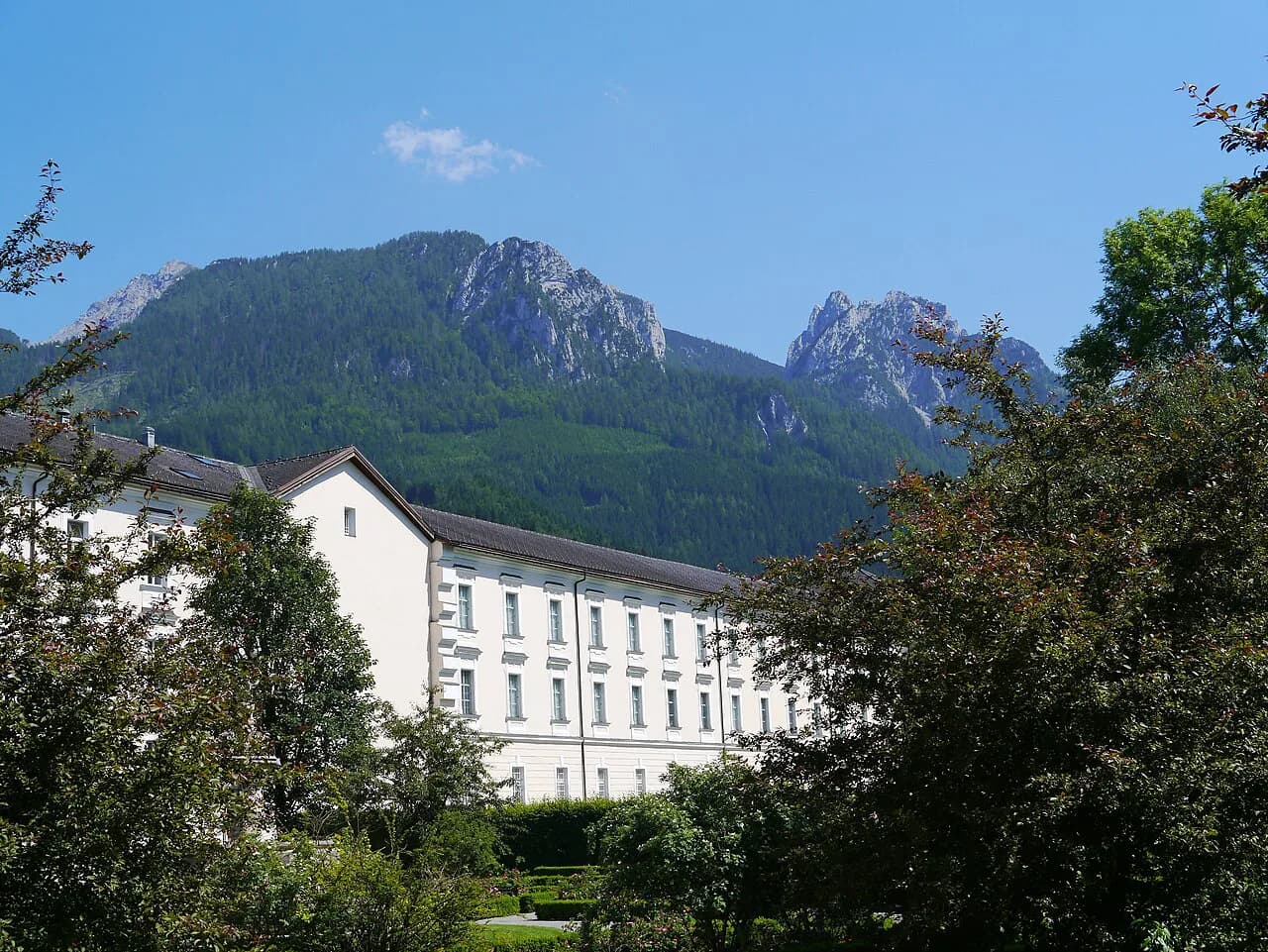
South of the Erzberg, Admont Abbey holds the largest monastic library hall in the world, a baroque confection by Josef Hueber that alone justifies the detour into the Enns valley. The abbey sits at the mouth of the Gesäuse, Austria's youngest national park, where the Enns cuts a gorge between limestone walls. That pairing — a single valley with an abbey at one end and a national park up the road — is the most efficient day in northern Styria.
The abbey's library is a timed, ticketed visit, so book the hall into your morning and leave the afternoon for the gorge. The park is a place for river scenery and quiet rather than a checklist of monuments; walk a stretch of the Enns bank and let the rest go.
Dachstein and the high mountains
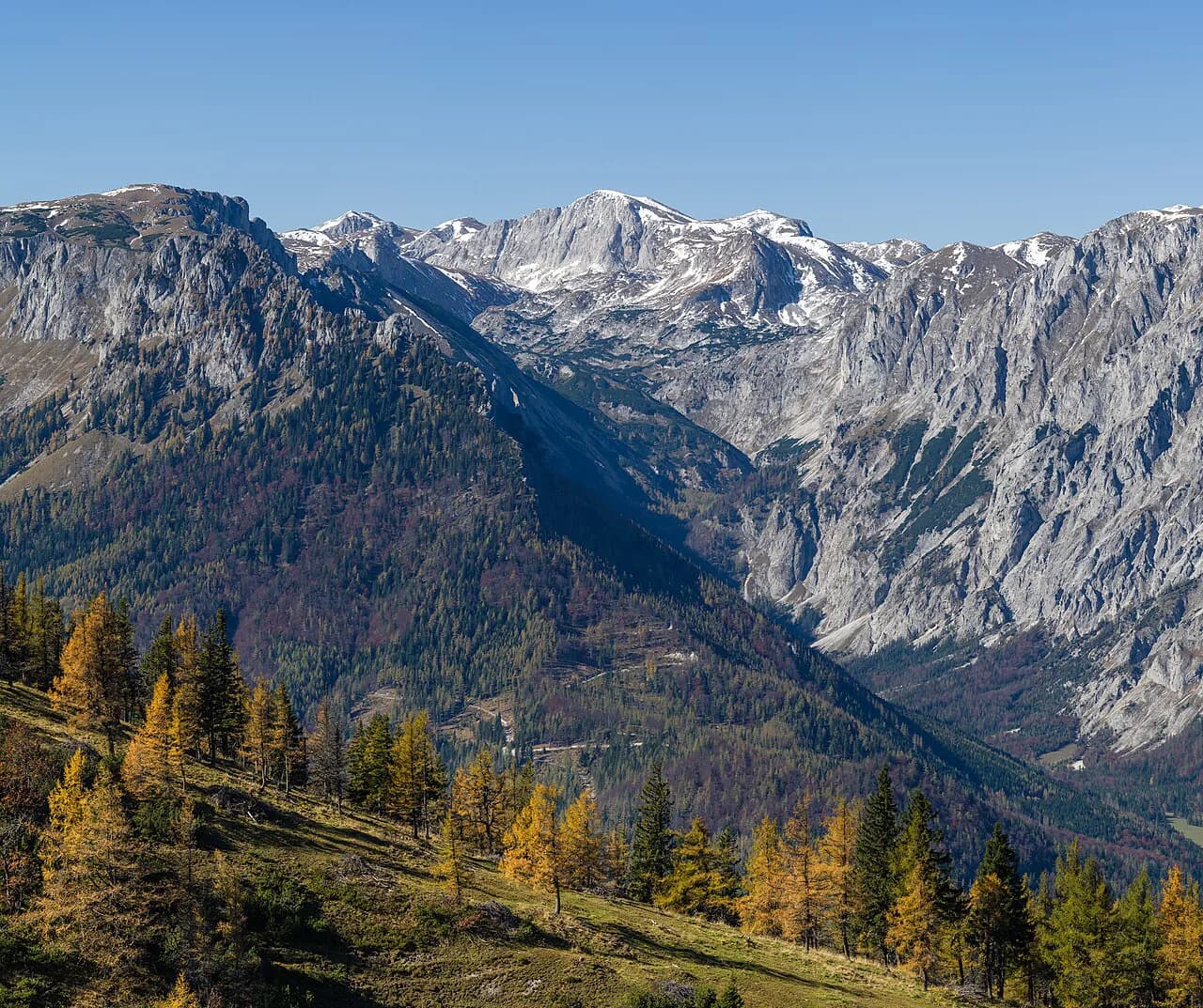
The Dachstein massif anchors Styria's north, a wall of rock and ice whose highest point reaches 2,995 meters, with the Spiegelsee among the sights that draw travelers up into the mountains in summer. Around it, the Ausseerland and the Ramsau plateau give you alpine villages, cable cars and high viewpoints without committing to serious climbing. Come with layers: the heights here run far cooler than Graz, and snow can return to the upper ground even in spring and fall.
For a mountain day without a rope, the Dachstein Panorama Gondel and the Dachstein Hängebrücke give the massif's scale in a few hours, and the plateau around Ramsau am Dachstein is where you sleep if you want an early start. Cable cars in this country run on seasonal schedules, so confirm operating dates and any bridge access with the lift company before driving up.
Another mountain with a very different purpose sits in the south: at Bundesgestüt Piber near Köflach, the Lipizzaner stud farm raises the horses that later perform in Vienna, and guided visits let you see the stalls and the fields. It is a good half-day for anyone traveling with horse-minded companions and pairs neatly with a slow drive through the western hills.
The Weinstraßen and the south
The south answers a different question. Around Gamlitz and the Schilcherweinstraße, low vine hills, scattered farms and villages turn the landscape into something travelers consistently compare to Tuscany, and the mild climate here is the reason. The Schilcherweinstraße is named for the local rosé grape, and the roads through it are for driving and looking, not for a tasting crawl.
Two southern towns round out the region: Bad Radkersburg on the Slovenian border, an old spa town with a compact center, and Hartberg in the east, noted for its small Altstadt and green spaces. Neither is a headline sight, but both break up a drive and give you a Styrian town at human scale.
One name often attached to the region is Mariazell, the pilgrimage basilica in the northern limestone Alps, which draws busloads from across Central Europe and sits within reach of the Styrian border country. If you are routing from Graz toward Lower Austria, the Basilika Mariazell makes a natural stop on the way.
Getting around Styria: train, bus or car
Graz has the state's main rail hub, with direct trains along the Mur to Bruck an der Mur and Leoben, from which branch lines and buses reach the valleys beyond. The big castles east of the city, the vine hills and the upper Dachstein are not well served by train, so a car transforms the reachable list. If you are car-free, pick one valley per day and plan to return to Graz each night rather than chasing the far corners.
The honest trade-off is dispersal. Admont, the Erzberg, the Dachstein and the Riegersburg country do not combine in a single day from Graz without hours in the car, and the far north rewards a night up there rather than a round trip. Build a route in rings — one day around Graz, one east to the castles, one north to Eisenerz and Admont — and accept that the western mountains need a separate stay.
When to go
The south around Graz is pleasant from spring into fall, and summer in the southern hills can feel Mediterranean, while the northern mountains stay cooler and can catch snow high up even in spring and fall. Roughly 60 percent of Styria is forest, so the green season is long and the walking and driving are at their best between spring and the end of fall.
If your trip depends on a cable car, an abbey hall with timed entry or a mountain road, pick the season for that one thing first and the rest of the itinerary second. A castle day in the warm months and an abbey-and-gorge day in any weather make a robust pair when the forecast turns.
Where Styria fits on an Austria itinerary
Most routes through Austria run Vienna to Salzburg and miss the southeast entirely. Styria slots in as a loop from Graz, reachable by direct train from Vienna and by road from Salzburg via the Enns valley, which lets you string Admont and the Gesäuse into the approach. A few extra days in Graz plus one loop east and one loop north is the shape that fits a longer Austria trip. If you would rather build the trip around smaller places than cities, our guide to the villages in Austria pairs well with this loop.
North of the state line, the Wachau and the Danube continue the baroque-and-countryside thread if you are heading toward Vienna, so the two regions combine rather than compete. Within Styria, add Murau in the northwest or Hartberg in the east only if a slow day fits your schedule; both are small-town pleasures rather than must-sees on a tight trip.
Which loop to build first
Start with Graz: give it a full day for the Schlossberg, the Murinsel and the Kunsthaus, then add Schloss Eggenberg on a second day so the numbers and the state rooms get their due. If you want the city sights in a tighter order, our guide to the things to do in Graz walks through the old town, the Schlossberg and Schloss Eggenberg in sequence. From there, the eastern loop — Riegersburg, Schloss Herberstein and a chocolate stop — is the easiest day trip and the one most travelers remember.
If you have a third or fourth day, go north: Leoben on the way, the Erzberg and Eisenerz, then Admont Abbey and the Gesäuse, spending a night rather than doubling back. Save the Dachstein and the southern vine hills for a longer trip or a return, and check seasonal openings for lifts and timed abbey visits before you commit.
Explore more Graz guides
- Admont Abbey Library
- Bruck an der Mur
- Erzberg in Eisenerz
- Gesäuse National Park
- Hartberg
- Leoben: The Mur Town's Old Center, Schwammerlturm and Stift Göss
- Mariazell
- Murau: A Guide to the Old Town, Schloss Murau and the Brewery
- Piber Stud Farm
- Ramsau am Dachstein
- Riegersburg Castle
- Weiz: A Guide to the Old Town, the Taborkirche and the Weizberg Basilica
- Zotter Chocolate
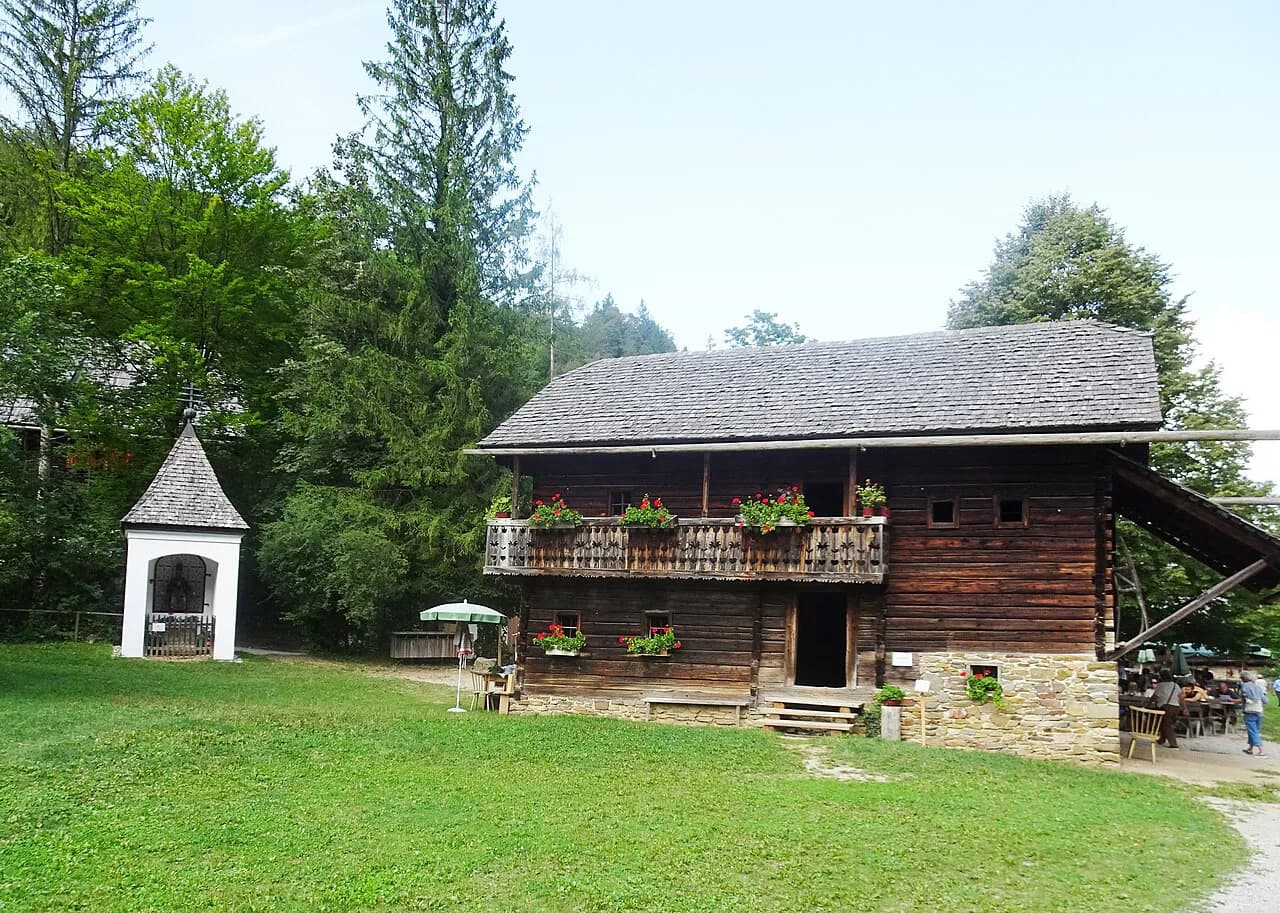
- Austrian Open-Air Museum Stübing
- Bad Radkersburg
- Schöckl: Graz's Local Mountain and Its Cable Car from St. Radegund
Frequently Asked Questions
What is Styria famous for?
Styria is known for Graz and its baroque old town under the Schlossberg, for Schloss Eggenberg, for castles such as Riegersburg, for Admont Abbey and the Gesäuse, for the Erzberg mining landscape and for the Dachstein massif. It is also sold as Austria's Green Heart because so much of it is forest.
How do you pronounce Styrian?
English speakers usually say STIH-ree-uhn, matching the state name Styria; the German name is Steiermark and the adjective is steirisch. You will hear it mostly in conversations about the state rather than on signs.
What is Graz, Austria famous for?
Graz is famous for its UNESCO-listed old town, the Schlossberg with the Uhrturm clock tower, the floating Murinsel and the blue Kunsthaus, plus its culinary scene and its student population. It is also the start point for most trips into Styria.
What are the 9 states of Austria?
Austria has nine states: Burgenland, Carinthia (Kärnten), Lower Austria (Niederösterreich), Upper Austria (Oberösterreich), Salzburg, Styria (Steiermark), Tyrol (Tirol), Vorarlberg and Vienna (Wien). Graz is the capital of Styria.
Sources
Notes for your next Austrian town break
Optional updates when we add or revise town guides.
You might also like
Continue reading
More guides you'll find useful