Ramsau am Dachstein: Glacier, Village Sights and Day Trips
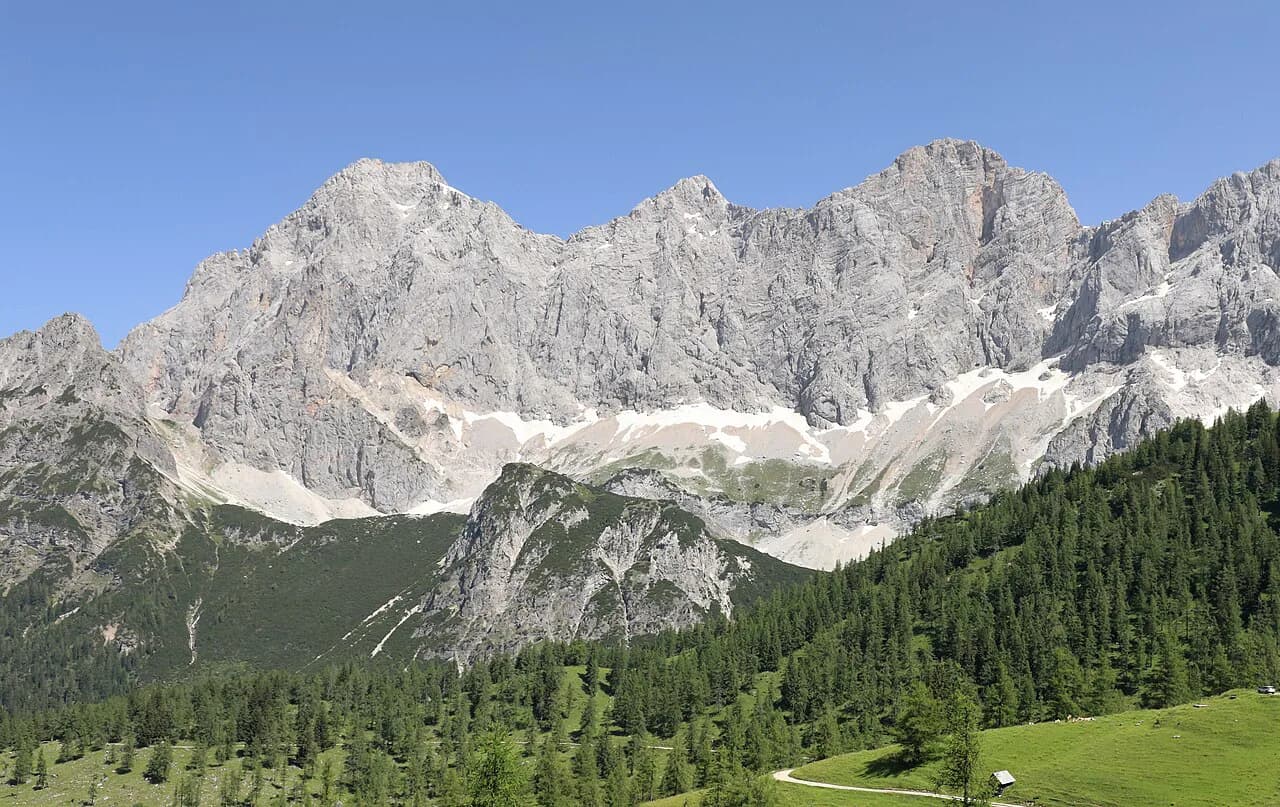
Ramsau am Dachstein sits on a high plateau below the Dachstein south walls. Plan the glacier gondola, the village sights and the longer abbey and castle trips.
On this page
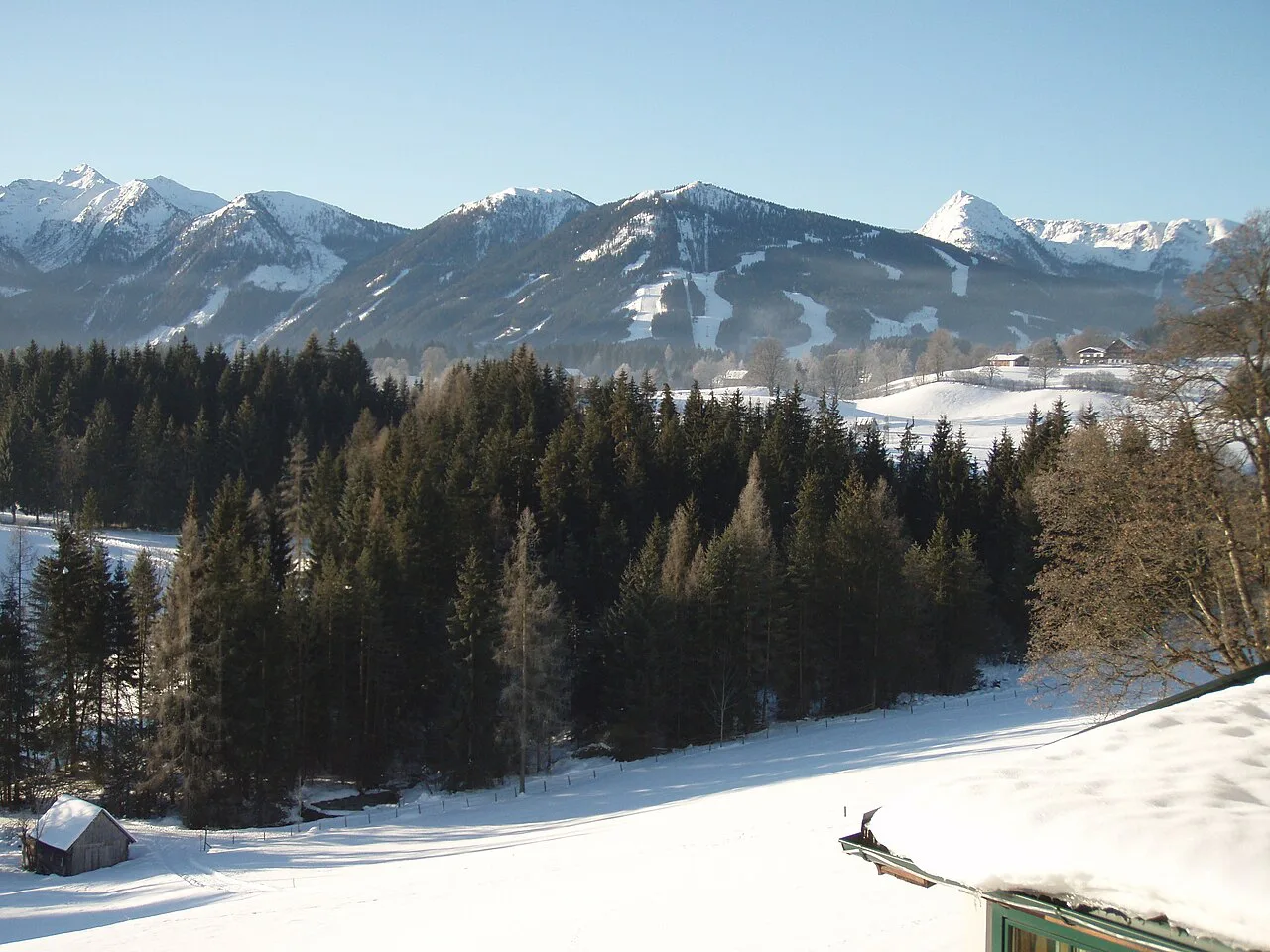
Ramsau am Dachstein is a scattered plateau village in the Austrian state of Styria, spread across roughly 1,100 to 1,700 meters below the south walls of the Dachstein massif, and it works best as a two-part visit: one high half-day at the glacier and one low half-day among the village sights. This guide lays out what each part contains, how the plateau is arranged and which outlying trips earn the drive.
Because Ramsau sits between Schladming and the Dachstein, it makes a practical base rather than a single stop, but its sights are strung out along the plateau and a car is genuinely useful for reaching the valley museums, the abbey and the castles. Plan the glacier around the weather forecast, since the views from the top are the whole point.
How the plateau is arranged
Ramsau is not a dense old town but a long, open high plateau that rises in three levels and meets the Dachstein south walls at its upper edge, so distances between the glacier base, the village center and the outlying hamlets are measured in driving minutes rather than walking minutes. Read the map before booking a base, and pick accommodation within reach of the places you actually plan to see.
The practical consequence is that the glacier gondola station, the Lodenwalke and the small museums do not sit in one walkable cluster, and stacking them into a single morning means a lot of time in the car. Give the glacier its own half-day and group the plateau-level sights on the other side of your stay. As part of a wider route through the region, Ramsau fits naturally into the mountains covered in the Styria: A Traveler's Guide to Graz, Castles and Alpine Valleys.
Getting there and getting around
Ramsau is reached from the Ennstal side via Schladming, and the plateau road then climbs to the various hamlets and continues toward the Dachstein cable car. A car makes the scattered layout manageable and lets you add outlying sights without watching a clock.
The plateau's spread shapes what is possible in a day, so build the day around one high-altitude objective and one low-altitude one rather than trying to chain four stops.
The Dachstein glacier: gondola, Skywalk, suspension bridge and Eispalast
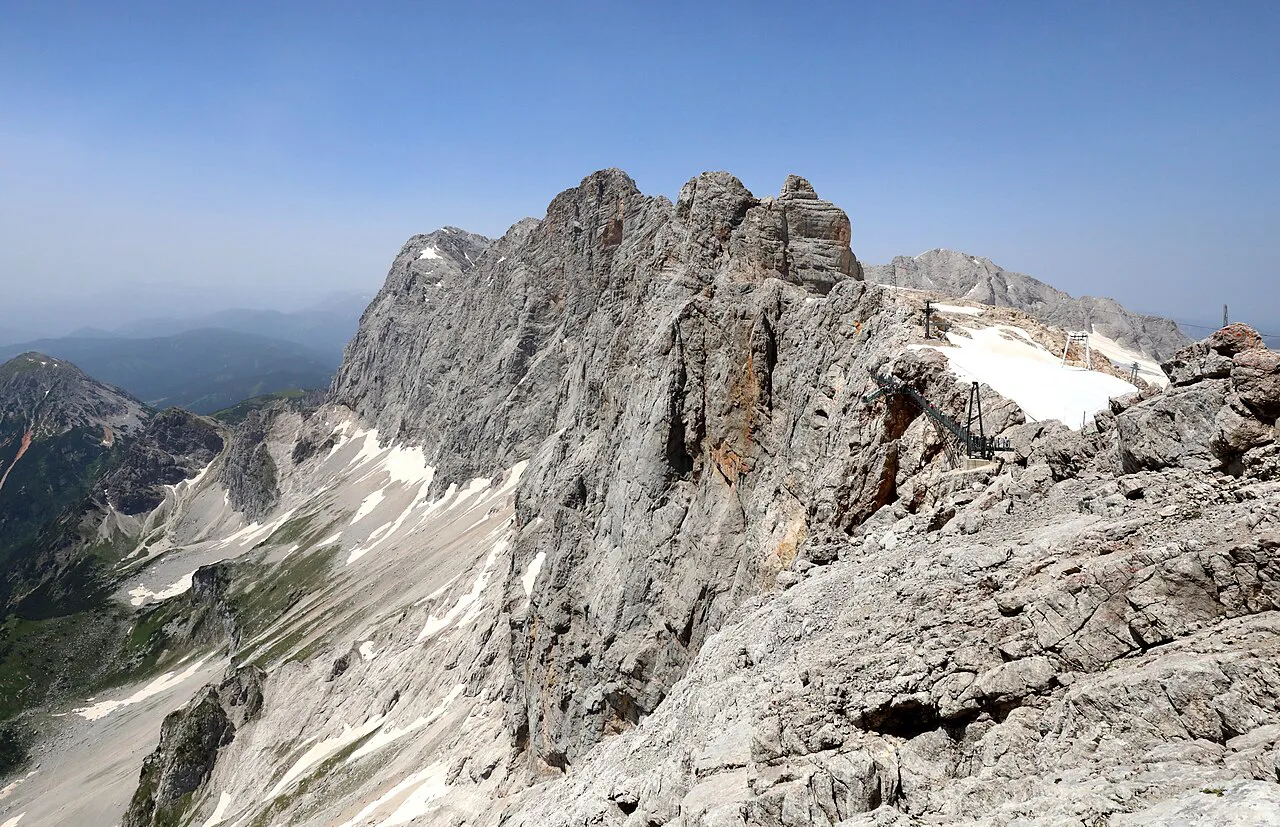
The headline trip is the ascent to the Dachstein glacier, where a panorama gondola climbs to roughly 2,700 meters and delivers you to a compact circuit of viewpoints: the Skywalk platform, the Dachstein Hängebrücke suspension bridge, the Treppe ins Nichts glass stair with its drop over the rock face, and the Eispalast carved inside the ice. Budget half a day for the ascent, the circuit and the descent.
One regional blog describes the ride as taking about six minutes, and it is worth treating that figure as a marketing description rather than a reliable timetable. The same page notes that gondola reservations are required in summer, so book the slot before you build the day around it.
The Dachstein is the highest mountain in the Steiermark, and the top station gives a long view across the eastern Alps on clear days. Tickets and operating dates are set by the lift operator, so take current fares and season from the operator rather than from older trip reports.
Who the glacier suits, and who should skip it
The glacier trip rewards travelers who accept altitude and weather as part of the deal. At roughly 2,700 meters the air is thin, the temperature drops sharply from the plateau, and cloud can close the panorama entirely, turning a costly ascent into a walk through fog.
Skip it if you have limited time on the plateau, dislike heights, or are traveling with someone who struggles at altitude; the village sights below fill a day comfortably without a cable car. If you go, plan for a day when the forecast improves rather than a fixed commitment.
Lodenwalke Ramsau and the Schladminger loden workshop
The Lodenwalke in Ramsau Rössing is the oldest commercial operation in the Steiermark, first documented in 1434, and it still produces the Schladminger loden in a 16-step process that runs from raw wool to finished cloth. Visits to the working production are free, there is a shop on site and an à la carte restaurant, and there is free parking for cars and coaches.
This is the best low-altitude stop in Ramsau because it is short, indoors-friendly and agricultural rather than theatrical: you watch a craft that has been refined over centuries. The shop carries the same cloth at retail, and an online shop serves readers who would rather not carry the weight.
Smaller village sights: the old mill, the Heimatmuseum and the Austriahütte
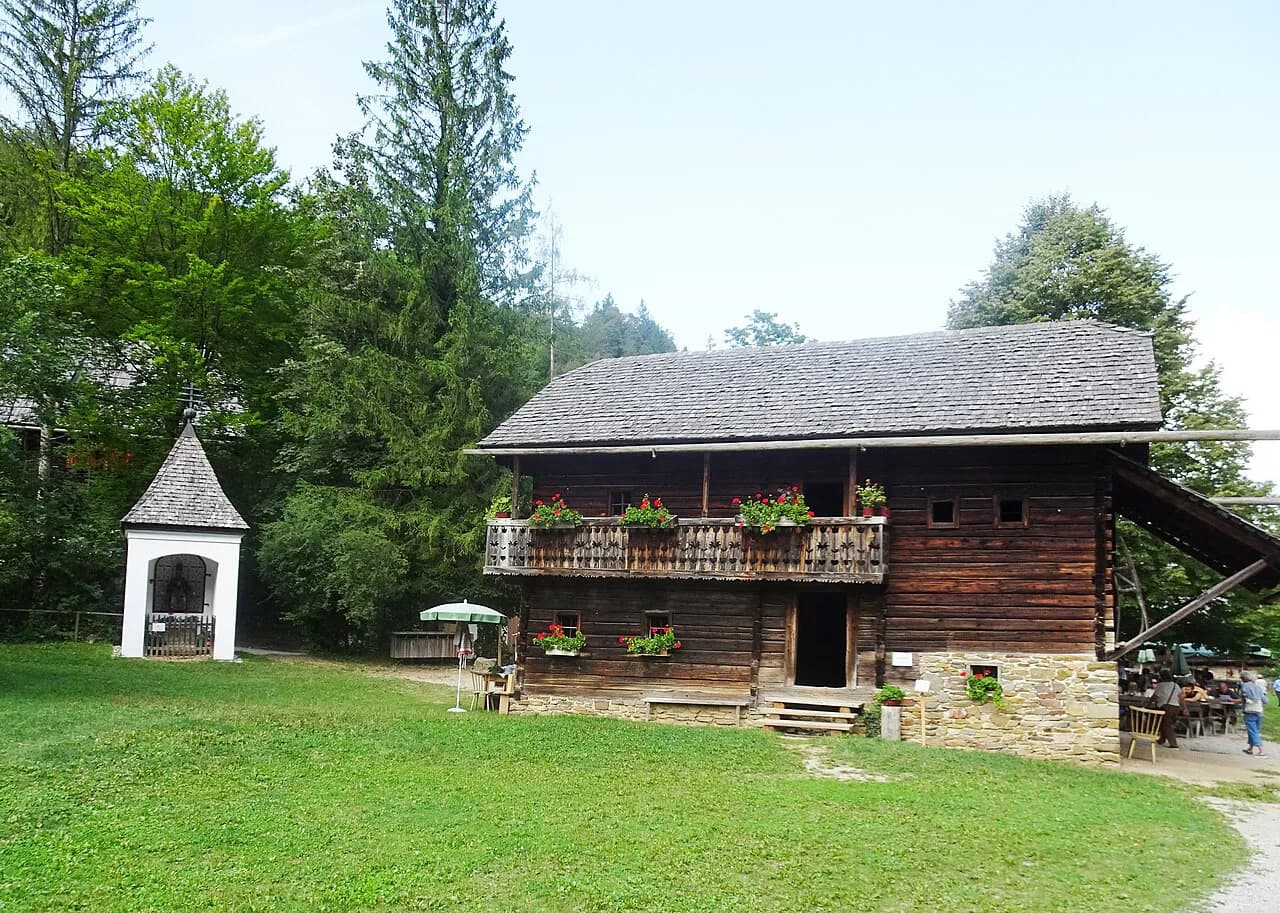
Below the glacier circuit, Ramsau keeps a set of modest sights that reward an unhurried afternoon: an old farm mill, the Heimatmuseum Zeitroas in the village, and the Austriahütte alpine museum in Ramsau Ort. Each is small enough that stacking two or three in one afternoon works well.
Entry to the alpine museum and the local heritage museum is a benefit offered with the Schladming-Dachstein Sommercard according to hotel listings, so keep the card in mind if your stay spans several days and you plan to add other regional sights. Confirm what the card covers for your dates when you collect it.
The Catholic church of St. Rupert in Ramsau Kulm is described by the regional tourism board as one of the oldest and most significant early Christian churches in the Ennstal, which makes it a worthwhile short stop on the way between the village and the plateau edge.
The Rittisberg: summer toboggan run and the fairy-tale descent
The Rittisberg is the plateau's amusement side, with a summer toboggan run, a Forest Park and the Märchenabfahrt, billed on the regional tourism site as the longest fairy-tale descent in Austria, with figures of wizards, dwarfs and witches installed along the lift line. Families with younger children will find it a natural counterweight to the seriousness of the glacier.
The Rittisbergbahn and its summer toboggan run are a warm-weather stop on the plateau, so slot them into a summer day and confirm the current operating window with the lift before you build an afternoon around a ride down.
Beyond the plateau: Admont, Trautenfels and Hohenwerfen
Once you have covered the plateau, the surrounding valleys hold the region's heavyweight cultural sights: Stift Admont (Admont Abbey) with its library, Schloss Trautenfels with its Joanneum collections on the culture and nature of the region, and the fortress of Hohenwerfen with its falconry displays. Regional distance tables place Admont about 77 kilometers away and Trautenfels around 40 kilometers.
The Admont Abbey library is the strongest single reason to drive out that far, with its baroque hall, frescoes and manuscript collection. Deeper background is in the guide to the Admont Abbey Library.
Hohenwerfen, about 35 kilometers away by road, is the other fortress worth the detour, and its falconry demonstrations are scheduled rather than continuous, so plan to arrive for one. Approximate road distances from a regional source; driving times depend on traffic.
The Eisriesenwelt ice cave near Werfen, roughly 40 kilometers away, makes a second long outing, but it requires a tour and a climb, which is a different day's investment from the glacier. Longer itineraries across the state can be stitched together through the Styria: A Traveler's Guide to Graz, Castles and Alpine Valleys.
Sequencing a day in Ramsau
The cleanest structure is to hold the glacier for a forecast-good morning and keep the afternoon flexible, because cloud can shut down the panorama and leave you with the fog rather than the view. Arrive early and allow yourself time on the circuit before the descent crowds.
Then use the other half-day for the Lodenwalke, the Heimatmuseum and the mill, and slot the Rittisberg in only if the day allows. If you are continuing through the mountains, pair Ramsau with the other stops in the guide to Styria: A Traveler's Guide to Graz, Castles and Alpine Valleys.
What to budget and how the Sommercard changes it
The glacier gondola is the one genuinely significant ticket on the plateau, and its fare should be taken from the lift operator, not from older blog posts. Set the budget from the operator's current price page and treat it as a fixed cost for the half-day.
The Lodenwalke factory visit is free, the Rittisberg toboggan and museums carry modest tickets, and the small heritage and alpine museums are offered free with the Schladming-Dachstein Sommercard. That card, which also bundles regional extras, changes the arithmetic for multi-day stays more than the day-trip price of any single sight.
Book the card as part of your accommodation if you plan to add Admont, Trautenfels or other regional sights, and check which admissions it covers for your stay.
Which part of Ramsau should you plan first?
Lock the glacier slot before anything else, because it is the one part of Ramsau that depends on both a reservation and a weather forecast; everything else on the plateau can flex around it. Then build the second half-day from the Lodenwalke, the small museums and, with children, the Rittisberg.
Explore more Graz guides
- Bruck an der Mur
- Erzberg in Eisenerz
- Gesäuse National Park
- Hartberg
- Leoben: The Mur Town's Old Center, Schwammerlturm and Stift Göss
- Mariazell
- Murau: A Guide to the Old Town, Schloss Murau and the Brewery
- Piber Stud Farm
- Riegersburg Castle
- Weiz: A Guide to the Old Town, the Taborkirche and the Weizberg Basilica
- Zotter Chocolate
- Austrian Open-Air Museum Stübing
Frequently Asked Questions
Is the Dachstein glacier worth it in good weather?
Yes, when the forecast is clear. The circuit of Skywalk, Dachstein Hängebrücke suspension bridge, Treppe ins Nichts glass stair and Eispalast is compact, so the ascent pays off in a little over half a day. In cloud, visibility at 2,700 meters collapses and the trip becomes an expensive fog walk, so plan for a day when the forecast is good.
Can I see Ramsau without a car?
It is possible, but more complicated. The plateau and its sights are strung out along the road, so you will rely on bus and rail timetables for the valley and the plateau, and you will be planning each day around connections rather than around your own pace.
What does the Schladming-Dachstein Sommercard cover in Ramsau?
According to hotel listings, the card includes free entry to the alpine museum and the local heritage museum, plus regional extras. Check what the card covers for your dates when you collect it, since the inclusions are set by the tourism board.
Sources
Notes for your next Austrian town break
Optional updates when we add or revise town guides.
You might also like
Continue reading
More guides you'll find useful