Murau, Austria: Old Town, Schloss Murau and Brewery Guide
Murau in Styria pairs a compact old town on the Mur with Schloss Murau, a ring of churches and a brewery museum. Here is what to see in a half day.
On this page
Murau is a half-day town, not a base. Its old center sits on the Mur in Styria, and the things worth your time, the main square, Schloss Murau above it, a ring of small churches and the Brauerei der Sinne brewery museum, are all within a short walk of one another. This guide lays out the center street by street, separates the castle, the brewery and the church circuit into three separate decisions, and explains how the town fits a rail or driving route through Austria.
What Murau is and where it sits on the upper Mur
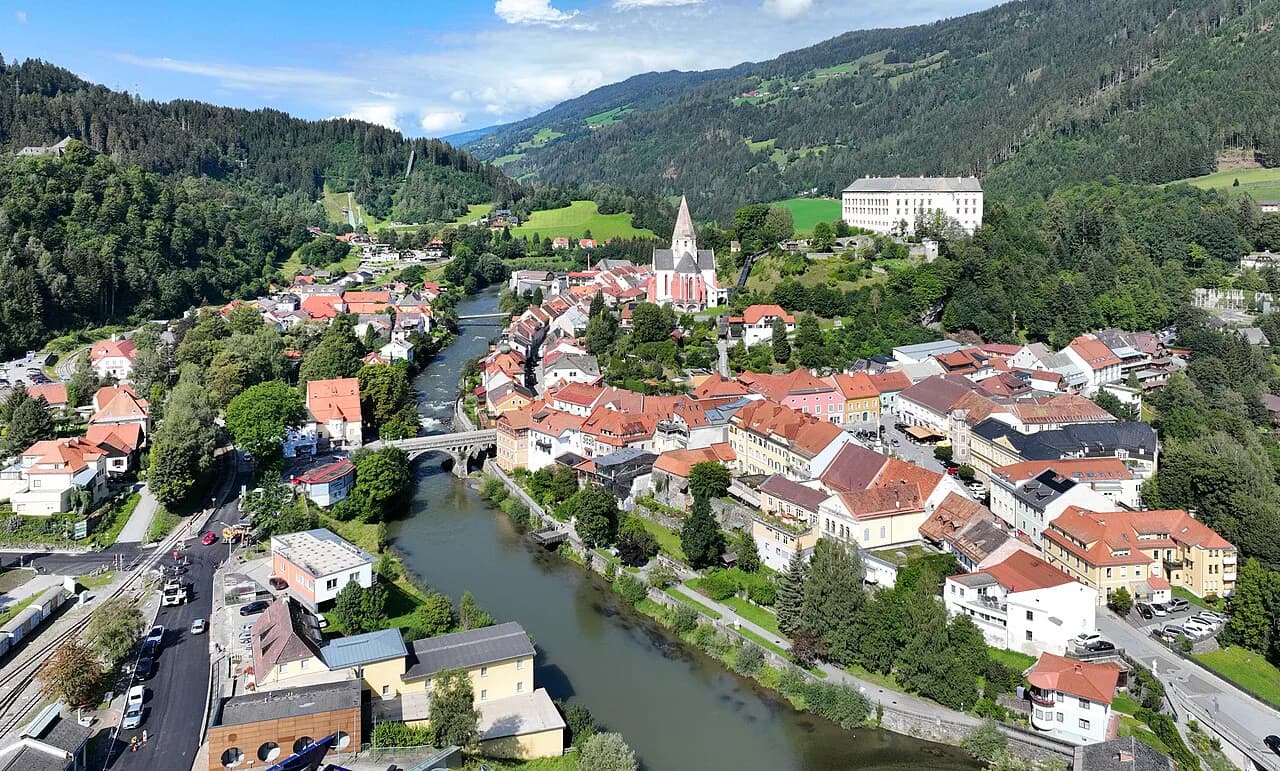
Murau lies on the Mur river in Styria and is the main town of the Erlebnisregion Murau, a rural excursion region of small villages, moors and mountain ridges that stretches from the Hörfeld Moor to the Turracher Höhe. That setting matters for planning: Murau is a town stop inside a larger excursion region, not a city with a dense sightseeing list.
The region's own tourism board frames the area around nature, beer culture, the Benedictine abbey at St. Lambrecht and a long list of family-oriented excursions. For a traveler arriving by train or car, that means the town itself is the compact, walkable core, while everything else needs wheels or a bus. Decide up front whether you are stopping in Murau or touring the region around it, because those are two different days.
For the wider Styrian picture, from Graz through the castles and Alpine valleys, use the Styria guide as your frame and treat Murau as one western stop on it. The town rewards travelers who like small places with real fabric: a preserved square, a castle on a rock, working churches and a brewery with a museum. It does not reward a checklist approach.
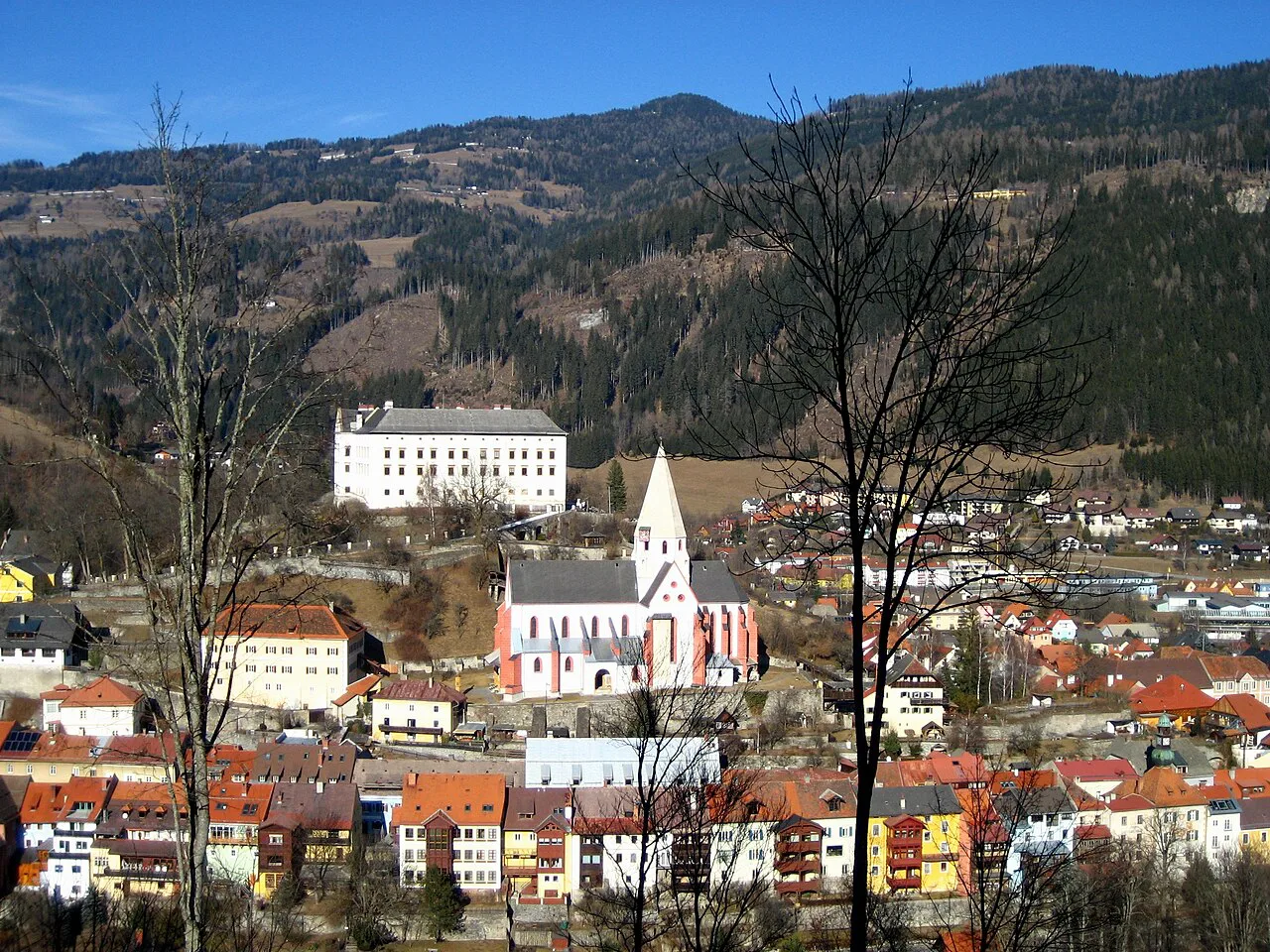
The old town layout: main square, Rathaus and Friesachertor
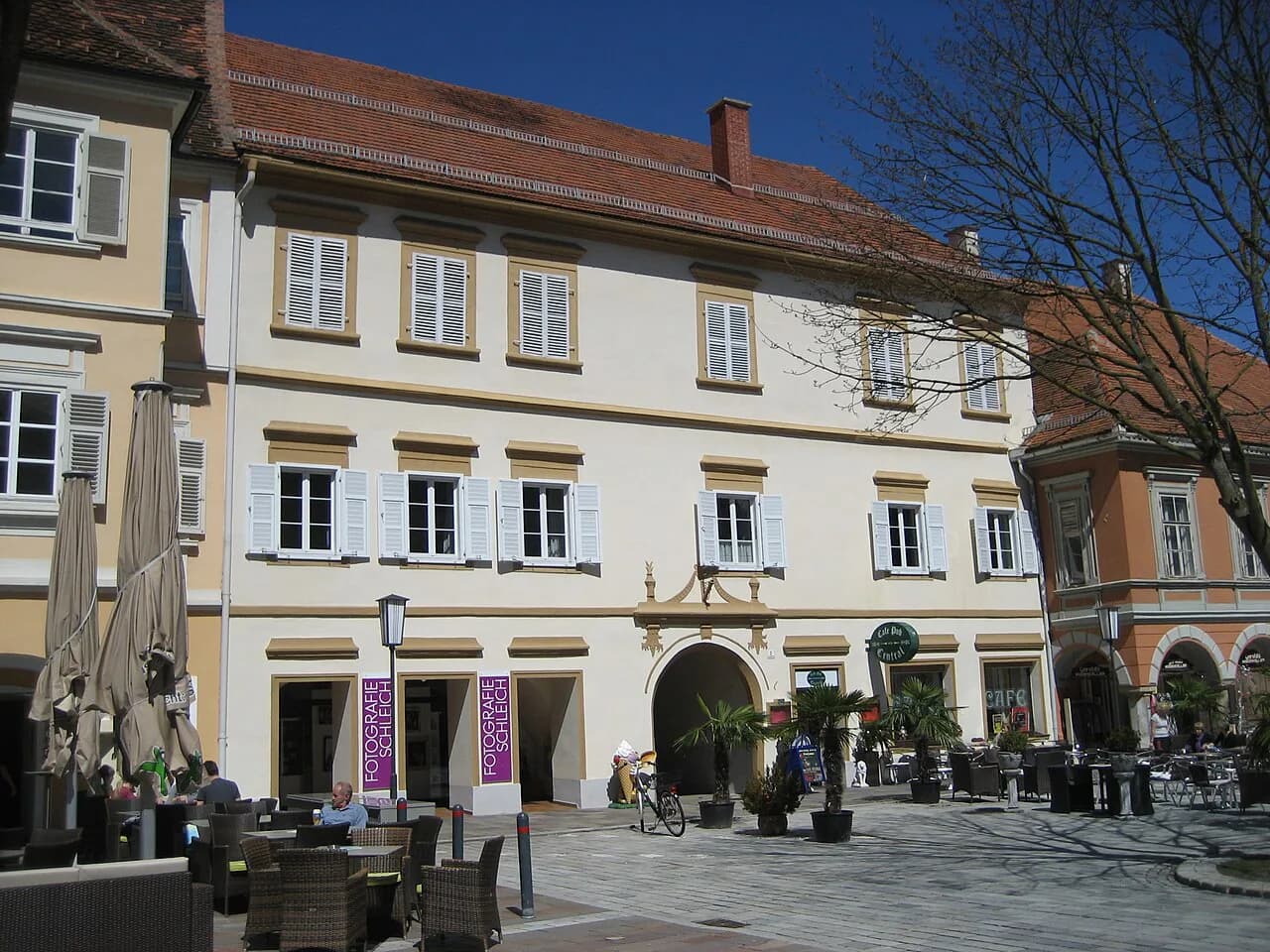
Murau's center is a compact ensemble and the municipality lists its monuments as a single set, which is a useful map of what to look for. The core includes the Rathaus (town hall) and the Altes Rathaus, the Friesachertor gate, and the Mariensäule column, alongside the churches and the castle. Walk the square and the listed monuments first rather than circling the ring road.
The Friesachertor takes its name from Friesach, the Carinthian town to the south, which tells you the gate faced the road traffic that mattered in the medieval town. Treat the gate, the Rathaus and the square as one twenty-minute loop, then climb toward the castle. The scale is small: you will cross the center on foot in a few minutes, so do not budget a morning for it.
Because the streets are narrow and the center is pedestrian-scale, a car is a liability inside Murau. Park once on the edge and do the whole center on foot, then retrieve the car for the regional add-on. This is the single most useful planning decision for a short stop.
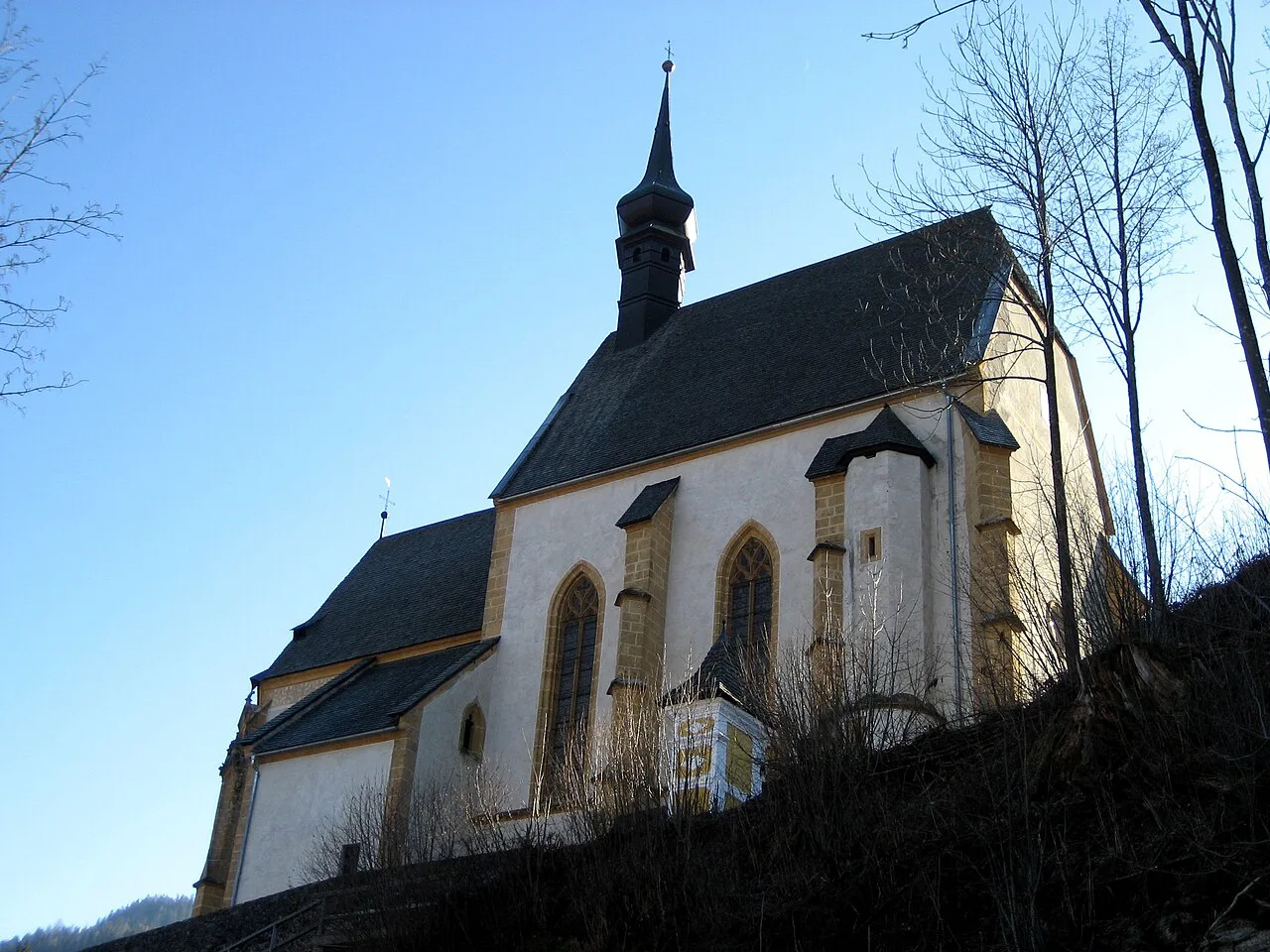
Schloss Murau: the Schwarzenberg castle above the town
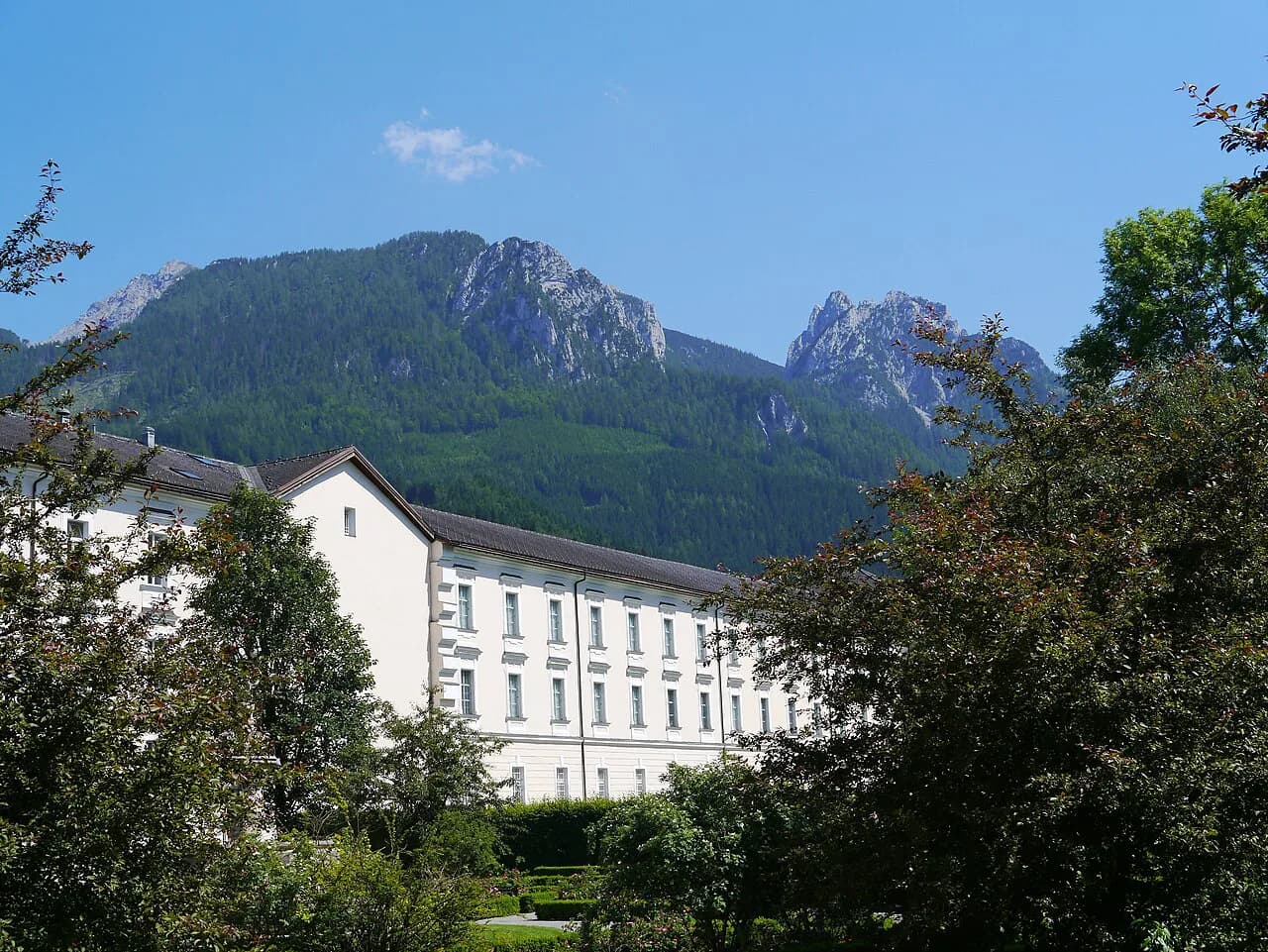
Schloss Murau, the castle associated with the Schwarzenberg family, is the town's landmark and appears on the municipality's list of sights above the center. Approach it as the visual anchor of the walk: the castle sits above the town, so the climb is the point and the view back over the roofs and the Mur valley is the reward.
Decide in advance whether you want the exterior and the approach or an interior visit. Castle interiors in Austria usually run on guided tours at fixed times, and that shapes a half-day stop more than anything else; the town's own pages are the place to confirm what is currently offered before you commit to a tour slot.
If the castle is the reason you came and the timing does not work, remember that Styria has a deep bench of castles and palaces, and a visit to Riegersburg Castle in the east of the state is a different, larger day entirely. Do not force both into one route.
The churches of Murau: Stadtpfarrkirche, St. Leonhard, St. Nikolaus and Egidiuskirche
Murau's churches form a walkable circuit, and the municipality lists them individually: the Stadtpfarrkirche St. Anna (the parish church), St. Leonhard, St. Nikolaus and the Egidiuskirche, the last in the St. Egidi quarter. Add the Elisabethkirche, the Jakobuskirche and the Kapuzinerkirche and you have a full set of small sacred buildings within the town.
Do not try to see every one of them. Pick the parish church and the Egidiuskirche, and let the rest be landmarks you pass on the way. Small Austrian town churches keep their own opening arrangements, so a locked door is normal rather than a failure of planning.
If you enjoy church interiors, Styria's heavyweight is a library rather than a nave: the Admont Abbey library is one of the great baroque rooms in Europe and belongs on a separate abbey-focused route. Murau's churches are the quiet, local version of that pleasure.
The St. Egidi quarter on the town's edge holds several of these monuments together, including a Pestsäule (plague column) and the Wedam-Schlössl, so one loop through St. Egidi covers a lot of small history at once.
Museums: Brauerei der Sinne and the Murauer Handwerksmuseum
Murau's beer history is the town's strongest museum hook. The municipality lists the Brauerei der Sinne among its museums, and the regional tourism board describes the brewery experience and the Bier Apotheke in Murau as ways to engage with the area's brewing heritage. For a traveler, the draw is a themed visit tied to a working local beer culture rather than a generic city museum.
The second museum is the Murauer Handwerksmuseum, listed alongside it, which covers the trades and craft history of the town. If you only have time for one, choose by interest: brewing for a lively, sensory visit, crafts for the quieter local story.
Museum opening days are where short stops fall apart, since small Austrian museums often keep limited hours and seasonal calendars. Confirm the current opening days on the town's own pages before you build a rail connection around a museum visit.
Smaller sights worth a detour: Burg Grünfels, Wedam-Schlössl and the town's sculptures
Beyond the castle and churches, the municipality lists Burg Grünfels, a small castle site, and the Wedam-Schlössl in St. Egidi among Murau's monuments. These are brief visits, best folded into the St. Egidi loop rather than treated as separate outings.
Murau also marks its history with sculpture: the Anna Neumann bronze, the Murna bronze and the Katzenkönigin stone figure are all listed as town sights. Anna Neumann von Wasserleonburg is one of the town's historic figures, so the sculpture works as a small introduction to Murau's early modern past while you walk the square.
Further out, the region adds excursion targets such as the Graggerschlucht gorge with its waterfall and the hilltop ruins of Steinschloss above the Mur valley, but these need a car or a bus and a separate block of time. Do not trade the town center for them on a short stop.
If industrial and mining history interests you more than gentry houses, Erzberg in Eisenerz is the Styrian counterpart and a full day in itself.
A short walking route through the center and how long it takes
A sensible route starts at the Friesachertor, crosses the main square past the Rathaus and the Mariensäule, and climbs to Schloss Murau for the view. Come back down through the center to the Stadtpfarrkirche St. Anna, then walk to St. Egidi for the Egidiuskirche, the Wedam-Schlössl and the Pestsäule before returning along the Mur.
Budget roughly half a day for the town if you add one museum and stop for coffee, and considerably less if you only walk the circuit and skip interiors. The distances are trivial; the time goes into opening hours and castle tour timing, not into walking.
Build the walk around a fixed anchor, either the brewery museum or a castle tour, and let the churches fill the gaps around it. That way a locked church or a closed museum room does not wreck the stop.
Stift St. Lambrecht and the wider Murau region as an add-on
The Benedictine abbey of St. Lambrecht sits in the hills southwest of Murau and is the region's major monument, described in regional listings as shaping the townscape of St. Lambrecht for more than nine centuries and paired with a garden. It belongs to a separate half day with a car or a bus connection, not to the town walk.
The wider Erlebnisregion Murau also runs gondolas, moorland nature reserves, a wood and water playground and a range of family attractions. If you are traveling as a couple or solo, most of that list is skippable; if the abbey and one mountain lift appeal, plan a second night in the area rather than cramming them into the Murau stop.
Travelers heading east through Styria often pair an abbey visit with the Gesäuse National Park, where the Enns valley cuts through limestone. That is a different corner of the state and a different day.
Getting to Murau by train or car, and how it fits an Austria route
Murau lies in the upper Mur valley, and the town's own sight list includes the Murtalbahn railway among its monuments. Check current rail and Postbus connections with the national timetable tools before you commit to a stop, rather than relying on remembered schedules.
By car, Murau is reached through the Mur valley roads, which makes it a natural stop on a route from Salzburg or Carinthia toward Graz rather than a detour from Vienna. The trade-off is straightforward: a car gives you St. Lambrecht and the region, while the train gives you the town center only.
For a broader rail-based Styrian itinerary, Leoben on the Mur is a bigger town with its own old center and abbey, and it works better as an overnight than Murau does.
The Murau GästeCard is the regional guest card, listed by the tourism board as the way visitors access included services and discounts. Whether it applies to your stay depends on the accommodation you book, so check the card's conditions with your host rather than assuming it comes with any night in the region.
Where Murau fits against the rest of your Styria itinerary
Treat Murau as a half-day stop with a possible second half-day for St. Lambrecht, and give the rest of Styria its own days. Graz, the state capital, is the natural base for the east, and its attractions are worth more time than a passing stop.
If your route runs along the Mur, Bruck an der Mur is another small town with a compact center on the same river and a natural pause between the upper valley and Graz.
Travelers building a church-and-abbey route across the state can also weigh Mariazell, the great pilgrimage site in the north, against the Admont library in the west. Each is a full day from a base.
Murau's honest position is this: it is a fine, quiet stop with a castle, a brewery and a cluster of small monuments, and it is not a destination that justifies a long detour on its own. Fit it to a route you were already driving or riding.
Should Murau be a stop or a base?
Make Murau a stop. The old town, Schloss Murau, the church circuit and one museum fill a comfortable half day, and a second half day covers St. Lambrecht if you have a car.
Choose the brewery museum or a castle tour as your fixed anchor, confirm its current opening days, and let the square and the St. Egidi loop fill the rest. Then drive or ride on toward Graz or the Mur valley.
Explore more Graz guides
Frequently Asked Questions
Is Murau worth a stop on a route through Austria?
Yes, as a half-day stop rather than a destination. The compact center gives you the main square, Schloss Murau above the town, a circuit of small churches and the Brauerei der Sinne brewery museum within walking distance, with St. Lambrecht as a separate add-on if you have a car.
How do you get to Murau without a car?
Murau sits in the upper Mur valley where the Murtalbahn railway runs, and the town lists the railway among its sights. Check current train and Postbus connections with the national rail operator's timetable tools before you plan a stop, since service patterns and routes vary.
What is the Murau GästeCard?
It is the regional guest card for the Erlebnisregion Murau, and the tourism board lists it as the way guests access included services and discounts. Whether you receive it depends on the accommodation you book, so confirm the conditions with your host rather than assuming it comes with any stay.
Sources
Notes for your next Austrian town break
Optional updates when we add or revise town guides.
You might also like
Continue reading
More guides you'll find useful