Gesäuse National Park: Austria's Wild Enns Gorge
Plan a visit to Gesäuse National Park in Styria: the Enns gorge, visitor centers at Weidendom and Gstatterboden, ranger guides, rafting, and getting there.
On this page
Gesäuse National Park is Styria's only national park, a corridor of limestone peaks and free-running water in the Enns valley between Admont and Hieflau. National Parks Austria dates its founding to 26 October 2002, making it the youngest of Austria's national parks, and puts the protected area at 12,300 hectares.
This guide covers how the park is laid out, what the two visitor centers at Weidendom and Gstatterboden are each for, how ranger guides and rafting work, and how to arrive by train or car. It is a planning page for the gorge itself, not a route description for the high trails.
Where the park sits in the Enns valley
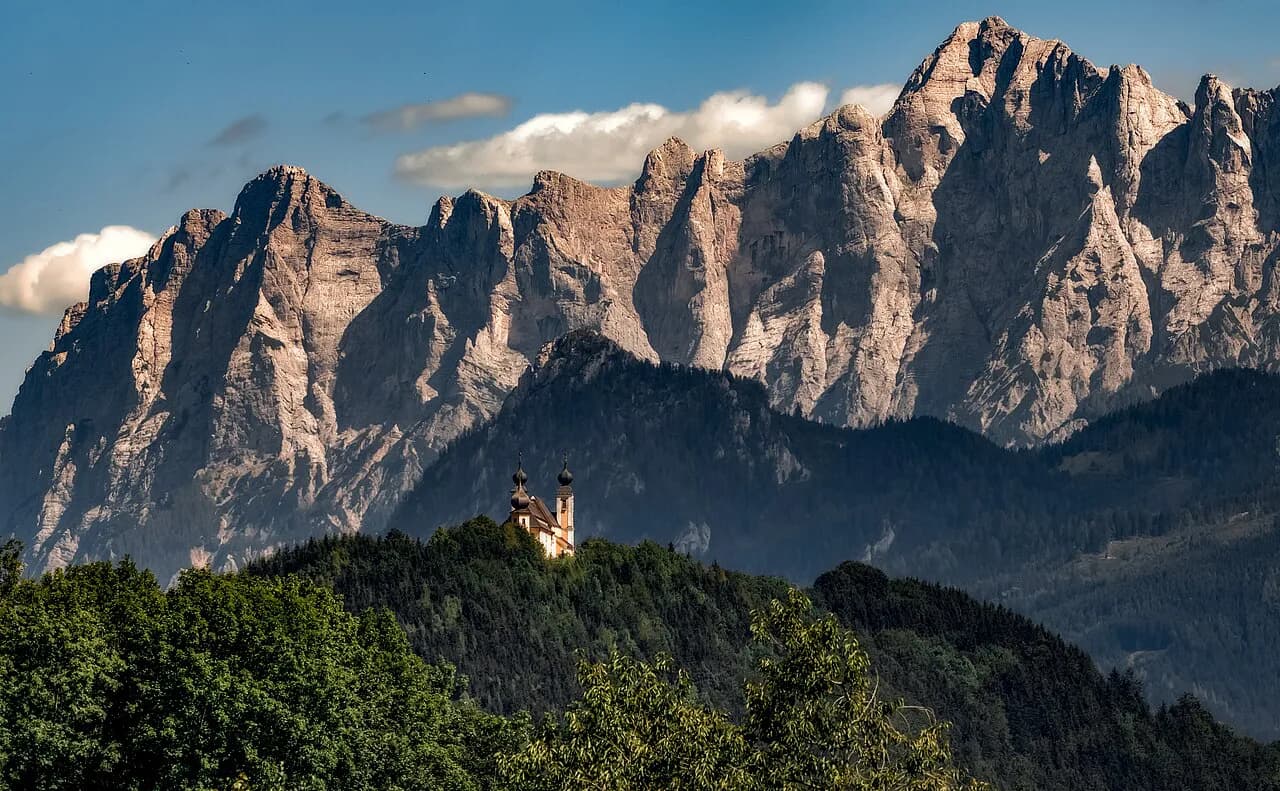
The park follows the Enns where the river cuts between the Reichenstein, Buchstein and Hochtor groups, and the Johnsbach valley runs in from the south. Inside or at the edge of the protected area sit Gstatterboden on the Enns road, the mountaineering village of Johnsbach, and the town of Admont just downstream.
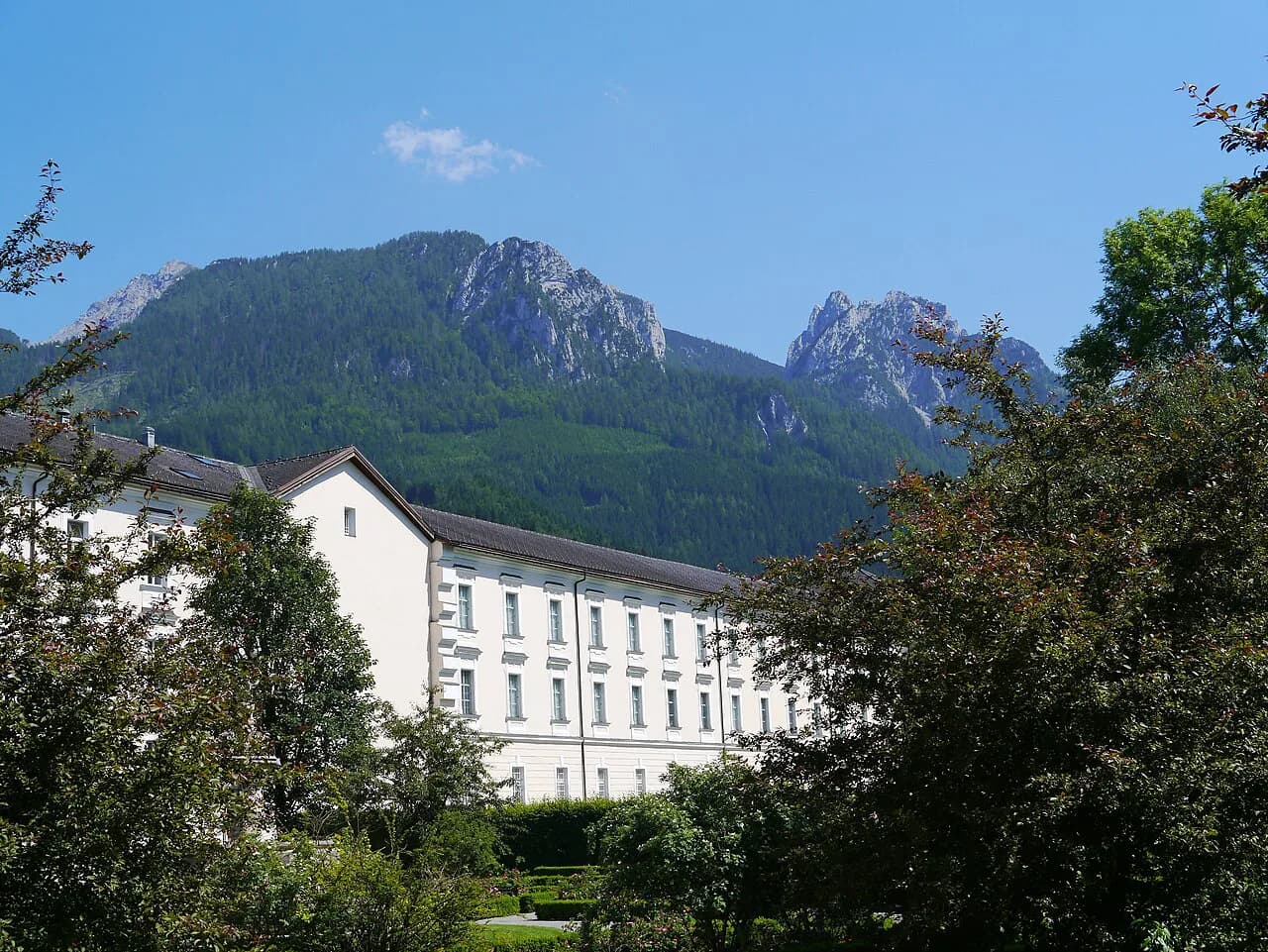
Treat the park as a long gorge corridor rather than a single gate with a ticket booth. You enter at specific points — a visitor center, a trailhead, a raft put-in — and the scenery is between them, so the day is shaped by which access point you choose. Admont is the practical service town at the western end, and its abbey gives the area a second reason for a stop.
For the wider region — Graz, the vineyard hills, the Alpine roads that connect them — see Styria: A Traveler's Guide to Graz, the Vineyard Hills and the Alps. It helps you judge whether the Gesäuse fits a route that also includes Graz or the Gesäuse's eastern approaches.
What makes the Gesäuse different
The park's identity is wilderness: the national park authority describes itself as managed to IUCN category II criteria, which means nature is left to develop and forestry, gravel mining and similar uses are prohibited, with alpine pastures the one exception.
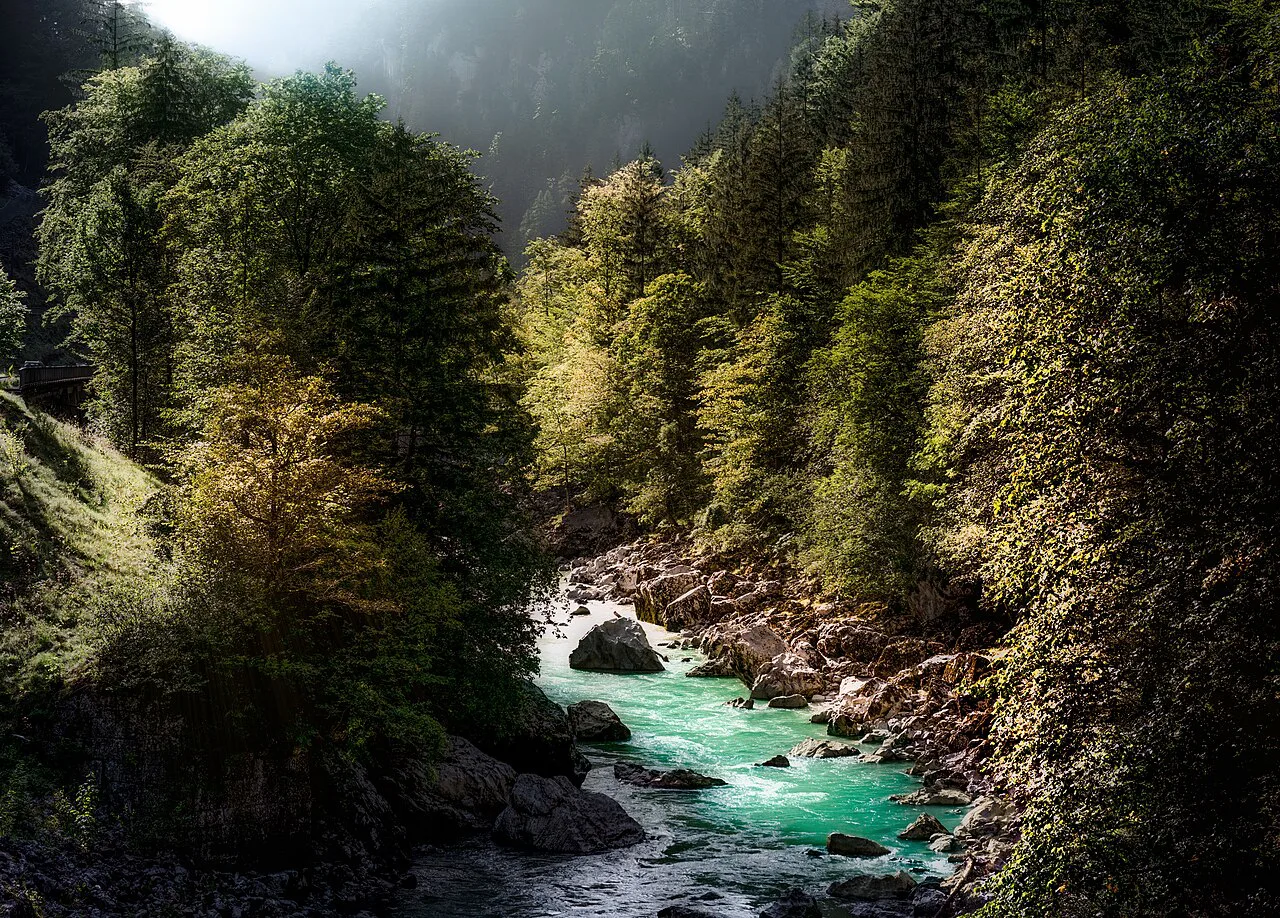
That hands-off approach is why the species list reads the way it does. National Parks Austria counts more than 200 discovered endemic species, and the park site claims no other Austrian area has more. The river itself is the centerpiece: an unspoiled Enns section of almost nine kilometers runs through the protected area, alongside alluvial forest, rock, mountain pine and pasture.
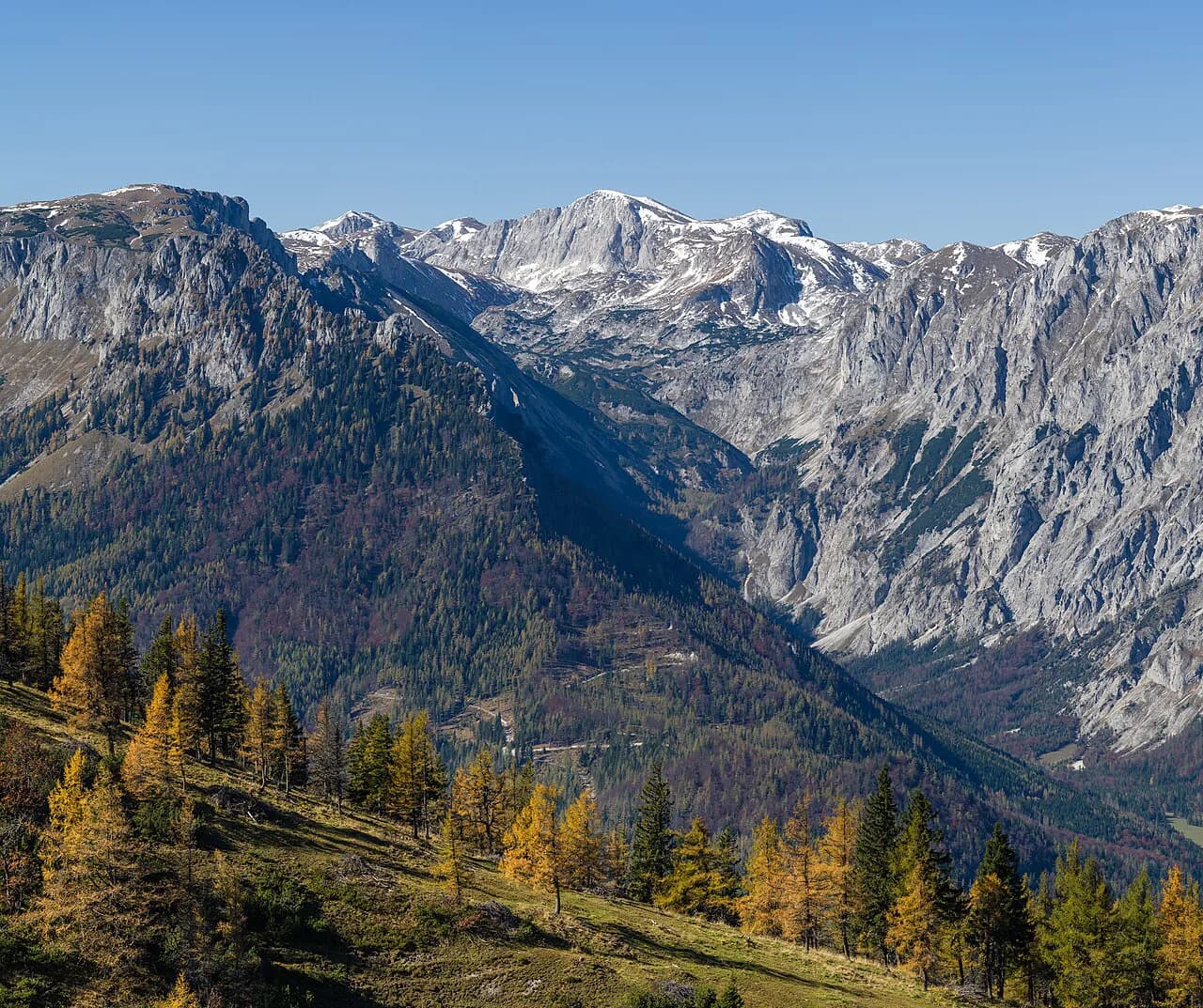
The vertical range is the other surprise: from the alluvial forest by the Enns to the Hochtor, the highest limestone summit, the park spans roughly 1,800 meters of elevation over a short horizontal distance. That compression is why the gorge feels enclosed and why the vegetation changes so fast as you climb.
How to experience the park without a long hike
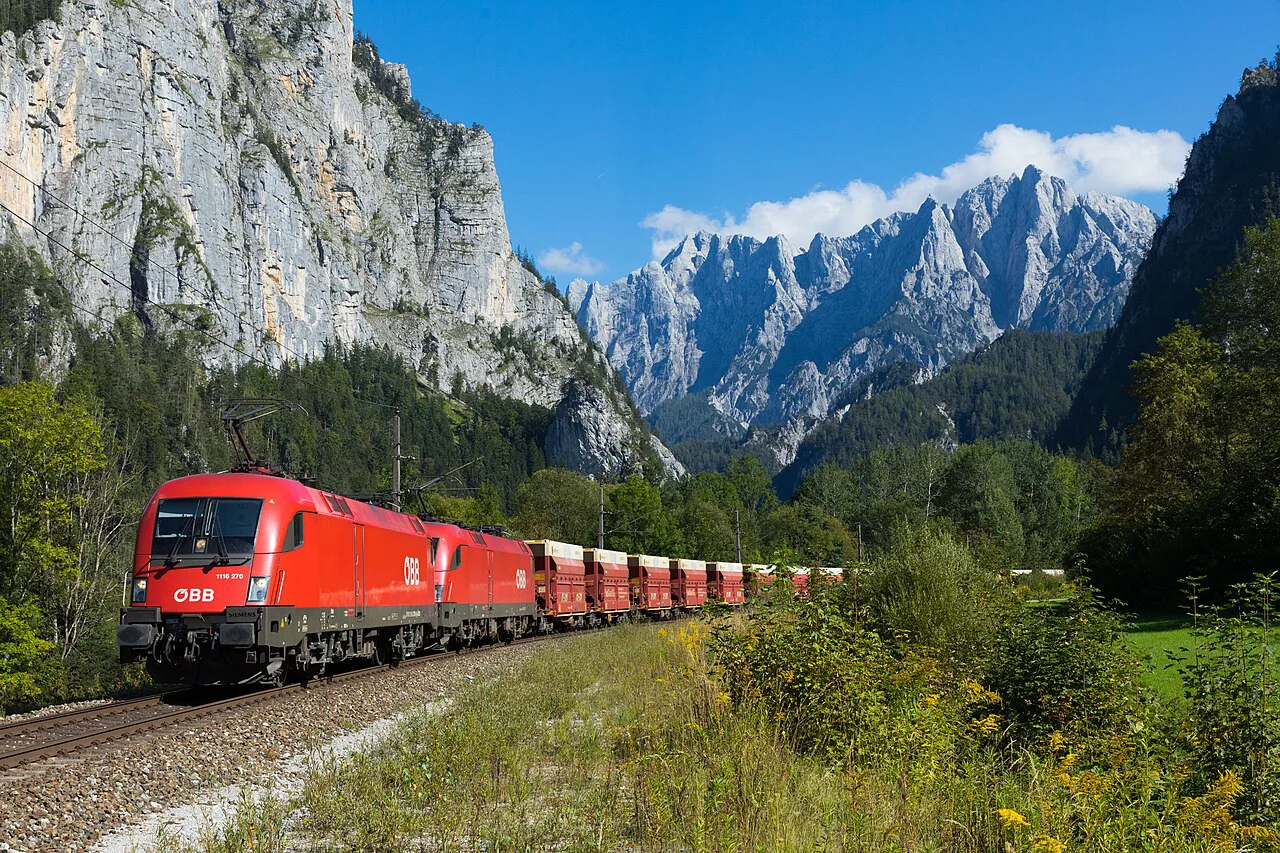
Two visitor centers anchor a low-effort visit. The Weidendom National Park Adventure Centre and the information point at Gstatterboden are the places to start, and the park describes themed trails and marked paths that let you see the valley floor and lower slopes without committing to a summit day.
The park's own framing is useful for planning: it says the Gesäuse can be experienced on foot or by raft on the Enns, with tours ranging from barrier-free walking trails to the hardest climbing. Read that as a menu, not a promise that every trail has an accessible alternative — pick your entry point to match the group.
If you only have half a day, choose one visitor center and one short themed trail rather than trying to drive the whole valley and tick off viewpoints. The gorge road is a connection, not an attraction in itself, and the scenery rewards stopping and walking into it.
Going with a national park ranger
The park calls booking a National Park Ranger as an individual guide the most productive way to immerse yourself, which is a strong hint that ranger time is worth the arrangement. The ranger program and the events calendar are where guided tours and themed walks are listed, and the calendar is the only reliable place to confirm what runs on your dates.
Group tours exist for all requirements, from barrier-free walking trails to difficult climbing, so tell the ranger what your group can actually handle when you inquire. The park sells gift vouchers for guided ranger tours through its shop, which is one way to book ahead.
On the water: rafting the Enns
Rafting is the park's own recommended alternative to walking into the gorge, and it puts you on the free-flowing Enns rather than on a trail above it. That makes it the low-effort way to see the gorge walls from below if walking distances are the constraint.
Book through an operator and confirm the meeting point, season and what is included directly with them; the national park publishes its own events and tours in its calendar but does not set commercial rafting prices there. Bring the same respect for the river as for the trails: gravel banks and islands are nesting habitat, and entering them away from marked access points is prohibited.
What you will see
The common sandpiper breeds on the gravel banks of the Enns and Johnsbach, laying camouflaged eggs between the stones, which is exactly why those banks are off-limits away from marked entry points. Chamois work the steepest rock faces, and the park lists golden eagles, red deer, otters, graylings, dippers and grey wagtails among its animals.
Butterflies are the quiet specialty: 1,234 species have been recorded in the park, including Europe-protected ones such as the marsh fritillary. Among plants, the graceful common pink grows only between the Dachstein and Hochschwab and flowers from May to July, giving off a honey scent — late spring and early summer is when the botanically minded should come.
Photography school and slower ways in
The Gesäuse Photography School is listed by National Parks Austria as one of the park's organized ways to engage with the landscape, alongside ranger programs. If you want structured time in the gorge rather than a route to conquer, that is the kind of offering to look at.
The park also runs a Junior Ranger program and school partnerships, and its visitor centers host events through the year. Check the calendar for what coincides with your dates rather than assuming a fixed weekly schedule.
Getting there by train and by car
The park publishes a how-to-get-here page covering arrivals to the valley, and lists car parks and visitor centers separately from it. Fix your plan around which access point you want to start from, then check the park's page for the last stretch from the road or the nearest stop to the trailhead.
By car, the valley road links Admont and Hieflau with Gstatterboden in between, and the park lists car parks and visitor centers separately, so decide which access point you want before you drive. The park has moved to advance sales of parking tickets, so budget for parking and buy ahead where that is offered.
From Graz, Linz or Vienna, the Gesäuse works best as a stop on a Styria loop rather than a day trip from a distant city. Pair it with Admont, whose abbey library is a separate visit, and treat the park as the outdoor half of that day.
Practical constraints to plan around
The Rauchbodenweg at Gstatterboden is closed until further notice, and the park notes that access toward the Buchstein remains possible via the Johnsbachsteg. Check the park's site for the current status before you set out on that side of the valley.
Gravel banks and islands are nesting habitat, and entering them away from the marked entry and exit points is strictly prohibited. Stay on marked paths generally: this is a category II protected area where the point is that people do not interfere.
Expect sparse facilities by design. The wilderness philosophy means few buildings and no drive-through spectacle, so carry what you need and plan around the visitor centers rather than assuming services along the road.
Where to sleep around the park
The park points visitors to accommodation through its where-to-sleep page, and it names Johnsbach, inside the park's orbit, as a mountaineering village. Admont at the western end gives you town services and the abbey on the doorstep.
Book directly with the property you choose and confirm what is open in your season, since the park publishes listings rather than rates. If your route continues east into the Mur valley, Bruck an der Mur and Leoben are the next towns for a bed and a main square.
For a longer Styria itinerary, the Graz Attractions: 7 Visitor Guides hub helps you slot the city in before or after the mountains. The Gesäuse then becomes the wild counterpoint to Graz's old town.
Which access point should you choose?
Choose Weidendom if you want the adventure center and an easy introduction with themed trails; choose Gstatterboden if you want the gorge's tightest section and the visitor center there, remembering that the Rauchbodenweg is closed.
Add a ranger guide or a raft trip if you want interpretation rather than a self-guided walk, and confirm times and prices directly with the national park and the operator. Pair the park with Admont Abbey Library for a full Styria stop, with the library as the indoor half.
Explore more Graz guides
Sources
Notes for your next Austrian town break
Optional updates when we add or revise town guides.
You might also like
Continue reading
More guides you'll find useful