Weiz, Austria: Old Town, Taborkirche and Weizberg Basilica
Weiz pairs a compact Styrian old town with the Taborkirche and the hilltop Weizberg basilica. Here is what to see, how long it takes and how to arrive.
On this page
Weiz is worth a half day, and a full one only if you climb to the Weizberg basilica and push on to St. Ruprecht an der Raab. The town gathers a walkable old center, two very different church sites and a small, specific city museum into a few streets at the foot of the east Styrian hills. This guide covers the layout, the churches, the museum hours and how Weiz fits a route between Graz and the alpine countryside.
Weiz is a practical stop rather than a destination you build a week around. The center is compact enough to cover on foot, the churches sit on opposite sides of town in character and terrain, and the surrounding countryside of orchards, gorges and excursion sites supplies the rest of the day. Treat it as a link in a longer Styria route, not a standalone base.
Where Weiz sits in eastern Styria
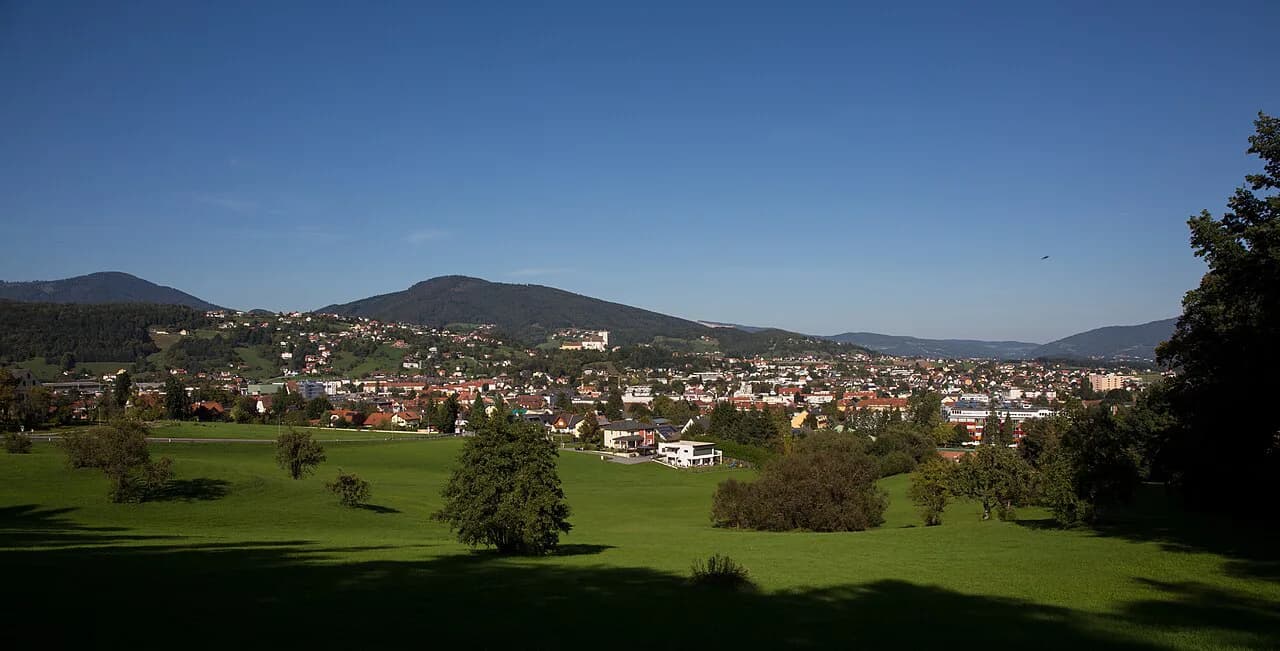
Weiz lies in eastern Styria, roughly 7 kilometers from the Almenland nature park, which makes it the natural town stop before or after the alpine pasture country north of it. The park's own tourism office places Weiz alongside Graz, Frohnleiten, Bruck an der Mur and Gleisdorf as the urban counterpoints to the Almenland's meadows and mountains. That geography is the reason to come: the town gives you churches, a museum and a main square, and the hills give you the rest.
For the wider region, use a proper regional plan rather than treating Weiz in isolation. The neighboring towns, abbeys and castles reward their own stops, and a route that strings them together is more satisfying than shuttling back and forth from a single base.
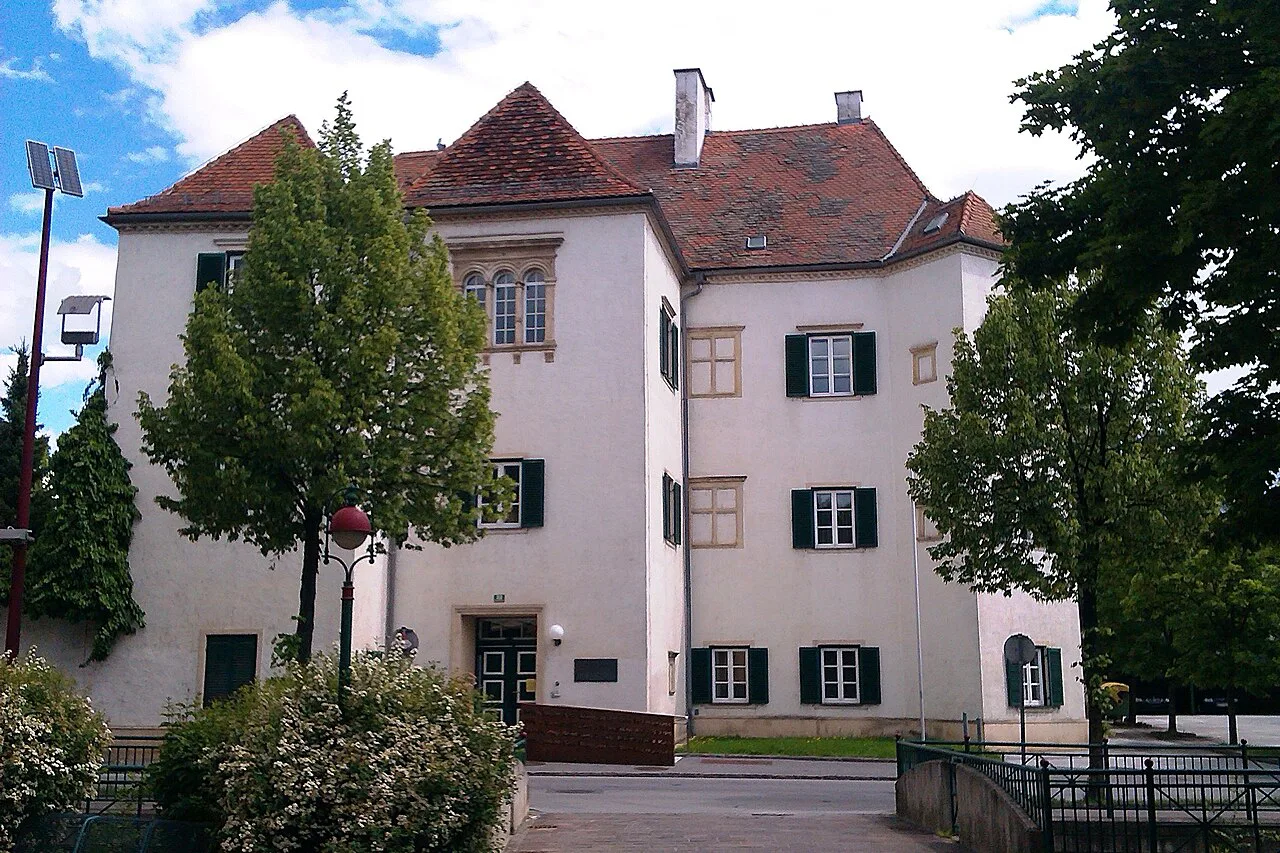
Arriving: rail access and the car-based loop
By rail, the Almenland is reached from the Mixnitz-Bärenschützklamm and Frohnleiten stations, from which Graz can also be visited directly by train. Weiz itself sits east of that line, so the town works best on a car-based loop that takes in the center, the Weizberg and the countryside toward the Almenland. Check current connections in the ÖBB timetable before you commit to a plan, since regional services and their frequency change.
Coming from Graz, Weiz is comfortably within an hour's reach by road, which makes it an easy half-day addition to a city stay. Drivers should plan parking near the center and walk from there, because the old town and the climb to the basilica are both pedestrian territory. Rail travelers can combine the Almenland stations with a taxi or a rented car for the final stretch.
The old town and Hauptplatz
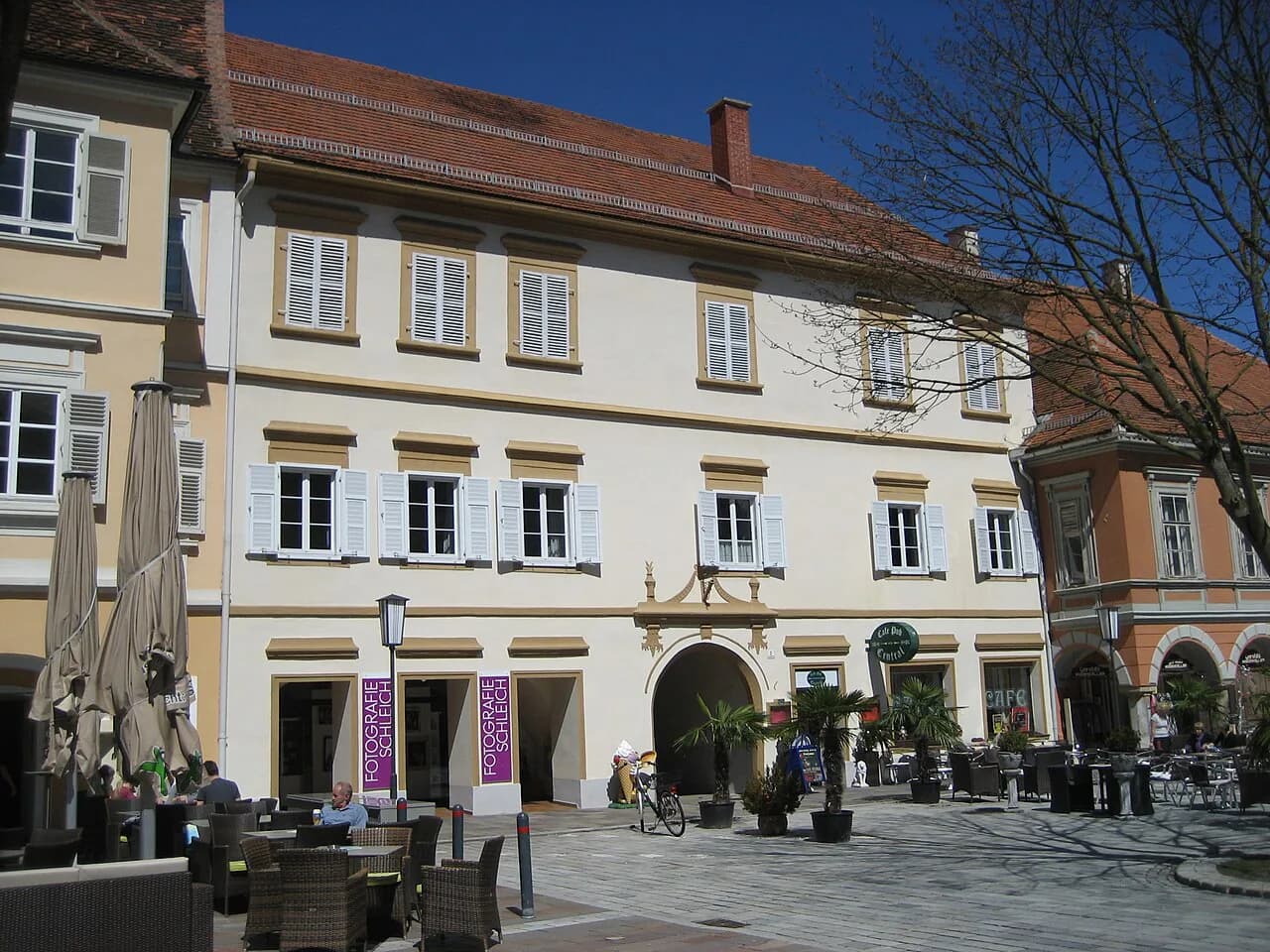
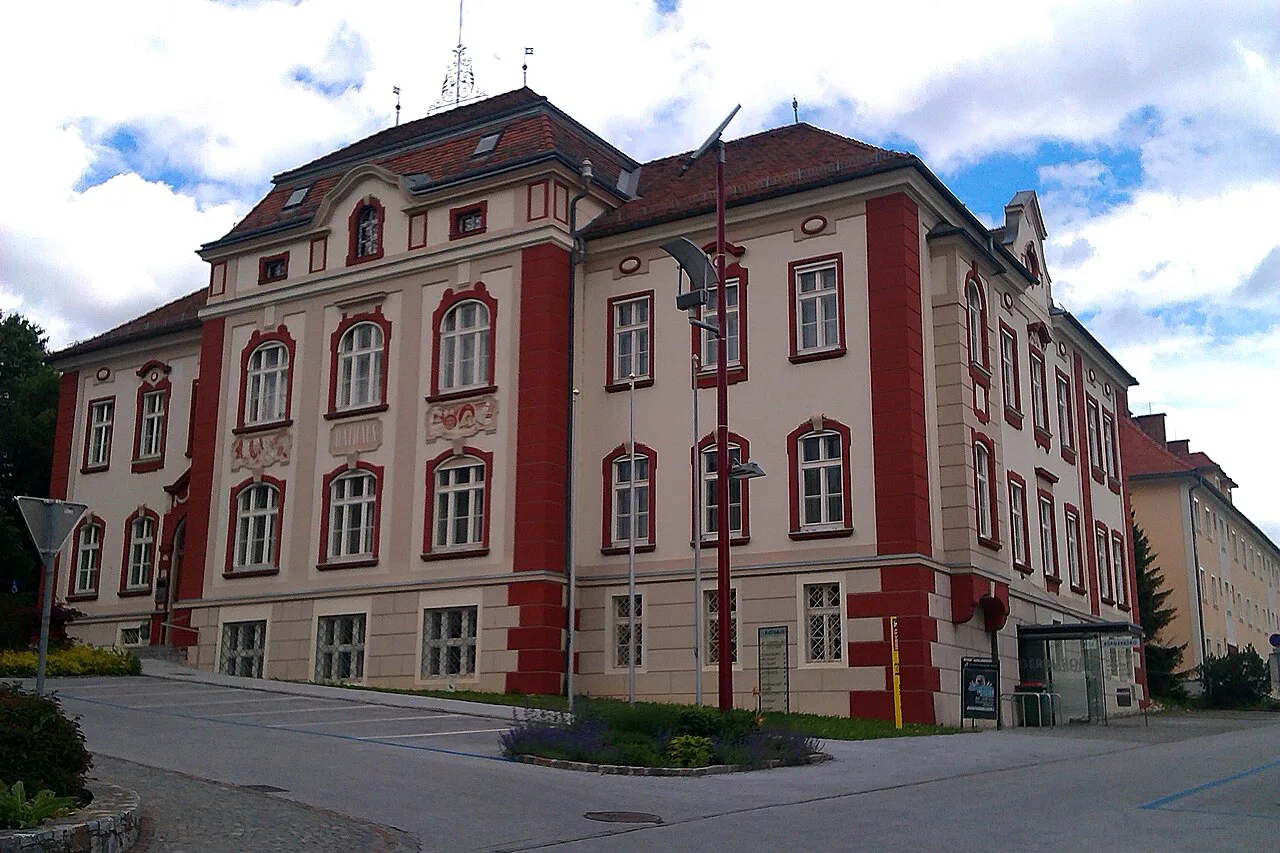
The old town is where Weiz concentrates its shops, coffee houses, restaurants and boutiques, and the Hauptplatz is the address the town's own tourism office uses for its information desk. The Kunsthaus sits in the middle of the old town and promises contemporary exhibitions, which gives the center a second layer beyond shopping and cafés. Start here on foot, get your bearings, then decide whether the churches or the museum come first.
In summer the town fills its calendar with celebrations and events, which can work for or against you depending on how much bustle you want. On a quiet weekday the center is a straightforward walk of a few streets; during a festival it becomes livelier and slower to move through. Either way, half a day covers it.
Taborkirche and the Basilika am Weizberg
These are two distinct sites, and travelers often treat them as one. The Taborkirche stands in town and belongs to the set of Weiz churches the tourism office promotes alongside the basilica and the Evangelical church. The Basilika am Weizberg is the pilgrimage church on the hill above town, a separate climb and a separate visit. Plan them as two stops, not one.
The Weizberg basilica is the one that rewards the effort, because the height gives you the town and the surrounding hills in a way the center cannot. Set aside time for the walk up and back rather than squeezing it between two other stops. The Taborkirche, being central, slots more easily into a walk through the old town.
The town's spiritual sights extend beyond the center. The Evangelische Kirche and the Barockkirche in St. Ruprecht an der Raab round out the church itinerary, and St. Ruprecht is the add-on that turns a half day into a full one. For a wider set of baroque pilgrimage and monastic sites across the province, use a regional plan such as Styria: A Traveler's Guide to Graz, Castles and Alpine Valleys.
Stadtmuseum Weiz at Elingasse 10
The Stadtmuseum Weiz occupies around 150 square meters on the first floor of the Gortanhaus at Elingasse 10, next to the Weberhaus cultural center, where it opened in 2015 and 2016. It is run by the town's museum association with support from the city archive and funding from the city and the province. Small and locally rooted, it is the kind of museum you visit for one subject done well rather than for scale.
That subject is the electrical industry. The collection highlights the pioneering work of the Weiz engineer Franz Pichler and the growth of the industry that shaped the town's development, a story the museum frames as unique in Austria. Materials come from long-established local workshops, town associations, private collectors and regional artists. If you skip the museum, you skip the explanation of why this small town looks the way it does.
Stadtmuseum hours and practical notes
Opening hours are narrow and worth planning around. The museum opens Wednesday from 09:00 to 12:00 and Thursday from 14:00 to 17:00, plus the first Saturday of each month from 14:00 to 17:00, and it is closed on public holidays. School groups, special tours and travel groups are asked to register in advance. A Tuesday or Friday visit means going elsewhere in town.
Admission costs are not something to guess at; ask at the museum or the tourist office when you arrive, and budget for a modest municipal museum rather than a major institution. Because the opening windows are short, pair the museum with a walk rather than making it the whole afternoon. That way a closed door costs you minutes instead of a day.
How long Weiz needs
Give the center and its churches half a day. Add the Weizberg climb and you have most of a day; add St. Ruprecht an der Raab and the countryside beyond, and you have a full one. The town is small enough that a rushed two-hour stop leaves you with the Hauptplatz and nothing else, which undersells it.
If you have only an afternoon, choose the old town walk plus one church and skip the rest. The Taborkirche is the easier add because it sits in town; the basilica demands the climb and deserves more time than a quick look. Travelers with a full day should take the museum in its published window and build the rest of the day around it.
Onward into the Almenland and the countryside
The Weizklamm connects the town with the Almenland, linking the nature park around St. Kathrein and Hohenau with Naas and Weiz, so the town and the alpine pasture country can be combined in one loop. Nearby excursion targets include the Grasslhöhle and the Stubenbergsee, both listed among the region's destinations. Treat these as countryside stops with their own seasonal rhythms and confirm details locally before driving out.
East Styria also rewards a slow food-and-craft detour, and the region's excursion network includes producers and manufactories among its destinations. If your route runs east toward theThermen- & Vulkanland and Riegersburg, plan those as their own stops rather than squeezing them into a Weiz afternoon.
Using the GenussCard
The GenussCard is a free guest card, not a ticket you buy at a door. Guests receive it from the first overnight stay at one of more than 180 participating hosts in eastern Styria, the Thermen- & Vulkanland, southern Styria and the Graz region, and it covers entry, guided tours and tastings at more than 280 excursion destinations. The season is offered year-round. If you are staying a few nights in the region, it changes the economics of adding stops.
The card only works if you sleep at a participating host, so check the list before booking rather than after. Destinations in and around Weiz appear among the covered sites, which makes a night here more useful than a same-day pass-through. Independent travelers staying elsewhere should simply budget for individual entries.
Where Weiz fits a longer Austria route
Weiz works as a link between Graz and the alpine hills, best placed on a driving route that continues north toward the Almenland or east into the orchards and excursion country. Rail travelers can reach the region via the Almenland stations and finish by car or taxi. For a broader picture of what surrounds it, including abbeys and castles, see the regional guide to Styria, Austria.
Beyond Weiz, the bigger draws in the wider area deserve their own days: the Admont Abbey library is the classic baroque-library stop in the province, and the Erzberg in Eisenerz tells a very different industrial story from the one in the Stadtmuseum. Build those into a multi-day route rather than bolting them onto a Weiz morning.
Is Weiz worth the stop?
Yes, as a half-day stop with a clear reason to linger: the old town, the two church sites and a museum with a genuinely local subject. Travelers who want a full day should add the Weizberg climb and St. Ruprecht an der Raab; those with only an afternoon should walk the center and pick one church.
Check the Stadtmuseum hours before you go, since Wednesday morning, Thursday afternoon and the first Saturday of the month are your only windows, and confirm current train and bus times with ÖBB and Postbus. Build the rest of the day around the countryside rather than around the town, and Weiz will do its job well.
Explore more Graz guides
Frequently Asked Questions
Do you need a car to see Weiz and the Weizberg?
A car makes the combination much easier, because Weiz sits east of the rail line that serves the Almenland at Mixnitz-Bärenschützklamm and Frohnleiten. Rail travelers can reach the region by train and cover the final stretch by taxi or rental car, while drivers can link the center, the basilica and the countryside in one loop.
Are the Taborkirche and the Weizberg basilica the same church?
No. The Taborkirche stands in town and is one of the Weiz churches the local tourism office promotes, while the Basilika am Weizberg is the pilgrimage church on the hill above town. Visiting both means two separate stops, one on foot in the center and one involving a climb.
When can you visit the Stadtmuseum Weiz?
The museum at Elingasse 10 opens Wednesday 09:00 to 12:00, Thursday 14:00 to 17:00 and the first Saturday of each month 14:00 to 17:00, and it is closed on public holidays. Groups and special tours are asked to register in advance.
Sources
Notes for your next Austrian town break
Optional updates when we add or revise town guides.
You might also like
Continue reading
More guides you'll find useful