Mariazell, Austria: Pilgrimage Basilica and Old Town Guide
Plan a visit to Mariazell in Austria's Upper Styria: the Basilika Mariazell, its treasuries, the gingerbread shops and a compact old center in the Alps.
On this page
Mariazell is a pilgrimage town in the Upper Styrian Alps, close to the Lower Austrian border, and its whole center orbits one building: the Basilika Mariazell on Benedictusplatz. Come for the church, the treasuries and the gingerbread, and you have the core of the town in a few hours; the lakes and the Bürgeralpe sit outside the walkable center and need their own time. This guide covers the layout of the old center, the basilica, the treasury stop, the gingerbread shops, and how the town slots into a Styria route.
What Mariazell is and where it sits
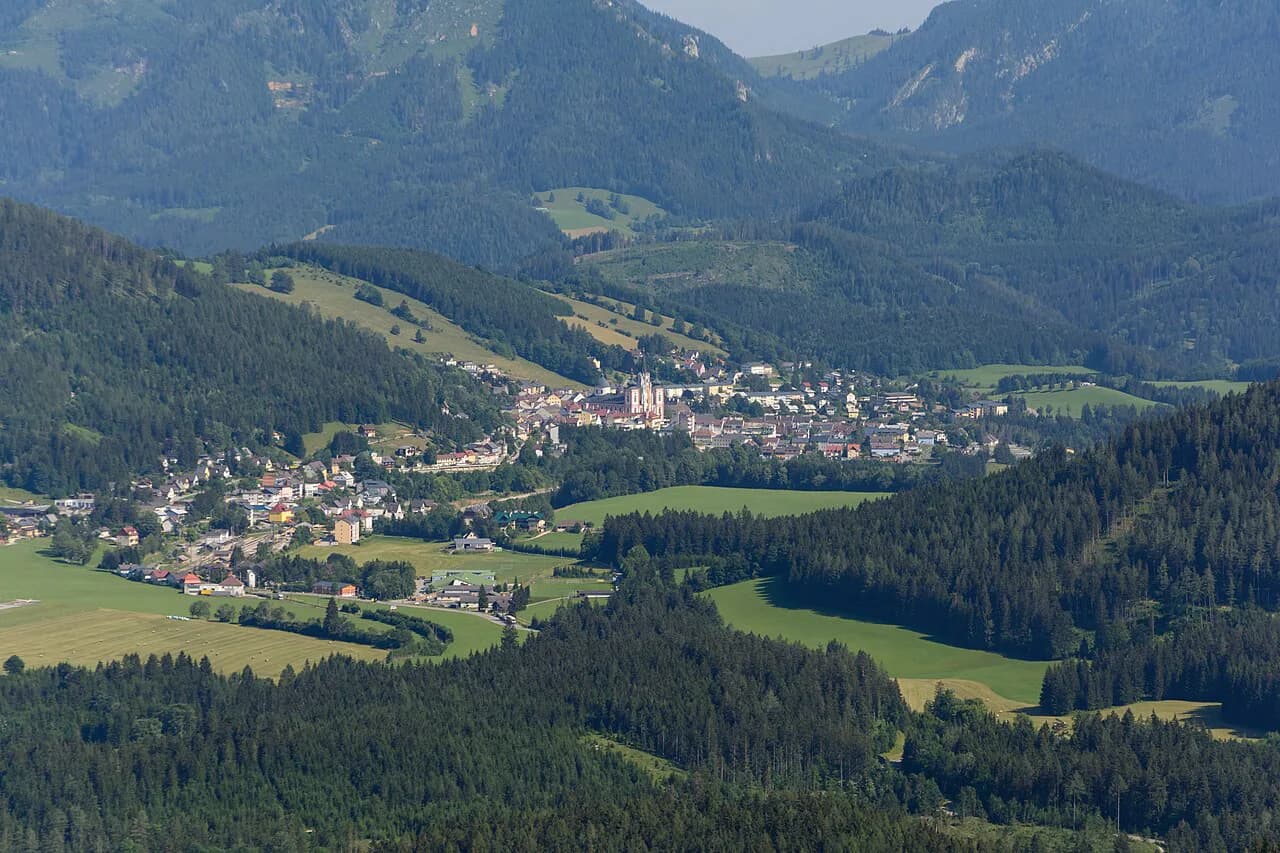
Mariazell is a town and municipality in northern Upper Styria, set in the Upper Styrian Alps near the border with Lower Austria. Pilgrims, not sightseers, built its reputation, and the basilica still anchors daily life in the center. That geography matters for planning: the town is an Alpine stop between the Danube region and Graz rather than a place you pass through by accident.
The tourism region markets Mariazell as a pilgrimage site and a gingerbread town at once, with the basilica as its headline sight and the surrounding Mariazeller Land as the wider draw. Treat it as a compact half-day stop with a strong single focus rather than expecting a museum quarter.
How the old center is laid out
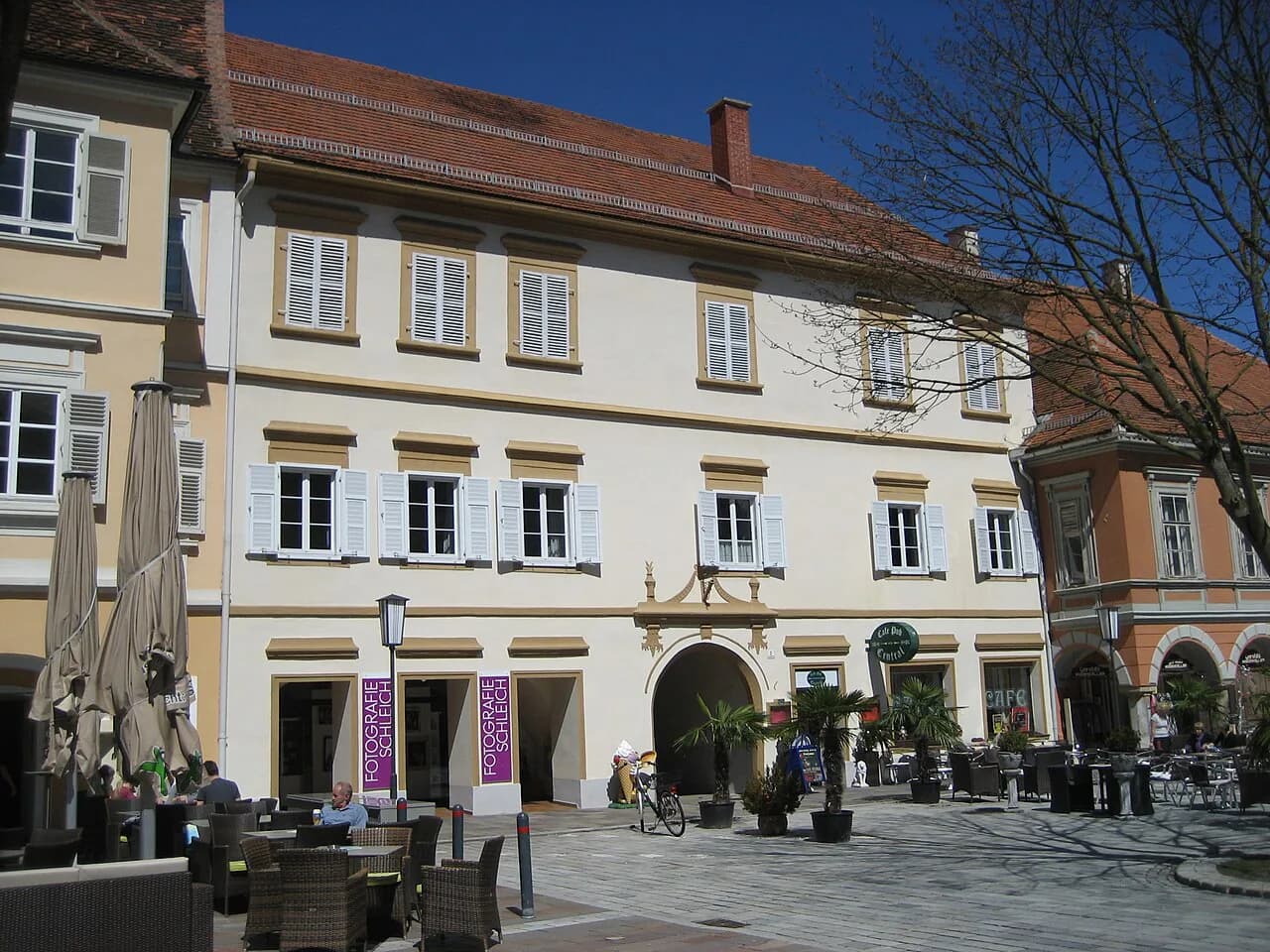
The Basilika Mariazell stands at Benedictusplatz 1, the address the pilgrimage church publishes, and the old center wraps around that square in a short, walkable radius. Plan your loop from Benedictusplatz outward, because the sights named in the center sit within a few minutes of the church doors. Expect a small-town square rather than a grand baroque stage set: the basilica facade, the ring of houses and shops, and the pilgrimage traffic define the view.
The walkable part is short enough that you can see the church, the treasuries and the gingerbread shops on foot without moving the car. Save the Bürgeralpe, Erlaufsee and the waterfalls for a separate leg, since they sit outside this pedestrian core.
The Basilika Mariazell: what the pilgrim church is
The Basilika Mariazell is a Benedictine-run pilgrimage church and the reason the town exists in its present form; the monastery's own site organizes visitor information around the basilica, its holy places, opening hours and hours of worship. That structure tells you how to plan: read visiting hours and service times together rather than treating the building as an all-day museum, because services shape when you can move through as a visitor.
Inside, the draw is the pilgrimage church itself and the holy places associated with it, which is what separates Mariazell from an ordinary Alpine parish church. Give the church real time rather than a photo stop: the devotion attached to the site is the experience, and rushing it leaves you with little. If you are coming for a service, build the rest of the day around it instead of squeezing the treasuries in beforehand.
The Schatzkammern: a separate stop, not a footnote
The treasuries at the basilica, listed in German as the Schatzkammern in der Basilika, are a distinct stop from the church itself, and the region's own listings treat them as a recommended sight in the town. The pilgrim church gives you the atmosphere, and the treasury collections hold the objects and votive material behind centuries of devotion. If you can enter, plan for it as its own stop rather than an afterthought on the way out of the church.
Treat the treasuries as a distinct part of your visit and read the basilica's own visitor information before you rely on them, since the region lists them as a sight but does not publish their open days or entry terms. If your schedule is tight, decide whether the treasury or the town walk matters more once you know it can be entered.
Gingerbread: the town's edible tradition
Mariazell's second identity is gingerbread, and the region promotes the town as a fragrant gingerbread destination alongside its pilgrimage role. The named stop in the town's own recommendations is erLEBZELTEREI Pirker, a gingerbread maker listed among the tips in and around the municipality. Buy there rather than at a generic souvenir counter if you want the local version of the tradition.
The center itself is small, so keep lunch simple and inside town so it does not eat the hours you need for the church and treasuries.
Bruder Klaus Kirche and the other churches
The Bruder Klaus Kirche is the other church the region singles out in Mariazell, listed alongside the basilica among the town's recommended sights. It is a short add-on for anyone already walking the center, and it broadens the visit beyond a single building. Pair it with the basilica rather than making it a separate trip.
Because the center is compact, the churches fit naturally into the same loop as Benedictusplatz, the treasuries and the gingerbread shops. Read the basilica's opening hours together with its hours of worship before you plan the sequence, since a congregation in session affects visiting.
Around town: Bürgeralpe and Erlaufsee
The Mariazeller Bürgeralpe is the mountain above town, and the region describes it as a summer excursion destination with the Holzknechtland and Biberwasser amusement park at the top, reached by its own lift. That makes it a half-day in itself rather than a quick detour, and it suits travelers with children or a spare afternoon better than someone on a tight pilgrimage stop.
The Erlaufsee, a natural lake used for swimming, diving and boating, is the other obvious out-of-center draw. For a short visit, pick one: the Bürgeralpe if you want the lift and the mountain setting, or the Erlaufsee if you want water and a slower hour. Neither belongs in a two-hour town stop, and both need transport beyond the pedestrian center, so check the operator's own information for seasonal operation and lift times before you commit.
Hubertussee and the Marienwasserfall for drivers
Hubertussee and the Marienwasserfall are listed among the tips in and around Mariazell, and both sit outside the town center, which makes them a car-based add-on rather than part of a walking visit. They work best for travelers with their own vehicle and an extra half day, especially anyone continuing through the Mariazeller Land afterward. Without a car, keep your plans inside the center and the lake instead.
Treat these as scenery stops rather than destinations with facilities: arrive, look, and move on. Confirm access and any seasonal restrictions locally before driving out, because mountain roads and small sites change with the weather.
How long Mariazell needs
A basilica-and-center visit fits into part of a day: the church, the square, the gingerbread shops and the Bruder Klaus Kirche are all within a short walk. Add the Schatzkammern, if you can confirm they are open, and the visit stretches further, because the treasuries are a separate stop. A full day only makes sense if you add the Bürgeralpe or the Erlaufsee.
The honest trade-off is that Mariazell is a small town with a limited set of indoor sights, so it rewards travelers who care about the pilgrimage church rather than those collecting attractions. If your trip is built around lake towns or Alpine roads, the Salzkammergut or the Grossglockner will give you more for the same day.
Getting there and fitting it into a route
Mariazell sits in northern Upper Styria near the Lower Austrian border, which places it naturally on a line between the Lower Austria side and Graz to the south. The region publishes how to reach Hochsteiermark by public transport and by car, which is the practical starting point for planning the approach.
By car, Mariazell works as a link between the Lower Austria side and Graz rather than a there-and-back errand from Vienna. Build it into a Styria loop with stops at the larger monasteries and castles of the region, and treat the town as the pilgrimage pause in the middle. Check current train and Postbus timetables with ÖBB before you build a day around connections.
If you are routing through the province, Admont Abbey Library makes a natural companion stop on a longer abbey-and-church itinerary. It is not on the same short hop from Mariazell, so plan the two as separate legs of a multi-day drive.
Practical timing: hours, services and closures
The basilica publishes its opening hours and hours of worship on its own site, and the two belong together in your planning: read both before fixing your arrival time and build the treasuries and the town walk around whatever the schedule allows.
If the Schatzkammern are the reason for your stop, ask about their open days and entry terms before you travel, since they are not confirmed in the basilica's published visitor pages.
Who Mariazell suits, and who should skip it
Mariazell suits pilgrims, travelers drawn to baroque and devotional churches, and anyone who wants a gingerbread town with an Alpine backdrop on a Styria route. It rewards a traveler who will sit with a church and its treasuries. It does not suit travelers hunting lake towns, cable cars and big scenic roads, who will find more of what they want in the Salzkammergut or along the Grossglockner.
If you are building a broader Styria itinerary, the region's fortresses and industrial sights fill the other days: Erzberg in Eisenerz for the ore mountain, and Riegersburg Castle in the Thermen- & Vulkanland are strong alternatives for travelers who prefer fortresses to churches. Choose Mariazell for the pilgrimage experience and build the rest of the route around it.
Is Mariazell worth the detour?
Yes, if you are coming for the Basilika Mariazell, its treasuries and the gingerbread tradition, and you can give it part of a day on a route between Lower Austria and Graz. The center is compact and walkable, so the stop costs you little time beyond the church itself. If your Austria trip is about lakes, cable cars and Alpine passes, spend the day elsewhere and keep Mariazell for a pilgrimage-focused itinerary.
Before you go, check the basilica's visitor pages for hours, service times and treasury entry, then confirm train or Postbus connections with ÖBB before you lock in a day. With those details settled, Mariazell fits neatly into a Styria drive alongside Graz and the region's abbeys.
Explore more Graz guides
Frequently Asked Questions
What is Mariazell known for?
Mariazell is known as a pilgrimage town in the Upper Styrian Alps, centered on the Basilika Mariazell on Benedictusplatz, and as a gingerbread town. The region also promotes the Mariazeller Bürgeralpe and the Erlaufsee as summer excursion destinations outside the walkable center.
Do you need a car to visit Mariazell?
No, the basilica and its center are walkable, and the gingerbread shops and the Bruder Klaus Kirche are close by. A car helps for the outlying draws such as Hubertussee, the Marienwasserfall and the Erlaufsee, which sit outside town.
Sources
Notes for your next Austrian town break
Optional updates when we add or revise town guides.
You might also like
Continue reading
More guides you'll find useful