Museums in Graz: What to See and How Long to Allow
Plan museum time in Graz with the Graz Museum and Kunsthaus Graz: what each collection holds, how long to allow, and cited ticket prices in EUR.
On this page
For museums in Graz, start with two that do different jobs: the Graz Museum tells the city's history, present, and future, and the Kunsthaus Graz puts contemporary art inside a striking modern building. The Graz Museum is on Sackstrasse in the old town. This guide covers what each holds, along with cited hours, prices, and access details, and points to where other Graz museums fit in.
Graz rewards a focused museum plan rather than a checklist. The two headline collections here range from a city-history museum to a contemporary art venue, so matching each stop to your interests helps you use your time well. If you are still shaping the wider trip, the broader list of Things to Do in Graz helps you slot museums alongside the Schlossberg and the Mur river, and the Graz Altstadt guide covers the streets around them.
What Graz's museums cover: city history and modern art
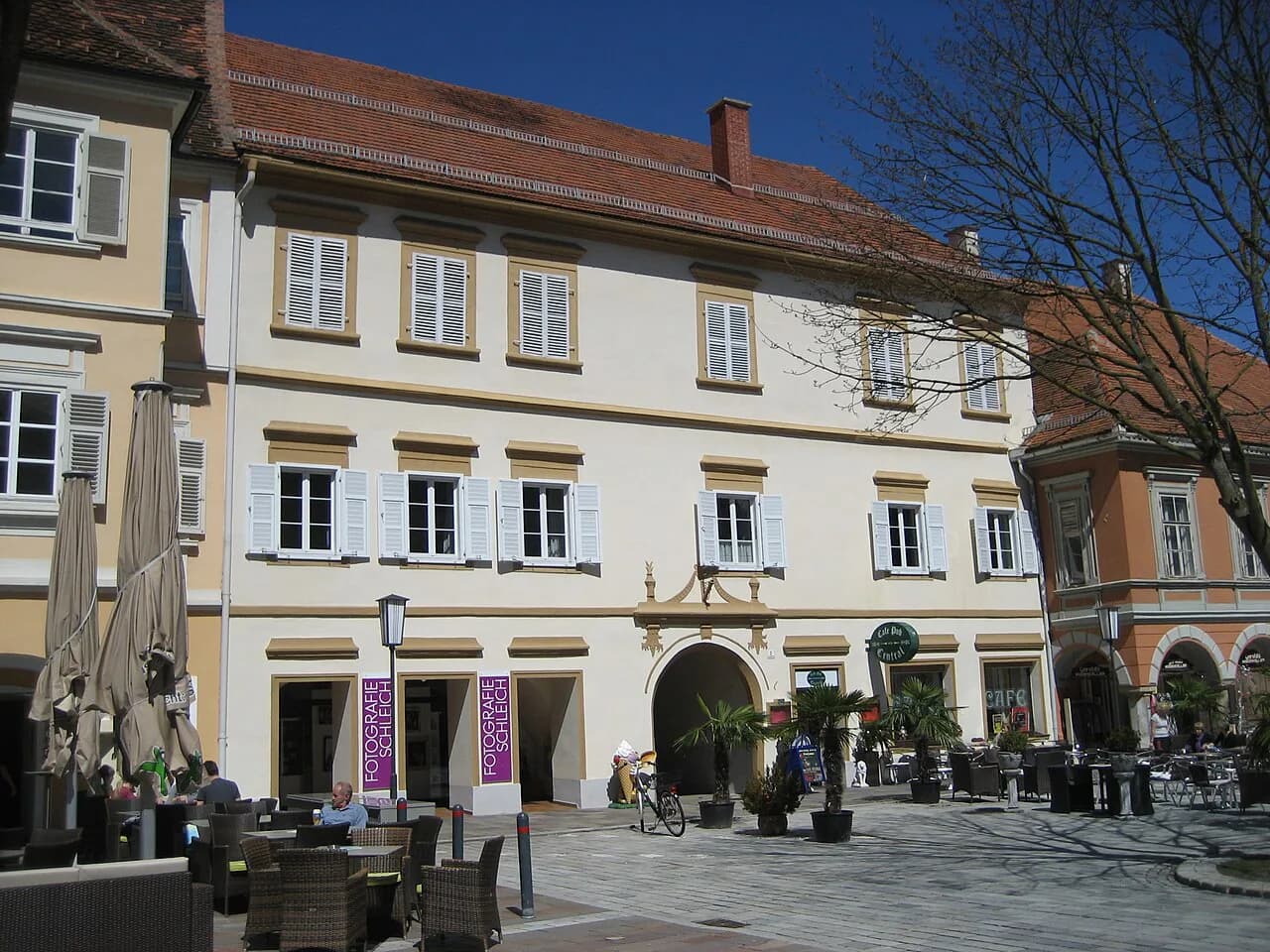
The Graz Museum is the city's cultural-historical museum, with collections and exhibitions on Graz's history as well as its present and future. That makes it the logical first stop if you want context for the streets, squares, and buildings you will see afterward. It occupies a site on Sackstrasse, close to the old town's main axis.
The Kunsthaus Graz takes the opposite approach: it is a contemporary art venue, and its program is the reason to go inside rather than just photograph the exterior. Treat the two as complementary halves of a museum day, one historical and one contemporary, rather than substitutes. Graz has other museums beyond these two, and you can read about more of them, and the Kunsthaus Graz itself, in the Graz Attractions: 7 Visitor Guides hub before committing a day to them.
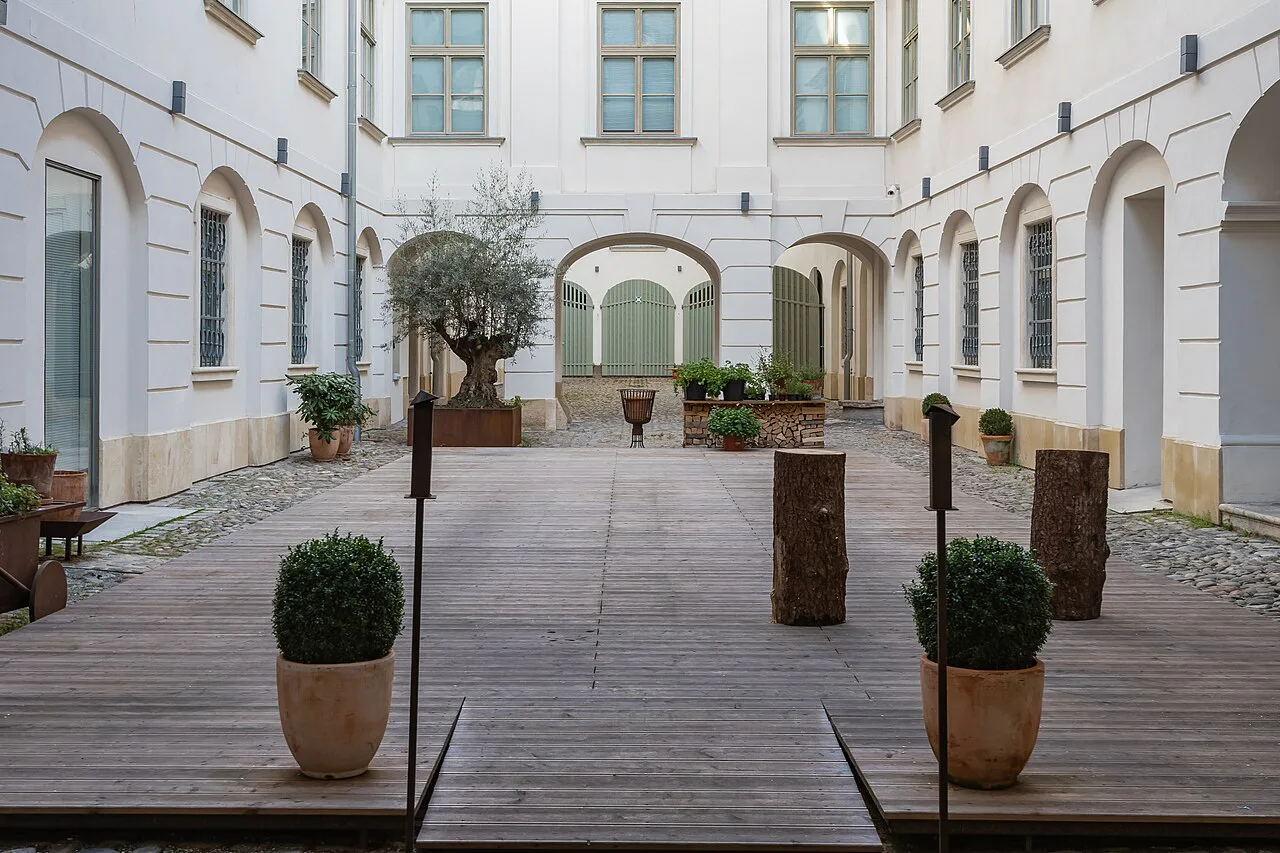
Graz Museum on Sackstrasse: city history and the multimedia Schlossberg model
The Graz Museum's permanent brief is the city itself: its history, its current life, and the questions shaping its future. Exhibitions rotate, so the specific show you see depends on the season, but the museum's identity as a city museum stays constant. One fixed feature worth seeking out is a multimedia model of the Schlossberg in the casemate, with an audiovisual narration that explains the hill's role in the city.
The museum also runs exhibitions with a strong design and inclusion angle, such as a show on Graz posters from 1920 to 1955 whose texts are offered as audio in German and English, with tactile poster models for blind and visually impaired visitors. That makes the Graz Museum a reasonable choice even for travelers who usually skip city-history museums. Admission is 5 EUR for people with a disability card, and an assistant enters free, according to the museum's accessibility listing.
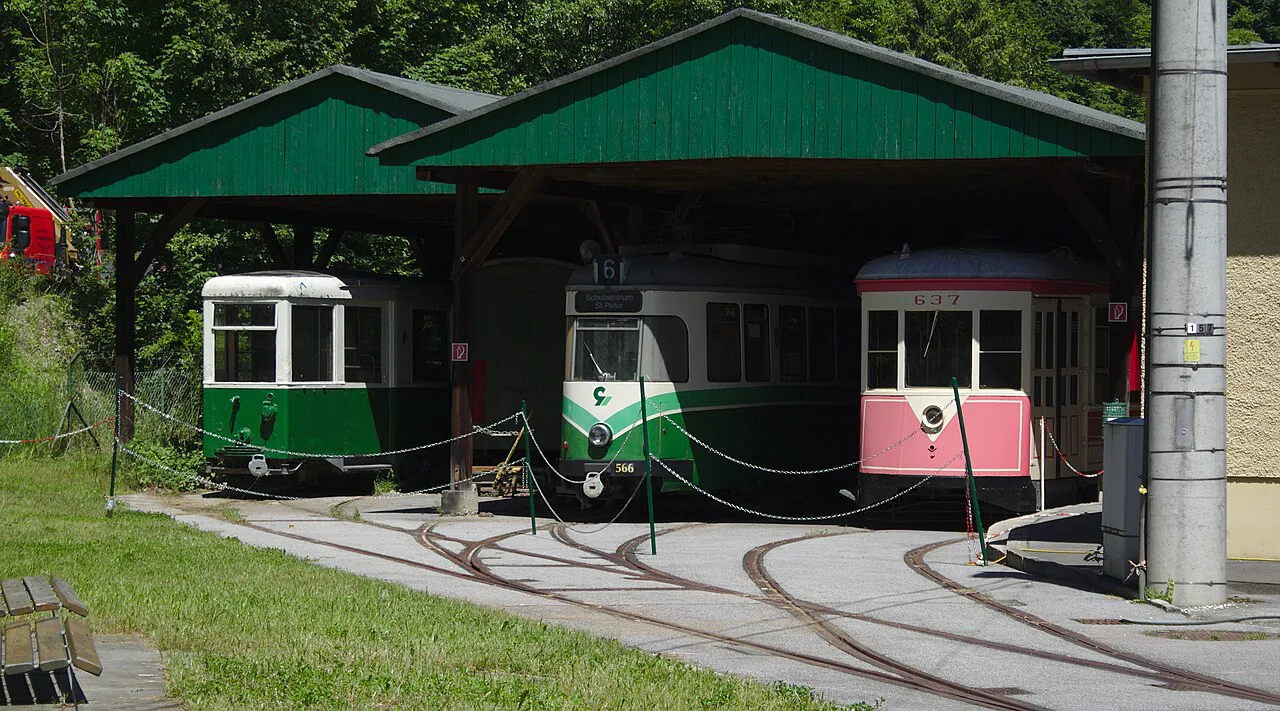
How long to allow at the Graz Museum and how to move between floors
Set aside a solid block of time for the Graz Museum so you can read the main exhibition texts and spend time with the Schlossberg model. The building is compact enough that you will not spend time navigating between distant wings. All floors are reachable by elevator, and lockers are in the basement, so you can drop bags before starting.
The entrance sits directly next to a tram stop and is fully step-free, with a guidance system on the floor for blind and visually impaired visitors. A disabled-accessible toilet is on the ground floor. If you use a rollator or wheelchair, the museum lists rental information through its visitor services, which is worth arranging before arrival.
Kunsthaus Graz: what is inside the building and what admission costs
The Kunsthaus Graz is a contemporary art museum, and its exhibitions change, so check the current program before you decide how much time to give it. Budget a focused visit around the main exhibition rather than a quick walk-through. The building's exterior is free to see; the admission price buys the exhibitions inside.
Admission is listed in a museum directory at 8 EUR for adults, with reduced rates for pensioners and disabled visitors, and daily opening of 10:00 to 18:00; these are directory figures, so confirm them on the Kunsthaus's own site before you pay. If contemporary art is not your priority, the Graz Museum gives the city's history and present in depth.
Access at the Graz Museum and Kunsthaus Graz
The Graz Museum is the more thoroughly documented of the two for access: step-free entrance by a tram stop, an elevator to all floors, an accessible toilet on the ground floor, and audio guides that include easy-language and audio-description tracks. Special tours for blind and visually impaired visitors, and for deaf visitors with sign language interpreters, can be arranged on request. Inclusive tours and workshops are priced at 2 to 4 EUR, per the museum's listing.
For the Kunsthaus Graz, the cited listing gives a reduced disabled rate of 6 EUR, but does not describe step-free routes or audio guides. If you need those details, contact the museum directly before your visit rather than assuming the building's exterior is the whole story. The Graz Museum's access information is the more complete of the two, and it is a sensible default for visitors with mobility or vision needs.
Hours and closing patterns to check before you go
The Graz Museum lists daily 10:00 to 18:00 hours, Monday through Sunday. Do not extend those hours to public holidays or seasonal changes, which the listing does not cover. A Monday visit is therefore possible at the Graz Museum, unlike at many European museums that close at the start of the week. The Kunsthaus Graz's opening days are not confirmed here, so check its own site for the date you plan to visit.
Graz has other museums beyond these two, and their hours may differ, so check each museum's own page before building a day around it. Confirm opening days and times directly rather than relying on a general Graz museum pass description.
The Joanneum group and its combined ticket: when one pass pays off
Graz has more museums than the two covered in detail here, and a combined Joanneum ticket for several of them is often mentioned in museum roundups: the Styrian Armoury, the Kunsthaus, the Folk Life Museum, the History Museum, and Eggenberg Palace are all sometimes listed together. Whether a pass pays off depends on how many museums you actually plan to enter. For a two-museum day, paying individually is usually simpler; for three or more, a pass is worth pricing against the single tickets.
The cited sources do not give a combined ticket price or list exactly which museums it covers, so compare it at the ticket desk or on a museum's own site before buying. If you are unsure which museums to prioritize, the broader Graz Attractions: 7 Visitor Guides overview can help you match sites to your interests. That check takes a few minutes and can save you from buying a pass you will not fully use.
Styrian Armoury and Folk Life Museum as old-town museum stops
The Styrian Armoury and the Folk Life Museum are the other stops most often named alongside the Graz Museum, and both appear in wider Graz museum roundups. The Armoury is the one to choose if you want a single dramatic collection; the Folk Life Museum suits travelers interested in everyday culture and regional material. Neither has a price or opening hours in the cited listings, so check before you go.
Plan these as a half-day block rather than tacking them onto an already full schedule, and confirm hours before you build the day around them. If you only have one museum slot left after the Graz Museum and Kunsthaus, pick one of the two rather than trying to see both.
Schloss Eggenberg as a museum outside the center
If you add Schloss Eggenberg, plan it as its own transport block rather than a quick walk-in, since it requires a separate trip from the old-town cluster. The cited sources do not give its opening hours or admission price, so confirm both before setting out.
If your time in Graz is short, the old-town cluster of the Graz Museum, Kunsthaus, Armoury, and Folk Life Museum keeps you in the center. Eggenberg rewards a slower day when you have already covered the center. Weigh that trade-off honestly before committing to the trip out.
Which Graz museum should you book first?
Start with the Graz Museum if you want to understand the city, and add the Kunsthaus Graz if contemporary art is on your list. The Graz Museum lists daily 10:00 to 18:00 hours; confirm the Kunsthaus Graz's hours on its own site, then a morning at one and an afternoon at the other fits comfortably. The Graz Museum's access information is the more complete of the two, which matters if you use a wheelchair or have vision needs.
Treat the other Graz museums as a second layer, not the first stop, unless the Armoury or Eggenberg is specifically why you came. For a broader plan that ties museums to the Schlossberg, the old town, and the Mur river, work from the Things to Do in Graz guide. Decide how many museums you will actually enter first, then buy tickets accordingly.
Explore more Graz guides
Frequently Asked Questions
Is the Kunsthaus Graz worth visiting if I only care about the building?
If the architecture is the draw, the exterior is there to see; the admission price buys the exhibitions inside rather than the building itself. Contemporary art programming rotates, so check what is on before deciding whether to pay.
Can I visit the Graz Museum and the Kunsthaus Graz in one day?
Yes, and it is a sensible pairing: one historical, one contemporary. The Graz Museum lists daily 10:00 to 18:00 hours; confirm the Kunsthaus Graz's current hours on its own site before planning the afternoon around it.
Does the Graz Museum close on Mondays?
The Graz Museum lists daily opening, including Monday, so a Monday visit is possible there. Holiday hours and seasonal changes are not specified in the listing, so check the museum's own site for the date you plan to visit.
Sources
Notes for your next Austrian town break
Optional updates when we add or revise town guides.
You might also like


Continue reading
More guides you'll find useful