Lienz, Austria: Old Town, Schloss Bruck and Aguntum
Plan a visit to Lienz in East Tyrol: the old town, Schloss Bruck's museum, the Aguntum Roman ruins and how the town fits a Grossglockner route.
On this page
Lienz is worth a half day to a full day: a compact East Tyrol town where a historic center, a castle museum and a Roman excavation sit within a few kilometers of each other. Most travelers treat it as a base or a stop between the Grossglockner High Alpine Road and the Pustertal, and that is the right instinct. This guide covers how the center is laid out, what to see at Schloss Bruck and Aguntum, and how to walk the whole thing without wasting the afternoon.
What Lienz is known for
Lienz is the main town of Osttirol (East Tyrol), a slice of Austria cut off from the rest of Tirol by the Hohe Tauern range. The town lies on the Drau, with the Lienzer Dolomiten rising sharply to the south as a backdrop. That geography matters for planning: it is a natural first or last stop on an alpine loop, not a detour to bolt onto a Salzburg itinerary.
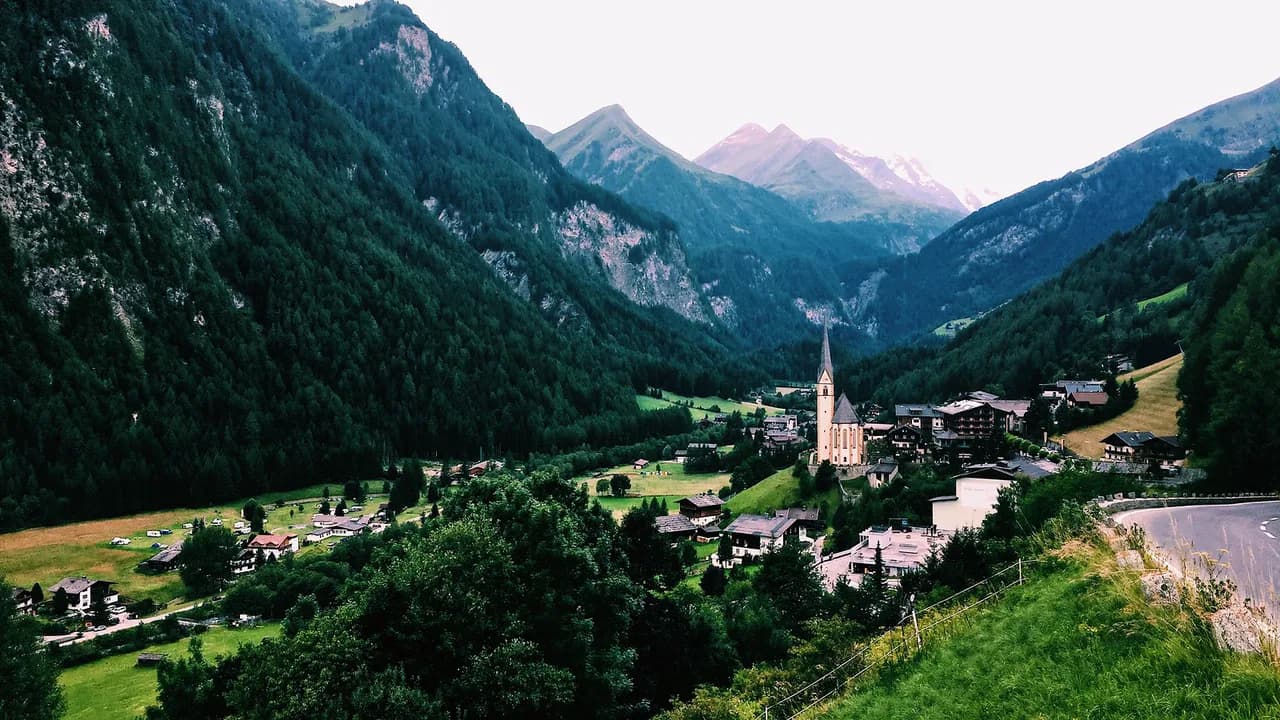
The draw is a small, walkable center rather than a checklist of blockbuster sights. A castle on a hill above town holds the municipal museum, and a Roman town site lies a few kilometers east in the municipality of Dölsach. If you are driving the Grossglockner High Alpine Road south through Heiligenblut am Großglockner, Lienz is the obvious place to break the descent into towns and museums.
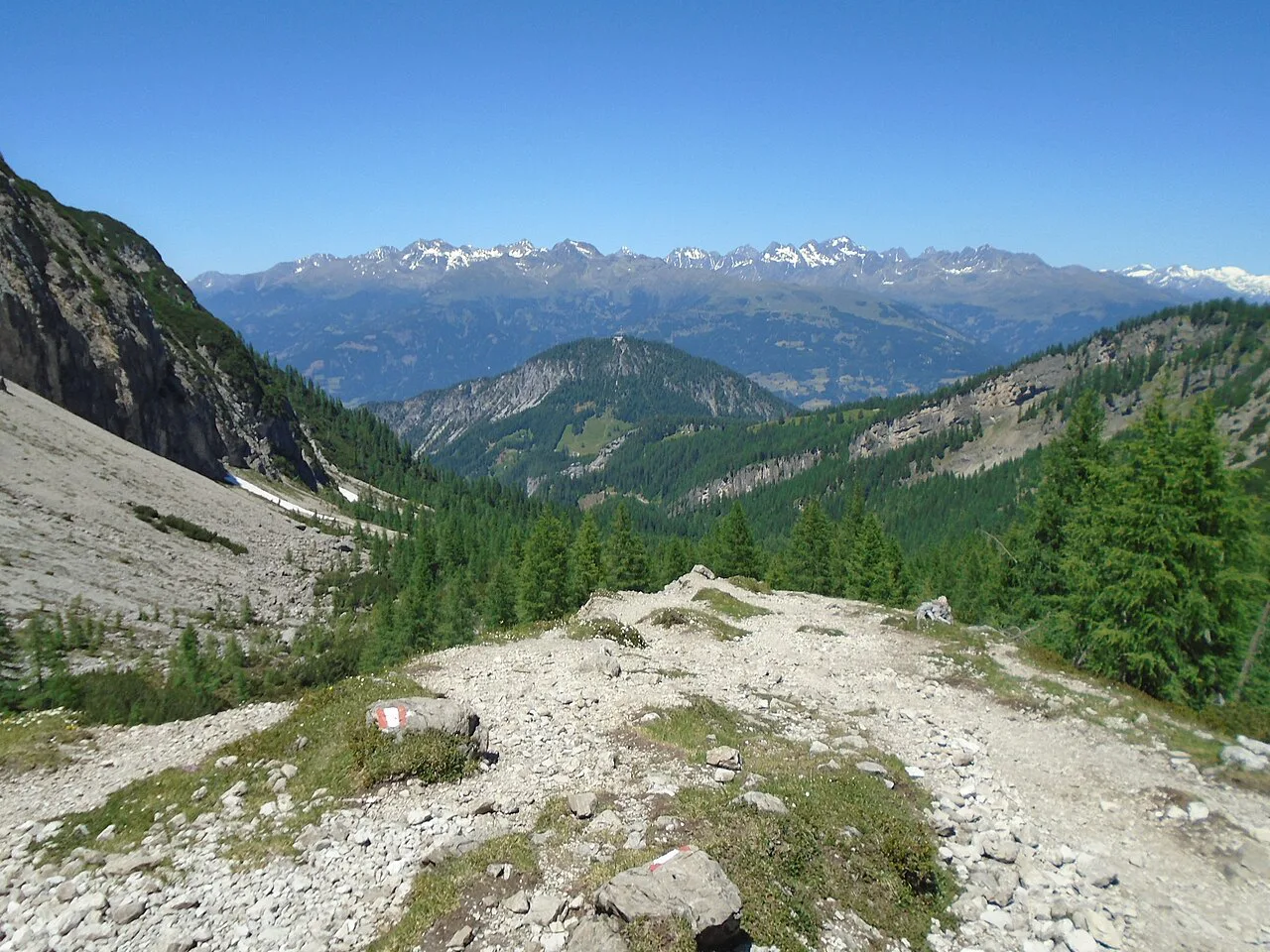
How the town is laid out: Hauptplatz and the river corner
The center pivots on the Hauptplatz, the main square, with the old-town lanes spreading around it and the Isel flowing just to the west. Everything here is on foot scale: you can cross the core in ten or fifteen minutes without hurrying. Plan your arrival at the Hauptplatz and use it as the anchor for the rest of the day, because the lanes curl and it is easy to lose your bearings.
The rivers matter more than they look on a map. The Drau runs through Lienz and continues east toward the Pustertal and Dölsach. If you are arriving by car, park near the center and treat the riverside as the boundary of the walkable district rather than trying to drive between individual sights.
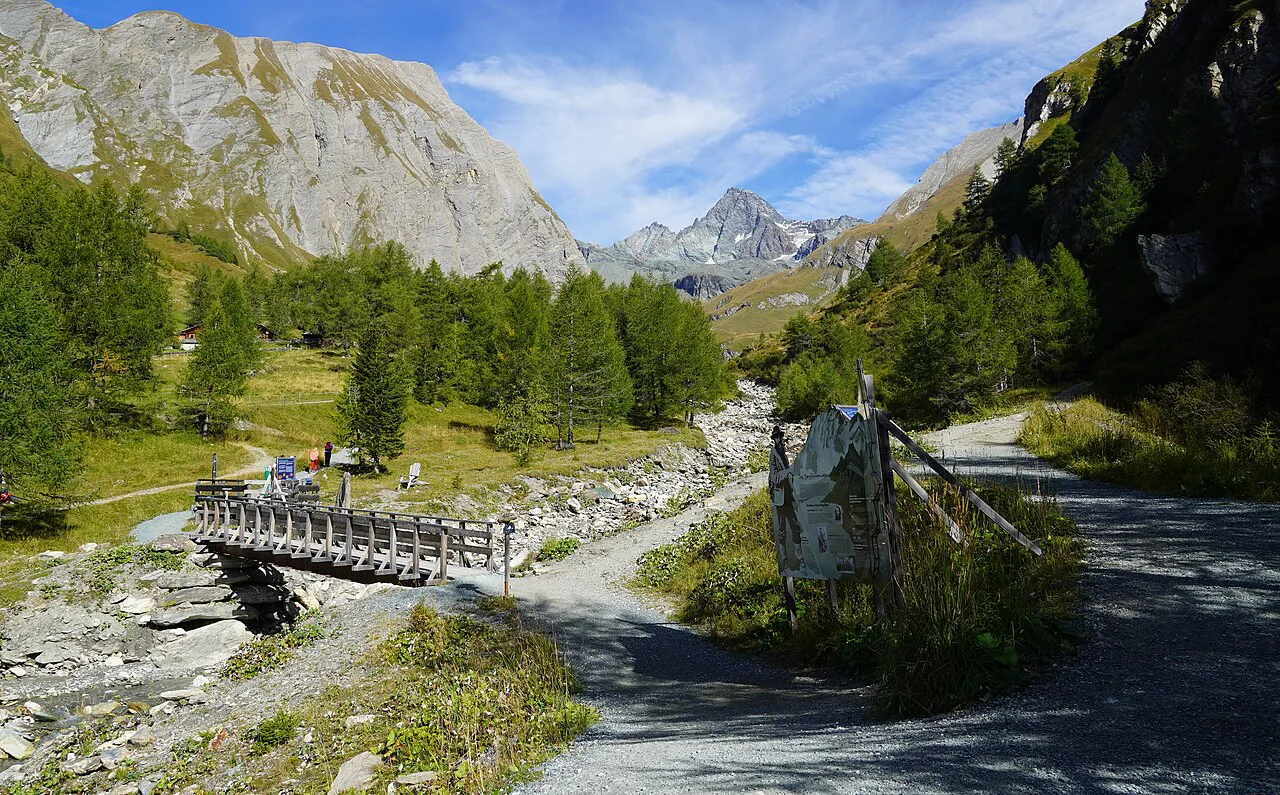
Schloss Bruck and the Museum der Stadt Lienz
Schloss Bruck sits on a hill spur that leans against the Hochstein, the town's local mountain, so the walk up is short but uphill. It was the residence of the Counts of Görz (Grafen von Görz) from roughly 1278 until about 1500, and it has belonged to the city of Lienz since the 1940s. It now houses the Museum der Stadt Lienz, which makes it the single best introduction to the town's history.
The reason to go beyond the courtyard is the collection: the museum holds an extensive group of works by the East Tyrol painter Albin Egger-Lienz, which is the artistic anchor of any visit. A chapel inside the castle carries frescoes by Simon von Taisten. Give the museum an hour to ninety minutes; the castle alone is a twenty-minute photo stop, the museum is what earns the climb.
Check the museum's current season, days and admission on the city's own site before you build the day around it.
Aguntum at Dölsach: the Roman town east of Lienz
Aguntum is the Roman settlement in the Drau valley about four kilometers east of Lienz, in the municipality of Dölsach, and it is a separate trip from the center rather than a stroll. It was raised to autonomous city status under Emperor Claudius in the first century AD as Municipium Claudium Aguntum. Today the excavation area covers roughly 30,000 square meters, a large open site with exposed foundations, an observation tower and a Roman street line.
Budget the drive or bus ride out and back plus at least an hour on the ground, so Aguntum works best combined with the drive toward the Pustertal rather than squeezed into a lunch break. Confirm the site's open months and ticket prices with the operator before setting out, since the grounds are exposed and seasonal.
Franziskanerkloster St. Marien and the Stadtpark
Back in the center, the Franziskanerkloster St. Marien on Muchargasse is a monastery rather than a museum piece, so visit it as a quiet quarter-hour between other stops. The Stadtpark on the Linker Iselweg is the town's green space at about 0.4 hectares, small but a sensible place to sit before the castle climb. Neither needs advance planning; treat both as breathing room in a day built around Schloss Bruck and the Hauptplatz.
A short walking route through the center and up to the castle
Start at the Hauptplatz and wander the surrounding lanes for twenty minutes, then cross toward the Isel and follow the river bank as far as the Linker Iselweg green space. From there head back through the Muchargasse with a stop at the Franziskanerkloster St. Marien, and finish with the climb to Schloss Bruck. The whole circuit is a comfortable half day at a slow pace, and it strings the sights together without doubling back.
If you add Aguntum, split the day: castle and center in the morning, then the short drive east to Dölsach in the early afternoon. Doing the Roman site first and the museum second leaves you stuck uphill when you are tired, and the castle hill is the better finish.
How long Lienz needs and how it fits a route through East Tyrol
Give the town itself half a day and the Roman site another two hours including the drive, so a comfortable Lienz stop is one night or a long day. Travelers heading north over the Grossglockner can sleep here and cross the pass the next morning; those heading east continue into the Pustertal toward South Tyrol. Trains and buses serve the valley, but confirm departure times with the ÖBB and Postbus timetables for your date rather than relying on memory.
On a Grossglockner loop, Lienz pairs naturally with Heiligenblut am Großglockner on the Carinthian side, and with the Hohe Tauern National Park towns further north. If your route runs south from the Hohe Tauern National Park instead, Kals am Grossglockner and Matrei in Osttirol are the valley stops before Lienz.
Practical trade-offs: weather and the afternoon
Lienz lies under the Lienzer Dolomiten, and afternoon clouds often build over the mountains. Treat the morning as your best window for the castle hill and the open Roman site, and keep the museum as the flexible indoor option if weather turns. The town's appeal is its compactness, so a washed-out afternoon costs you less here than in a city built around outdoor sights.
The other trade-off is time spent behind the wheel. Aguntum sits off the center, and the pass road is a slow, scenic climb, so do not stack both onto the same half day. One of them per day is the honest pace.
Where Lienz sits on a Grossglockner itinerary
Drivers coming from the north usually descend the Grossglockner High Alpine Road through Heiligenblut and reach Lienz on the Drau, which makes the town a natural overnight stop before continuing to South Tyrol. Coming from the west, the approach runs through Matrei in Osttirol down the Isel valley. Either way, Lienz is the first town of real size after the high mountains, with a museum, a castle and a Roman site within a short radius.
If you are coming down the pass from the north, note that Heiligenblut am Großglockner, on the Carinthian side, is the typical pairing with Lienz on a two-night alpine loop. Bring the car only if you plan to use it on the pass itself, because the town center and the castle hill are comfortably done on foot.
Castle first or Aguntum first?
Put Schloss Bruck and the Hauptplatz first, because they need no driving and the climb is best done fresh. Add Aguntum in the afternoon only if you have a car or a confirmed bus and are continuing east anyway. That order keeps the flexible indoor museum available as a weather fallback and keeps the Roman site from swallowing the day.
Explore more Heiligenblut guides
Frequently Asked Questions
Is Lienz worth stopping for on the way to Grossglockner?
Yes, as a half-day or overnight stop. The center, Schloss Bruck and its Egger-Lienz collection are all within walking distance of the Hauptplatz, and the town sits at the southern end of the Grossglockner approach in East Tyrol. Add time if you want the Aguntum Roman site east of town.
Do I need a car to see Lienz and Aguntum?
Not for the town itself: the Hauptplatz, the old-town lanes, the Isel and Drau rivers and the castle hill are a walkable circuit. Aguntum lies about four kilometers east in Dölsach, so check the ÖBB and Postbus timetables for a connection or plan to drive.
Sources
Notes for your next Austrian town break
Optional updates when we add or revise town guides.
You might also like
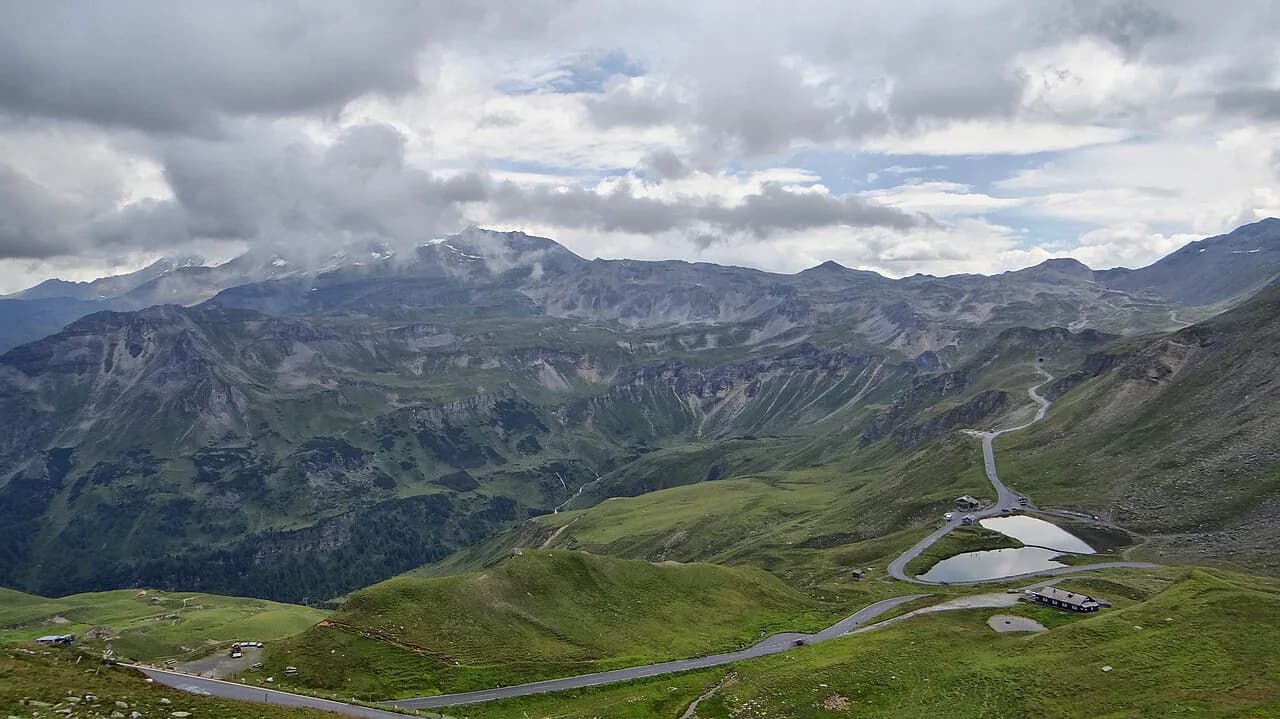
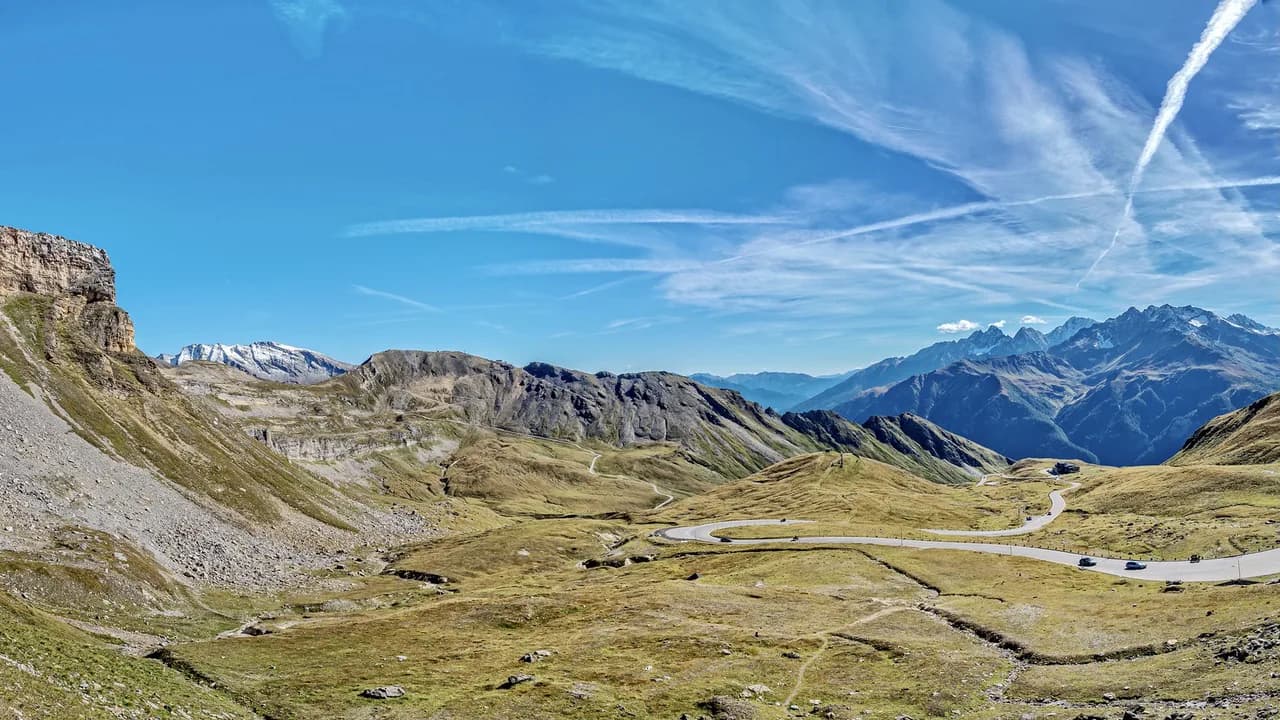
Continue reading
More guides you'll find useful