Hallstatt in Summer: Crowds, Timing and What to See
Hallstatt in summer fills up fast. Time your arrival around the tour buses, learn how the car-free village and parking work, and plan the lake and viewpoints.
On this page
Hallstatt in summer is a few streets of wooden houses pressed between the Hallstätter See and the Dachstein Alps, and it is at its emptiest before roughly 9:30 a.m. and after 4 p.m., when the coach groups have moved on. Plan your arrival around those windows rather than around a list of sights, and the same village that feels overrun at noon becomes quiet and walkable. This guide covers the layout, the parking and ferry logistics, the viewpoints above town and the honest constraints on food, cash and lake time. Start with the Hallstatt guide for the full layout, and see how parking works before you drive in.
What summer actually feels like in Hallstatt
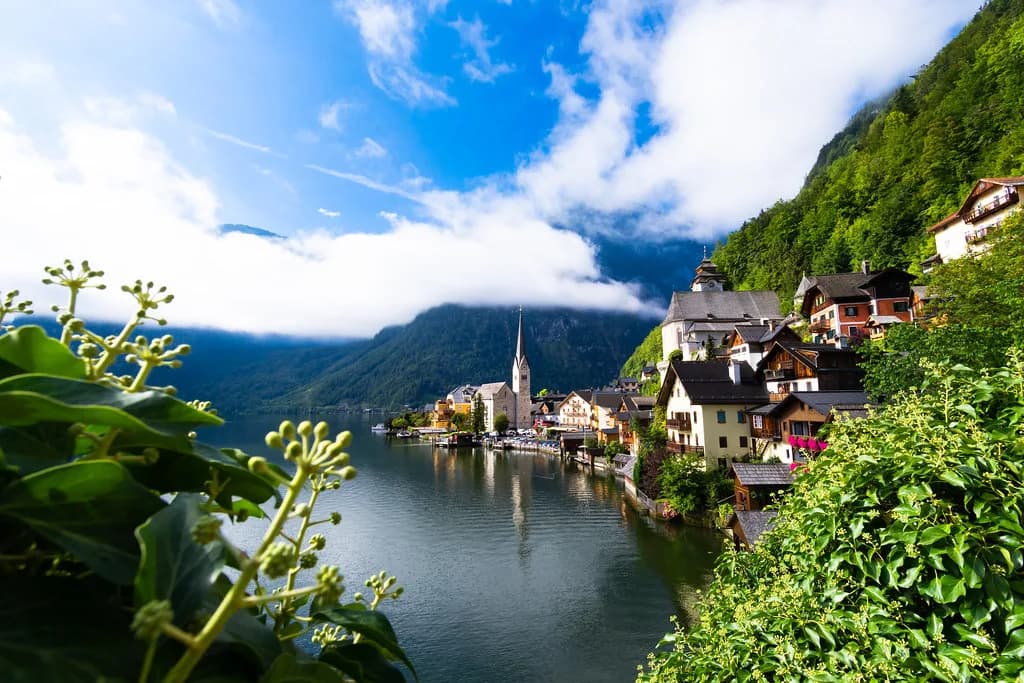
Hallstatt is a car-free village on the Hallstätter See in the Salzkammergut, and it is small enough that you can walk its length in about five minutes. That compactness is exactly why summer crowds feel so dense: everyone who arrives is funneled into the same lakeside lane at the same time, and the car parks on the edge of town fill up in peak season. If you drive in on a busy afternoon with a reservation in hand, you may still circle the block waiting for a space, which is the reality that greets many summer arrivals. Read the Hallstatt guide for the layout, or the parking guide for the car parks.
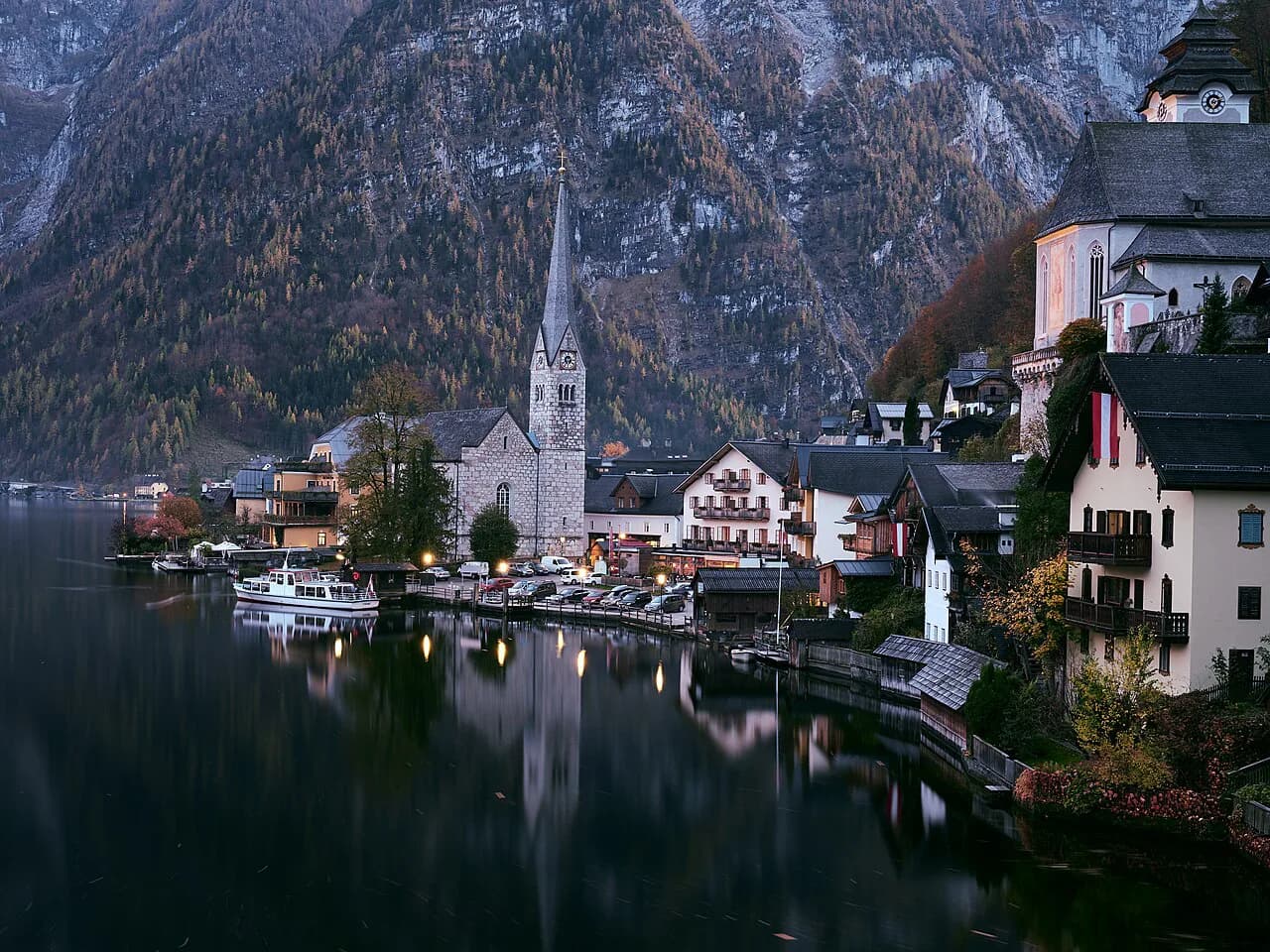
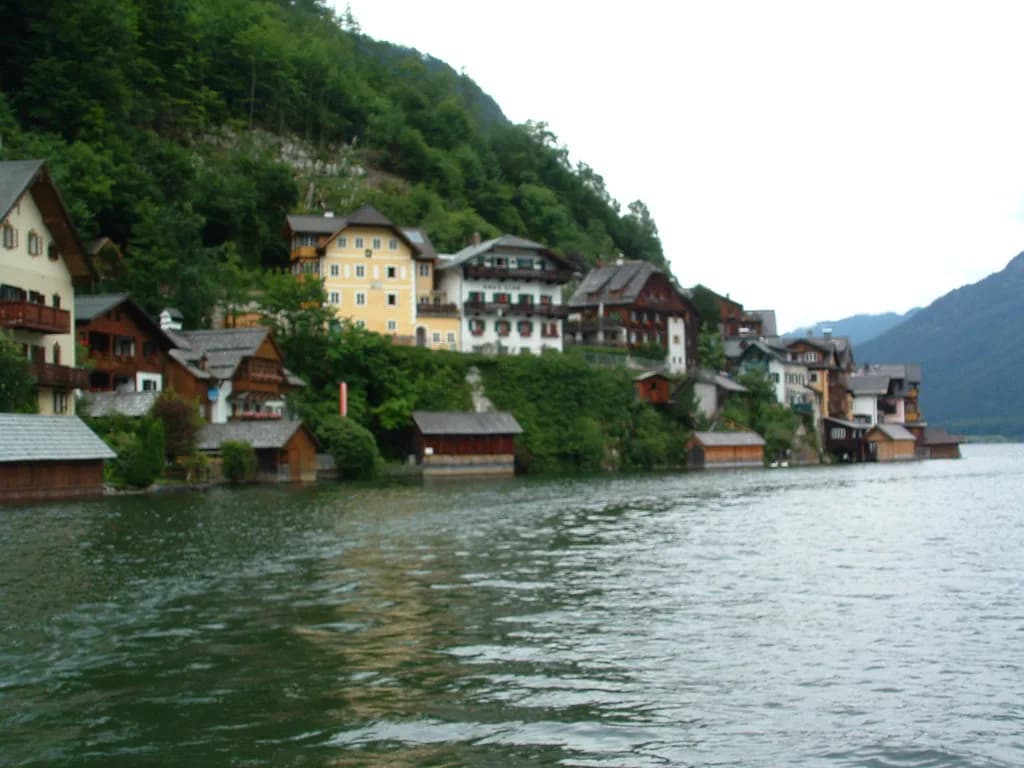
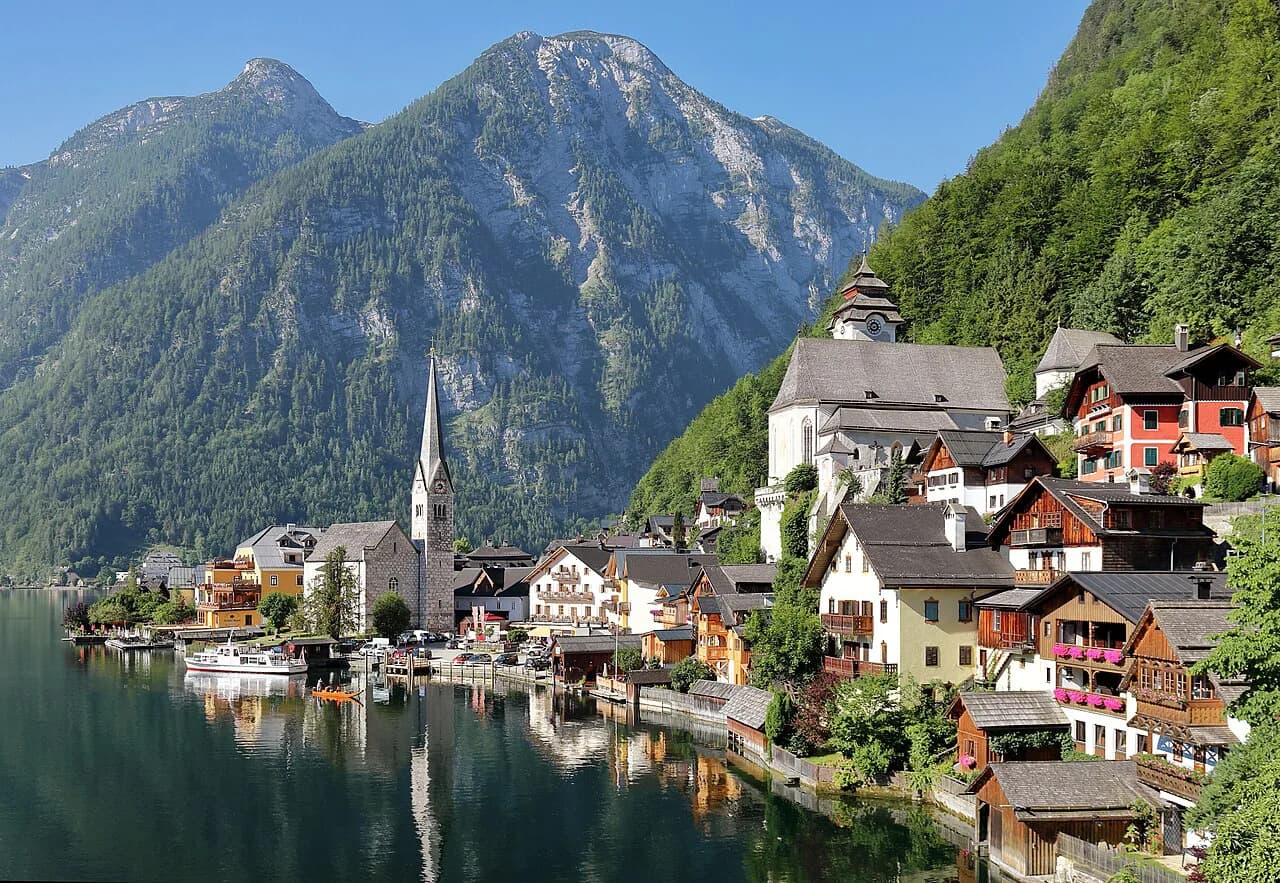
The town is framed by the Dachstein Alps, and the pastel timber houses above the water are what made it famous; the same images now draw visitors in numbers the village was never laid out for. Expect a busy, commercial center at midday and a different place once the day-trippers leave in the late afternoon. The trade-off is simple: a short stop buys you the view and the crush, while time before or after the peak buys you the village.
When to arrive and when to leave
Aim to be in the village before about 9:30 a.m. or after 4 p.m. Those are the windows when the streets open up and the lakeside lanes stop being a slow-moving queue. If you are coming by train, work backward from the ferry crossing so you land on the right side of those hours rather than arriving on the midday peak.
Staying the night changes the calculation more than any single sight does. Once the tour buses have left and the souvenir shops close, locals emerge and the town settles into a calmer rhythm, which is when the village reveals itself as a living community rather than a backdrop. If your schedule allows only one decision, make it this one: overnight beats a rushed midday stop.
The best time to visit Hallstatt for weather and manageable crowds is worth checking against your own dates, since summer is the most popular season and the difference between an early-July weekday and an August weekend is significant. Build your day around the tide of arrivals rather than around a checklist, and keep a flexible block of time for the lakeside in the quiet hours.
How the village is laid out
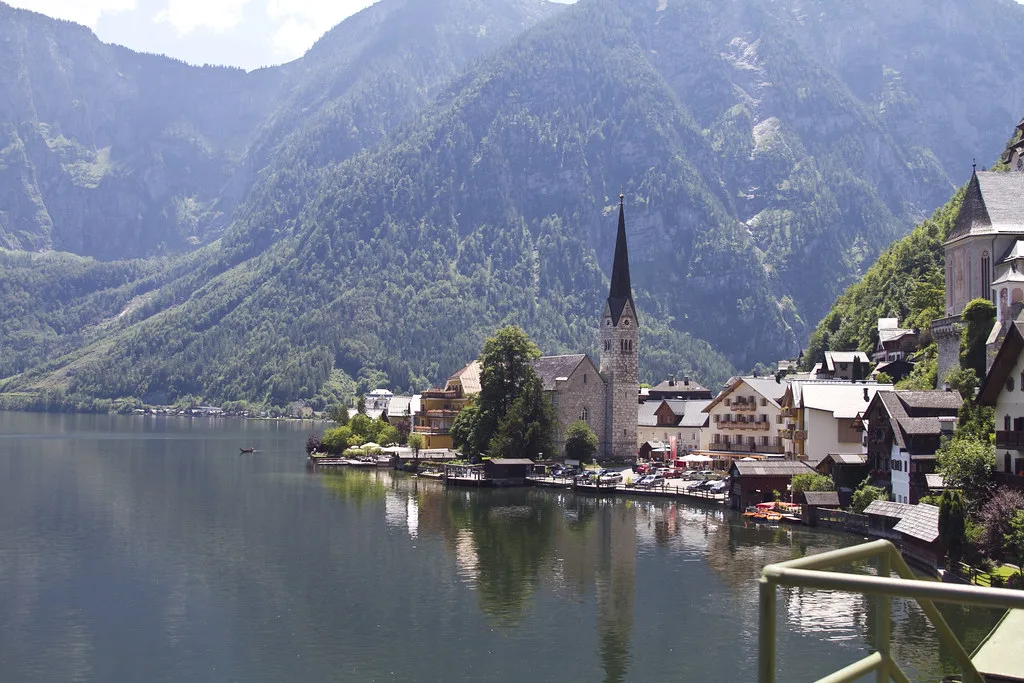
The village is a compact knot of lanes along the Hallstätter See, walkable from one end to the other in about five minutes, so a single loop on foot covers most of it. The lane along the water is where the postcard view is taken from, and it is also the narrowest, busiest part of town at midday.
For context on why the village looks the way it does, the salt mine and the long history of salt extraction explain the tight rows of houses and the stepped terraces above the lake. If you want the background before you walk in, read up on Hallstatt history first so the lanes make sense on arrival.
Parking at P1, P2 and P4 outside the car-free center
Hallstatt is pedestrianized, so every car has to be left on the outskirts in one of three car parks: P1, P2 or P4. In peak season, P1 and P2 can fill quickly, and there is nowhere to wait, so you drive around the block hoping a space opens up as you pass. Arriving early is the reliable way to avoid that lottery, and it also puts you in the village before the coaches.
From the car parks, the walk into town takes at least five minutes, so pack light and leave the heavy bags in the car. If you have mobility concerns, the walk plus the pedestrian-only lanes are worth weighing before you commit to a car-based visit.
Getting there without a car
The train brings you to Hallstatt station on the far side of the Hallstätter See, and the ferry across the water is part of the trip rather than an optional extra. For rail travelers, the crossing is the moment the village assembles itself from the far bank, so build time for it into your plan and arrive on the near shore ready to board.
Salzburg is the usual starting point, and a Hallstatt day trip from Salzburg is the simplest option for travelers without a car. If you would rather combine the village with the surrounding lake towns, Obertraun and Bad Goisern sit on the same shoreline and make natural stops on the way.
The famous view: the Skywalk Welterbeblick and the salt mine
The view everyone comes for is from the Skywalk Welterbeblick, the platform perched above town and reached by cable car to the salt mine. The salt mine is the reason the village exists, and the platform is the reason people photograph it, so the trip is worth doing in one go. Check the cable car and mine schedules with the operator before you plan your day, since the season and hours change with the time of year.
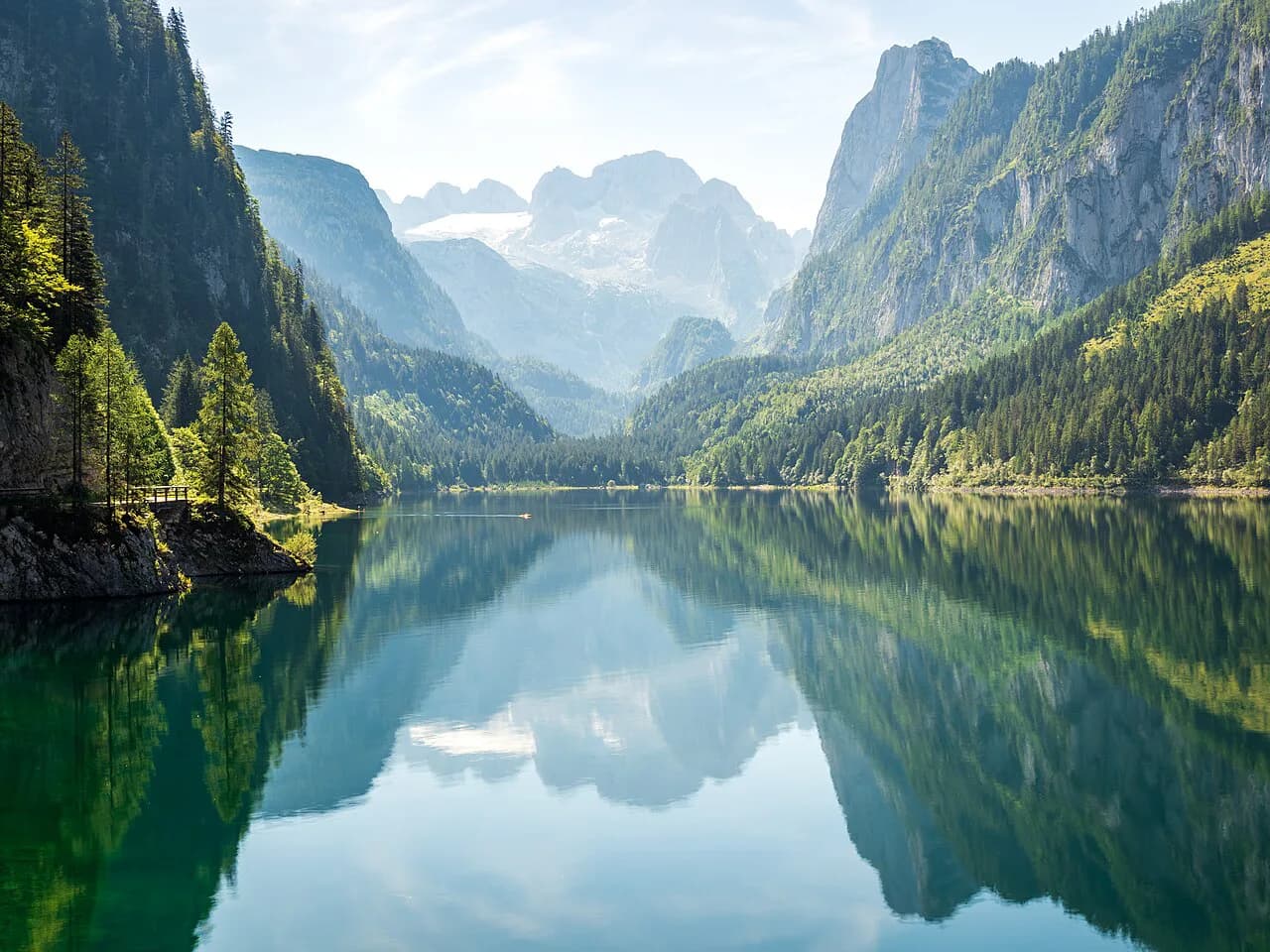
For other days on the lake, the Dachstein Krippenstein cable car above Obertraun gives a different angle on the same water, and Gosausee offers a quieter alpine lake if the crowds in town wear you down. Keep your plan flexible: if the weather closes in on the ridge, the lakeside towns and the village lanes are the fallback.
The lake in summer: boats, swimming and cash
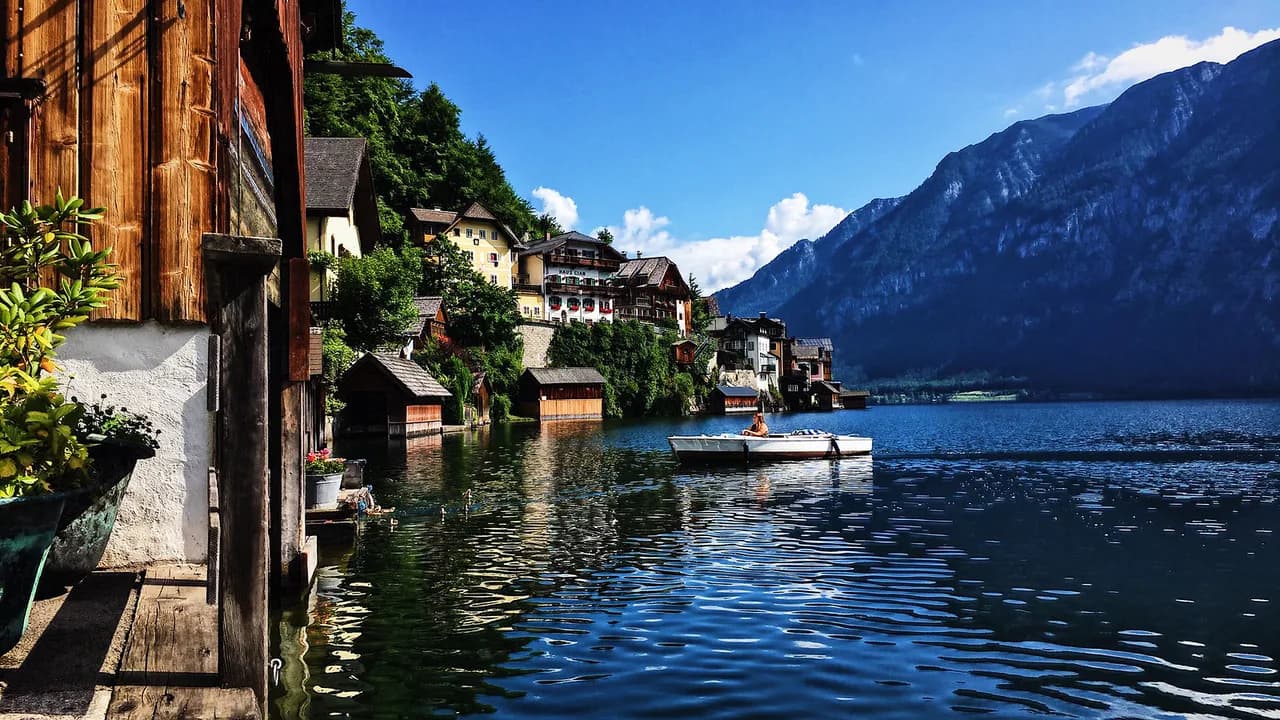
Hiring a boat is one of the best ways to see the village from the water, and the boat hire has been cash-only, as has the ferry. Bring euros in small notes and keep an ATM stop in town on your list. Don't assume cards are accepted everywhere just because the town is busy; some restaurants are cash-only too.
The lake waters of the Hallstätter See are cold and clear, and swimming is best considered a genuinely local pleasure rather than a guaranteed resort experience. Check with the boat operator or the local tourist office about designated swimming spots before you plan a lakeside afternoon.
Eating in town: limited options and card rules
Food options in the village are limited, and several restaurants don't take cards. Bringing your own food for a picnic is a legitimate strategy, especially if you are arriving outside meal hours. If you want a sit-down lunch, book around the quiet windows and carry cash for the bill.
Day trip or overnight: the honest trade-off
The quick stop is feasible: you can see all the highlights of Hallstatt in a day, and most visitors do exactly that. The catch is that the day-tripper experience is the crowd, not the village. If your trip runs on a tight itinerary, a day trip from Salzburg is workable, but plan the hours around the peak rather than through it.
Overnight guests get the town before and after the day-trippers, which is when the village feels like itself. That is the honest trade-off between a fast stop and a night in town, and if you can only choose one, the overnight stay earns its keep.
Which Hallstatt day to book
Book your arrival around the peak rather than through it: before about 9:30 a.m. or after 4 p.m., and ideally with a night in town so you see the quiet hours. Sort the car parks or the ferry in advance, bring euros in cash and plan a flexible afternoon for the lake and the Skywalk. Use the Hallstatt guide for the layout, and consider the Hallstatt day trip from Salzburg for the car-free version.
Explore more Hallstatt guides
Frequently Asked Questions
Is Hallstatt too crowded in summer?
It is busy at midday, especially around the lakeside lane and the car parks. The crowds ease before about 9:30 a.m. and after 4 p.m., and staying overnight gives you the quiet hours on both ends of the day.
Do I need cash in Hallstatt?
Bring euros in small notes. The ferry and boat hire have been cash-only, and several restaurants don't accept cards. There are cash machines in town.
Can I drive into Hallstatt?
No. The village is pedestrianized and all cars stay in the car parks on the outskirts, P1, P2 and P4. In peak season these can fill up quickly, so arriving early is the reliable approach.
How do I get to Hallstatt by train?
The train arrives at Hallstatt station across the lake, and a ferry brings you into the village. Budget time for the crossing and check the ferry schedule before you travel.
Sources
Notes for your next Austrian town break
Optional updates when we add or revise town guides.
You might also like
Continue reading
More guides you'll find useful