Best Time to Visit Hallstatt: Crowds, Weather and What's Open
Hallstatt works best in the early morning and evening. See how crowds, weather and the season shape the best time to visit Hallstatt, Austria, by month.
On this page
The best time to visit Hallstatt is early morning or late afternoon, ideally in a shoulder-season month, because the town's lanes are narrow and the midday hours bring the heaviest foot traffic. Time your day around those peaks and the village feels far calmer than its reputation suggests. This guide covers how crowds move through the day, what the weather does month by month, which sights run in each season, and how the train-and-ferry and car approaches change your timing.
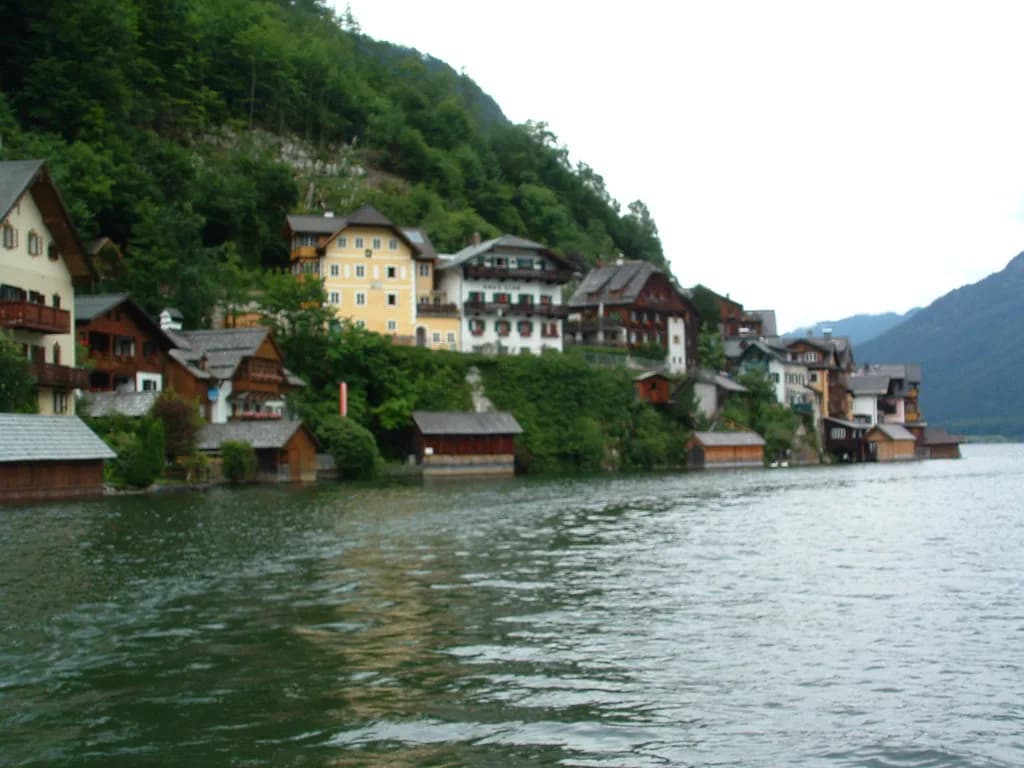
Hallstatt is a small market village on the western shore of the Hallstätter See in the Salzkammergut, packed onto a steep slope between the lake and the Salzberg mountain. Its compact layout is exactly why timing matters: a few thousand people in the main lane at once turns a pleasant stroll into a shuffle. Drivers should settle where the car goes before arriving, since parking is limited.
Why Hallstatt gets crowded at midday and what that means for your timing
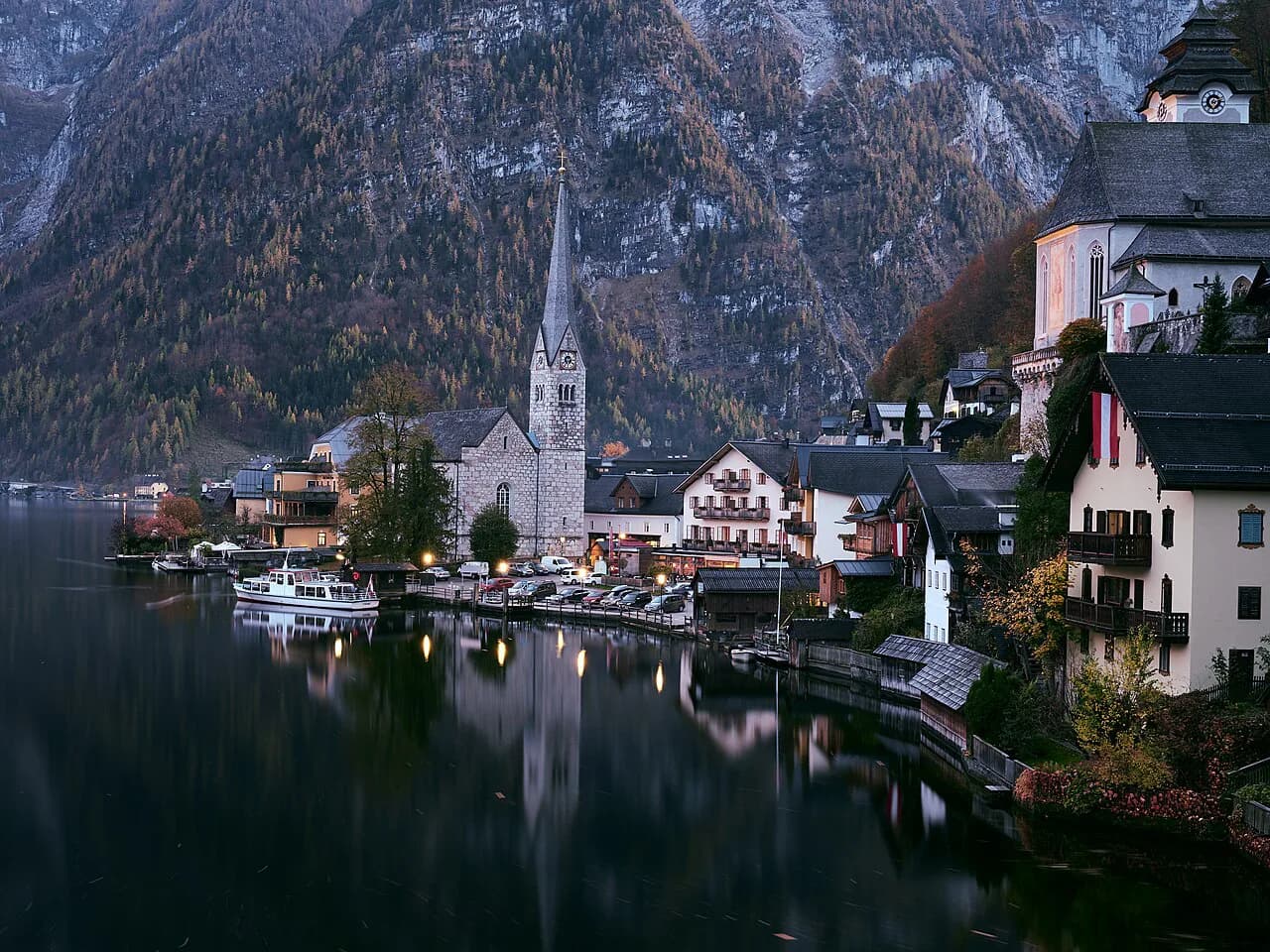
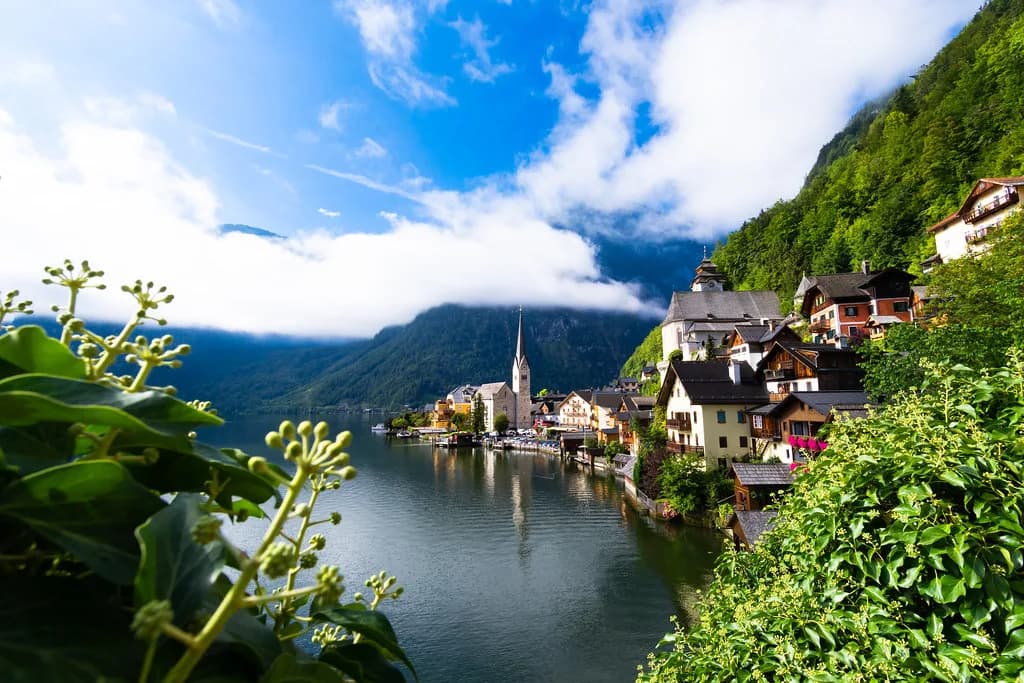
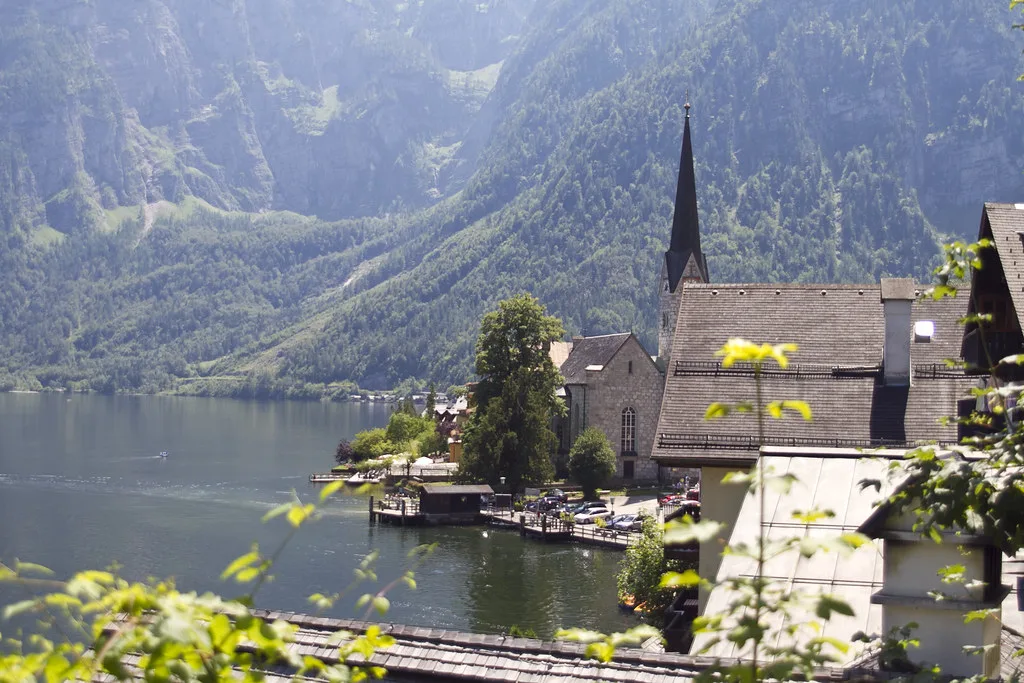
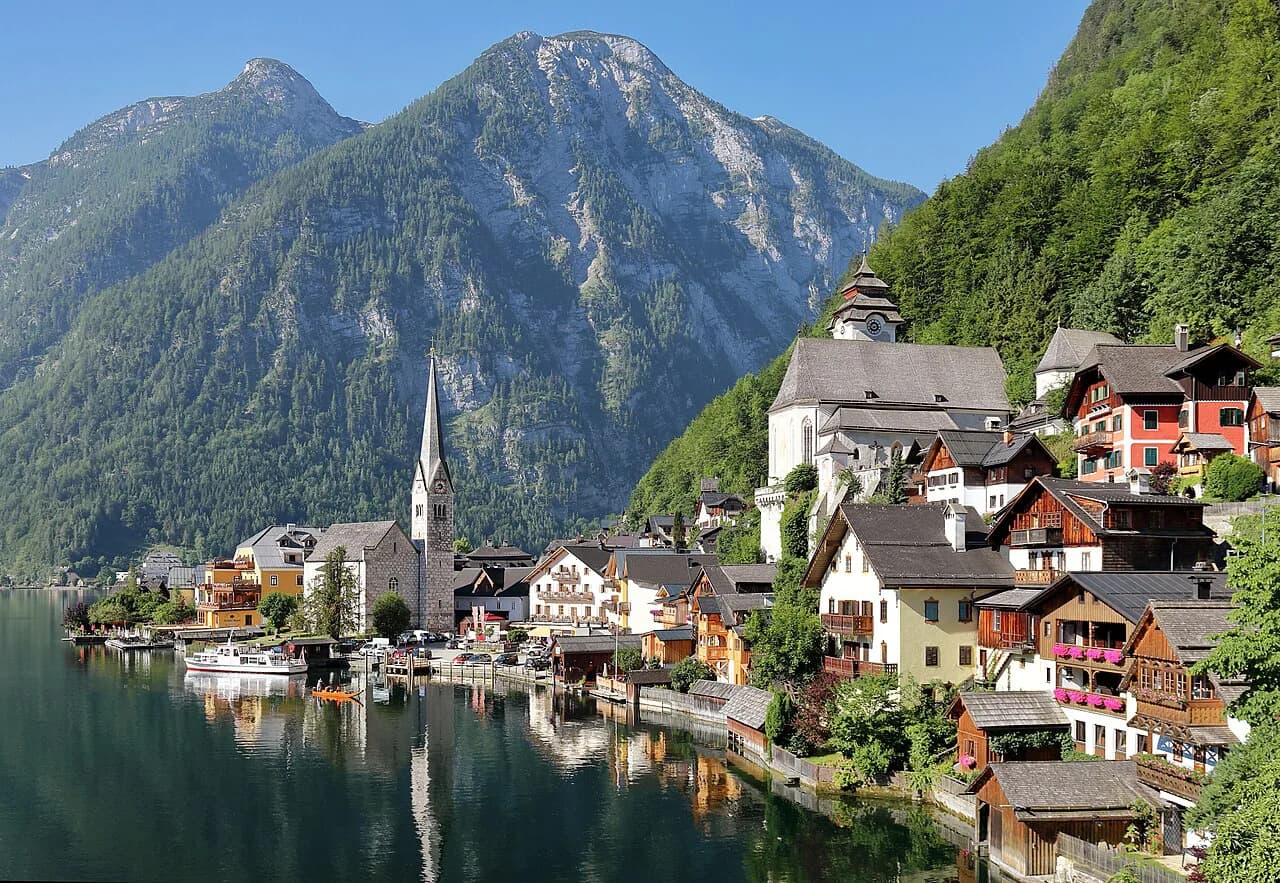
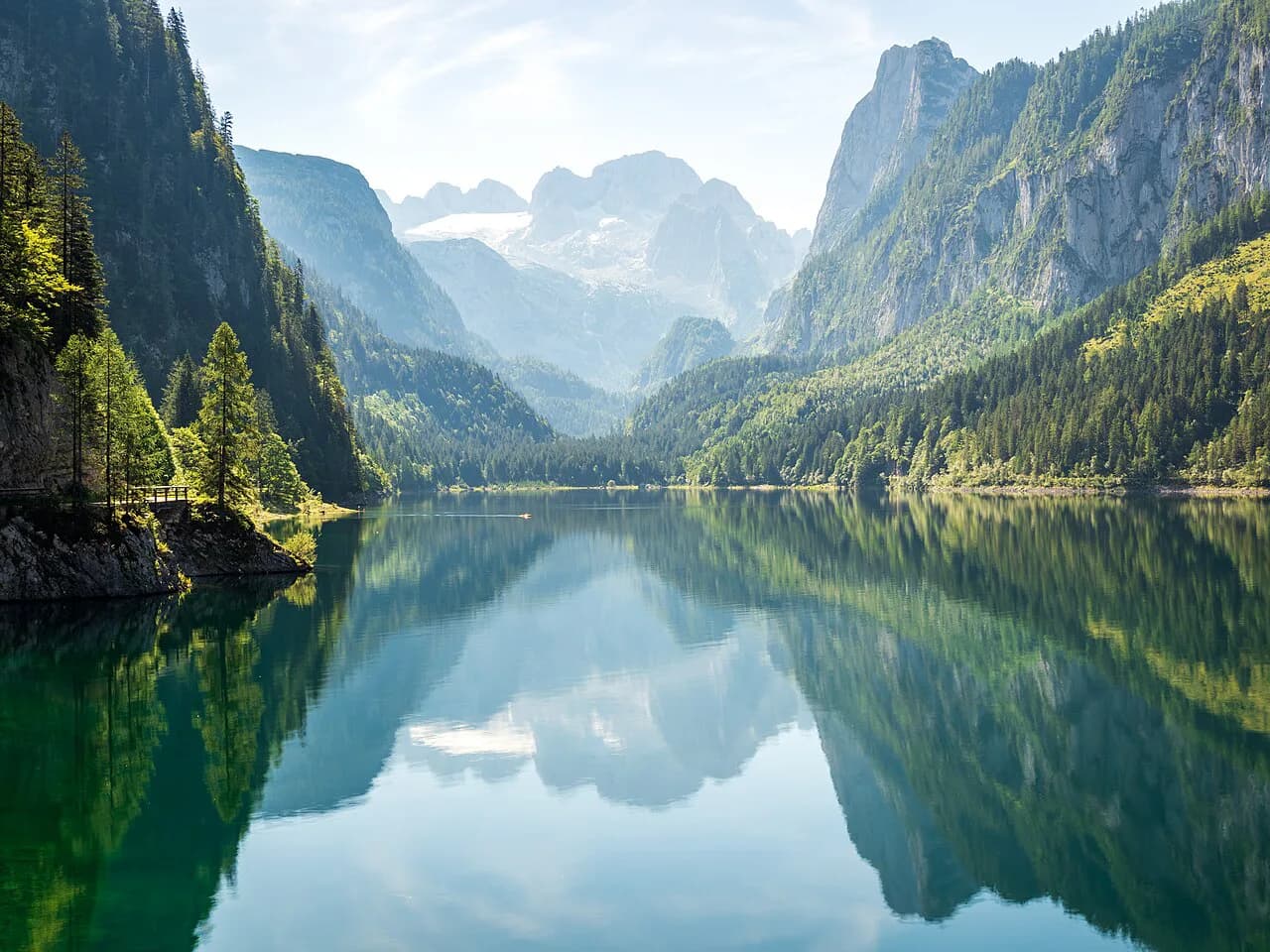
Hallstatt's fame rests on a single, world-famous postcard view: the clear lake, the historic Protestant church and the old houses pressed against the rock, framed by mountains. That image draws day visitors in volume, and most arrive mid-morning and leave by late afternoon. Plan your walking, photography and lake-level sightseeing for the edges of the day and the center of the village becomes negotiable.
The practical response is simple: start early, take a longer sit-down lunch when the lanes are fullest, and save the viewpoints and quiet corners for after the coaches pull out. If you are day-tripping in, arriving on the first feasible train or driving in before the morning rush gives you a genuinely different village.
What the weather does month by month
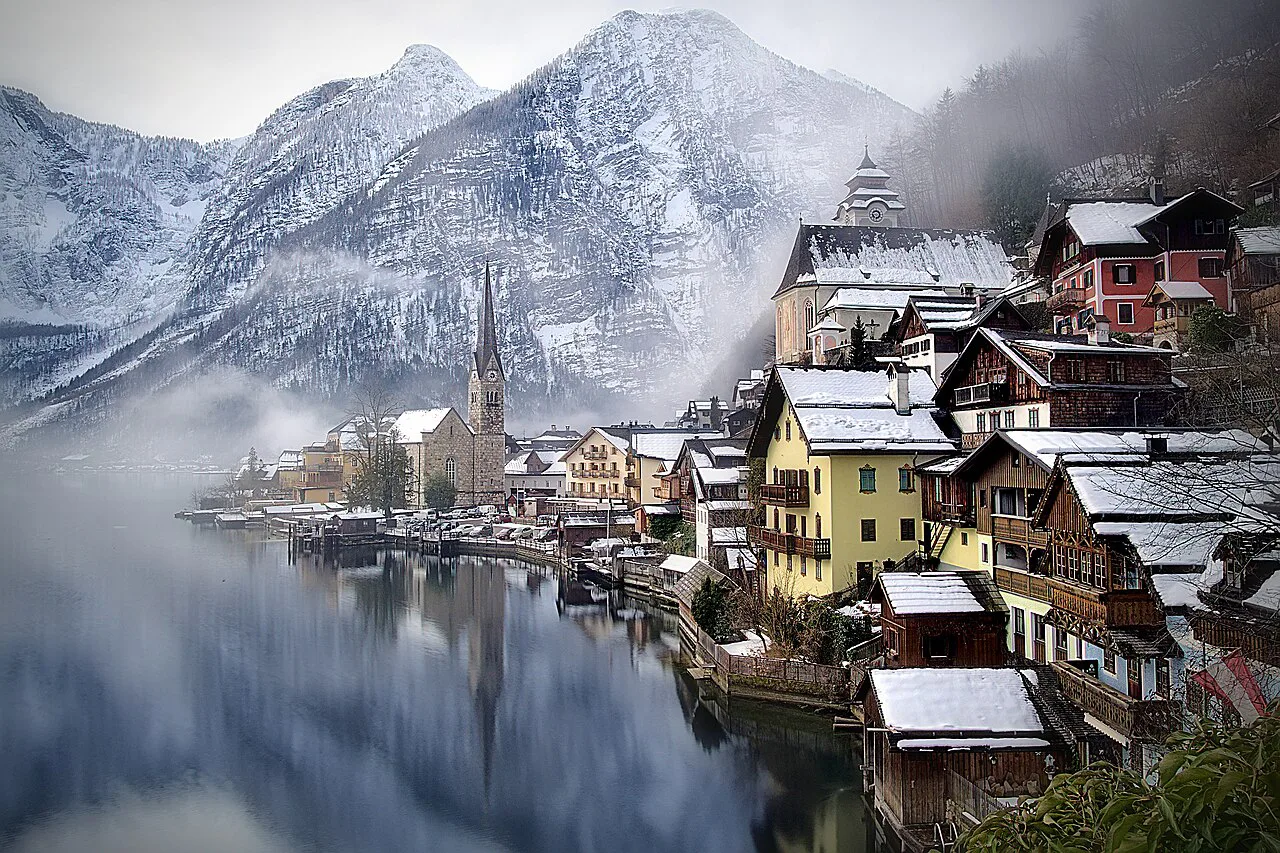
Hallstatt sits in the Alps at lake level, so summers are mild and busy while winters are cold, often snowy and much quieter. Winter visitors describe smaller crowds and cheaper rooms in the off season, but also limited restaurant openings in January. Pack for cold and wet conditions and expect snow on the ground rather than guaranteed sunshine.
Spring and autumn are the sweet spot for most travelers: the lake and mountains still look their best, the lanes are less packed than in high summer, and the weather is generally kinder than deep winter. Snowfall varies a lot from year to year, so treat any monthly snow count you see online as a rough pattern rather than a forecast.
What is open in each season: salt mine, Skywalk, World Heritage Museum, ossuary and boats
The Salzwelten salt mine runs daily guided tours and is a smart pick in both heat and rain, because the interior holds a steady 8 to 10 degrees Celsius all year. That makes it a good anchor for a day when the lakefront is crowded or wet.
Above the rooftops, the World Heritage View Skywalk on the Salzberg puts you 360 meters above the village for the classic panorama. At lake level, the Hallstatt World Heritage Museum traces the village's deep history and is open all year, while the ossuary chapel holds over 1,200 skulls, more than 600 of them painted and sorted by family. Boat trips and wooden-boat rides on the Hallstätter See round out the options in the warmer months.
Confirm the current season and ticket prices for the salt mine, Skywalk and boat operators on the official Hallstatt site before you build a day around them, since these change by year.
Getting there by train and ferry: the lake crossing from Hallstatt station
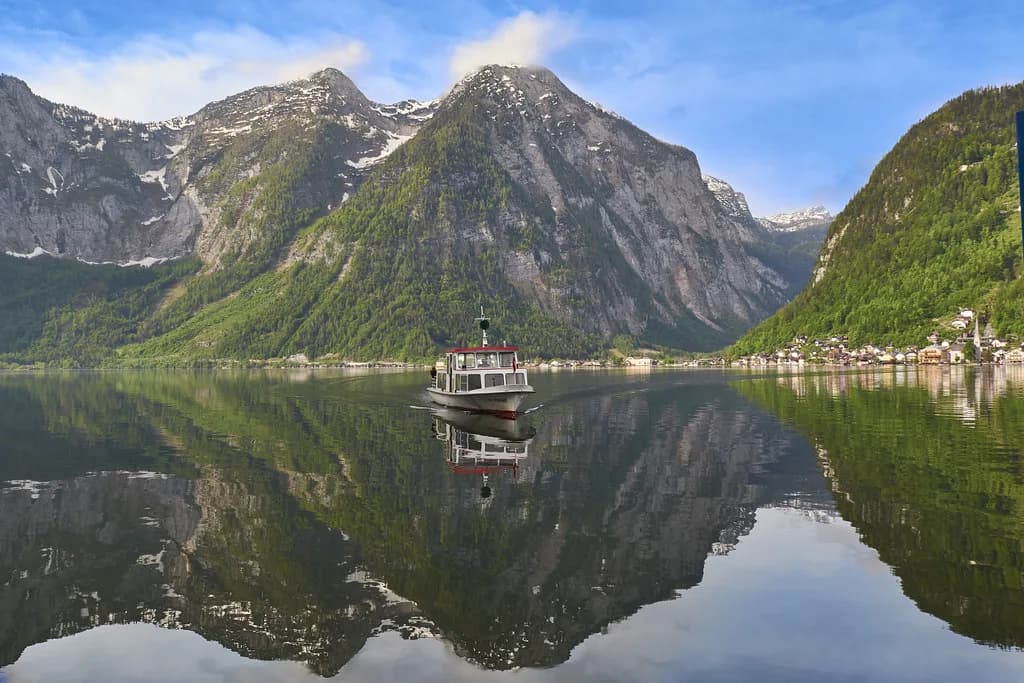
The railway station sits across the lake from the village, so a train arrival means a short ferry crossing to reach the lanes. The crossing is part of the experience, with the village and mountain stacking up in front of you as you approach. Build the boat into your schedule rather than assuming the station is in town.
Trains connect Hallstatt with Salzburg and Vienna, making a car-free visit entirely workable if you accept the ferry step. If you are weighing that route against driving, a Hallstatt day trip from Salzburg by rail is the simplest version for most travelers.
Getting there by car: parking limits in town and the lakeside alternatives
Parking in the village itself is tight, so drivers should plan where the car goes before arriving rather than circling the center. Many visitors park outside the core and walk or shuttle in, which also means your timing is set by the car park rather than the train.
Driving gives you flexibility to arrive at dawn or stay past the last ferry, which is the real advantage over rail. The trade-off is that you must sort out parking and any road tolls in advance, and an early start still beats a mid-morning one for beating the crowds.
How long Hallstatt needs on the ground, from a half day to an overnight
The village core, the lakefront and a viewpoint can be covered in a half day if you move briskly, and that is what most day-trippers do. Add the salt mine, the World Heritage Museum or a boat trip and you are into a full day. Staying overnight buys you the empty early-morning and evening streets, which is the single biggest upgrade to the experience.
A sensible structure is: arrive early, walk the lanes before the crowd, take the Skywalk or salt mine around midday when the village is busiest, then return to the lakefront in the late afternoon. That pattern works whether you have half a day or two.
The overnight trade-off: empty streets at dawn versus a day trip
Overnight guests get something day visitors cannot: the village before the first coaches and after the last ones leave. That quiet window is when the postcard view and the lanes are most rewarding. The cost is the extra night and the need to book early in peak season.
If an overnight does not fit, a day trip still works well provided you travel early and plan around the midday peak. From Vienna the journey is longer, so a Hallstatt day trip from Vienna is best treated as a full-day commitment with an early start.
Which timing should you book?
For most travelers, the best time to visit Hallstatt is a shoulder-season month with an early-morning arrival and, if possible, one night in the village. That combination gives you the calm lanes, the lake at its best and the sights without the midday crush, and it costs less than high summer.
Book the salt mine and Skywalk around your arrival window, plan the ferry crossing into your train schedule, and leave the busiest hours for a long lunch or a museum stop. That rhythm, more than the calendar, decides how Hallstatt feels on the day you visit.
Explore more Hallstatt guides
Frequently Asked Questions
Is Hallstatt better in summer or winter?
Summer brings milder weather and everything running, but also the biggest crowds at midday. Winter is quieter and often snowy, with smaller crowds and cheaper rooms in the off season, though some restaurants close in January. Shoulder-season spring and autumn balance the two.
How early should I arrive in Hallstatt to avoid crowds?
Aim to be in the lanes before the mid-morning coach arrivals, which usually means the first feasible train and ferry or an early drive. The village is calmest in the early morning and again after the day visitors leave in the late afternoon.
Do I need a car to visit Hallstatt?
No. Trains from Salzburg and Vienna connect to Hallstatt station across the lake, and a short ferry crossing brings you into the village. A car adds flexibility for dawn arrivals and late departures, but parking in the village is tight, so plan where the car goes in advance.
Sources
Notes for your next Austrian town break
Optional updates when we add or revise town guides.
You might also like
Continue reading
More guides you'll find useful