Hallstatt History: Salt Mining, the Iron Age and the Bone House
Hallstatt history runs from salt mining to the Iron Age culture that took its name, plus the bone house and the 1996 UNESCO World Heritage listing.
On this page
Hallstatt is a village of roughly 900 inhabitants between lake and mountain, and its name belongs to a whole archaeological period because of the salt and the burials found here, not because of the photographs. The village was named a UNESCO World Heritage Site in 1996, and salt production in the area can be traced back about 7,000 years, so the history runs far deeper than the viewpoint crowds suggest. This guide walks through the salt mine, the graves that defined the Hallstatt period, the bone house, and how the sights fit together on the ground.
What Hallstatt is known for
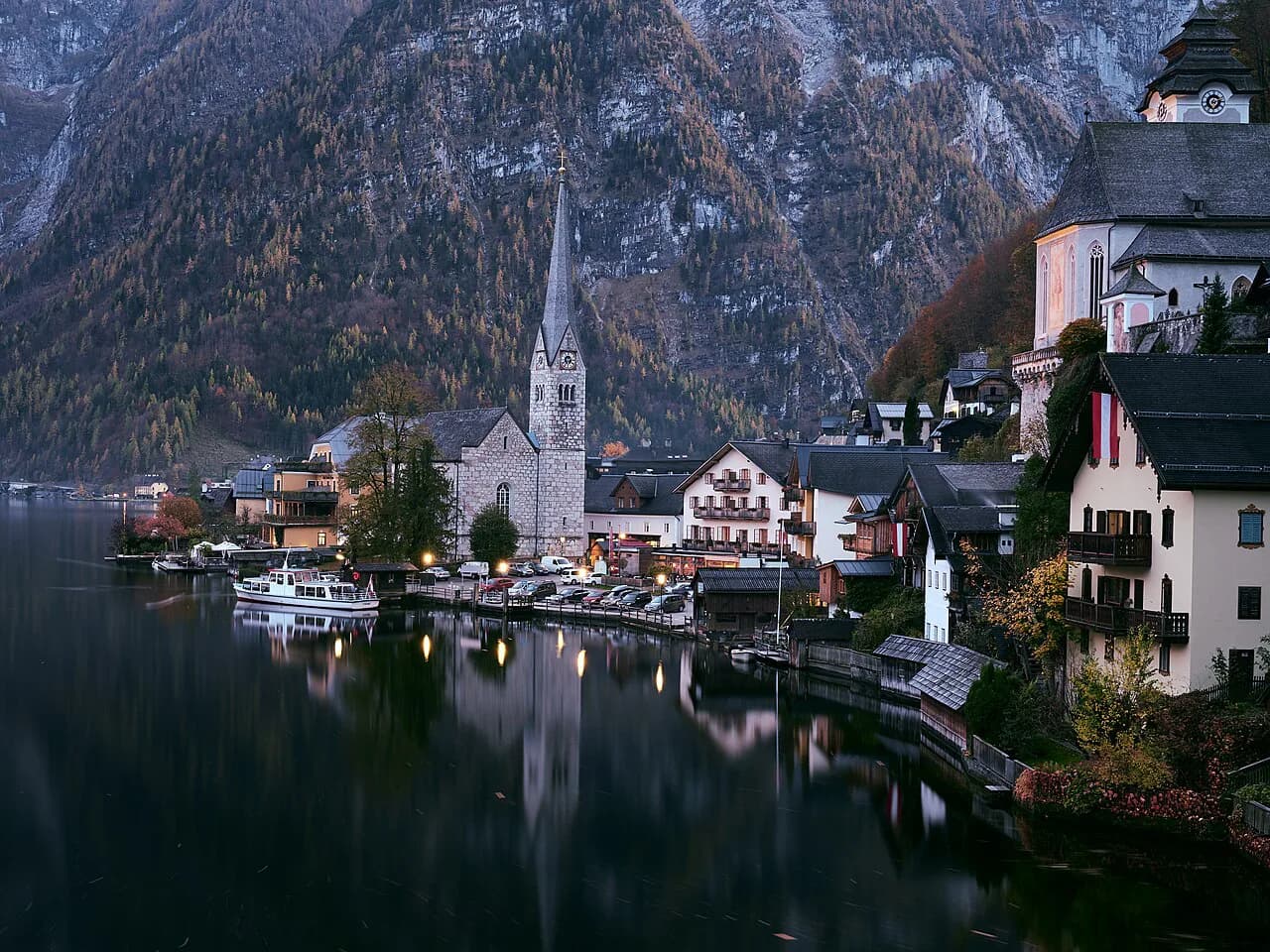
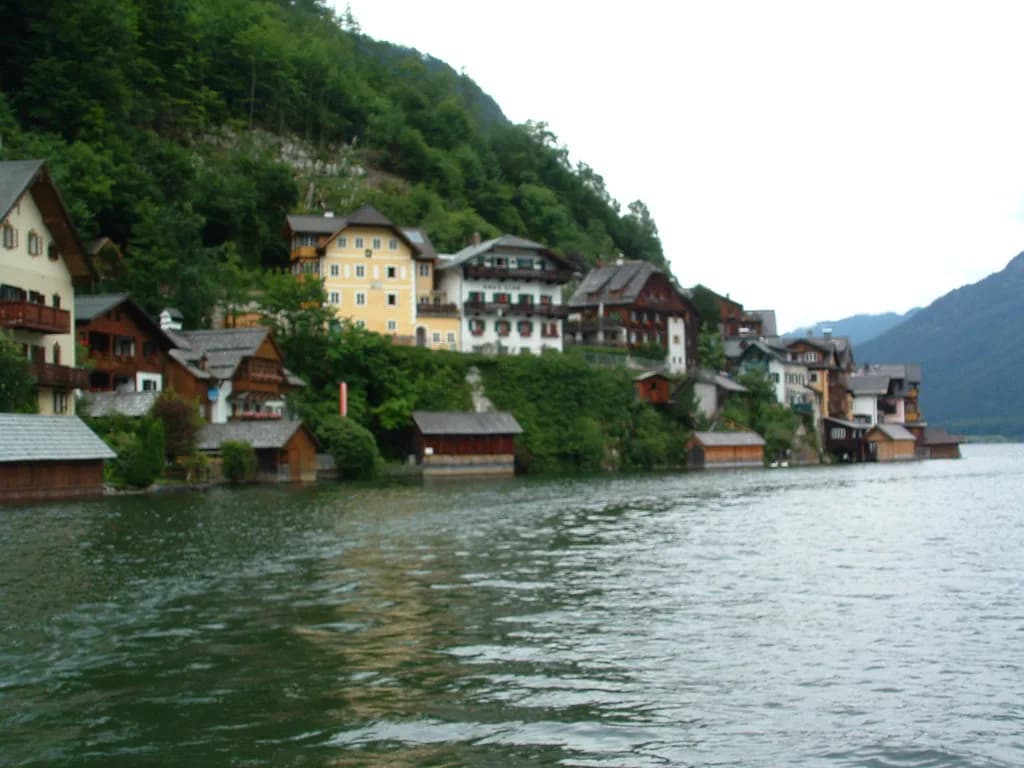
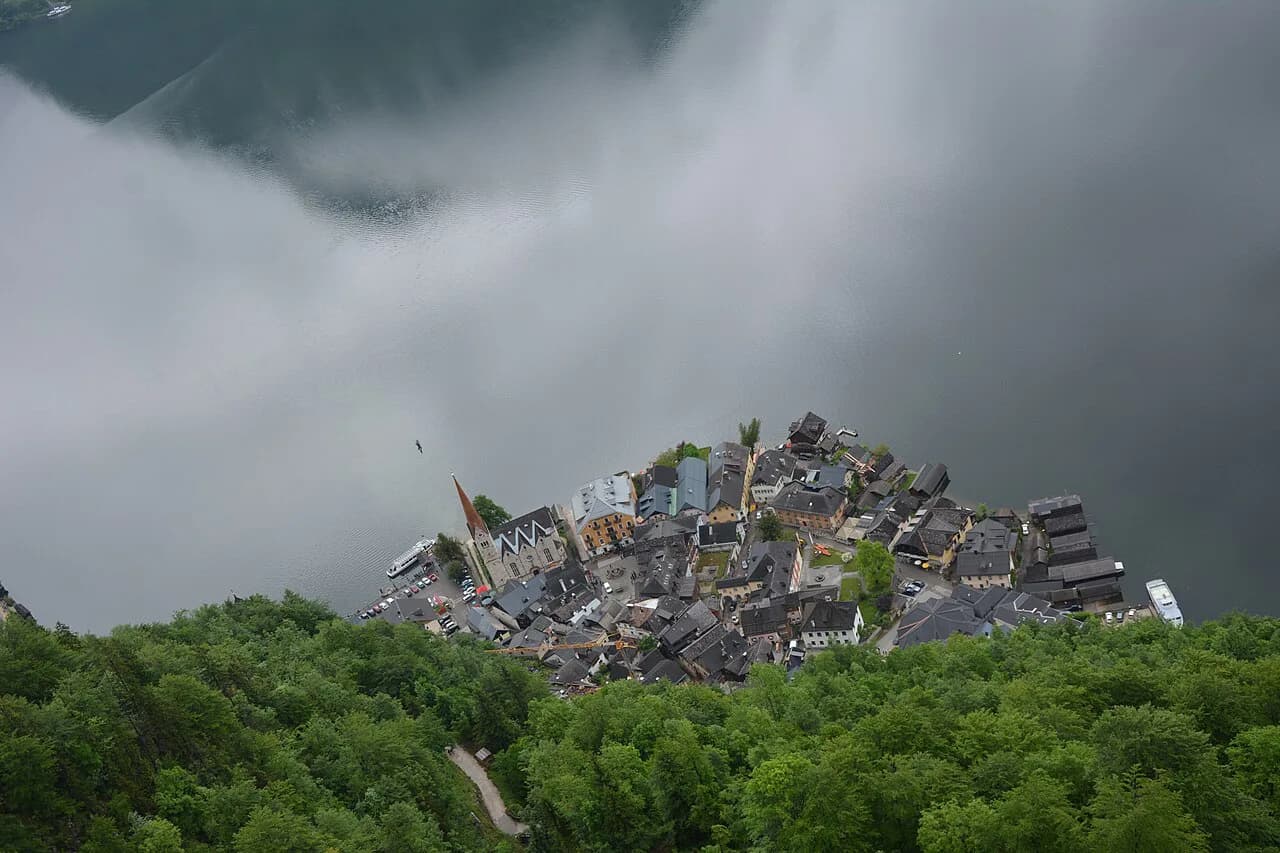
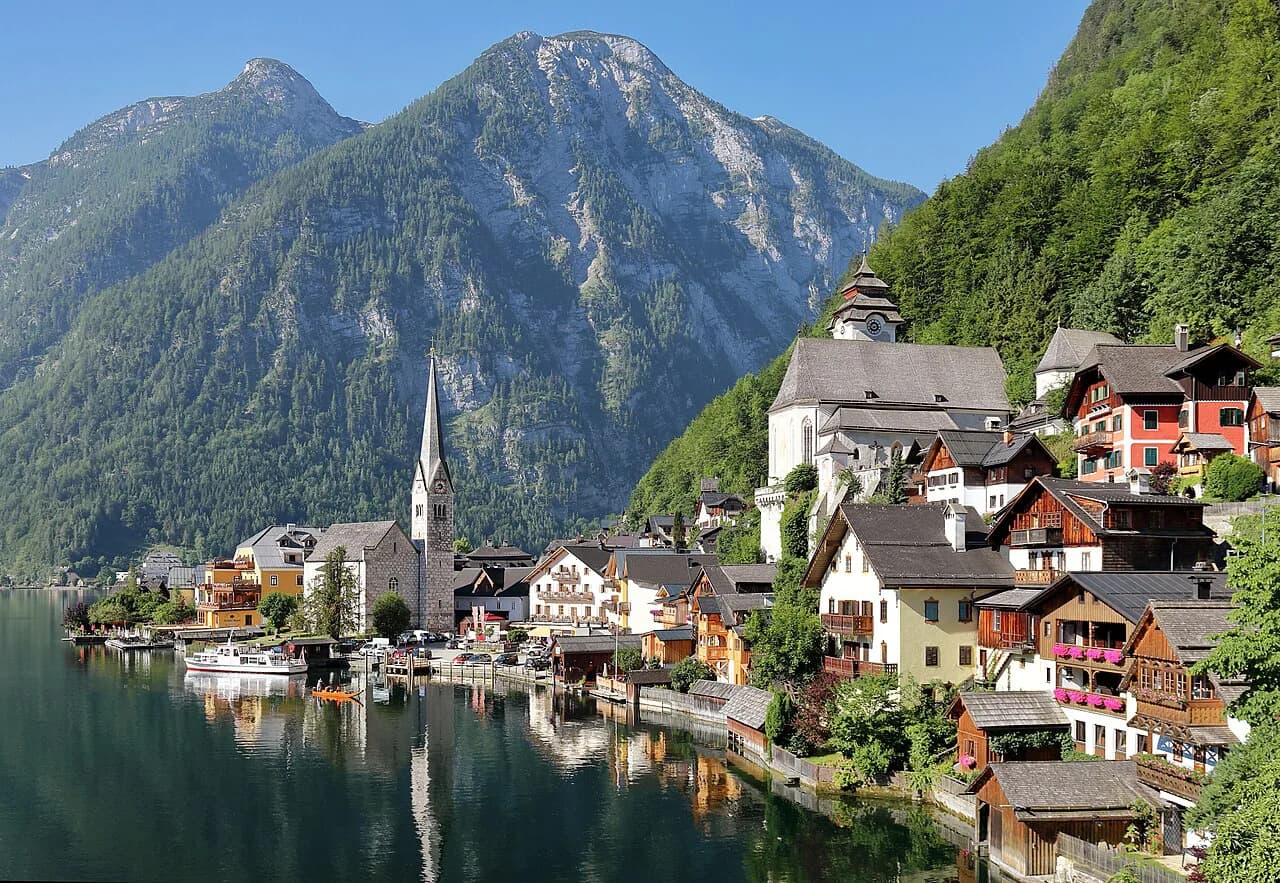
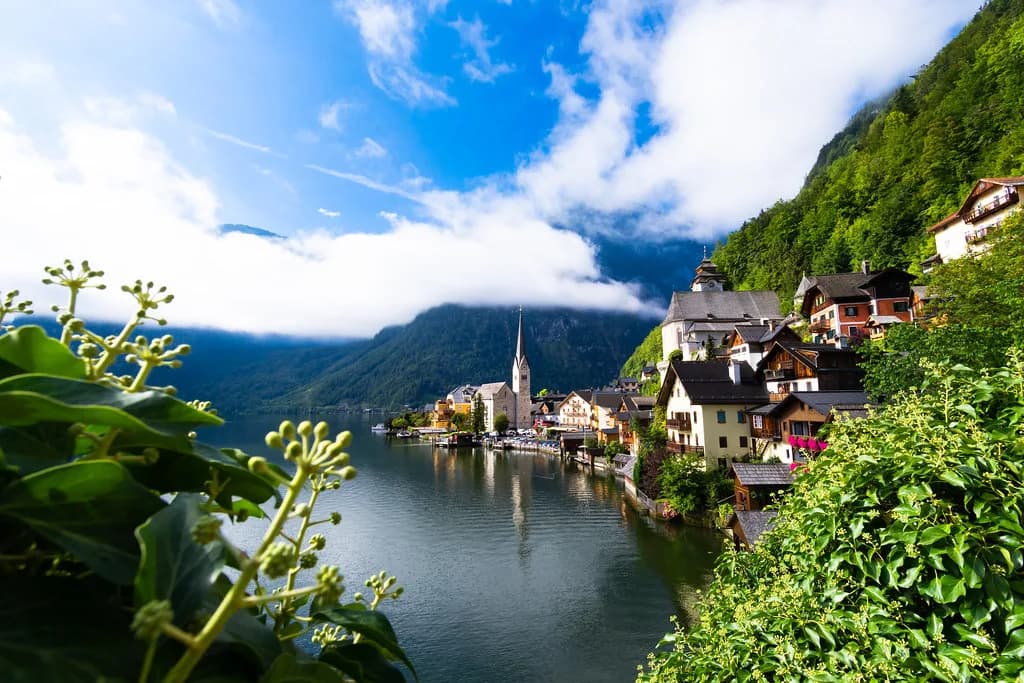
The village sits on the shore of the Hallstätter See in the Salzkammergut, with houses packed tightly against the slope and some built on pillars rising from the water. Until well into the 19th century, Hallstatt could be reached only by boat, which explains why the settlement stayed small and why the lake still shapes how you see it.
The fame rests on two things that feed each other: the salt mine, described as the oldest in the world, and the archaeological record that mining and trade left behind. A boat trip on the lake is the classic way to see the village and its 900 inhabitants in one view, with different routes and trip lengths available.
Salt in the mountain
Evidence of salt production in Hallstatt reaches back roughly 7,000 years, and the mine in the mountain above the village is the anchor of any history-minded visit. It is described as the oldest salt mine in the world and works as a rainy-day option as well as a fair-weather one, with children aged four and over admitted.
The mine's own operators publish tour times, seasonal opening and ticket prices, and those details change by month, so confirm them on the operator's official site before you build a day around a specific slot. The mine sits above the village, which means the visit takes a chunk of the day rather than a quick stop. Reading the history first pays off in the mine itself.
The Hallstatt period: how the graves named an age
In the 1870s a team from the Academy of Sciences in Vienna excavated a vast number of graves at Hallstatt, and the finds gave archaeologists a reference point for the later Bronze Age and earlier Iron Age across much of northern and western Europe, spanning roughly 1200 BCE to 450 BCE. The burials held both cremated and interred remains alongside weaponry, armor, jewelry and pottery, much of it decorated in an early Celtic symmetrical style mixing Danubian traditions with Greek and Etruscan influences.
The term Hallstatt describes the earliest phase of what can properly be called Celtic culture, a transition period for archaeologists working between the late Bronze Age and the early Iron Age. The grave goods point to an elite class controlling the mines and the salt trade rather than to the miners themselves, and the objects' foreign artistic borrowings show how far the salt wealth traveled.
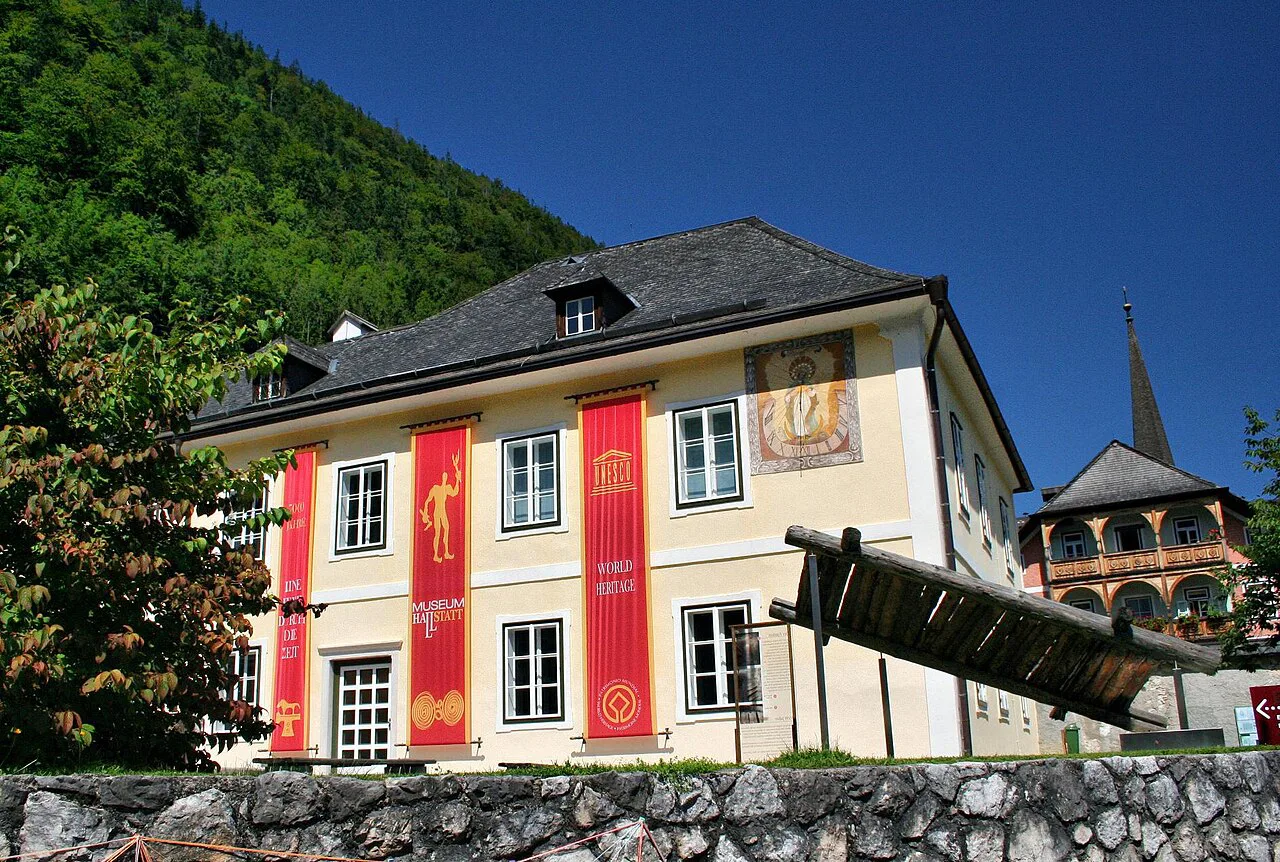
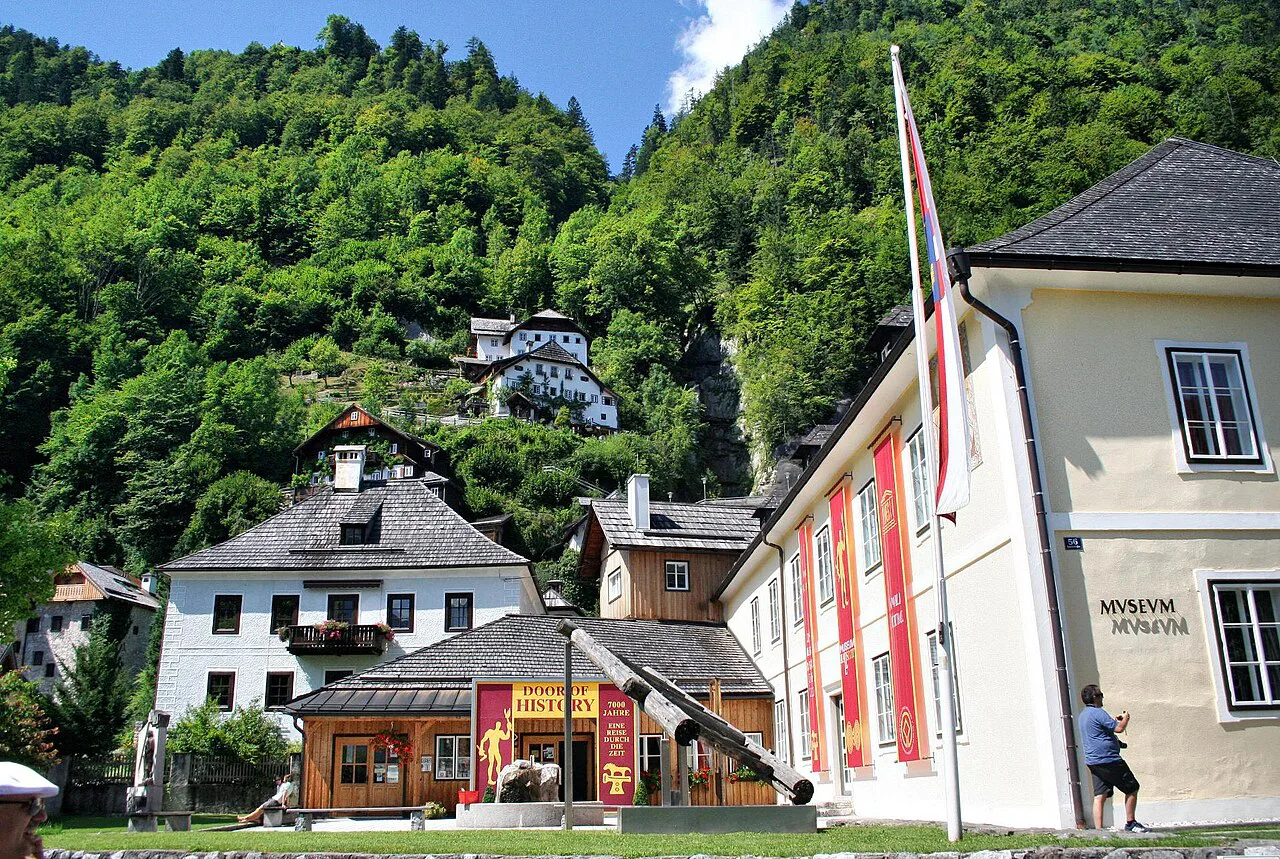
The Hallstatt Museum displays finds from various periods, from the Stone Age to the present day, so it is where the graves story becomes tangible objects rather than dates. Pair the museum with the mine and you get both halves: where the salt came from and what the people who controlled it were buried with.
Mountains and lake: why the village is shaped the way it is
Hallstatt grew squeezed between the lake and the steep slopes, which is why the lanes are narrow and the houses are stacked rather than spread. Until well into the 19th century it could only be reached by boat, so the settlement developed facing the water and the mountain rather than along a through road.
That geography still decides how a visit works: the lakeside lanes, the museum, the bone house and the mine are all connected on foot, but the mine is uphill and the walking adds up. Setting aside a full day lets you cover the village itself plus one or two sights without racing. Anyone coming from Salzburg can plan the route with a Hallstatt day trip from Salzburg, and those arriving by car should sort Hallstatt parking before driving in.
The Bone House: painted skulls and a reused churchyard
The Hallstatt Bone House holds more than 600 artistically painted skulls on display, a collection with hardly a counterpart elsewhere. Behind it is a simple practical tradition: the churchyard was small and space was scarce, so graves were reused and the bones were moved into the charnel house, where skulls were painted and labeled with names and dates.
Treat it as one of the compact stops rather than a half-day sight, and go before or after the mine rather than squeezing it in between. The village lanes and the museum sit close by, so a loop through the center fits them together. For a broader list of what fills a day here, the Hallstatt Attractions: 11 Visitor Guides covers each sight in turn.
UNESCO status and what it recognizes
Hallstatt was named a UNESCO World Heritage Site in 1996, recognizing the village with its historical buildings and churches rather than any single monument. That matters for how you read the place: the setting of lake, mountains and tightly packed houses is itself part of what is protected.
The recognition also explains why the village feels more crowded than its size suggests, since the historic core is small and the famous view is concentrated in a narrow strip of lanes. Visiting early or late in the day changes the experience more than any ticket choice. Hallstatt in summer is where the timing question gets most acute.
Getting oriented on the ground
The practical sequence that delivers the history: start with the Hallstatt Museum for the finds and the timeline, then the Bone House near the church, then the salt mine for the working history of the mountain, and finish with the lake for the view back at the village. Budget the mine as the biggest single block; museum and bone house are compact stops you can pair.
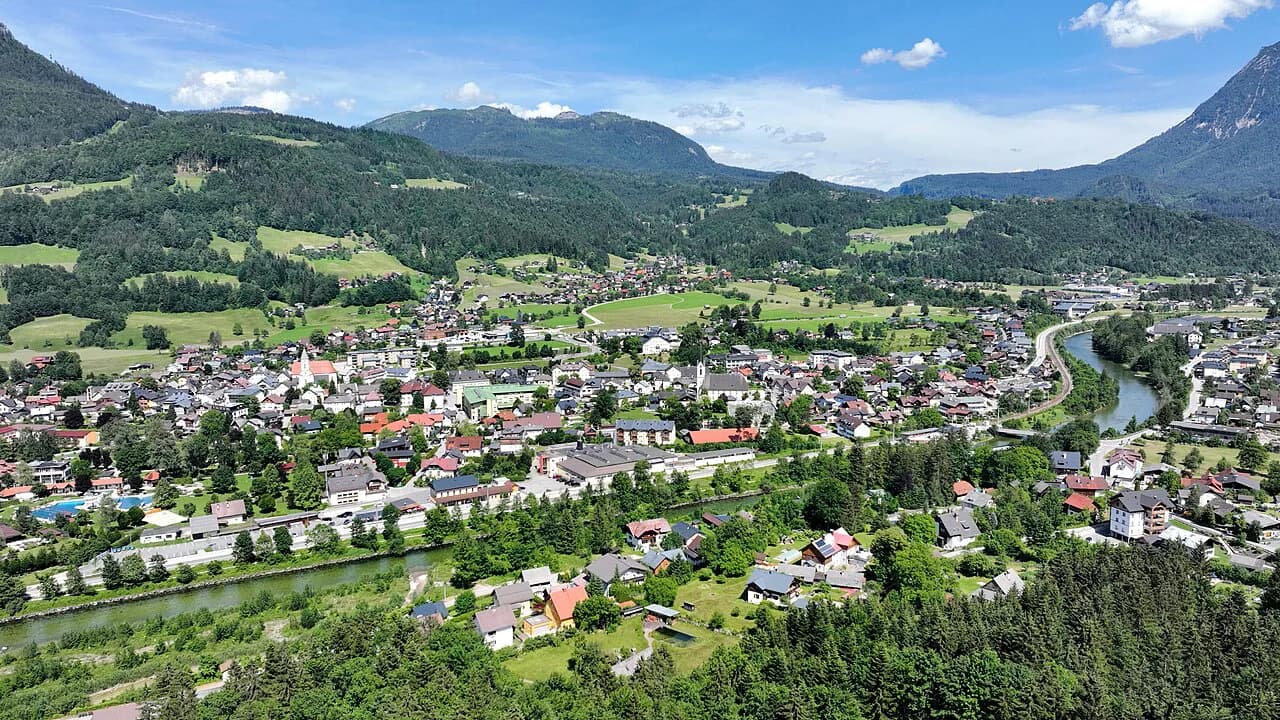
Neighboring bases widen the options: Obertraun, Austria sits across the water near the Dachstein Krippenstein cable car, and Bad Goisern am Hallstättersee lies down the valley. Both give you somewhere to stay or park outside the most congested lanes.
How to read Hallstatt's history in one day
Treat salt as the thread: it drew people here thousands of years ago, paid for the graves that named an age, filled the bone house when churchyard space ran out, and shaped the lakeside village UNESCO recognized in 1996. See the museum, the bone house and the mine in that order and the rest of the village reads as a working town rather than a backdrop.
Check the mine's tour times, prices and seasonal opening with the operator before you go, then let the rest of the day follow the lanes.
Explore more Hallstatt guides
Sources
Notes for your next Austrian town break
Optional updates when we add or revise town guides.
You might also like
Continue reading
More guides you'll find useful