Burgenland, Austria: Eisenstadt, Esterházy Palace and Lake Neusiedl
Plan a Burgenland trip from Vienna: Esterházy Palace and Haydn Hall in Eisenstadt, Forchtenstein Castle's baroque treasury, and Neusiedler See-Seewinkel.
On this page
Burgenland is the easternmost and least populous state in Austria, and it is the practical add-on to a Vienna route: a compact region of palace towns, a hilltop castle, and a steppe lake that sits close enough to the capital for a short trip. Eisenstadt, the capital, lies roughly 60 km from Vienna, and the whole state covers about 3,962 square kilometers, so you can cross it in a morning and still stop twice. This guide covers what to see in Eisenstadt and at Esterházy Palace, Forchtenstein Castle's collections, the Neusiedler See-Seewinkel National Park, and how to sequence a few days here.
The regional tourism board markets Burgenland with a sunshine claim of around 300 days a year, and the same figure appears in travel coverage of the region. Treat it as a general seasonal expectation rather than a forecast. Plan for outdoor sights in the warmer half of the year and keep a palace or a castle interior as your wet-weather backup.
Where Burgenland sits and why it fits a Vienna route
Burgenland runs along Austria's eastern edge, with Eisenstadt as its capital. Its size is the point: sights are spread across open country rather than stacked in one town, so a car turns a scattered day into a comfortable one while trains and buses do the job if you pick a single base and stay put.
The practical shape of a trip is one base in Eisenstadt, day trips out to Forchtenstein and the lake, and a longer push south to Güssing if you have the time. Trying to cover north and south in a single day means most of it in the car, so decide early whether Lake Neusiedl or the southern castles are your priority.
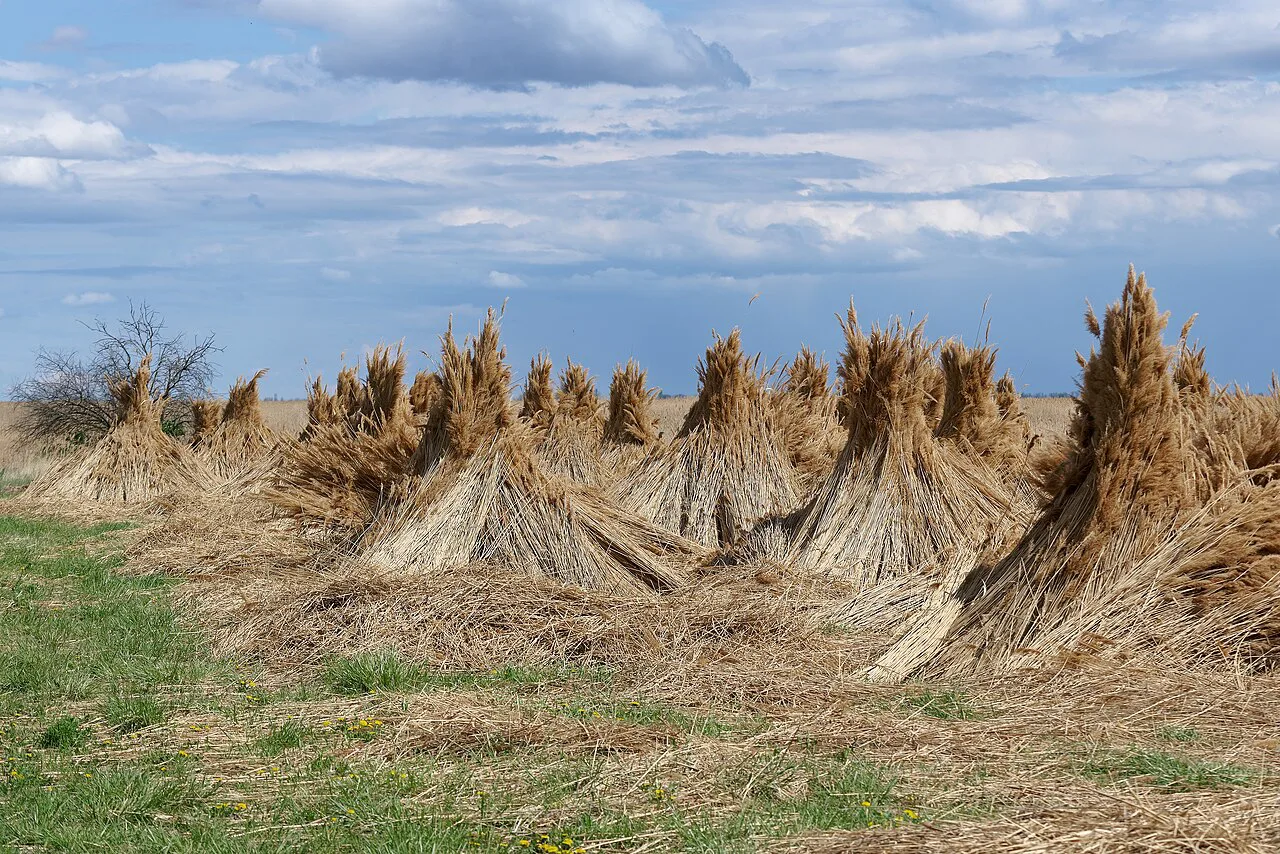
Getting there: Eisenstadt as the base
Eisenstadt works as the fixed base because it has the palace, the old town, and the best onward connections. By car you reach it quickly from Vienna; by public transport, regional trains and buses link Vienna and the Burgenland towns, and the regional tourism board publishes arrival information and a route planner on its site.
The car-versus-train decision comes down to your itinerary. A car pays off if you want Forchtenstein, the farm restaurant at Bio-Landgut Esterházy, and the lake shore in one loop; trains and buses suit a palace-and-old-town visit where you stay in Eisenstadt and add one short excursion.
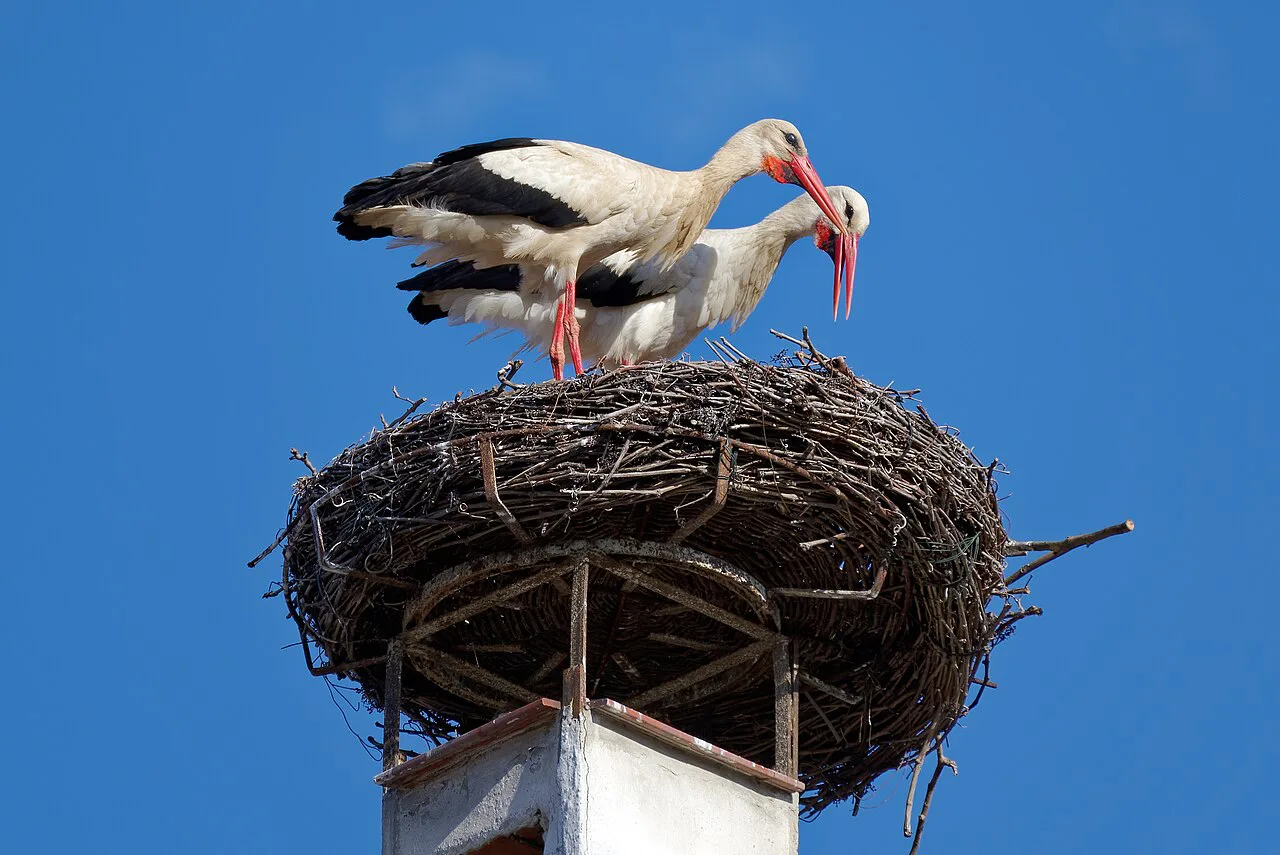
Eisenstadt old town on foot
Eisenstadt is small enough to walk: a pedestrianized old town of low buildings wraps around the palace at its center. Give the center a couple of hours on foot, then treat the palace as a separate block rather than squeezing it into a stroll.
The town also works as a rain plan, since the shops and cafés stay open while the palace takes the bulk of a wet afternoon. Start with the palace if you want the day's headline sight behind you, then wander the lanes afterwards.
Esterházy Palace: Haydn Hall and the exhibitions
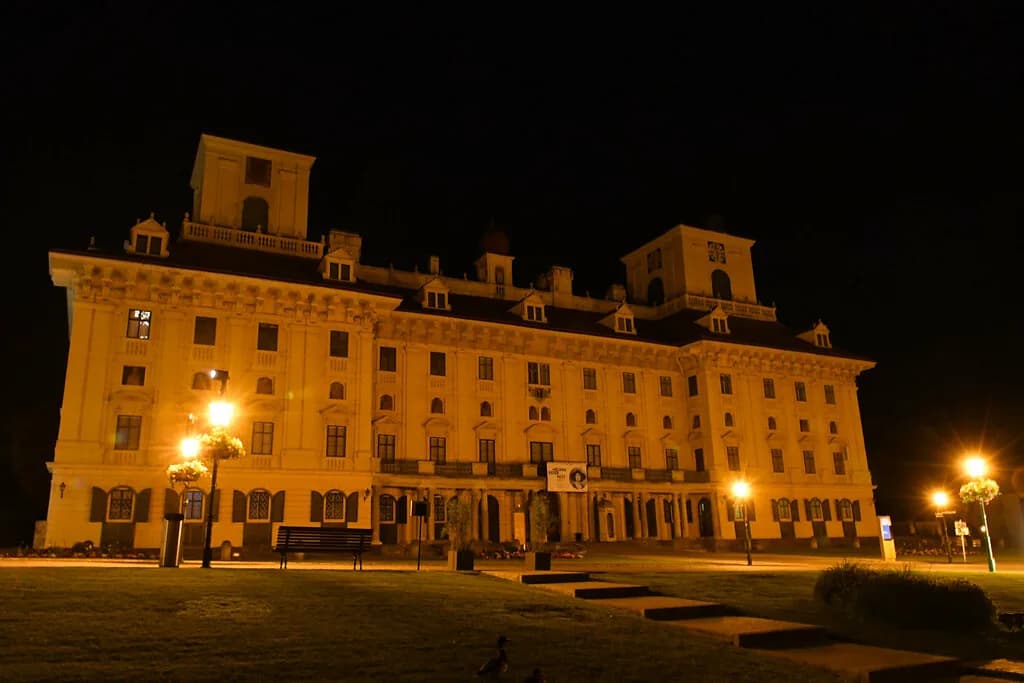
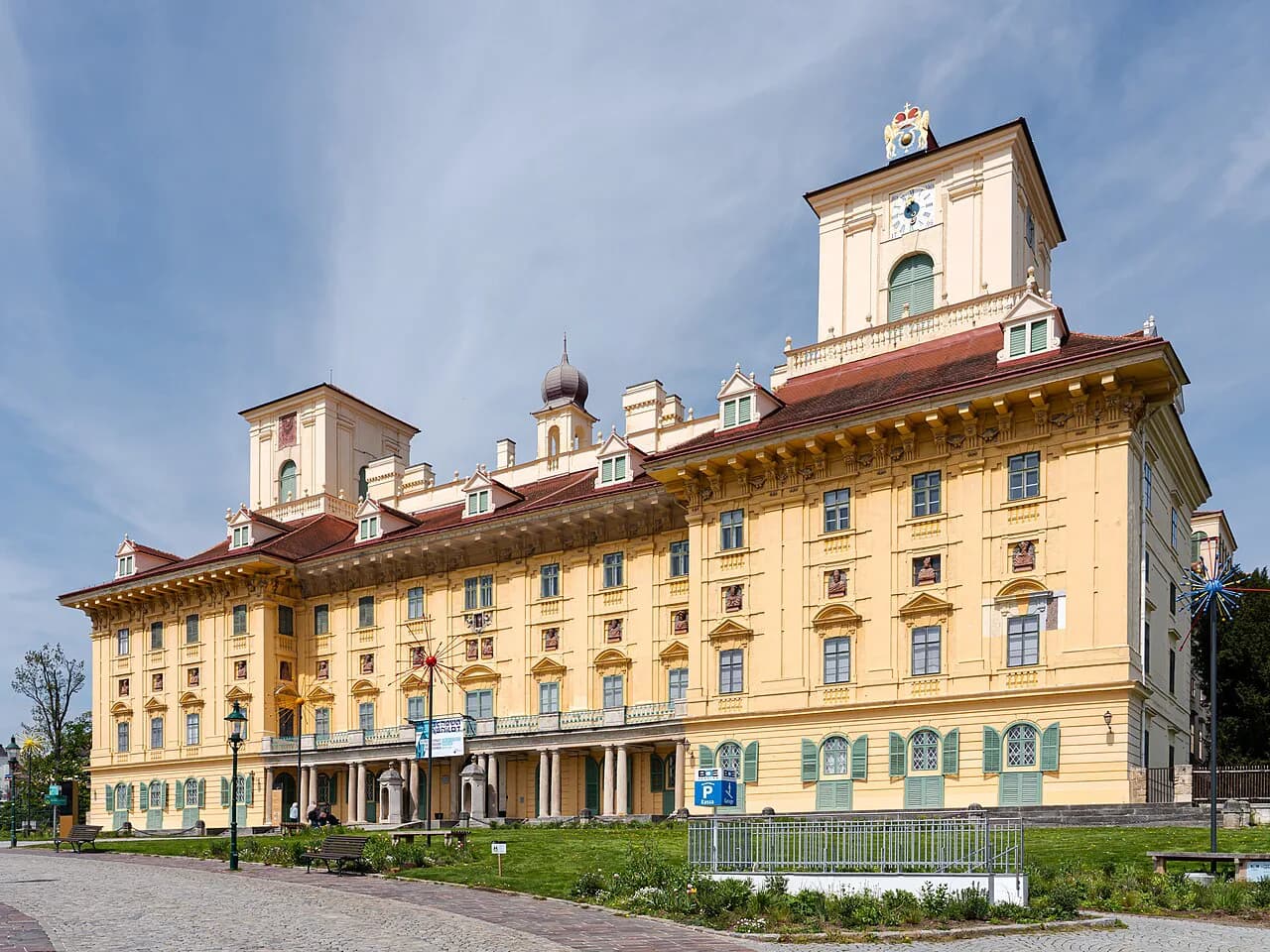
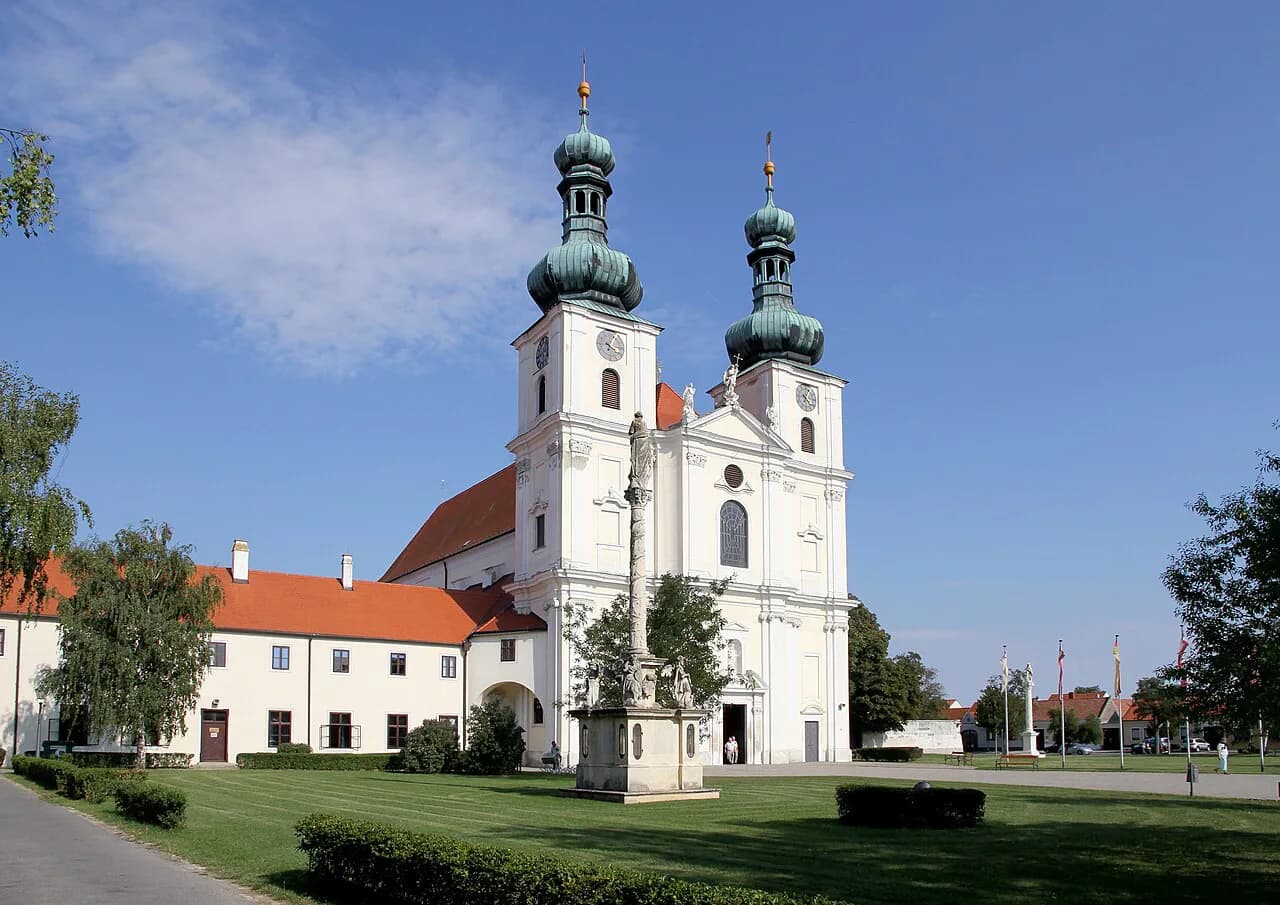
Schloss Esterházy sits in the center of Eisenstadt and was the Esterházy family's residence, with roots back to the 13th century. Joseph Haydn composed for the Esterházy princes for almost 30 years, and the palace's Haydn Hall, with its baroque frescoes, still hosts concerts.
Two exhibitions round out a visit: one on Haydn's work, mixing historical objects with contemporary art, and one on Melinda Esterházy, who created foundations in 1994 to preserve the region's cultural and artistic heritage. Check the palace's own site for current ticket prices, opening days, and concert schedules before you commit an afternoon, and book ahead if a Haydn Hall concert is the reason for your stop.
Forchtenstein Castle and the Esterházy treasury
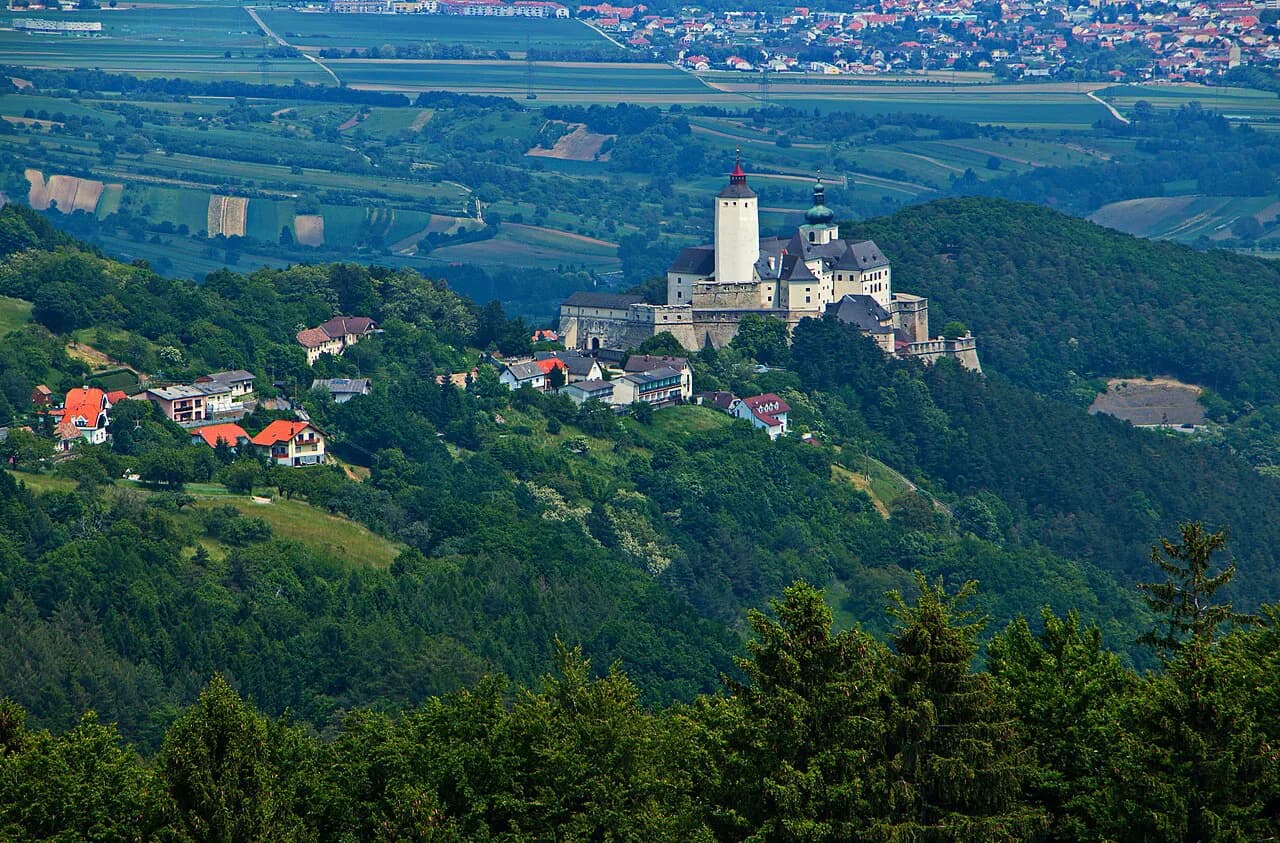
Forchtenstein Castle is a different outing from the palace in town: a hilltop fortress that passed to the Esterházy family in 1620 and holds a treasure chamber described as the only collection of baroque art in Europe still on its original site. The collections are grouped into five themes — exotica, naturalia, scientifica, memorabilia, and mirabilia — and include Augsburg automata and clocks plus mounted flora and fauna.
Allow a separate half-day for the castle and do not double-book it with the palace, because the two sit in different settings and each rewards unhurried time. The family archive room, with 180 drawers and an estimated 8 km of documents, could not be visited until 2005. The castle's own site carries current hours, tour formats, and admission; confirm before driving out.
Bio-Landgut Esterházy and Zum Gogosch
Bio-Landgut Esterházy is a 2,200-hectare organic farm that has long hosted fairs and family events, and now also holds the Zum Gogosch restaurant and a farm shop, making it a lunch stop rather than a sight. The kitchen draws on the farm's own organic produce, sustainable hunting, and regional fish, with dishes such as organic chickpea curry, an organic beef burger, and fish from the regional fishery.
Treat it as a flexible middle-of-the-day stop between Eisenstadt and the lake, and confirm the restaurant's current opening days directly, since farm restaurants often keep shorter hours than the farm itself. The shop is the practical bonus for picking up regional produce on the way out.
Neusiedler See-Seewinkel National Park
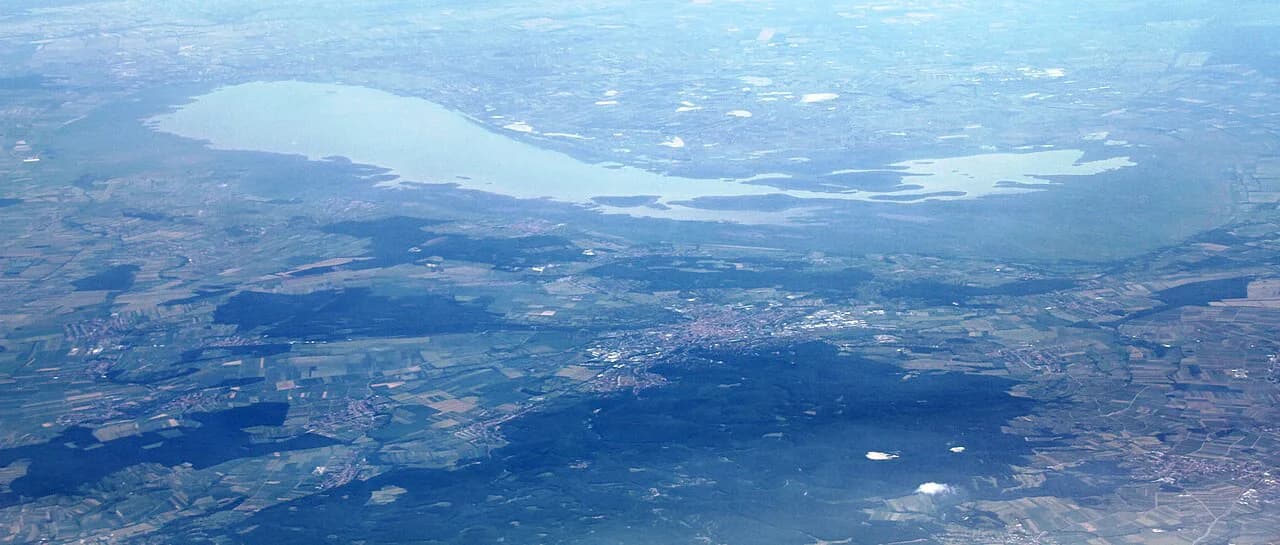
Lake Neusiedl is the largest steppe lake in Central Europe, and the Neusiedler See-Seewinkel National Park around it is a UNESCO World Heritage site. The national park's own guidance stresses that natural conditions shift with temperatures, weather, and water levels, so what held true a few years ago may not match this season — which is the argument for a guided visit over a self-guided one if birds and wetland are your reason for coming.
Guided tours run on the park's own schedule, so check its current program and meeting points before you set a day around one. On and near the lake's northern and eastern shore, Neusiedl am See and Podersdorf am See are the natural places to break the drive and pick up the park.
Rust and the lake shore in half a day
The lake towns reward a slow half-day rather than a checklist. Rust's old town pairs naturally with a short drive along the lake.
Keep the shoreline simple: choose one town, park once, and walk. Neusiedl am See makes a practical anchor for the northern shore and gives you somewhere to eat before heading back toward Vienna.
Güssing and southern Burgenland
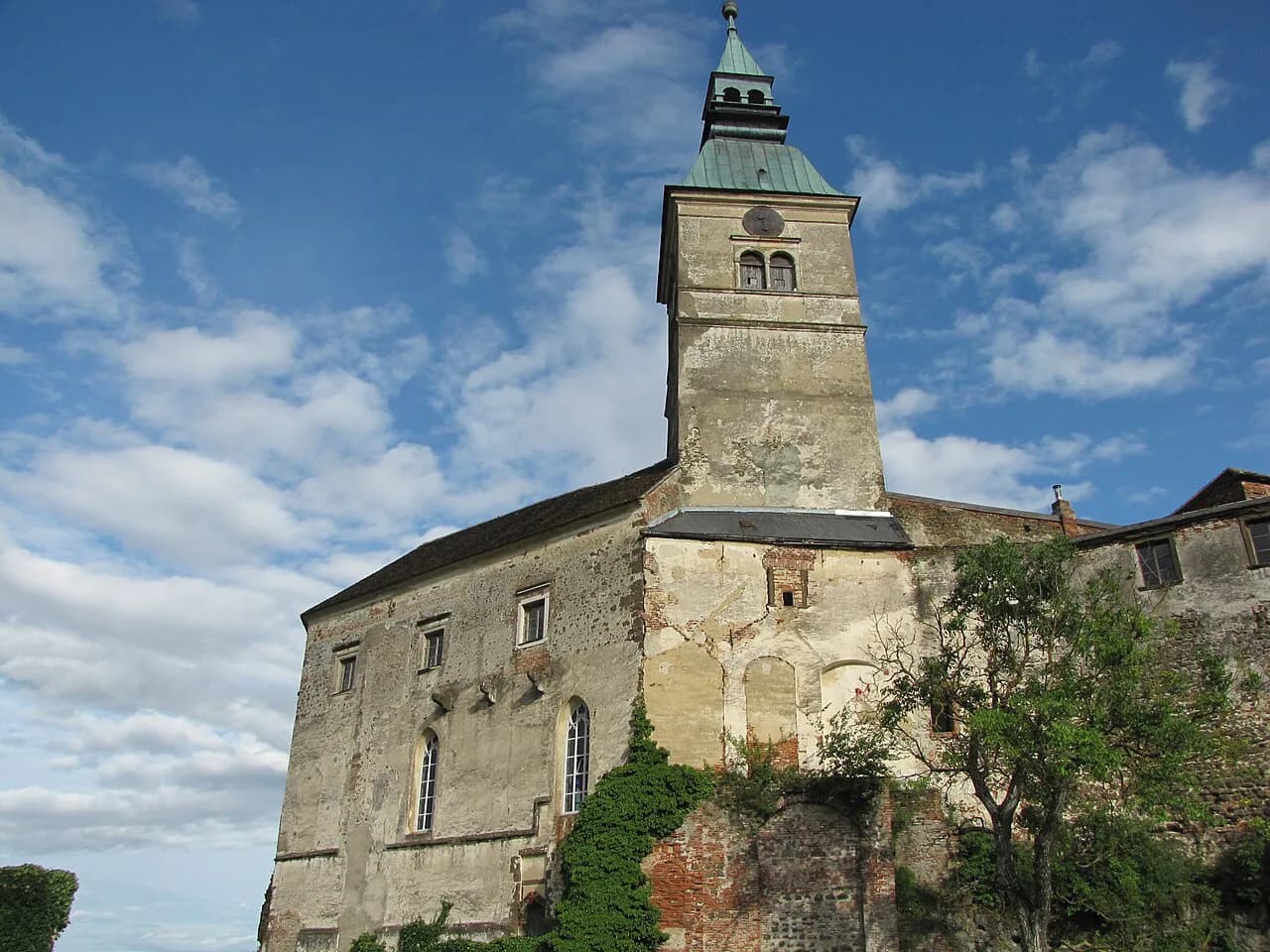
South Burgenland is the longer extension, and Güssing is its anchor: a small town with a castle on a volcanic hill. Push here only if you have a full extra day, because the drive from Eisenstadt eats into sightseeing time.
The south also holds Burgenland's highest point at the Geschriebenstein and the long-distance Bernstein Trail, opened in 2019 and split across 13 stages — walking country rather than a quick stop. If you are not here to hike, leave them for another trip and keep the south for the castle town.
Eating in Burgenland: pannonian cooking and Buschenschank taverns
Burgenland's food is regional and pannonian, shaped by the border country, and the Buschenschank is the format to know: a farm tavern that serves its own cold boards and simple dishes. The regional tourism board describes the Buschenschank tradition as living folk culture and points visitors to these farm taverns rather than to restaurant lists.
Use a Buschenschank for a relaxed lunch after Forchtenstein or the lake, and confirm opening days locally, because farm taverns typically operate around their own production rather than a fixed visitor schedule. That is the trade-off against a year-round restaurant: more character, less predictability.
How Burgenland slots into a Vienna–Danube itinerary
Four days is the comfortable shape: two nights in Eisenstadt with the palace and old town, one day for Forchtenstein and the farm restaurant, and one day on the lake. With less time, cut the lake or the southern castles rather than trying to see both on a single sweep.
Pair the region with a Danube leg only if you have a car, since the transfer between the two areas otherwise consumes a day. If you are traveling by train, treat Burgenland as its own two- or three-day block out of Vienna and return the same way, and see our Austria guide for the wider set of towns in Austria worth visiting if you are weighing Burgenland against another region.
Practical trade-offs: tours, closures, and the car decision
The main planning risk is seasonal and schedule-driven: guided tours at the national park, castle tours at set times, and shorter farm-restaurant hours can each undo a packed plan. Confirm hours, tour times, and admission for the palace, the castle, and the park on their own sites before you finalize a route.
A car turns the scattered sights into a single loop and is the better choice if Forchtenstein and the lake shore are both on your list. Without one, keep the trip to Eisenstadt and one excursion, and let the lake and the southern castles wait.
Which Burgenland version do you book?
Book the Eisenstadt-and-palace version if your trip is short or you are traveling by train: the old town, Haydn Hall, and the two exhibitions fill a comfortable day, and the farm restaurant works as a lunch stop. Add Forchtenstein the next day if you have a car and a taste for the treasure chamber.
Extend to the lake, and to Güssing in the south, only when you have four days and a car to connect them. Either way, the deciding step is the same: check the palace, castle, and national park schedules directly before you commit, then build the route around what is actually open.
Explore more Eisenstadt guides
Frequently Asked Questions
What country is Burgenland in?
Burgenland is a state of Austria, the country's easternmost and least populous one, and its capital is Eisenstadt.
What language is spoken in Burgenland?
German is the everyday language, as in the rest of Austria. In Burgenland's Croatian and Hungarian towns, Burgenland Croatian and Hungarian are also spoken, and most tourism boards and sights publish information in English.
Why is Burgenland part of Austria?
Burgenland came to Austria after the First World War, when the predominantly German-speaking western strip of the old Hungarian kingdom was assigned to Austria and the town of Sopron voted to remain in Hungary. That history explains why the region feels different from the Alpine provinces.
Do I need a car to see Burgenland?
For Eisenstadt alone, no: trains and regional buses reach the town and the old town is walkable. A car earns its place if you want Forchtenstein, the farm restaurant, and the lake shore in one route, since those sights are spread across open country.
Sources
Notes for your next Austrian town break
Optional updates when we add or revise town guides.
You might also like
Continue reading
More guides you'll find useful