Lake Neusiedl, Austria: Shore Towns, Reed Belt and National Park
Lake Neusiedl is a shallow steppe lake in Burgenland ringed by reed beds. See the shore towns, ranger tours and canoe trips, and how to plan a visit.
On this page
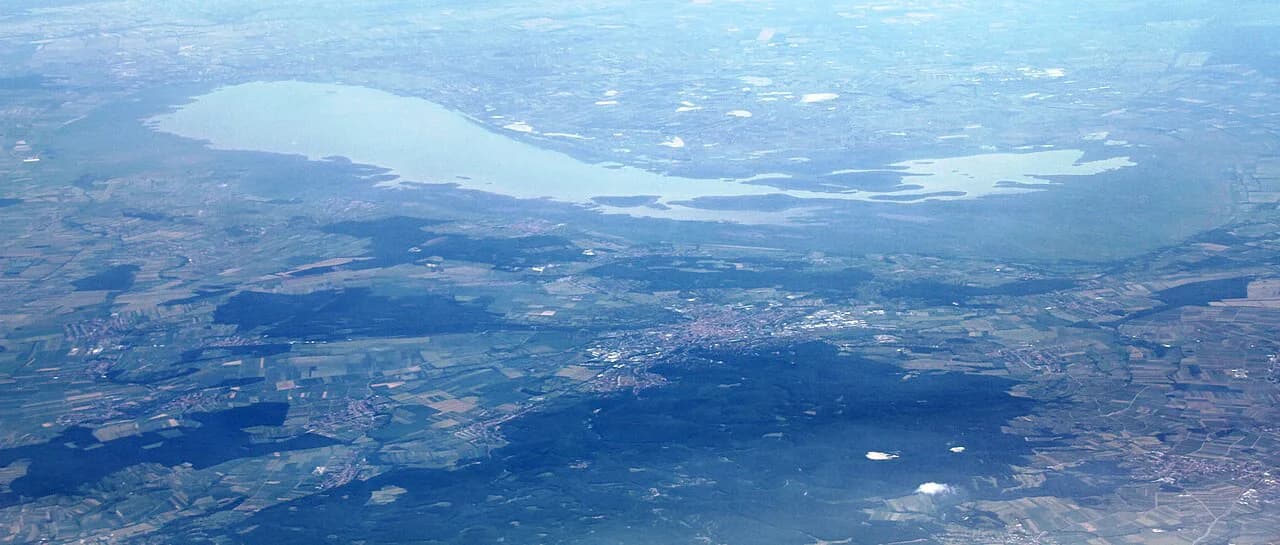
Lake Neusiedl, the Neusiedler See, is a large, shallow steppe lake in Burgenland, Austria's easternmost province, near the Hungarian border. It is ringed by a broad reed belt rather than open shoreline, which shapes everything you can do here. This guide covers the shore towns, the national park's ranger and canoe tours with their group pricing, Eisenstadt as the inland base, and how to move around the lake.
The lake's character is unusual among Austrian lakes: reeds rather than pebble beaches define most of the edge, and the protected reed belt is the reason organized boat tours exist at all. Our suggestion for a lake-focused day is to see one shore town in the morning and book a ranger or canoe tour, then keep a late stop for another shore town or Eisenstadt for Schloss Esterházy and the Haydn connection inland.
Where Lake Neusiedl is and how it fits a Burgenland trip
The Neusiedler See lies in northern Burgenland, in the province's northern lake region, with the Hungarian border close on its eastern side. The lake is the anchor of a string of villages and small towns on its shore, and the flat land east of it, the Seewinkel, is open and shade-poor.
Because the lake and its villages sit in a low, open basin, the region works best by car or by bike, with stops at the shore towns and the national park visitor facilities. Eisenstadt, the provincial capital, is inland rather than on the water, so treat it as a separate stop on the same trip.
For a wider set of castles, abbeys and old towns across the province, use the Burgenland region guide as the planning frame and slot the lake in as the nature and shore-town section of that route.
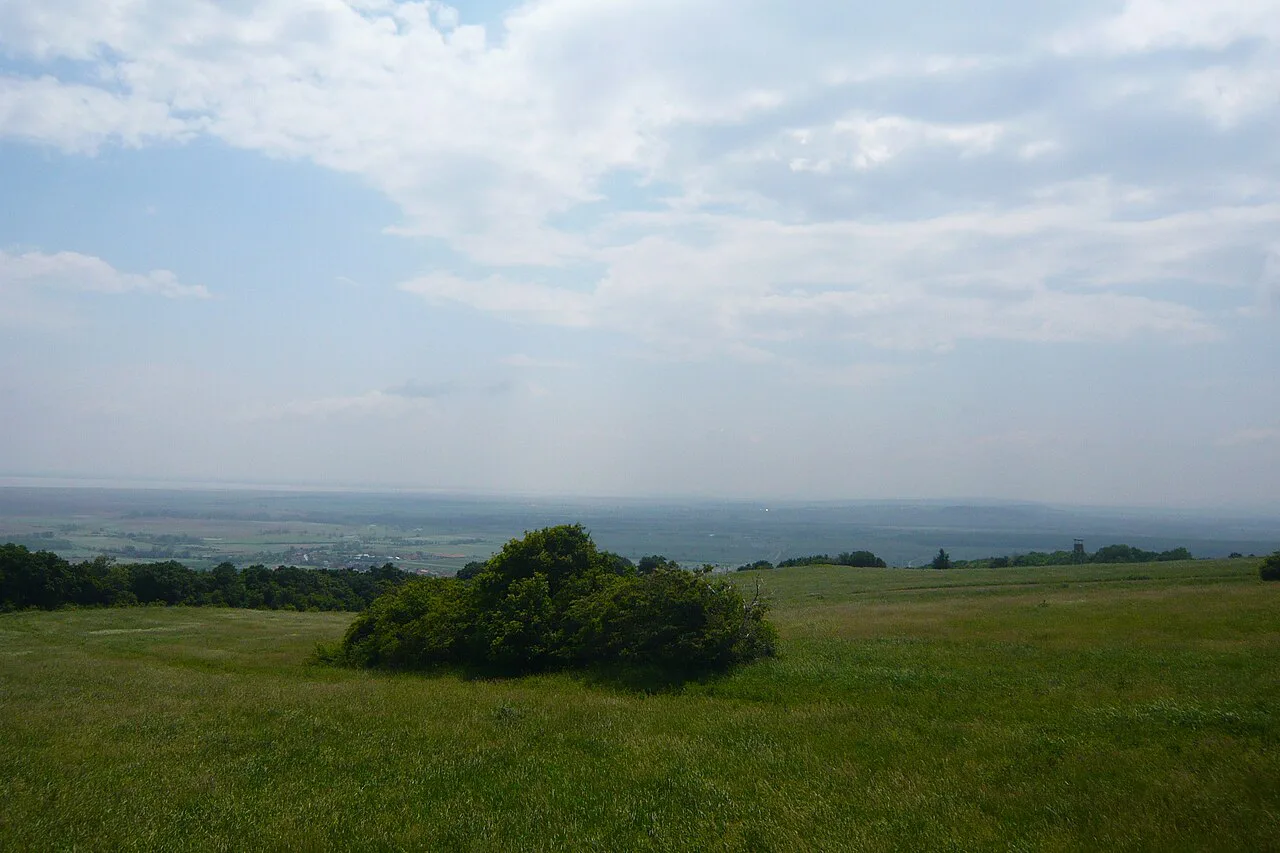
The reed belt and the national park: why the lake looks the way it does
Lake Neusiedl is a steppe lake, one of the largest of its kind in Austria and Europe, and its shoreline is dominated by reeds. The reed belt is a protected habitat and a maze of channels, not open water you can simply walk into.
The reed is also why the national park runs guided tours: a ranger explains the habitat and leads on paths you would not find on your own. The national park Neusiedler See - Seewinkel offers guided tours year-round on set dates, lasting around three hours on surfaced paths, and no prior knowledge is needed.
The flat terrain and mostly surfaced paths make the park's accessible routes unusual, and many tours can be adapted; the park asks visitors to call ahead to arrange the best route. The park center adjusts its hours during extreme heat, with GeoSphere warning level orange triggering shortened opening hours in June and in July through September.
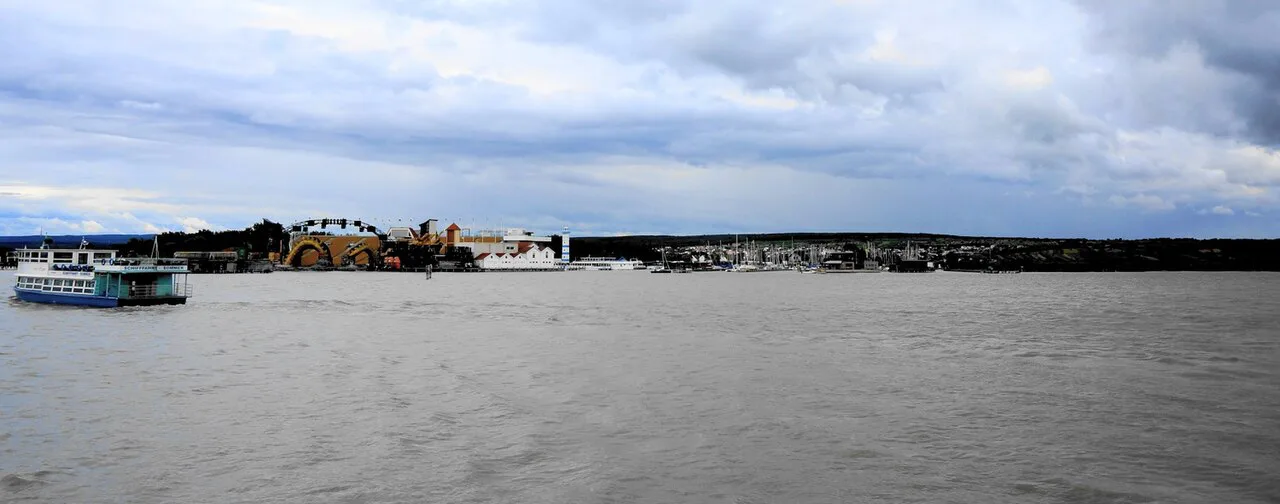
Shore towns around the lake: Rust, Mörbisch am See, Podersdorf am See and Illmitz
Rust, Austria is the most rewarding shore town to walk: narrow lanes, restored townhouses and arcaded courtyards, with the lake close by. The old town is compact and best seen on foot, and the arcaded courtyards give it a character distinct from the lakeside resorts.
Mörbisch am See sits on the shore, with the lake and the reed belt on its edge, and regional events are listed in the Neusiedler See calendar. Do not build a plan around any specific date from that calendar; check the current listing for what is on while you are there.
Podersdorf am See is a lakeside resort village on the eastern shore, one of the shore towns the lake is known for. Neusiedl am See, further north, anchors the northern shore.
For the villages east of the lake in the Seewinkel, Illmitz and the surrounding hamlets are the quiet, bird-oriented side, and the shore towns there are small and low-key.
Eisenstadt and Schloss Esterházy as the inland base
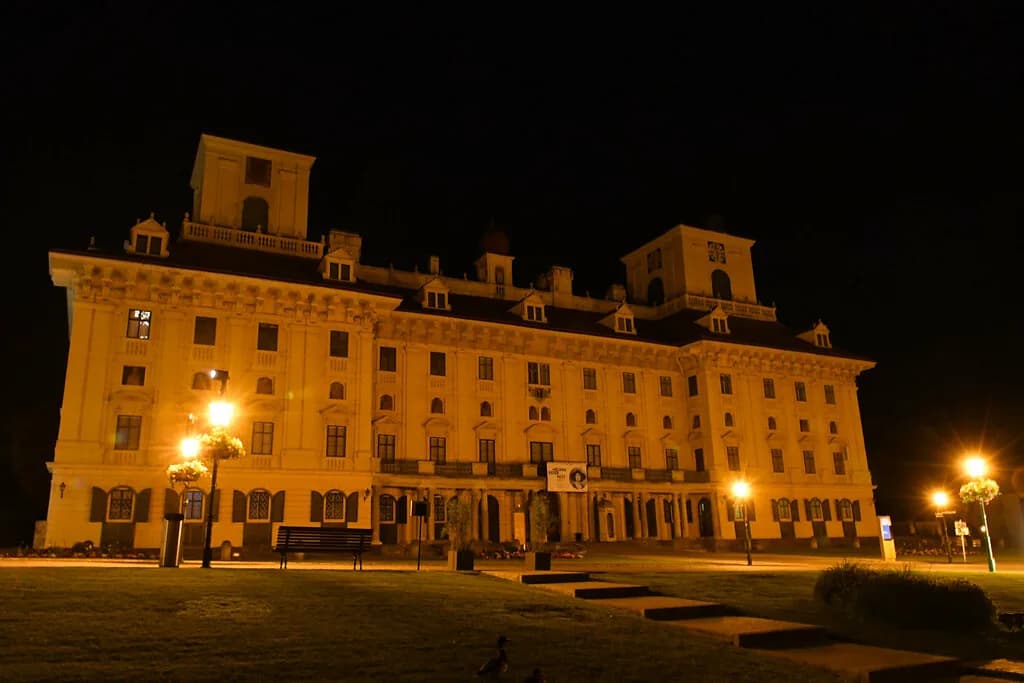
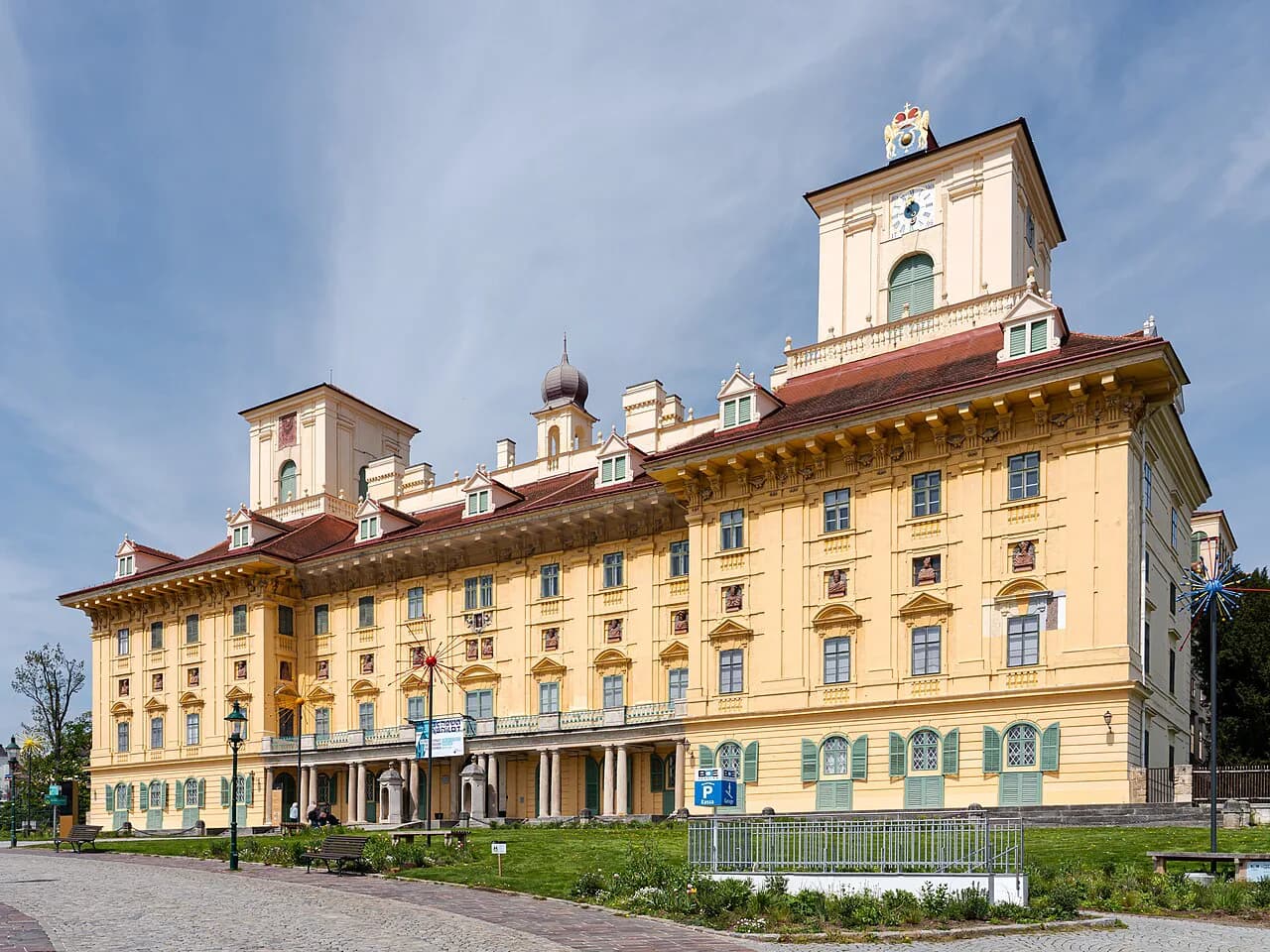
Eisenstadt, Austria's provincial capital of Burgenland, is the natural inland base for the lake, with the palace of the Esterházy family as its centerpiece. Schloss Esterházy is known for its ornate halls and park, and for the Haydnsaal, where Joseph Haydn worked for the family.
The burial church and the Haydn house are separate stops in town; for a compact visit, plan on the palace and one church interior, then drive out to the lake. Browse the Eisenstadt attraction guides to pick the interiors and museums that fit the time you have.
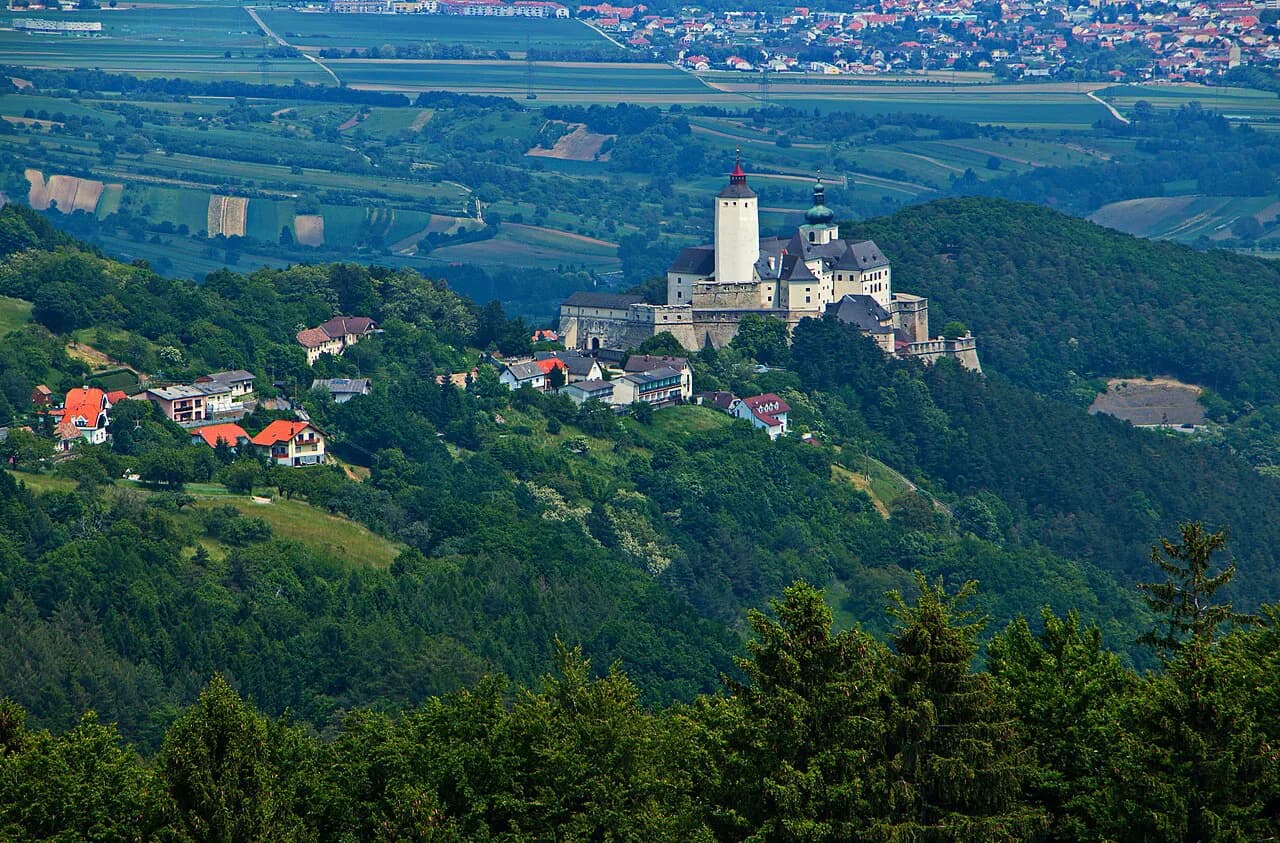
For an extra castle day in the province, Forchtenstein Castle sits southwest of Eisenstadt and is a natural pairing with the palace.
Guided national park tours: three-hour ranger walks and what they cover
The park's regular guided tours take around three hours, are held on fixed dates and cover the season's themes, with a ranger adapting the content to the group. Paths are surfaced and the walking is easy, and the park states that complicated connections are explained clearly, so no preparation is needed.
These are ranger outings rather than boat trips: the walks stay on land and through the reed margin, and they are the simplest way to read the landscape. Book through the park's online booking or by phone, and confirm the meeting point when you book.
If you want a self-led visit between ranger times, the national park center at Illmitz is the orientation stop with maps and the Seewinkel routes.
Canoe tours through the reeds: season and group pricing
Canoe tours through the reed belt run only from mid-June to mid-October, to protect reed-nesting birds and because of weather; the trips take three hours. The park prices them by group size: 230 euros for 1 to 3 people, 260 euros for 4 to 7, 350 euros for 8 to 10 and 380 euros for 11 to 14.
Because the season window is short, these tours are the first thing to book if the reed channels are the reason for your trip. A couple pays a flat rate that is generous compared with a larger group, so a small party is the best value.
Individual ranger tours: group sizes and flat rates in EUR
For a tour on your own dates, the park offers a private ranger for a minimum of two hours: 155 euros for 1 to 10 people, with each extra hour at 70 euros. For 11 to 20 people the rate is 15.50 euros per person, with 7 euros per person for each extra hour, capped at 20 people per ranger.
The flat rate makes a private tour competitive for a pair or small group compared with the per-person rate for larger parties. The trade-off is that a private tour is only as good as your questions, so say in advance whether you want birds, reed ecology or Seewinkel land use.
Book the ranger through the park's contact line, and note the stated minimum duration when you compare it with the fixed-date tours. The national park center is the obvious starting point for the Seewinkel side.
Visiting in summer heat: open landscape, morning and evening timing
The Seewinkel is open and shade-poor, and summer afternoons here can be brutally hot. The park advises carrying plenty of water, sun protection and a hat, wearing light, sturdy shoes, and saving longer routes for the cooler morning and evening hours.
On very hot days the park says its guided tours may be shortened or moved to a cooler hour, and in extreme heat cycling or canoe portions can be dropped for an alternative. Treat that as the park's practice, not a guarantee, and confirm your tour's plan on arrival.
Our suggestion is to save the hottest hours for interiors or a shaded stop and to see the open lake and Seewinkel in the cooler parts of the day. A shore base with a beach makes the most sense for families; otherwise the national park center at Illmitz is the natural anchor for the Seewinkel side.
How to get around the lake and how long to allow
Around the lake, a car is the simplest way to link the shore towns and the national park, since the villages are spread along the shore and the Seewinkel side is rural. Bikes are a good alternative on the flat lakeside roads.
Allow one full day for the lake: a shore town in the morning, a ranger tour or an afternoon on the water, and a late stop in Rust or Eisenstadt. A second day lets you add Eisenstadt's palace and one of the Seewinkel villages without rushing.
Ferry and boat services on the lake vary by season and operator, so check the current schedule and fare with the operator before building a day around a crossing.
Which side of Lake Neusiedl to base yourself on
For a compact lake visit, base yourself in Rust or Podersdorf am See and take a ranger tour into the reed belt; add Eisenstadt for the palace and Haydn. If the reeds and birds are the priority, the Seewinkel side and the national park center at Illmitz are the better anchor.
Book the canoe tour first if you want the reed channels, then the ranger walk, then the towns, and keep the hot middle of the day for interiors. Check the current tour listing before you commit, since dates and heat adjustments change.
Explore more Eisenstadt guides
Frequently Asked Questions
Where is Lake Neusiedl located?
Lake Neusiedl, the Neusiedler See, lies in Burgenland, Austria's easternmost province, in the northern lake region near the Hungarian border. Eisenstadt is the provincial capital inland from the lake, and the shore villages include Rust, Mörbisch am See, Podersdorf am See and Neusiedl am See.
What can you do at Lake Neusiedl in a day?
Plan around the national park's three-hour ranger tours and the canoe trips through the reeds from mid-June to mid-October, then add a shore-town walk in Rust or a lakeside stop. Keep the hottest middle of the day for interiors or a shaded stop, and confirm the current tour listing before you commit.
Can you swim in Lake Neusiedl?
The lake is shallow and the shore is largely reed belt, so designated swimming spots are the places to go rather than open reed margins. Ask at the national park center or your accommodation about current conditions before you swim.
How long do the national park tours take?
The regular guided ranger tours last around three hours on fixed dates and follow surfaced paths. Canoe tours also take three hours and run only from mid-June to mid-October, and private ranger tours have a minimum of two hours.
Sources
Notes for your next Austrian town break
Optional updates when we add or revise town guides.
You might also like
Continue reading
More guides you'll find useful