Eisenstadt: Esterházy Palace, Haydn's Tomb and the Old Town
Eisenstadt is Austria's smallest state capital, built around the Esterházy palace, Haydn's house and the Bergkirche. Here's what to see and how it fits a route.
On this page
Eisenstadt is Austria's smallest state capital, a town of about 16,400 people at the foot of the Leithagebirge, and its visit hangs on three things: Schloss Esterházy, Joseph Haydn's house and his tomb in the Bergkirche. The old center is small enough to cross in a morning, so plan the day around those sights rather than around wandering. This guide maps the layout, groups the Haydn stops into one block, and shows how Eisenstadt fits a Burgenland run from Vienna.
Set expectations honestly: the palace and the two Haydn sites carry the town, and the rest of the center is a pleasant, low-key frame around them rather than a second Salzburg. Give Eisenstadt a half day if you move briskly and a fuller day if you want the palace park and the cathedral as well. The sections below work through the sights and then cover transport, season and costs, with the caveat that specific opening hours and prices need confirming with each site.
How Eisenstadt is laid out
The town grew on old settlement ground and received its city rights as "Eysenstat" in 1373, which explains the tight footprint at the center. Hauptstraße runs as the main spine, with the palace complex drawing the eye at its upper end; the town administration is based at Hauptstraße 35. Most of what a first-time visitor wants sits within a few minutes of that line, and the center is compact enough to walk once you have parked or arrived.
Treat the layout as three pieces: Hauptstraße and the lanes off it for the everyday town, the palace and its grounds for the formal set piece, and the Bergkirche uphill for the Haydn tomb. The climb to the Bergkirche is the one real slope in the visit, so do it while your legs are fresh rather than at the end. If you arrive by train, head for Hauptstraße first and let the palace appear as you walk up the street.
Schloss Esterházy: the palace that defines the town
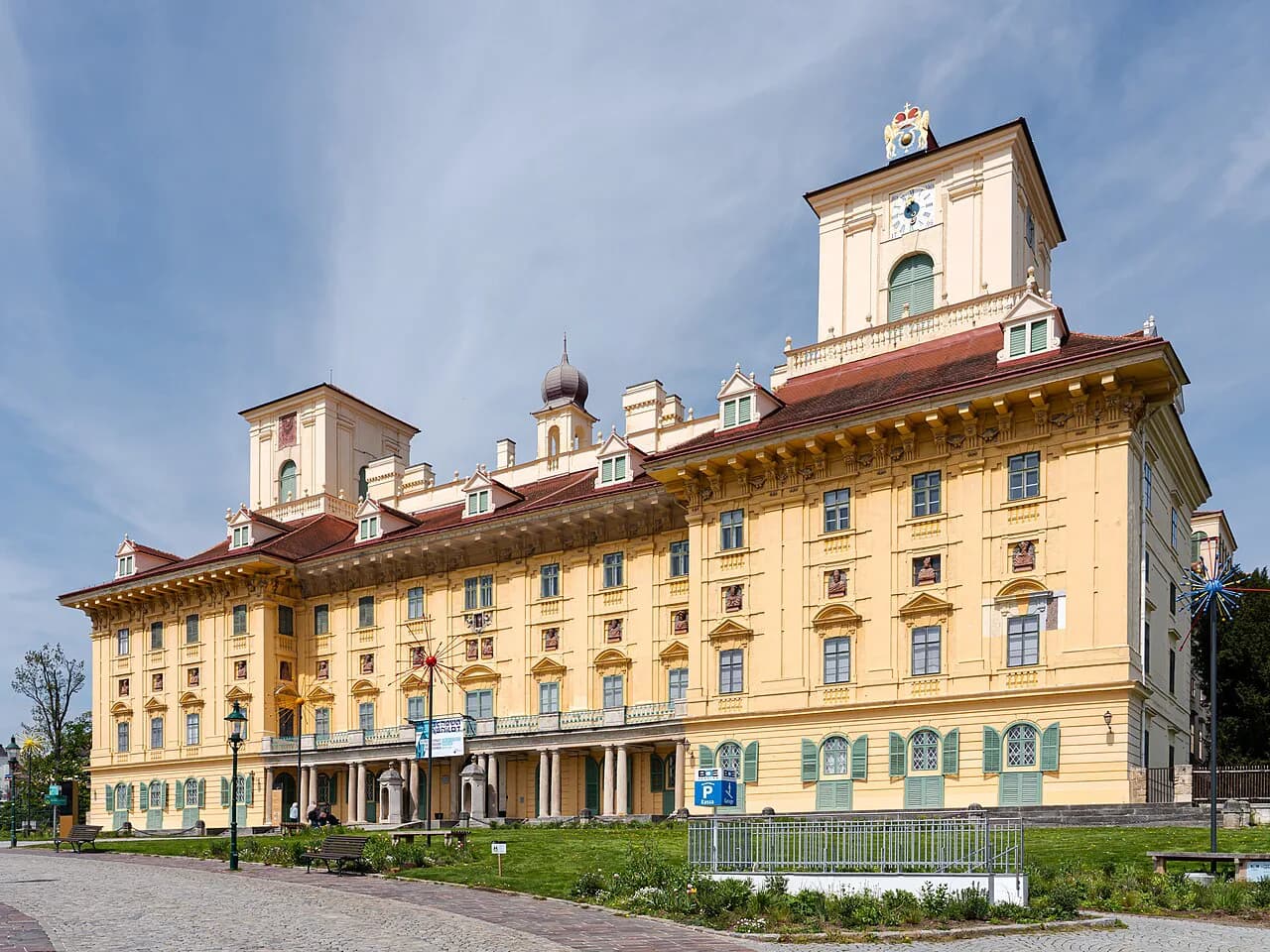
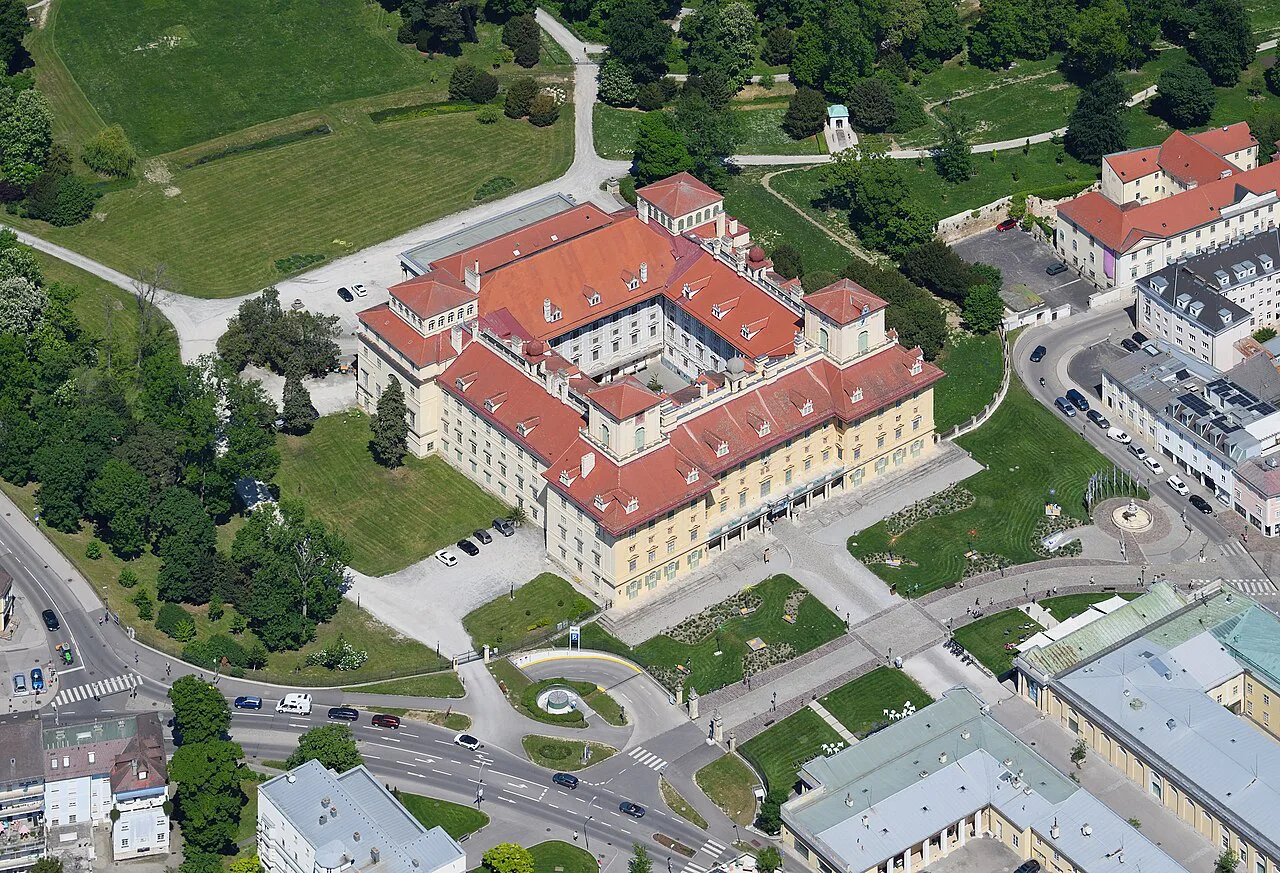
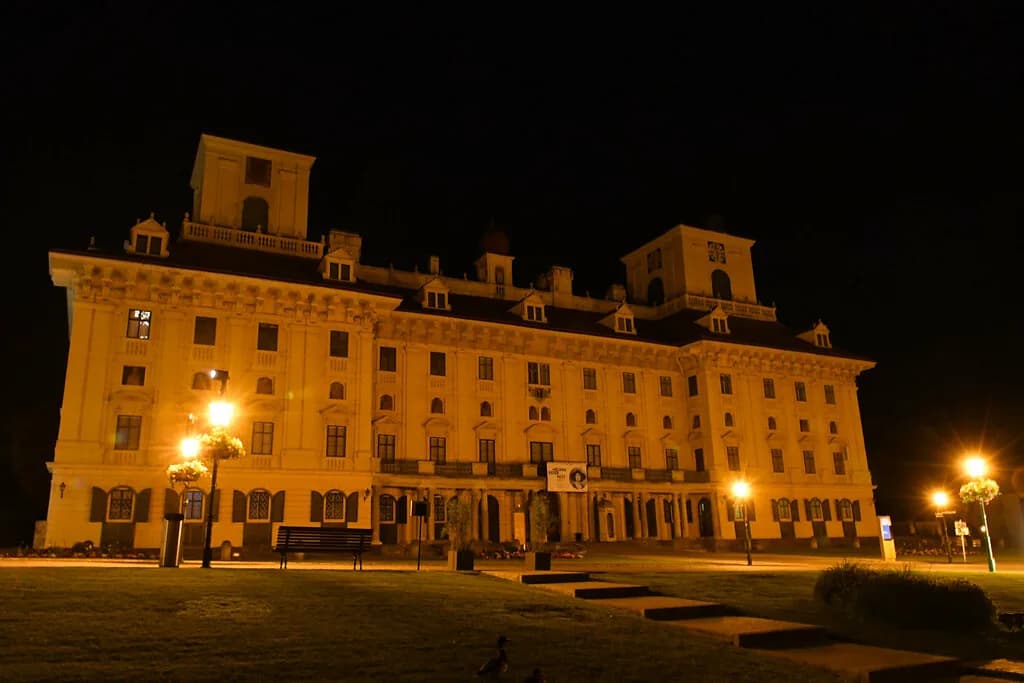
Schloss Esterházy is the reason Eisenstadt registers as a visitor stop: the Esterházy family made it their seat, and the palace faces the town across its own forecourt. You come for the facade and the sequence of rooms rather than for a sprawling royal residence, so budget an hour or two inside rather than a whole morning. Check the palace's own site for the current exhibition, tour format and admission before you set the day's schedule.
The palace park behind the building is the calm counterweight to the town, and it is where a fuller Eisenstadt day earns its extra hours. Walk the grounds after the interior, then come back through the forecourt for the view down Hauptstraße. The town has reported that the park is irrigated with water from the Freibad, a detail that says something about how seriously Eisenstadt treats this green space.
Haydn in Eisenstadt: the house and the Bergkirche tomb
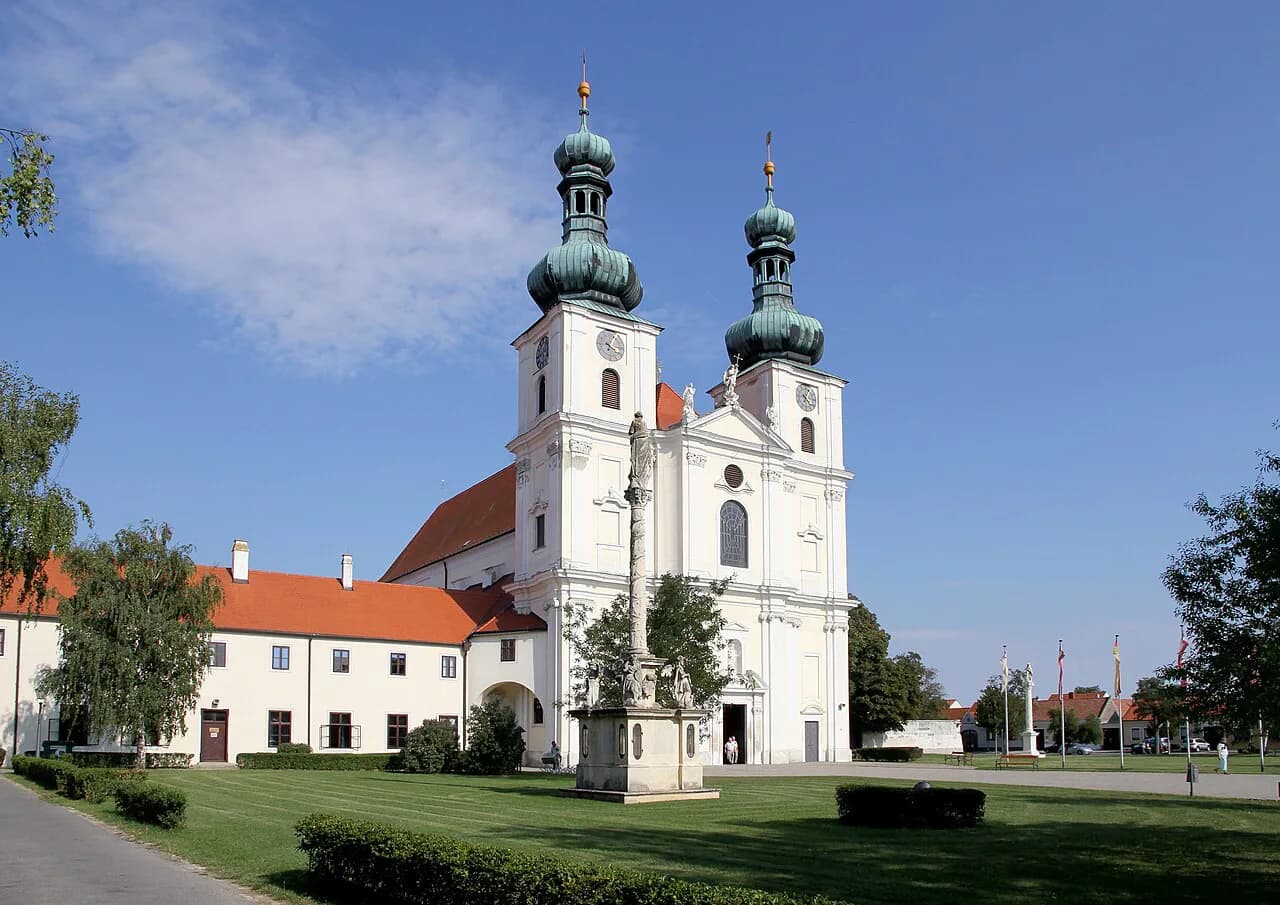
Haydn is bound up with the Esterházy court, and Eisenstadt holds both halves of his legacy within a walk: the house associated with him and the Bergkirche, also called the Haydnkirche, where his tomb sits. Do them as one block, because the second is easy to miss if you treat the house as the whole story. The house gives you the domestic and working context; the church gives you the monument.
At the Bergkirche, the tomb is the draw, and the church sits above the town with a view back over the roofs. Go up first, then descend into the center for the house, so you are not climbing at the end of the day. Opening arrangements for both sites can change with the season, so confirm them with each site before you plan the day.
The old town and Hauptstraße
Hauptstraße is where Eisenstadt lives its ordinary life: shops, the Rathaus, and a run of facades that are modest but consistent. Town reporting counted more than 82,000 visits at its big summer events, so the center fills up when something is on. Otherwise this is a quiet street, and that quiet is the appeal.
Walk the side lanes off Hauptstraße for the squares and passages that give the center its shape, then return to the main street for the run up to the palace. The town has been adding shade and planting in the center, including a small woodland patch intended to cool the streets in summer, which makes the middle of a hot day more comfortable than it once was. Allow 45 minutes for the old town on its own, more if you stop.
Churches and civic buildings worth the stop
The Stadtpfarrkirche serves the old center, while the Bergkirche uphill is the pilgrimage and Haydn monument; the two are the town's main churches to compare. The Dom, the cathedral, is the other large church to see if you have the fuller day.
The civic buildings along Hauptstraße, above all the Rathaus, are worth a glance for the scale of a town that governs a whole province from a street of this size. Eisenstadt has held city rights since 1373 and was occupied by the Kuruzzen in 1704 and again in 1706, a reminder that this quiet place sat on a contested line. The town has also been reworking how people move through the center, with a mobility study reporting visible change, so expect some street layouts to look newer than the buildings around them.
How long Eisenstadt needs
A half day covers the palace interior, Hauptstraße and the two Haydn sites if you keep moving and skip the park. A fuller day adds the palace grounds, the Stadtpfarrkirche and the Dom, plus a proper lunch, and that is the version that suits the town's pace. The trade-off is simple: the center is small, so the extra hours go into depth at the palace and the churches rather than into more ground covered.
If Eisenstadt is one stop on a longer Burgenland run, the half day is usually the right call, because the province's other stops reward time too. Pair the palace morning with an afternoon elsewhere rather than stretching Eisenstadt to fill a day. The town works best as a focused visit, not as a base.
Getting there and onward
Eisenstadt sits south of Vienna in Burgenland, and the practical approach is by train or car from the capital. Check the current ÖBB timetable for rail connections and the Postbus and city bus networks for the last stretch into the center; the town publishes its own bus and city-taxi information alongside a city map, which is the fastest way to see how the station connects to Hauptstraße. Regional services are not frequent enough to wing it, so confirm times for your dates before you travel.
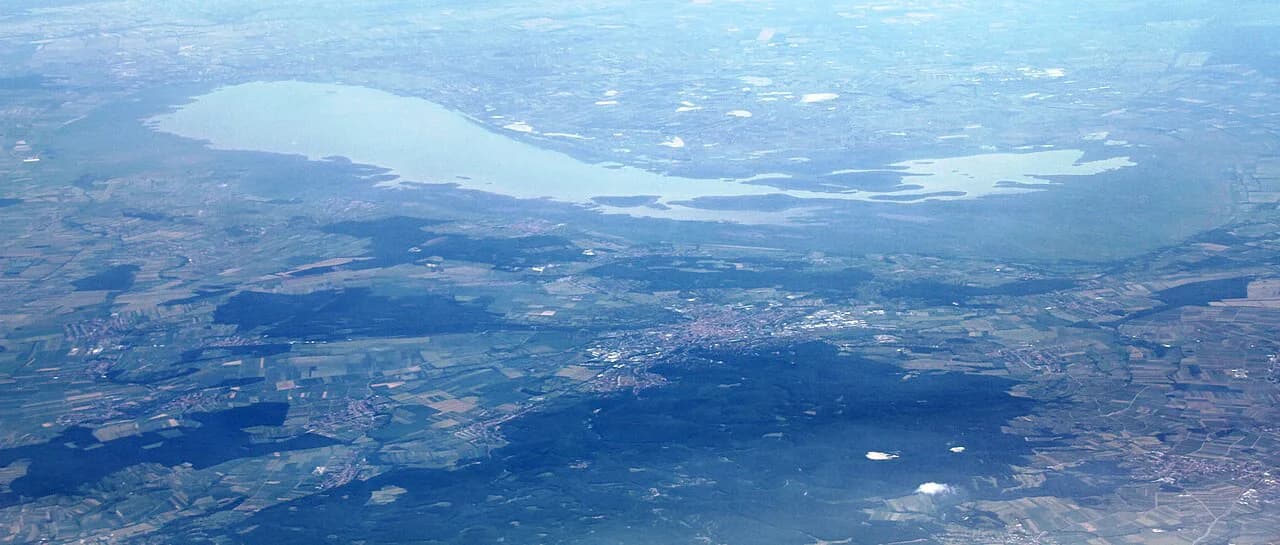
By car, Eisenstadt is an easy add-on to a loop that takes in the lake country to the east. The natural pairing is Lake Neusiedl (Neusiedler See), whose reed belt and villages sit a short drive away and make a strong contrast to a palace town. From there the route can continue to Rust, Austria or north to Podersdorf am See, depending on whether you want the lake's quiet or its busier beach side.
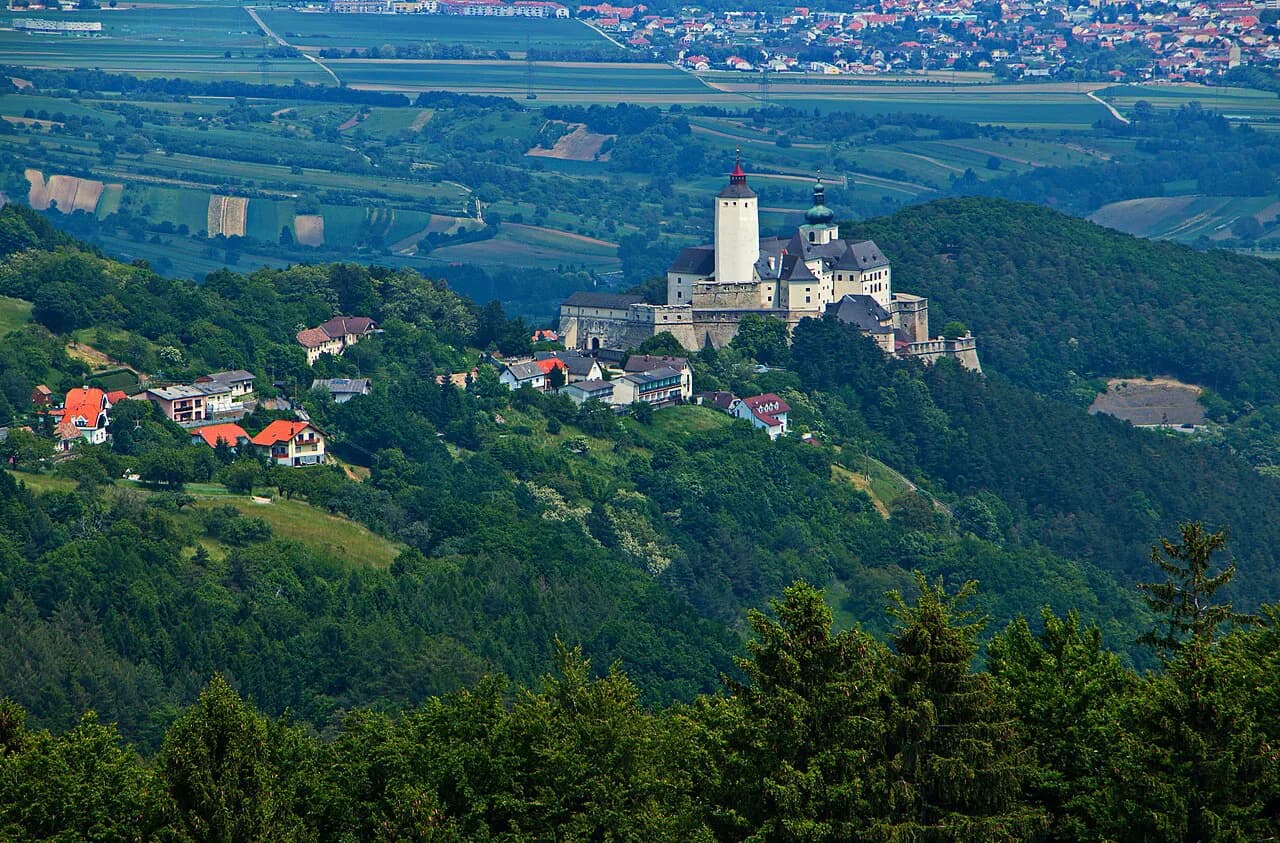
For a wider Burgenland circuit, Neusiedl am See and Frauenkirchen anchor the northern lake and plain, while Güssing and Burg Lockenhaus pull you south toward the castles and the Naturpark Geschriebenstein. Forchtenstein Castle in the Wulka valley is the closest fortress to Eisenstadt and an obvious second stop for anyone collecting Esterházy properties. Build the day around one direction rather than trying to cross the province twice.
When to go and what to watch for
Late spring through early autumn is when the palace park and the walk up to the Bergkirche are at their best, and when the center's outdoor life is running. High summer brings the town's biggest visitor numbers around events, so a weekday morning is the calmer choice for the palace and the Haydn house. None of the sights should be assumed open on any given weekday; confirm the day's arrangements with each site before you travel.
The one structural caution is that small Austrian museums and churches often keep limited opening patterns outside the main season, so build a flexible order into the day and put the palace first. If a site is shut, Hauptstraße, the park and the churches fill the time without much loss. That flexibility matters more here than in a big city with all-day options.
What costs money and what doesn't
The palace interior and any guided tour are the part of an Eisenstadt day that carries an admission charge, and that charge is set by the palace itself rather than by the town. Walking Hauptstraße and crossing the forecourt cost nothing, which is why the half-day version stays cheap. Get the current palace prices from its own ticket page before you budget, and treat any figure you saw elsewhere as out of date until you confirm it.
For transport, the train fare depends on your origin and the ticket type you buy, so price it on the ÖBB site for your date rather than estimating. The town's own site is the place to check local bus and city-taxi arrangements, which are the cheap way to close the gap between station and center. Check current details with the palace and the transport operators before you commit the day.
Is Eisenstadt worth the stop on a Burgenland route?
Yes, if you treat it as a focused half day or a fuller day built on the palace and the two Haydn sites, and no if you are looking for a town that fills a whole day on its own. The honest trade-off is that Eisenstadt is a very small capital: the Esterházy palace, Haydn's house and the Bergkirche carry it, and the old center is the frame rather than a second attraction in itself.
Slot it in at the start or end of a lake-and-castle loop through Burgenland, pair it with the Neusiedler See villages, and confirm palace admission and rail times for your own dates before you commit the day.
Explore more Eisenstadt guides
Frequently Asked Questions
Is Eisenstadt in Vienna?
No. Eisenstadt is the capital of Burgenland, the province south of Vienna, and lies at the foot of the Leithagebirge. It is a separate city with its own administration, and Vienna is the nearest major starting point for a visit by train or car.
What is the population of Eisenstadt?
Eisenstadt has about 16,400 residents, recorded as 16,396 on 1 January 2026, which makes it the smallest state capital in Austria. That small scale is why the old center can be covered on foot in a morning.
Sources
Notes for your next Austrian town break
Optional updates when we add or revise town guides.
You might also like
Continue reading
More guides you'll find useful