Frauenkirchen, Austria: The Baroque Pilgrimage Basilica by Lake Neusiedl
Frauenkirchen, Austria, centers on the baroque Basilika Maria auf der Heide. See the church, monastery and Kalvarienberg and how they fit a Burgenland route.
On this page
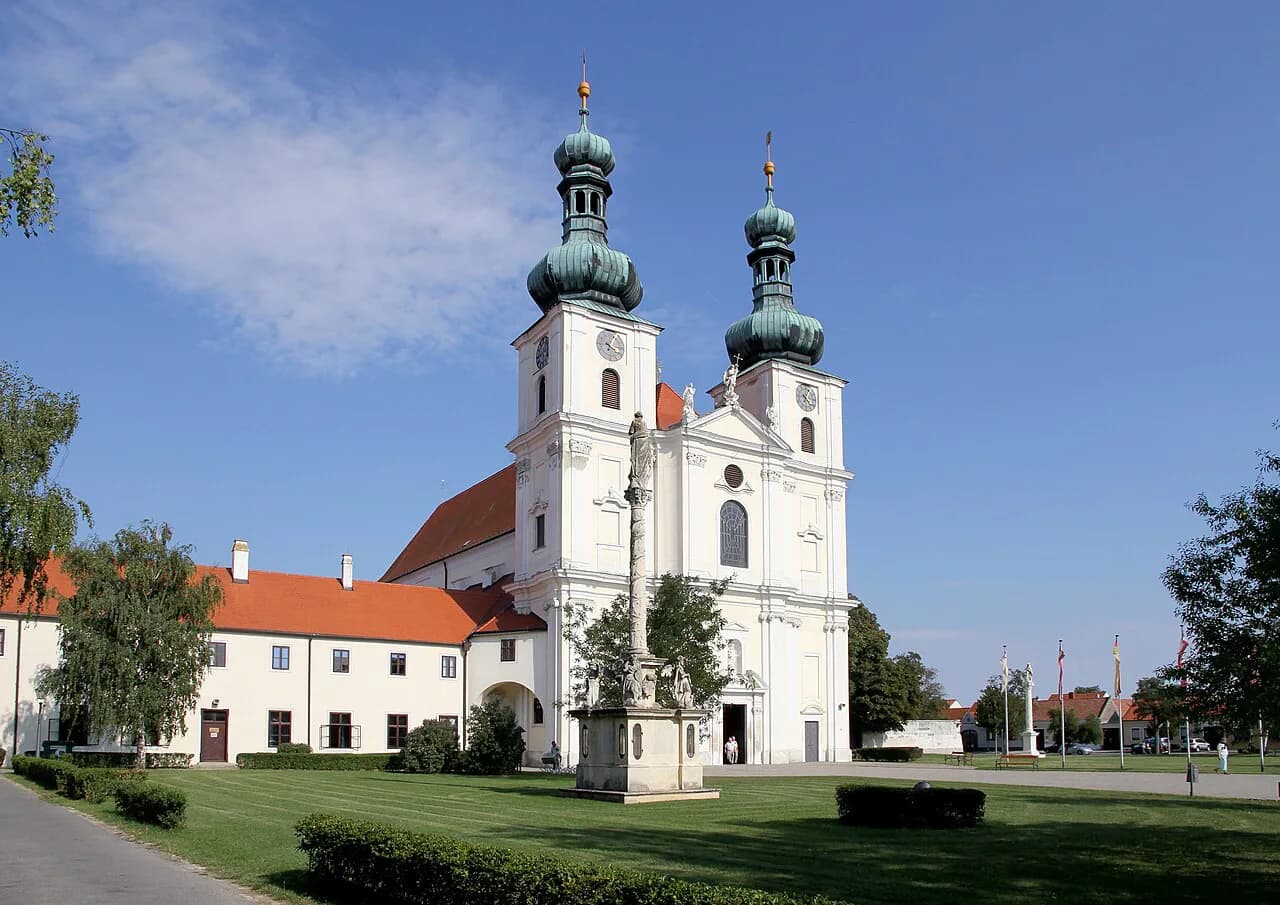
Frauenkirchen is a small Burgenland town on the eastern shore of Lake Neusiedl whose whole center orbits one building: the baroque pilgrimage church of Maria auf der Heide. Plan on roughly an hour for the basilica and its immediate surroundings, and up to half a day if you add the monastery, the Kalvarienberg and the gallery. This guide covers what each sight is, how the 30-minute guided tour is arranged, and how the town fits a route through Burgenland rather than standing alone as a destination.
The town sits at the intersection of old pilgrim routes, which is why a community of this size carries a basilica, a Franciscan convent and a devotional hill within a few minutes of each other. The Franciscans have cared for the pilgrimage church of Maria auf der Heide since 1659, and the friars still host well over 100,000 visitors and pilgrims a year, according to Burgenland tourism.
What Frauenkirchen is and why it exists
Frauenkirchen grew as a pilgrimage stop, not as a market town with a church attached. The basilica of Maria auf der Heide (Mary on the Heath) is described as the spiritual and religious center of the eastern shore of Lake Neusiedl, and the town's identity is built on that role.
Practically, that means the sights cluster tightly: the church and the Franciscan monastery share the address Kirchenplatz 2, the Kalvarienberg rises just southeast of the basilica, and the Lidy gallery sits a few streets away. You are not covering a spread-out town here but a compact pilgrim center you can walk end to end. For the wider regional picture, the Burgenland guide sets out how the lake's towns connect by train, bus and boat.
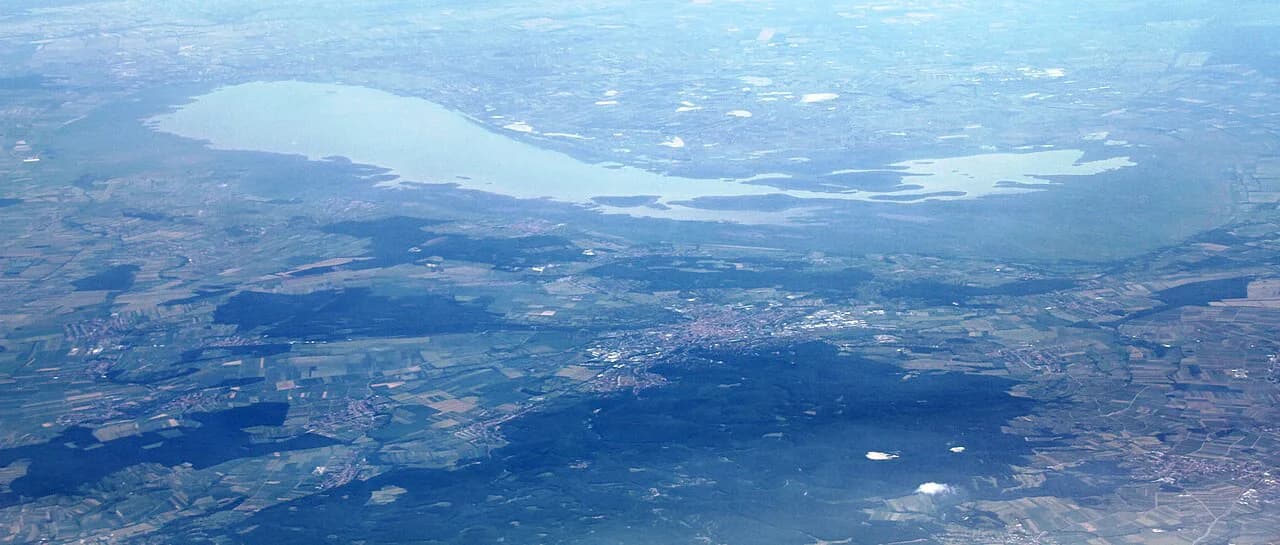
The setting matters for planning: the town stands at the edge of the Neusiedler See-Seewinkel National Park, the steppe-lake landscape that UNESCO lists as a World Heritage Site. That makes Frauenkirchen a natural first or last stop on a loop around the lake rather than a place you drive to in isolation.
The Basilika Frauenkirchen: Maria auf der Heide
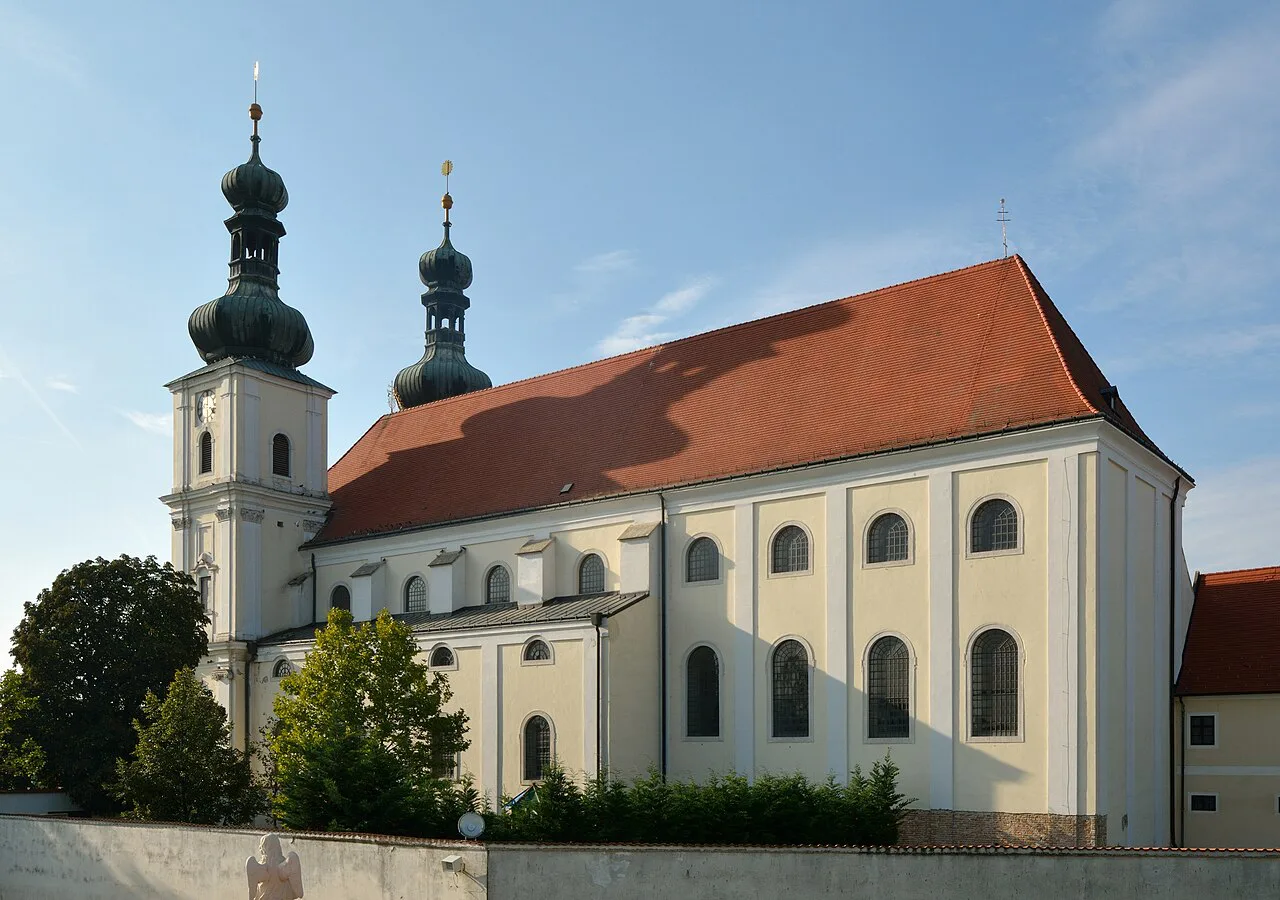
The church itself is a baroque pilgrimage church, and the interior is the reason to come: this is a working sanctuary, not a museum piece, so expect worshippers alongside visitors. The Franciscan friars run the parish and the pilgrimage work from the convent at the same address, which is why the church and monastery feel like one complex.
The building's dedication to Mary on the Heath explains the town's draw for pilgrims arriving on foot along historic routes. Time your visit around services rather than the other way round, since an active pilgrimage church pauses for Mass and confession.
The address to give a driver or a taxi is Kirchenplatz 2, 7132 Frauenkirchen, the square directly in front of the basilica. Parking in a town this compact is a short walk from the square wherever you leave the car.
Opening hours and how to plan around them
Visitor access to the basilica is not an all-day open door. The Burgenland tourism listing gives a defined window, 25 October 2026 to 27 December 2026, with the church listed as open Monday to Sunday from 06:00 to 21:00, and it currently marks the site as closed. Treat those dates as the published access season rather than a year-round promise.
Plan the church as an early-morning or late-afternoon stop and build the rest of the day around it. If your trip falls outside the published window, confirm access with the parish before you set the day's schedule.
Guided tours: 30 minutes, five people minimum, phone booking
Tours of the basilica are a logistics decision as much as a sightseeing one. The format is 30 minutes, with a minimum of five participants, and registration by telephone in advance is required; the meeting point is inside the basilica itself.
That minimum is the detail that catches solo travelers and couples. If you are fewer than five, either join an existing group or skip the tour and see the church independently during open hours; the parish office at Kirchenplatz 2 handles the booking either way.
Pilgrim groups can arrange more than a walk-through: services, confession, devotions and church tours are all offered to groups that book ahead. That makes the tour a good fit for parish and pilgrimage parties rather than a casual drop-in.
The Franziskanerkloster next door
The Franciscan monastery adjoining the basilica is where the region's cultural heritage is kept and displayed, so it rewards a slower look than the church alone. The friars have been at this site since 1659, which gives the convent its layered, lived-in character.
Treat the monastery as part of the same visit rather than a separate stop: it shares the Kirchenplatz 2 address and the same telephone contact as the parish. If you are arranging a guided tour, ask about the convent collections in the same call.
The Kalvarienberg: a spiral devotional hill
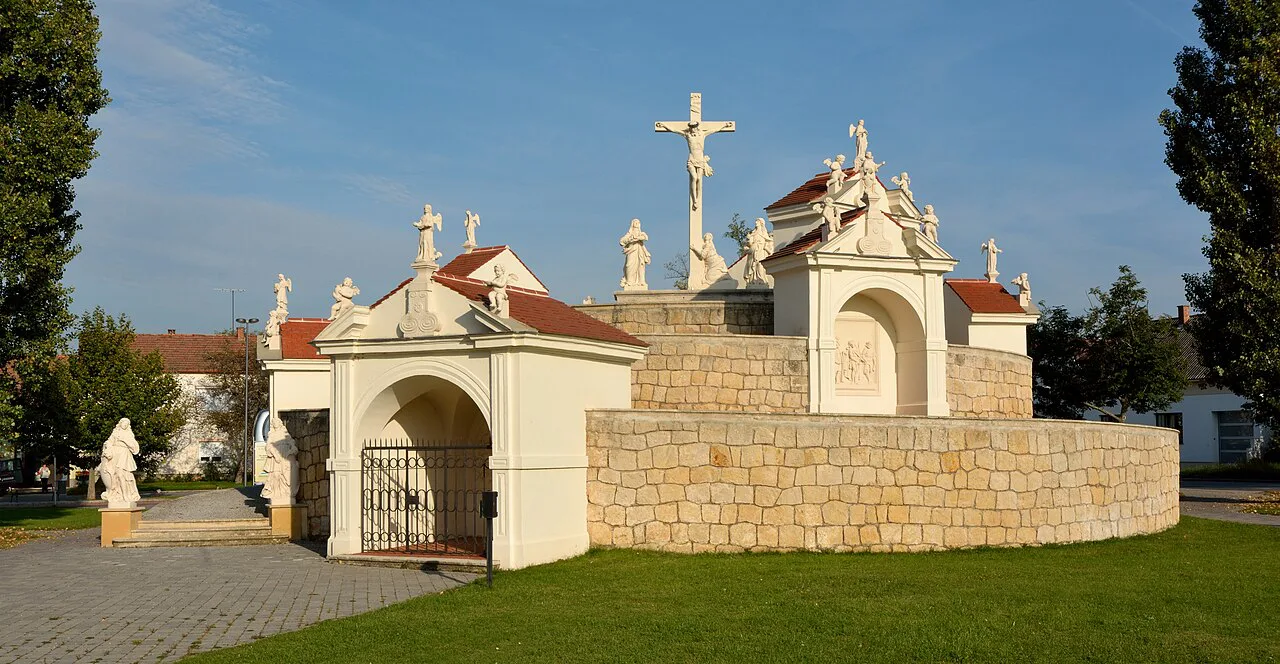
Southeast of the basilica, a man-made Kalvarienberg (Calvary hill) winds upward in three snail-like turns to a small plateau. At the top stands a stone crucifixion group dated 1759, and small chapels along the path carry the Stations of the Passion carved in stone relief.
The hill was laid out around 1685, roughly two decades after the Franciscans took over the pilgrimage church, and it reads as an outdoor extension of the church's devotional program. It is a short walk from the square rather than a hike, so budget about ten minutes each way and perhaps twenty minutes on the hill itself.
Wear shoes that handle uneven stone paths, and treat the stations with the quiet the setting asks for. The climb is modest but exposed, so on a hot Seewinkel afternoon it is better done in the morning than at midday.
Galerie Matthias Lidy and the town's art
Matthias Lidy is one of Burgenland's best-known artists, and his works have been exhibited at home and abroad since 1982. His sculptures are almost entirely worked in metal, and many stand in public spaces and squares around the region, so you may meet his work before you reach the gallery.
The gallery is on Dr. Meidlingergasse 16 in Frauenkirchen, a few minutes from the church square, and Lidy's paintings and sculptures engage frankly with erotic themes. That makes it a deliberate choice rather than a default stop for every visitor, and it pairs well with an hour spent on the church and hill.
Town layout and how much time to allow
Frauenkirchen is compact enough to walk: church, monastery, Kalvarienberg and gallery sit within a few minutes of one another around the Kirchenplatz. With one hour, see the basilica interior and climb the Kalvarienberg; with half a day, add the monastery collections and the Lidy gallery and still leave time for lunch in town.
A sensible order is basilica first while it is quiet, then the Kalvarienberg while you are still fresh, then the gallery or monastery as the day warms up. Keep the church for last only if you are attending a service, since the published hours run from early morning to evening.
Getting there and onward through Burgenland
Frauenkirchen sits on the eastern shore of Lake Neusiedl, at the gateway to the Neusiedler See-Seewinkel National Park, with the lake villages of Podersdorf am See and Illmitz within easy reach by road. Podersdorf am See has a waterfront and lighthouse on the lake and is the obvious pairing if you want water after a morning of baroque churches.
Check current train and Postbus connections for the day you travel rather than assuming a frequency, and confirm seasonal boat services separately if you plan to cross the lake. Coming from the north, Neusiedl am See is the larger transport node on the same shore.
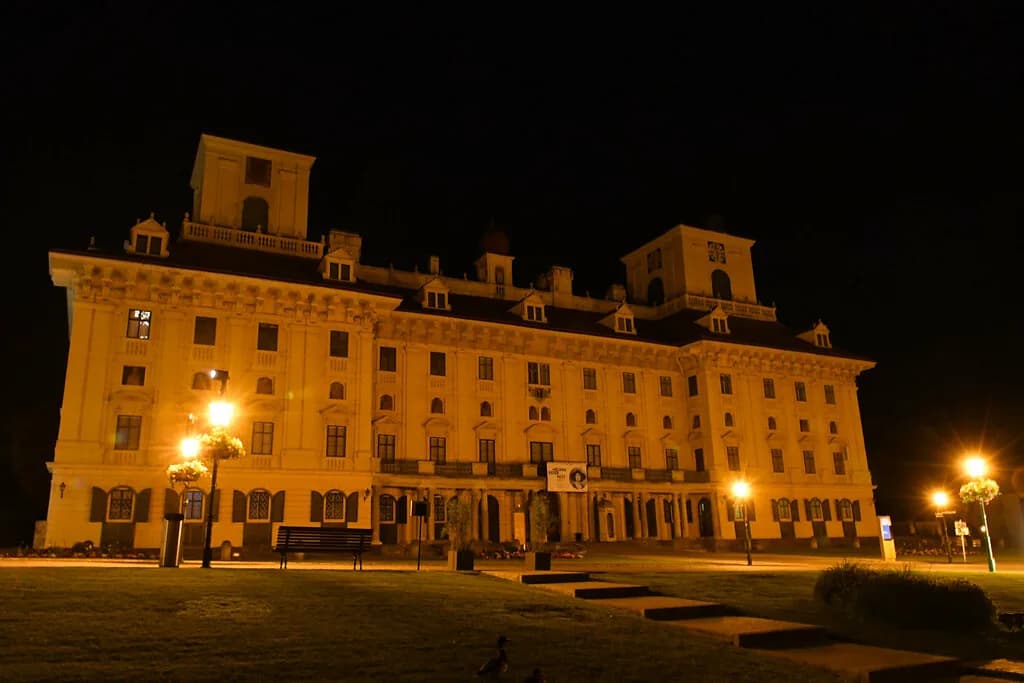
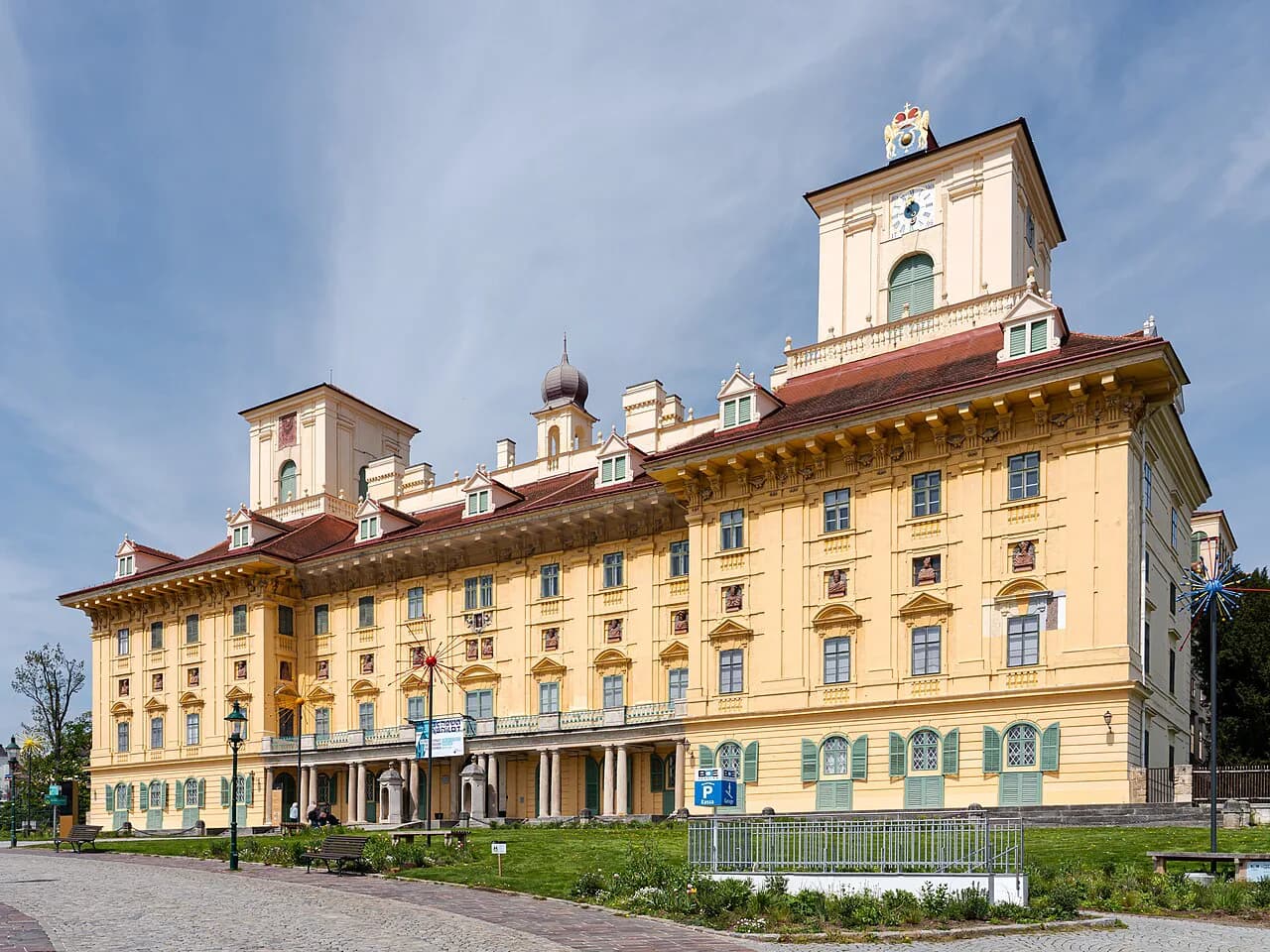
For a fuller loop, the lake's older towns reward a detour: Rust, Austria, is known for its storks and old town, and the Esterházy palace at Eisenstadt anchors the region's baroque architecture. Schloss Esterházy in Eisenstadt, with its Joseph Haydn connections, makes a strong counterpoint to a pilgrimage church.
Where Frauenkirchen fits on a lake route
The strongest fit is a day that combines Frauenkirchen's basilica with the national park landscape east of the lake. Hölle, an area of Lake Neusiedl that belongs to the Illmitz-Hölle conservation zone, has an observation tower where you can watch birds and the steppe scenery, and the Podersdorf-Karmazik cycle path runs through the national park with a large observation tower and covered rest areas beside it.
Sequence it as church in the morning, national park viewpoint or lake waterfront in the afternoon, and a lake town for dinner. That keeps you off the water at the windiest part of the day and puts the basilica's quiet hours to use.
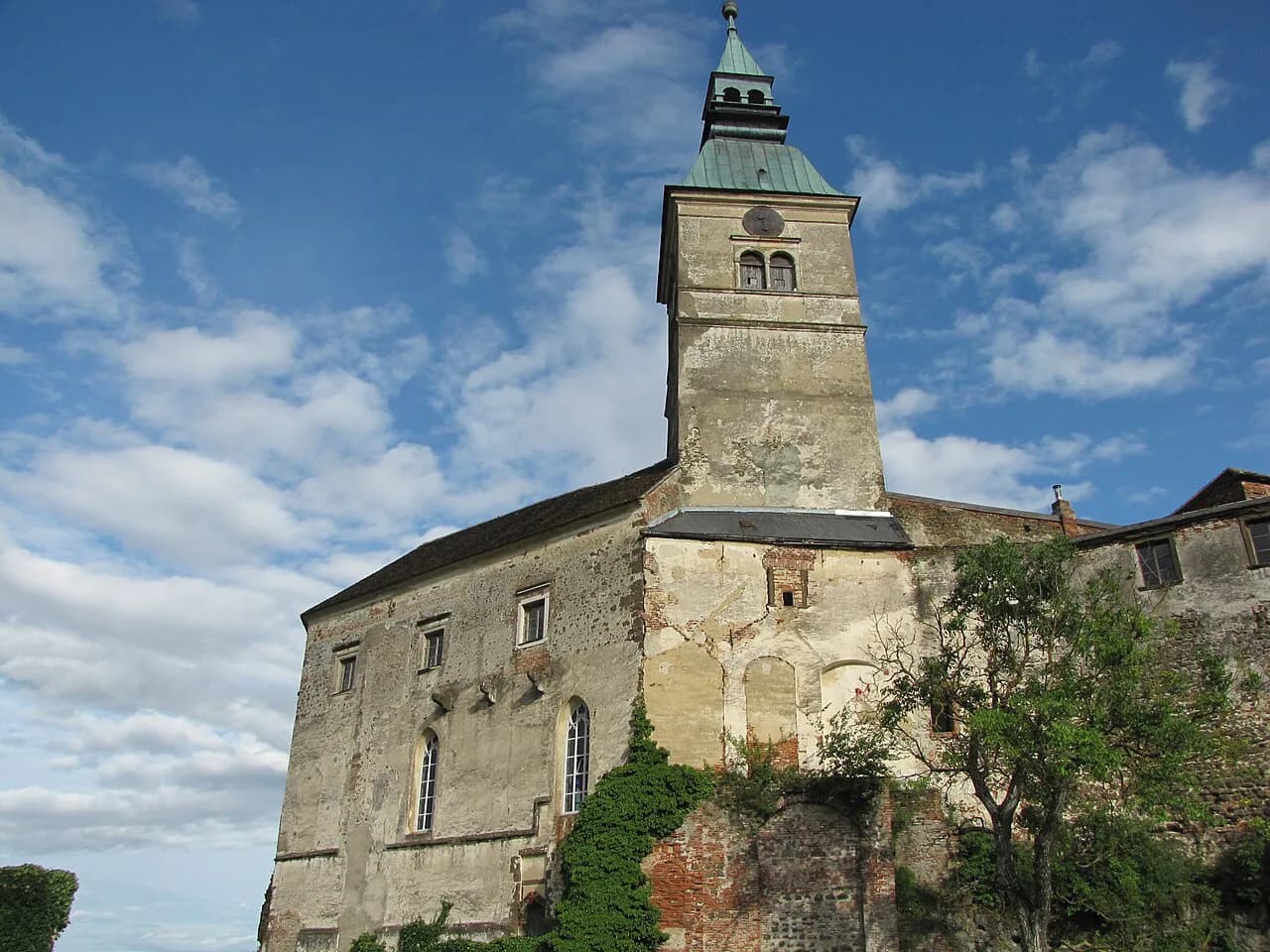
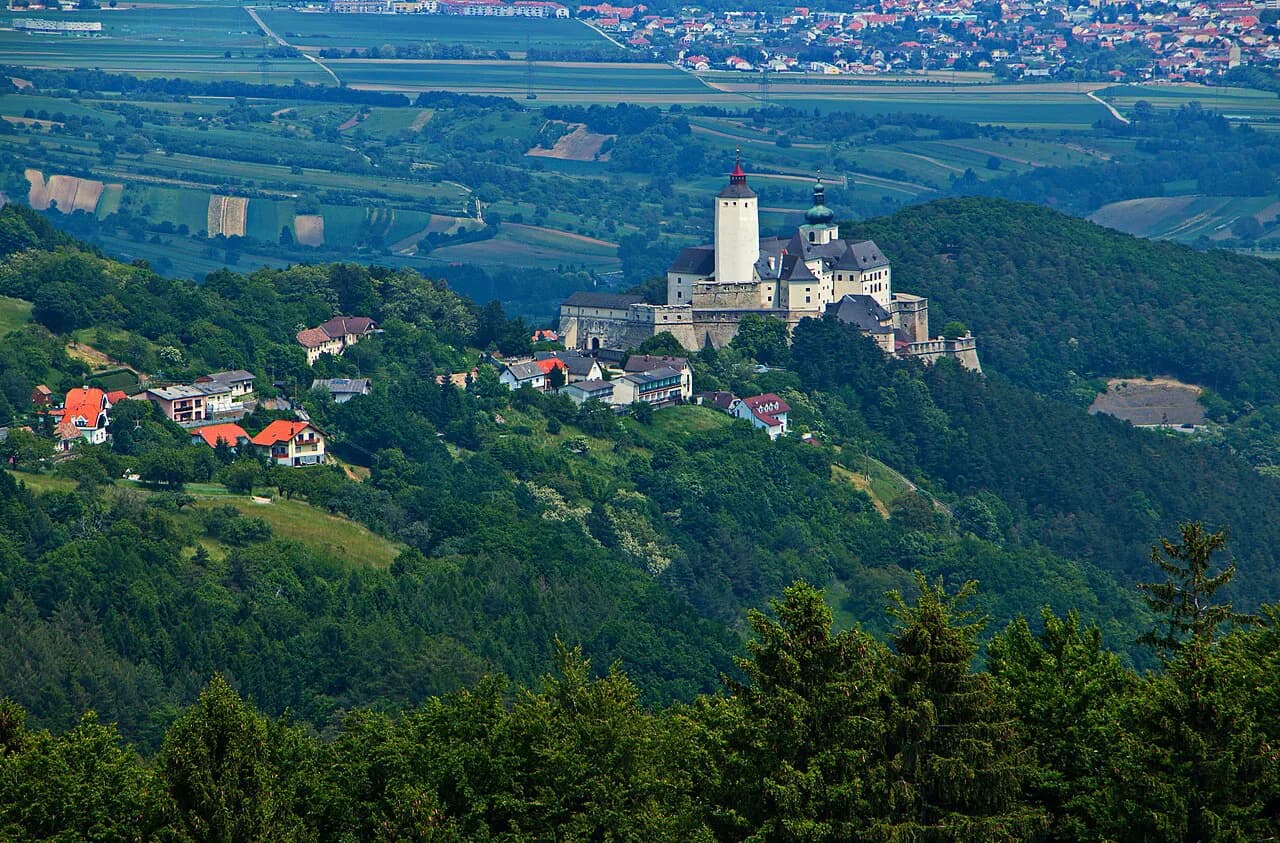
If your route swings south instead, Forchtenstein Castle in the Wulka valley and Güssing, Austria, with its hilltop castle and Franciscan church, extend the baroque-and-castle thread across Burgenland.
Is Frauenkirchen worth the stop on your lake loop?
Yes, if you want one concentrated dose of Burgenland's baroque pilgrimage culture without committing a full day. The basilica, monastery and Kalvarienberg sit minutes apart, and a guided tour needs only 30 minutes once you have a group of five and a phone booking.
With only an hour, choose the church interior and the Calvary hill and leave the gallery and monastery for a return. With half a day, do all four and drive on to Podersdorf am See or the national park for the afternoon.
Explore more Eisenstadt guides
Frequently Asked Questions
Is Frauenkirchen in Austria or Germany?
Frauenkirchen is in Austria, in the state of Burgenland, on the eastern shore of Lake Neusiedl near the Hungarian border. The basilica's address is Kirchenplatz 2, 7132 Frauenkirchen.
What is the postal code of Frauenkirchen?
The postal code is 7132, which covers the town center including Kirchenplatz, where the basilica and Franciscan monastery stand.
Do I need to book a basilica tour in advance?
Yes. Tours run 30 minutes with a minimum of five participants, and registration by telephone in advance is required; the meeting point is inside the basilica. The parish office at Kirchenplatz 2 takes the booking.
Sources
Notes for your next Austrian town break
Optional updates when we add or revise town guides.
You might also like
Continue reading
More guides you'll find useful