Güssing, Austria: Castle on the Volcanic Cone and the Old Town
Plan a visit to Güssing in south Burgenland: Burg Güssing on its volcanic cone, the old town, the Franciscan monastery and the Kellerviertel at Heiligenbrunn.
On this page
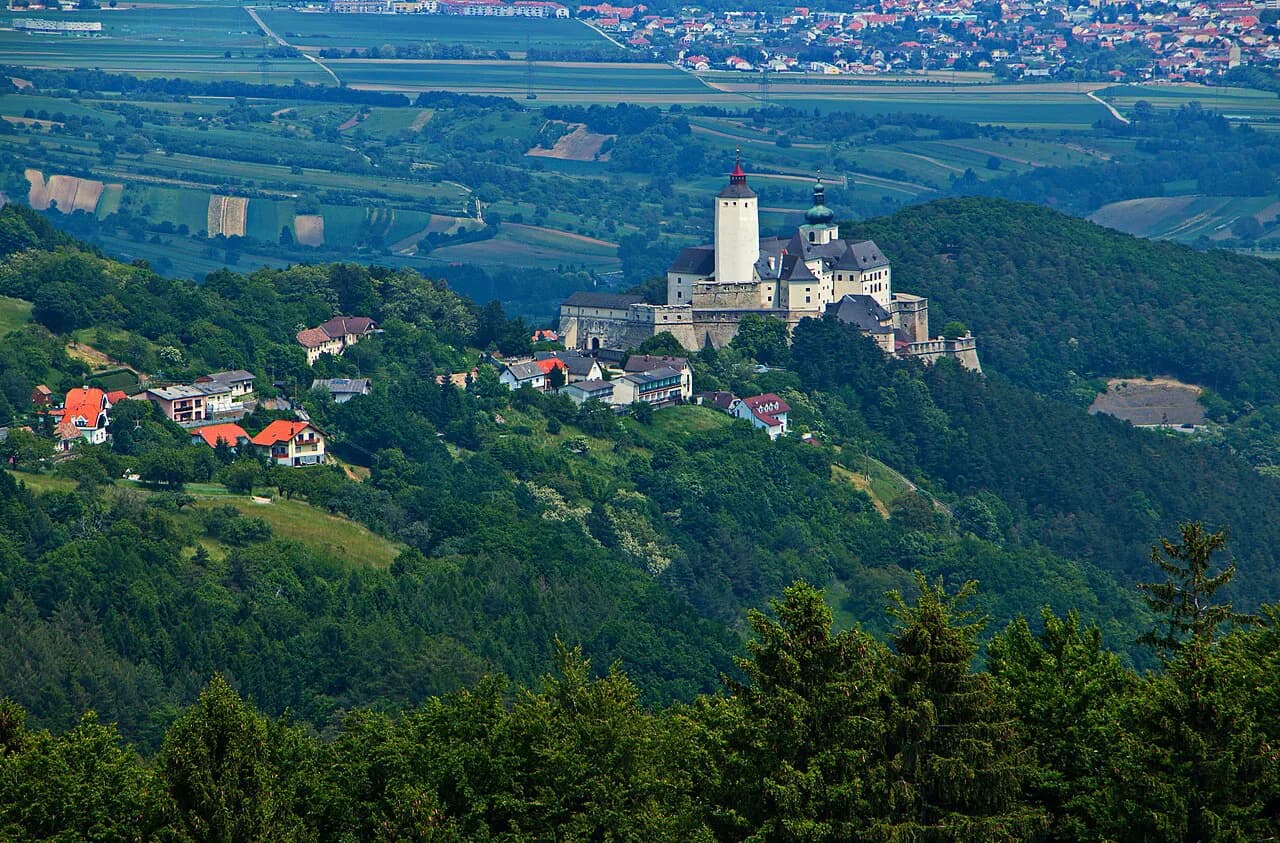
Güssing is a small town in the far south of Burgenland built around one commanding sight: Burg Güssing, the oldest castle in the province, which stands on an extinct volcanic cone directly above the historic center. Come for the climb to the castle and the compact old town below it, and treat the villages around it as a second, slower layer. This guide covers the castle, the town's layout, the Franciscan monastery, the Batthyány thread through Güssing, and the nearby sights that are worth a short drive.
What Güssing is and where it sits in south Burgenland
Güssing is the cultural anchor of the Südburgenland, a rolling corner of vineyards, small villages and nature reserves along the Hungarian border. The regional tourism office calls the area around Güssing the cultural capital of south Burgenland, pointing to the castle and a year-round program of theater, musicals, concerts and folk ensembles. The town is not the provincial capital: Eisenstadt, in the north of Burgenland, holds that role, and Güssing is a separate, much smaller stop with a different character.
Think of Güssing as an eastern-Burgenland destination rather than a quick detour between Vienna and Salzburg. It sits deep in the south, close to the Hungarian border, so it rewards travelers who are already touring Burgenland or heading toward Graz. If your route only touches the north of the province, the Esterházy Palace at Eisenstadt is the more natural stop.
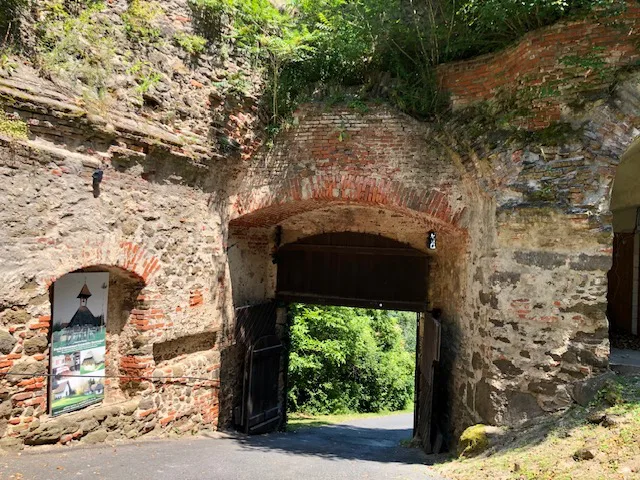
Burg Güssing: the oldest castle in Burgenland on an extinct volcanic cone
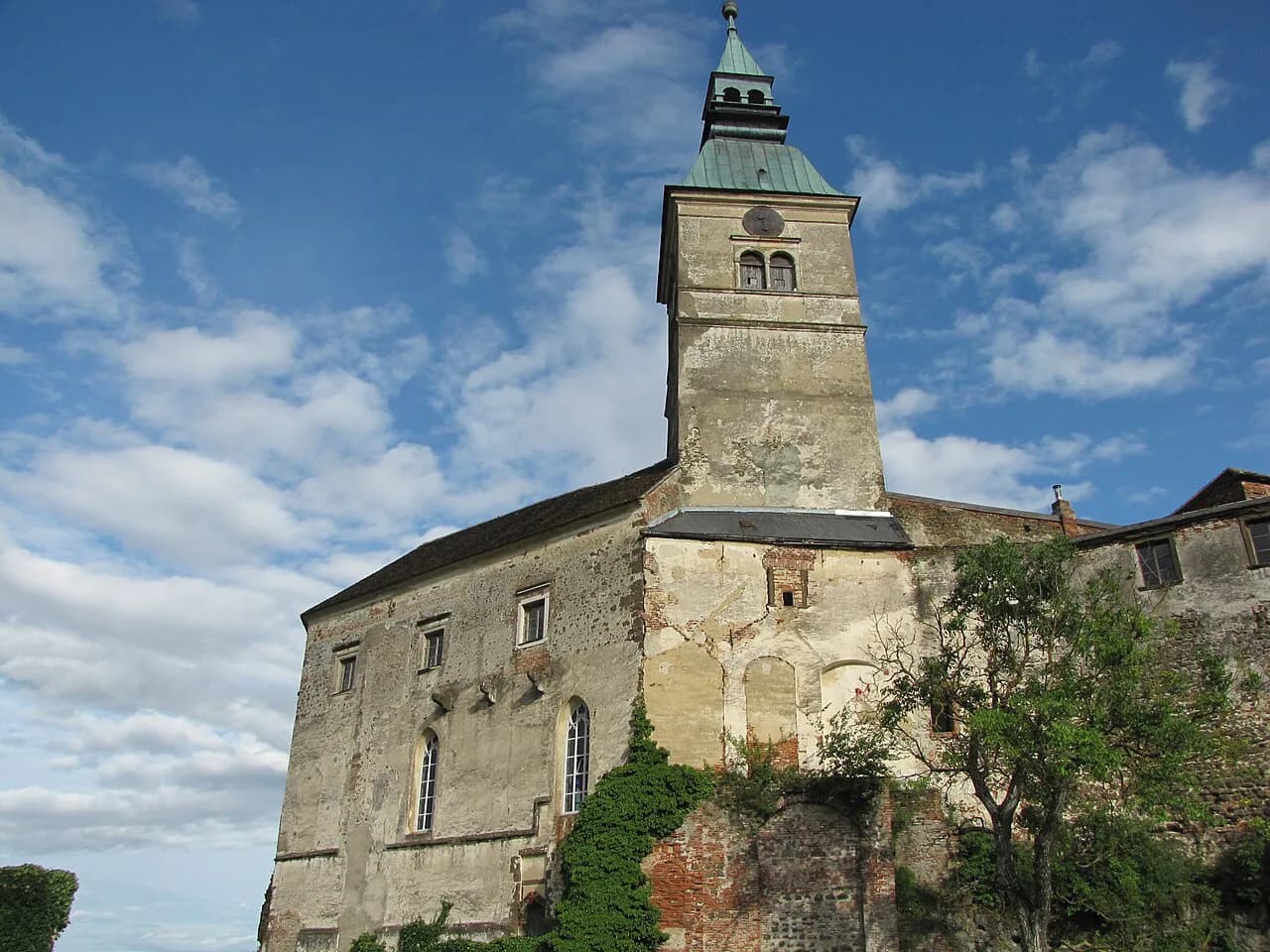
Burg Güssing is the town's landmark and the reason most travelers come. It crowns a former volcanic cone, which means the visit starts with an approach uphill from the town rather than a flat walk through a gate. The regional tourism office describes it as the oldest castle in Burgenland, towering over the historic town below.
Plan the castle as the fixed point of your day: everything else in Güssing and the surrounding villages fits around it. The climb and the grounds take more time than a glance from the square, so put the castle first and leave the town center for afterward. Treat the building and its hilltop setting as the main event rather than scenery glimpsed from below.
Opening seasons and ticket prices for the castle are set by its operators, so confirm them for the season you plan to travel.
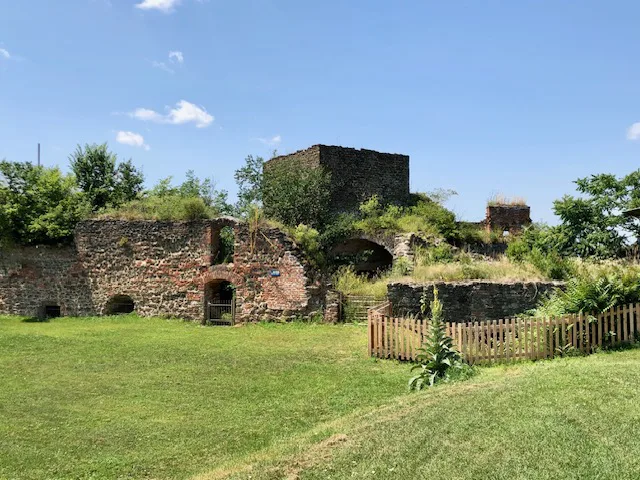
How the town is laid out: historic center, Hauptplatz and the climb to the castle
Güssing's historic center is compact and sits below the castle cone. The Hauptplatz is a natural starting point, and the regional tourism office's Güssing office is addressed on the Hauptplatz, which makes the square a practical reference point for visitors. From the center, the castle is a visible climb rather than a drive, so wear shoes that handle an uphill walk.
A sensible short route is Hauptplatz first, then the Franciscan monastery and church, then the climb to Burg Güssing for the view back over the town and the surrounding hills. Allow a half day for that loop if you want to see the castle exhibition rather than just the walls. Most of the walking is on paved streets until the final approach to the castle.
The Franciscan monastery and Basilica of the Visitation in Güssing
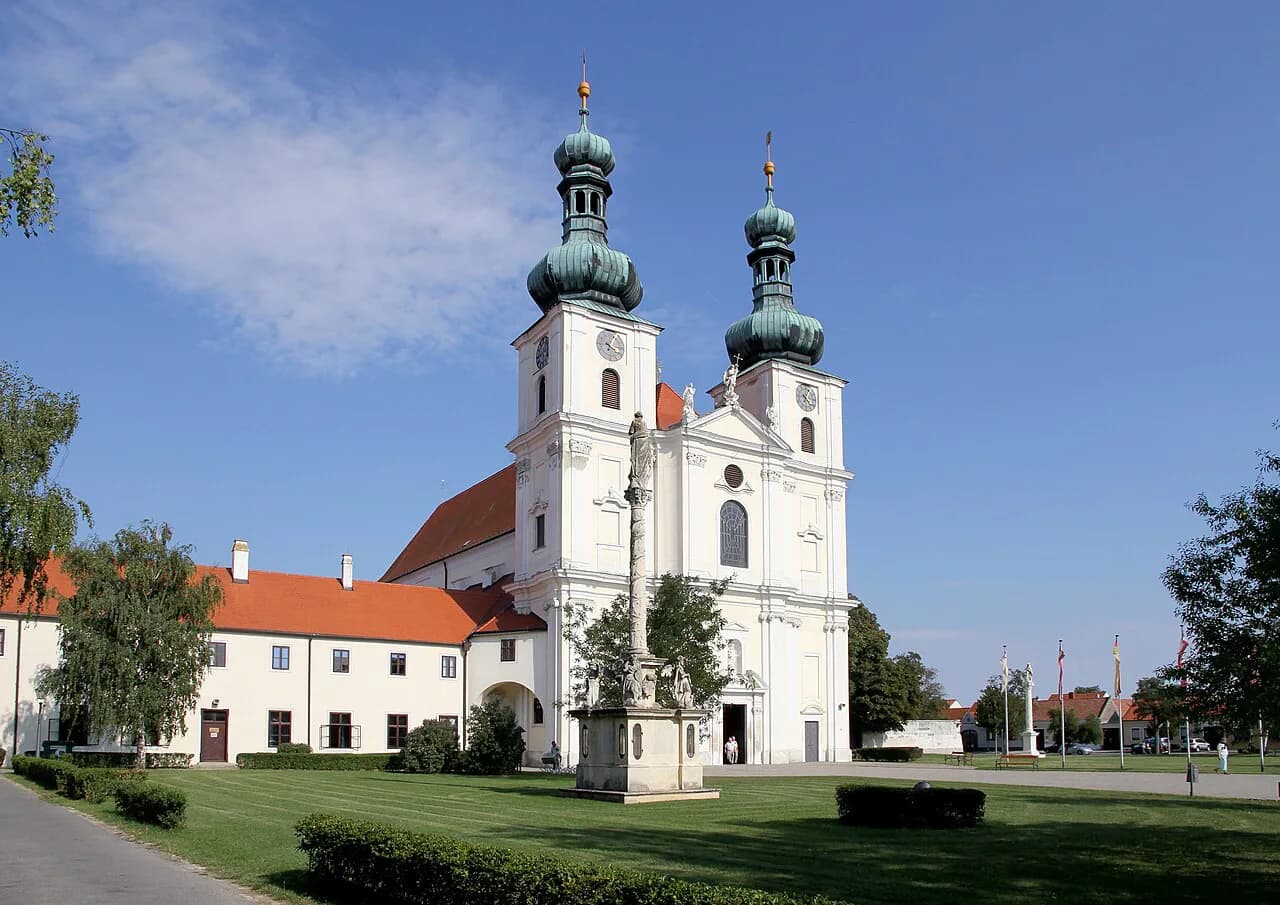
The Franciscan monastery and the Basilica of the Visitation stand in Güssing itself, which makes them easy to pair with the castle in a single visit. The complex is listed among the notable religious sites of the Güssing district alongside the castle. Treat the church as a working religious house: keep visits short, quiet and outside services.
The monastery church is the kind of stop that takes twenty minutes rather than an hour, unless you want to sit with the interior. Because it is in town, it works as a pause between the Hauptplatz and the climb to the castle.
Kastell Batthyány and the Batthyány family thread through the town
The Batthyány family is the name most associated with Güssing, and Kastell Batthyány in the town appears among the district's notable attractions. Pair it with the castle on the hill and the Franciscan monastery in the center to read the town as one connected story.
If you want one thread to follow through Güssing, make it the Batthyány one, since it ties the castle on the hill to the buildings in the center. It also explains why a small town in south Burgenland has such a substantial castle above it.
Other sights worth the stop: pilgrimage church Maria Weinberg and the Bildein Iron Curtain watchtower
Two short-drive sights round out Güssing for travelers with a car. The pilgrimage church Maria Weinberg has roots reaching back to the 12th century, with the building expanded in the 15th and 16th centuries. The Iron Curtain watchtower at Bildein is a monument to Europe's divided past.
The Bildein watchtower is not a castle-style attraction but a sober reminder of the border that once cut through this landscape. Give it time to read the panels rather than photographing it from the car. Maria Weinberg is a pilgrimage site, so visit respectfully around services.
The Kellerviertel at Heiligenbrunn and Uhudler country around Güssing
The Kellerviertel at Heiligenbrunn is the region's most distinctive village sight: a historic cellar quarter of straw-roofed cellars, many over 250 years old, with guided tours run by members of the local winegrowers' and cellar association. The surrounding villages are the center of Uhudler culture, a local wine tradition tied to this corner of Burgenland.
Heiligenbrunn needs a car or a deliberate bus plan, since it sits outside Güssing rather than in it. Tours through the cellars are arranged rather than continuous, so check the tour arrangements before you drive out.
Treat the Uhudler as context rather than an itinerary: it explains why these villages have such dense cellar quarters and why the landscape around Güssing looks the way it does. If you are continuing north through Burgenland, the old town of Rust on Lake Neusiedl offers a different, more polished version of the region's wine-town character.
How long Güssing needs and how it fits a route through Burgenland
Give Güssing a half day for the castle, the center and the Franciscan church, and a full day if you add Heiligenbrunn and Bildein. The trade-off is distance: Güssing is far enough south that it works best as part of a Burgenland loop rather than a stop squeezed between Vienna and Salzburg. Travelers building a loop through the province can plan around the regional stops on the Burgenland guide.
A practical pairing is Eisenstadt and the Esterházy Palace in the north with Güssing in the south, with the Neusiedler See towns in between. That route uses the province's main towns as anchors rather than treating Güssing as an isolated detour.
Getting there and around: train, bus or car from Vienna and Graz
Güssing sits deep in south Burgenland near the Hungarian border, so plan the final leg carefully whether you come by car or by regional bus. Allow extra time from Vienna or Graz, and having a car makes the surrounding villages, including Heiligenbrunn, far easier to reach than depending on sparse connections.
Once you are in town, Güssing is walkable, and the main effort is the uphill approach to the castle. Leave the car below the center and do the town on foot.
Is Güssing worth the ride south?
Güssing earns a place on a Burgenland itinerary if you want the castle and the small-town south rather than another stop in the province's north. The castle on its volcanic cone, the Franciscan church and the Batthyány thread give a half day real substance, and Heiligenbrunn adds a second reason to make the drive. If your trip only covers the north of Burgenland, Eisenstadt with the Esterházy Palace and the nearby lake towns are the better fit.
Explore more Eisenstadt guides
Frequently Asked Questions
Do I need a car for Güssing and Heiligenbrunn?
Güssing itself is walkable once you arrive, but Heiligenbrunn and Bildein sit outside the town. Having a car gives you the villages on your own schedule; without one, plan the regional bus connections before committing to those side trips.
How much time should I set aside for Burg Güssing?
Set aside a few hours for the castle and its grounds, since the approach is uphill from the town center, and check the castle's seasonal opening information before you go, because it decides whether the visit is possible on your travel date.
Where can I find out about tours of the Heiligenbrunn cellar quarter?
Tours through the Kellerviertel are run by members of the local winegrowers' and cellar association, so arrangements come from the Heiligenbrunn cellar quarter rather than the town of Güssing. Check the current tour details before you drive out.
Sources
Notes for your next Austrian town break
Optional updates when we add or revise town guides.
You might also like
Continue reading
More guides you'll find useful