Fusch an der Grossglocknerstrasse: Gateway to the Grossglockner Road
Fusch an der Grossglocknerstrasse sits at the foot of Austria's highest pass road. Here is how the toll road works and how to fit the drive into your route.
On this page
Fusch an der Grossglocknerstrasse is the village that most drivers pass through on the way to Austria's highest pass road, and that is exactly its role in a Pinzgau itinerary: a base and a starting point rather than a sight in itself. The road begins near Bruck an der Glocknerstrasse, threads through Fusch, and only starts climbing after the Ferleiten toll booth. This guide covers the layout, the drive stop by stop, the 2026 tolls and opening windows, the ranger bus alternative, and how much time the village deserves.
The setting is between the Zeller See basin and the Hohe Tauern. Fusch sits roughly five kilometers from the Bruck-Fusch rail station, with bus connections, and about 90 kilometers from Salzburg airport, according to regional visitor information.
What Fusch an der Grossglocknerstrasse is and where it sits
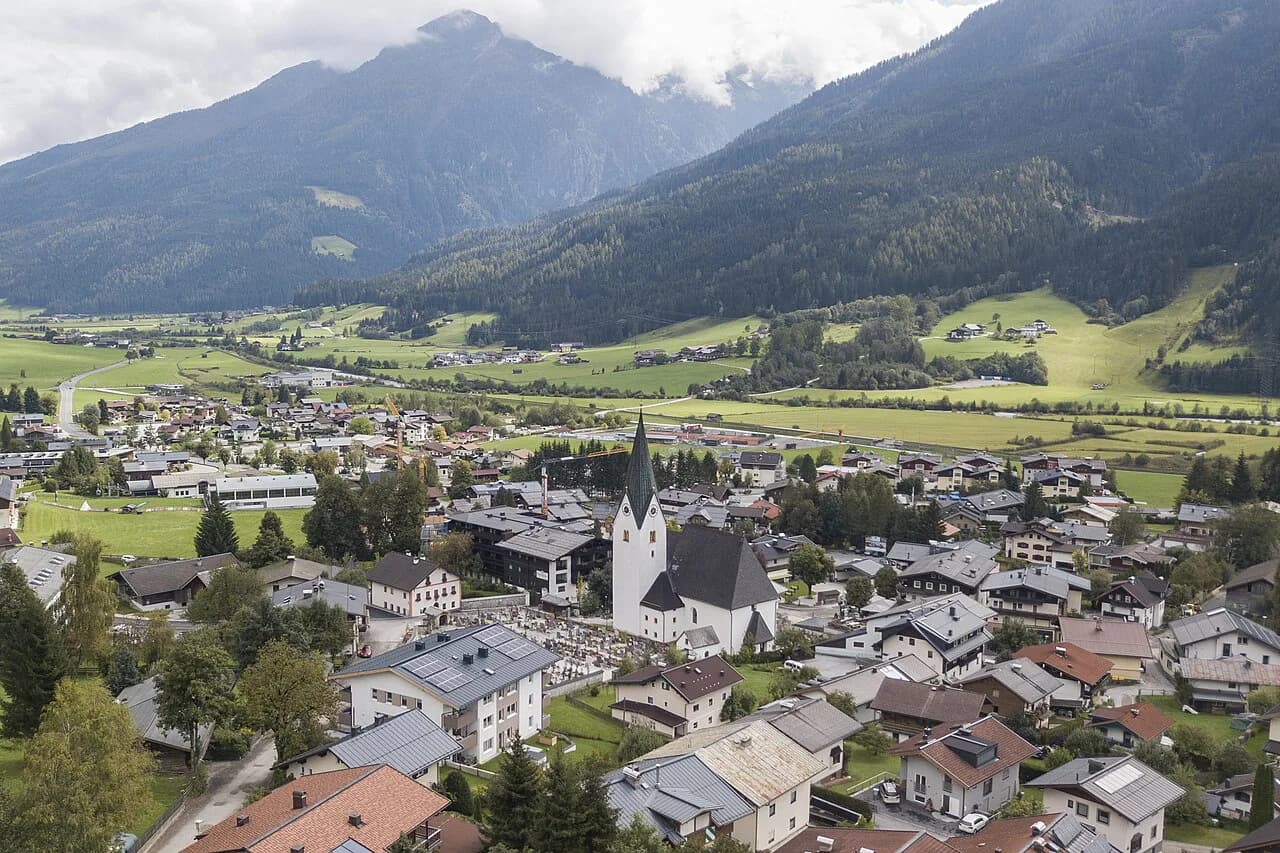
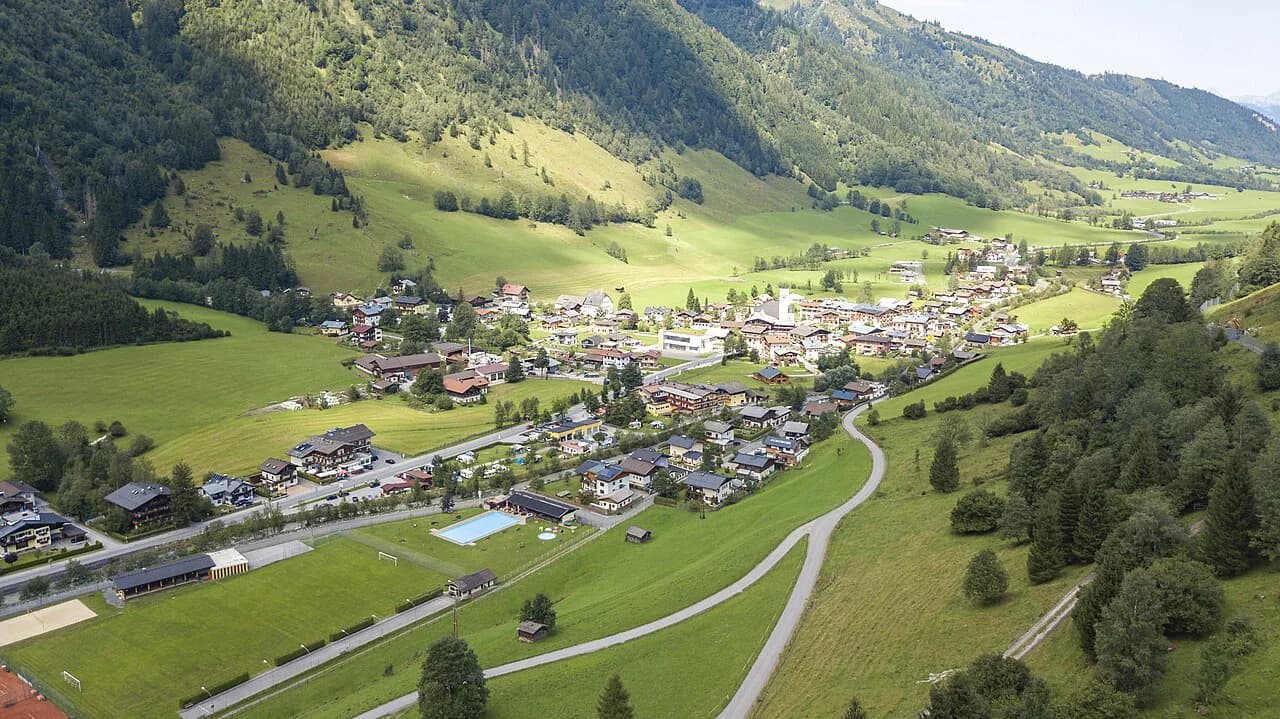
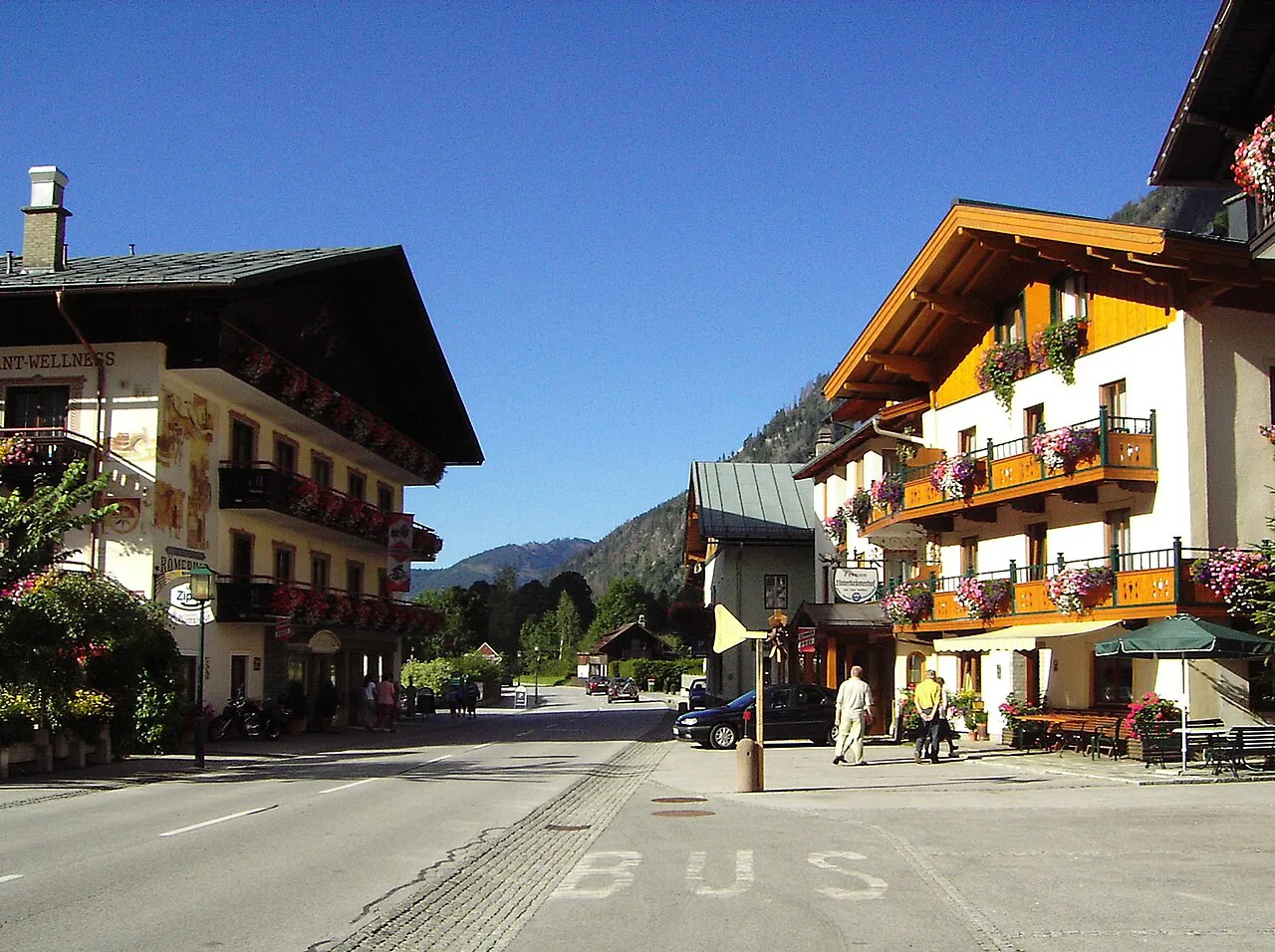
Fusch an der Grossglocknerstrasse is a municipality in the Pinzgau district of Salzburg, set where the valley floor meets the foothills of Austria's highest mountain. The tourism region pairs it with Bruck an der Glocknerstrasse, and together they market themselves as the area between the Grossglockner and the Zeller See. The village is compact: a road running through, a parish church, guesthouses, and the valley walls closing in as you head south.
That position makes Fusch a natural stop for anyone traveling the SalzburgerLand section of a longer Austria route. It is close enough to Zell am See for an evening there and far enough from the lake to feel like a mountain village. If you are building a loop through the region, treat Fusch as a waypoint on the road south rather than a destination that needs its own day.
The layout: Bruck an der Glocknerstrasse, Fusch, and the way to Ferleiten
The two villages sit in sequence on the same valley road. Bruck an der Glocknerstrasse is the larger of the pair and holds the rail station; Fusch is the smaller village further south; and beyond Fusch the road runs up the valley to the Ferleiten toll booth, where the paid Grossglockner Hochalpenstrasse begins. Drivers coming from Zell am See reach Bruck first, then Fusch, then the booth.
For orientation, the tourism association lists its Bruck office on Raiffeisenstrasse and its Fusch office at Zeller Fusch, so visitor questions about either village go through the same organization. Ferleiten is not a separate town but the toll station and the wildlife park at the foot of the climb. Knowing that the payable stretch starts at Ferleiten, not at Bruck, keeps the driving plan honest.
Driving the Grossglockner Hochalpenstrasse from Fusch
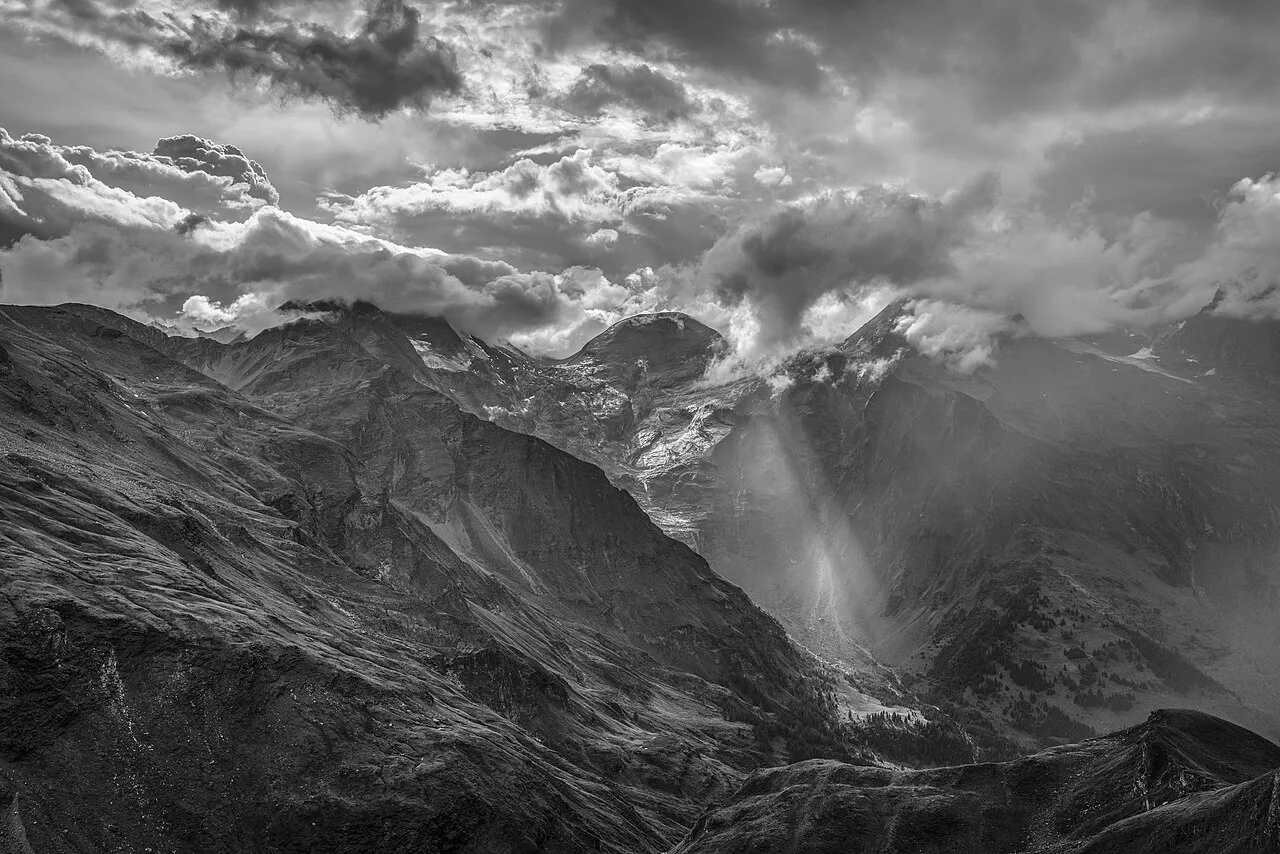
From the center of Bruck the road runs through Fusch to the Ferleiten toll booth, then climbs in more than 36 hairpin bends into the Hohe Tauern national park. The first major fork takes you either to the Fuscher Törl and on to the Edelweisspitze, the highest point of the road, or over the Hochtor pass toward the Kaiser-Franz-Josefs-Höhe at the foot of the Pasterze glacier. Plan the order before you set off, because the two branches make different loops.
The Kaiser-Franz-Josefs-Höhe end is the classic finish, with the Pasterze, the largest glacier in the eastern Alps, directly below the viewpoint and marmots often crossing the meadows. Interpretive panels and information points along the way explain the road's construction history, so the drive is not only a panorama but a slow read of how the pass was built. Budget your time accordingly rather than treating the climb as a quick out-and-back. If the glacier is the main reason for your trip, our Heiligenblut guide covers the viewpoints on the far side and what to expect there.
Weather at 2,500 meters is its own decision point. The road climbs into high alpine terrain where conditions can differ sharply from the valley floor at Fusch, so check the operator's webcams for the Edelweisspitze, Fuscher Törl and Kaiser-Franz-Josefs-Höhe before committing. A clear valley morning does not guarantee a clear summit.
Tolls and tickets in EUR, the season, and daily opening windows
The Grossglockner Hochalpenstrasse is a toll road with a season that runs from May to early November, and the daily opening window shifts by month for 2026. Through May the gates are open 6:00 to 20:00 with last entry at 19:15; from 1 June to 31 August, 5:30 to 21:00 with last entry at 20:15; and from 1 September, 6:00 to 19:30 with last entry at 18:45. Those last-entry times matter more than the closing time, because a late arrival at Ferleiten can end the day before it starts.
For 2026 a car day ticket costs 46.50 EUR and a motorcycle day ticket 36.50 EUR. Electric and hydrogen cars pay 40.00 EUR on the eco ticket, while fully electric motorcycles pay 32.50 EUR. A second day adds 17.50 EUR, a three-week ticket is 93.00 EUR for a car or 73.00 EUR for a motorcycle, and a season card is 130.00 EUR for either. The ticket decision usually comes down to day versus round trip. A round-trip ticket, which covers the full loop including the return over the Felbertauernstrasse, is 56.00 EUR by car and 46.00 EUR by motorcycle, sold at the booths of both roads. If you plan to return the same way within a day, the plain day ticket is enough; if you intend to continue south and come back around, the round-trip ticket is the cleaner buy.
What the day ticket includes beyond the drive
The day ticket covers far more than the road itself. Above the toll booth you get eight free exhibitions, film screenings on alpine ecology, the Passheiligtum at the Hochtor, a botanical circular trail, the Glocknerwiese nature display, the highest automobile exhibition in the world, and the Wilhelm-Swarovski observation station. The marmot film is the reliable stop for anyone traveling with children, and the exhibitions give the drive a structured rhythm instead of a single long viewpoint.
The practical implication is that a one-way dash up and back undersells the ticket. If you have the better part of a day, pick two or three exhibition stops plus the Kaiser-Franz-Josefs-Höhe viewpoint, and leave the rest for a second visit on the 17.50 EUR add-on day. If you have only a few hours, drive straight to the glacier viewpoint and skip the roadside displays.
A round trip by car via Heiligenblut, Grosskirchheim and Winklern
The full loop from Fusch runs south over the pass, then down through the market town of Heiligenblut with its pilgrimage church, on through Grosskirchheim to Winklern, and back north via Lienz and the Felbertauernstrasse to Mittersill. The tourism association puts the whole circuit at about 170 kilometers. That is a full driving day with stops, not an afternoon.
The loop suits travelers heading onward toward Mittersill, Austria and the western Pinzgau, since it delivers you back to the main valley road rather than retracing the pass. If your next stop lies north toward Saalfelden, Austria, the loop adds distance without saving anything, and a simple out-and-back over the Hochtor is the better call.
Doing the road without a car: the national park ranger bus
Drivers are not the only ones who can reach the pass. PRI Tours runs a Grossglockner bus tour with a national park ranger from Bruck, departing Tuesdays from 27 May to 30 September, with additional Thursday departures in July and August. For 2026 the adult fare is 45.00 EUR and the child fare is 27.00 EUR. Bookings must be made by 15:00 the day before departure, through PRI Tours in Bruck an der Glocknerstrasse.
For travelers arriving by train at Bruck-Fusch, this is the practical way to see the high road without a rental car. The fixed Tuesday schedule is the constraint: it forces your Fusch days onto a specific weekday, so build the itinerary around it rather than the other way around.
Wild- und Erlebnispark Ferleiten at the toll booth
At the Ferleiten toll booth, the Wild- und Erlebnispark Ferleiten keeps more than 200 animals from the Alps and beyond, which makes it the natural stop for families before the climb. It sits at the point where the paid road begins, so it fits either as a pre-climb break or as the plan for a day when the summit is clouded in.
Note that the wildlife park is its own attraction with its own admission, separate from the road ticket. Check the park's current prices and hours directly, since they are not part of the Grossglockner toll table.
How long Fusch needs and how it fits a Pinzgau route
Fusch itself is a short stop: the compact village center and its parish church take little time, and the road above is the main event. The Grossglockner drive is the reason most travelers are here, and it deserves half a day at minimum, or a full day if you take the 170-kilometer loop.
Fusch fits neatly into a route that pairs the lake towns with the high mountains. Zell am See and Kaprun are close by road, making Fusch a good place to sleep before an early start up the pass. Travelers continuing west can link the valley with Neukirchen am Grossvenediger and the national park villages beyond.
If you are arriving by train, the Bruck-Fusch station sits about five kilometers from Fusch, with bus connections from the station into the villages. Confirm the current timetable before you finalize which village to base in.
What the weather and snow season mean for planning
The road's operating season ends in early November, and winter snow closes the high pass until the following May. That leaves a driving window of roughly six months, so a trip planned for late autumn or winter should not assume the road is open. Outside that season, Fusch remains a valley base, but the summit drive is off the table.
In summer, the main risk is not snow but afternoon cloud and storms on the high passes. A morning start from Fusch gives the best odds of clear views at the Kaiser-Franz-Josefs-Höhe, and building in a flexible day lets you shift the drive if the forecast turns.
Should the Grossglockner road be your reason to stop in Fusch?
Yes, if you have a car or can catch the Tuesday ranger bus and the season is open. The village itself is a modest stop; the pass road is the draw, and the tolls reward committing to either a focused day ticket for a car or the round trip if you plan the southern loop.
If the road is closed or the weather is poor, Fusch works as an overnight between Zell am See and the national park rather than a destination. Save the high drive for a clear morning and use the rest of the day for the lake or the valley.
Explore more Zell am See guides
Frequently Asked Questions
Where does the Grossglockner Hochalpenstrasse start?
The tolled stretch begins at the Ferleiten toll booth above Fusch an der Grossglocknerstrasse. Below that, the road runs through Bruck and Fusch as an ordinary valley road.
Can you drive the Grossglockner road in an electric car?
Yes. The operator lists a reduced eco ticket for fully electric and hydrogen cars, and a further reduced rate for fully electric motorcycles, compared with the standard car and motorcycle day tickets.
Sources
Notes for your next Austrian town break
Optional updates when we add or revise town guides.
You might also like
Continue reading
More guides you'll find useful