Zell am See, Austria: What to See in the Lakeside Town and Around It
Plan a visit to Zell am See with the old town on foot, boat trips on Lake Zell, the Schmittenhöhe cable car from town, and Kaprun's gorge and castle up the valley.
On this page
Zell am See works best as a two-part town: a compact old center you can walk in a morning and a lakeshore that deserves the rest of the day. The Schmittenhöhe cable car gives you a summit view without a car, so you can pair the Vogtturm and the parish church with the mountain, while Kaprun's gorge, castle and high reservoirs sit a short ride up the valley. This guide lays out the old town on foot, the lake, the mountain trips and how the town fits a route through SalzburgerLand.
How the town and lake fit together
Zell am See is the district capital of the Pinzgau, set on the western shore of Lake Zell (Zeller See) at the foot of the Schmittenhöhe. The old center sits a few blocks back from the water, which means you can cover the Vogtturm, Rosenberg Castle and the Parish Church of St. Hippolytus on foot and then walk down to the promenade for the afternoon. Plan the walking loop first and the water or the mountain second, so you never backtrack through the same streets twice.
The town is small enough that the center and the shore are minutes apart, and a boat dock and the cable car up the Schmittenhöhe are within walking distance. That layout is what makes a half day in town and a half day on the water or the mountain realistic rather than rushed. Base yourself near the center and you can leave the car parked for the whole stay.
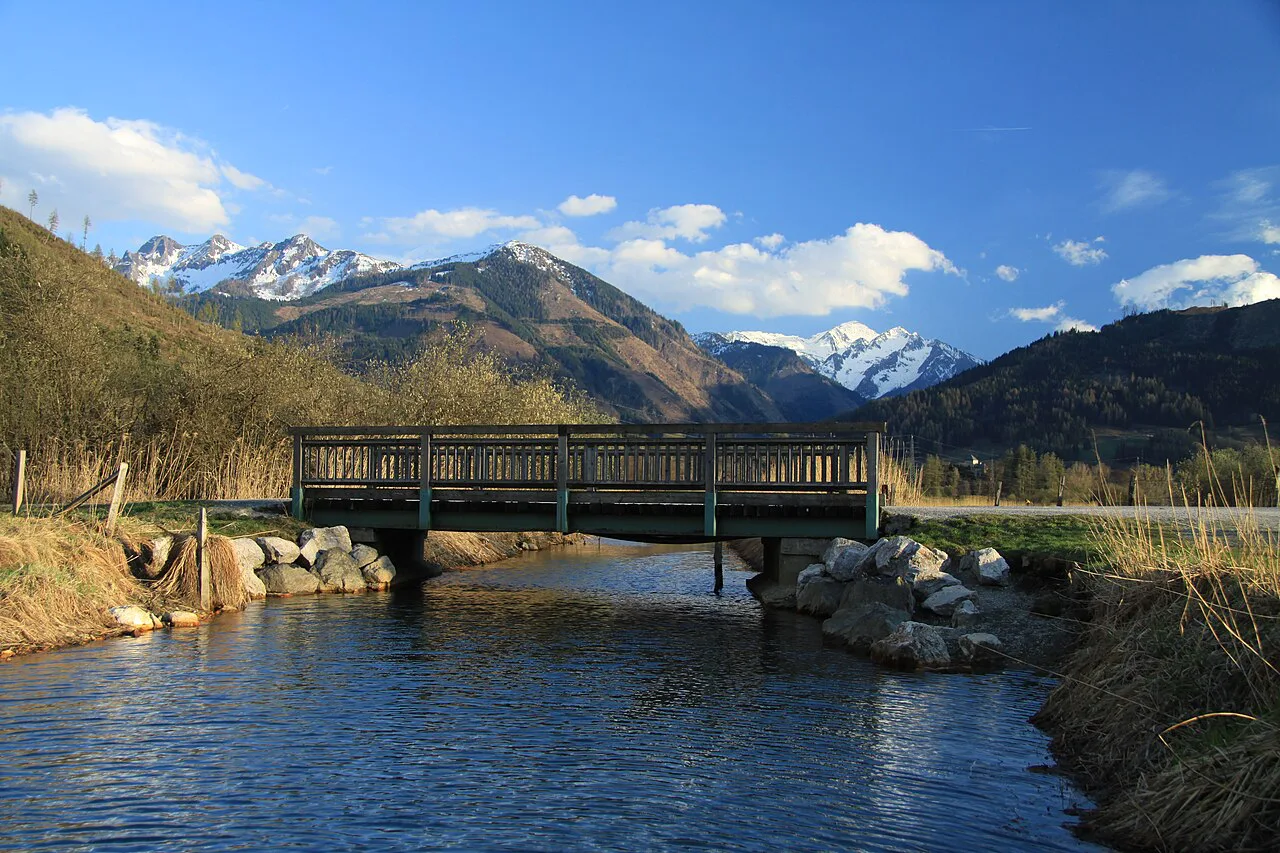
The old town on foot: Vogtturm, Rosenberg Castle and St. Hippolytus
The Vogtturm, at 23.5 meters, is one of the oldest buildings in Zell am See and now holds the town's local history museum. Its published hours are 2:00 p.m. to 6:00 p.m., closed Mondays and Tuesdays, which makes it the natural late-afternoon or rainy-day stop rather than a morning one; confirm the current hours with the museum before you build a day around it. From the top of the tower you get views across the town in two directions.
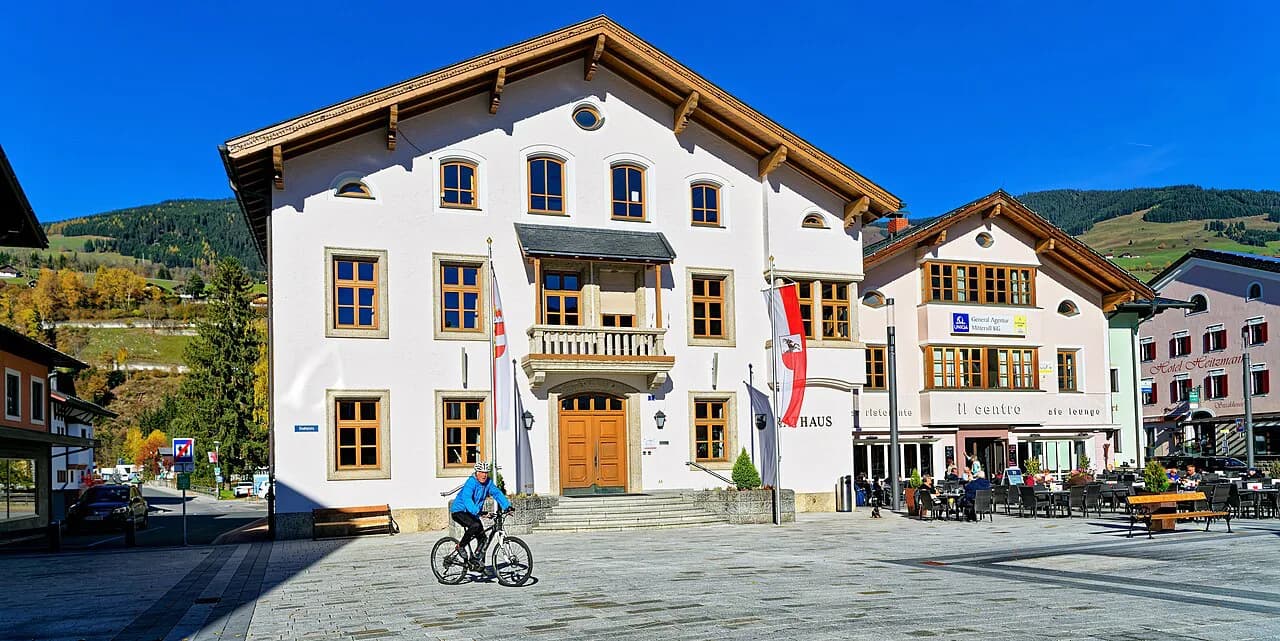
Rosenberg Castle in the center has served as the town hall since the municipality bought it in 1970, and the mayor's office sits there today. You come for the exterior and the setting rather than a museum interior, so treat it as a five-minute pause on the way to the church. Wedding couples increasingly choose it as a ceremony venue, so parts of it may be in use for events rather than open to wander.
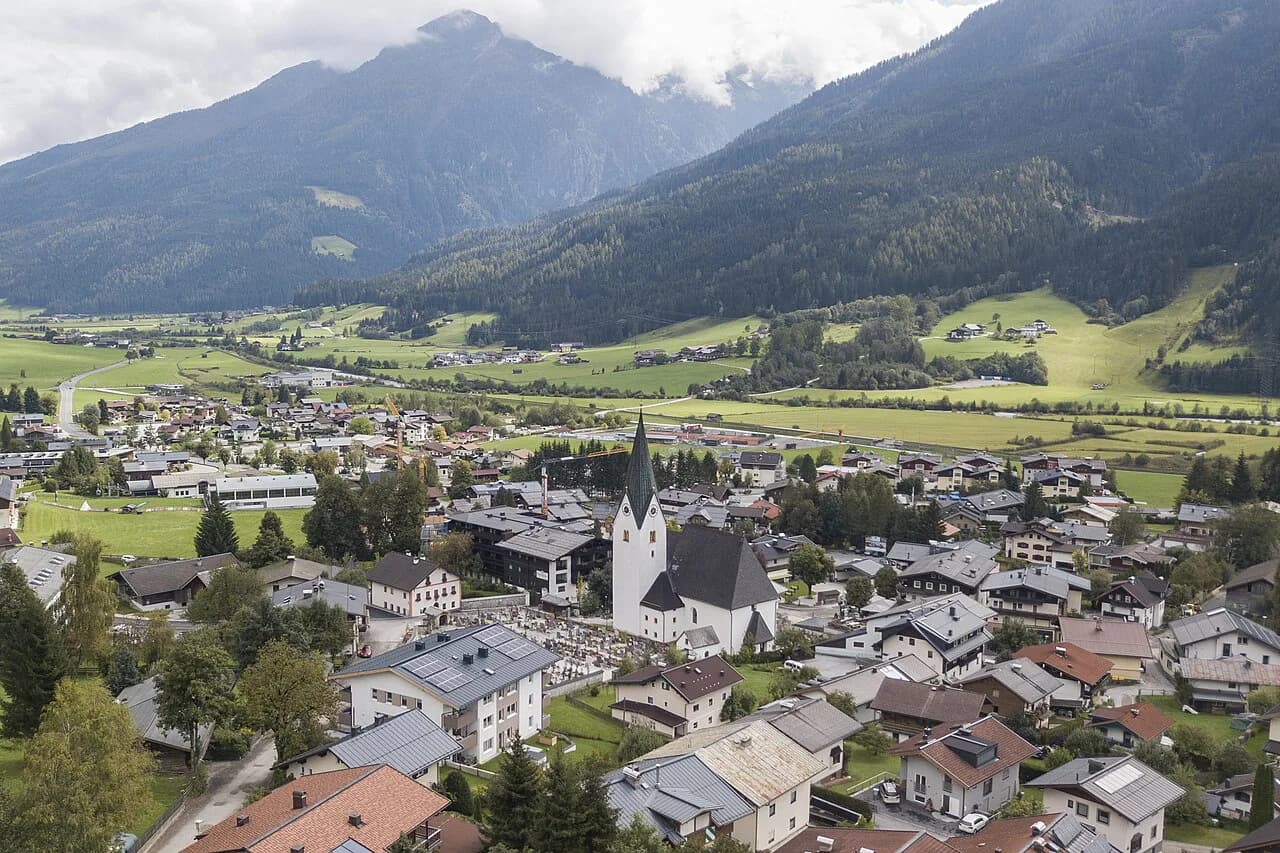
The Parish Church of St. Hippolytus, also in the center, is well preserved and worth a look for its wall paintings, large organ and vivid altar. It is a working parish church, so step in briefly and leave time for the walk to the lake. Together with the Vogtturm and Rosenberg Castle, it makes a tight one-hour loop through the old streets.
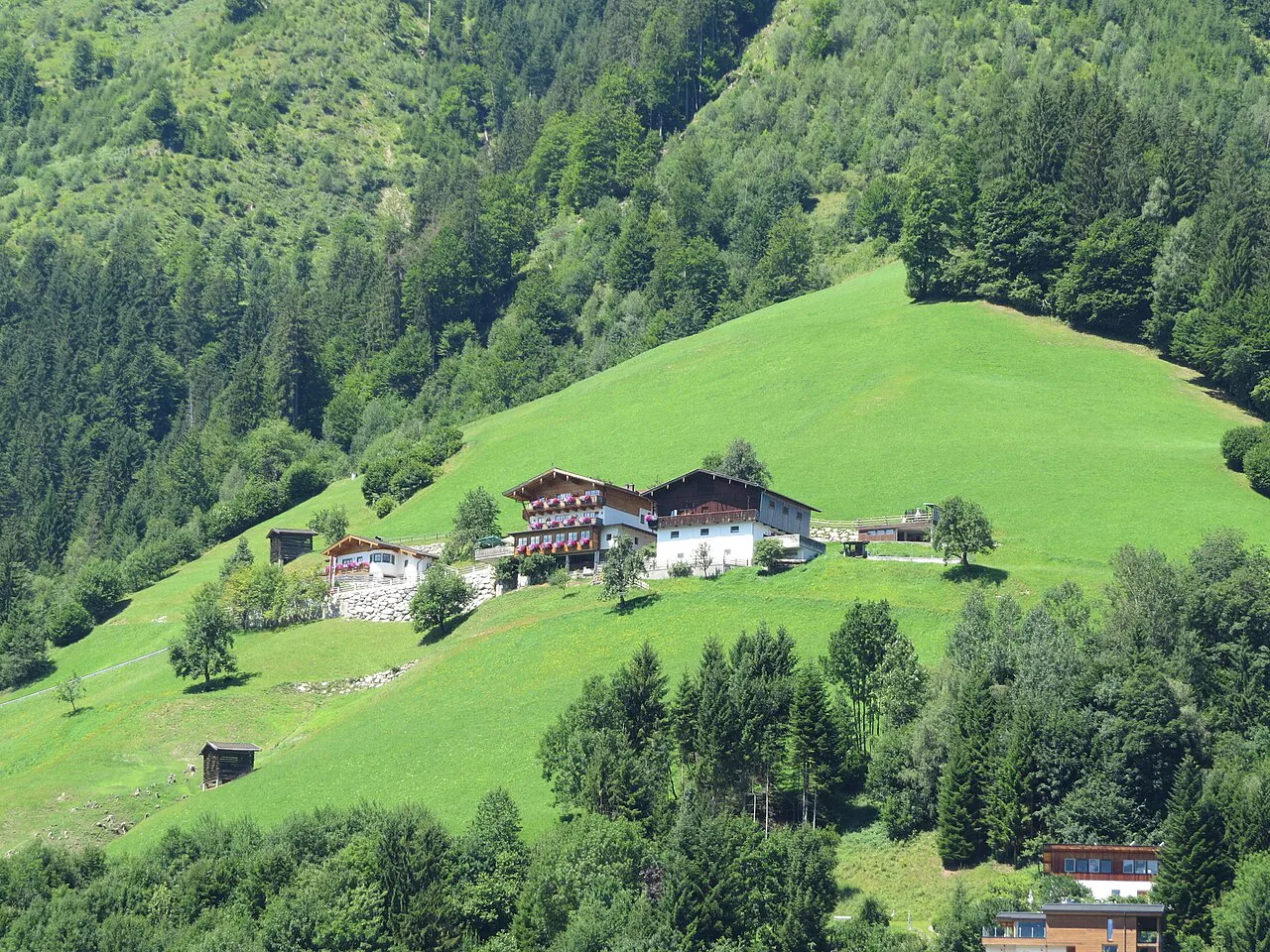
The lake: promenade, swimming and boats on Lake Zell
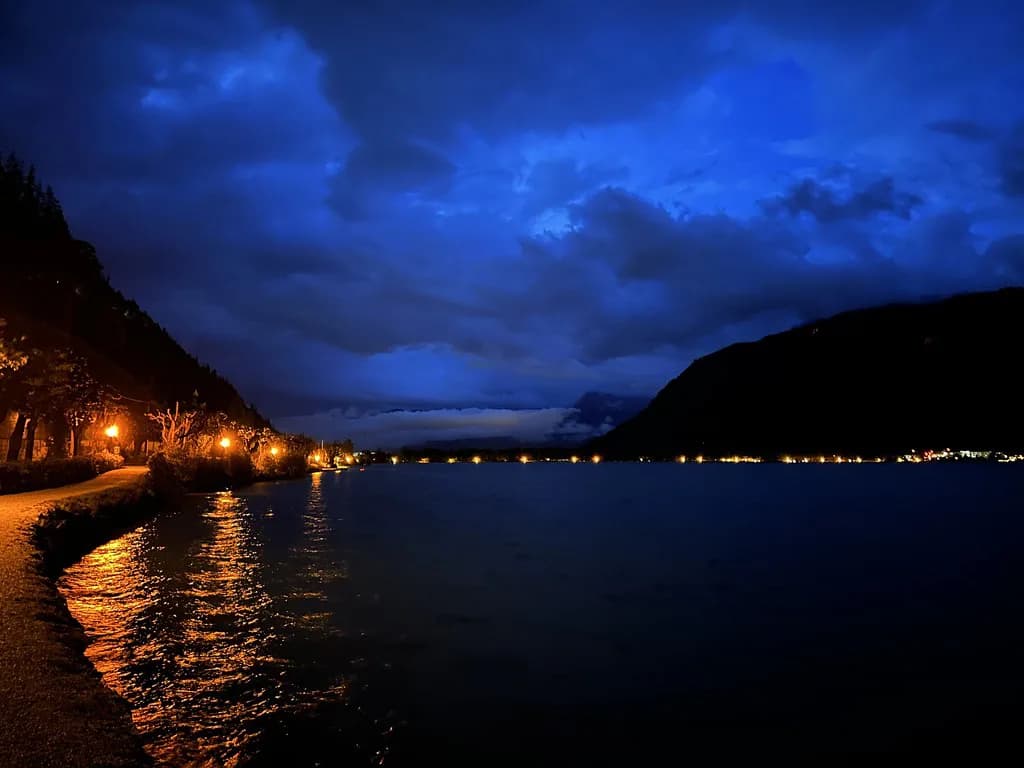
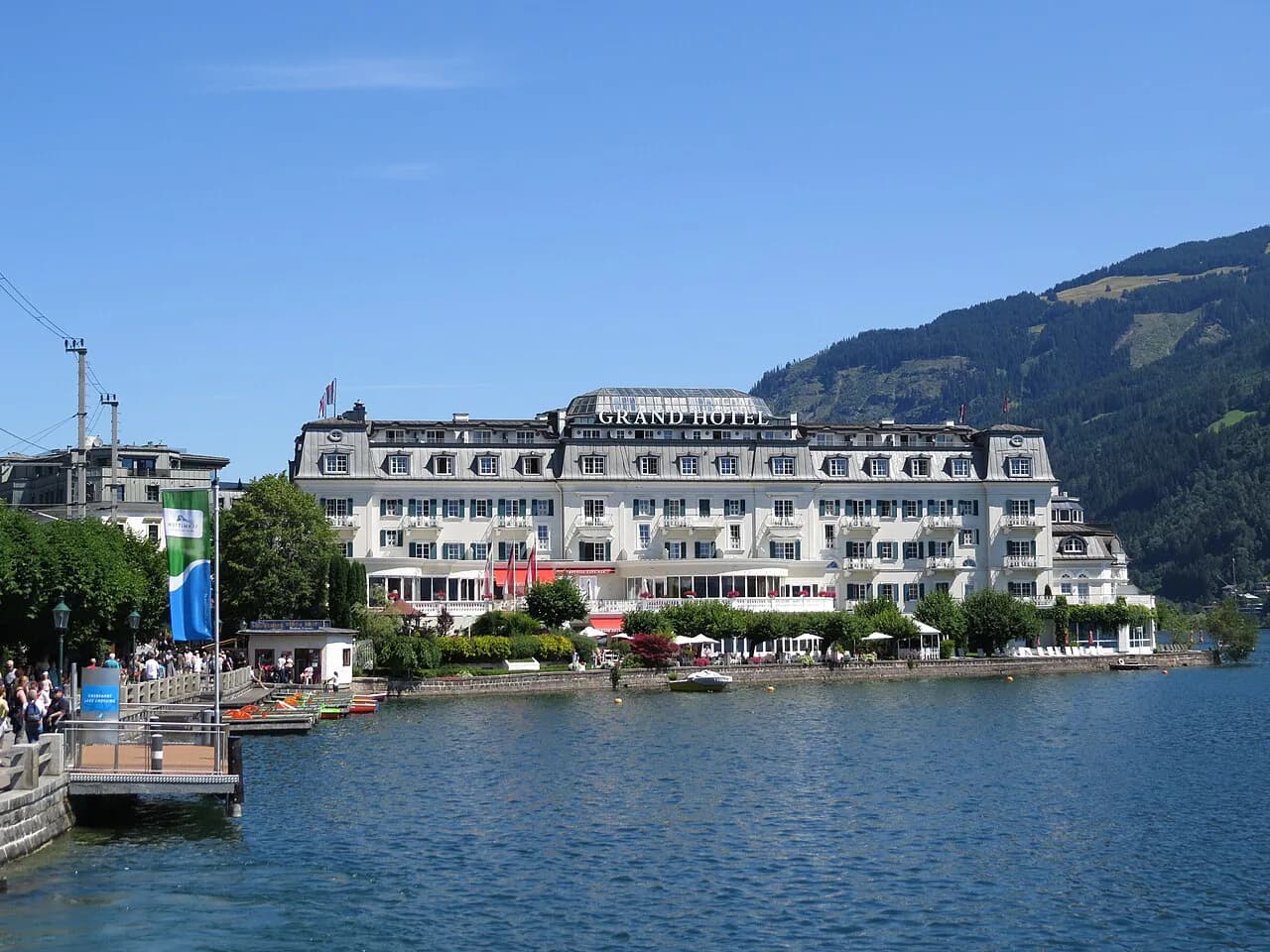
Lake Zell's bright blue water is the reason most people come, and the town side has a promenade, beaches and boat docks within walking distance of the center. A boat trip lets you see Zell am See from the water, with the Kitzsteinhorn and the beach resorts in view. Sailings are seasonal, so check the day's timetable at the dock before you build the afternoon around a boat.
Swimming, sailing, windsurfing and kayaking all happen on the lake in the warmer months, and the beaches on the Zell side are the easiest to reach on foot. In the evening, Elisabethpark hosts a light show combining lasers, illuminated water features and music. Give it a look if you are in town after dark, but keep your daytime plans flexible in case the show's schedule doesn't line up with your stay.
The Schmittenhöhe: cable car from town to the summit
The cable car up the Schmittenhöhe climbs from Zell am See to a 1,967-meter summit with one of the best views in the Kitzbühel Alps, taking in the Grossglockner and Tauern ranges to the south and west. Four more cable-car lines run up the mountain and serve summer walkers as well as winter skiers. Ride up, walk the ridge, and come down on a later car rather than rushing the summit.
At the top, the Sisi circular route is a 2-kilometer path and the shortest trail on the mountain, passing the Sisi Chapel named for Empress Elisabeth, who visited it more than 120 years ago. Families with children aged six and over can take the Areitbahn to Schmidolin's Baptism of Fire, an adventure trail with 15 stations where kids collect colored flints in an adventure passport. Both routes are short, so you can fit one into a half day on the mountain.
Kaprun up the valley: Sigmund Thun Gorge and Kaprun Castle
Kaprun sits a short ride up the valley from Zell am See, and its two valley-level sights are easy to combine. The Sigmund Thun Gorge, cut by the Kapruner Ache more than 30 meters deep and 320 meters long, has wooden walkways and bridges along the water. It is most dramatic in spring, when snowmelt swells the flow, so plan it for a spring visit if you can.
Kaprun Castle, a 12th-century fortress, hosts a medieval festival each July, which is a good reason to check the calendar before you go if you want that atmosphere. Otherwise the castle and the gorge together fill a relaxed morning before you head back to Zell am See for the afternoon. Kaprun also has its own high alpine reservoirs and access to the Kitzsteinhorn, so leave those for a separate block of time.
Summit World 3000 and the Kaprun high alpine reservoirs
The Kitzsteinhorn trip reaches Summit World 3000 above 3,000 meters on the edge of the Hohe Tauern National Park, where clear weather reveals the Grossglockner and the high alpine flora and fauna. On a wet or cloudy day the highest cinema in Austria shows a film about the surrounding nature, so the trip isn't wasted when the summit is socked in. Build this in as a full block rather than slotting it between two town sights.
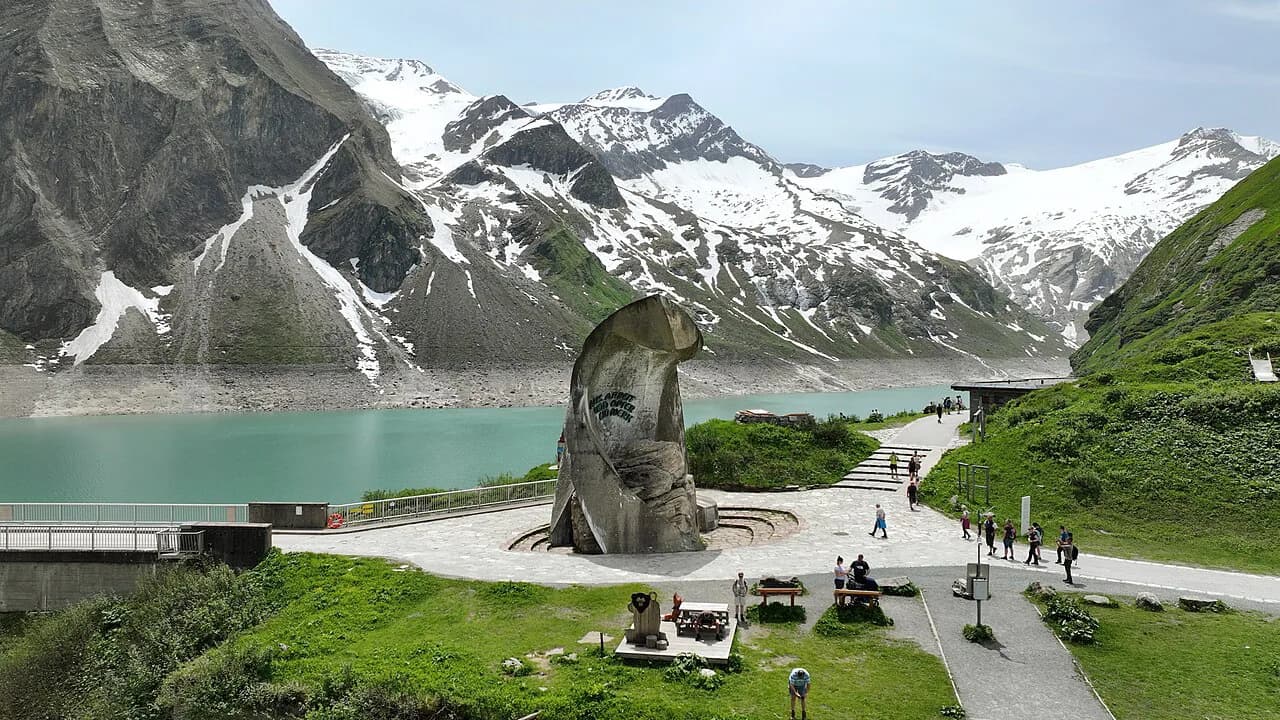
The Kaprun high alpine reservoirs are a separate destination reached by their own road and lift network, and they fit best as a dedicated half day. The decision between the Schmittenhöhe and Summit World 3000 comes down to altitude and time: the Schmittenhöhe is a cable car from town with a view that already takes in the Grossglockner, while the Kitzsteinhorn adds a glacier-level experience that needs more of the day. With one clear day, ride up from town and use the saved time on the lake.
Getting to Zell am See and around
Regular trains connect Zell am See with Salzburg and Innsbruck, and the train is generally the easier option than buses because it usually needs fewer connections. For the valley between Zell am See and Kaprun, buses fill the gaps, and the Summer Card (see below) can cover local transport. If you drive in, note that the Grossglockner road and other high passes close seasonally, so check conditions before routing that way.
For onward trips through the Pinzgau, the valley stretches toward Mittersill, the Krimml Waterfalls and the Grossglockner road at Fusch, all of which reward a night en route rather than a rushed there-and-back. The Krimml Waterfalls and the national park are among the reasons travelers tack an extra day onto a Zell stay. Pick one direction, up the Salzach toward Mittersill or over toward Kaprun, rather than trying to do both on the same day. If you are weighing several falls in the country, our guide to the waterfalls in Austria compares what each visit takes so you can pick the right one for your route.
The Zell am See-Kaprun Summer Card: when it pays off
The Summer Card runs from mid-May to mid-October and covers free or discounted access to pools, beaches, cable cars, buses and many sites across the region. It comes with many accommodations in the area, including hundreds of lodgings that offer it, so ask whether your booking includes one before you buy passes for each ride. If your stay includes a card, base your days on what it covers; if it doesn't, price the individual cable cars and boats before deciding.
The Schmittenhöhe and Summit World 3000 rides, a boat trip on the Zeller See and local buses are the sort of things the card is designed to bundle, which means a two- or three-day stay with a card can replace a build-your-own pass. Weekends in town are still worth checking, since the card is only as useful as the lifts and boats running on the days you're there. Read up on Zell am See in Summer for seasonal context on the card.
How Zell am See fits a route through Austria
Zell am See sits on a natural west-east line between Salzburg and the Tyrol, and its compact layout makes it a comfortable two-night stop rather than a quick photo halt. Use it as a base for Kaprun and the Kitzsteinhorn, and shift a night up the valley toward Mittersill if you're heading toward Krimml. From the south, the Grossglockner road ends at Fusch just up the valley, so you can arrive from the high pass and land in Zell am See for the evening.
Honest trade-offs: the town fills up at midday in high season, so take the promenade early and save the old streets for late afternoon when day-trippers have thinned out. Summit days depend on weather, and a fogged-in Kitzsteinhorn turns into a cinema visit, so leave the mountain for a clear forecast. The Vogtturm museum's Monday and Tuesday closures will reshape a rainy day, so check its hours before planning the indoor half of the day. If you are weighing another Salzkammergut stop on the same trip, the Bad Ischl attractions guide covers the same question of planning days around opening hours.
Where to eat and what Austrian dishes to look for in town
Zell am See is a small town, and its restaurants and cafés are concentrated in the center and along the lakeside, where some have views of the water. Menus and opening hours change with the season, so ask at your lodging for the current line-up of places to eat rather than relying on an outdated list.
Which Zell am See day fits your schedule?
With one clear day, start with the old town loop, take the Schmittenhöhe cable car for a summit view, and drift down to the lake for a boat trip or the promenade later in the day. With two or three days, add Kaprun's gorge and castle, then commit a half day to the Kitzsteinhorn or the high reservoirs. The Summer Card is the variable that can change the math, so confirm whether your accommodation includes one before you buy any individual tickets.
Explore more Zell am See guides
Frequently Asked Questions
What does the name "Zell am See" mean?
The name literally means "cell (or small settlement) by the lake." It refers to the town's position on the western shore of Lake Zell, the water body that defines the place. You'll see the name written out on road signs and station boards around the Pinzgau.
Is the Vogtturm museum open on Mondays?
The published hours are 2:00 p.m. to 6:00 p.m., with the museum closed on Mondays and Tuesdays, so plan the tower for a weekday afternoon or a Sunday rather than a Monday. Confirm the current hours before you go, since they can change by season.
Sources
Notes for your next Austrian town break
Optional updates when we add or revise town guides.
You might also like
Continue reading
More guides you'll find useful