Kaprun, Austria: Glacier Views, Gorge and Castle Town Guide
Kaprun pairs a small village center with the Kitzsteinhorn glacier, the Sigmund Thun Gorge and Kaprun Castle. Here is how the town is laid out and how to see it.
On this page
Kaprun is best treated as two halves: the village core with its castle, and the mountain world above it, where the Kitzsteinhorn lifts reach a viewing platform at 3,029 meters year-round. The village sits in the Zell am See district of SalzburgerLand, next to Zell am See, Austria, on the same lake-and-mountain circuit. This guide covers the layout, the glacier and reservoir excursions, the gorge and castle, transport, costs and the seasonal limits that decide what is open on your dates.
Where Kaprun sits, and how it relates to Zell am See
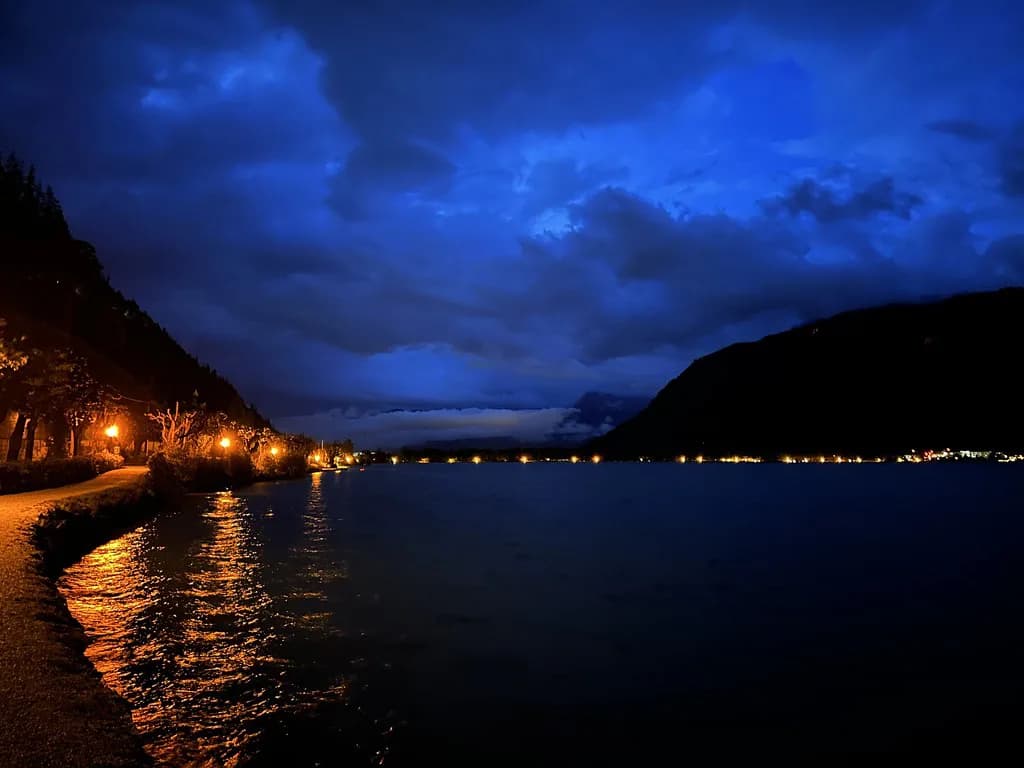
Kaprun is a municipality in the Zell am See district of Salzburg province, and it is marketed together with Zell am See at the western end of Lake Zell as a single destination, Zell am See-Kaprun, with one events calendar and one set of mountain facilities. Travelers based on the lake shore can reach Kaprun's village and its valley stations without relocating.
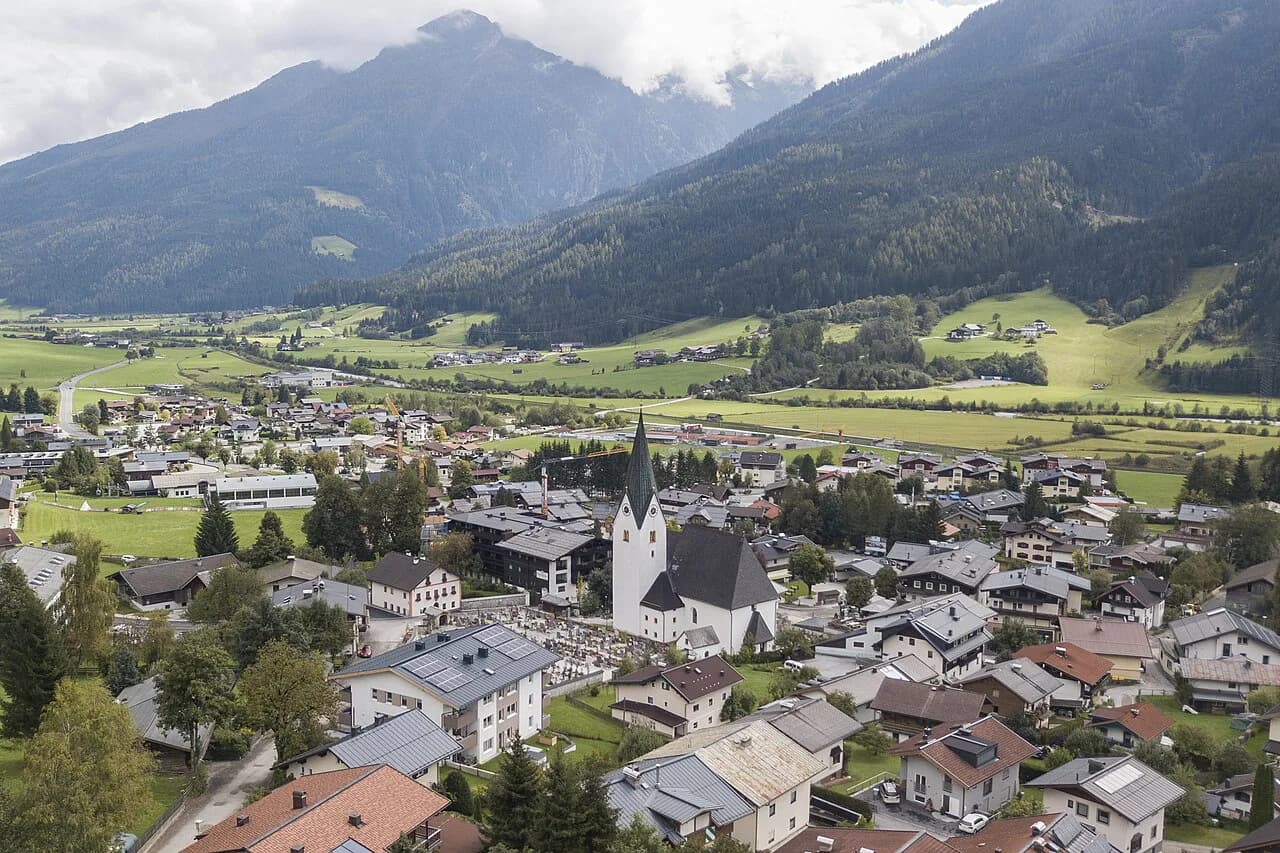
The setting explains the town's shape: a valley floor with the village strung along it, the Kitzsteinhorn and Maiskogel slopes rising on one side, and the Hohe Tauern National Park listed by the region among the area's attractions. Because the valley is short, almost everything a visitor wants in Kaprun is either in the village center or at the end of a bus or lift ride. Plan the village and the mountain as two separate blocks rather than trying to weave them together. For an overview of the wider summer region, see Zell am See in Summer.
How the village is laid out
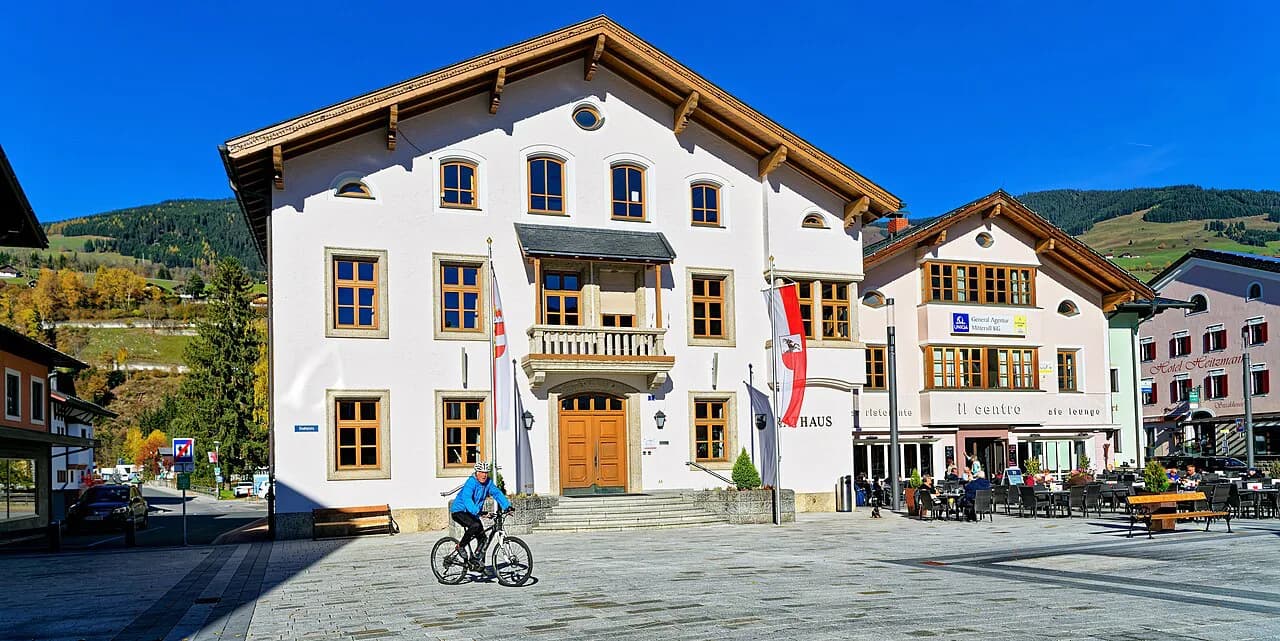
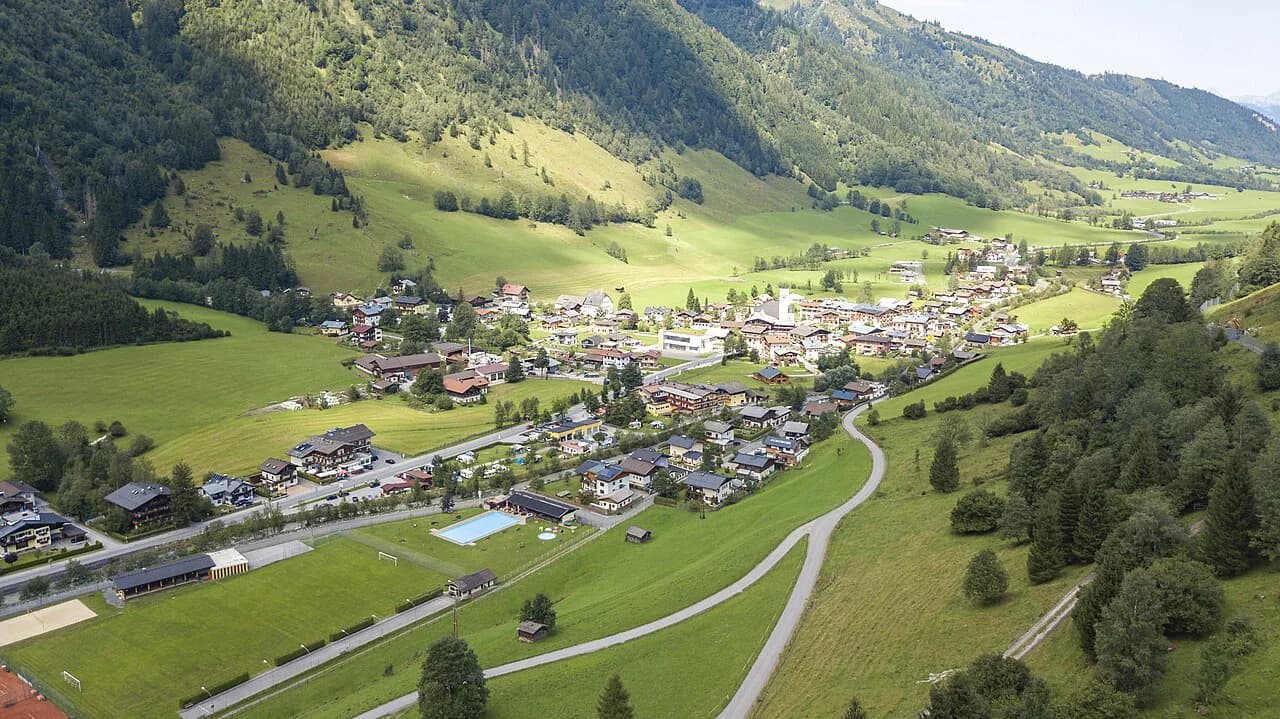
Kaprun's center is compact: a village core with the castle listed by the region among the village attractions. The regional attraction list groups Kaprun Castle, the lidos and the museums together under Kaprun's sights, so you can base a village half day on that list without long transfers. Allow a relaxed half day for the village itself, more if you stop for lunch.
The settlement also spreads toward the Kitzsteinhorn base station and the reservoir road, which is why the village half and the mountain half feel like two different places. If you are staying in Zell am See, the region publishes its local mobility and Guest Mobility Ticket details, including how guests move between the lake town and Kaprun, on its own site.
Kitzsteinhorn: the Top of Salzburg platforms in summer
The Kitzsteinhorn is Kaprun's headline sight and it runs year-round: the lift company describes year-round alpine sightseeing at 3,000 meters and markets the summit experience as Top of Salzburg at 3,029 meters, with viewing platforms and panoramic views across SalzburgerLand. In summer the lifts carry sightseers, and the region lists Gipfelwelt 3000 among its summer attractions. Budget a good part of a day for the round trip once you add the ride up, the time on the platforms and the descent.
Altitude is the trade-off. At this height the weather changes faster and clouds can swallow the view while the valley below is sunny, so a flexible day that can be swapped with the village or the gorge is smarter than a fixed booking. The lift company publishes its operating hours, live lift status and webcams, and checking those on the morning of your visit is the single most useful step before buying a ticket.
Tickets are priced by season and by type, and the lift company sells them through its own ticket shop. Rates change, so confirm the current sightseeing fare and any family or multi-day option on the Kitzsteinhorn site rather than relying on last season's figure, and check the opening times there for planning the last descent.
The Kaprun high mountain reservoirs and the Grossglockner road
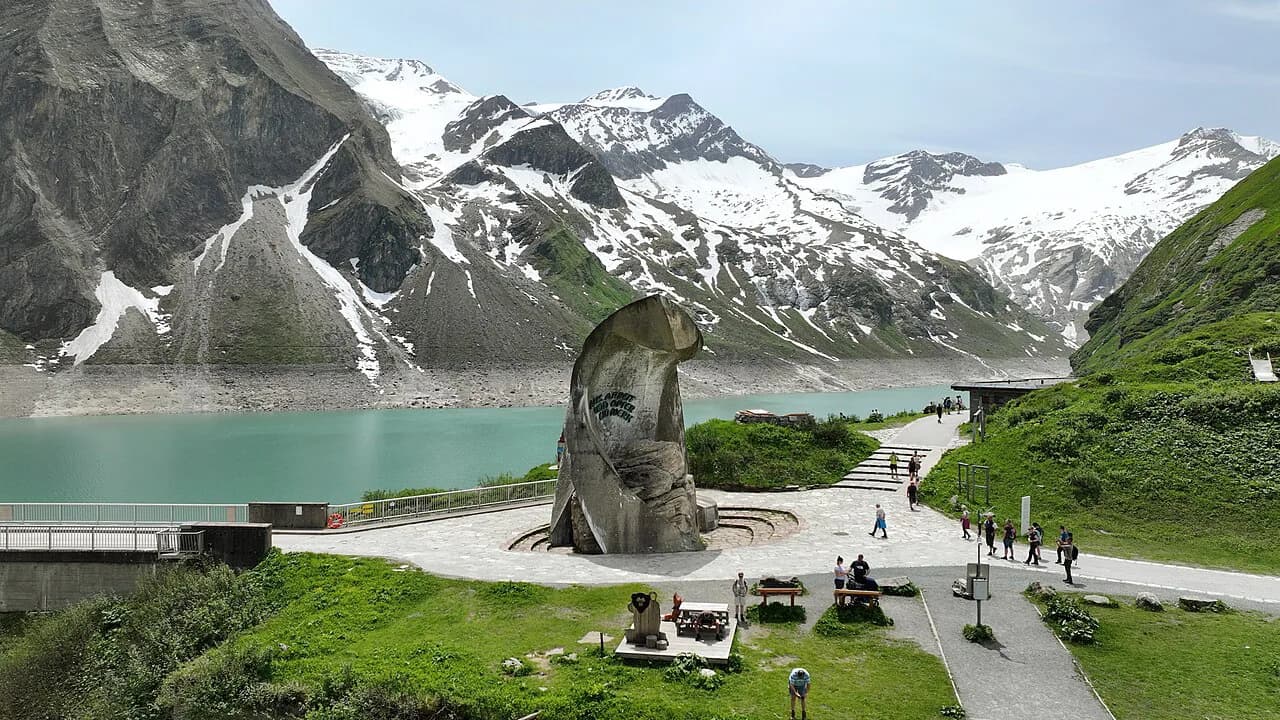
Above Kaprun, the high mountain reservoirs are a separate excursion from the glacier and appear on the region's attraction list with the Grossglockner High Alpine Road and the Hohe Tauern National Park. Access to the reservoirs follows a seasonal calendar rather than running continuously, and the region publishes the current opening status of its attractions in one place. Check that status page before committing a day, and see the Schmittenhöhe guide if you want a lower-altitude alternative above Zell am See.
The Grossglockner High Alpine Road is a bigger, half-day or full-day drive from Kaprun, and it is a toll road with a defined operating season. Travelers continuing south toward Carinthia can link it with Fusch an der Grossglocknerstrasse at the northern end of the route rather than doubling back. Treat both the reservoirs and the alpine road as weather-dependent: snow can close the high road even in the warm months, so verify the day's status before setting out.
Sigmund Thun Gorge: the short walk through the gorge
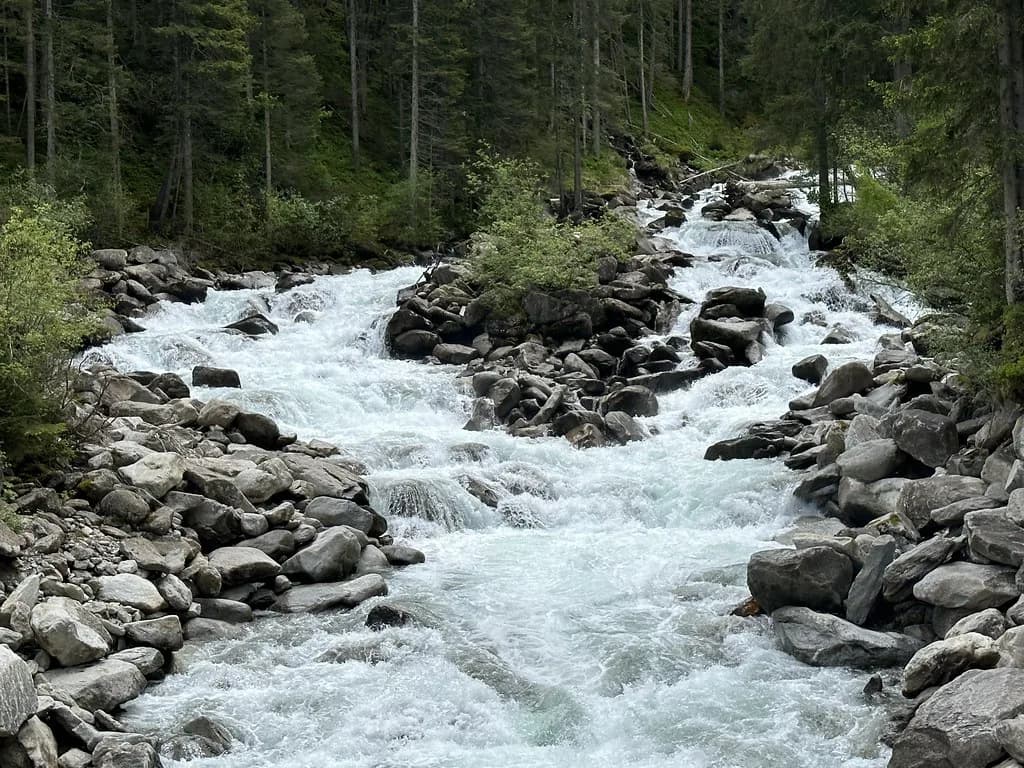
The Sigmund Thun Gorge is Kaprun's walkable set piece: a narrow, wooden catwalk route along a rushing stream just outside the village, and it is short enough to slot into a morning or an afternoon rather than a whole day. It pairs naturally with the village walk, and the gorge appears in the regional attraction listings alongside the castle and the lidos. The gorge is a seasonal facility, so check its opening status on the region's current opening page before walking out to the entrance.
Two practical points decide whether the gorge works for you: the catwalk is exposed to spray and can be slippery, and it closes outside its operating season. Walking shoes with grip are a better choice than sandals, and a light rain layer is worth carrying even on a bright valley day. If the gorge is shut, the castle and village loop fill the same half day without any transport.
Kaprun Castle and the other village sights
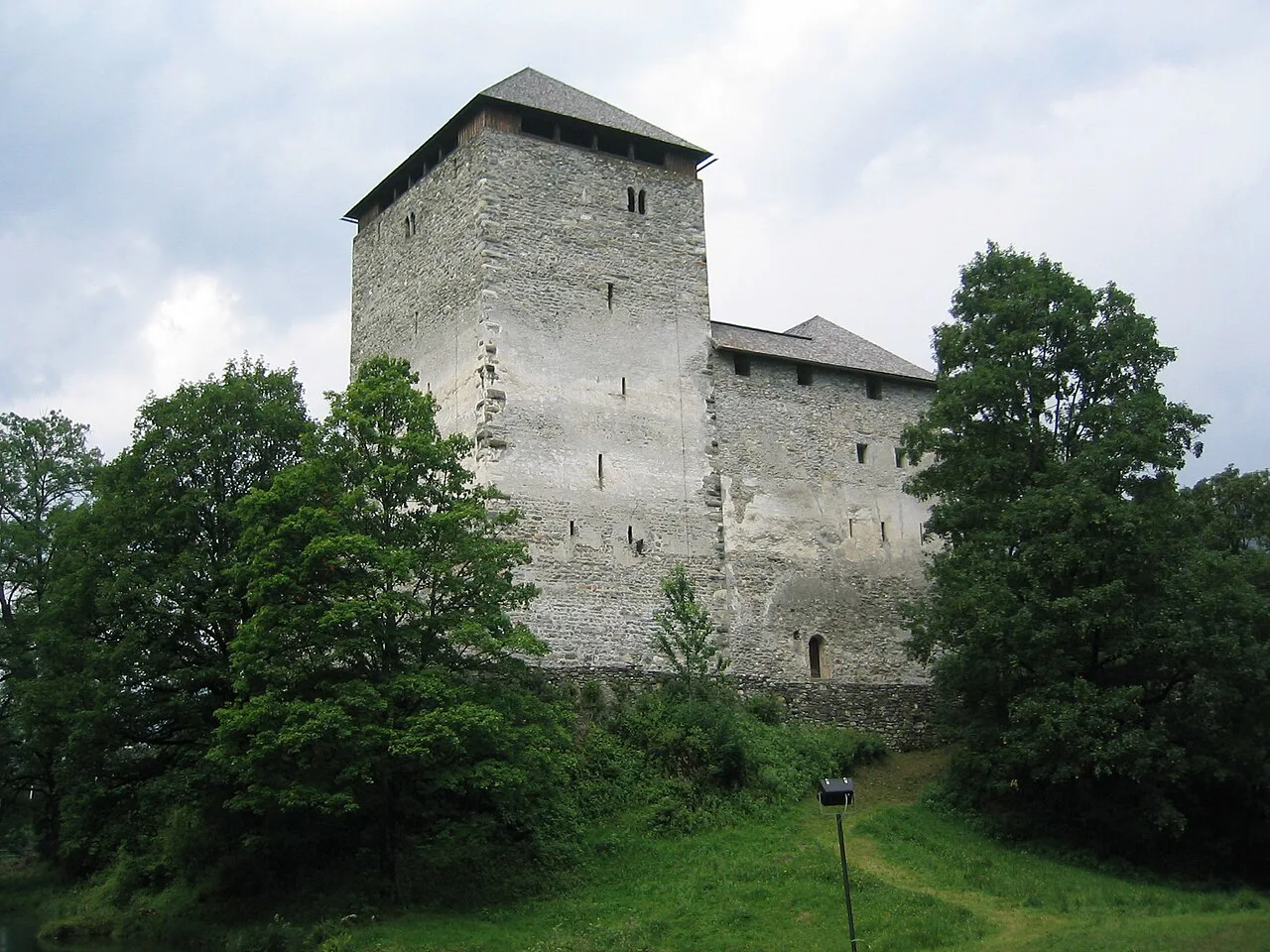
Kaprun Castle is a small medieval castle on a rise above the village, listed by the region among Kaprun's sights and attractions. It is not a palace-scale visit: it belongs at the end of a village stroll, not as a stand-alone destination, and it pairs naturally with the parish church and the main street. Set aside an hour or so for the castle and its surroundings.
Beyond the castle, the region's attraction list for Kaprun includes the museums and the lidos, which gives you a rainy-day or rest-day option without leaving the valley. The lidos are outdoor facilities tied to the summer season, so their opening dates follow the regional current opening status rather than a year-round schedule. Pick one or two of these rather than trying to tick every listed sight.
Getting there and getting around without a car
Kaprun has no main-line rail station of its own; the practical railhead is Zell am See, and the region publishes direct train services and arrival information for the Zell am See-Kaprun area. From there, local buses and regional guest mobility link the lake town with Kaprun and its valley stations. Because timetables shift by season, confirm the current connection on the regional arrival and mobility pages instead of assuming a fixed interval.
The Guest Mobility Ticket is the region's own scheme for moving between Kaprun and Zell am See without a car, and it is described on the regional site together with the local mobility pages and e-charging points for drivers. The regional tourism body also sells experience and ski tickets through its own online shop, which is a separate purchase from transport. Eligibility is tied to where you stay, so check the guest card conditions on the regional site.
By car, Kaprun is reached through the Pinzgau road network from the Salzburg side, with parking at the village and at the Kitzsteinhorn base station; the lift company publishes directions and parking guidance on its site. The valley road continues up toward the reservoirs and is subject to seasonal access rules. Drivers heading onward toward the Grossglockner should check the alpine road's opening before relying on that route.
How long Kaprun needs and how it fits a route
A single day covers either the village half or the mountain half well, not both; two days let you give the village and the mountain a day each, and Kaprun slots into a Zell am See-Kaprun stay where Zell am See and Lake Zell supply the water side.
On a wider Austria route, Kaprun slots into a SalzburgerLand loop with Zell am See as the transport hub, using the Grossglockner road as the southern exit toward Carinthia. The nearby Schmittenhöhe above Zell am See is a lower-altitude alternative when the glacier is in cloud. Train travelers should build the plan around Zell am See connections rather than trying to reach Kaprun directly by rail.
What things cost, and where to check the current figures
The main variable cost in Kaprun is the Kitzsteinhorn lift ticket, which is priced by season and product type on the lift company's own site. Village sights such as the castle and the gorge carry their own admission charges, and the region's attraction pages together with the castle's and gorge's own operators are the place to confirm them. Because these rates change between seasons, price your day from those pages shortly before you travel rather than from an older figure.
Transport is the cost travelers most often misjudge: the guest mobility scheme's coverage depends on where you stay, and any ticket you buy outside it has its own fare. Drivers add tolls on the Grossglockner High Alpine Road, which is a paid alpine crossing. Keep the lift, the admissions and the transport as three separate line items in your budget, and confirm each on its official page.
Practical trade-offs: seasons, weather and crowds
Kaprun's facilities do not all follow the same calendar. The Kitzsteinhorn runs year-round, while the gorge, the lidos and the reservoir access follow the warmer months, and the alpine road has its own operating season. That mismatch is the main planning trap: a June trip and an October trip can have the mountain fully open and the valley facilities winding down, or the reverse. The region's current opening status page resolves this in one look.
Midday is the busiest window at the Kitzsteinhorn base station and on the summit platforms, and the village is quietest in the early morning and late afternoon. If the forecast is clear, an early start buys a better view and a shorter lift queue. If clouds are forecast at altitude, swap the order and walk the gorge and the castle first, then ride up later if the sky lifts.
Which half of Kaprun to book first
Decide first which half of Kaprun you are buying: the village, with its castle, gorge and short strolls, or the mountain, with the Kitzsteinhorn platforms and the reservoirs. For most travelers the mountain is the reason to come, so anchor the trip on a clear-forecast day there and let the village, the gorge and the castle fill the second day. If you are based on the lake, use the regional current opening status and the Kitzsteinhorn lift status to lock the order the night before.
Explore more Zell am See guides
Frequently Asked Questions
Can you visit the Kitzsteinhorn in summer without skiing?
Yes. The lift company operates year-round sightseeing to the Top of Salzburg platforms at 3,029 meters, with panoramic views across SalzburgerLand. Summer visitors ride up for the view and the platforms rather than the slopes, and the lift company publishes current operating hours and live lift status so you can pick a clear day.
Do you need a car to see Kaprun?
No. Zell am See is the practical railhead, and the region's Guest Mobility Ticket and local bus network link the lake town with Kaprun. Confirm the current connections on the regional arrival and mobility pages, since seasonal timetables change.
Is the Sigmund Thun Gorge open all year?
No, it operates seasonally. Check the region's current opening status page before walking out to the entrance, and wear shoes with grip because the catwalk can be wet from spray.
Sources
Notes for your next Austrian town break
Optional updates when we add or revise town guides.
You might also like
Continue reading
More guides you'll find useful