Saalfelden, Austria: Town Squares, the Ritzensee and Leogang in Summer
Saalfelden am Steinernen Meer pairs a compact town center with the Ritzensee swimming lake and Leogang's mining museums in the Salzburg Alps.
On this page
Saalfelden am Steinernen Meer is the market town to pick when you want an Alpine base in the Salzburg Alps that functions as a town rather than a postcard: roughly 17,000 residents at 748 meters, with a lake for swimming, a small castle museum and galleries in the center, and the old mining village of Leogang next door. This guide covers the town layout, the Ritzensee bathing area, the museums worth an hour, and the bigger outings — the Leogang show mine, Hohenwerfen fortress, the Eisriesenwelt ice cave and the Grossglockner road — that need a half or full day.
Where Saalfelden sits in the Pinzgau
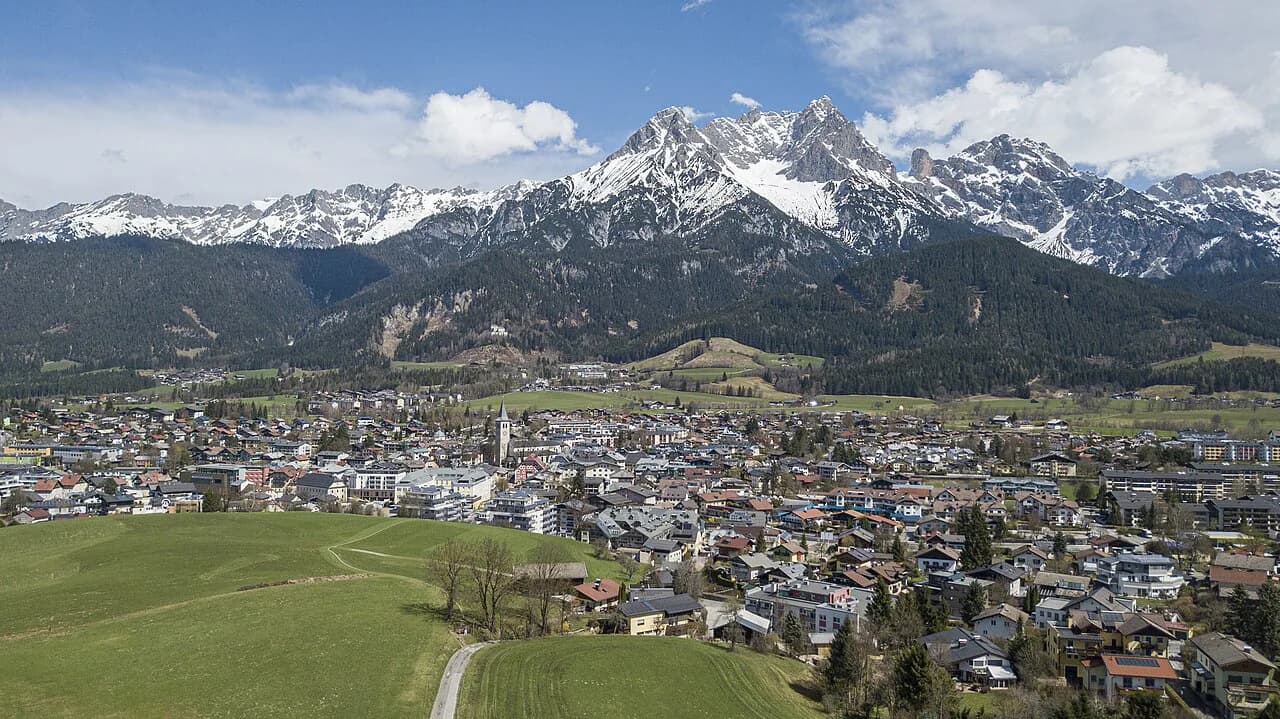
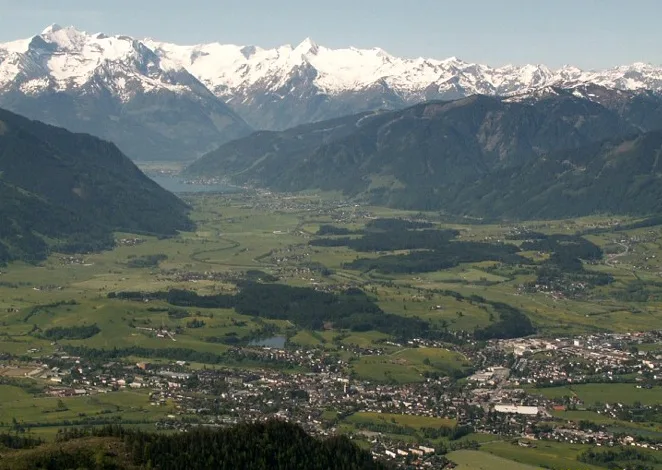
The town occupies the Saalfeldner Becken, a broad basin of grass mountains with three mountain groups around it: the Leoganger Steinberge to the west, the Steinernes Meer ("Sea of Stone") to the north and the Hochkönig massif to the east. It is the largest community in the Pinzgau, the Salzach valley district that runs south from Salzburg toward the Hohe Tauern, and it spreads across about 120 square kilometers of town and outlying hamlets. That geography matters when you plan: the compact center is walkable, but the farm country and the valley roads that lead to the big sights are not, so a car or a bus changes what your day looks like.
How the town is laid out
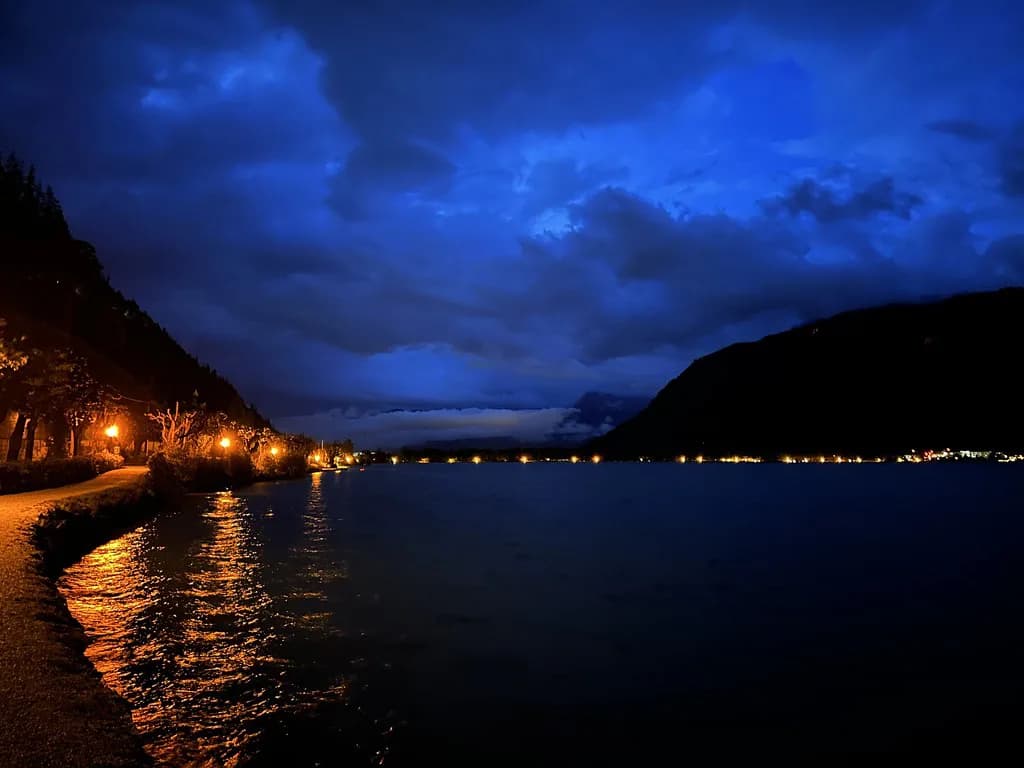
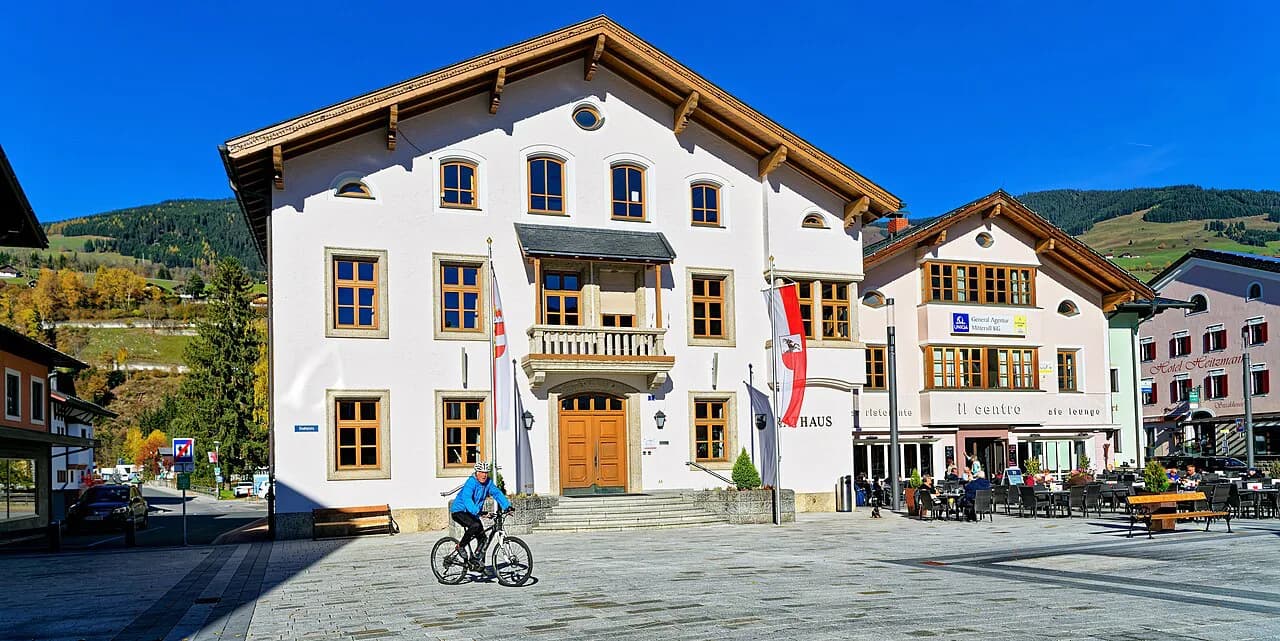
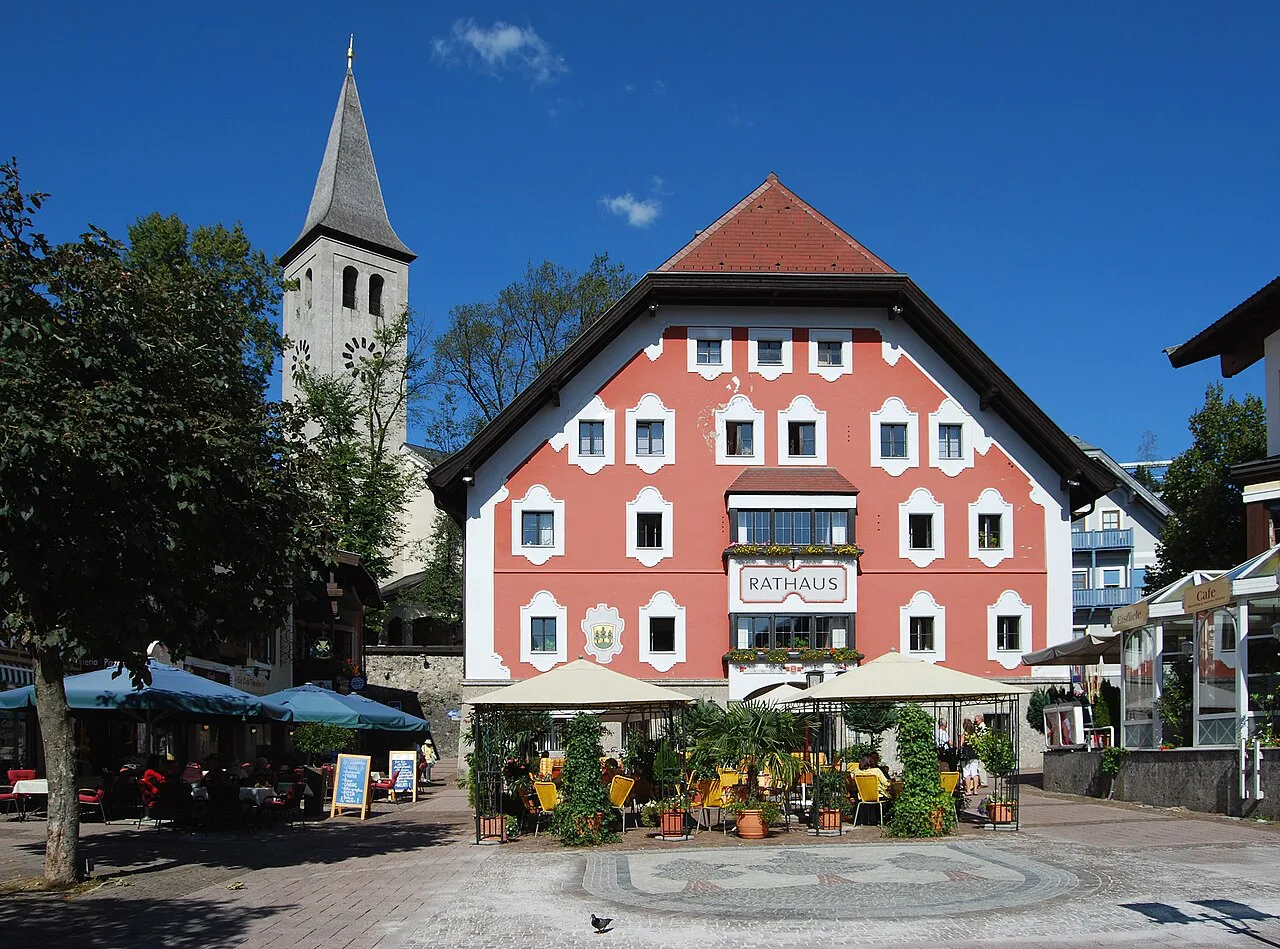
Saalfelden reads as a small city with a rural edge: a built-up core of shops, churches and civic buildings, ringed by hamlets, working farms, chapels and Gasthäuser in the surrounding villages. Arrive knowing that, and you can plan a town morning on foot and save the car for the afternoon. The Ritzensee bathing area sits at the edge of town beneath the Persailhorn and Breithorn peaks, with the Ramseider Scharte and the Riemannhaus hut visible behind them, so a swim and a short town wander combine easily.
The Ritzensee: a lake day in town
The Naturbadeanlage Ritzensee is Saalfelden's own swimming lake, described as sunny and warm, which makes it the obvious way to spend a hot afternoon without driving anywhere. Bring the usual lake kit and treat it as a half day: swim, sit, then walk back into town for the museums or an early dinner. The same water freezes in winter for ice skating, though summer is when it earns its place on your route. Check the season's opening and entry charge at the lake before you count on it.
Schloss Ritzen and the Heimatmuseum
Schloss Ritzen houses the Heimatmuseum, a local history collection in a small castle, and it is the kind of stop that fills a wet hour or a slow morning rather than a whole afternoon. Pair it with the town center and the lake, since all three sit close together. The town lists it among its sights alongside the churches and chapels of the surrounding villages.
Kunsthaus NEXUS or the Kubin Kabinett
If you have time for only one gallery, choose by appetite: the Kunsthaus NEXUS is the town's larger exhibition space, while the Kubin Kabinett is the smaller, more focused collection. Both are listed among Saalfelden's cultural sights, and they sit close enough in town that a determined visitor can see both in an afternoon, but one plus the Ritzensee makes a better-balanced summer day. Look up what is showing before you go rather than assuming a permanent display.
Leogang's two mining sights
Leogang, a few minutes west of Saalfelden, holds the strongest half day in the area for anyone interested in how the Alps were worked: the Bergbau- und Gotikmuseum covers the region's mining and Gothic art, and the Schaubergwerk Leogang takes you into a former mine. Treat them as a pair and give them a half day, since together they explain both the ore and the art the ore paid for. This is the outing to choose over a second lake afternoon, and it works in mixed weather because the show mine is underground.
Hohenwerfen and the Eisriesenwelt as a full day
Erlebnisburg Hohenwerfen, the hilltop fortress in the Salzach valley, runs birds-of-prey demonstrations, and the Eisriesenwelt in Werfen is a large cave system nearby, known for its ice formations. These sit in the same valley north of Saalfelden and belong together as a full day out, not a quick add-on to a town morning. Plan your arrival around the demonstration and cave-visit times rather than simply turning up, and buy tickets at the operator or the local tourist office rather than from a reseller.
The Grossglockner road and Ferleiten
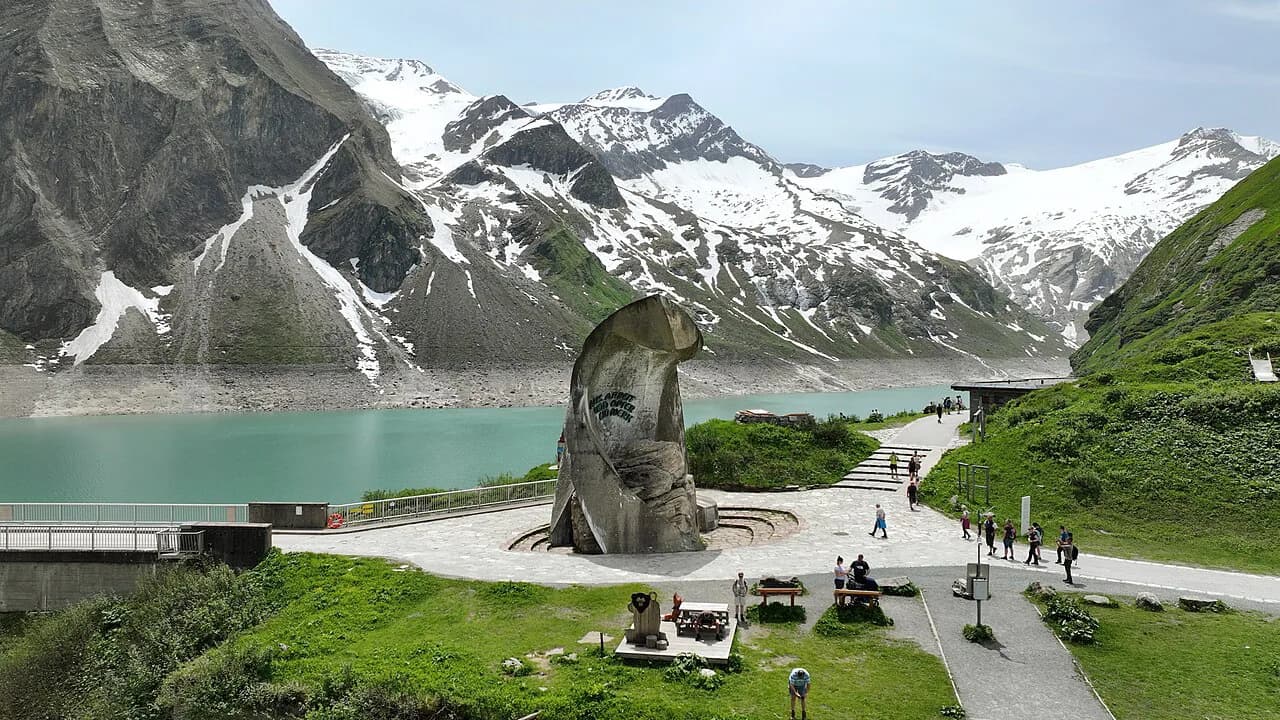
The Grossglockner Hochalpenstraße is the classic alpine drive from this corner of Salzburg, a toll road that climbs to the glacier and the high pass. At the Ferleiten toll station, before the road proper, the Wild- und Freizeitpark Ferleiten gives children and wildlife watchers an easy stop. The drive is weather-dependent and the high sections close in winter, so build it into a clear summer day and check the road's own status before setting out. This is a car day; without one, look at bus options to the valleys below instead.
Getting around without a car
Saalfelden works as a rail and bus base: the Pinzgau is served by train along the Salzach valley, and Postbus routes connect the town with the surrounding villages and the Salzburger Saalachtal. That makes the town center, the lake and Leogang reachable without driving, though the more remote sights — the fortress, the ice cave and the Grossglockner road — demand more planning. Check current ÖBB and Postbus timetables for the routes you need before you commit to a car-free day.
Where Saalfelden fits your route
Saalfelden sits between Salzburg to the north and Zell am See to the south, which makes it a natural stop on a Pinzgau itinerary rather than a destination in itself. Pair the town with Zell am See for a longer Pinzgau loop, and the drive south toward Kaprun and the Hohe Tauern is straightforward. Use Saalfelden for the town, the lake and Leogang, and save the ice cave and fortress for the day you head north.
Eating and costs in town
The town lists Lebensmittel Frank among its food addresses. For a proper Pinzgau lunch, look for a Gasthaus in the center or the surrounding villages and expect the usual Austrian plate of dumplings, schnitzel or a roast — hearty rather than refined. Prices for lake entry, museum tickets, the show mine and the Grossglockner toll are set by each operator; ask at the ticket desk or the town's visitor information rather than trusting an old figure.
Is Saalfelden the right base for your Salzburg summer?
Choose Saalfelden if you want a real Pinzgau town as your base — a compact center, a swimming lake at the edge and the Leogang mining sights a short hop away — and you are willing to drive or take a bus for the fortress, the ice cave and the Grossglockner road. Skip it if you want a lake resort on your doorstep; for that, head to Zell am See and the Zeller See instead. Either way, confirm lake and museum opening days and tour times before you lock in a day.
Explore more Zell am See guides
Frequently Asked Questions
Is Leogang worth visiting from Saalfelden?
Yes, if you have a half day and an interest in how the Alps were mined. The Bergbau- und Gotikmuseum and the Schaubergwerk Leogang are both listed as local sights and work in mixed weather, since the show mine is underground.
What is Leogang known for?
Leogang is known for its mining history and its Gothic art collection, both on show at the Bergbau- und Gotikmuseum, and for the Schaubergwerk Leogang, a former mine you can visit. It sits just west of Saalfelden.
Can you swim in Saalfelden?
Yes. The Naturbadeanlage Ritzensee is the town's own swimming lake, described as sunny and warm, at the edge of town beneath the Persailhorn and Breithorn. Check the current season and entry charge at the lake before you go.
Sources
Notes for your next Austrian town break
Optional updates when we add or revise town guides.
You might also like
Continue reading
More guides you'll find useful