Radstadt, Austria: The Walled Town in the Enns Valley
Radstadt is a small walled town in the Salzburger Land, with medieval towers, a late-Romanesque parish church and an old square you can walk in an hour or two.
On this page
Radstadt is worth a stop of an hour or two if you are driving or riding the train through the Enns valley, because the whole historic center sits inside a compact ring of walls you can circle on foot. It is a small historic town in the Salzburger Land, not a base for a long stay, and its sights are concentrated around the Stadtplatz rather than spread across a valley. This guide covers the layout, the wall and its round towers, the parish church and the Gothic column, the free audio-guide walk, how long to allow and how the town fits a route through Austria.
What Radstadt is and where it sits in the Enns valley
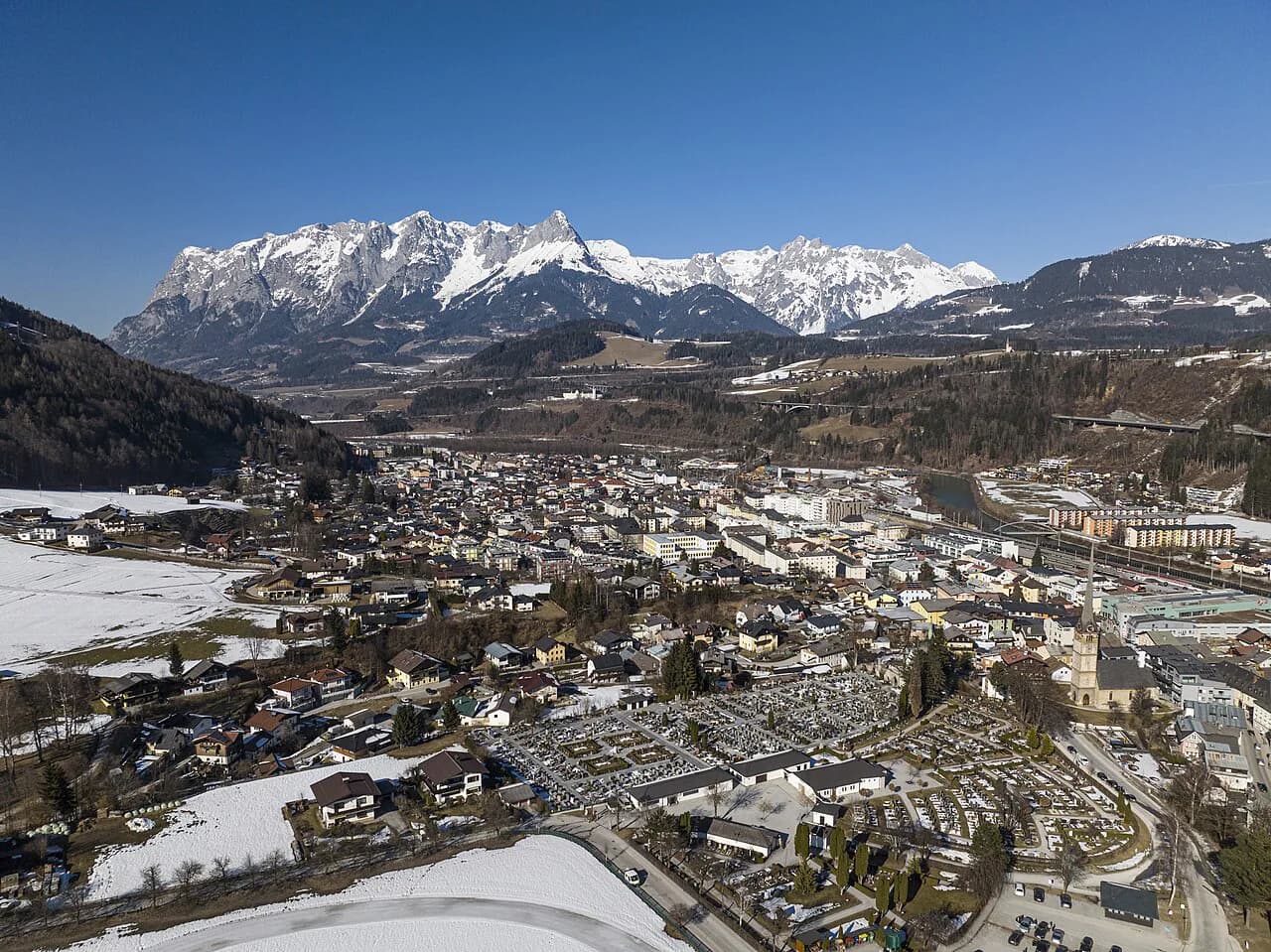
Radstadt lies in the Austrian Alps in the Salzburger Land, on the Enns river corridor that carries road and rail south toward the Dachstein and the Tauern passes. The historic core is an oval of lanes and squares pressed together inside a surviving town wall, which is why the town reads as one continuous sight rather than a checklist of separate buildings. Its landmark buildings are the massive wall with its round towers, the late-Romanesque Stadtpfarrkirche and the Gothic Lichtsäule, all testifying to a long and eventful past.
Think of Radstadt as an Enns valley stop between the city of Salzburg and the Dachstein massif, sized for a leg-stretch rather than a multi-day stay. If your route runs through the Salzach Valley instead, Werfen is the comparable small-town stop on that side, and the two are different days rather than a pair.
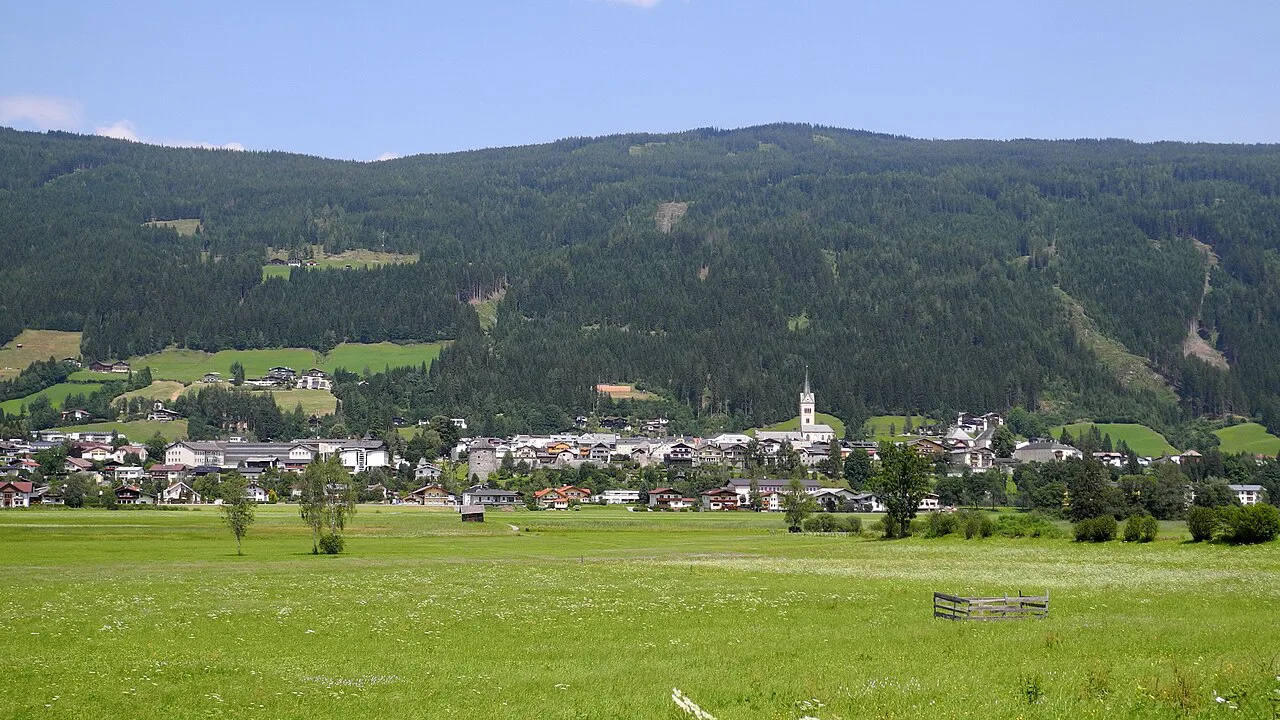
The old town at a glance: Stadtplatz, lanes and the ring of walls
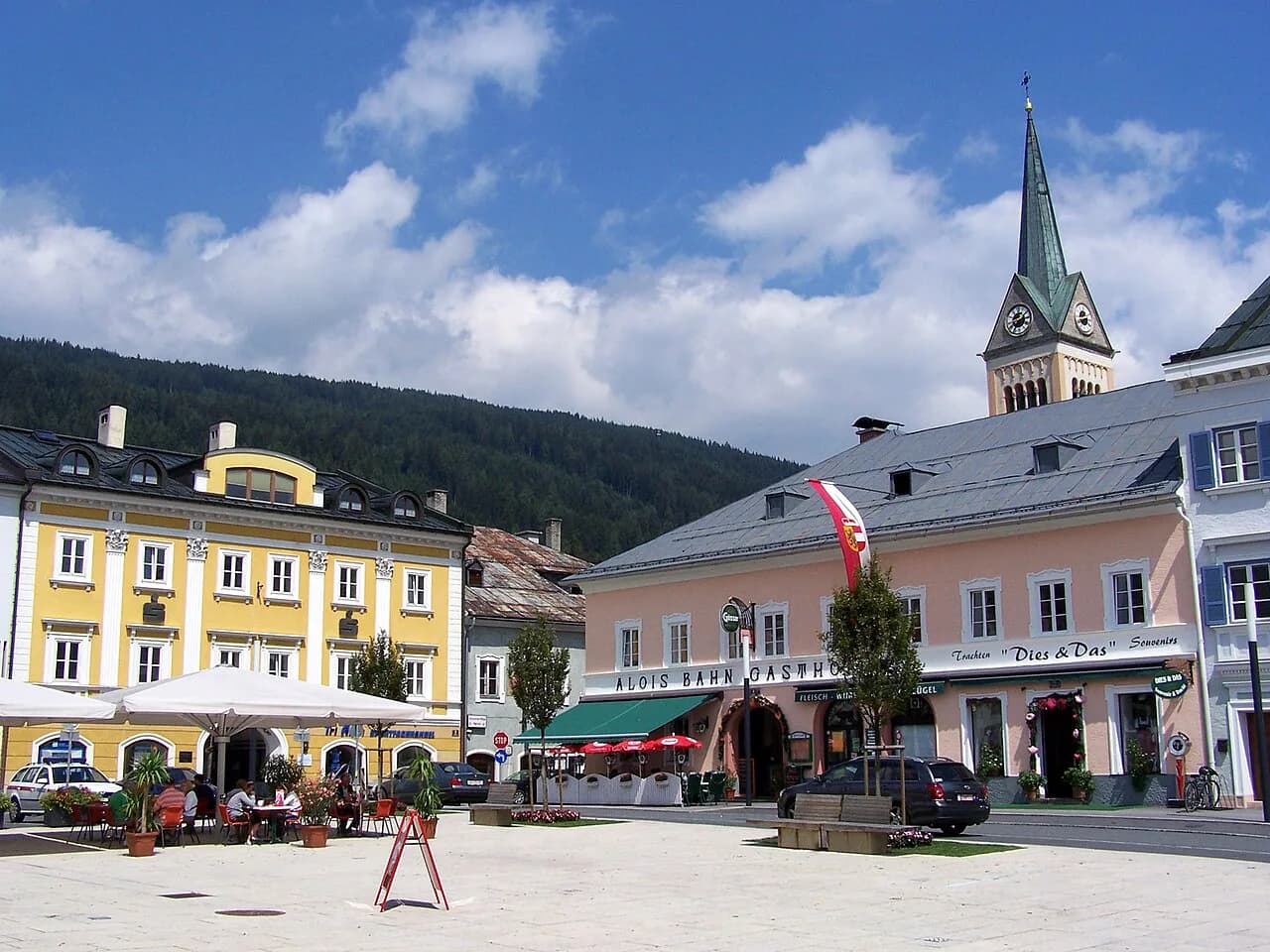
The Stadtplatz is the natural starting point, and the town's own visitor pages list a town tour and a church tour as the way to learn the historical background of the squares, monuments and churches. Walk in from the square and the lanes fold back on themselves inside the wall, so you are never far from the rampart; the whole circuit is short enough to cover without a plan. Budget your time around the square and the wall ring first, then fill in the church and monuments.
Because the sights sit inside one walkable oval, Radstadt rewards a single unhurried pass rather than hopping in and out of a car between stops. Leave the car once and treat the center as a pedestrian circuit.
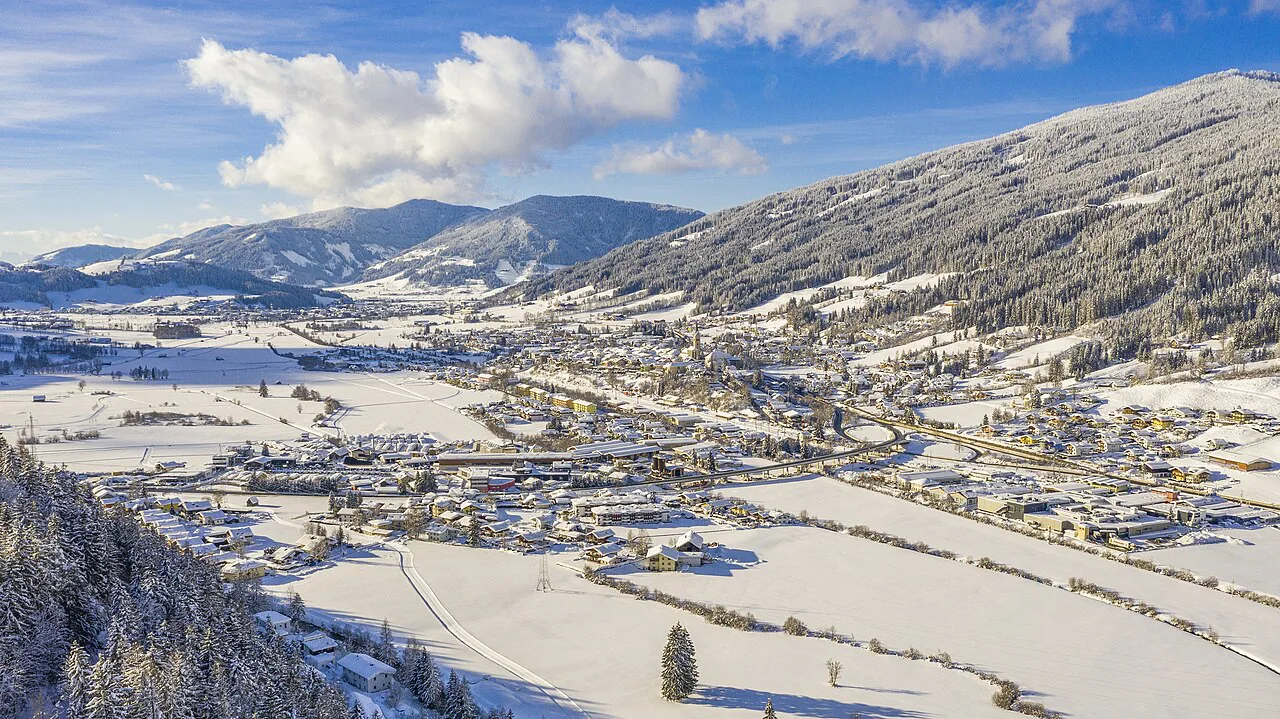
The town wall and its round towers
The wall is the defining feature of Radstadt, a powerful rampart punctuated by round towers that still wraps the historic center. Walk the line of it and you get the town's shape in a few minutes: the towers mark the corners, the wall closes the gaps, and the lanes behind it stay protected and quiet. It is the first thing to look at if your time is short, because everything else in town sits inside it.
Treat the wall as a walk, not a monument with a turnstile: you are reading the town's outline from street level as you follow it around. That is also the honest limit of a short stop here, since the pleasure is the intact ring rather than any single viewpoint.
Stadtpfarrkirche Radstadt, the late-Romanesque parish church
The Stadtpfarrkirche is the town's late-Romanesque parish church and one of the historic treasures named alongside the wall and the Lichtsäule. Its age is the point: this is a Romanesque building in an Alpine town, not a baroque rebuild, so the visit is about reading an older layer of Salzburger Land architecture. Pair it with the wall rather than treating it as a separate excursion, since both sit inside the same ring.
Services and any visitor access follow parish practice, so time your look at the interior around what the door and notice board tell you on the day. The exterior and the square around it need no schedule at all.
The Gothic Lichtsäule and other monuments on the square
The Gothic Lichtsäule is the third of the historic treasures the town's heritage listings put beside the wall and the parish church, a column standing in the historic center. Together with the monuments on and around the Stadtplatz, it gives the square its character as a civic space rather than a traffic junction. Look for it while you cross the square rather than making a special trip.
Monuments like these are best read in sequence with the wall and church, since each marks a different century of the same small town. A single slow loop of the center covers all three without backtracking.
Paul Hofhaimer, Radstadt's famous son, and the town's history in brief
Radstadt's best-known figure is Paul Hofhaimer, who served as court organist to Emperor Maximilian in Innsbruck and is remembered as the greatest composer and organist of his time. That single career says something useful about the town: a walled Alpine settlement plugged into the imperial court culture of the era. Keep him in mind as you walk the center, because the town's story is told through people like him as much as through stone.
The wall, the Romanesque church and the Gothic column are presented as evidence of that eventful past, which is why the historic center holds together as a single narrative. Radstadt calls itself the old town in the mountains, and the phrase fits the ring of defenses around it.
Walking the town with the audio guide: route, stations and languages
The most concrete way to see Radstadt is the self-guided audio walk: a free Hearonymus app turns your phone into a town guide, with 20 stations covering history, listed architecture and anecdotes about the old town in the mountains. The tour starts at the Stadtplatz and is available in German and English, so you can download the app, search for Radstadt and begin on the square. That structure makes it easy to walk the center in the right order instead of drifting.
Use the stations as your route through the wall ring: start on the square, follow the numbered points, and the church, the column and the ramparts come up in a sensible sequence. It also solves the language problem for a US, UK or Canadian traveler who wants the history without booking a guided slot.
How long Radstadt needs and the best time of day to walk it
Plan an hour or two for the walled center on foot: the ring is compact, the audio walk has 20 stations and the main monuments sit along it. A short stop covers the Stadtplatz, the wall and its round towers, the parish church and the Lichtsäule comfortably. If you add the Rossbrand drive above town, treat Radstadt as a half day rather than a pause.
Morning suits a walking visit best, because the lanes inside the wall stay quiet and the light on the ramparts is clear before the day's traffic builds. Midday works for the church and the square if you are passing through on a longer drive.
Getting there and onward: Radstadt on a route through Austria
Radstadt sits on the Enns valley corridor in the Salzburger Land, which is what makes it a practical stop between Salzburg and the Dachstein rather than a detour. Arrive by train or car, park once outside the wall, and walk the center on foot. For rail and Postbus departures, check the current ÖBB and Postbus timetables for the day you travel rather than relying on a remembered schedule.
Onward, the same valley road continues toward the Dachstein and the Tauern, and the Salzach side of the province is a separate run through towns such as St. Johann im Pongau. The useful decision is whether Radstadt is a pause on the way or the anchor of a half day with the Rossbrand on top.
The Rossbrand panorama road above town
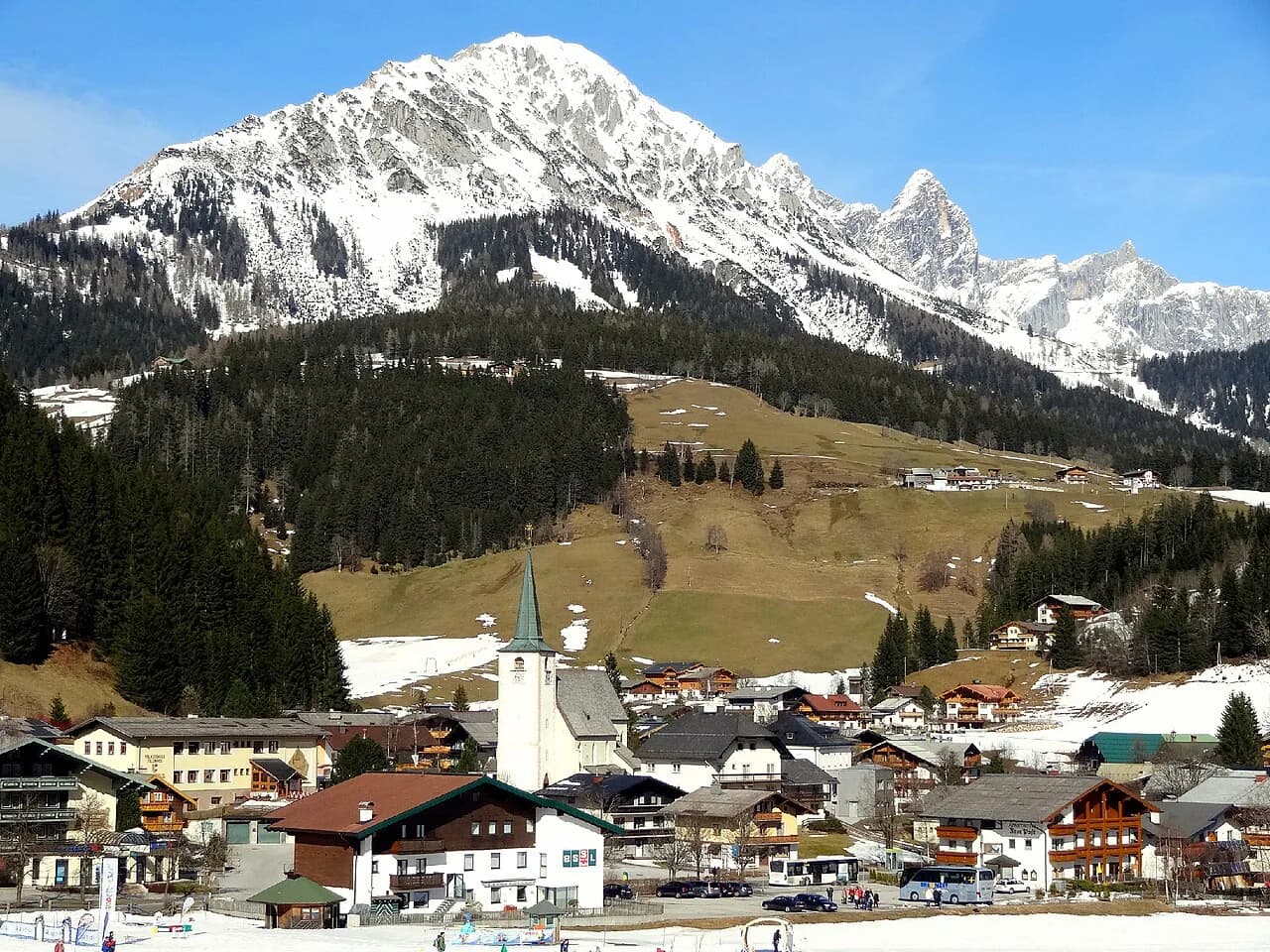
The Rossbrand rises to 1,768 m above Radstadt and offers a 360-degree panorama over nearly 150 Alpine peaks, from the Dachstein across the Tennen and Hagengebirge to the Grossglockner and the Radstädter and Schladminger Tauern. You can reach the summit from the town center on foot, by bike or by car, and a toll-free panorama road plus a hiking bus serve the mountain. It is the one addition that turns a short town stop into a half day.
The trade-off is weather: the value of the drive is entirely in the view, so go up only when the summits are clear and skip it in cloud. The town walk itself is unaffected by conditions.
Nearby draws that fit the same day: Eisriesenwelt and the Dachstein
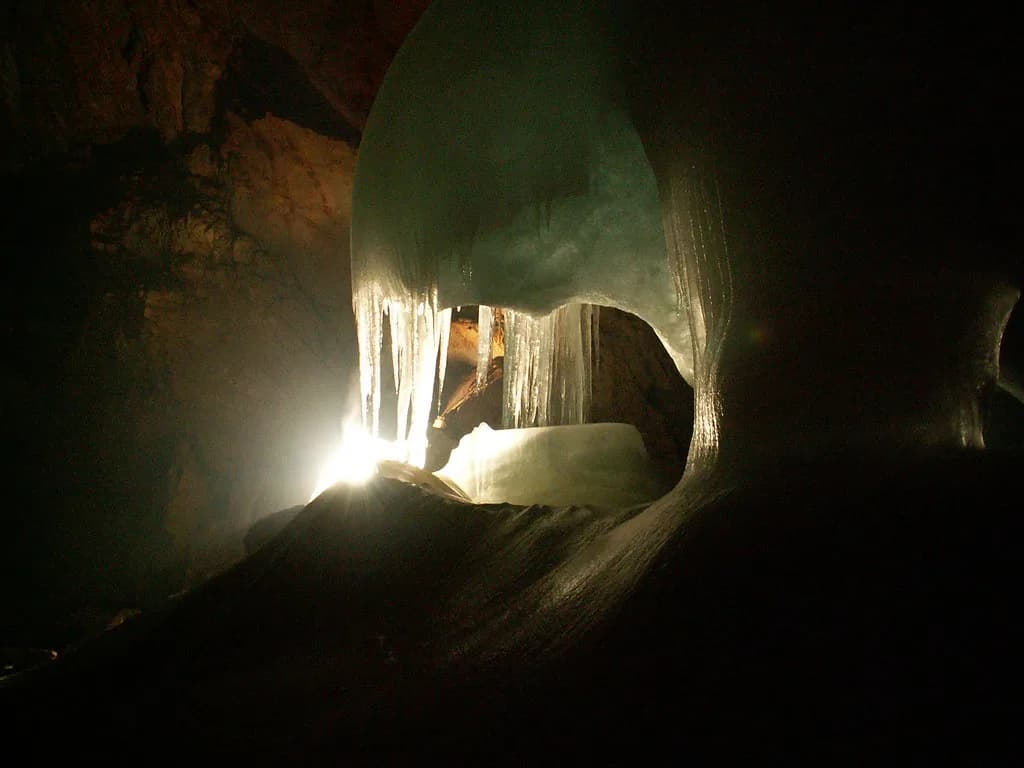
Radstadt's visitor pages place the Eisriesenwelt and the Dachstein among the larger excursion targets within reach of the town, which makes them the obvious pairing if you are turning the stop into a full day. Both are mountain-scale sights, so pick one rather than trying to add them to a one-hour town walk. The Eisriesenwelt Werfen is the ice cave above Werfen in the Salzach Valley, and it sits on the other side of the province from Radstadt.
If the ice cave is the draw, build the day around that side of the province and treat Radstadt as the civilized stop on the way; the full guide to the cave covers access and conditions.
Is Radstadt a stop or a half day?
Decide before you arrive: a one- to two-hour walk of the wall, square, church and Lichtsäule with the free audio guide is the honest minimum, and adding the toll-free Rossbrand road makes it a half day. If your route already includes a mountain excursion such as the Eisriesenwelt, keep Radstadt short and use it as a pleasant pause rather than a destination.
Explore more Werfen guides
Frequently Asked Questions
Can you walk Radstadt's old town without a guide?
Yes. The historic center is a compact ring of lanes inside the wall, and a free audio guide on the Hearonymus app covers 20 stations in German and English, starting at the Stadtplatz. Guided town and church tours are also offered if you prefer a person leading the walk.
What is there to see inside Radstadt's walls?
The main sights are the town wall with its round towers, the late-Romanesque Stadtpfarrkirche, the Gothic Lichtsäule and the monuments around the Stadtplatz. They sit close together, which is why a single loop of the center covers them.
How does Radstadt fit a trip between Salzburg and the Dachstein?
Radstadt lies on the Enns valley corridor, so it works as a stop on the way south rather than a separate destination. Arrive by train or car, park once and walk the center; check ÖBB and Postbus timetables for the day you travel.
Sources
Notes for your next Austrian town break
Optional updates when we add or revise town guides.
You might also like
Continue reading
More guides you'll find useful