Hallein, Austria: Old Town, Salt Mine and Keltenmuseum Guide
Hallein pairs a compact old town on the Salzach with the Keltenmuseum, the Dürrnberg salt mine and Franz Xaver Gruber's grave. Here is how to see it.
On this page
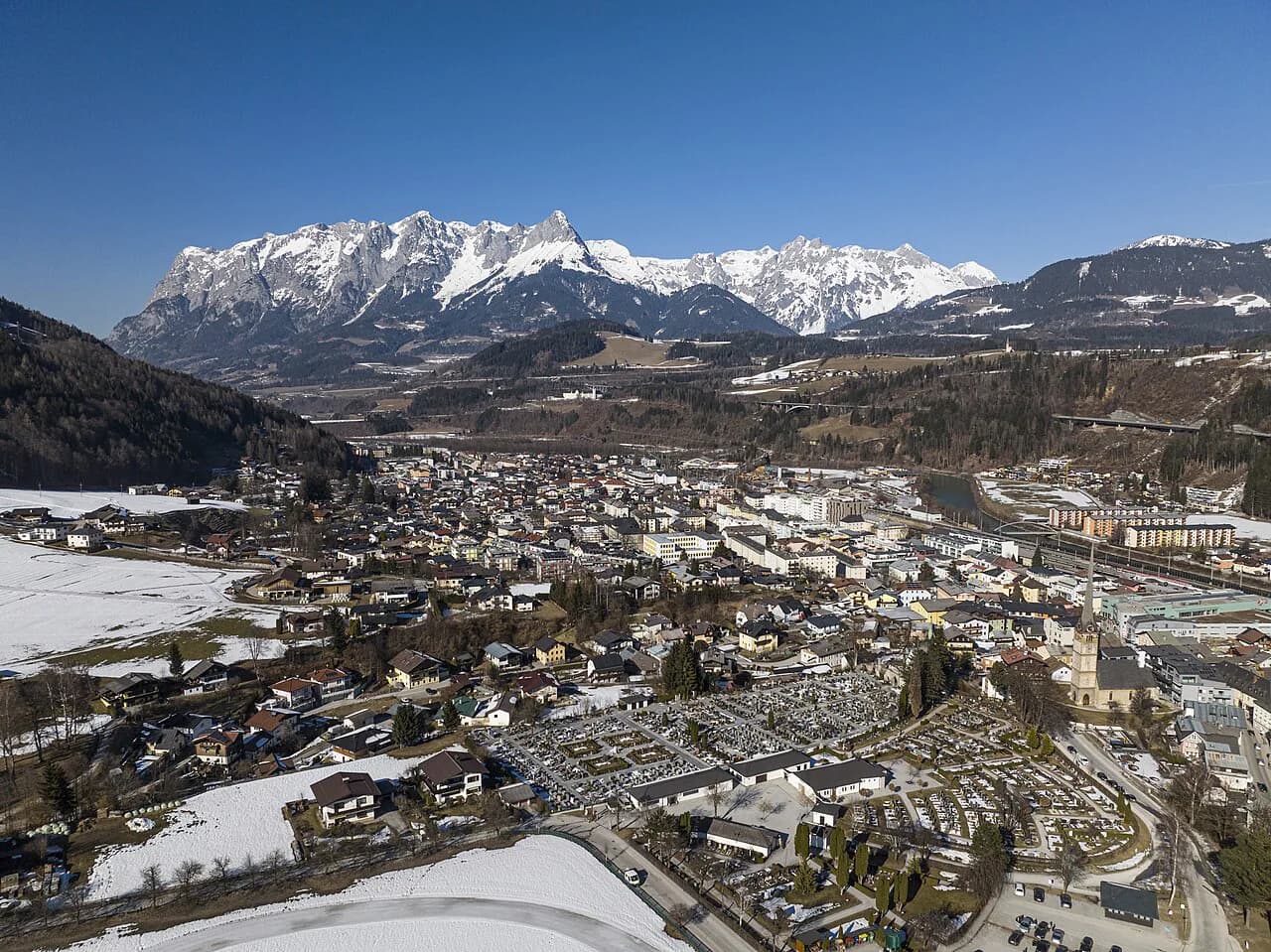
Hallein earns a half day, not a full one, if you want the old town, the parish church and one museum; give it a full day once you add the salt mine on the Dürrnberg above town. The town sits on the Salzach south of Salzburg and made its money from salt, and that single fact links almost everything worth seeing here. This guide covers the two halves of Hallein, a walking order through the Altstadt, and how the town slots into a route toward the Alps.
Plan around geography first. The historic center is compact and flat along the river; the Salzwelten Salzburg mine and the Maria Dürrnberg church sit on the mountain at Bad Dürrnberg, reached by road, and the two halves are not a stroll apart. Decide which half anchors your day before you book anything.
Hallein in one paragraph: a salt town south of Salzburg
Hallein is a small historic town whose identity comes from salt: the Dürrnberg above it was mined for the mineral, and the trade paid for the churches, squares and burgher houses in the valley. The tourism board lists the old town, the Salzach riverfront, the Keltenmuseum, the Stille Nacht Museum and the mine among its core sights, which is a fair summary of what a visitor comes for. It is also a member of the Kleine Historische Städte group of small historic Austrian towns.
The town is not a miniature Salzburg and does not try to be. Its appeal is a workable old center with real Celtic and salt history attached, plus a mountain site that is an attraction in its own right. Travelers who want one dense, walkable stop between Salzburg and the Alps get more out of it than those hunting for a postcard.
Where Hallein sits and how to reach it
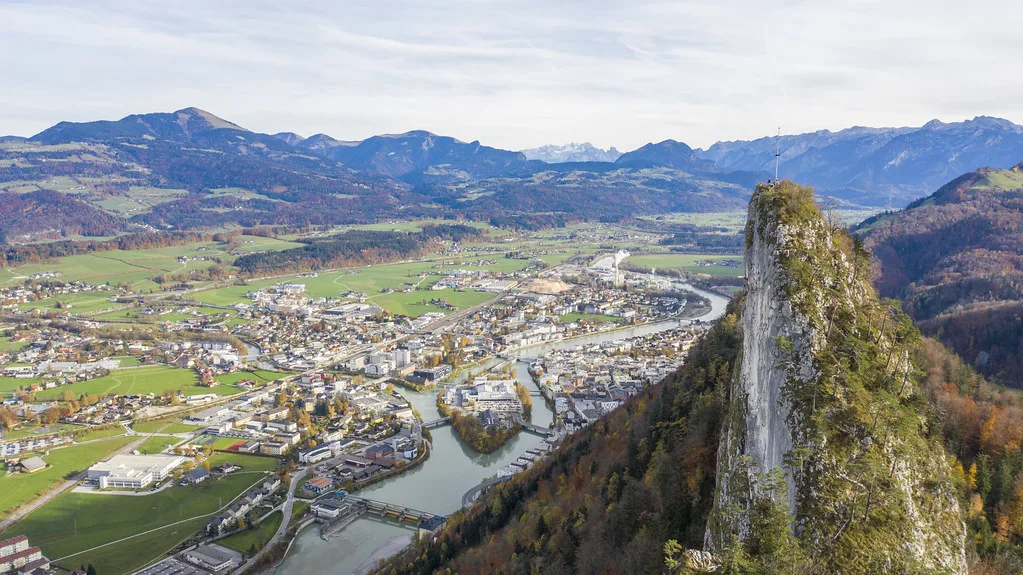
Hallein lies in the Salzach Valley south of Salzburg, on the corridor that continues toward the Tennengebirge and the Werfen area. The river runs along the old town, and the Dürrnberg rises on the western side toward the German border. That position makes the town a natural first or last stop on a Salzburg-to-the-Alps drive or rail leg, and the fortress town and ice cave of Werfen: The Fortress Town and Ice Cave in the Salzach Valley make a sensible next stop south.
For train travel, confirm departures and journey times on the ÖBB timetable rather than relying on memory, since service patterns change by season and day. Drivers should check the route and any mountain-road conditions for Bad Dürrnberg before setting out, and note that the mine sits above town, not beside the station. Treat Hallein as a stop of a few hours on the way south, or as a base for one focused day.
The historic Altstadt: lanes, the Kornmaß and the Salzach promenade
The old town is the spine of any short visit: lanes of burgher houses, small squares and a riverfront walk along the Salzach. Start at the Kornmaß am Kornsteinplatz, a stone measure that recalls the town's grain trade and gives you a fixed point in the center. From there the streets lead uphill toward the parish church and down again to the water.
The Salzach promenade is the best place to understand the town's economy, because salt was moved by boat and cart from here. The tourism board points to statues of salt carriers and Salzach boatmen along the old town, and to a Nepomuk statue, the patron of boatmen and raftsmen, as reminders of that traffic. Walk the river edge first, then cut into the lanes, and the street names and monuments make more sense.
Dekanatspfarrkirche: the tower and Franz Xaver Gruber's grave
The parish church, listed as the Dekanatspfarrkirche and also called the Stadtpfarrkirche, is the tall landmark of the old town, with a tower visible from across the river. Its fabric mixes Gothic structure with later baroque work, and the interior holds ceiling paintings, altars and an organ. Give it twenty to thirty minutes, more if you attend a service.
Franz Xaver Gruber, the composer associated with the carol Stille Nacht, spent many years in Hallein and is buried in the parish church, which makes the building a stop on the carol trail rather than just another church. Pair the grave with the Stille Nacht Museum in the same visit so the theme holds together. Keep the visit sober and factual: this is a working parish church first.
Keltenmuseum Hallein: the Celtic and salt collection
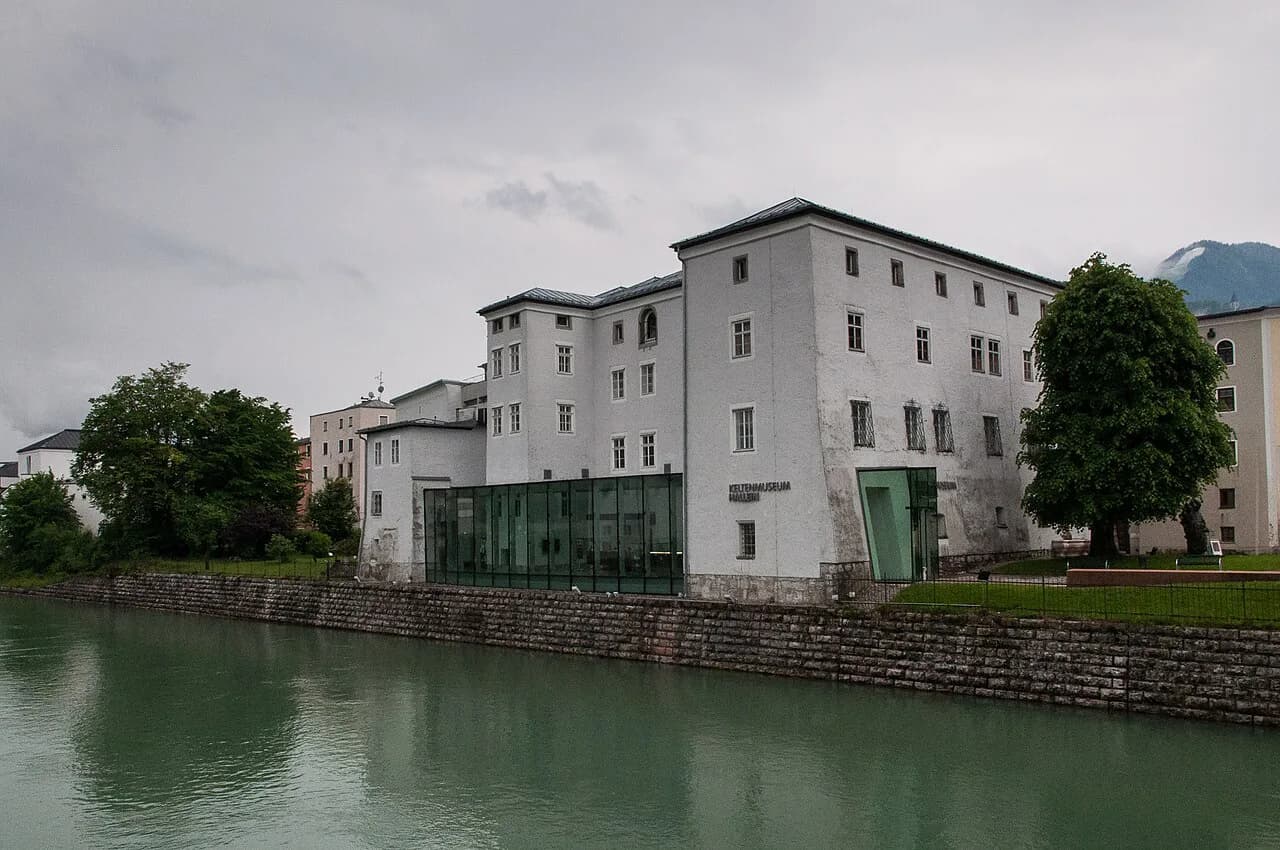
The Keltenmuseum is the museum to choose if you want the historical background behind the mine, covering the Celtic presence on the Dürrnberg and the salt economy that made the region rich. It sits in the town center rather than on the mountain, so it fits the Altstadt half of the day without a drive. Budget an hour or more for it.
Choose by interest: the Keltenmuseum gives you objects, context and interpretation; the mine gives you an underground experience with the pit railway, slides and a boat ride. Travelers with limited time should pick one, not both, and anyone interested in archaeology should take the museum. Check current opening days and ticket prices at the museum before you go.
Stille Nacht Museum Hallein in the former Mesnerhaus
The Stille Nacht Museum occupies the former Mesnerhaus, where Gruber lived and worked as choirmaster and organist for many years. Displays include original furnishings from his apartment, his drawings and watercolors, and the guitar that accompanied the carol's first performance in Oberndorf. The first floor holds the Stille Nacht archive with autographs, diaries and music inventories.
This is a small, focused museum, so it suits travelers following the carol's story rather than those after a general town museum. It pairs naturally with the parish church and Gruber's grave a short walk away. Confirm the museum's opening days for your dates before building the loop around it.
Salzwelten Salzburg on the Dürrnberg: the guided mine tour
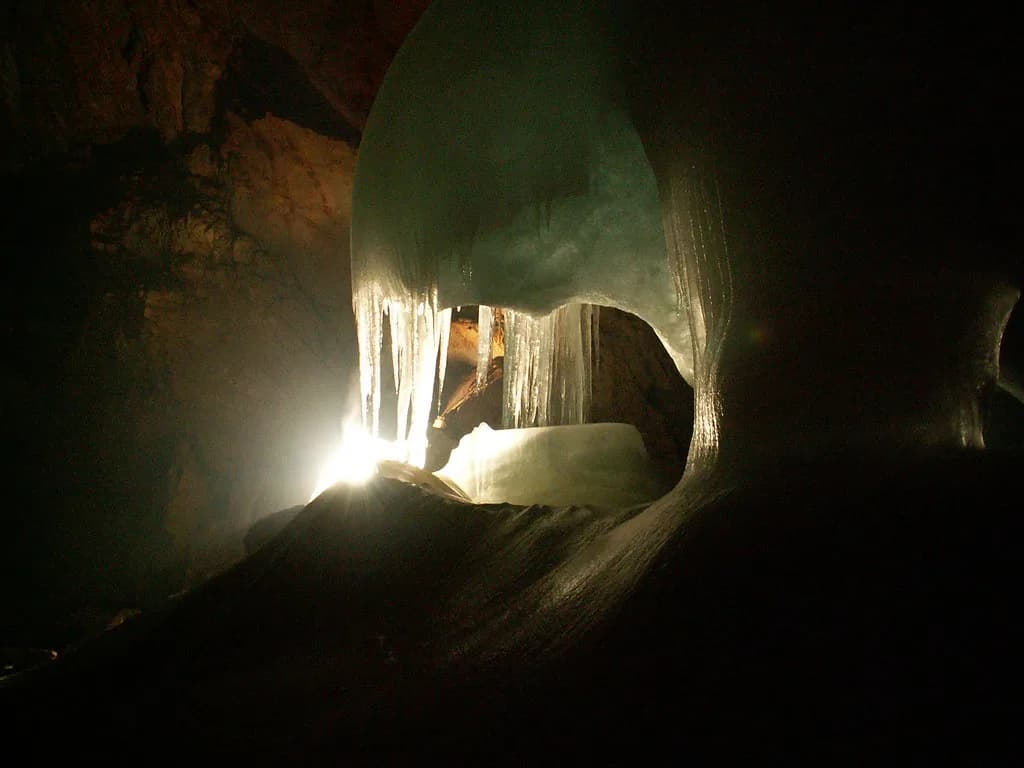
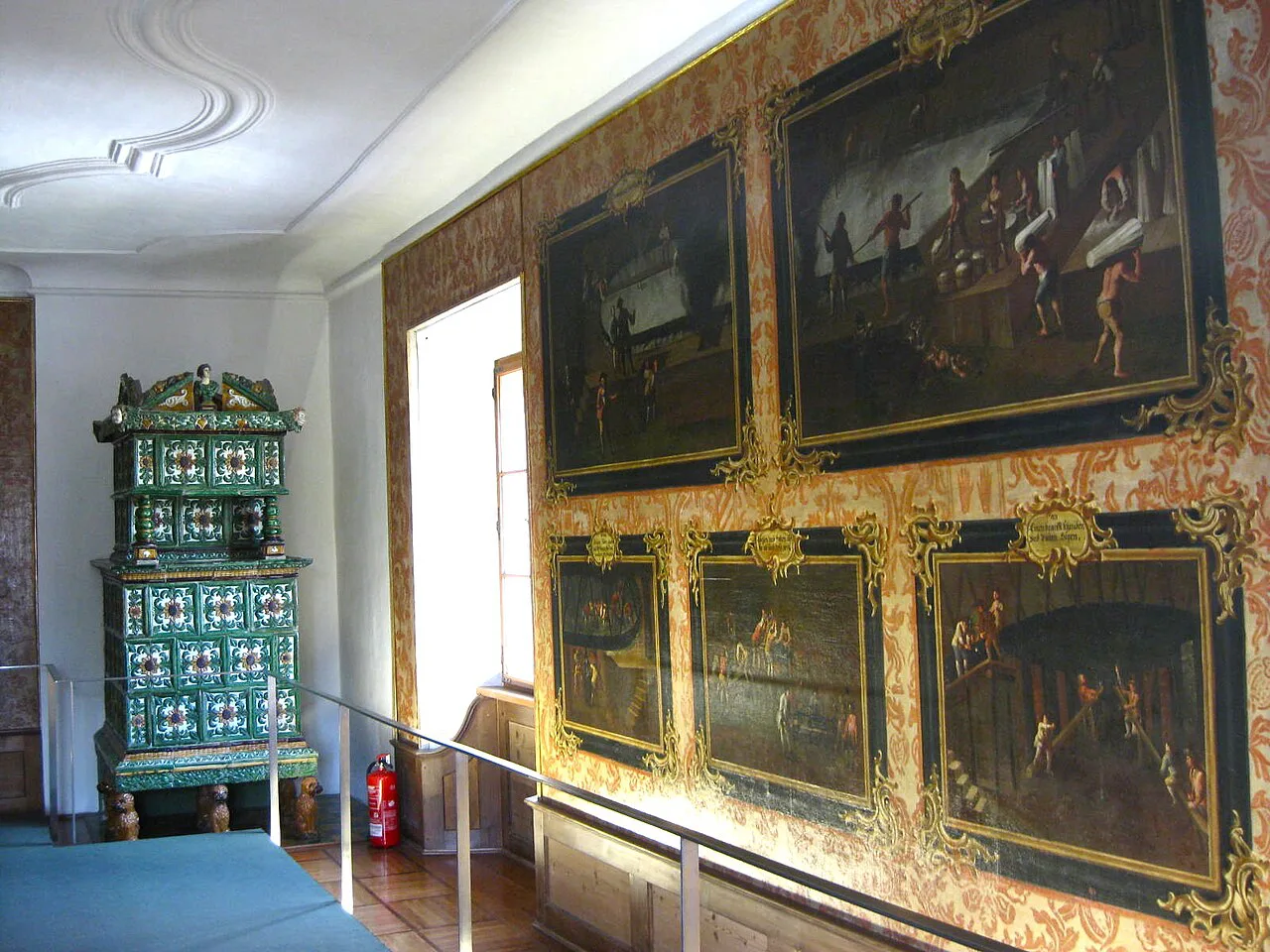
The Salzwelten Salzburg mine experience begins with a ride on the pit railway into the Dürrnberg and continues as a guided tour through four eras of salt mining, from modern production back to the Baroque period, the Middle Ages and the Celtic miners. Along the way visitors use wooden slides and take a boat ride across an underground salt lake, and the route crosses the only underground state border between Austria and Germany.
Above ground, the Kelten.Erlebnis.Berg adds the Keltendorf SALINA, a salt manufactory and a themed play area, which is a separate layer of the visit rather than part of the underground tour. Because the mine visit runs as a guided tour with set departures, it anchors the day's schedule: fix your tour time first, then plan the old town around it. Check departure times and ticket prices with the operator when you book.
The journey up to Bad Dürrnberg is a drive or bus ride, so do not plan to walk from the Altstadt to the mine entrance in touring shoes. If you are continuing south through the Salzach Valley, the mine pairs well with the fortress and cave country around Werfen on a separate day.
Wallfahrtskirche Maria Dürrnberg and the Fünf-Uhr-Läuten
At Bad Dürrnberg, the Wallfahrtskirche Maria Dürrnberg is an early Baroque pilgrimage church in the center of the mountain village, a short add-on after the mine. Nearby, the Dürrnberger Fünf-Uhr-Läuten recalls the alarm that once woke the miners, a small piece of local custom rather than a spectacle. Together they fill an hour at the top without needing another ticket.
Hofbräu Kaltenhausen: the brewery on the way in or out
Hofbräu Kaltenhausen is described as the oldest brewery in the Salzburger Land and sits outside the historic core, which makes it a natural stop on the way in or out of town rather than part of the old-town loop. It works for travelers with a car or a flexible schedule who want a break between the town and the mountain. Check the brewery's current visiting options before you count on it.
Ruine Gutrat, Ruine Thürndl, the Barmsteine and Schloss Altdorf
With extra time and a car, the surrounding ruins and rock towers reward a detour: Ruine Gutrat once controlled the trade routes through the Salzach Valley, and Ruine Thürndl, which belonged to the town's medieval defenses, is counted among Hallein's landmarks today. The twin Barmsteine rock towers, nicknamed the Hallein ear in local speech, are the town's other signature silhouette. Schloss Altdorf at Adneter Riedl adds a country place to the list.
These are outdoor stops that depend on weather and daylight, so keep them optional and check access before driving out. If your route continues deeper into the Alps, save the gorge and the Pongau towns for a separate leg rather than squeezing them in.
A walking order for the old town that avoids backtracking
Start on the Salzach promenade to read the town's river trade, then cut in to the Kornmaß am Kornsteinplatz as your central marker. From the square, walk up to the Dekanatspfarrkirche for the tower interior and Gruber's grave, then continue to the Stille Nacht Museum in the former Mesnerhaus. Finish at the Keltenmuseum, which leaves you close to the center for coffee or a train.
This order keeps the river, the square, the church and both museums on one line without repeating streets. It also lets you drop the Keltenmuseum if time runs short, because it comes last. On a mine day, run the loop first and drive up to Bad Dürrnberg for a fixed tour departure.
How long Hallein needs and how it fits an Alpine route
Allow a half day for the old town and one museum, and a full day if the Salzwelten mine is on your list, because the underground tour and the drive up and back eat the middle of the day. Travelers coming from Salzburg can treat Hallein as a stop on the way south toward the Tennengebirge and the Werfen area. Drivers continuing deeper into the Alps can add the Liechtensteinklamm gorge and St. Johann im Pongau on a later leg.
If the ice cave is the goal of your Alpine day, keep Hallein a separate, shorter stop so neither visit is rushed. The Eisriesenwelt near Werfen is a substantial outing of its own, and pairing a mine tour with a cave tour on the same day leaves little time for the old town.
Practical trade-offs: tour departures, seasons and the town's two halves
The main planning constraint is that the mine is a guided tour with fixed departures, so your day bends around that time, not the other way around. Museum opening seasons vary, and the town's sights split between the flat center and the mountain, so build in travel time between them. Verify current hours, tour times and ticket prices directly with each venue before you commit.
Midday is when the old town fills with visitors arriving from Salzburg, so an early start gives you the church and the Kornmaß in calmer conditions. Keep the outdoor stops flexible and the indoor ones booked, and Hallein works as a compact, low-friction stop between the city and the high mountains.
Book the mine tour first, then build the old town around it
Decide between the two halves of Hallein before anything else: the Altstadt loop with the church, the Stille Nacht Museum and the Keltenmuseum, or the Dürrnberg mine with its guided underground tour and the pilgrimage church above. If you want both, give the town a full day and lock the mine departure first.
From there, the old-town walk runs river promenade, Kornmaß, parish church, Stille Nacht Museum, Keltenmuseum without repeating ground. Add the brewery or the ruins only if you have a car and spare time, and confirm hours and prices with each venue for your dates.
Explore more Werfen guides
Frequently Asked Questions
Can you walk from Hallein's old town to the salt mine?
Treat them as two separate places. The old town sits on the Salzach, while the Salzwelten mine and the Bad Dürrnberg church are up on the mountain and are reached by road or bus, so plan a drive or ride between them.
Do you need to book the Salzwelten mine in advance?
The mine visit is a guided tour with set departures, so a fixed slot shapes your day. Confirm current departure times and whether advance booking is required directly with the operator before you travel.
What is unusual about the underground tour at the Salzwelten Salzburg?
The route crosses the only underground state border between Austria and Germany, and it includes wooden slides and a boat ride across an underground salt lake.
Sources
Notes for your next Austrian town break
Optional updates when we add or revise town guides.
You might also like
Continue reading
More guides you'll find useful