Bischofshofen, Austria: A Salzach Town at the Foot of the Hochkönig
Bischofshofen is a compact Salzach town in SalzburgerLand below the Hochkönig, known for its ski jump and as a rail and road junction in the Pongau.
On this page
Bischofshofen is a compact town in the SalzburgerLand Pongau where the valley, the river and the surrounding mountains set the scale. This guide covers where the town sits, its landmark ski jump, how it connects to the wider Salzach valley, and how to use it as a short stop between Salzburg and the Alps.
The town sits at the foot of the Hochkönig massif and works as a hinge on a Salzach-valley loop, with Werfen: The Fortress Town and Ice Cave in the Salzach Valley just down the river.
Where Bischofshofen is and how it sits in SalzburgerLand
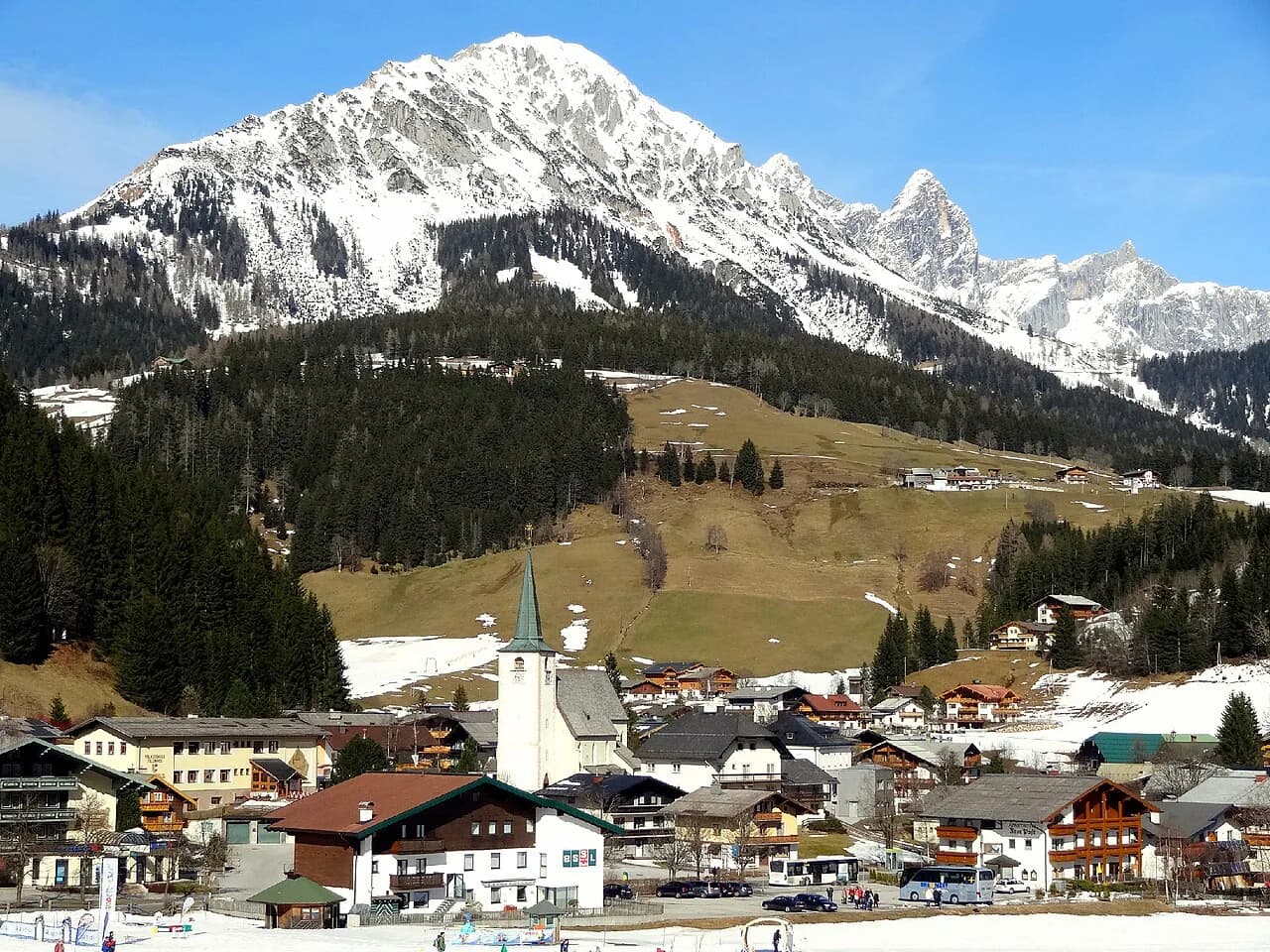
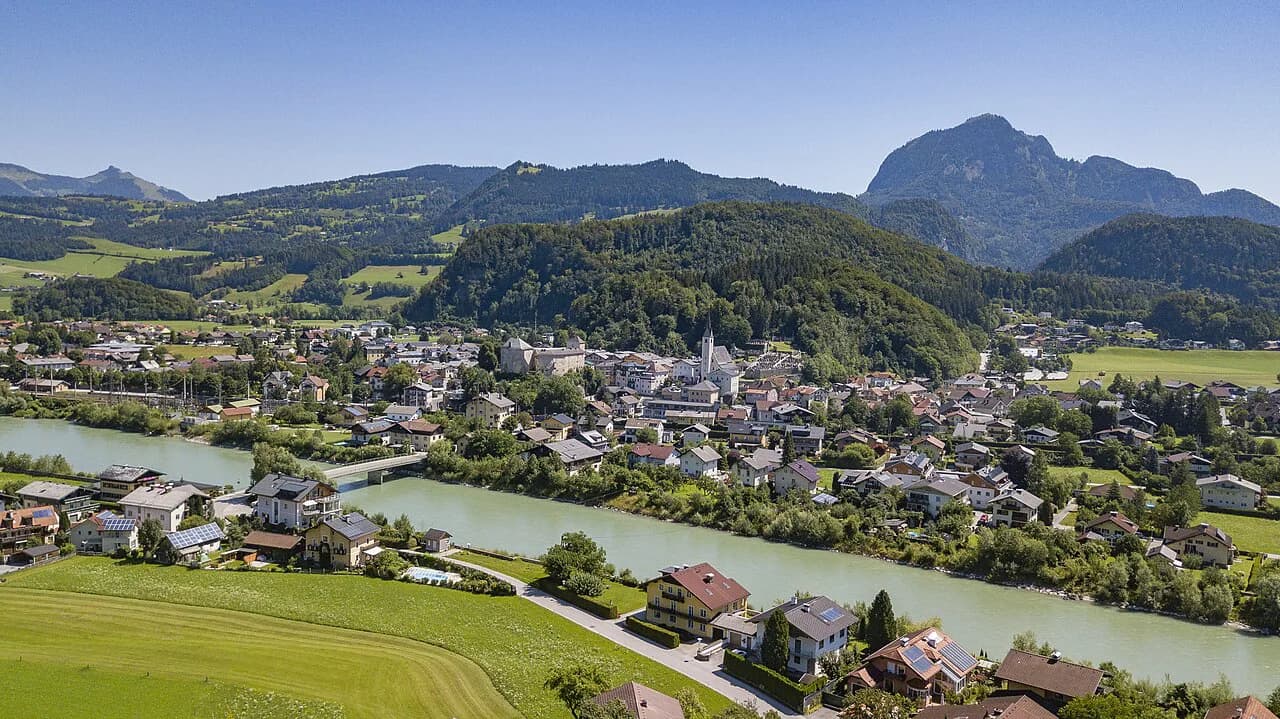
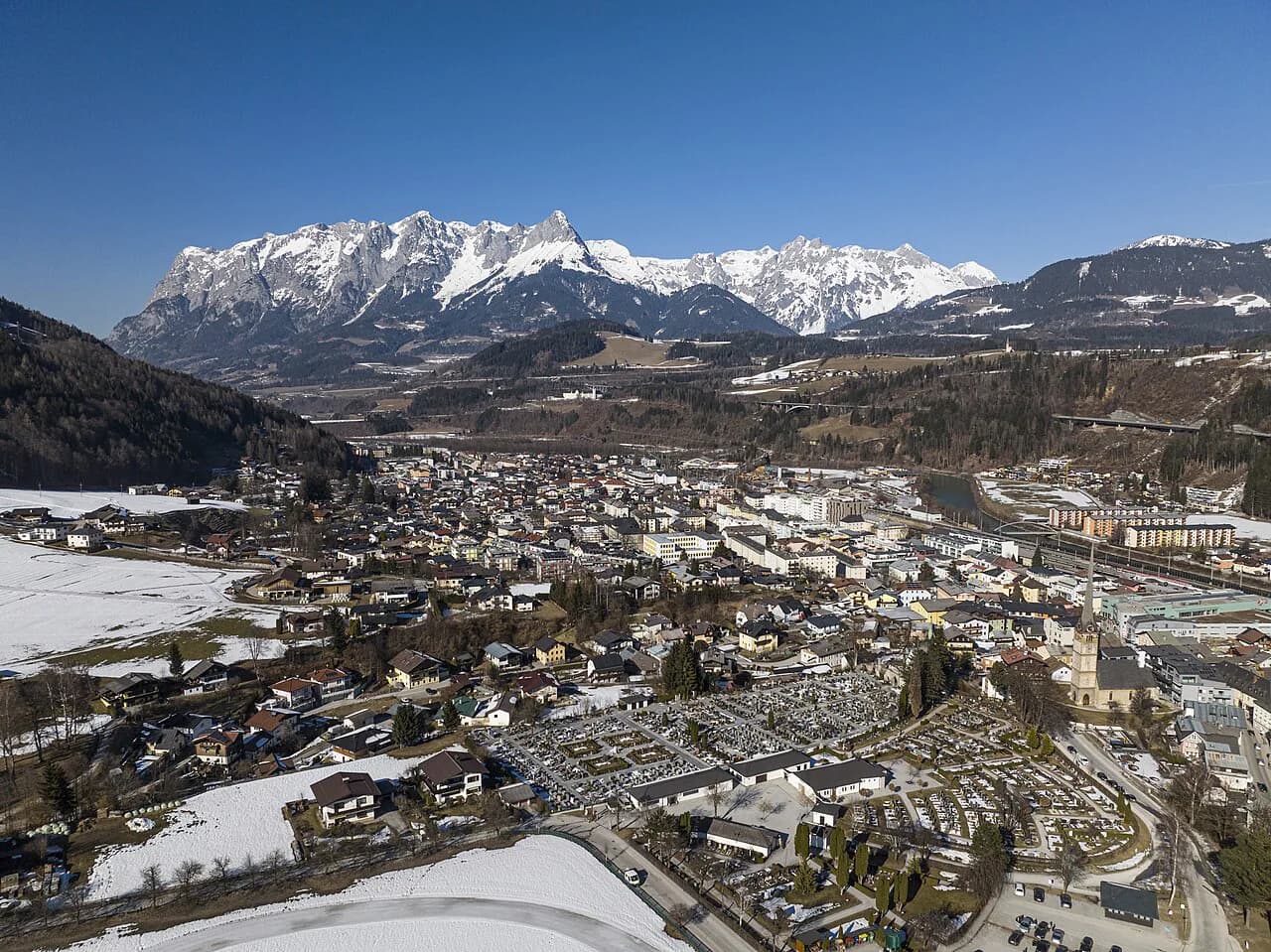
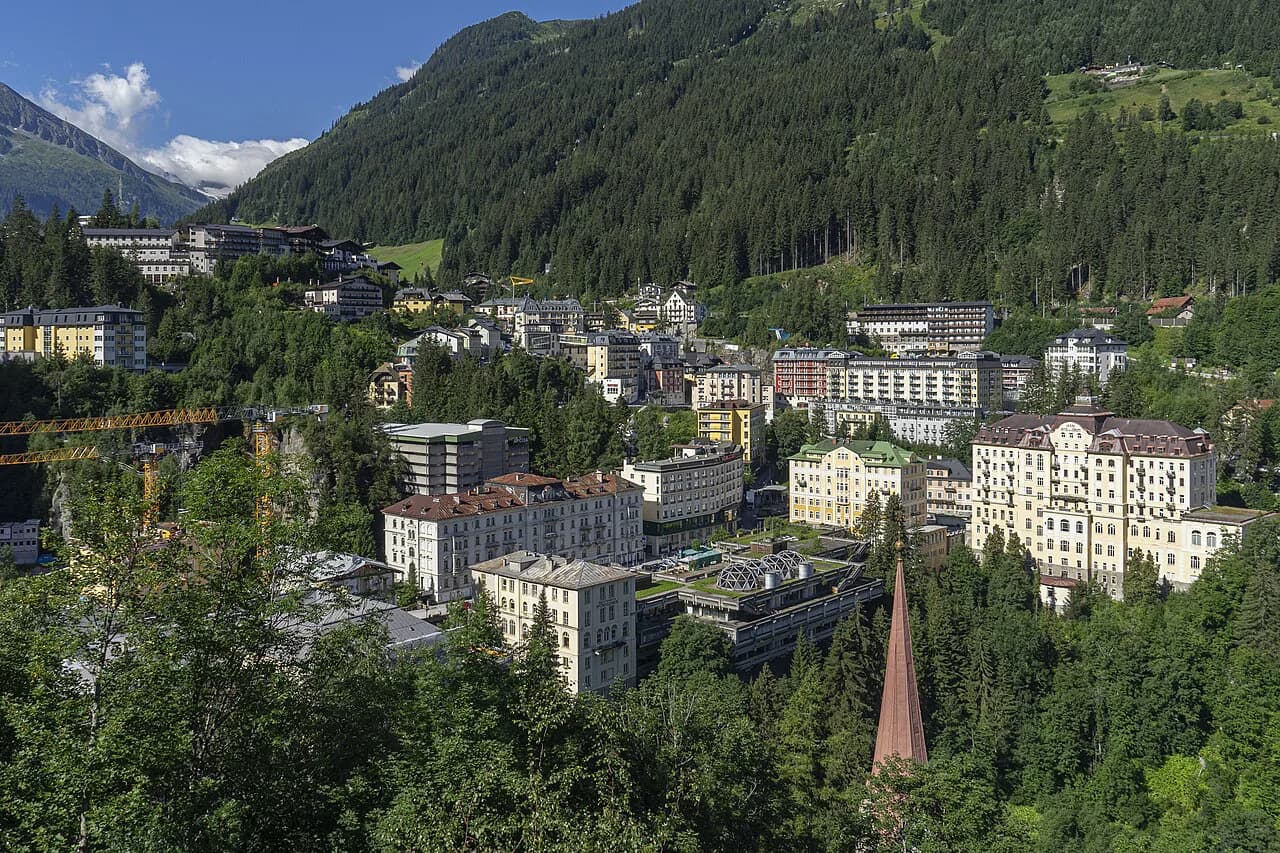
Bischofshofen lies in the Pongau district of SalzburgerLand, strung along the Salzach, with the Hochkönig rising to the south. The river valley and the rail and road corridors through it define the town's setting.
Because it sits in the Salzach valley on the main route between Salzburg and the Alps, Bischofshofen appears on many itineraries as a practical pause. If you are already heading to the Werfen or St. Johann im Pongau area, it costs you little deviation.
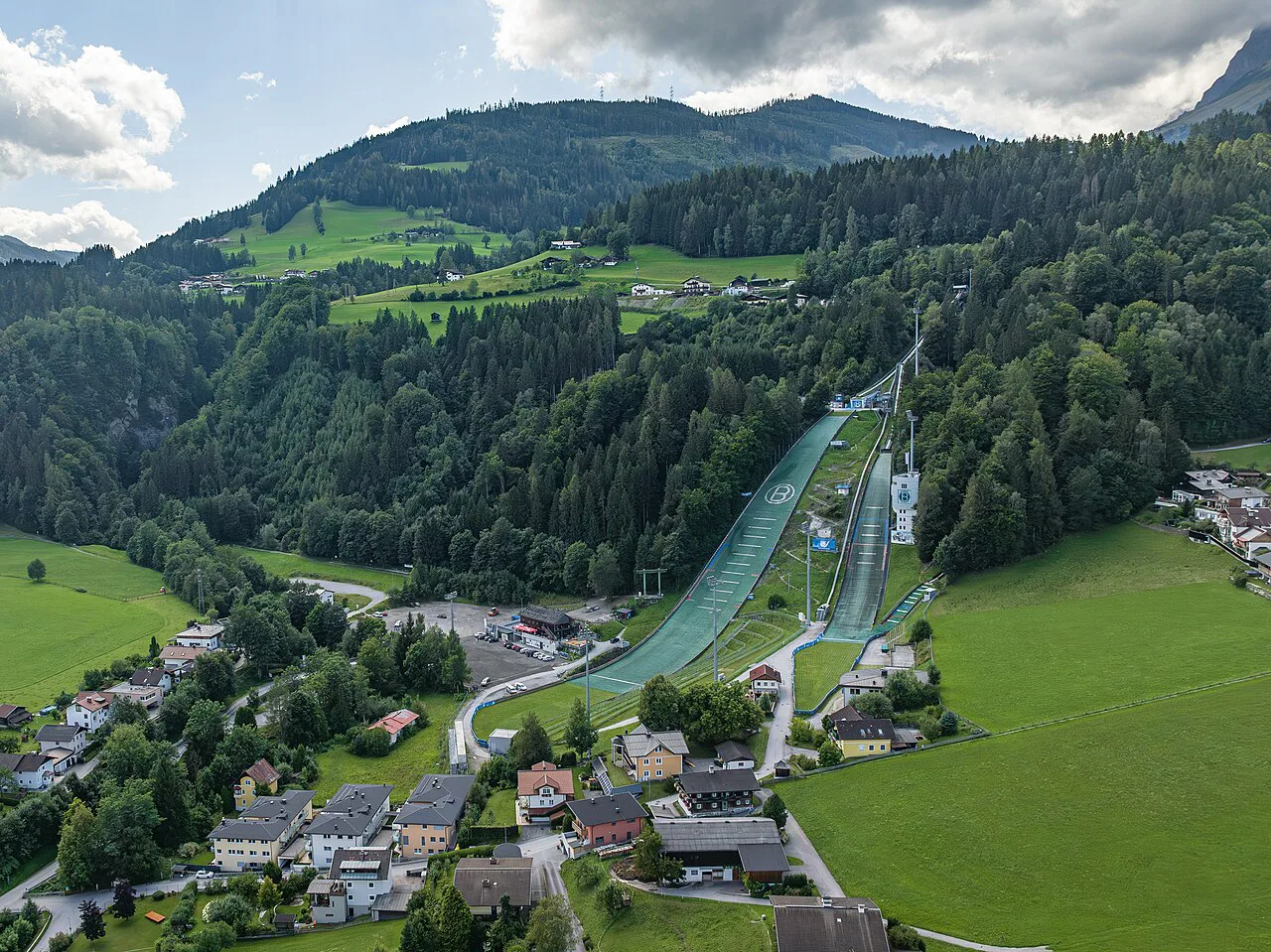
The town center and main square
The town has a compact center that works for an on-foot pause, with everyday shops and civic buildings typical of a working Pongau town rather than an intact medieval showcase. The main draw is the setting: the river, the scale of the town and the mountain backdrop.
Set aside roughly an hour for the center and a walk through the church quarter. The town is small enough that you can cover the core before a train connection, which is why it works well as a stop on the Salzach corridor rather than a base.
Churches in Bischofshofen
The churches are the historic core of a Bischofshofen visit. Parish churches in the SalzburgerLand are usually the richest interiors in a town of this size, so check on the ground for the current visiting possibilities and respect services and quiet hours.
Treat a church visit as part of a short town walk, and combine it with the streets around the center rather than as a separate destination. As with most parish churches in the region, admission rules vary, so confirm on arrival whether a quiet visit is possible.
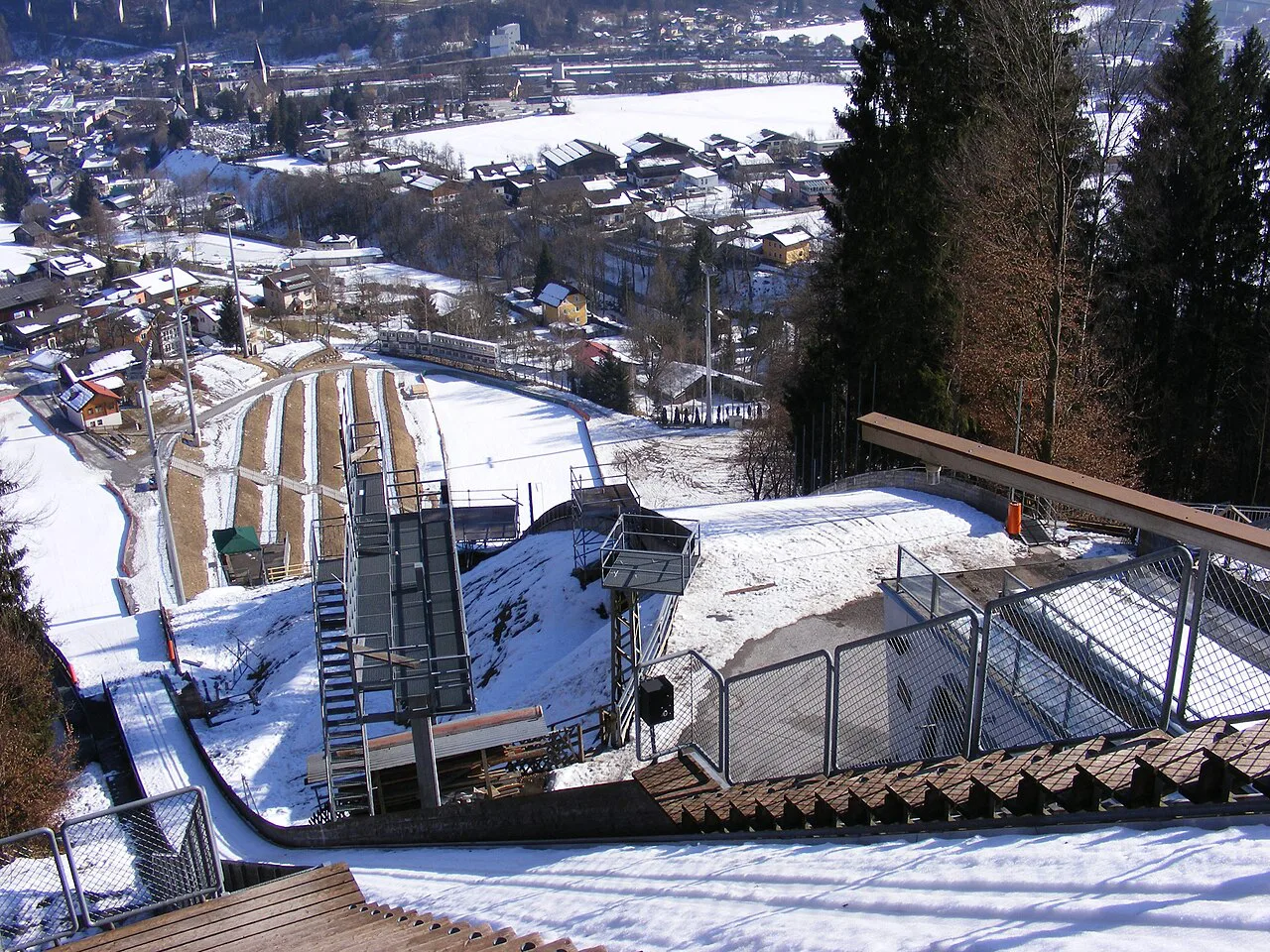
The Paul Ausserleitner ski jump as a town landmark
The Paul Ausserleitner ski jump is Bischofshofen's landmark, visible on the slope above town on the Hochkönig side. You do not need to follow ski jumping to appreciate it: the jump is a striking piece of engineering against the mountainside and a fixed point to orient yourself from the valley.
Treat it as a look-up sight rather than a scheduled visit. The view from below town is the point, and the whole thing takes minutes rather than a half day; if you were planning on a stadium visit, verify that separately before building a route around it.
Hohenwerfen Castle and the Werfen valley down the Salzach
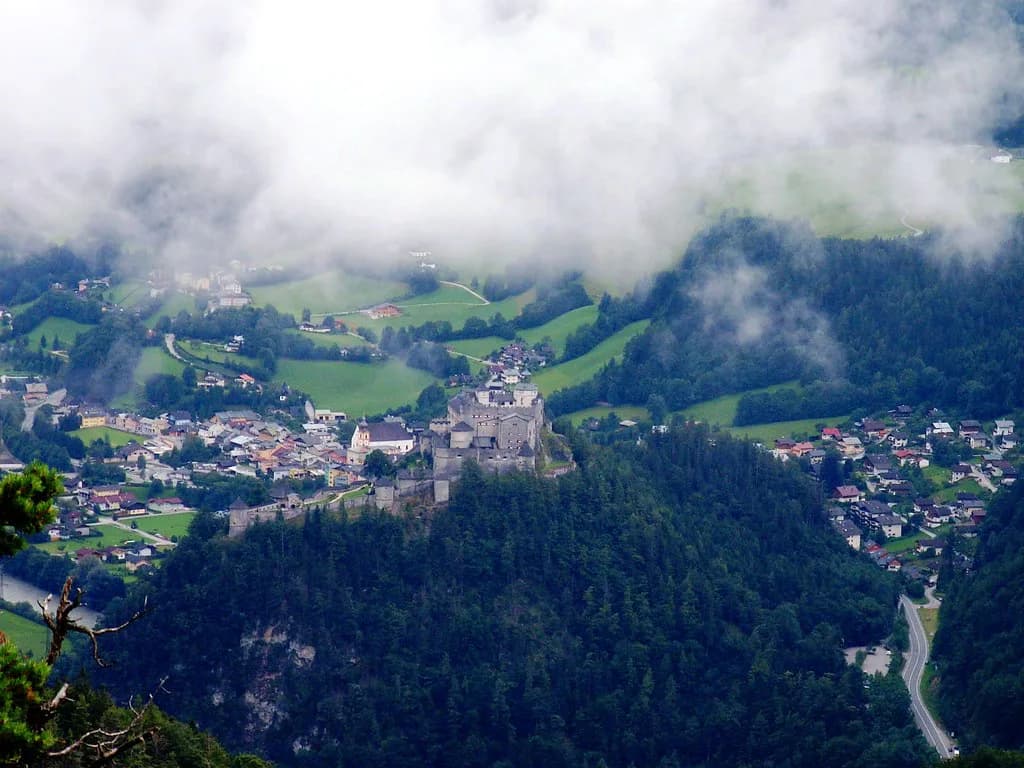
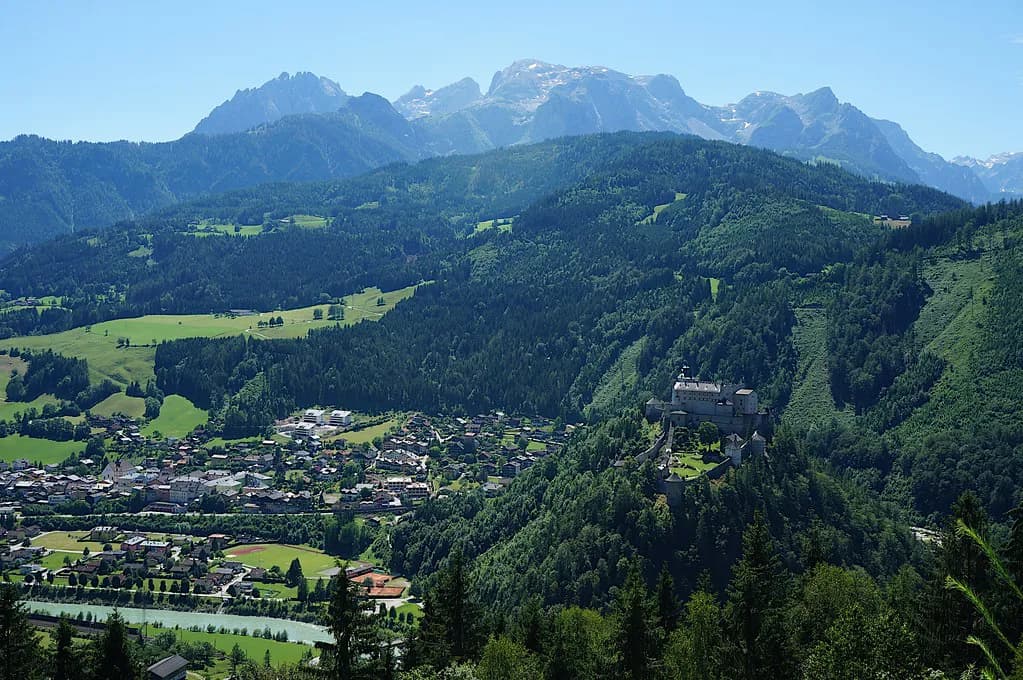
The strong pairing for Bischofshofen is Werfen, whose Hohenwerfen Castle stands on a rock above the Salzach a few minutes down the valley. The fortress is the reason to give this stretch of river a proper half day instead of treating Bischofshofen as a platform change.
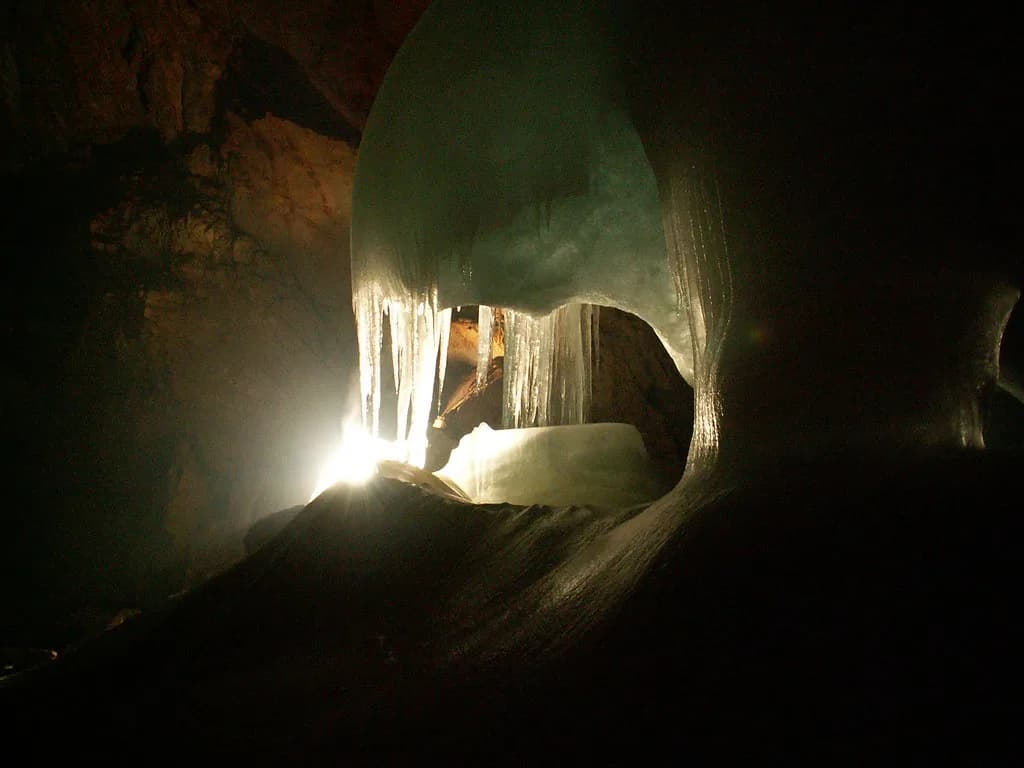
The same valley holds Eisriesenwelt Werfen, the ice cave in the Tennengebirge near Werfen. Both Hohenwerfen and the cave reward a confirmed plan before you go, since fortress tours and cave entry run on their own schedules and the cave involves a climb from the parking area.
Another option along the Salzach is the Hallein salt mine, reached up the valley toward Salzburg and a good wet-weather alternative when the mountains are clouded in. Together with Werfen and the cave it gives the Bischofshofen area more substance than the town alone suggests.
How long Bischofshofen needs
Plan for one to two hours in Bischofshofen itself: the center, a church visit and a look at the ski jump are the core, and that comfortably fills a stop between trains or a pause on a drive. It is a compact town, and stretching it into a full day leaves you with little to do.
The honest trade-off is that Bischofshofen pairs better with Hohenwerfen Castle or the Eisriesenwelt than it fills a day on its own. Give the fortress and the cave the long part of the day and let Bischofshofen be the civilized pause before or after.
Getting to Bischofshofen and onward by train or car
Bischofshofen has a station on the Salzach line, which makes it one of the easiest towns in the Pongau to reach without a car. Check current departure times on the operator's own timetable rather than assuming a connection, because regional services and long-distance trains on this corridor use the same station.
By car, the town sits beside the A10 Tauern Autobahn with the Salzburg side to the north and the Alpine passes to the south. Driving gives you the flexibility to combine Bischofshofen with Werfen, the Salzach Valley and the towns toward St. Johann im Pongau in a single day.
The most effective car route follows the river rather than the motorway for a stretch, since the old road links Bischofshofen, Werfen and the fortress turnoff in a way the autobahn bypasses. For travelers basing themselves near St. Johann im Pongau and the Grossarl Valley, Bischofshofen is an easy add-on; nearby Liechtensteinklamm makes another valley-scale stop.
Food and practicalities in town
For food, keep to the Austrian basics that a Pongau town does well: a plate of Käsespätzle, a clear beef broth, or a schnitzel with potatoes and salad. Bakeries and Gasthöfe around the center carry you through a lunch stop or a coffee before a train.
Look for a Gasthof with a daily lunch menu posted at the door, which is the reliable budget option in a town of this size, and expect warm food to be served only in defined lunch and dinner windows. Prices vary by venue, so read the posted menu before you sit down.
Bischofshofen with a car and nearby gateways
With a car, park near the center and walk the core; the town is small enough that one parking spot covers the whole visit. From there, the Hochkönig side, the Salzach valley and the Lammer valley toward Abtenau all open up within a short drive.
Family-oriented trip planners list plenty of excursions within about 45 kilometers of Bischofshofen, including the Hallstatt salt world and the Salzburg open-air museum, which tells you how much sits within reach of this junction. Use the town as a hub for a day of branching out rather than as a destination.
Should Bischofshofen be on your Salzach route?
Yes, if you are already traveling the Salzach corridor between Salzburg and the Alps: an hour or two in the center, a church visit and a glance at the ski jump above town make a good pause, with Hohenwerfen Castle or the Eisriesenwelt as the main event nearby. Skip it as a standalone day, because the town is compact and rewards pairing.
Build the day around the fortress or the cave and let Bischofshofen supply the coffee, a church visit and the station or motorway access. Confirm the timetable and any fortress or cave schedule before you commit, then let the Salzach valley do the rest.
Explore more Werfen guides
Sources
Notes for your next Austrian town break
Optional updates when we add or revise town guides.
You might also like
Continue reading
More guides you'll find useful