Filzmoos, Austria: Alpine Village Under the Bischofsmütze
Filzmoos is a small alpine village in Salzburgerland beneath the Dachstein range. Here is how the village is laid out, what summer offers, and how to reach it.
On this page
Filzmoos is a small alpine village in the St. Johann im Pongau district of the state of Salzburg, set beneath the Gosaukamm ridge of the Dachstein range. It is a compact place rather than a sprawling resort, which makes it a practical stop in the Pongau. This guide covers where the village sits, the landmarks that orient you, what it promotes itself as in summer, and how to reach it without overreaching the evidence.
Where Filzmoos sits in Salzburgerland
Filzmoos belongs to the St. Johann im Pongau district in the state of Salzburg, and its economy leans on tourism, winter skiing and the summer season. That administrative placement matters for trip planning: you are in the Pongau, the same district as St. Johann im Pongau, rather than in the Flachgau or the Tennengau around Salzburg city.
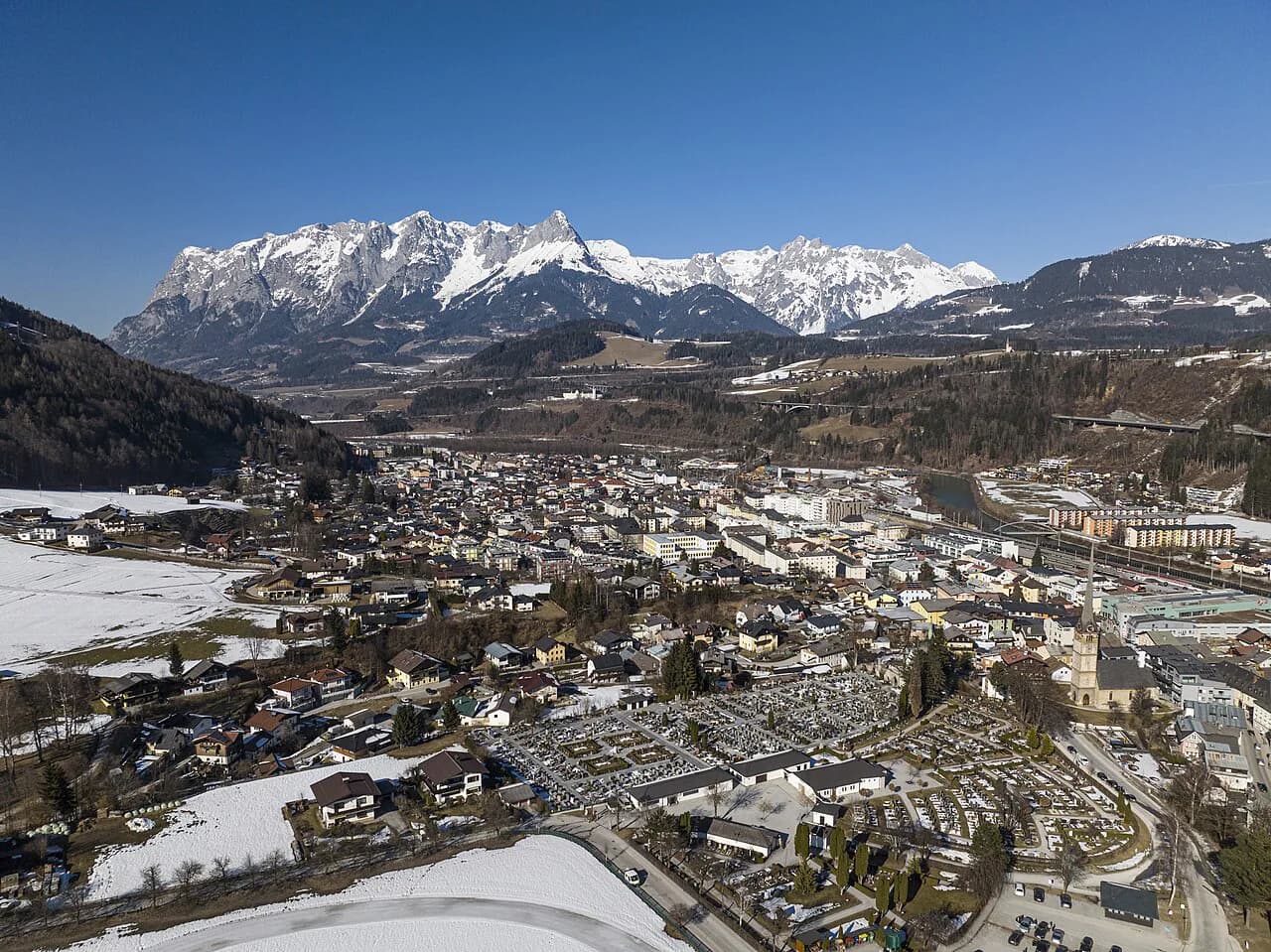
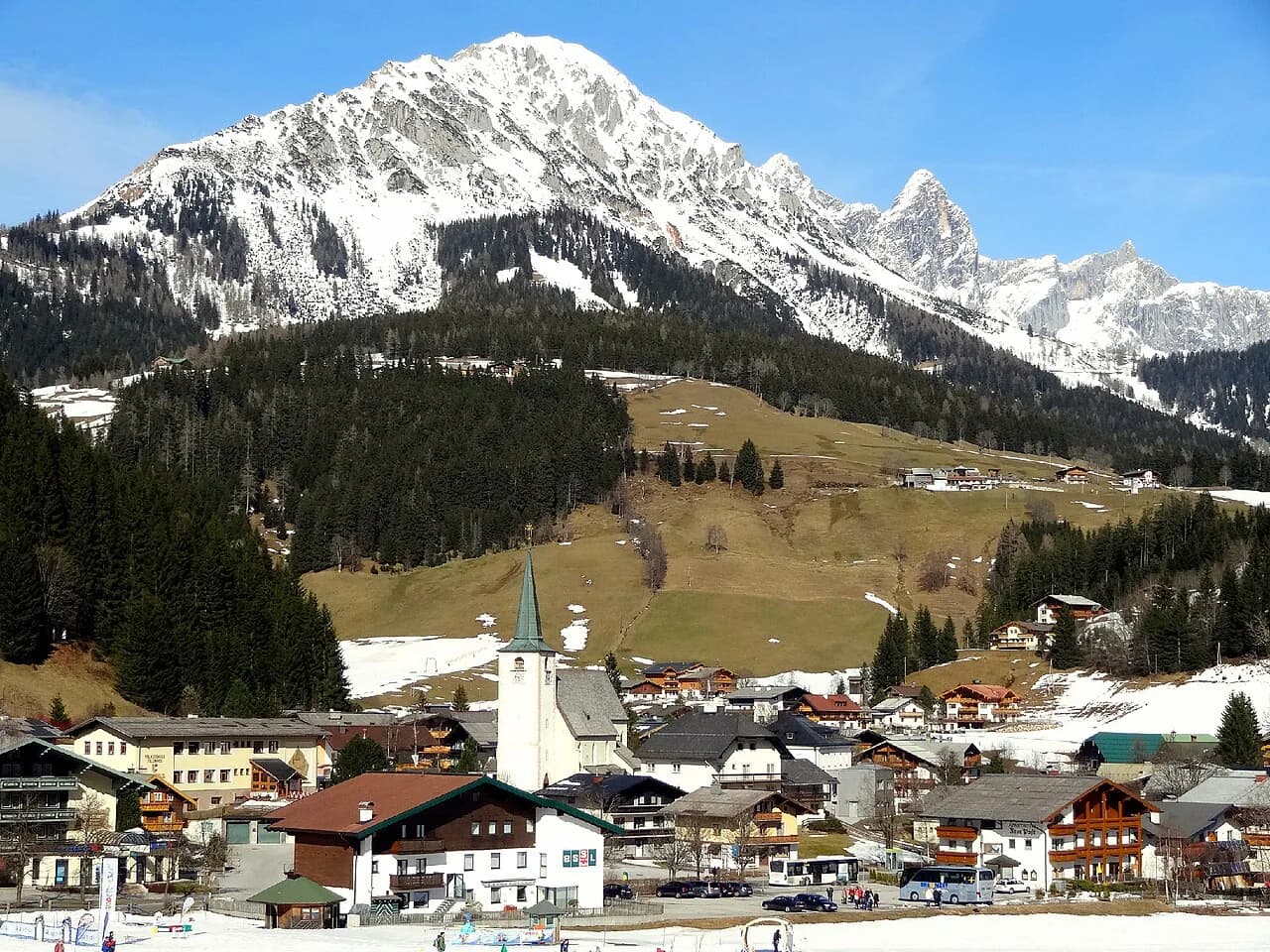
The village's defining geography is the Dachstein range, whose Gosaukamm ridge rises above the settlement, with the Bischofsmütze as its signature peak. The village website presents Filzmoos as an alpine holiday place built around mountains and outdoor activity rather than around an old town or a baroque monument.
For routing purposes, Filzmoos sits within the Pongau, and the nearest larger town in the same district is St. Johann im Pongau, a practical rail junction for the area. Confirm bus and rail connections in the current ÖBB and Postbus timetables before you commit.
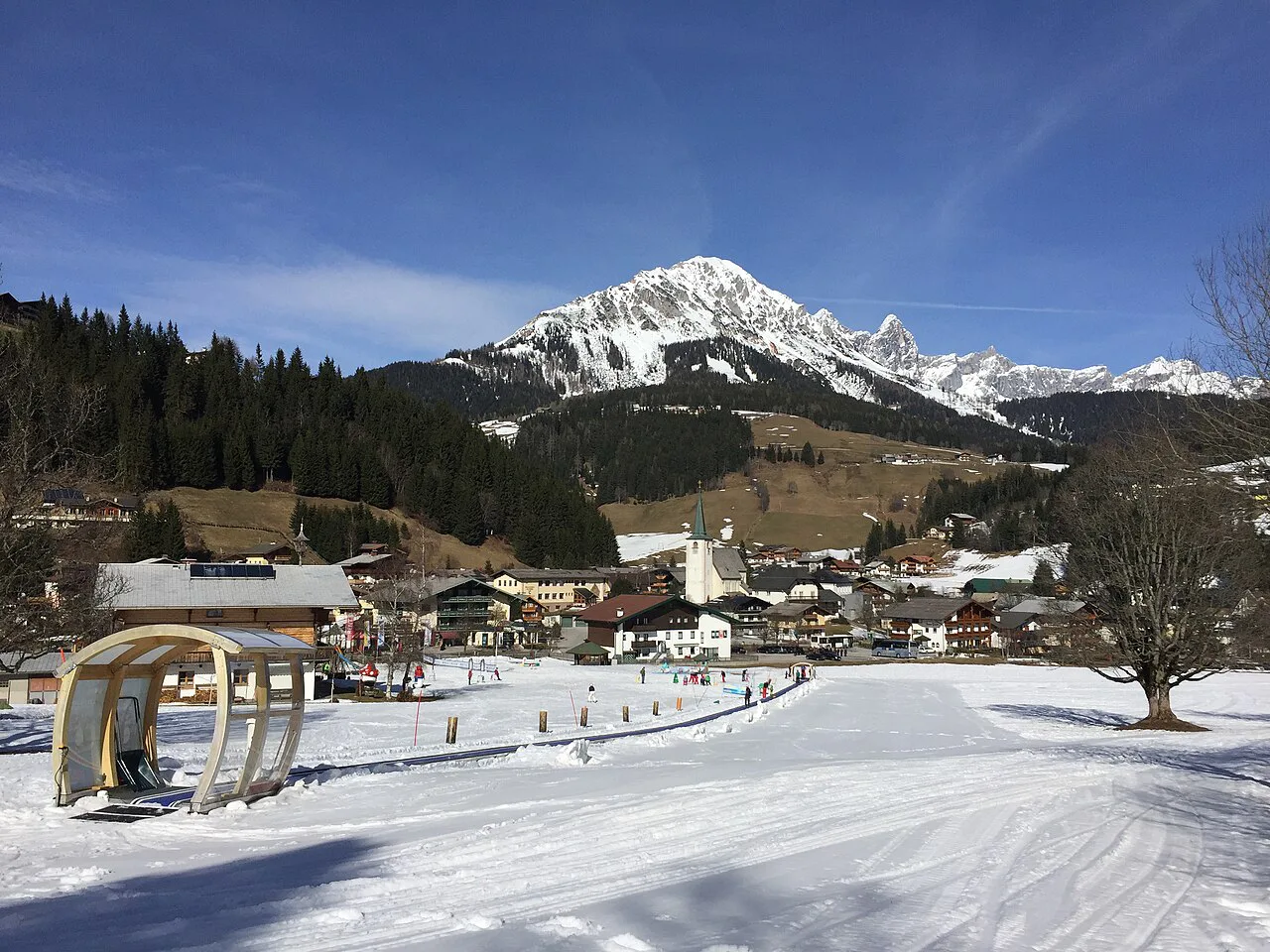
The Bischofsmütze and the village center
The Bischofsmütze is the landmark you steer by: a distinctive rock formation on the Gosaukamm that dominates the view from the village. It is the peak that gives Filzmoos its most recognizable skyline, and it frames the valley view.
The village itself is a working alpine settlement; it is not a walled town, and there is no palace or abbey to tour. Orient yourself by the main road, then use the valley orientation: the Dachstein and Gosaukamm to one side, the open Pongau countryside to the other. The local tourism office is the reliable place to confirm parking and trailhead arrangements on arrival.
Because the center is compact, the practical question is not how to navigate the streets but where to leave the car and which direction to head out of the valley. Confirm parking and trailhead arrangements with the local tourism office when you arrive.
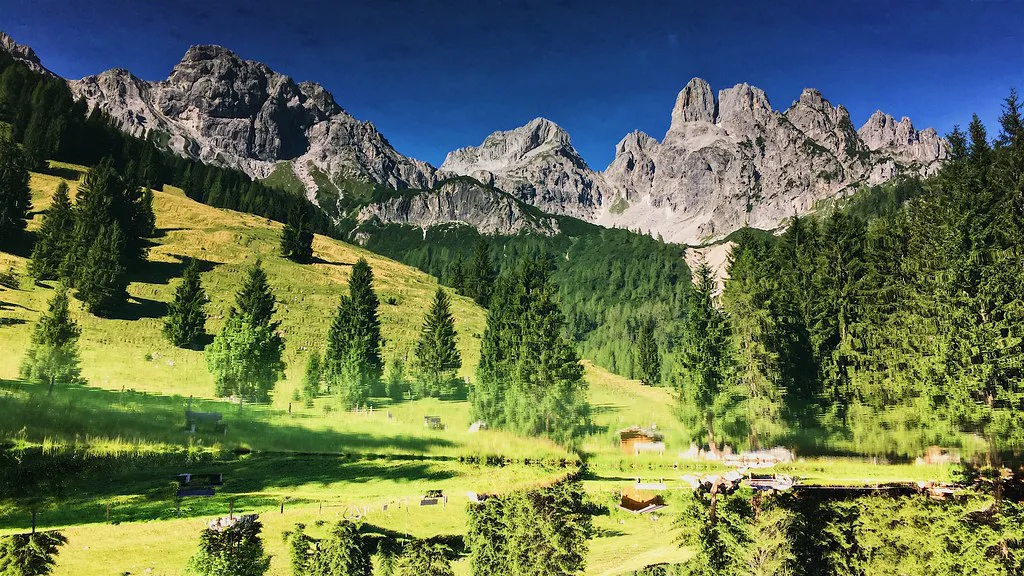
What Filzmoos promotes itself as in summer
Filzmoos markets itself on its own site as the Austrian hiking village and a leading climbing region in Salzburger Land, and as an MTB village within the Salzburger Sportwelt. Those are tourism labels, and they tell you what kind of visitor the village is built for: active summer guests who want mountains accessible from the doorstep.
For a non-skiing traveler, the value is the setting rather than a checklist of ticketed sights. The village frames its summer around mountain scenery, alpine meadows and outdoor activity, plus family and adventure programs that change seasonally.
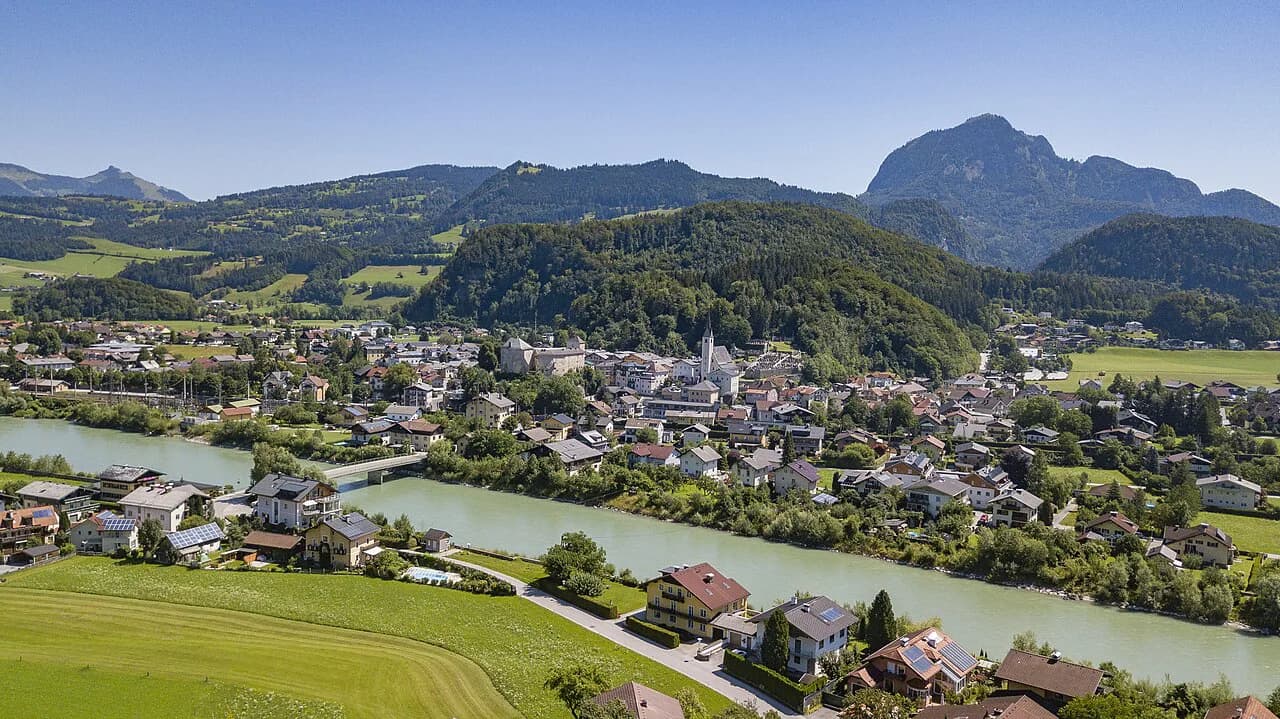
If you are passing through the Pongau with a car, a half day in Filzmoos is enough to walk the center and take in the Bischofsmütze view. Elsewhere in the district, the fortresses and gorges nearer Werfen and St. Johann reward a separate day; a day based around Werfen, Austria gives you those in a single loop.
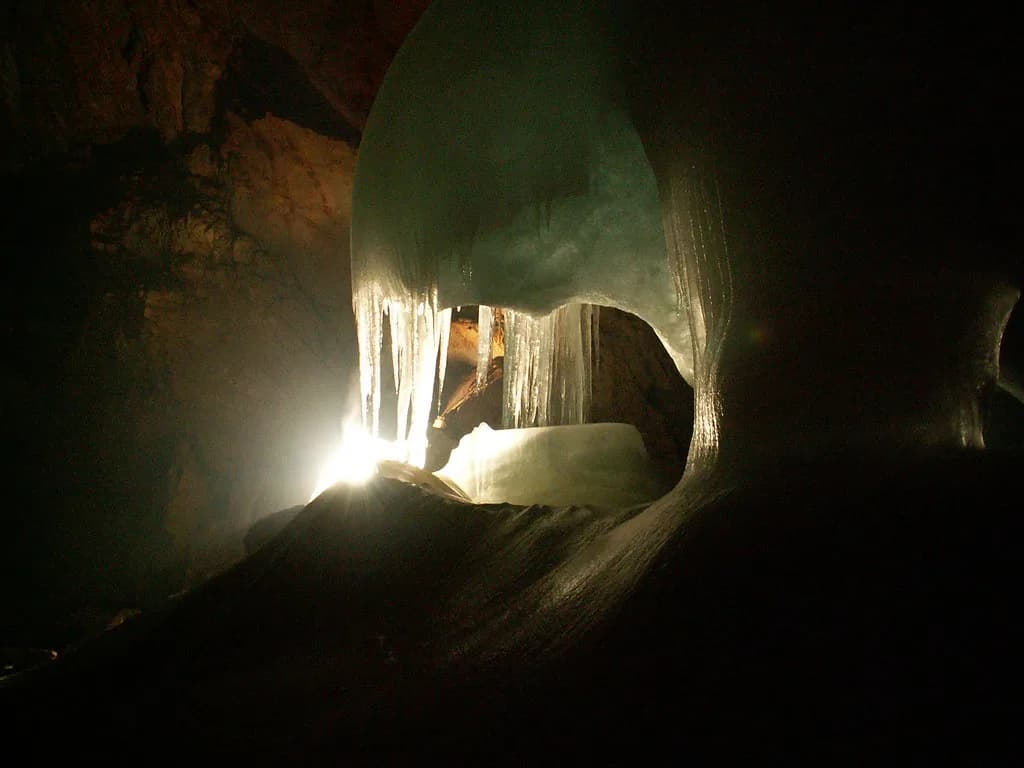
If you are building a Pongau itinerary around a cluster of sights rather than a single village, the Salzach Valley towns north of here hold the Eisriesenwelt ice cave and the fortress above Werfen, both reachable as day outings on the same corridor.
Mountain food and huts around the village
The village website gives its own space to mountain culinary offerings, which points to the huts and guesthouses in the surrounding meadows that serve alpine dishes to walkers. Expect soups, dumplings, cheese dishes and simple roasts on a typical mountain menu.
Mountain huts keep seasonal hours and may run shorter menus in poor weather. Check the village site and the huts' posted boards for which are open, since the summer season runs from late spring into autumn and ends with the snow.
Getting there by train, bus or car
Filzmoos has no railway station of its own, so the practical public-transport pattern is a train to a nearby rail point such as St. Johann im Pongau or Bischofshofen, followed by bus or taxi up into the village. Check connections in the ÖBB and Postbus timetables before you commit, since summer services change with the season.
By car, the village is reached on the roads that climb from the surrounding valley. In summer this is straightforward. Filzmoos draws visitors across both the winter and summer seasons, so plan the approach around seasonal road conditions rather than assuming year-round ease.
A car makes Filzmoos more useful for a wider Salzburgerland loop, since it lets you link the village with the Salzkammergut lakes and the Salzach Valley towns in one day. Without a car, base yourself on the rail corridor and treat the village as a day trip rather than a hub.
How Filzmoos fits a route through the Pongau
Place Filzmoos between the Salzach Valley sights and the Dachstein side of the region: a natural stop on the way from Werfen and St. Johann toward the Salzkammergut. The district's main attractions, including the Hohenwerfen Fortress above the Salzach and the Liechtensteinklamm gorge near St. Johann, work as a half day each.
Hallein, between Salzburg and the Pongau, is the natural gateway to its salt mine and old salt quarter, both worth a separate day rather than a rushed detour off the Filzmoos road.
A route that starts in Abtenau and moves through the Lammer Valley toward Filzmoos connects the quieter market towns of the Tennengau with the Pongau without passing through Salzburg city.
How long Filzmoos needs
Treat Filzmoos as a half day if you are passing through: a walk through the center, a look at the Bischofsmütze from the valley, and a coffee before moving on. If you want to spend the day on the meadows above the village, give it a full day, since the mountain activity is what the village is organized around.
Because the village markets itself around hiking, climbing and mountain biking, the time investment scales with how much walking you plan. Someone who only wants the scenery and the village circuit will find the place compact; someone planning a full mountain day will want a clear morning and a dry-weather forecast.
For a first visit to this part of Salzburgerland, spend your main sightseeing days in the Salzach Valley and the gorges, and slot Filzmoos in as the mountain interlude. The district's accessible sights are spread out, so treat it as a series of short stops rather than a single base with a long stay.
Should Filzmoos be on your Salzburgerland route?
Yes if you want a compact alpine village beneath the Dachstein and a mountain day out of the car; less so if you are chasing abbeys, palaces or old-town squares, which the district offers elsewhere. Filzmoos is best approached as a quiet, scenic pause on a Pongau and Salzach Valley circuit rather than as a destination in its own right.
Check the village site and the ÖBB and Postbus timetables for the connections and seasonal hours before you go, and match the day to the weather rather than the calendar. That is the practical way to make a village built around the outdoors work for a short stay.
Explore more Werfen guides
Frequently Asked Questions
What is the altitude of Filzmoos?
Filzmoos sits in the Pongau beneath the Gosaukamm of the Dachstein range. The village's own summer material does not publish an altitude figure, so check the local tourism office rather than relying on secondary numbers.
Sources
Notes for your next Austrian town break
Optional updates when we add or revise town guides.
You might also like
Continue reading
More guides you'll find useful