Klagenfurt Guide: Old Town, Squares and the Wörthersee
Klagenfurt is Carinthia's Renaissance-edged capital beside the Wörthersee. Walk its squares and arcaded courtyards, then plan the lake shore and museums.
On this page
Klagenfurt am Wörthersee is the capital of Carinthia and the obvious base for the eastern end of the Wörthersee, with a compact old town of squares and arcaded courtyards and a lake shore a short ride away. Give the historic center half a day on foot and a separate block to the lake and museums if the water and the state collections interest you. This guide covers the layout square by square, the buildings that give the city its Italianate stamp, the lakefront, and how Klagenfurt slots into a route through Austria.
Klagenfurt is not a baroque pilgrimage stop or a fortress town; it is a lived-in regional capital where the sightseeing is the street plan itself. Italian master builders shaped the city, and its squares and inner courtyards have been recognized for careful restoration. Plan on walking, because the pleasure is in moving from one named square to the next rather than queueing for a single headline monument.
Klagenfurt in one answer: what the city is and where it sits
Klagenfurt lies on the east shore of the Wörthersee in the south of Austria, in the state of Kärnten (Carinthia). Its historic core is praised as a Renaissance jewel on the lake, shaped by Italian builders into a grid of palaces, courtyards and squares. That makes it different from Austria's Alpine fortress towns: the appeal is civic and architectural, not a single castle on a hill.
For a first-time visitor, the useful mental map is simple: the old town sits inland, and the Wörthersee's eastern bay with its lido lies just beyond. Treat them as two separate outings linked by a short trip rather than one continuous walk. The center is genuinely compact; the lake shore needs its own time slot.
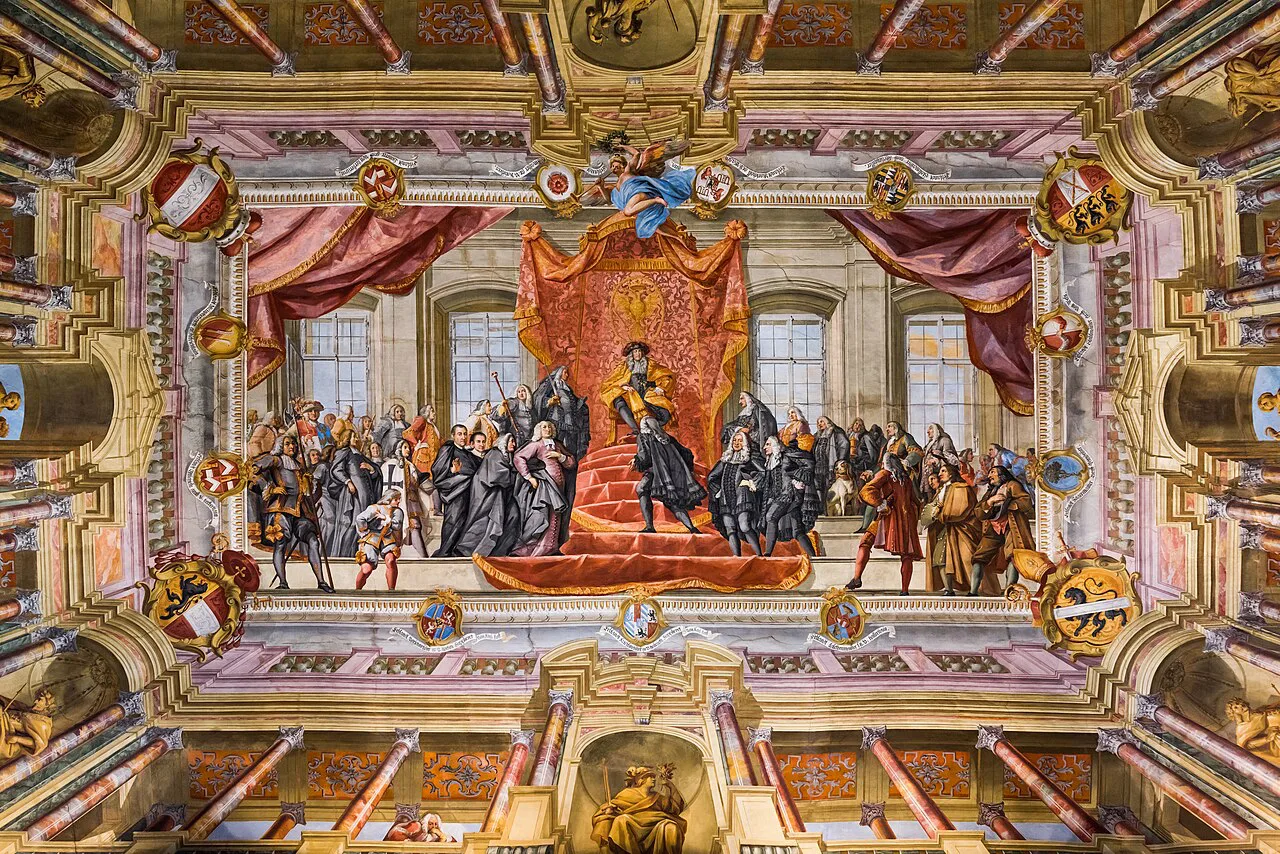
The city's wider identity is literary and cultural as well as architectural. It is the birthplace of the writers Robert Musil and Ingeborg Bachmann, and the annual Ingeborg-Bachmann literature competition is the standout event in the German-language literary calendar. Musil's birth house can be visited, which gives a rainy morning an obvious indoor option.
How the old town is laid out: squares, arcades and courtyards
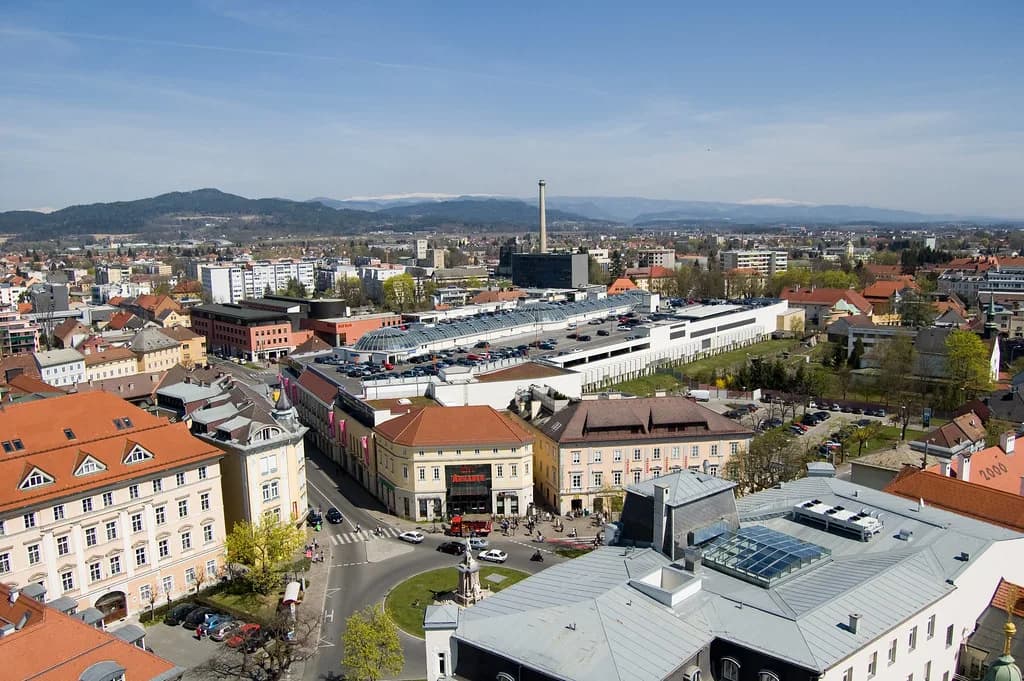
The center is built around a sequence of squares rather than one grand set piece. The historic core is a grid of palaces, courtyards and squares, and the arcades along the street fronts lead into inner courtyards that are the detail that rewards slow walking. Walk from square to square and you cross the essential Klagenfurt within a few minutes, which is exactly why the old town suits a short visit.
Italian builders left a legacy of palaces and inner courtyards, and the center has been recognized repeatedly for exemplary old-town preservation. Step into open passages where they invite you, and look up at the facades rather than only at shop windows at eye level; the Italianate stamp is in the upper stories and the inner courts.
The center is also a working shopping district, with a pedestrian zone of boutiques, department stores, cafes and traditional taverns, plus daily farmers' markets that draw people into the middle of town. That mix means the squares are liveliest in the middle of the day and quieter in the early morning. If you want photographs of empty facades, come before the market crowds build.
The old town's mascot, the dragon fountain
The Lindwurm is Klagenfurt's emblem: a dragon-like creature that gives the city its mascot and its most photographed fountain. It stands in public space, so you can see it without a ticket and slot it into your walk at any hour. Use it as the fixed point for orienting yourself in the center.
The fountain is best approached as part of a circuit through the old town rather than a standalone stop. Pair it with the surrounding squares, then continue into the arcades and courtyards. Budget fifteen minutes here and let the rest of the morning go to the surrounding streets.
Because the fountain sits in public space, it works whatever the season and whatever the museums' hours. That flexibility matters in a city where some ticketed sights follow their own opening patterns. Start here, get your bearings, and decide which indoor sights deserve the rest of your day.
Churches, palaces and the city's Italianate stamp
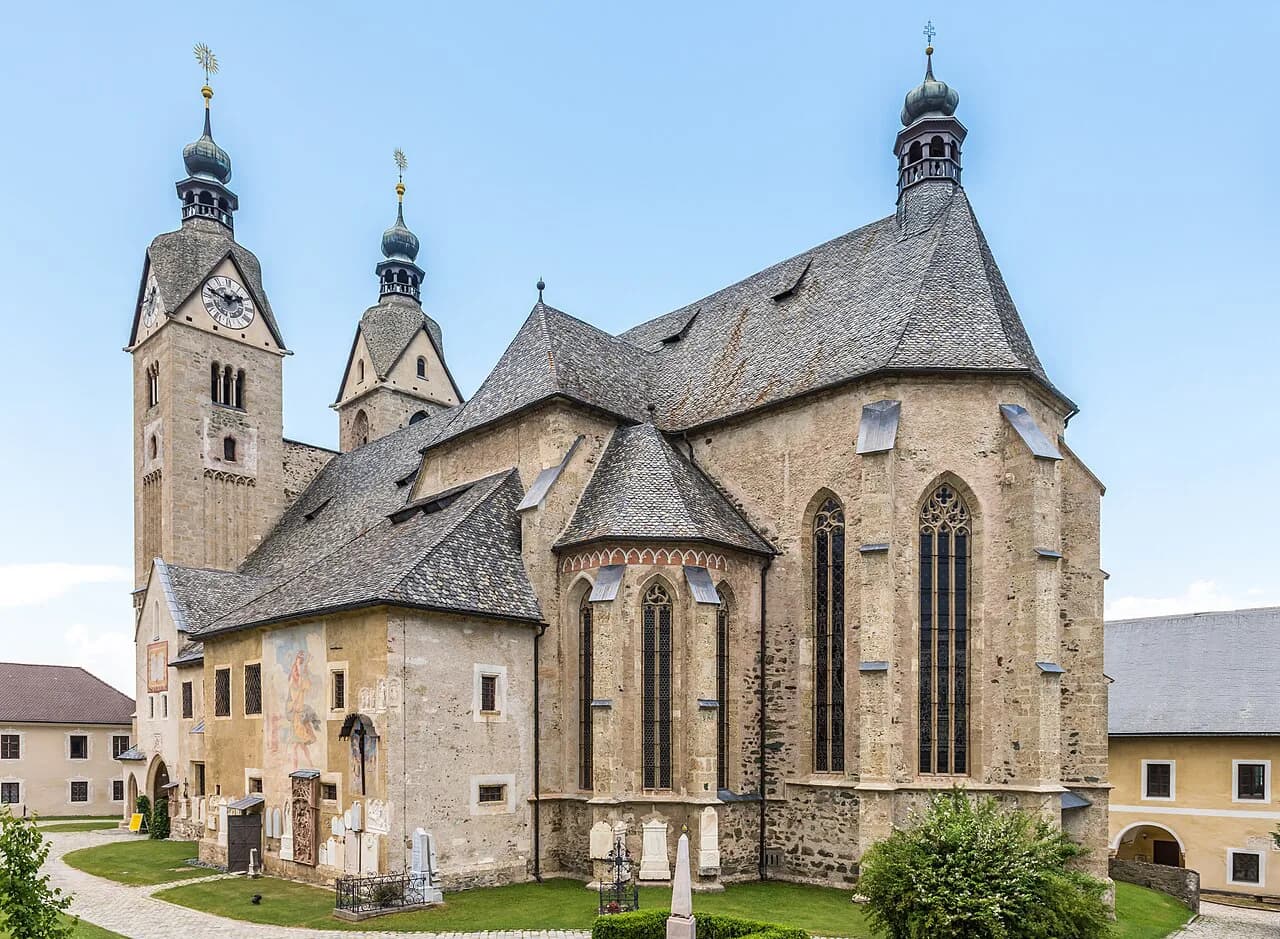
Klagenfurt's religious and civic buildings are spread across the center rather than concentrated in one square. The city counts dozens of churches and chapels, some with notable furnishings, and the historic core holds palaces that range from museums to buildings in other uses. Together they explain why the city reads as Renaissance and later rather than medieval.
You do not need to chase every church and chapel. Pick one interior stop in the center and treat the rest as things you pass on the walking route; the pleasure of Klagenfurt is the sequence of squares and passages rather than a checklist of interiors.
Architecture-minded travelers should note that the city's palaces are not all museums. Well-preserved palaces stand in and around Klagenfurt, and some can be seen from the inside while others remain in other uses. That variability is a reason to build your day around the public squares and streets first, then add interiors that fit your timing.
Wörthersee's east bay: the lido and the lakefront
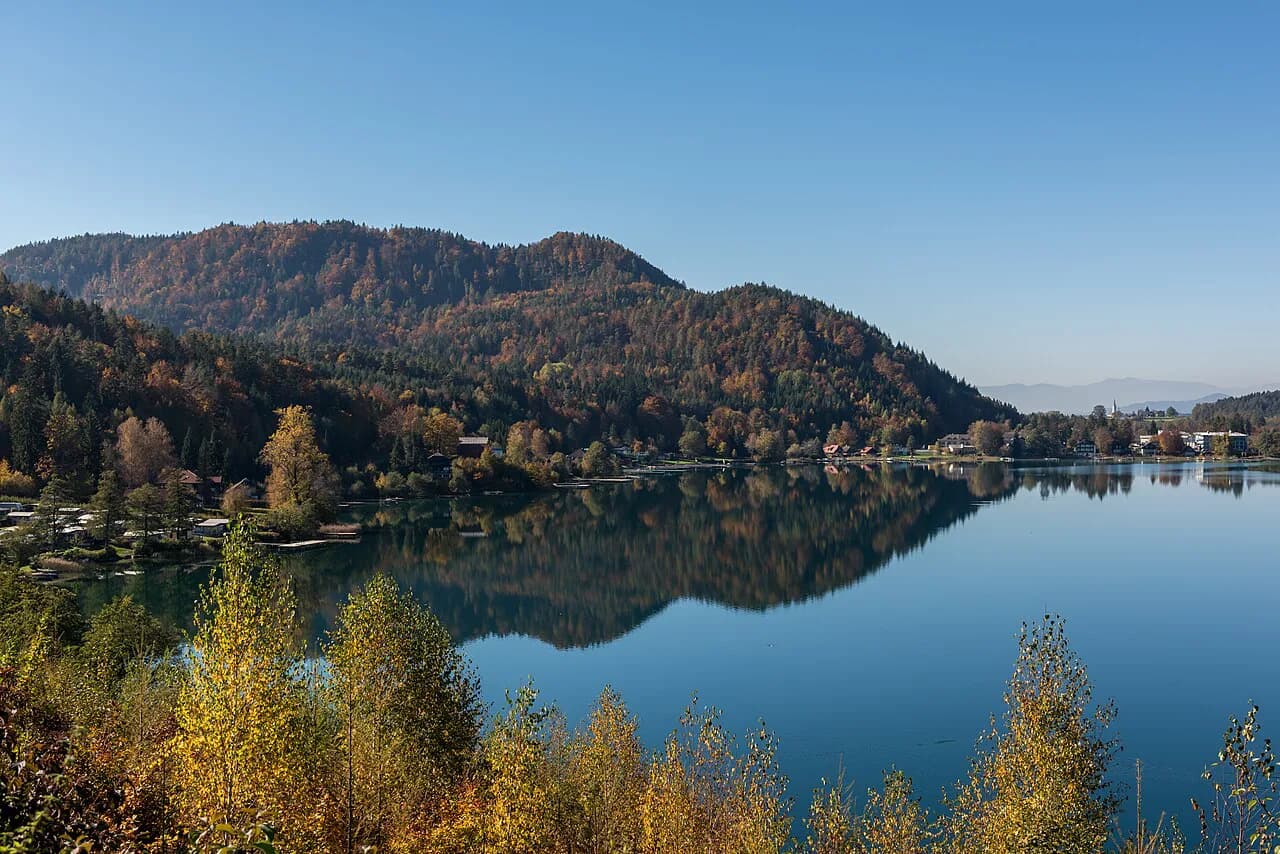
The Wörthersee is the reason many travelers stop in Klagenfurt at all, and the city sits on the lake's east shore. On the lake's edge is the city's open-air lido, a beach complex that turns the city into a swimming destination in warm weather. The lake is the counterweight to the old town: one half of the day among facades, the other outdoors on the water.
The lake shore is also a promenade. In cold winters residents skate on the Lendkanal and, when the lake freezes, on the Wörthersee itself. For a summer visit, the practical question is whether to swim or simply walk the shore; both are easy from the center.
The Wörthersee rewards more than a quick look. Velden am Wörthersee is a classic lakeside stop at the western end of the lake, and Maria Wörth on its peninsula is the quiet counterpoint. If your itinerary allows, base yourself in Klagenfurt and use the lake towns as an afternoon extension rather than squeezing them into the same morning.
Museums and smaller sights in town: the Landesmuseum and its Roman finds
The Landesmuseum is Klagenfurt's state museum and the best single interior stop for understanding Carinthia, with Roman finds among its holdings, including the celebrated youth from Magdalensberg. If you see one museum in the city, make it this one. It supplies the historical frame that the streets outside only hint at.
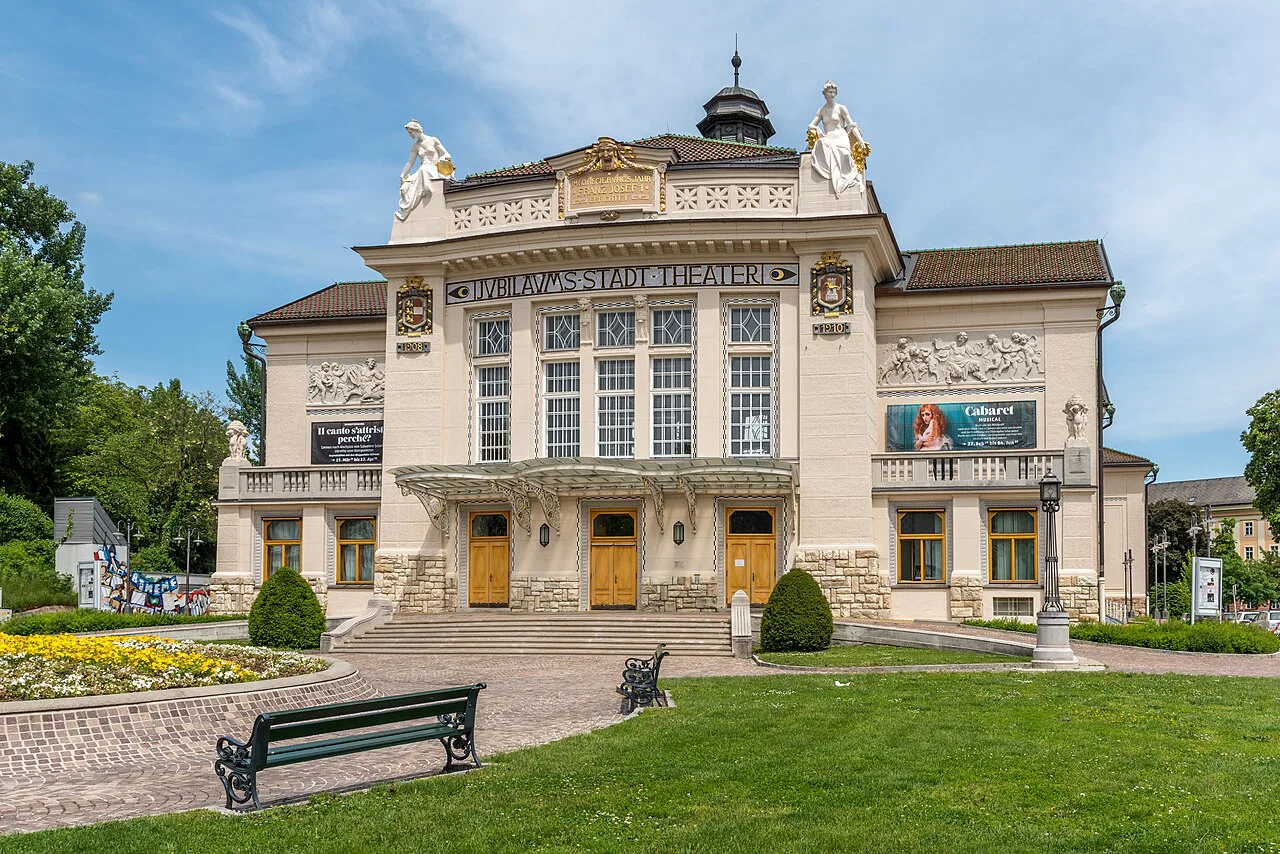
Beyond the state museum, Klagenfurt has a spread of smaller collections and galleries, ranging from folklore to mining history, plus the Stadttheater with its year-round program of opera, plays, musicals and operetta. These are the kind of sights that fill a rainy afternoon rather than define a trip. Choose by subject: Roman and regional history at the Landesmuseum, performance at the theater.
The city also has the birth house of Robert Musil, which suits readers who want a literary thread through the day. Because individual museum opening days vary, confirm the specific museum's hours before you build the day around it. That one check saves a wasted walk across town.
Other sights in and around the city worth a detour
The lake area adds more for a family-friendly detour. The city is on the water side of the lake, so any stop along the shore pairs naturally with the lido and the shore paths rather than with the old town. Give the lake a separate block if you are traveling with children or want a light, playful stop.
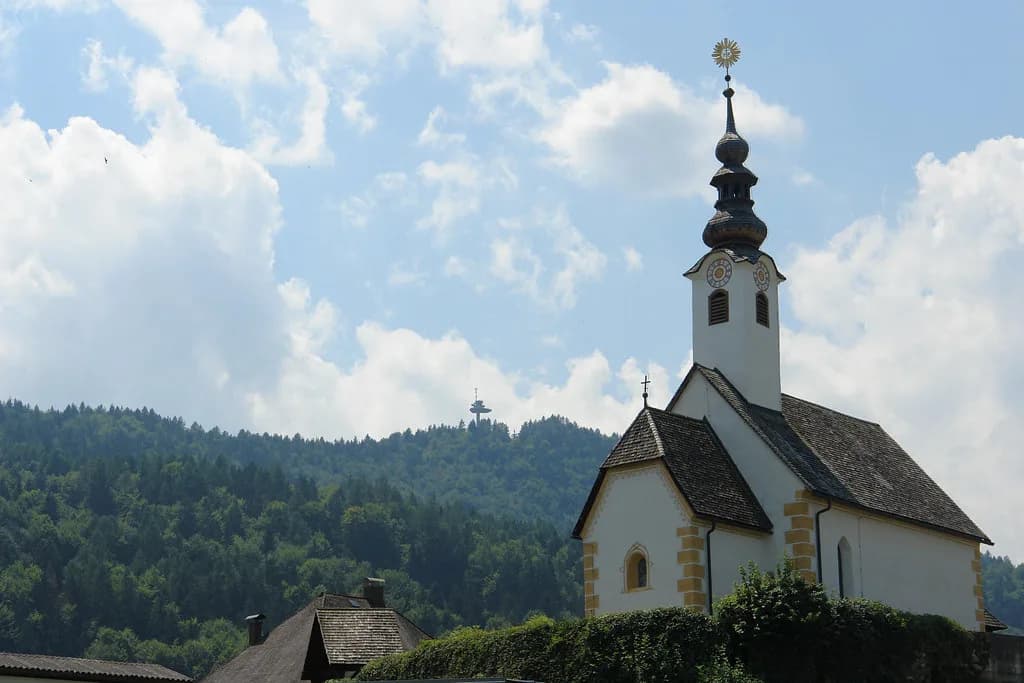
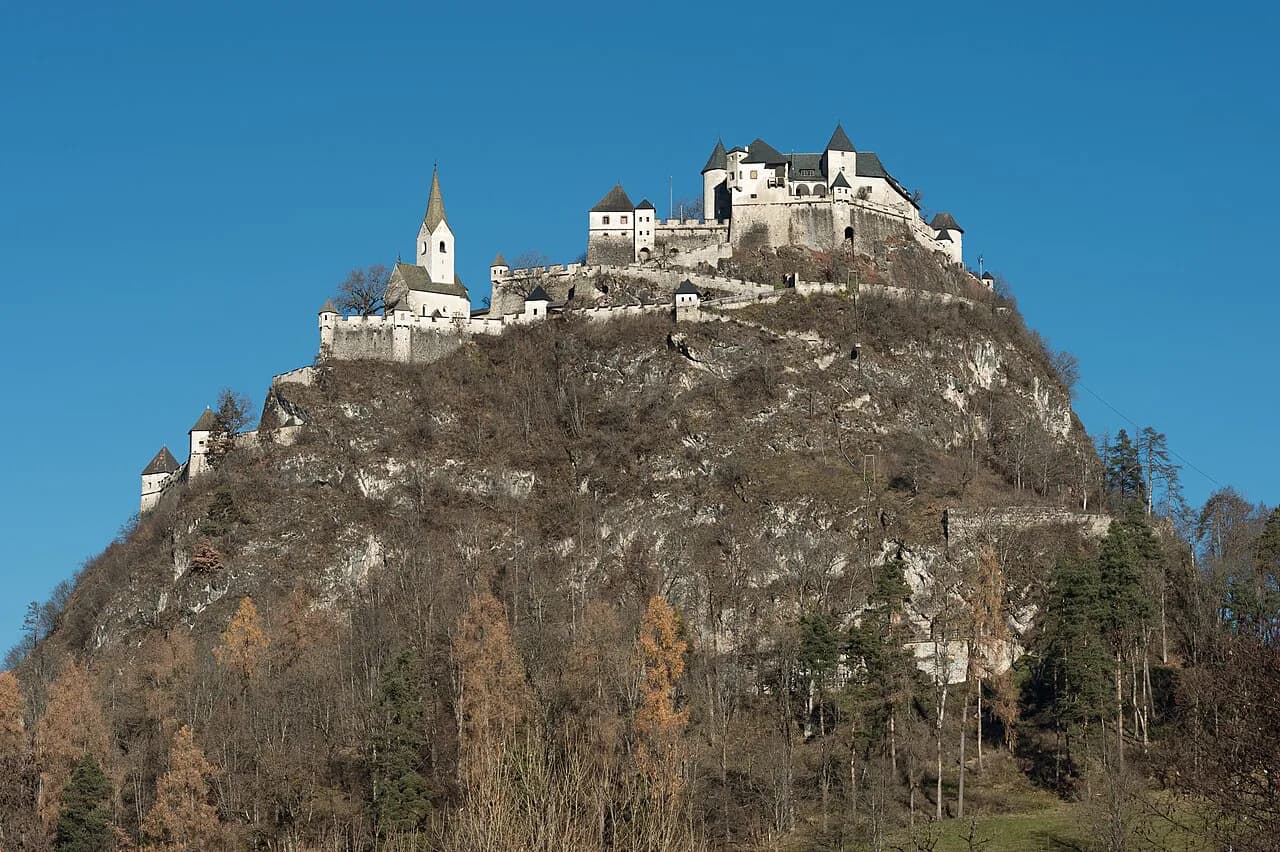
The wider lake area adds more. On the Keutschach side of the Wörthersee, the Pyramidenkogel lookout tower gives a high view back over the water and the Carinthian hills. Further afield, Burg Hochosterwitz near St. Veit an der Glan is one of Austria's great castle experiences, and the quiet Gurker Dom at Gurk is a Romanesque landmark worth the drive.
Klagenfurt's tourism board also lists castles, palaces, museums, animal parks and panoramic roads across the region, including the Grossglockner High Alpine Road. Those are day trips from the city, not city sights, and each deserves its own decision. Treat the Klagenfurt center and the lake as the core, and add one regional excursion only if you have a spare day in Carinthia.
A short walking route through the center and how long to give it
A practical half-day route runs through the squares and arcades of the center, then through the courtyards toward the churches and palaces, looping back through the pedestrian zone for coffee or a market stop. The whole circuit is short, and its value is in the sequence of squares and passages rather than in distance covered.
If you want a guided frame, guided city tours in Klagenfurt are sold in English and German, with walking and self-guided formats, and the cheapest starts at ten euros per person at the time of booking. Independent walkers can follow the same logic without paying, using the squares as waypoints.
How long to give the city depends on what you add. A morning covers the core squares and one church; an afternoon adds the Landesmuseum; a full day brings in the lake shore or Minimundus. Travelers passing through on a route between Vienna, Salzburg and the Adriatic usually find a single overnight enough to see the center and touch the lake.
How Klagenfurt fits a route through Austria by train or car
Klagenfurt is a regional rail hub, which makes it easy to slot into a train-based Austrian itinerary from Vienna or Salzburg. The city also has its own airport south of town, useful if you are flying into Carinthia rather than crossing the country by rail. Check current timetables with ÖBB for train times and connections before fixing your day.
By car, Klagenfurt sits on the main Carinthian road axes and works well as a base for loops through the state. From here you can reach the lake towns, the Gurktal with Gurk Cathedral, the Lavanttal with St. Paul Abbey, and the castle country around St. Veit an der Glan. Plan driving days around the sights you actually want rather than trying to cover the whole state at once.
Klagenfurt also connects naturally with the Salzburg-to-Adriatic idea: come south through the Alps, use the city as a lake-and-culture stop, then continue toward Villach, the Italian border or Slovenia. If your route runs east instead, Klopeiner See and the Lavanttal sit within easy reach for a second Carinthian base.
Prices and opening seasons to plan around
The public squares, the dragon fountain and the arcaded streets are the part of the city most visitors remember, and they are what you can see without a ticket. Ticketed sights are the museums and attractions, and their prices should be checked with each venue. The Kärnten Card is the regional discount card: it covers entry to more than 130 excursion destinations in Carinthia and gives reductions with more than 60 bonus partners, according to the Carinthian tourist board.
The card is worth calculating only if you plan several paid sights in Carinthia during your stay. Families and drivers covering multiple castles, museums and cable cars will usually get more from it than a city-only visitor. The tourist board publishes current prices and sales points.
Opening seasons matter most at the lake and at mountain attractions, which typically operate in the warmer months. City museums keep their own schedules, so check each venue's own page for the day you plan to visit. One rule covers most surprises: keep one flexible afternoon for the weather.
Where Klagenfurt sits within a wider Carinthia routing
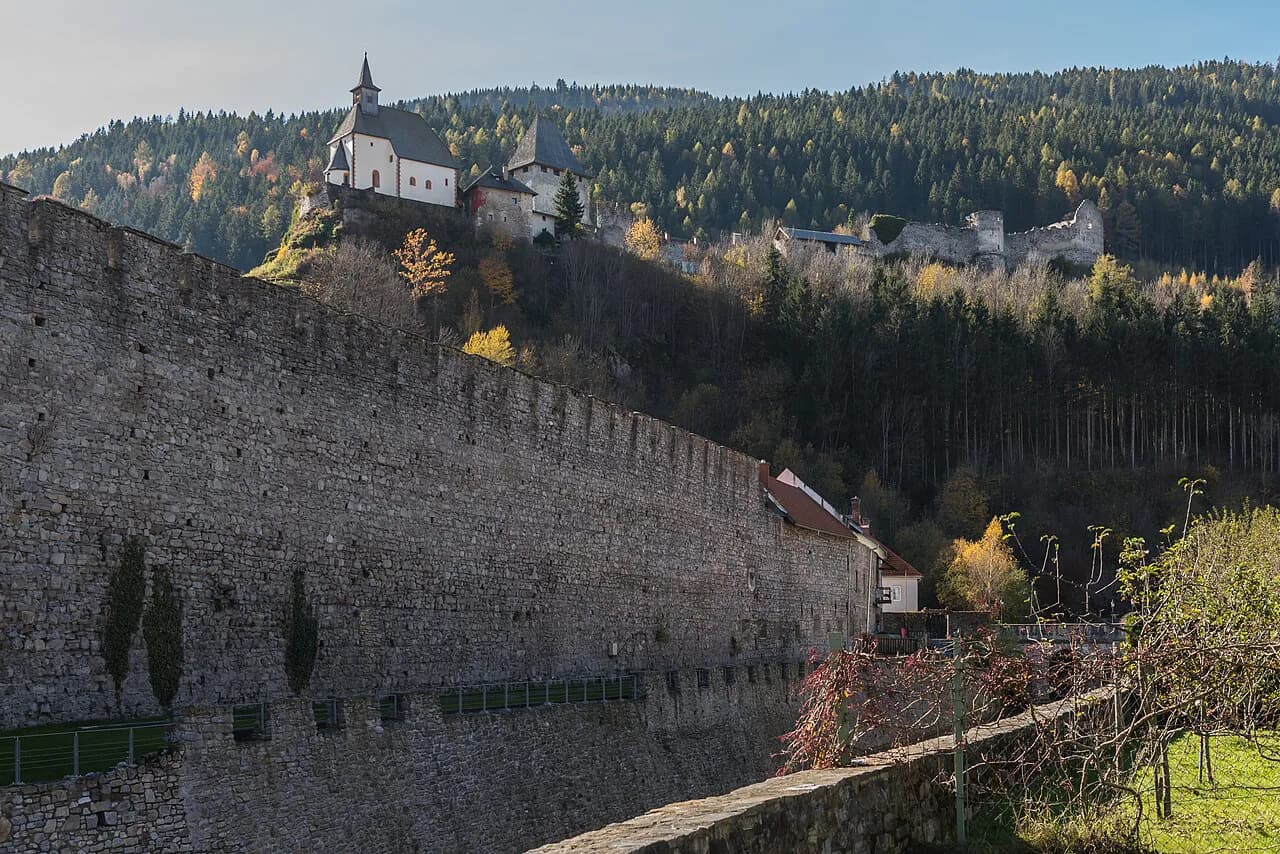
Carinthia's sights cluster into a few clear groups: the lake district around the Wörthersee and Klopeiner See, the Romanesque and baroque church country of Gurk and St. Paul in the Lavanttal, and castle stops such as St. Veit an der Glan and Friesach. Klagenfurt is the natural hub for all three, with the most services and the shortest hops between them.
If you are coming from the Salzkammergut, Bad Ischl is the most natural northern anchor before crossing into Carinthia, with its own concentration of imperial and spa-era sights. Travelers continuing north afterward often link Klagenfurt with Baden bei Wien for a contrast between Carinthian lake country and the edge of the Vienna basin. Both work as one-night stops rather than full detours.
The most efficient Klagenfurt plan is often two nights: one for the old town and one for the lake, with a day trip to a castle or a church in between. That pace lets you see the Renaissance center properly and still reach the water without rushing. It also leaves room to pick the Carinthian excursion that suits the season.
Is Klagenfurt worth the stop on your Carinthia route?
If you want a real Austrian regional capital rather than another postcard village, Klagenfurt delivers. It brings you Renaissance squares, a dragon fountain, a strong state museum and the Wörthersee at the edge of town, and it works as a base for the rest of Carinthia. Nothing here is a single must-see monument, so the city rewards travelers who like to walk a town's streets. If you want to weigh its palaces against the rest of the country, our Austria guide covers the options.
Build your day around the squares and arcades, add the state museum and the writers' houses, then decide whether the lake or a regional castle gets the second half. If you are continuing around the Wörthersee, move on to Velden am Wörthersee for the lake-town version of Carinthia. Check the specific museum schedules for your dates before you set the order.
Explore more Klagenfurt guides
Frequently Asked Questions
Is Klagenfurt worth visiting?
It is worth a stop if you want an unhurried regional capital with a compact old town of squares and arcaded courtyards, plus the Wörthersee within easy reach. Travelers looking for one dramatic monument may find it low-key; those who enjoy walking a city's streets and adding a state museum will get more out of it.
What is Klagenfurt famous for?
Klagenfurt is known for its Renaissance-era center with the Lindwurm fountain, its arcaded courtyards and palaces, its role as Carinthia's capital, and its position on the east shore of the Wörthersee. It is also the birthplace of writers Robert Musil and Ingeborg Bachmann and hosts a major German-language literature competition.
How do you get to Klagenfurt without a car?
Klagenfurt has a rail station served by Austrian trains and its own airport south of the city, so it can be reached without a car. Check current ÖBB timetables for connections from Vienna, Salzburg and elsewhere in Carinthia before fixing your itinerary, and use the city as a base for the lake by local transport.
Sources
Notes for your next Austrian town break
Optional updates when we add or revise town guides.
You might also like
Continue reading
More guides you'll find useful