Gurk Cathedral: The Romanesque Dom, Crypt and Treasury
Plan a visit to Gurk Cathedral in Carinthia: the Romanesque Dom, its Lenten veil and the Schatzkammer treasury, with the season and hours the diocese publishes.
On this page
Gurk Cathedral is the reason to come to Gurk: a Romanesque Dom in a small Carinthian town, with a painted Lenten veil inside the church and a separate treasury that keeps its own season. The treasury's May–October calendar is the detail that decides whether your trip works. This guide walks through the building, the Fastentuch, the Schatzkammer and getting there.
Where Gurk sits in Carinthia
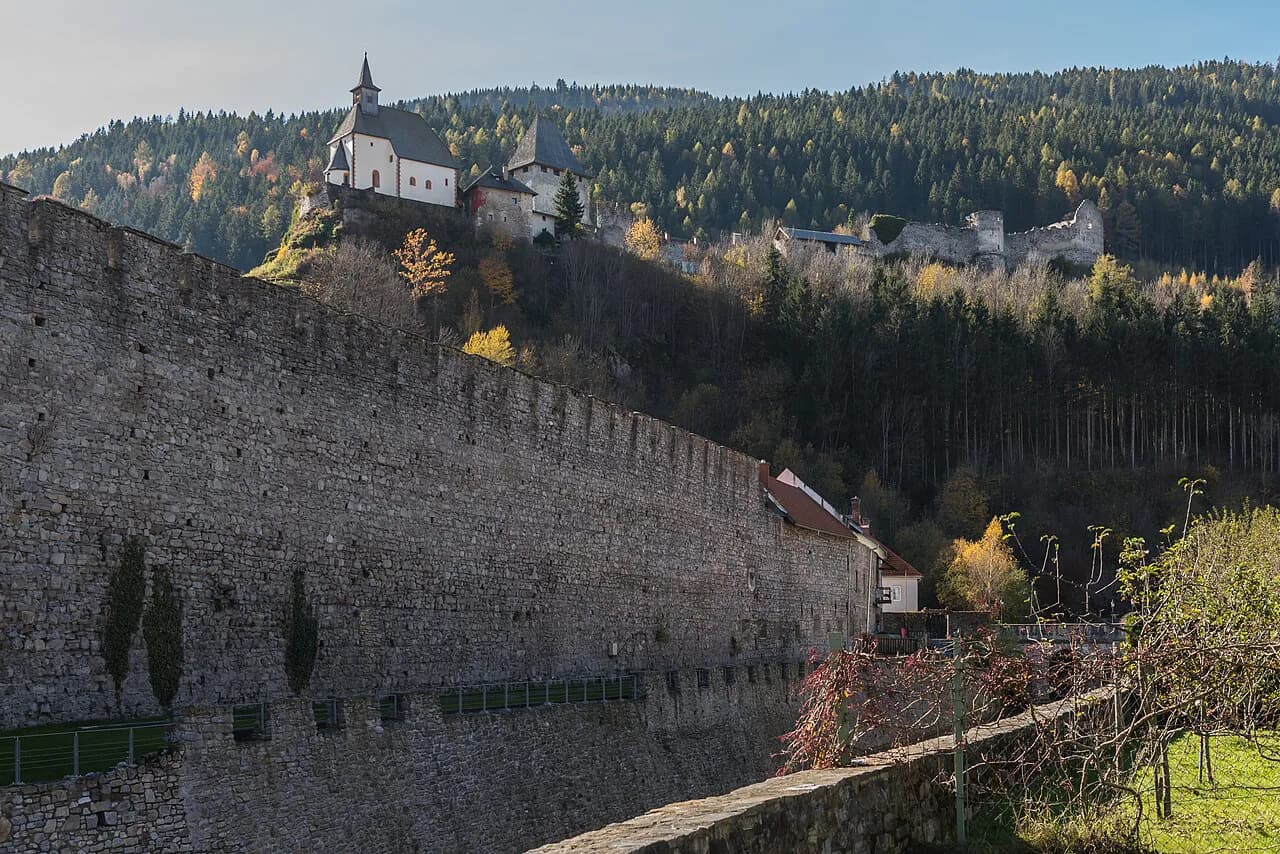
Gurk lies in the Gurk Valley north of Klagenfurt, in the Austrian state of Kärnten (Carinthia), and the cathedral rises above a cluster of houses rather than a city grid. The Dom was the seat of the Diocese of Gurk, and the diocese still runs the treasury and publishes its visiting details, including the Schatzkammer season. The town is compact, so the cathedral is effectively the whole visit.
For route planning, treat Gurk as a northern outlier of the Klagenfurt and Wörthersee area rather than a stop on the lake itself. Travelers based around the Wörthersee should build in slack rather than a tight schedule, because Gurk is a small town and connections are not the point of the visit.
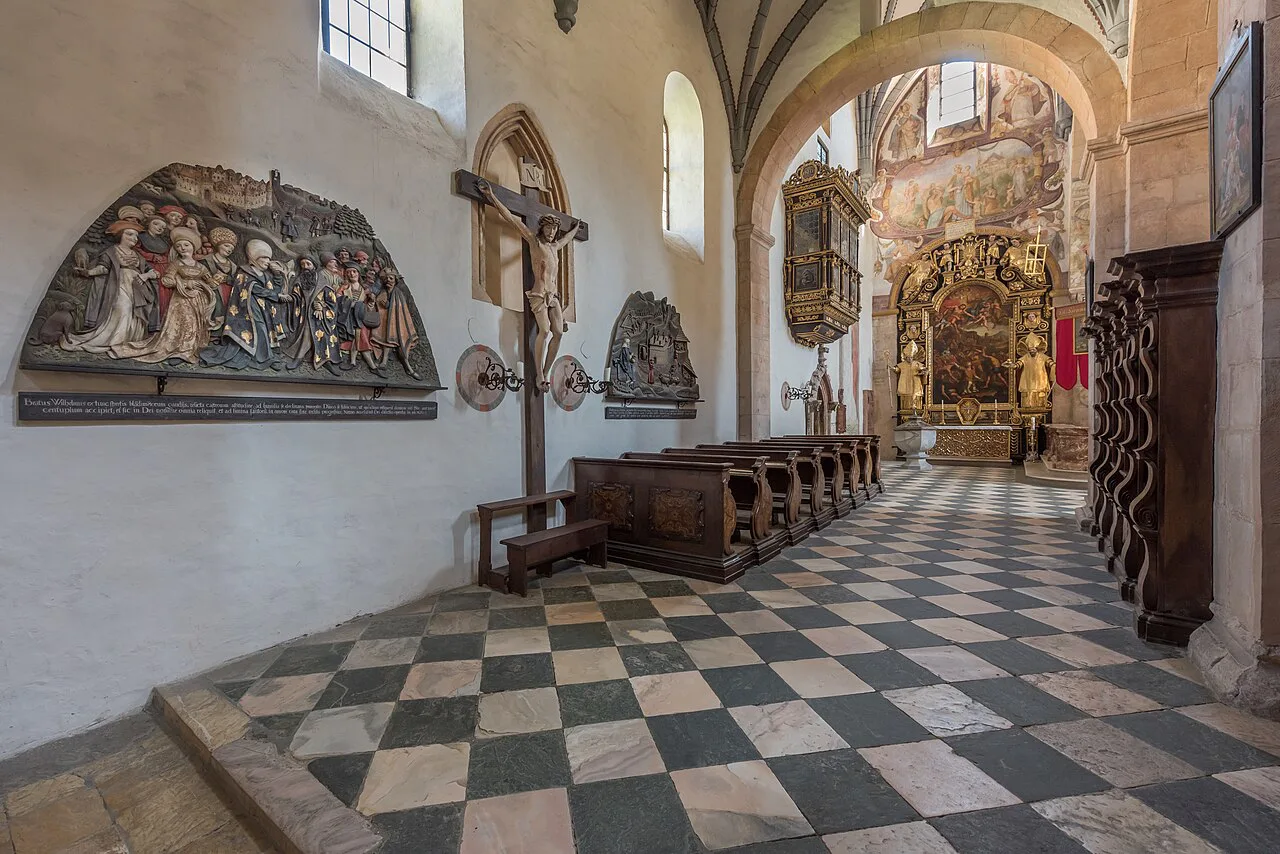
The Romanesque Dom: what to see inside
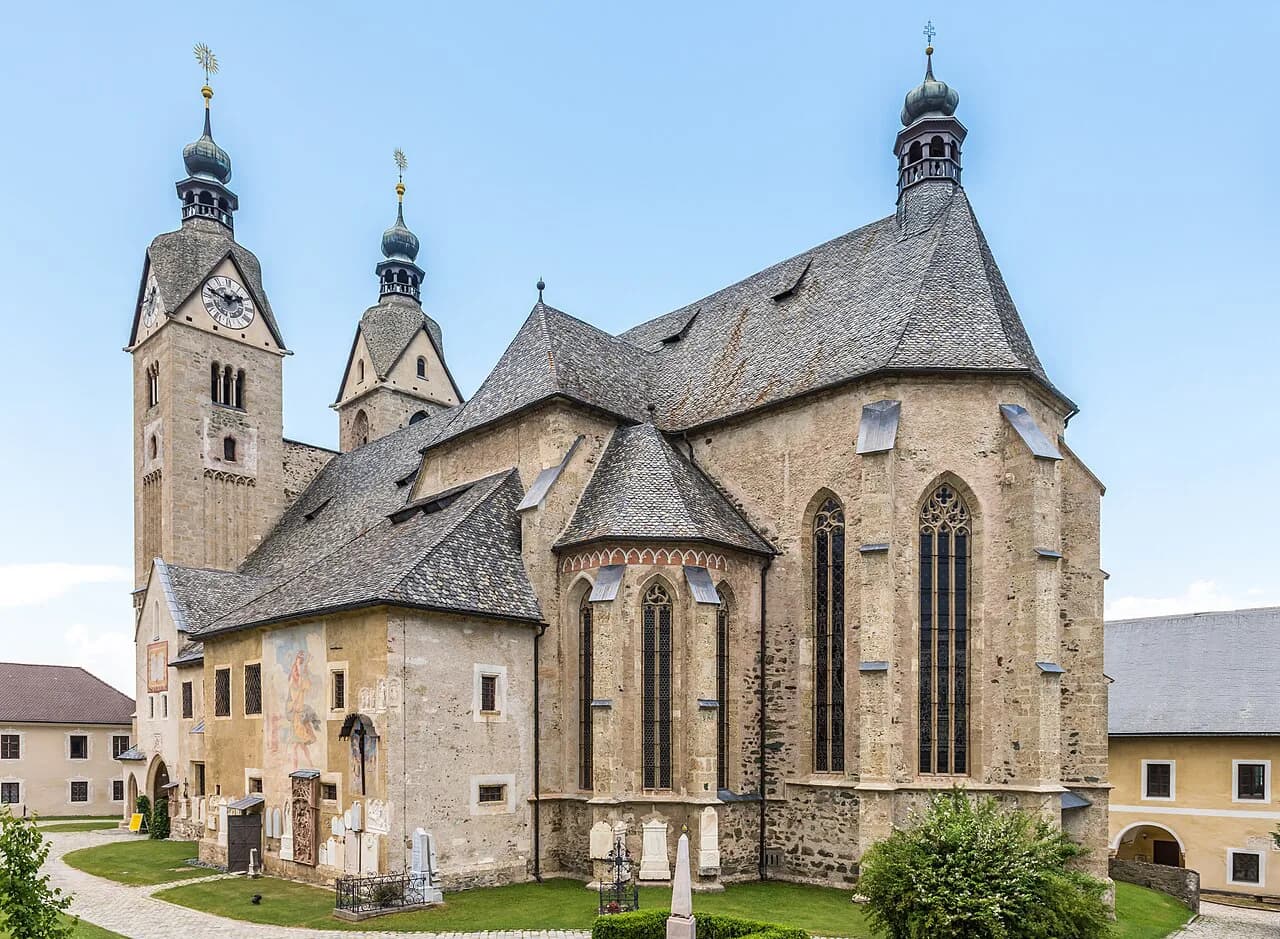
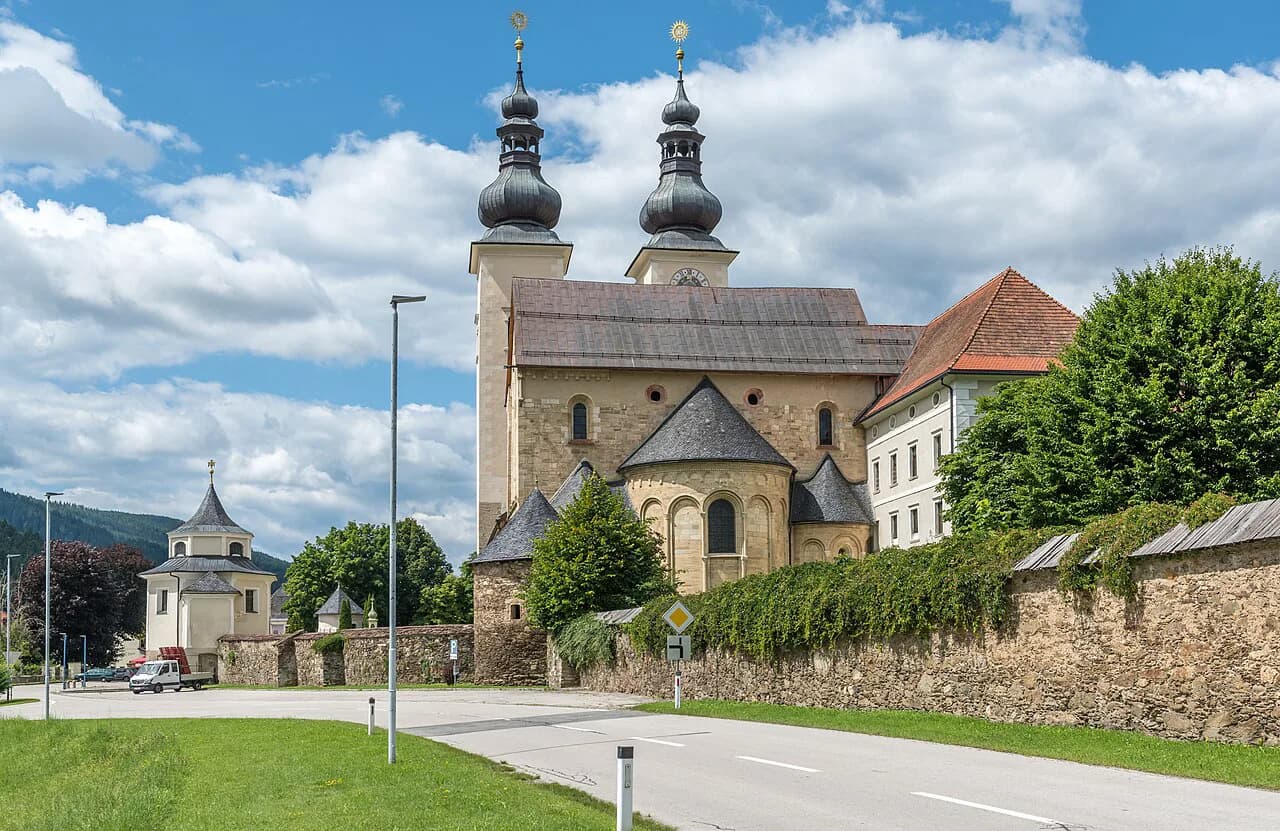
The Gurker Dom is one of Austria's major Romanesque churches. The diocese's own pages focus on what it calls the Gurker Fastentuch, the Lenten veil kept in the Dom, rather than on a room-by-room description of the building. Move slowly toward the choir and then go below, because the building's most interesting layers are at the east end and in the crypt.
The diocese's published pages describe the Fastentuch in the Dom but do not give separate opening hours for the church itself, so confirm current church access with the parish before you rely on a particular arrival time. The treasury runs on its own published season and hours.
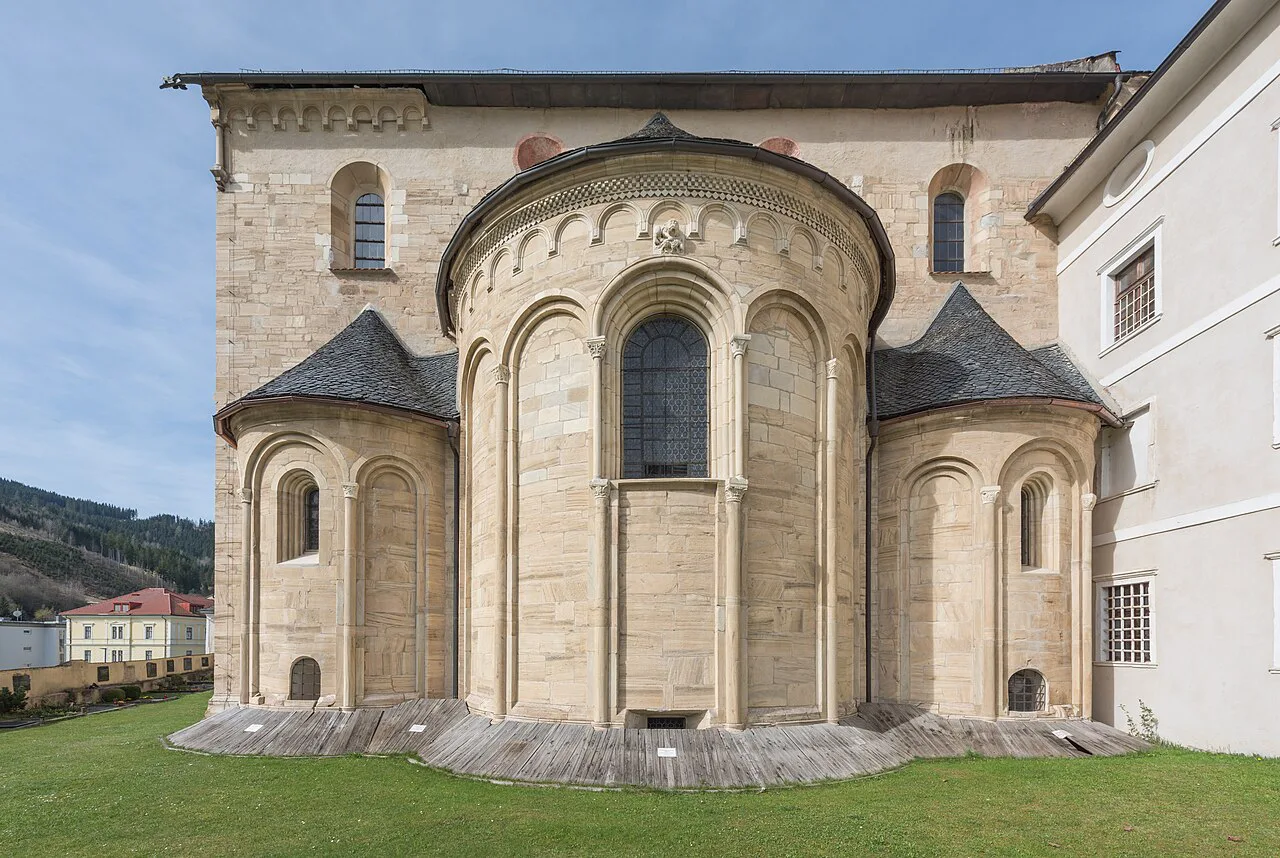
The crypt beneath the church
Beneath the church lies the crypt. It rewards a slow look rather than a quick photo stop, and the change in level between the upper church and the crypt is the most memorable thing about a visit. The diocese's published pages describe the Fastentuch in the Dom but do not give separate crypt opening details, so treat the crypt as part of the church visit and confirm access with the parish.
The crypt belongs to the church rather than to the Schatzkammer, so its access depends on church opening rather than on the treasury's May–October calendar. Confirm church access with the parish, then treat the Dom and crypt as the fixed part of the trip and the treasury as the part with its own published calendar.
The Fastentuch: a Lenten veil you can partly see year-round
Inside the Dom hangs the Gurker Fastentuch, the Lenten veil that covered the altar during the fasting season. It is the oldest, largest and most scene-rich of Carinthia's surviving Lenten veils, painted by Meister Konrad von Friesach in 1458, roughly 8.9 by 8.9 meters and laid out as 99 fields holding 108 scenes from the Creation to the Last Judgment. Unusually, it also places figures from secular history, such as Alexander the Great, Julius Caesar and Emperor Augustus, inside the story of salvation, and part of the veil is on view throughout the year after extensive restoration.
Look for the veil deliberately: the fields are dense and the figures small, so a few minutes of close reading beat a glance from the door.
The Schatzkammer Gurk: the treasury beside the Dom
The Schatzkammer Gurk is the diocesan treasury, a separate collection with its own opening calendar, run under the Diocese of Gurk. It holds liturgical and devotional objects tied to the cathedral and the diocese. The diocese's Schatzkammer pages also list an audio guide in German, Slovenian, Italian and English plus a virtual tour, which helps if your language is not German.
The treasury is the part of Gurk with the most planning variables, so read its published calendar on the diocese's pages before you commit a day to the trip and build the rest of the day around it.
Schatzkammer opening season and hours
The diocese publishes the treasury season as May through October, open Tuesday to Sunday from 09:00 to 17:00, with the last admission at 16:00. On Sundays the Schatzkammer and the cathedral shop open only after the holy Mass, so time a Sunday arrival for after the service rather than at opening. Monday is the closed day within the season, and the treasury is outside its calendar from November through April.
Those times are the published schedule rather than a guarantee, and diocesan calendars can shift for holidays or restoration work. Keep the closing time in mind too: last admission an hour before closing means a 16:00 arrival is too late for a proper look, so aim to be at the entrance by early afternoon if the treasury is the main reason for coming.
The diocese's treasury pages give no ticket prices, so ask at the entrance or check the current tariff on the treasury page rather than relying on a figure from an older guidebook.
If your trip lands between November and April, plan the Dom and crypt and save the treasury for a warmer return visit.
How much time the Dom and treasury take together
Give the Dom and crypt time for a slow look, and budget longer for the Schatzkammer if you use the audio guide. Add a few minutes for the walk up to the cathedral from the town center.
Sequence the treasury first if you arrive in the morning, while your attention is fresh for the display cases, then finish in the Dom and crypt. The cathedral shop shares the treasury's Sunday-after-Mass rule, so plan it around the timing of that day.
Getting to Gurk without a car
Regional rail and bus connections can reach the Gurk area, but ÖBB and Postbus timetables are the only reliable source for departures and journey lengths on your date. Sunday and holiday frequencies are thinner than weekday ones, and Gurk is a small stop, so a connection that looks simple on a map can need a change.
If you drive, the approach is on valley roads rather than a toll motorway spur. A car lets you pair Gurk with other Carinthian stops the same day, which matters because bus connections are the weak link in a car-free plan.
Travelers staying on the lakes can use Klagenfurt as a base and branch north from there; sights such as the Pyramidenkogel sit on different lines entirely, so plan Gurk on a separate day from a lake loop rather than chaining them by bus.
Practical trade-offs: season, Sunday timing and quiet hours
The biggest trade-off is the treasury season: outside it you lose the collection that gives the town its second reason to visit, though the Dom and the Fastentuch remain the reason to come. The second is the Monday closure inside the season, which catches travelers who treat Monday as a museum day across Austria. The third is Sunday, when the treasury and shop open only after Mass, pushing your start later than the usual opening time.
For calm, aim for a weekday morning, when the church is likely to be quieter than on a Sunday. Gurk does not draw the midday crowds of the big Salzkammergut sights, but Mass times and Sunday services still shape the day. If silence inside the Dom matters to you, confirm the parish Mass times and work around them.
Is the treasury worth timing your trip around?
Yes, if you want the full Gurk experience: the Dom and the Fastentuch stand on their own, but the Schatzkammer turns the trip into a museum visit as well as a church stop, and it opens May through October, Tuesday to Sunday. Travelers in the closed months should come for the Romanesque church and the Fastentuch and plan the treasury for a return in season.
Build the day around a weekday morning, confirm the season and hours on the diocese's treasury pages, and check the ticket price at the entrance rather than in a stale guidebook. Keep the rest of the day light, since Gurk is a single sight in a small town.
Explore more Klagenfurt guides
Sources
Notes for your next Austrian town break
Optional updates when we add or revise town guides.
You might also like
Continue reading
More guides you'll find useful