St. Veit an der Glan: Carinthia's Old Ducal Capital, Town Guide
St. Veit an der Glan was Carinthia's capital until 1518. See the old center, the St. Veit Museum, the Wiesenmarkt tradition and how the town fits a route.
On this page
St. Veit an der Glan is worth half a day as a stop on a Carinthia route, not as a destination in its own right. The town served as the capital of Carinthia until 1518, and its compact center, museums and surrounding castle country make it a natural pause between Klagenfurt and the fortresses to the east. This guide covers the layout, the specific sights, the September market tradition and how to reach and pace the town by train or car.
Treat St. Veit as one link in a loop that may also take in the Wörthersee lake towns and the Romanesque cathedral at Gurk. The town sits in a region the Carinthian tourist board describes as full of castles, churches, museums and attractions, which is exactly why a short stop can be strung together with more ambitious visits nearby.
What St. Veit an der Glan is
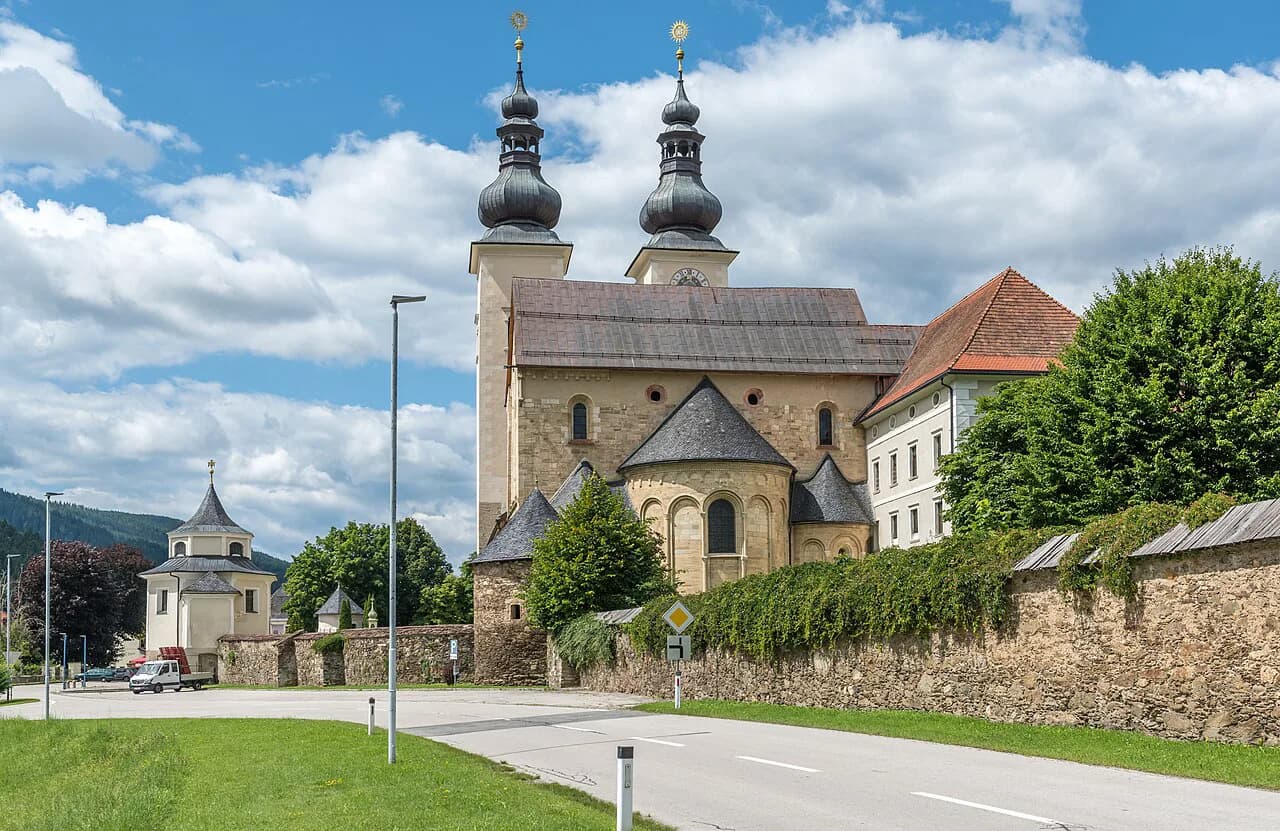
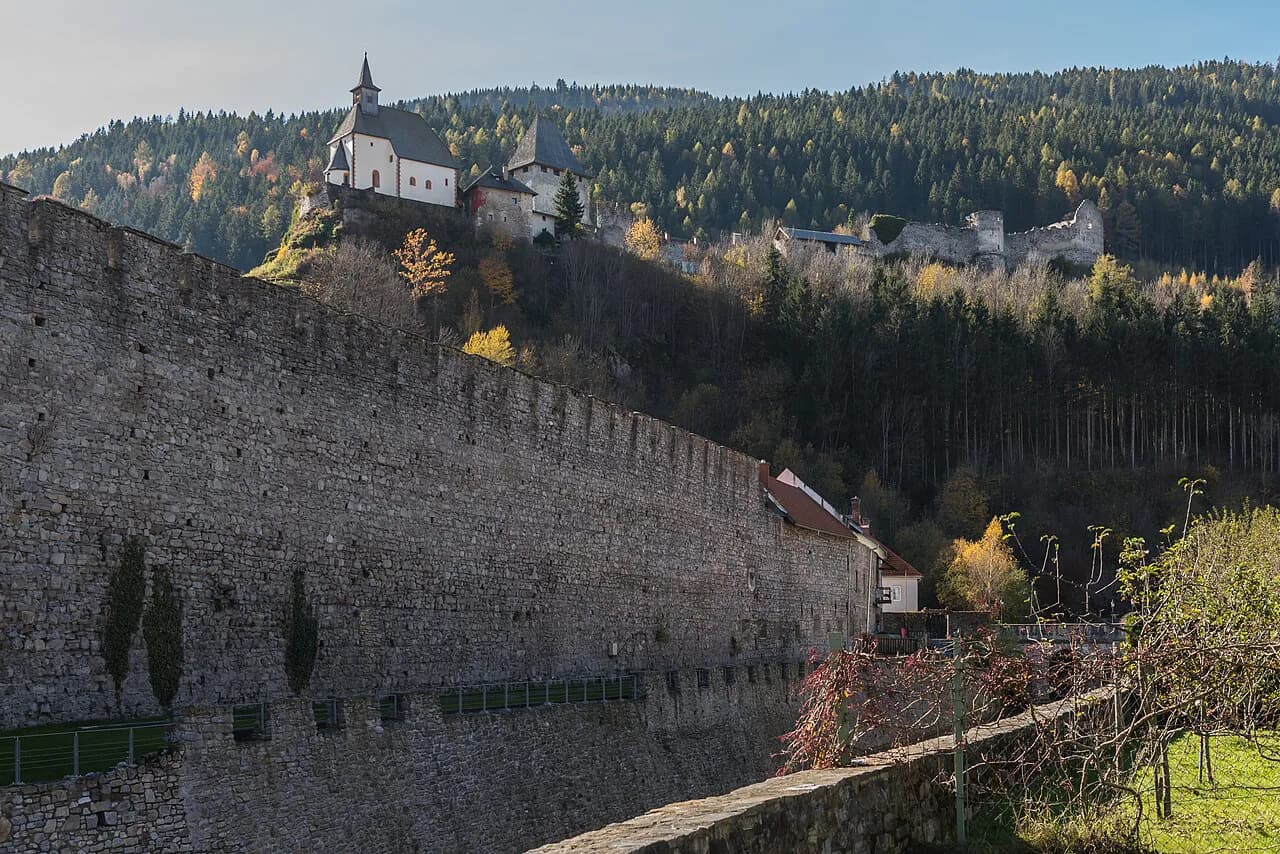
St. Veit an der Glan is both a municipal town and its main locality in Carinthia, Austria. The town arose at a traffic hub and served as Carinthia's capital until 1518. That long tenure as a ducal seat is the reason a town of this size has an unusually formal old center.
The ducal past survives mostly in the scale and shape of the center rather than in a single palace you can tour. You come here for the townscape, the St. Veit Museum and the castle country around it, particularly the fortress at Burg Hochosterwitz east of town.
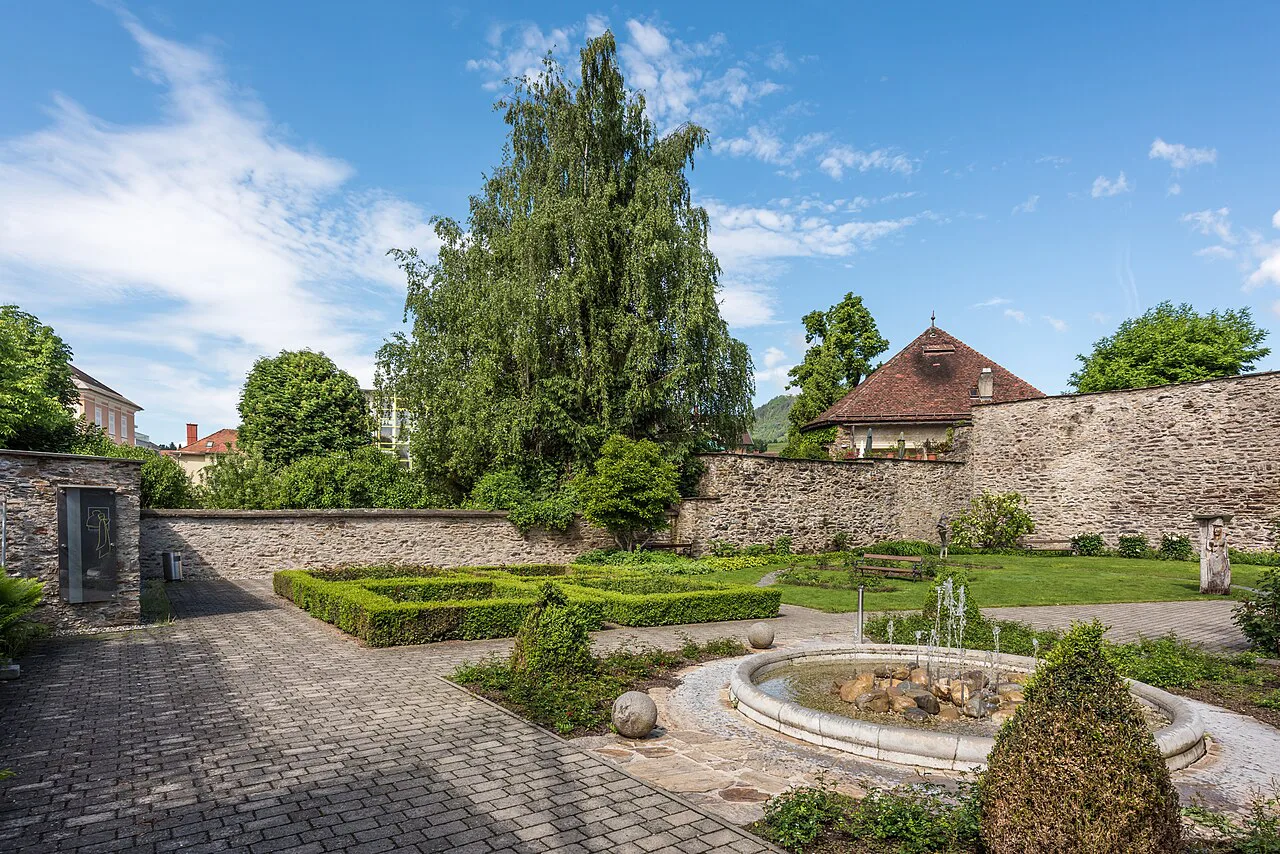
How the old center is laid out
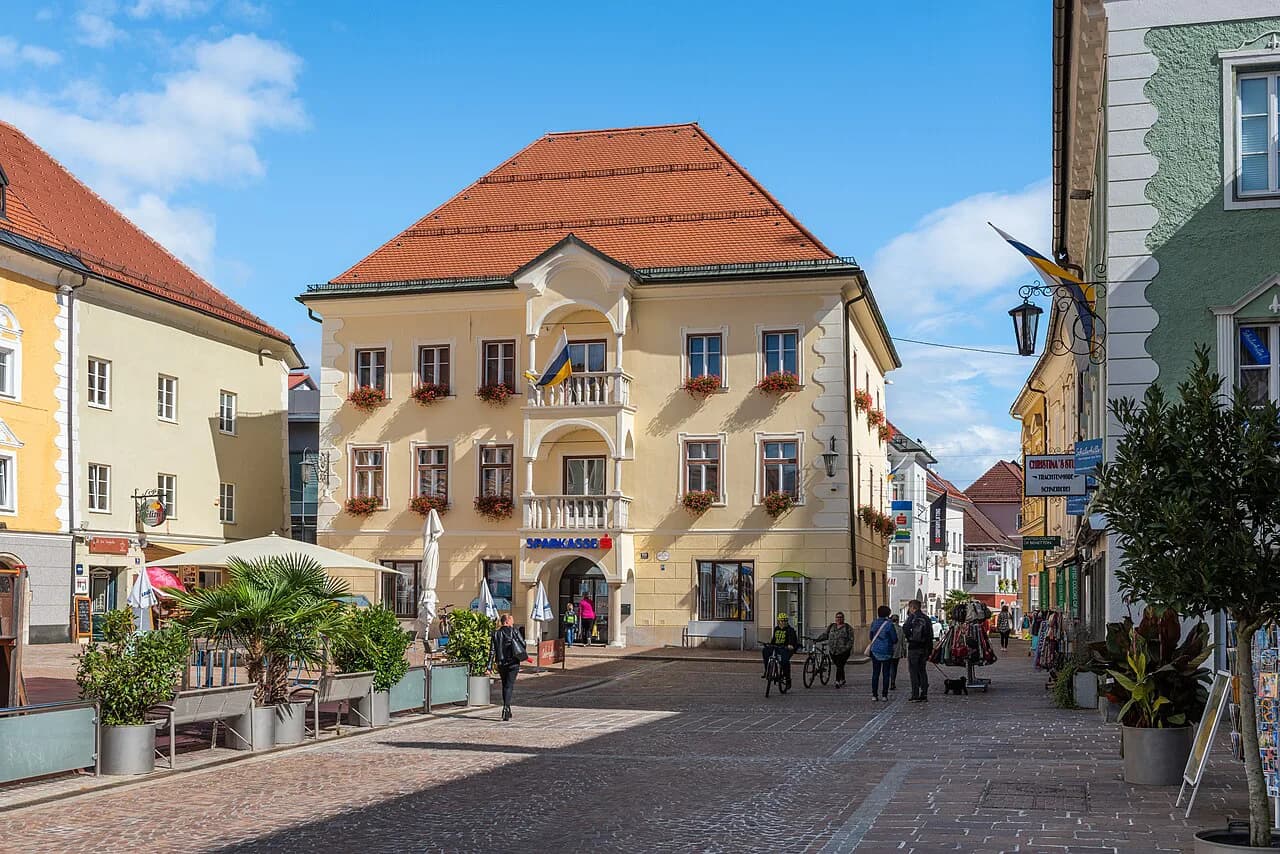
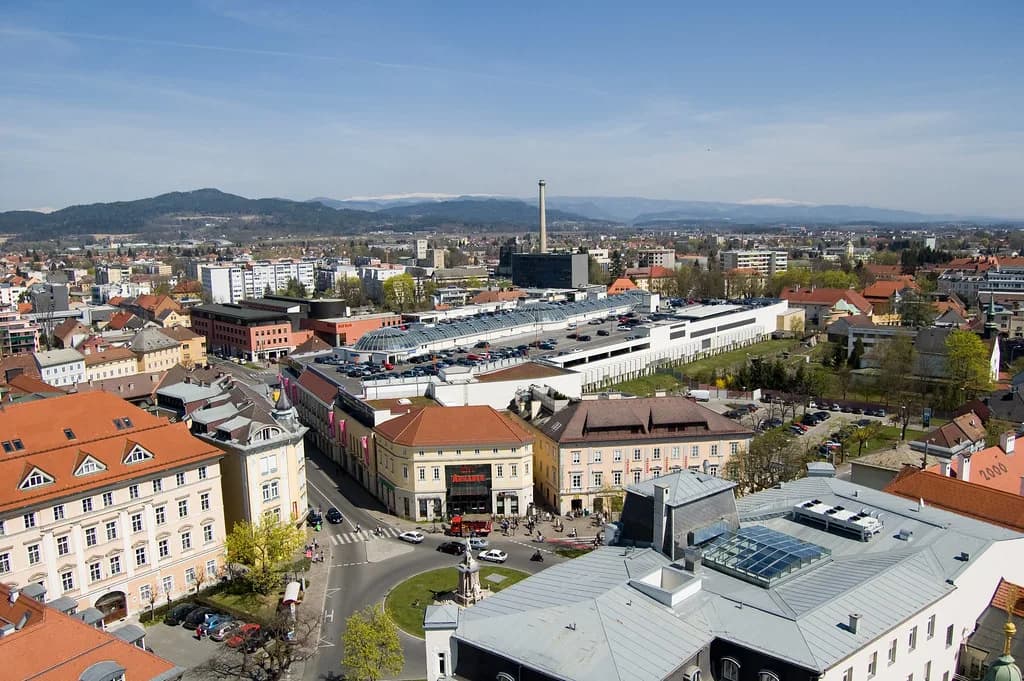
The sights cluster tightly in the old center, and the tourist information office sits at Prof. Ernst Fuchs Platz 1 in the middle of town. An e-bike hire center is right in the town center as well, which tells you how compact the core is. Aim to park once and walk.
Plan a walking loop of the main square, the surrounding lanes and the Fuchspalast, with the St. Veit Museum as the indoor anchor. Our own pacing suggestion is two to three hours on foot for the center, longer if you take a guided tour or linger in the museum. Keep the walking sequence flexible: set the order yourself.
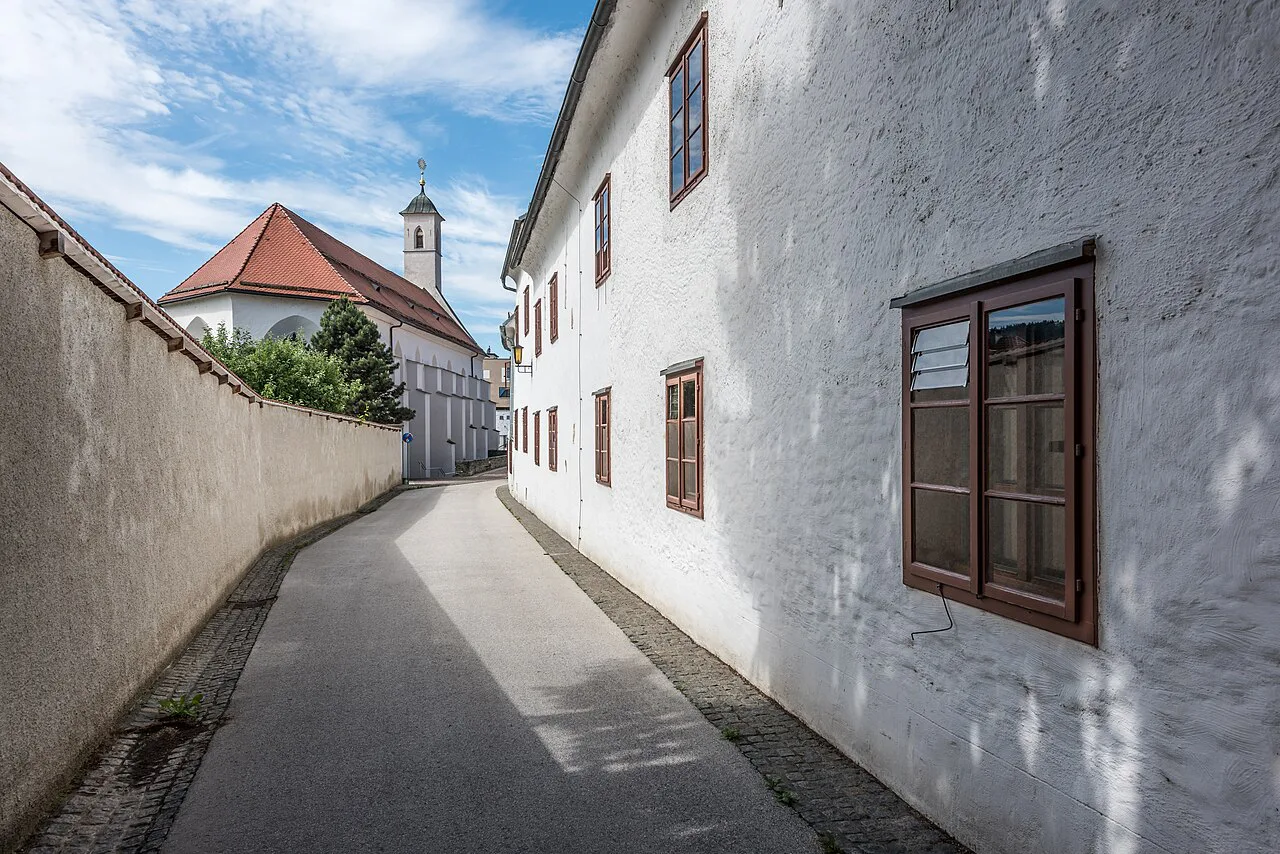
The Fuchspalast and the Energy Experience
The Fuchspalast in the town center is the building that stands out most in St. Veit, and it houses the Energy Experience exhibition on energy supply and the future of energy. The exhibition is the reason to step inside rather than simply photograph the facade.
Ticket prices and opening days for the Energy Experience are matters to confirm with the St. Veit tourist information office before you build it into the day. Outside the exhibition, the building works as a landmark and a reference point when you navigate the center.
The St. Veit Museum and its 4030 railcar simulator
The St. Veit Museum covers railways, model railways, town history, motorization, and post and telecoms. Its signature piece is described as the world's only travel simulator of a 4030 railcar. If you have an interest in rail history, this single exhibit gives the museum a distinct pull.
The range of themes matters for planning: a rail enthusiast and a traveler interested in town history will both find a reason to stay, while a group that only wants the old streets can split up here. Ask at the information office on Prof. Ernst Fuchs Platz for the museum's current hours and admission.
Churches and the Saint Hemma pilgrimage thread
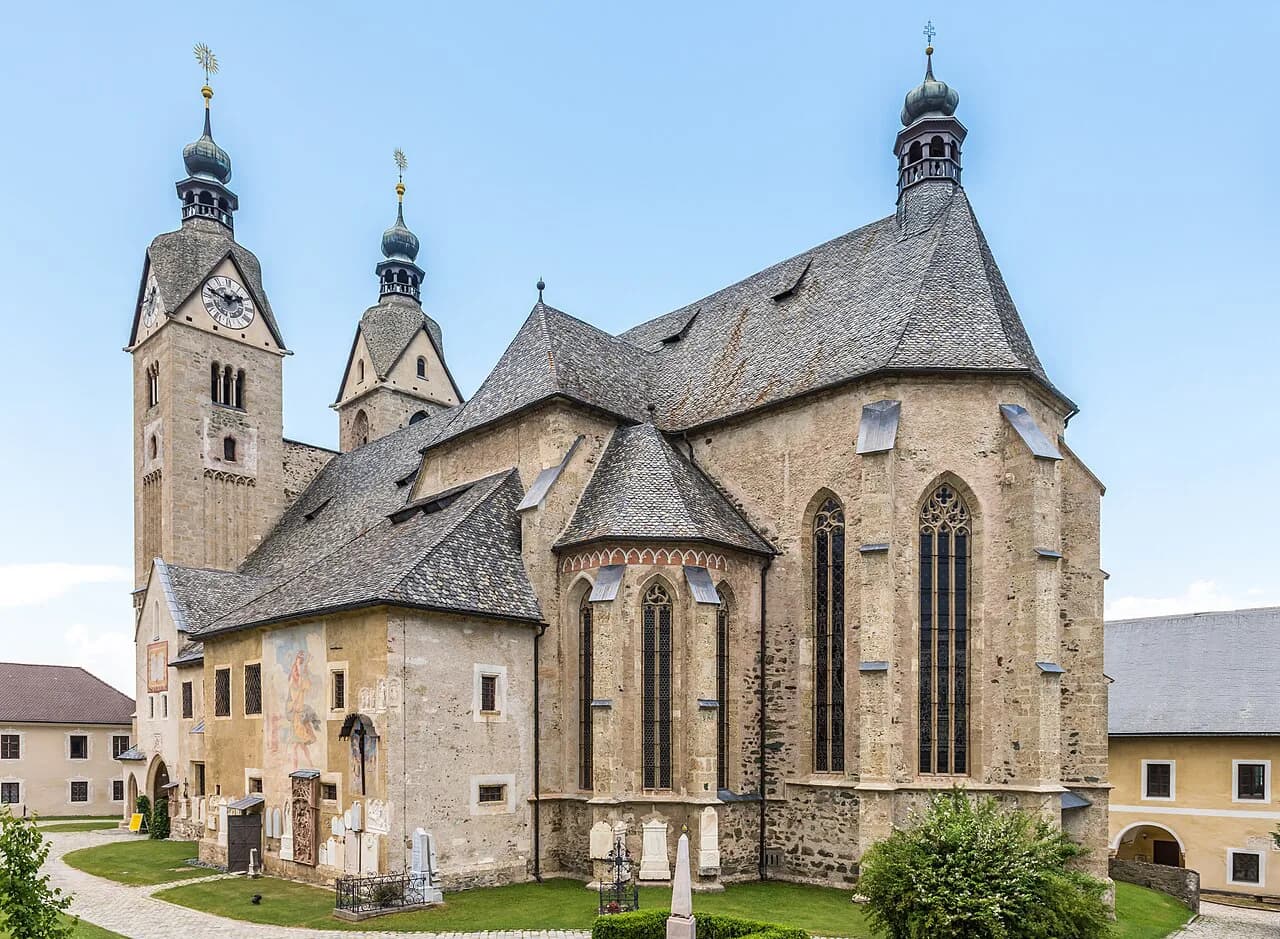
The town sits in a region the tourist board describes as full of castles, churches, museums and attractions, and pilgrimage is one of the themed ways it suggests seeing the area. One of the guided formats follows in the footsteps of Saint Hemma, the Carinthian noblewoman venerated as a saint. If you want the ecclesiastical side of Carinthia rather than its castles, this is the local entry point.
For a serious Romanesque counterpart, the cathedral at Gurk is the standout in this part of Carinthia, known for its medieval frescoes and stonework. It pairs naturally with a St. Veit day because both sit inland from the lake country rather than on the Wörthersee shore.
The St. Veiter Wiesenmarkt
The St. Veiter Wiesenmarkt is the town's signature event: a traditional market held annually in September for well over 600 years, which has grown into a full fair. It runs for ten days, with a pageant, around 200 hucksters' stalls and 40 food outlets, an amusement park, live music and special exhibitions on themes such as agriculture and commerce, automotive and motor sport, or small animals.
Plan around the market rather than expect it: it is a dated September event, and the town's hotels and streets are busiest while it runs. Confirm the ten-day window through the St. Veit tourist information office before you book travel. Outside market days, the town is a quiet stop and the center reverts to its usual pace.
Guided tours: lantern-lit walks, water hikes, castle tours
St. Veit runs themed guided tours rather than a single standard town walk, and the formats are distinct enough to choose between. The tourist board lists a lantern-lit town tour, water hikes, tours of castles and ruins, and the Saint Hemma pilgrimage walk in the same program.
The lantern-lit tour is an evening format and the water hikes are outdoor outings, so weather and daylight decide which of the two suits your date; the castle and ruin tours take you out of the town itself. Confirm availability at Prof. Ernst Fuchs Platz 1 before relying on a particular tour.
Getting there and onward through Carinthia
St. Veit is an inland stop between Klagenfurt and the castle country to the east, best reached by train or car. Use ÖBB for rail connections and Postbus for local bus lines, and read the times off the current timetable rather than from a plan made months ahead. The town's position at a traffic hub is historical as well as practical, which is why it works as a break in a driving day.
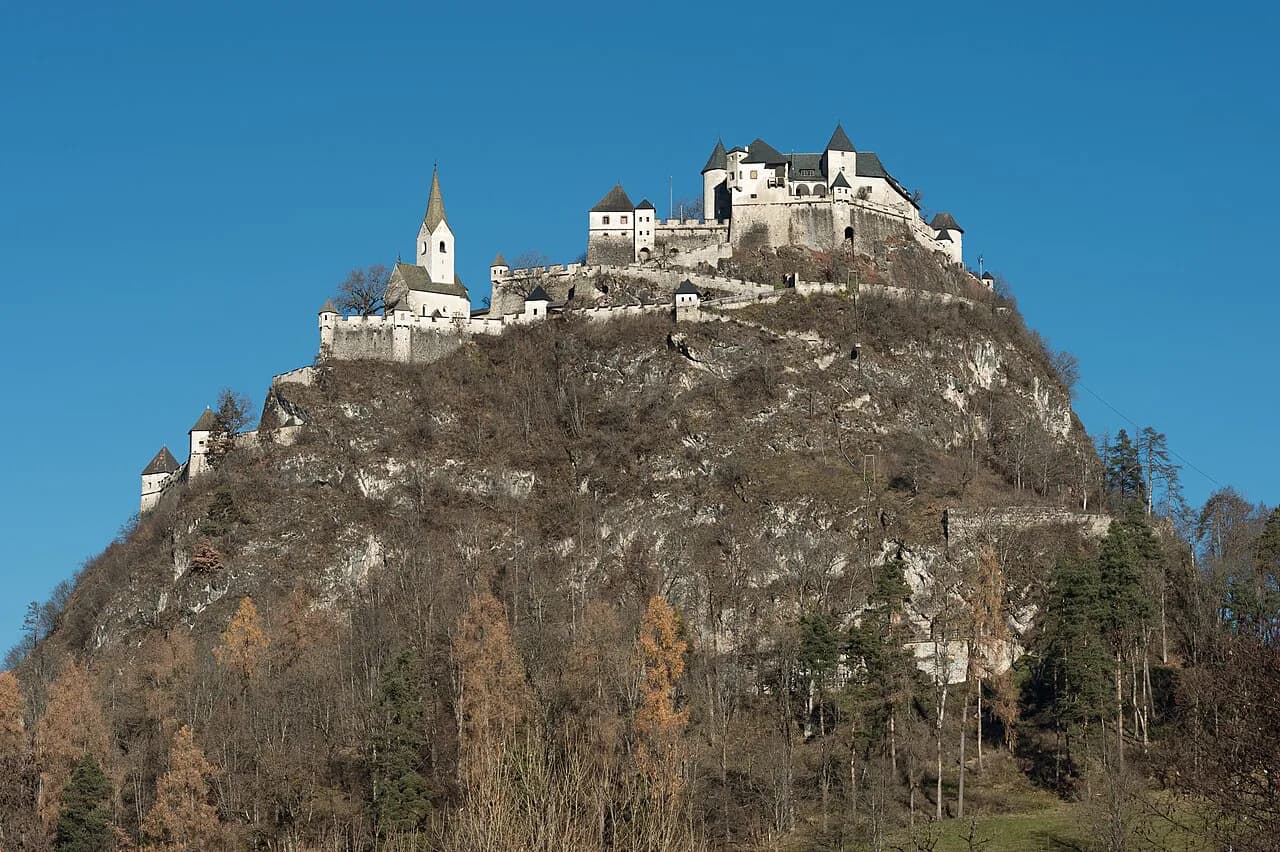
By car, the obvious pairing is Burg Hochosterwitz, the fortress with the famous approach gates east of town. Allow a separate block of time for the castle rather than trying to fold it into a short town stop, and confirm that day's castle opening and ticket price at the castle itself.
The lake country is a different axis: the Wörthersee towns, including Velden am Wörthersee and Pörtschach am Wörthersee, make a separate day in the other direction from St. Veit.
How long to give St. Veit
Half a day covers the center on foot and the St. Veit Museum with time to spare, and a full day lets you add a guided tour or the Energy Experience without rushing. Treat the town as a working stop between bigger sights rather than as the reason for the trip. Travelers who want a lakeside base should stay on the Wörthersee and visit St. Veit as an inland excursion.
The town rewards a specific interest: rail heritage, ducal-town urbanism, castle country, or the September fair. If none of those applies, the old center is a pleasant hour on the way rather than a destination. Skip it if your route is already stacked with Carinthian fortresses and abbeys.
Should St. Veit go on your Carinthia route?
Yes if you are driving or riding the train between Klagenfurt and the castle country and want a compact, unhurried old town with a genuinely unusual museum. The St. Veit Museum's 4030 railcar simulator and the ducal-town layout are the strongest reasons to stop, and the September Wiesenmarkt turns a quiet visit into a busy one.
No if your Carinthia days are already committed to the lakes and the major abbeys, or if you are chasing scenery rather than townscape. In that case, treat St. Veit as a possible rainy-day inland option and keep the lake towns as your base.
Explore more Klagenfurt guides
Frequently Asked Questions
Is St. Veit an der Glan worth a stop on a Carinthia trip?
It is worth half a day if you want a former ducal capital in a compact center, a distinctive rail museum and easy access to the castles east of town. The town is less compelling if your Carinthia plan is lake-focused.
How do you get to St. Veit an der Glan from Klagenfurt?
Use the ÖBB timetable for rail services and Postbus for local lines, and take the times from the current timetable on the day of travel rather than an old plan. By car, the town sits inland from the Wörthersee on the route toward the castle country.
Sources
Notes for your next Austrian town break
Optional updates when we add or revise town guides.
You might also like
Continue reading
More guides you'll find useful