Wolfgangsee: Towns, Boats and the Schafberg
Wolfgangsee in the Salzkammergut links St. Gilgen, St. Wolfgang and Strobl by shore, boat and the Schafberg rack railway. See how long to allow.
On this page
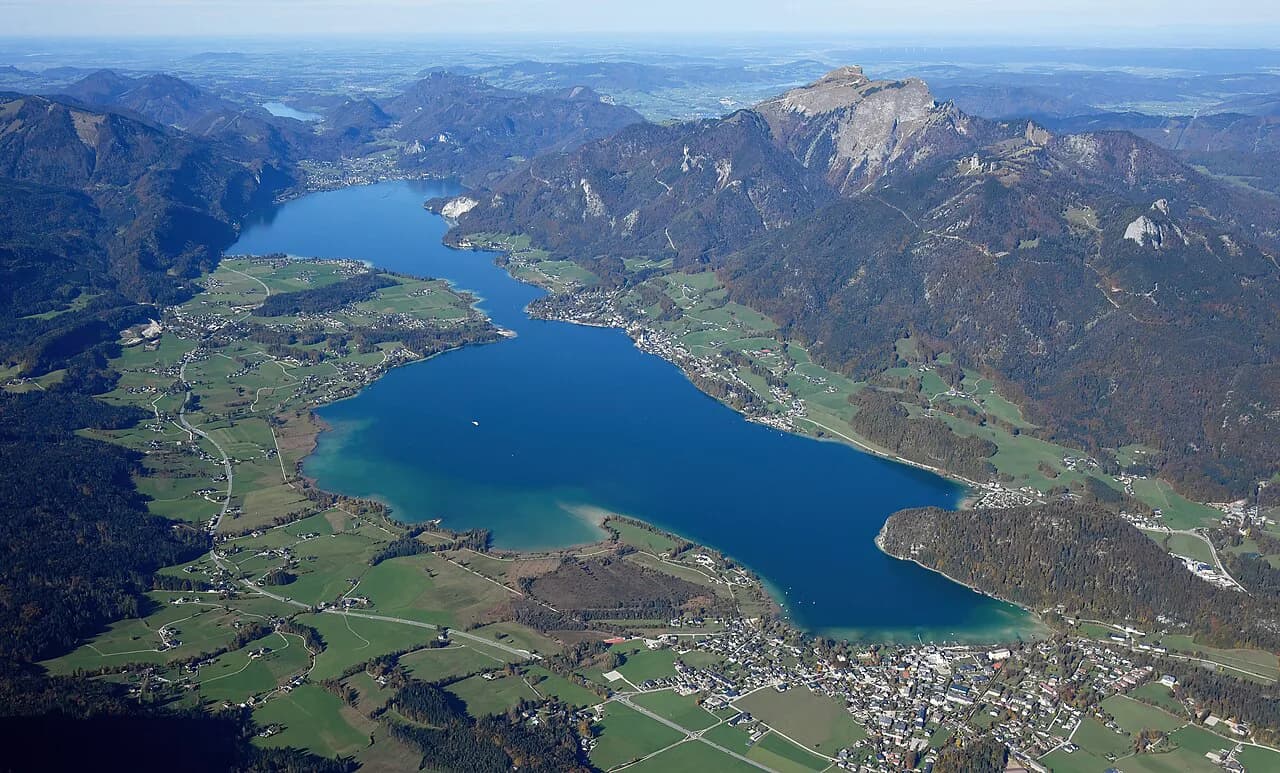
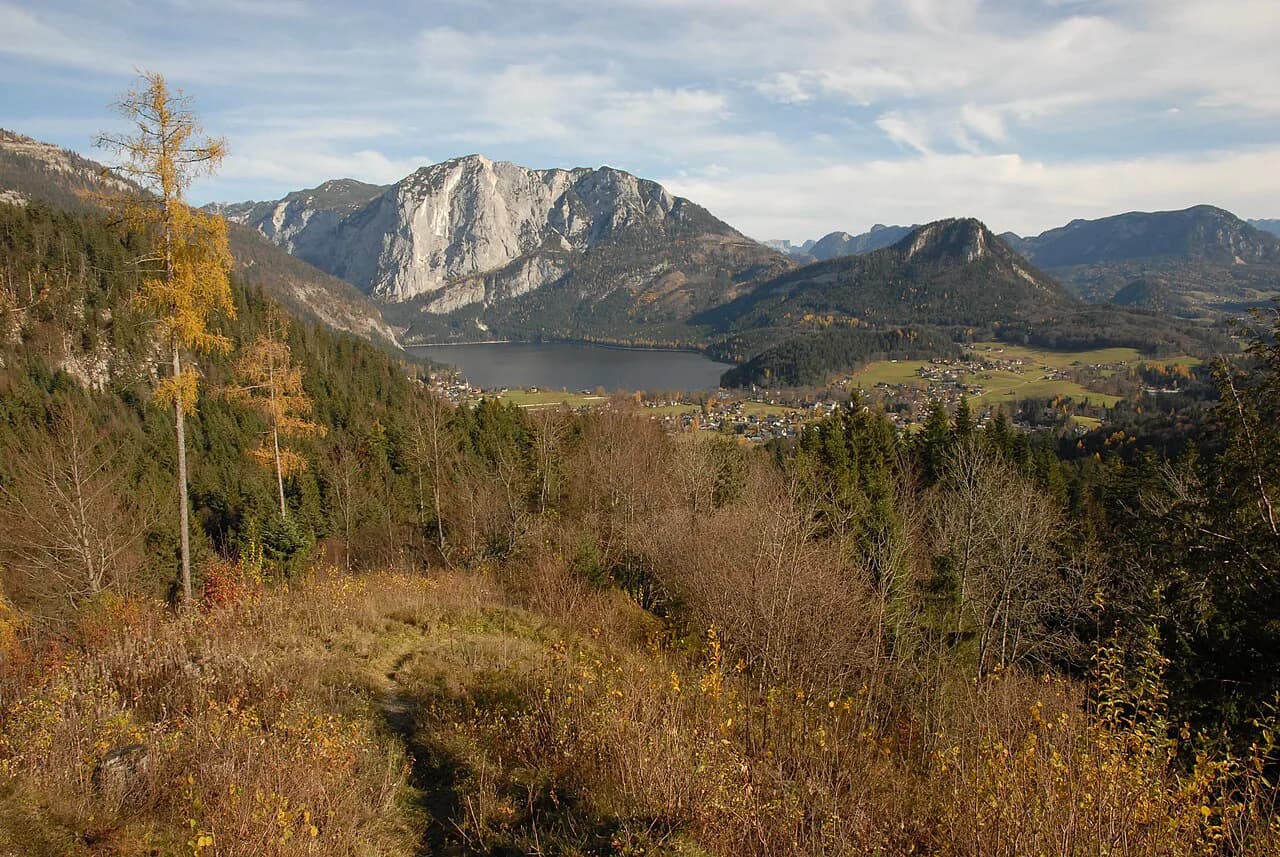
Wolfgangsee is best treated as three towns around one lake rather than a single destination. St. Gilgen anchors the western end, St. Wolfgang sits on the northern shore beneath the Schafberg, and Strobl closes the eastern end; each has its own center and its own pace. This guide covers where the lake sits in the Salzkammergut, what each shore town gives a visitor, and how to plan a day around the water.
Plan on a full day for one town plus time on the water, or two nights if you want the Schafberg and the eastern shore as well. The lake is compact enough to link its towns without a car, which matters in a region where summer traffic builds along the shore roads.
Where Wolfgangsee sits in the Salzkammergut
Wolfgangsee lies in the Salzkammergut lake district east of Salzburg, with Bad Ischl anchoring the region's southern end. The Wolfgangsee tourism organization presents the area under the Bad Ischl–Wolfgangsee name and lists St. Gilgen among its shore places, which makes the regional site a practical first stop for orientation.
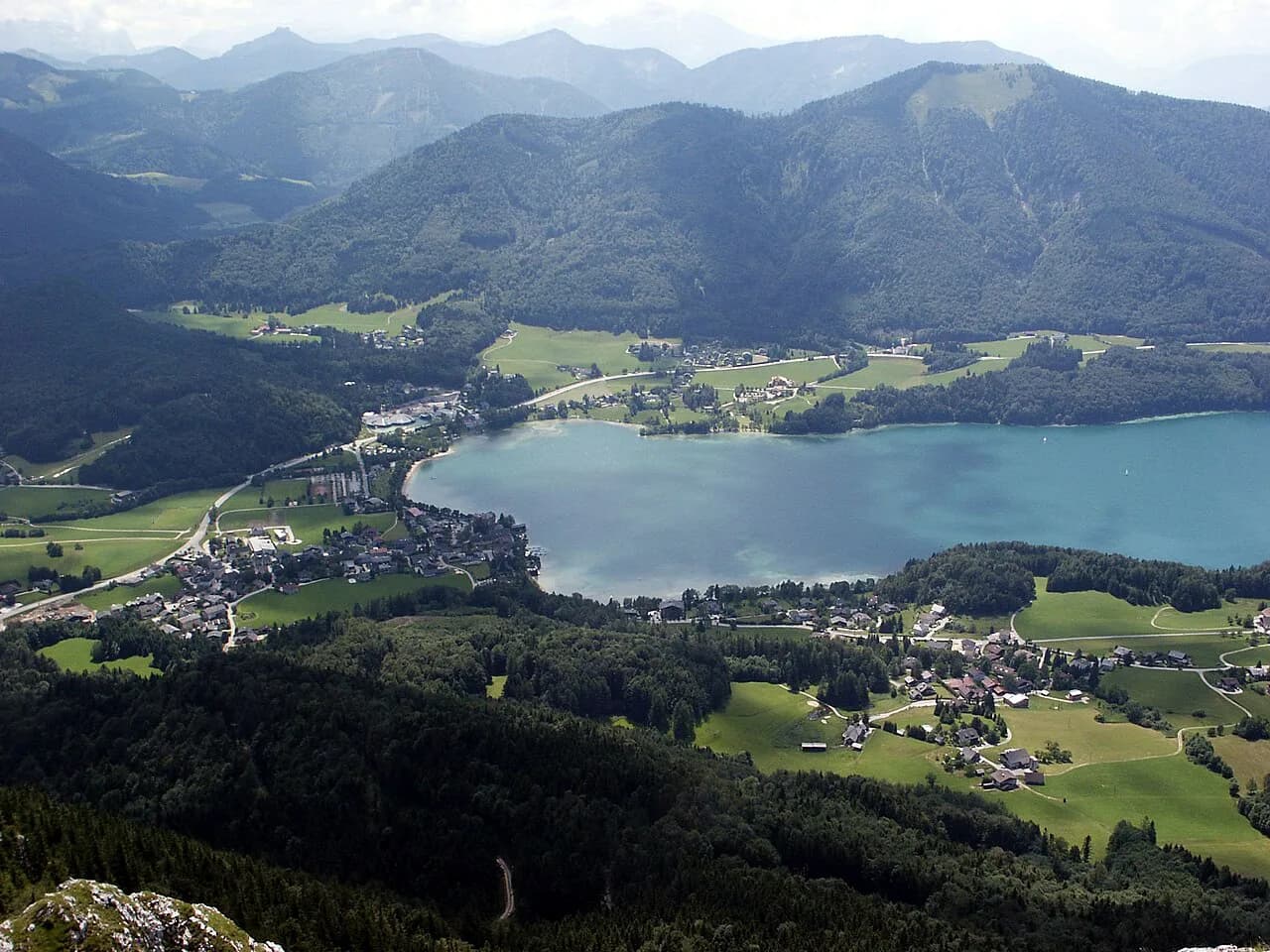
St. Gilgen and Strobl sit at opposite ends of the water, and St. Wolfgang faces the lake from the north shore with the Schafberg rising behind it. If you are routing through the region, Wolfgangsee pairs naturally with the Traunsee towns to the east and the lakes toward Salzburg.
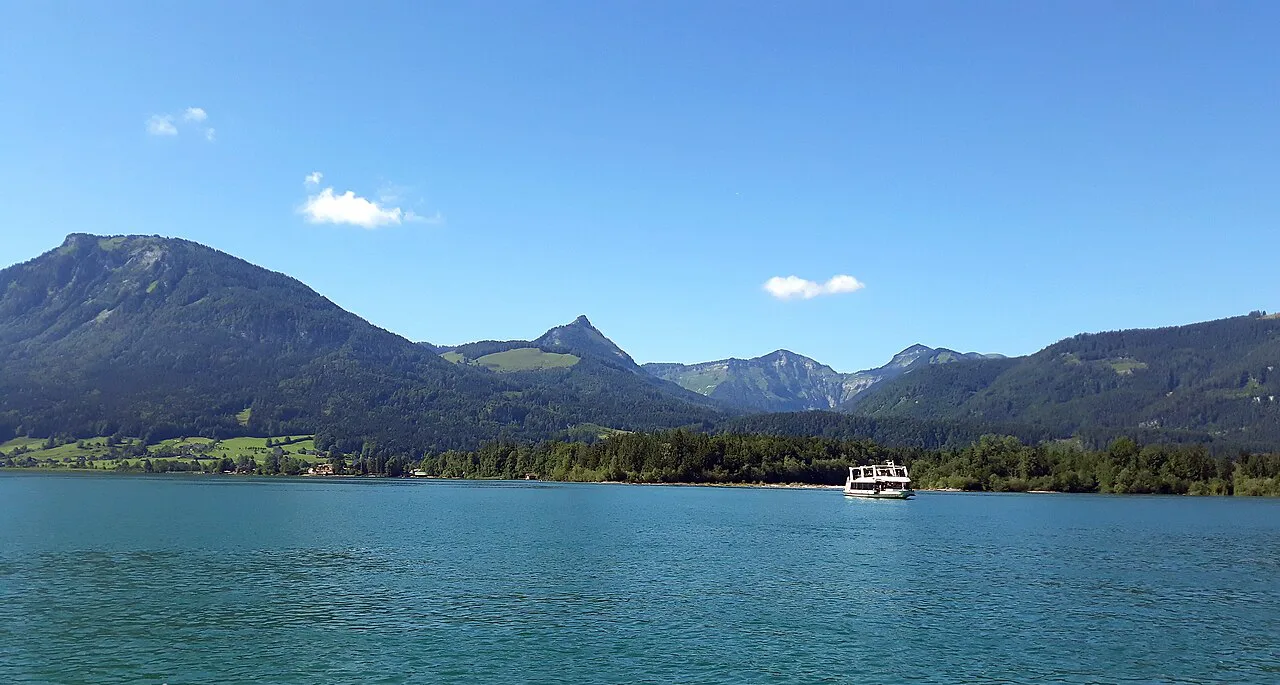
St. Gilgen: the western entry point
St. Gilgen occupies the western tip of the lake and works as the gateway for travelers arriving from Salzburg. Its compact center is only a short walk from the water, so you can step off a bus and be at the boat dock in minutes. The town is small enough to cover on foot before a crossing.
The center and the boat dock are a few minutes apart on foot, which makes St. Gilgen a simple starting point before a crossing toward St. Wolfgang and Strobl. Arriving early lets you see the compact center before the day's visitors build up around the water.
St. Wolfgang: the middle town and its pilgrimage church
St. Wolfgang is the lake's centerpiece, a warren of narrow lanes climbing from the shore to the famous pilgrimage church. The church and its winged altar are the reason many travelers come, and the village core around them is short but steep, with stepped passages rather than flat streets. Allow time to walk up slowly and to see the lake from the terraces above the roofs.
This is also the departure point for the Schafbergbahn rack railway. Staying overnight in St. Wolfgang rather than visiting on a day trip makes the difference in summer, when midday brings the heaviest foot traffic through the lanes and the boat dock. The village rewards an early morning or a late afternoon.
Strobl: the eastern end and the quiet shore
Strobl sits at the eastern end of the lake and feels more like a working village than a resort stop. Its shore is the quieter counterpart to St. Wolfgang's slopes, and the flat ground here makes it an easier base for anyone who wants the lake without the crowds.
The 27 km circuit around the lake passes through the Blinklingmoos and around the Bürglstein on the eastern shore, so walking and cycling traffic here differs from the western end. Strobl is the natural last stop on the lake before you turn back toward St. Gilgen or St. Wolfgang.
Getting around by boat and Postbus
Boats are the classic way to see the lake without a car, connecting the shore towns across the water. Confirm the current sailing season, crossings per day and fares with the regional Wolfgangsee tourism site before you build a day around a specific departure.
The practical trade-off is speed versus scenery. A boat crossing puts you on the water with the Schafberg in view, and it drops you at the center rather than a roadside stop. If you are short on time, take the boat one way and a bus back.
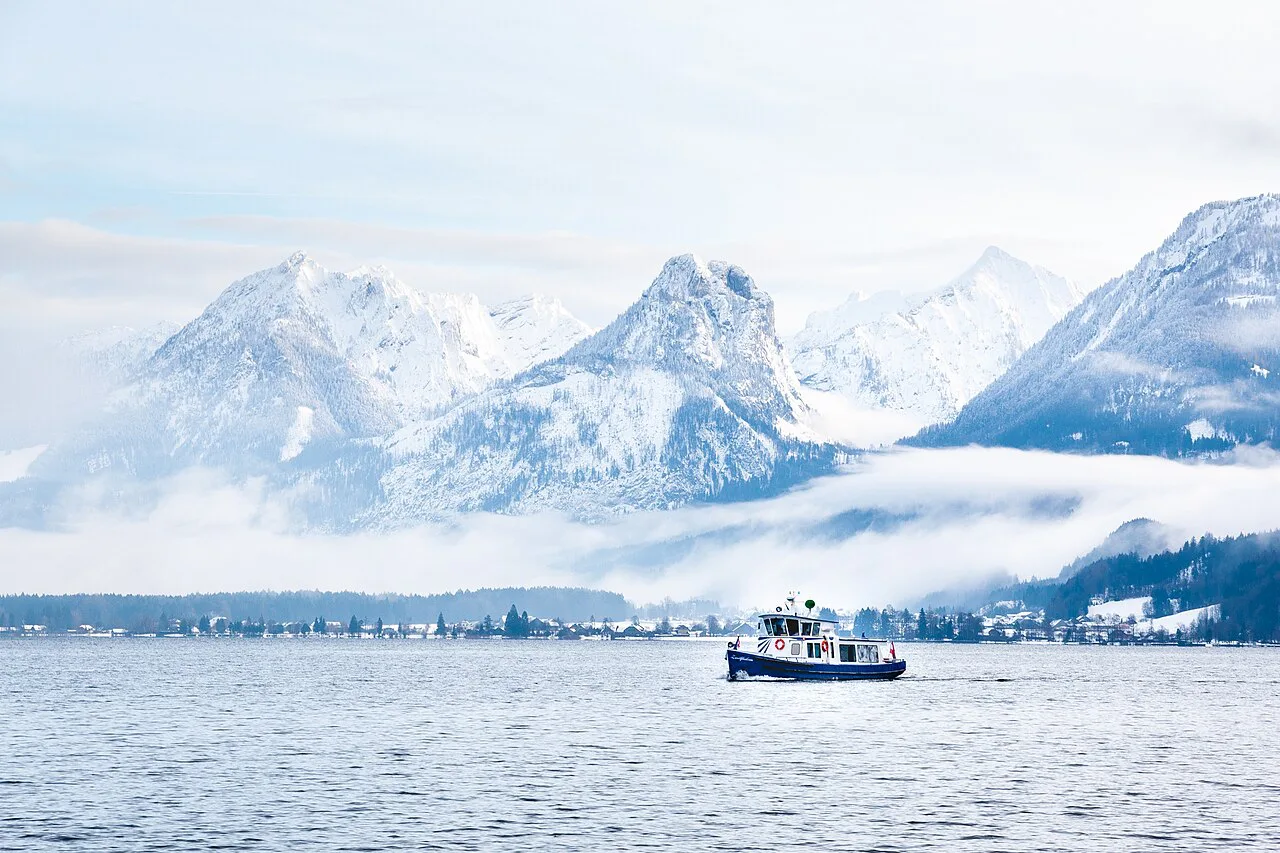
The Schafberg and what the summit gives you
The Schafbergbahn climbs from St. Wolfgang to the summit of the Schafberg, and the ride is the reason many travelers choose this lake over others nearby. Check operating dates and ticket prices with the operator before you travel.
A clear morning is the best bet for the summit, since cloud can build over the Schafberg as the day goes on. Treat the railway as a half-day commitment: the round trip plus time at the top uses most of a morning.
The 27 km lakeshore circuit
Upper Austria tourism describes a 27 km circuit around the lake that starts in the center of St. Wolfgang, climbs at the third kilometer toward Falkenstein, and drops to the Fürberg inn before following the shore east to St. Gilgen. From there the route continues past Abersee, across the Zinkenbach, and through the Blinklingmoos to Strobl, then around the Bürglstein to Berau and back to St. Wolfgang. The published figures give a duration of roughly seven and a half hours and about 534 m of climbing, rated medium difficulty.
Those figures make the lake's scale concrete: it is a full day on foot or a comfortable half day by bike, not a short stroll. The route mixes asphalt, gravel and hiking trail, so footwear matters more than on a paved promenade. If you only want a taste of the shore path, walk the flat stretch near Strobl or the promenade at St. Gilgen instead.
How long the lake needs and how it fits a route
Give Wolfgangsee a full day at minimum: one town in the morning, a boat crossing at midday and a second town in the afternoon. Add a second day if you want the Schafbergbahn and the eastern shore without rushing. Travelers coming from Salzburg usually start at St. Gilgen and finish at Strobl, while those coming from Bad Ischl can work the lake in the opposite direction.
The lake sits comfortably on a Salzkammergut loop that includes Bad Ischl, the Traunsee towns and the lakes closer to Salzburg, and it works by train, bus and boat without a car. Bad Ischl is the natural overnight stop for the eastern end of the region, with its own attractions and connections.
Where to stay around Wolfgangsee
Choose St. Wolfgang if you want the pilgrimage church and the Schafbergbahn at your door, and accept the crowds that come with them. Choose St. Gilgen for the shortest transfer from Salzburg and a compact center by the boat dock, or Strobl for a flat, quiet shore and a simple run onward to Bad Ischl. All three work without a car if you plan around the boat and Postbus.
Whatever you pick, confirm boat season and fares before fixing your day, since these change from year to year. The rest of the Salzkammergut lakes are within easy reach if you have a second day.
Explore more Bad Ischl guides
- Altaussee
- Ebensee: The Memorial, the Feuerkogel and the South End of the Traunsee
- Fuschl am See and Lake Fuschl
- Gmunden: A Lakeside Town Guide for Traunsee and the Old Center
- Mondsee: A Guide to the Lake Town, Its Basilica and Its Lakefront
- Strobl: The Village at the East End of the Wolfgangsee
- Traunkirchen
- Traunsee
- Almsee: A Small Alpine Lake in the Almtal near Grünau im Almtal
- Bad Ischl Attractions
Frequently Asked Questions
Where is Wolfgangsee in Austria?
Wolfgangsee lies in the Salzkammergut lake district east of Salzburg, with Bad Ischl as its nearest large town and rail hub. Its three shore towns are St. Gilgen at the western end, St. Wolfgang on the northern shore and Strobl at the eastern end.
Can you get around Wolfgangsee without a car?
Boats are the classic way to cross the lake, and the shore towns are connected by road. Confirm the current boat season and crossing times with the regional Wolfgangsee tourism organization before relying on a specific departure.
How long does the circuit around Wolfgangsee take?
Upper Austria tourism lists the full lakeshore circuit at about 27 km, roughly seven and a half hours on foot, with about 534 m of climbing and a medium difficulty rating. Cyclists cover it in a half day, and shorter flat sections near Strobl and St. Gilgen suit an easy walk.
What is the Schafberg and how do you reach it?
The Schafberg is the mountain rising behind St. Wolfgang, reached by the Schafbergbahn rack railway from the village. The railway runs seasonally, so check operating dates and fares with the operator before planning your day around it.
Sources
Notes for your next Austrian town break
Optional updates when we add or revise town guides.
You might also like
Continue reading
More guides you'll find useful