Gmunden Guide: Traunsee, Schloss Ort and the Old Town
Gmunden sits on the Traunsee in the Salzkammergut, with a lakeside promenade, the island castle Schloss Ort and a striped town hall on its main square.
On this page
Gmunden is a small lake town on the north shore of the Traunsee in the Salzkammergut of Upper Austria, and its center fits around one walkable loop: Rathausplatz and the old lanes, the lakeside promenade, and the wooden footbridge out to the island castle Schloss Ort. This guide lays out that route in order, then covers the Grünberg cable car's seasonal window, the rest of the Traunsee, and how the town slots into a train or car route through the region.
The scale is part of the appeal. Gmunden lies on the north shore of the Traunsee and serves as the seat of the Gmunden district administration, so it functions as a real working town rather than a preserved set piece. Plan on foot once you arrive; the sights described here cluster tightly enough that you will not need the car between them.
What Gmunden is known for
Austrians know Gmunden as a summer resort town on the Traunsee, the 12-kilometer lake that opens out at its northern edge, and the surrounding Salzkammergut is the lake-and-mountain region that draws most visitors to this part of Upper Austria. The town has existed in some form since the 1100s, which shows in the tight old center rather than in any single monument.
If you are building a route across the region, treat Gmunden as one stop among several lake towns rather than the anchor of a whole trip. The wider Salzkammergut Guide covers the geography and how the lakes connect, and the Salzkammergut lakes page helps you decide which shore deserves the longer stay. Gmunden's own draw is the combination of a genuine town center and a lake you can walk to in minutes.
How Gmunden is laid out
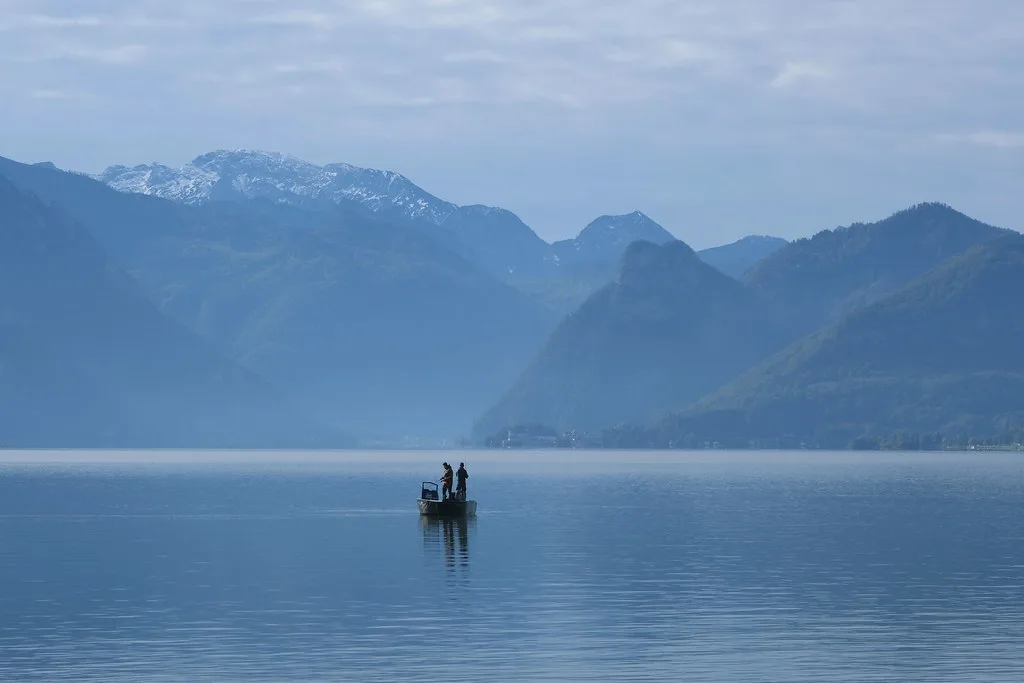
Think of Gmunden in three strips. Inland sits the old center around Rathausplatz and Marktplatz, with the Rathaus in the middle of the square; downhill from there, the Traunsee Promenade runs along the water with benches, snack shacks, small marinas and restaurant patios; and at the northern edge of the waterfront, a long wooden footbridge leads out to Schloss Ort on its island. Walk it in that order and you cover the town without backtracking.
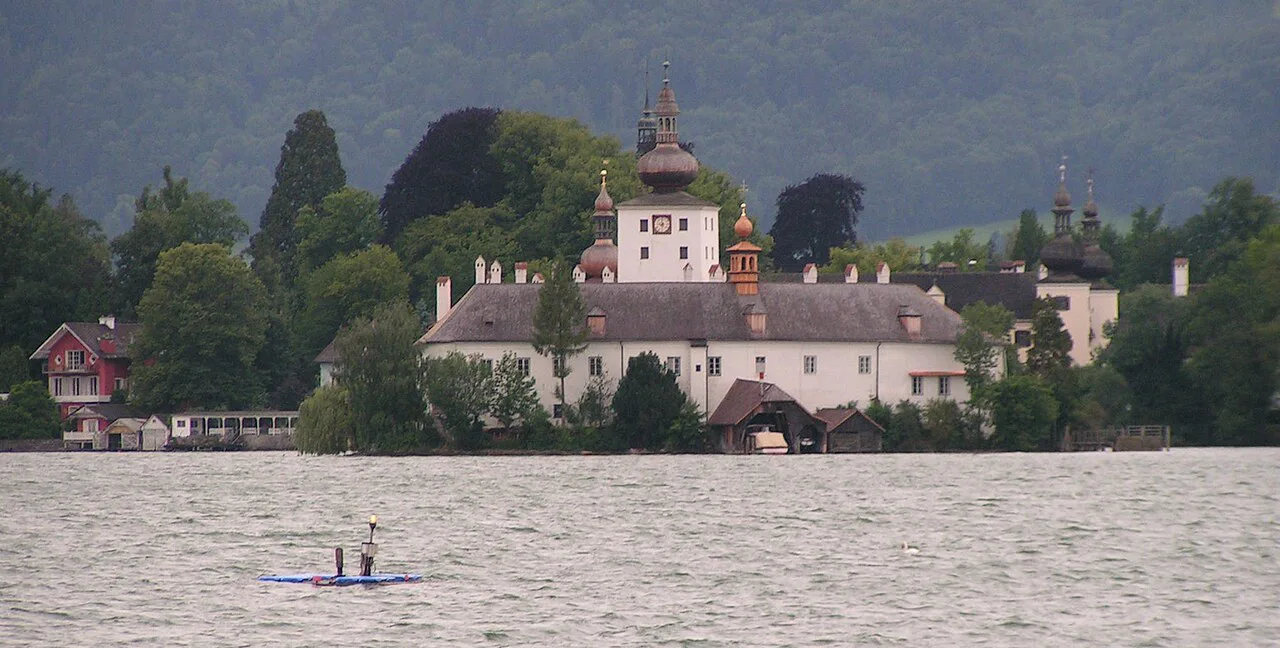
Schloss Ort is the piece that surprises people: a castle founded around 1080 by Hartnidus of Ort and modified well into the 13th century, now sitting just offshore in the Traunsee and reached only on foot over the bridge. Approach it along Scharnsteiner Straße and the tree-lined Johann Orth-Allee, which turns the walk out to the castle into a proper lakeside approach rather than a quick crossing. Allow it as a short island detour, not a half-day sight.
The old center on foot
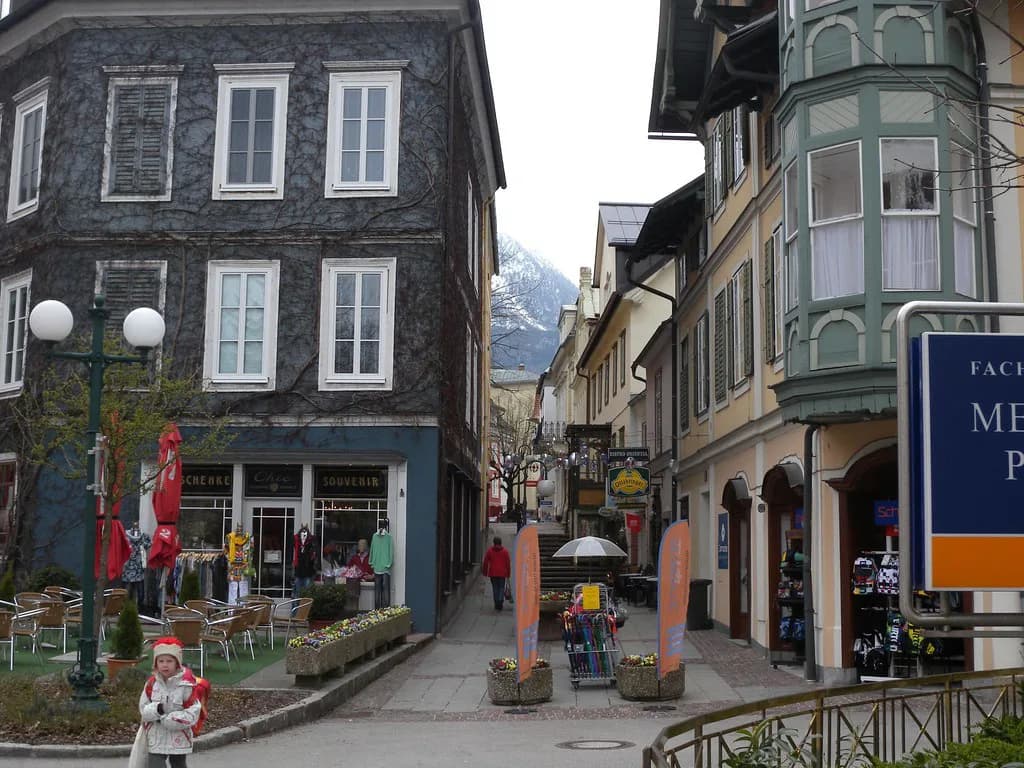
Start at Rathausplatz, where the Gmunden Rathaus fills the center of the square with a light green and white striped facade that is easy to spot from the lanes leading in. From there, wander to Marktplatz and the streets running down toward the lake; this is the compact, commercial heart of town, and the walk between the two squares takes minutes rather than an afternoon.
Gmunden has long been known as a ceramics town, and the old center is where you would look for that trade rather than at the waterfront. Set your expectations for a small-town center: a handful of squares, shops, and cafes to perch in with an espresso when the weather turns. Much of what you see from the outside — the squares, the striped town hall, the lanes — is open to walk.
Schloss Ort on its island
Cross the wooden footbridge and you enter a courtyard enclosed by the castle walls; the present-day Schloss Ort holds a museum, a restaurant and a summer school inside, so the visit mixes a quick look at the architecture with an optional stop for food or exhibits. The onion dome on top is the building's signature detail, and the courtyard is the part you see without committing to anything inside.
Because the castle sits in the lake, the light and the crowds change through the day: an early morning walk along the shore and over the bridge gives you the calm version. The castle is the town's main attraction, so expect company by late morning in season. The museum and restaurant inside sit within the castle walls; if you want to visit them rather than just the courtyard, check current opening at the castle entrance or through the town's visitor information before you build a meal around them.
The Traunsee waterfront
The Traunsee Promenade is the town's living room: a flat lakeside walk with views across the water to the mountains, lined with benches, snack shacks, restaurants and small marinas that run lake cruises during the day. The lake itself is 12 kilometers long, so the opposite shore is a real distance away and the scale of the water is part of the view. A slow walk out and back is the simplest way to spend an hour here.
Timing matters more than you might expect. During the peak of the day, day trippers fill the town square and the restaurant patios when the weather is fine, with boats, kayaks and paddleboards out on the water in summer; by evening, the day trippers leave and the town turns quiet. If you want the promenade to yourself, arrive early or stay late, and treat midday as the moment for a museum or a long lunch rather than a lakeside stroll. The Salzkammergut's bigger-name shores, from Hallstätter See to St. Wolfgang, draw the same midday surge, so the pattern is worth planning around wherever you stop.
Boats and lake cruises run from the small marinas along the promenade during the day, and the south end of the lake at Ebensee is a separate stop by road if you want to see the Traunsee from the other direction. Schedules and fares change with the season, so read them at the landing stage or the town's visitor information rather than relying on a plan made months earlier.
The Grünberg Seilbahn cable car
The Grünberg Seilbahn climbs from Gmunden to roughly 1,004 meters on the Grünberg, with large green cabins that hold around 60 people and cover the height in minutes. The payoff is the view back over the town, the Traunsee and the valleys, which is the reason to ride it on a clear day rather than a cloudy one.
The seasonal window is the planning constraint: the cable car runs daily from the end of March to about mid-November, so a winter or early-spring visit means the mountain is off the itinerary and the town becomes a waterfront-only stop. Confirm the current season and daily hours with the operator before you count on the ride, since the opening and closing dates shift from year to year.
At the top, several things sit within a short walk of the station: a treetop walk on the Baumwipfelpfad, a summer toboggan run called the Grünberg-Flitzer, and the easy hike to Laudachsee, a small mountain lake that takes about an hour on well-marked trails. The Laudachsee walk passes through open ground and forest with views of the Traunstein, and the Ramsaualm snack hut by the lake serves Austrian food for the walk back. If you are short on time, pick one activity at the top and skip the rest.
Around the Traunsee
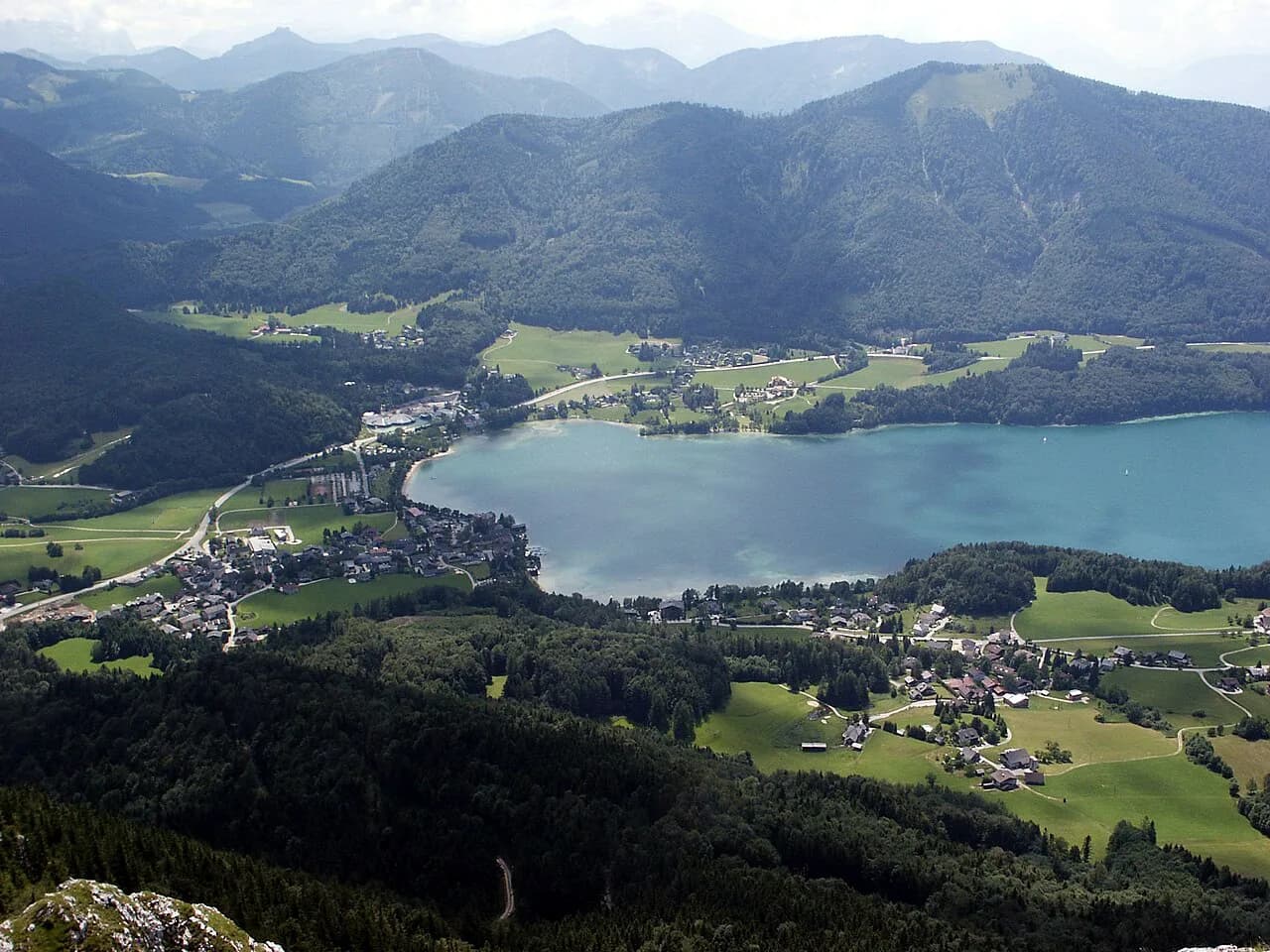
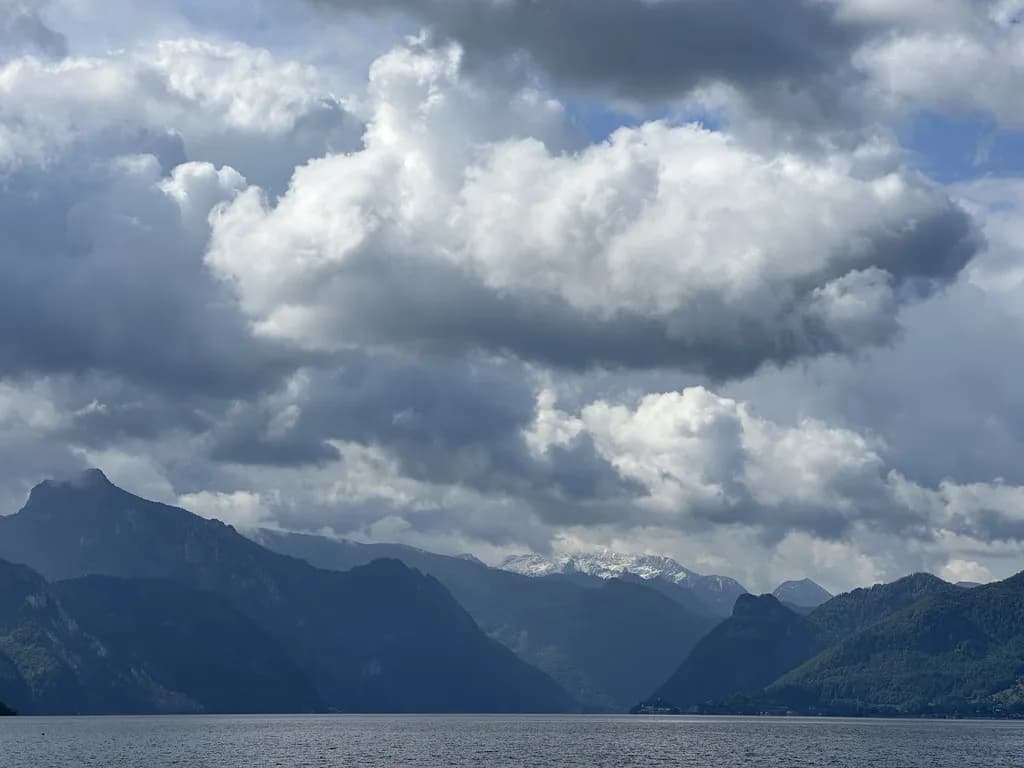
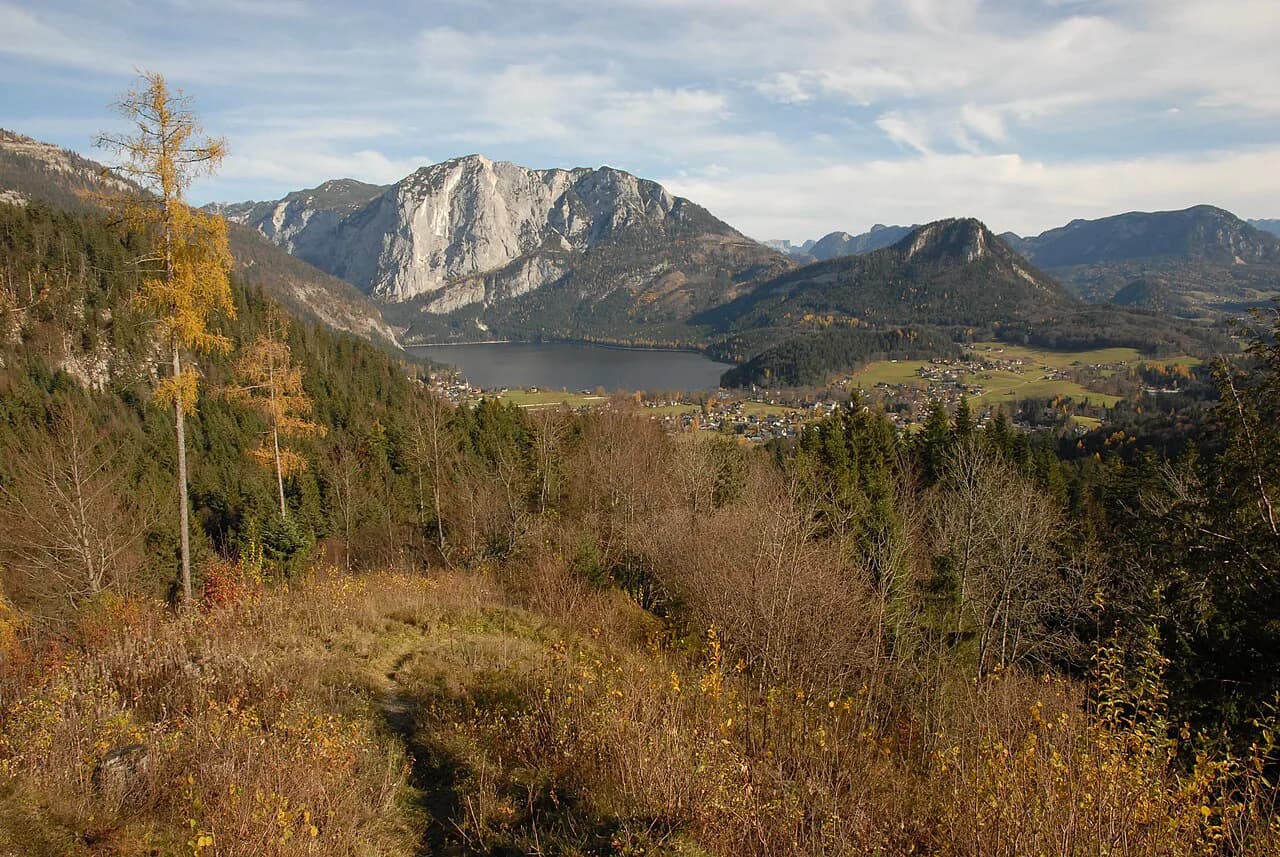
The Traunsee is framed by mountains, with the Traunstein the dominant peak seen from the Laudachsee side and small towns scattered around the water. Gmunden anchors the north end; the lake runs south toward Ebensee. That geography makes the lake a half-day or full-day loop by boat or car rather than a single viewpoint.
If you are touring the Salzkammergut lake by lake, Gmunden works as a northern gateway and pairs naturally with the Wolfgangsee villages to the west, including St. Wolfgang and St. Gilgen. Both are separate stops with their own waterfronts and mountain railways, so give each its own slot instead of trying to combine them into one day.
How long Gmunden needs and how it fits a route
The old center, the promenade and the Schloss Ort footbridge make a comfortable half day at an unhurried pace, and adding the Grünberg cable car with the Laudachsee walk turns it into most of a day. The trade-off is real: the cable car is the best view in town but eats two to three hours once you include the ride and the walk, so decide before you arrive whether Gmunden is a waterfront stop or a mountain-and-lake stop.
By train, Gmunden sits on the Salzkammergut line that links the region's towns, which makes it easy to slot between lake stops without a car; by car, the lakeside roads are scenic but slow in summer traffic, and parking near the center is limited. Check current connections and journey times with ÖBB for trains and Postbus for local buses before fixing your schedule, since regional services change with the season.
For a broader base in the region, Bad Ischl is the transport hub and the emperor's summer town, with its own attractions and the Zauner Café and Pâtisserie as a well-known stop. It pairs with Gmunden on the same rail corridor, so a two-town day is feasible if you start early. If Schloss Ort is the main draw for you, compare it with the castle at the heart of our Gmunden guide before deciding which town gets the longer stay.
Practical costs and opening seasons
Ticket prices for the Grünberg Seilbahn, the museum inside Schloss Ort and the lake cruises are set by the operators and change with the season, so buy at the counter or check the operator's own page on the day rather than budgeting from an old figure. The town's outdoor sights, including the promenade, the squares and the walk over the footbridge, cost nothing to see.
Two seasonal rules shape a visit more than any price: the cable car runs from late March to about mid-November, and the lake boats and patios run on summer timetables. Outside those windows, Gmunden is a quieter town with the old center and the castle walk still open. If you are traveling in late autumn or winter, plan the day around the town rather than the mountain.
Decide whether Gmunden is a waterfront stop or a mountain day
If your Salzkammergut route is tight, give Gmunden a half day: Rathausplatz, the promenade and the walk out to Schloss Ort cover the town's essentials without a ticket. If you have a full day and the cable car is running, ride up in the morning, walk to Laudachsee, and come back down for a late lunch by the water.
Either way, arrive early or stay into the evening to avoid the midday day-tripper surge on the square, and confirm the cable car season before you build the day around it. The wider Salzkammergut Guide is the place to line up the rest of the lakes around this stop.
Explore more Bad Ischl guides
Frequently Asked Questions
What is Gmunden known for?
Gmunden is known as a summer resort town on the Traunsee, with a lakeside promenade, the island castle Schloss Ort reached by a wooden footbridge, and a striped town hall on Rathausplatz. It also has a long ceramics tradition, and the Grünberg cable car climbs from town to views over the lake and mountains.
What is the Salzkammergut famous for?
The Salzkammergut is Austria's lake-and-mountain region, spread across Upper Austria, Salzburg and Styria. It is known for clear lakes such as the Traunsee, the Wolfgangsee and the Hallstätter See, for Alpine peaks like the Traunstein and the Dachstein, and for towns with old centers and lakeside promenades.
Is the Grünberg cable car open year-round?
No. The Grünberg Seilbahn runs daily from the end of March to about mid-November, so winter and early-spring visits cannot include the ride. Check the operator's current season dates and hours before planning a day around the mountain, since the exact opening and closing days shift each year.
Sources
Notes for your next Austrian town break
Optional updates when we add or revise town guides.
You might also like
Continue reading
More guides you'll find useful