Altaussee, Austria: Lake, Salt Mine and Old Town Guide
Altaussee pairs a quiet Salzkammergut lake with a salt mine that held looted art from 1943 to 1949. Here is how the village is laid out and how to reach it.
On this page
Altaussee is worth a day if you want one Salzkammergut lake without Hallstatt's midday crowds and one sight with real historical weight: the salt mine that served as a Nazi art depot. The village sits in the Styrian Ausseerland, part of the Salzkammergut, with the lake below and the old center on the slope above it. This guide covers how the two halves fit together, what the mine visit includes, and how to reach the village by train, RegioBus or car.
Plan on a half day for the mine and a half day for the lake and village lanes, or pick one if you are passing through between Bad Aussee and the Salzkammergut. The mine is the reason to come if you care about World War II history; the lake is the reason to come if you want stillness.
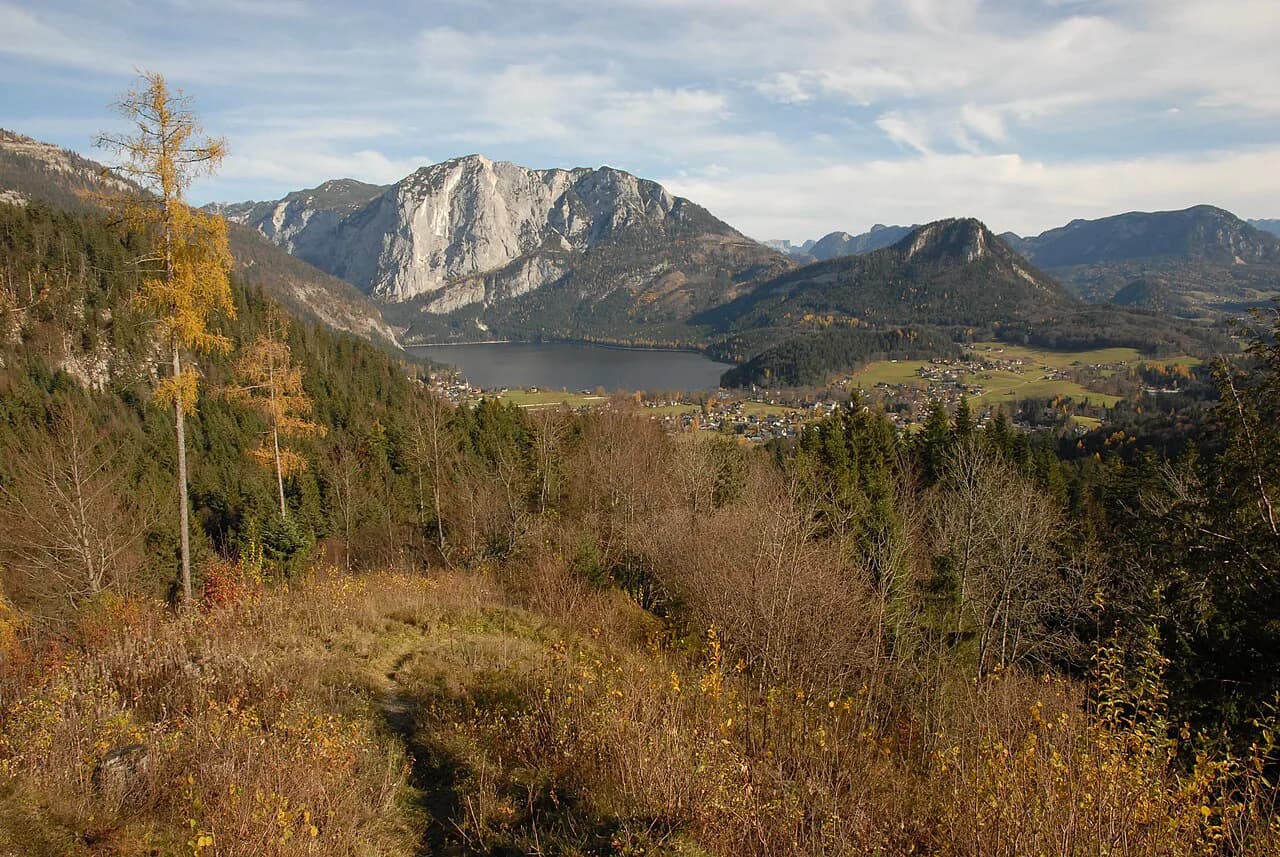
Where Altaussee sits in the Styrian Salzkammergut
Altaussee belongs to the Ausseerland, the Styrian part of the Salzkammergut, and the municipality presents itself as a Luftkurort, a climatic health resort, in the middle of the region. That framing matters for what the village offers: clean air, a quiet lake and a working landscape rather than a built-up resort strip. It sits close enough to Salzburg and the rest of the Salzkammergut that it slots into a loop through the lakes.
Use the wider Salzkammergut as your frame, since Altaussee is one stop among several lake and salt towns. The Salzkammergut Guide covers the region's abbeys, lakes and salt towns so you can see what else fits the same route. A map with the lake, the village center and the mine marked saves confusion on arrival.
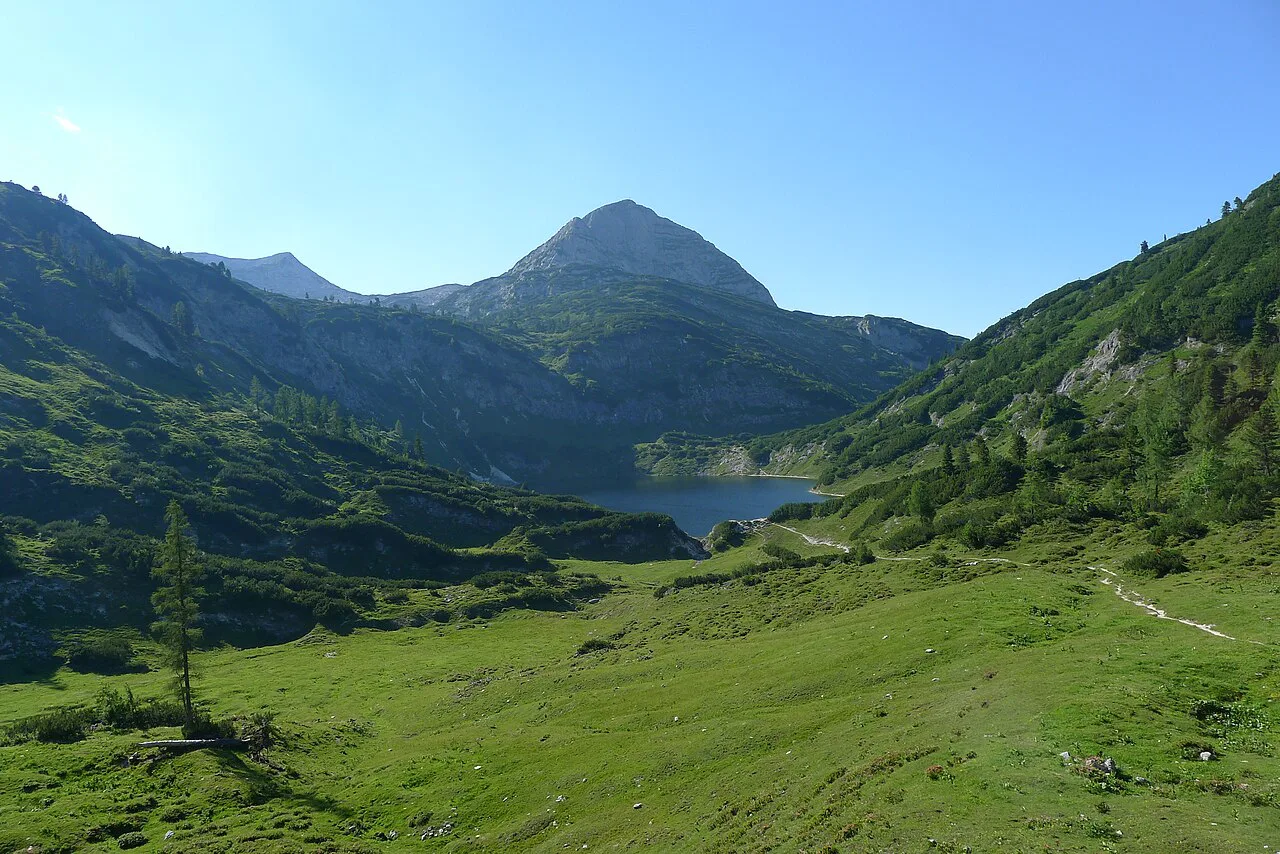
How the village is laid out: lake shore, Fischerndorf and the lanes above
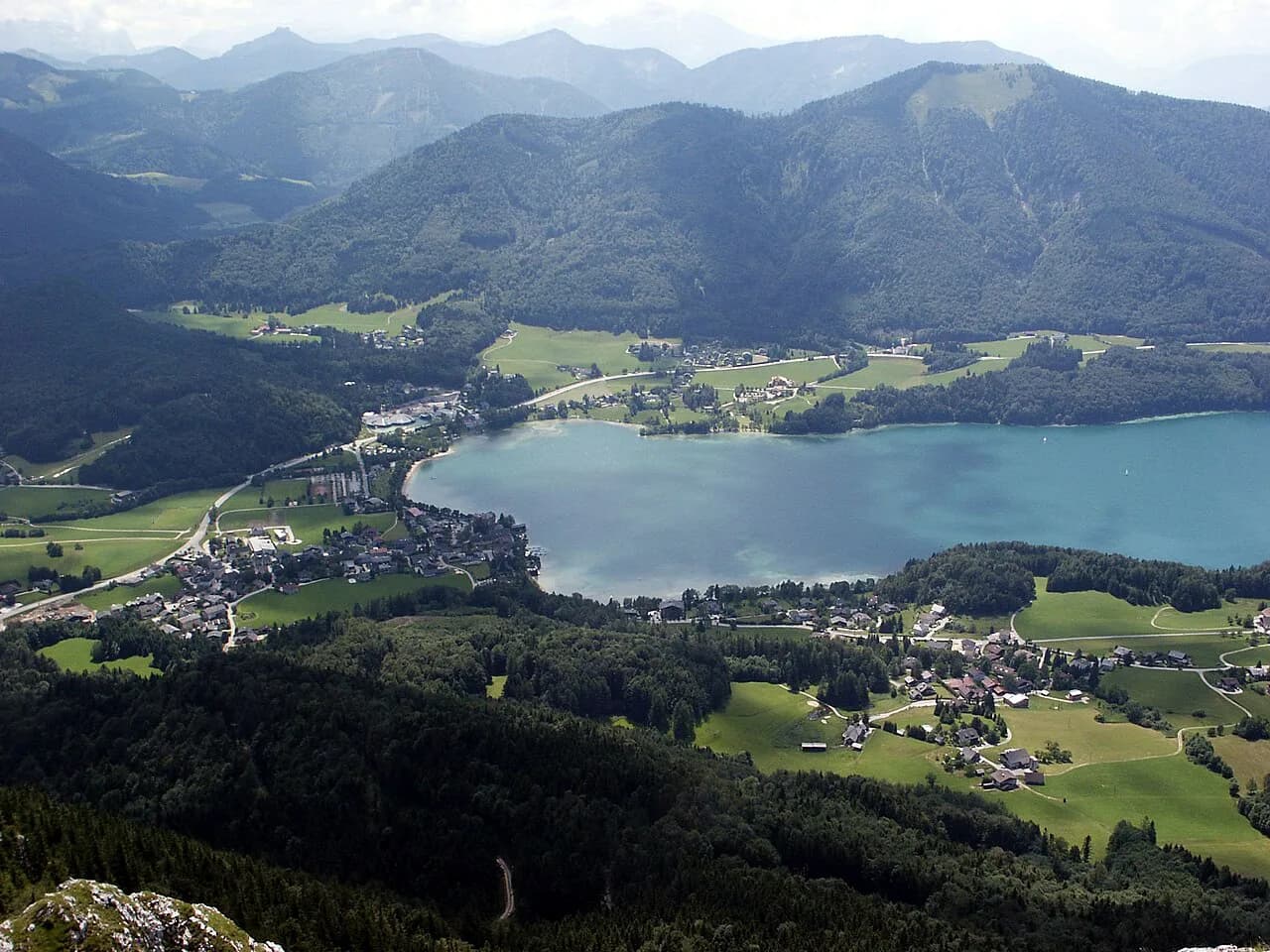
Altaussee is effectively two places. The Altausseer See shoreline, where the Seevilla hotel stands, is the low ground; the village center and the lanes around the Fischerndorf district sit on the slope above it. Expect a short drive or a steady walk between the two, and plan which one you want first so you are not climbing back up at the end of the day.
Fischerndorf is the district that holds the municipality's address, and it is where the Gemeindeamt and everyday village life sit. The old lanes are compact enough to cover on foot in well under an hour, so treat the center as a stroll between the lake and the mine rather than a sight in itself. The municipality publishes a parking page covering where to leave the car and where buses go, so read that before you drive in.
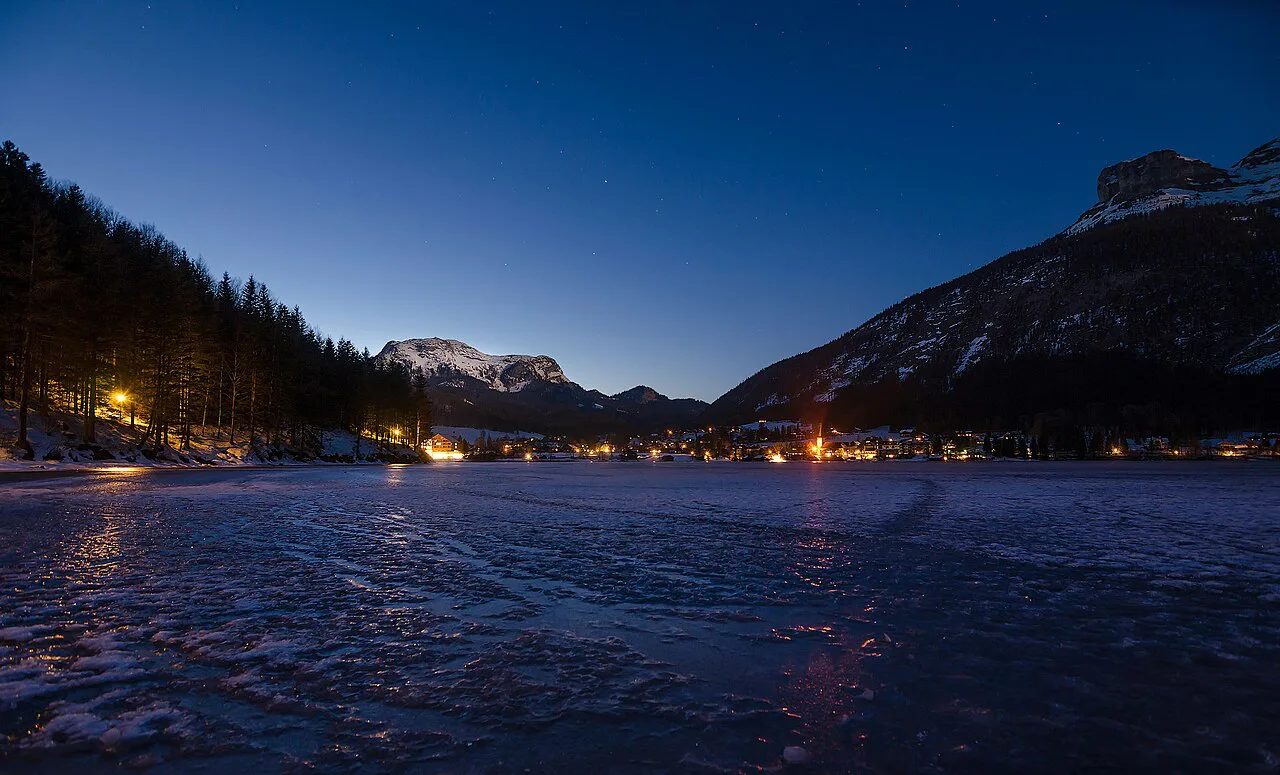
Altausseer See: the shoreline, the Plätten boat breakfast and the water
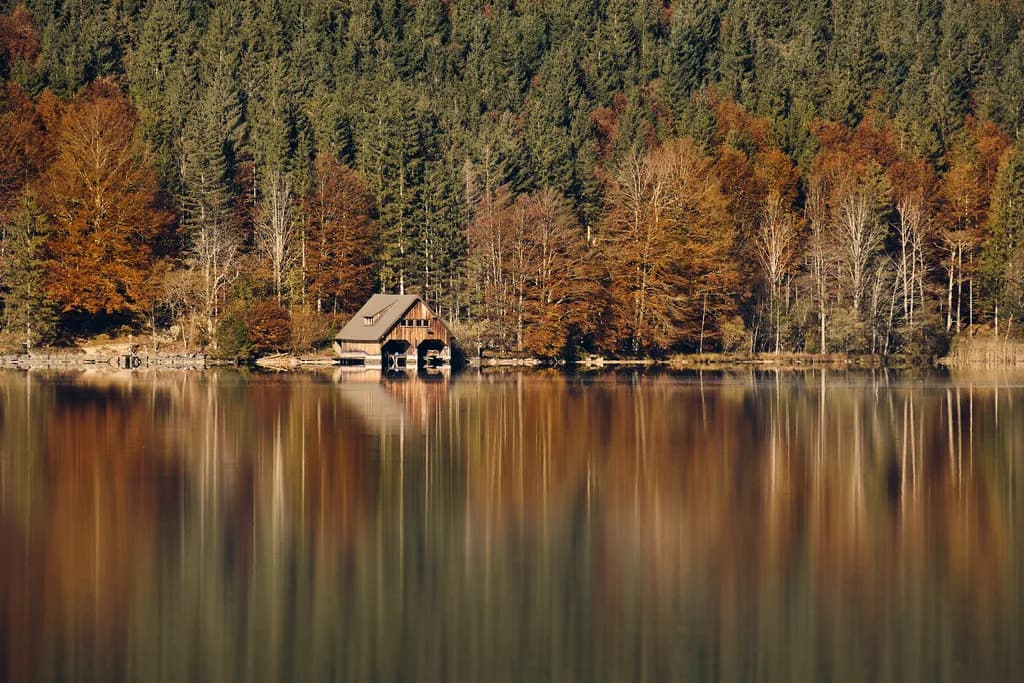
The Altausseer See is the reason many visitors come, a small, still lake backed by the Loser massif. The Seevilla runs a boat breakfast on a Plätten, the traditional flat lake boat, which is the most distinctive way to be on the water here. The hotel describes the boat breakfast on its own pages, so check with the hotel directly for days and times rather than assuming a daily departure.
The shoreline paths and the views back to the village are the reliable draw, and the hotel describes its setting right on the lake shore. If you want a lake town with more infrastructure and boat lines, the Salzkammergut lakes guide covers the larger alternatives such as Hallstätter See and Wolfgangsee.
The Altaussee salt mine: from medieval brine to Austria's largest operation
Salt mining in the Altaussee salt mine is documented back to the Middle Ages, with the first official mention dated to 1147 and brine extraction beginning in 1319. The Seevilla history of the region records that the mine now produces roughly 550,000 tons of salt a year and calls it the largest salt-production site in Austria.
Salt made the Ausseerland wealthy, and the mine is still described as a working operation rather than a preserved relic. That is the tension worth knowing before you book: this is an active industrial site with a visitor route through it, not a museum built around a disused shaft.
The mine as an art depot, 1943–1949
During World War II the Altaussee mine became a storage place for looted art. Art treasures from Germany, Austria and art looted from across Europe were stored in several tunnels of the salt mine from 1943 to 1949. Near the end of the Third Reich these works came close to destruction; Allied troops brought them back into daylight between 1945 and 1949 and returned them, as far as possible, to their lawful owners.
That story is why the mine appears in accounts of Allied art recovery, and it is the part of a visit that rewards preparation. Read up on the storage operation before you go, so the tunnels you walk through are attached to names and events rather than a general sense of hidden treasure. Keep the visit sober: this is a record of plunder and restitution, not an adventure story.
The show mine and the Barbara Chapel: what a mine visit covers
Public access to the mine has a long history of its own. The Seevilla account records show rooms and a small museum open before World War I, the Barbara Chapel added as an attraction in 1935, the show salt mine open since 1952 and an extensive modernization in 2005. That history describes the mine as a visitor site with a show route and underground sights including the Barbara Chapel.
Ticket prices, tour times and seasonal opening dates are not given here; check the mine's own website or the Altaussee tourist information office before you commit a day to it, especially outside the summer months. The mine is underground and cool, so dress for that rather than for the lakeside.
Getting to Altaussee by train and RegioBus
Altaussee has no main-line station of its own, so the practical approach is by train to Bad Aussee and then bus. The municipality announced improved weekend service on RegioBus lines 950, 955 and 956 starting July 5, 2025, running year-round; treat that as the 2025 announcement and confirm the current timetable with ÖBB or the regional transport operator before relying on a connection. This is the pattern for the whole Ausseerland: rail to the valley town, bus for the last stretch.
Build the bus leg into your day rather than treating it as an afterthought, because a missed connection in a rural valley costs an hour or more. The Salzkammergut Guide is the place to sort out the regional rail and boat network before you fix dates, and Bad Ischl makes a natural rail hub for the wider Salzkammergut.
Driving to Altaussee and parking
By car, Altaussee is reached from Bad Aussee on a short valley road, and the drive itself is part of the appeal. Parking in the village is organized by the municipality, which publishes a parking information page covering where to leave the car and where buses go. Read it before arrival, since the center is small and the lake shore fills on fine summer days.
Winter driving is worth checking in advance: this is a mountain valley, so look up road conditions on the day before you set out. Keep the car for the lake-to-village hop if you are short on time.
How long Altaussee needs and how it fits a route
Give Altaussee a full day if you want both the mine and the lake, and a half day if you only want one. The mine visit takes the best part of a morning or afternoon once you allow for the trip up from the village, which leaves the other half for the shoreline and the lanes. Overnighting is the better choice if the lake is the point of the trip.
On a route through Austria, Altaussee works as a loop off the Bad Aussee corridor rather than a stop on the main line. Pair it with Bad Aussee and the Dachstein side of the Salzkammergut, or run west toward Hallstatt and the Salzkammergut lakes. Bad Ischl, with its own guide here, anchors the wider Salzkammergut circuit if you are traveling without a car.
Where to eat and drink in Altaussee
The venues Altaussee is known for are attached to the lake. The Seevilla runs its own restaurant and the Brahms Café, both at the hotel on the Altausseer See shore, which makes the lake the natural place to plan a meal. The café is the easier stop for coffee and cake around a lakeside walk; the restaurant suits a sit-down meal.
For a wider choice, Bad Aussee a short drive or bus ride away has the everyday town options that a village of Altaussee's size does not. If you want the classic Salzkammergut coffee and cake stop on the same trip, head to Bad Ischl, whose guide covers the town in full. Check the Seevilla's restaurant hours directly, since a lakeside hotel's kitchen follows the season.
The Luftkurort tradition: Gradieranlage and Heilquelle
Altaussee's health-resort identity is not marketing gloss: the municipality maintains a Gradieranlage, an open-air inhalation structure that humidifies the air for respiratory complaints, and a Heilquelle, a mineral spring whose high sulfate content and mineral mix it credits with therapeutic value. Both are public facilities described on the municipal site and slot naturally into a gentle walk, which is why they are worth ten minutes even on a sightseeing day.
Treat the Gradieranlage as a quiet pause rather than a treatment, and skip it if your day is already full. It pairs naturally with a slow morning at the lake, before or after the mine.
Is the mine or the lake the better half-day?
Choose the mine if you came for the World War II story and want the one sight in Altaussee that cannot be found elsewhere. Choose the lake if you want the Salzkammergut at its quietest, with the boat breakfast on a Plätten and the shoreline walk as the day's center. With a full day you can have both, starting underground in the morning and finishing at the water.
Either way, confirm the mine's current tour times, ticket prices and season with the operator, and check the RegioBus timetable before you set out from Bad Aussee. The village rewards a slow pace; the logistics reward five minutes of planning.
Explore more Bad Ischl guides
- Ebensee: The Memorial, the Feuerkogel and the South End of the Traunsee
- Fuschl am See and Lake Fuschl
- Gmunden: A Lakeside Town Guide for Traunsee and the Old Center
- Mondsee: A Guide to the Lake Town, Its Basilica and Its Lakefront
- Schafbergbahn
- St. Gilgen on the Wolfgangsee
- Strobl: The Village at the East End of the Wolfgangsee
- Traunkirchen
- Traunsee
- Wolfgangsee
- Almsee: A Small Alpine Lake in the Almtal near Grünau im Almtal
- Bad Ischl Attractions
Sources
Notes for your next Austrian town break
Optional updates when we add or revise town guides.
You might also like
Continue reading
More guides you'll find useful