Salzkammergut Lakes: Which Lake to Pick and What Each Is Like
Compare the Salzkammergut's main lakes with their swimming spots, boat trips and nearby towns so you can pick the right one for a short stay.
On this page
Pick Hallstätter See for the village and the salt mine, Mondsee or Fuschlsee for a straightforward swim, and Traunsee or Attersee for a boat trip with a town attached. The official regional tourism site counts more than 67 lakes within the Salzkammergut, so the choice is really about what you want from the day rather than which lake is best. This guide covers the character of each main lake, where the public swimming spots are, and how the lakes chain together by road, rail and boat.
Two practical facts shape most itineraries. First, the big-name lakes sit close to Salzburg and Bad Ischl while the quiet ones need a car and a detour. Second, swimming is not one thing here: some lakes have staffed lidos with slides and diving towers, while others offer natural access points with a jetty and a sunbathing lawn. Knowing which is which saves an afternoon of driving.
Where the lakes sit relative to Salzburg and Bad Ischl
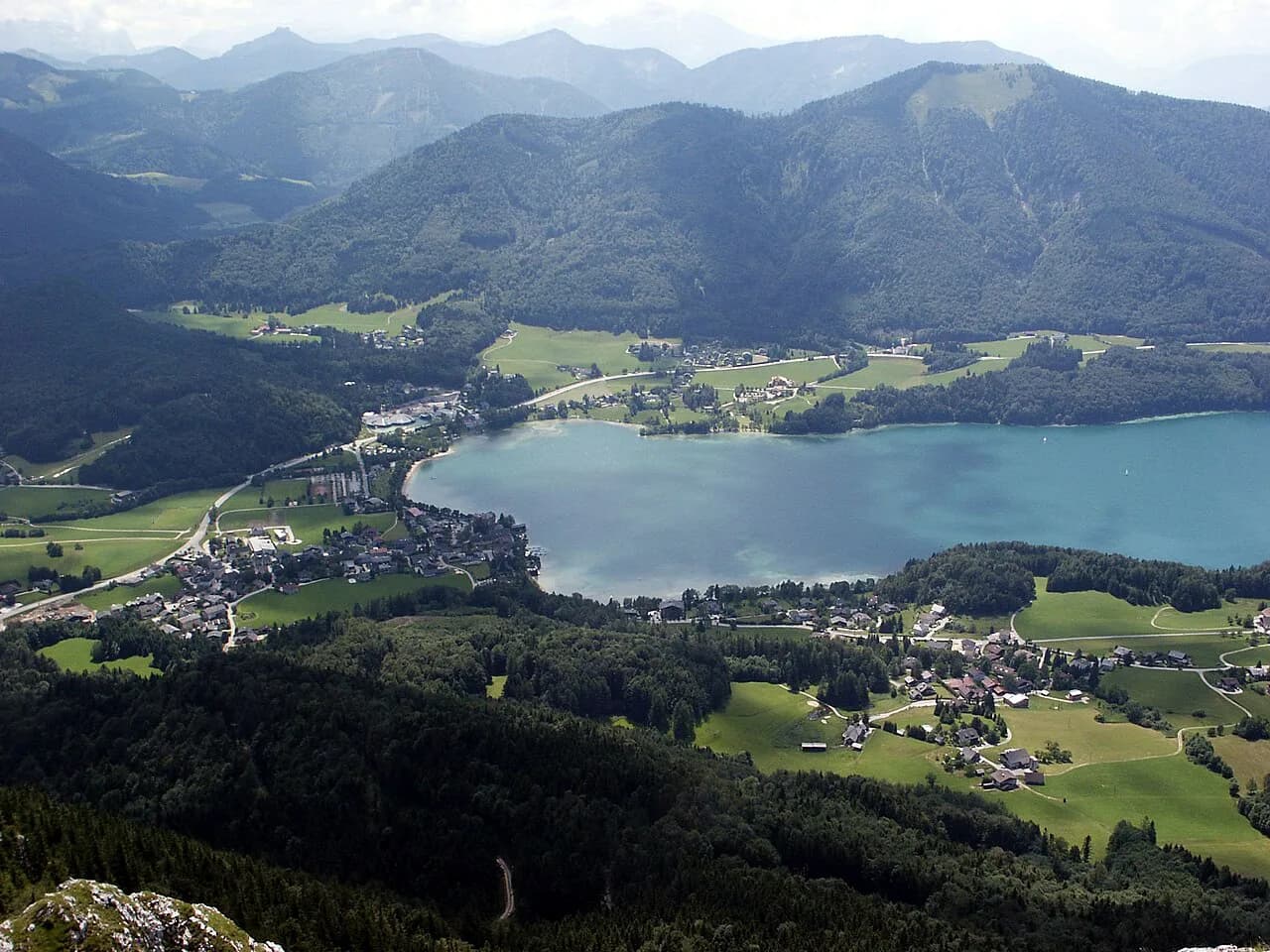
The Wolfgangsee, Fuschlsee and Mondsee form a rough arc east of Salzburg, which makes them the easiest lakes to reach on a short stay based in the city. Bad Ischl sits in the middle of the region and works as a base for Traunsee, Hallstätter See and the Dachstein side. Attersee lies further north and east, while Grundlsee and Altausseer See push southeast into the Ausseerland.
That geography matters more than distance on a map. A lake that looks close can still mean a slow mountain road, and a lake further away may sit on a direct rail line. Build the day around one lake with a town attached rather than trying to tick off three, and check the regional summer pages for which boat operators and lidos are running before you commit.
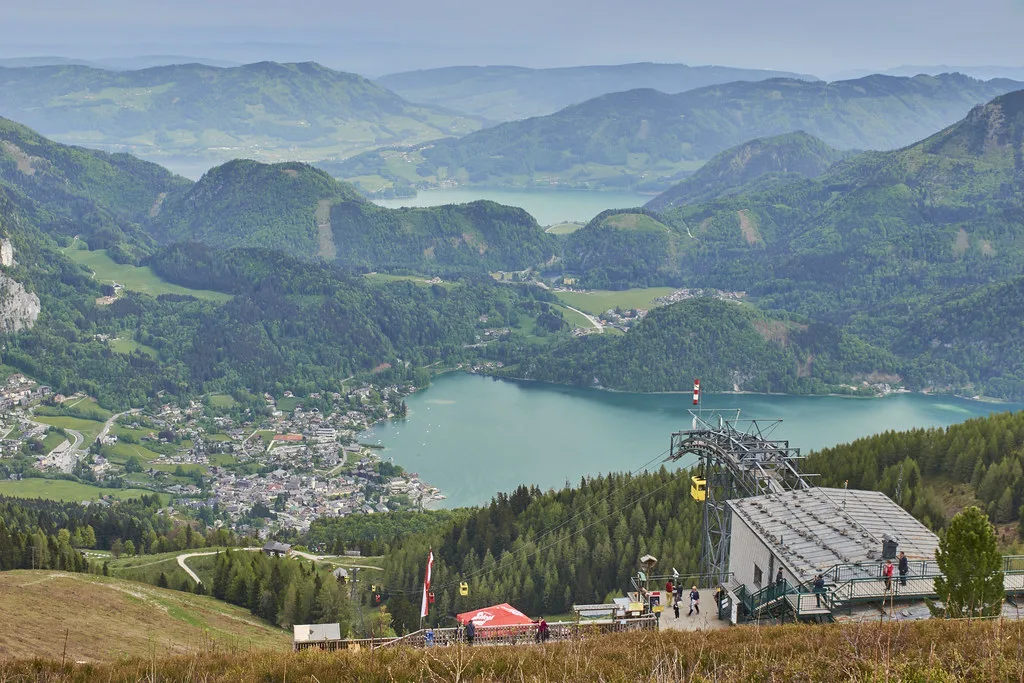
Hallstätter See: the village, the funicular and the salt mine
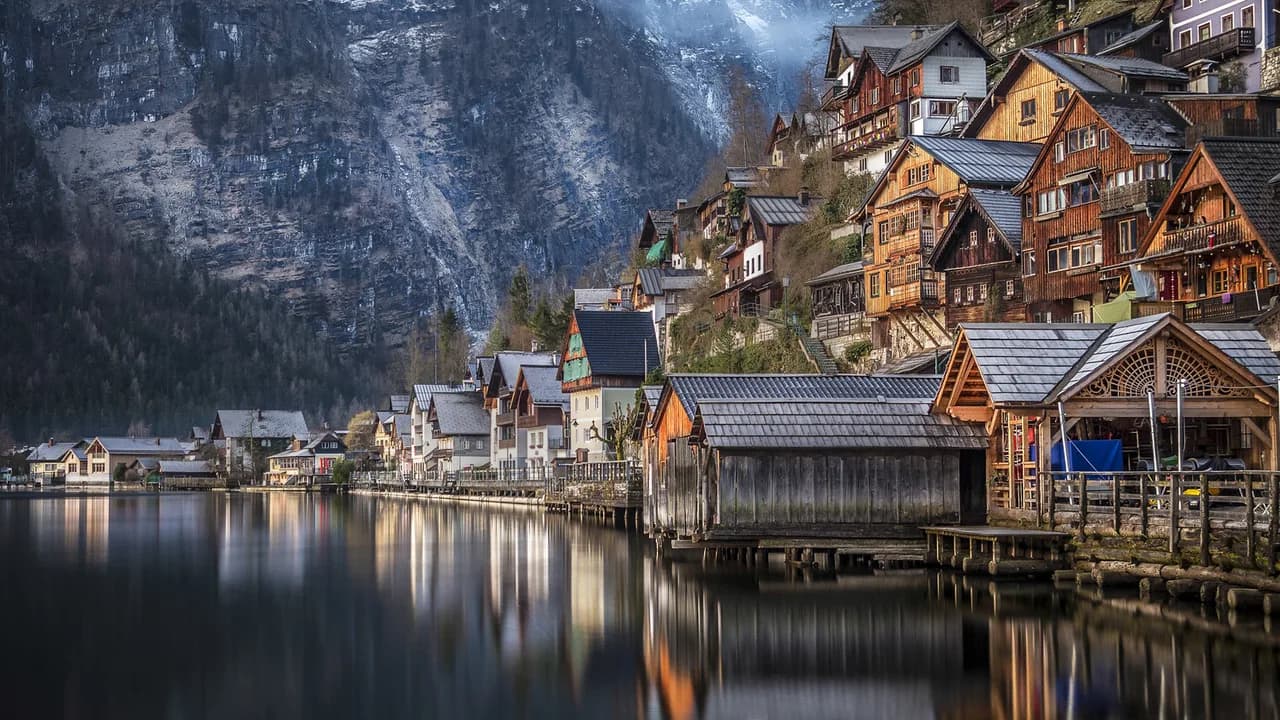
Hallstatt is the reason most travelers come to this lake, and the village delivers a compact cluster of 16th-century wooden houses, narrow alleys and cafes squeezed between the water and the mountain. The famous photo viewpoint is the busiest spot in the village, and the elevated Kirchenweg stairway gives a similar view with fewer people in the frame.
Above the village, a funicular climbs to the Rudolfsturm restaurant and the Skywalk viewing platform suspended over the rooftops. A traveler's account of the trip reports a round-trip funicular fare of 20 euros per person and describes the walk-up alternative, the Hallstattweg path, as taking about an hour from the center. Treat the fare as a reported figure and confirm it at the ticket window.
The Salzwelten salt mine sits in the same mountain and includes a museum, an underground slide and a boat ride across an underground salt lake. Parking is the practical bottleneck: the P2 lot next to the funicular is the obvious choice for the upper village and mine, and it fills in the middle of the day. Arriving early is the single most effective fix for both the lot and the viewpoint queues.
Wolfgangsee: lidos, natural beaches and the Schafberg backdrop
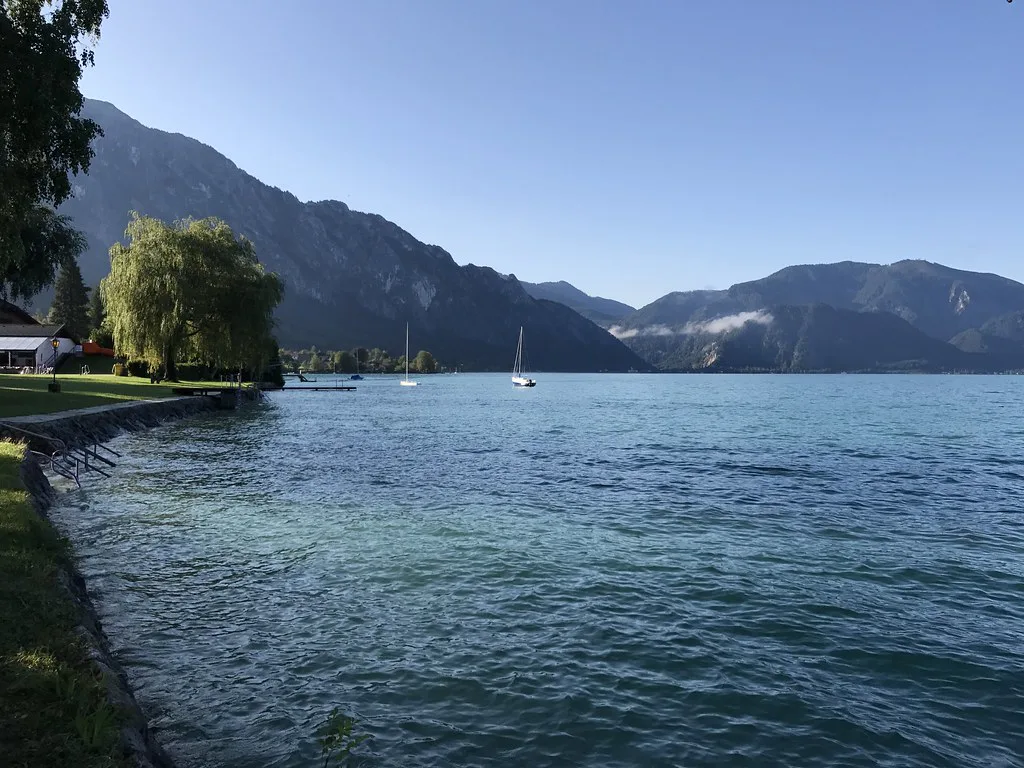
The Wolfgangsee has public lidos in Strobl, St. Wolfgang and St. Gilgen around the shore. Natural beaches and sunbathing lawns at Strobl include a beach volleyball court, and several spots such as Waldbad Fürberg and Badeplatz Franzosenschanze welcome dogs.
St. Wolfgang and St. Gilgen both work as a half-day town visit paired with a swim. If your priority is the lido rather than the villages, base yourself at Strobl and keep the day on one shore. The wider Salzkammergut has more lakes to compare if you want to range further.
Mondsee: the warmest water and the biggest lido
Mondsee earns its reputation as one of the warmest lakes in the Salzkammergut, with summer water temperatures regularly reaching roughly 23 to 26 degrees Celsius in high summer. That figure is a seasonal summer range rather than a guarantee, so treat it as a reasonable expectation for July and August.
The Alpenseebad Mondsee is the largest outdoor pool complex in Upper Austria, with slides, a diving tower and a sandy beach, which makes it the obvious pick for a full day with children or a group that wants facilities. Travelers who prefer a quieter setup head for the natural swimming spots at Schwarzindien and Loibichl, where sunbathing lawns, a swimming jetty and a kiosk replace the slides.
The town of Mondsee itself is worth an hour for its abbey church and market square before or after the swim. Because the lake sits close to Salzburg, it also works as an easy first or last stop on a route into the Salzkammergut.
Attersee and Traunsee: boat cruises and lakeside towns
Attersee and Traunsee are the two lakes where the official regional tourism site lists lake cruises as a summer activity alongside swimming and cycling. Both lakes are large enough that a boat trip covers real distance rather than a short loop, and both have lakeside towns worth an hour on foot. Attersee is known for clear water and a long swimming season, while Traunsee pairs its shoreline with the town of Traunkirchen and the Johannesberg Chapel on a rock above the water.
Traunkirchen has an Esplanade along the lake and a wooden jetty where you can watch windsurfers work the water. The chapel above town is a short climb and gives a view across to the mountains on the far shore. Neither lake is a substitute for the other: Attersee is the swimming and sailing lake, Traunsee the one with a town and a viewpoint built into the day.
Fuschlsee: drinking-water clarity and no combustion engines
Fuschlsee is a nature reserve, and boats with combustion engines are prohibited, which keeps the water calm and clear enough to meet drinking-water standards. Summer water temperatures sit in the pleasant range of roughly 20 to 24 degrees Celsius, cooler than Mondsee but still comfortable for a long swim. The trade-off is fewer facilities than the bigger lakes: four official main swimming spots plus several smaller natural access points around the shore.
The Fuschlseebad in Fuschl am See has a heated outdoor pool, a giant slide and stand-up paddleboard rental. The Naturbadestrand Hof offers shallow entry, a long wooden jetty and calm water that suits families, and the Badeplätze Wesenauer and Stöllinger on the south shore are the quiet options with a kiosk. Because the lake sits close to Salzburg, it is the easiest swim on a day trip from the city.
Smaller lakes: Hintersee, Langbathseen and the Ausseerland
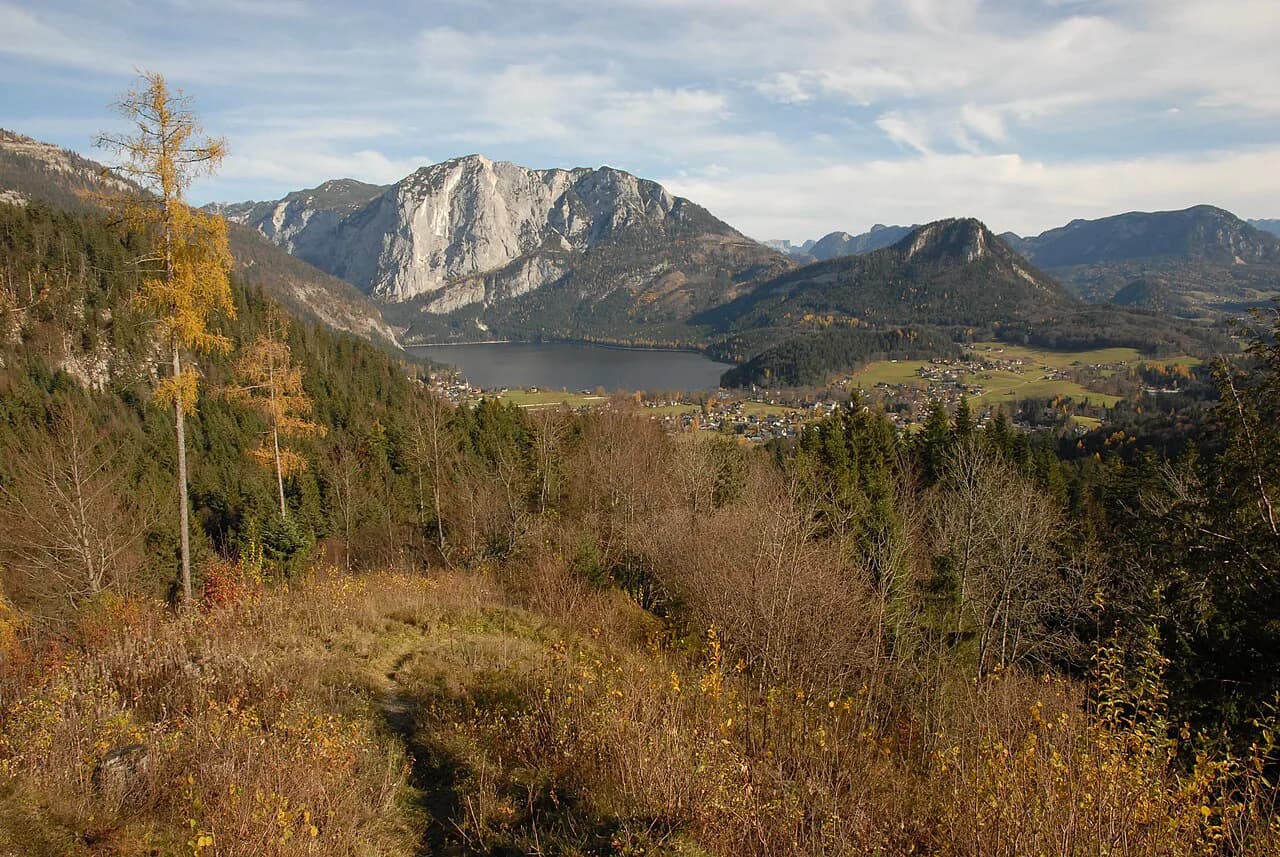
The Hintersee is a small, quiet option; the hotel at Hintersee lists its lake about 5.3 kilometers, roughly thirteen minutes by car, away. The Langbathseen near Ebensee are two mountain lakes, a front and a back, reached on foot; the front lake is popular with divers and the back lake sits closer to the surrounding peaks and stays more shaded. Neither has the infrastructure of Mondsee or Fuschlsee, and that is the point.
Grundlsee and Altausseer See sit in the Ausseerland southeast of Bad Ischl, a corner of the region that sees far fewer day-trippers than Hallstatt. The area rewards a full day rather than a quick stop, with the two lakes close enough to pair and Altaussee village between them.
Swimming practicalities: lidos versus natural access
Austrian lakes divide into two kinds of swimming. A lido, or Strandbad, charges entry and gives you changing rooms, a lawn, sometimes a heated pool and a slide. A natural access point is usually a grass verge or a small beach with a jetty, and offers little beyond perhaps a kiosk. Mondsee and Fuschlsee both have a flagship lido, and both have natural alternatives a short drive away.
Water temperature varies by lake size and altitude. Mondsee, the warmest here, reaches roughly 23 to 26 degrees Celsius in high summer, while Fuschlsee runs about 20 to 24 degrees. Smaller mountain lakes such as the Langbathseen stay cooler. Entry fees and lido opening seasons are set locally each year, so check the lake's own page before you drive out.
Getting between the lakes by boat, bus, train or car
A car is the most flexible way to link lakes, because the region's roads run along shorelines rather than across them. Attersee and Traunsee both run summer lake cruises that function as transport as well as sightseeing. The Wolfgangsee villages face each other across the water, so a boat crossing is worth checking against the drive around.
For anyone without a car, boats and local buses connect several of the lakes, and schedules change by season, so pull current times from the operators' own timetables rather than relying on a printed guide. Confirm lido hours and boat operating days directly with each operator before you commit a day.
Hallstatt timing: why midday is crowded and how to avoid it
Hallstatt draws its crowds in the middle of the day, when tour buses arrive and the narrow village lanes fill up. A traveler's account of an early-afternoon visit describes difficulty finding a parking space and queues for photos at the Skywalk, and recommends arriving at sunrise instead. The village is a different place before ten in the morning.
There are two ways up to the Skywalk and the salt mine. The funicular is fast and drops you beside the Rudolfsturm restaurant, while the Hallstattweg path takes about an hour on foot and rewards the effort with views over the rooftops. If you take the funicular up, walk down the path for the reverse combination.
Which Salzkammergut lake fits your day
Choose by purpose. For the village, the salt mine and the photo viewpoint, Hallstätter See wins despite the crowds, and an early start solves most of them. For a straightforward swim with facilities, Mondsee's Alpenseebad and Fuschlsee's lidos are the easiest calls, and both sit within easy reach of Salzburg. For a boat trip with a town attached, go to Traunsee or Attersee.
If you have a car and a spare half day, spend it at one of the smaller lakes: Hintersee, the Langbathseen or the Ausseerland lakes reward the detour with quiet water and no queues. Pair any of these with an evening in Bad Ischl, where the town's cafes and riverside streets make a good end to a lake day.
Explore more Bad Ischl guides
- Ebensee: The Memorial, the Feuerkogel and the South End of the Traunsee
- Fuschl am See and Lake Fuschl
- Gmunden: A Lakeside Town Guide for Traunsee and the Old Center
- Mondsee: A Guide to the Lake Town, Its Basilica and Its Lakefront
- Schafbergbahn
- Strobl: The Village at the East End of the Wolfgangsee
- Traunkirchen
- Traunsee
- Wolfgangsee
- Almsee: A Small Alpine Lake in the Almtal near Grünau im Almtal
Frequently Asked Questions
Are the Salzkammergut lakes safe to swim in?
The region's lakes are established swimming destinations, with public lidos and natural swimming spots around Mondsee, Fuschlsee, Wolfgangsee and the larger lakes. Mountain lakes stay cold even in summer, so swim within your comfort and watch for boat traffic on lakes that allow it.
Do you need a car to visit the Salzkammergut lakes?
A car makes the smaller lakes and the Ausseerland far easier, because those connections are thin and slow. Mondsee, Fuschlsee and the Wolfgangsee have public lidos and swimming spots and sit close to Salzburg, so they are the simplest without a car.
Which Salzkammergut lake is best in poor weather?
Hallstatt is the most sheltered choice, since the Salzwelten salt mine tunnels and its boat ride are underground. A lake swim is a fair-weather activity in every case.
Sources
Notes for your next Austrian town break
Optional updates when we add or revise town guides.
You might also like
Continue reading
More guides you'll find useful