Ebensee, Austria: Concentration Camp Memorial and Traunsee
Ebensee sits where the Traun enters the Traunsee, with a concentration camp memorial, a tunnel exhibition and mountain and lake country around town.
On this page
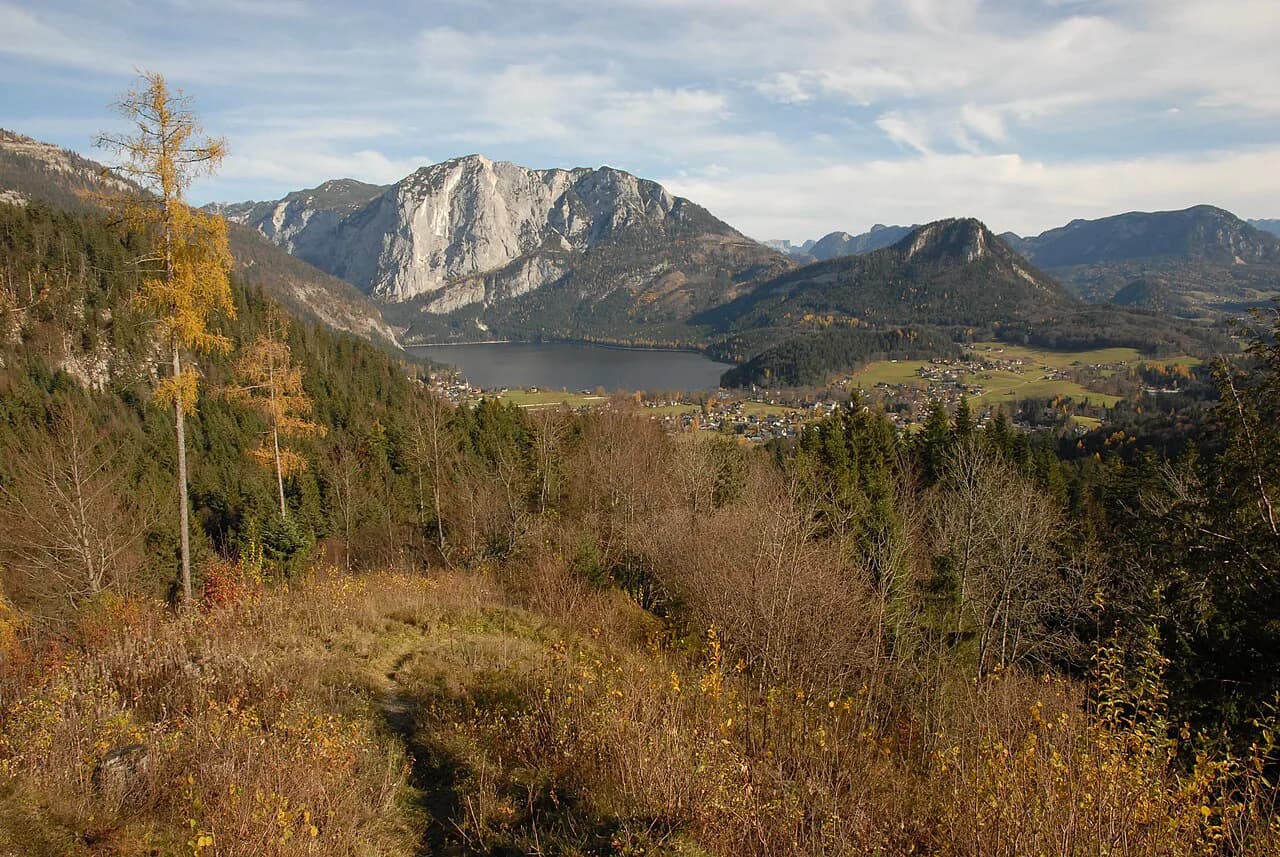
Ebensee is worth a real stop on a Salzkammergut route, but for one reason above all: the concentration camp memorial on the edge of town, where more than 27,000 prisoners were held between November 1943 and May 6, 1945. The town itself sits where the Traun River enters the Traunsee, south of Gmunden, and pairs that history with a mountain above town and several lakes nearby. This guide covers the memorial first, then the Feuerkogel, the lakes, the town's museums and how Ebensee fits between Gmunden, Bad Ischl and Hallstatt.
Where Ebensee sits in the Salzkammergut
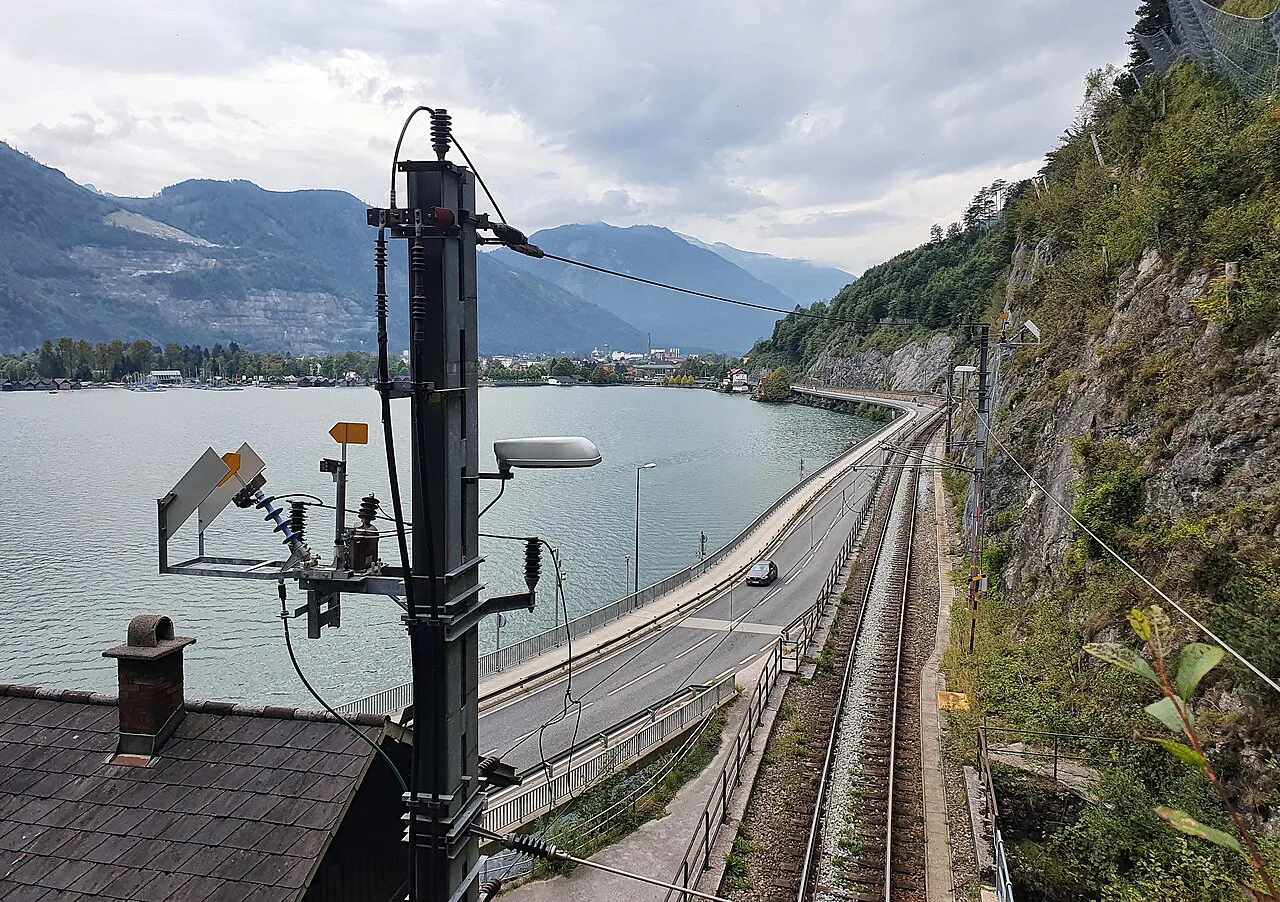
Ebensee lies at the southern end of the Traunsee, in Upper Austria, where the Traun River enters the lake; the Traun leaves the lake at Gmunden at the north end. You come for specific sites and then move on. Gmunden sits at the north end of the same lake, and Bad Ischl is a short hop south, so Ebensee slots naturally into a lake-to-lake route.
For a wider picture of how the region's towns string together, the Salzkammergut guide lays out the lake country and the connections between them. Ebensee is easy to treat as a pass-through on the way to Hallstatt, and many travelers do exactly that; the case for stopping is the memorial, which deserves unhurried time rather than a glance from a car window. Build it in as a half-day anchor and let the mountain and lakes fill whatever remains.
The Ebensee concentration camp memorial: what the site was
From November 1943 until May 6, 1945, the National Socialists held more than 27,000 prisoners at Ebensee, which operated as an external camp of the Mauthausen concentration camp network. Most prisoners came from Eastern Europe, from Poland, the Soviet Union and Hungary, and about 30 percent were registered as Jewish. Over 8,100 people were murdered there or died from the catastrophic living conditions and the forced labor of building tunnels.
In the final months of the war, prisoners from death marches and death transports arrived at Ebensee, many of them already close to death, and the camp became severely overcrowded. Troops of the US Army liberated the camp on May 6, 1945, making it one of the last large concentration camps reached by Allied forces. Photographs and film of the liberated camp circulated worldwide and became lasting evidence of the crimes committed there.
The prisoners had been put to work driving tunnels into the mountainside, and the camp existed to serve that labor. Approach the memorial as a place of remembrance first and a historic site second, and the layout makes more sense.
What survives at the memorial site
Much of the camp was destroyed after the war, but the entrance gate survives, and in one of the large tunnels there is an exhibition on the camp's history in English and German. A mass grave where victims of the camp are interred lies nearby. Those three elements, the gate, the tunnel exhibition and the grave, are what you walk between on a visit.
The exhibition inside the tunnel gives the site its context, so plan to spend time there rather than only at the gate. Labels in both English and German mean you can read at your own pace without a guide. Check the memorial's own published information for current opening times before you travel, since the tunnel is an enclosed space with its own access arrangements.
How to visit the memorial soberly
Give the memorial at least a couple of hours: time at the gate, time in the tunnel exhibition and time at the mass grave, with walking between them. The site carries the weight of the events described above, and rushing it does the history no favors. Keep voices low, avoid photographing other visitors and treat the tunnel as you would any memorial space.
If you want context beyond the panels, read about the camp's liberation and its aftermath before you go, including the accounts of former prisoners and the chaos of the weeks after May 1945. That background makes the walk through the gate far more meaningful than any audio guide.
Getting to Ebensee and how the town is laid out
Ebensee lies at the south end of the Traunsee, in Upper Austria, south of Gmunden, and it is easily reachable by car or public transportation. Arrange your day around the walking you will do at the site rather than trying to drive between every point.
By car, Ebensee sits on the road along the Traunsee, and parking near the memorial lets you combine the site with the mountain and lakes without backtracking. Confirm public-transport times on the operator's own timetable before you commit, because services on regional lines vary by season. The town is compact enough that a single base for the day works well.
The Feuerkogel above town
The Feuerkogel and its Feuer Peak rise above Ebensee over the Traunsee. If you plan to go up, check the current operating information for mountain access before you go, since mountain access in Austria runs on seasonal schedules.
Treat the Feuerkogel as a clear-weather option: if cloud sits on the ridge, the view disappears and the trip loses its point. It pairs well with a morning at the memorial, giving you a sober morning and an open-air afternoon. Bring a layer, because the summit is cooler than the lakeside.
The lakes around Ebensee: Traunsee, Offensee and the Langbathseen
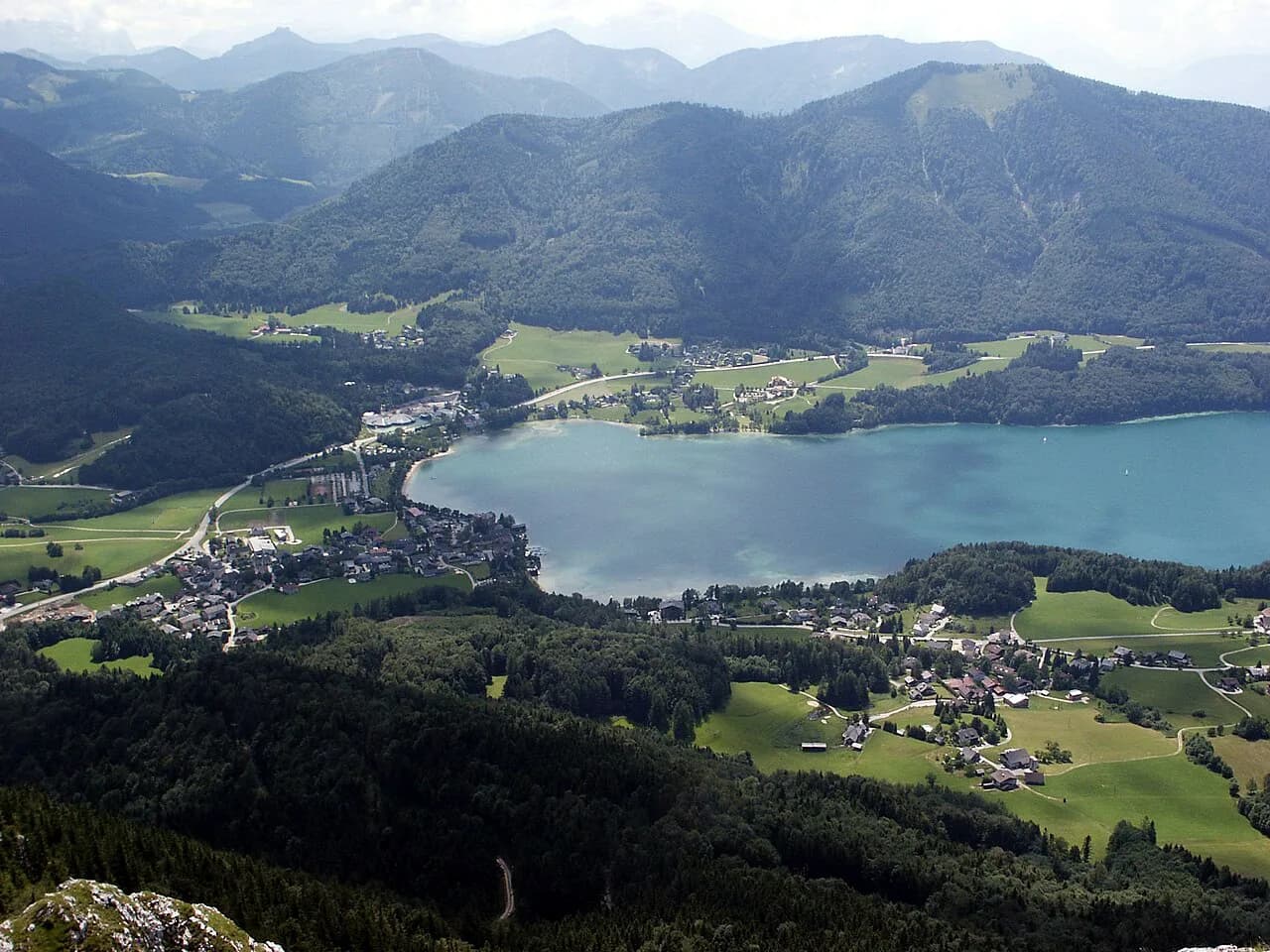
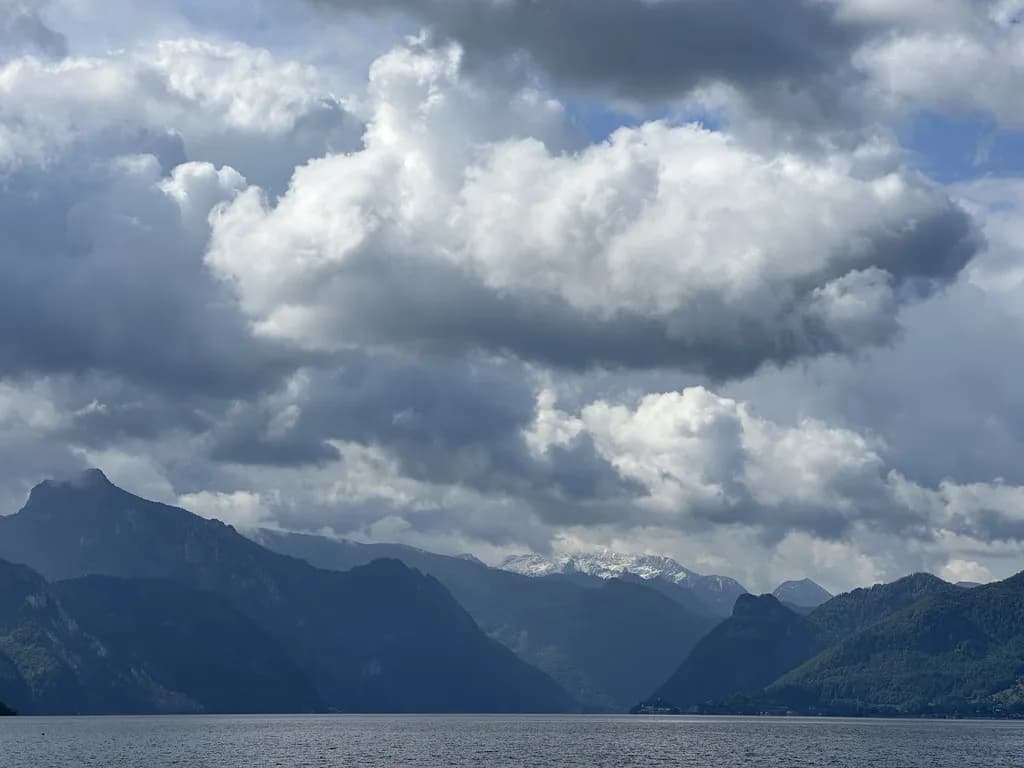
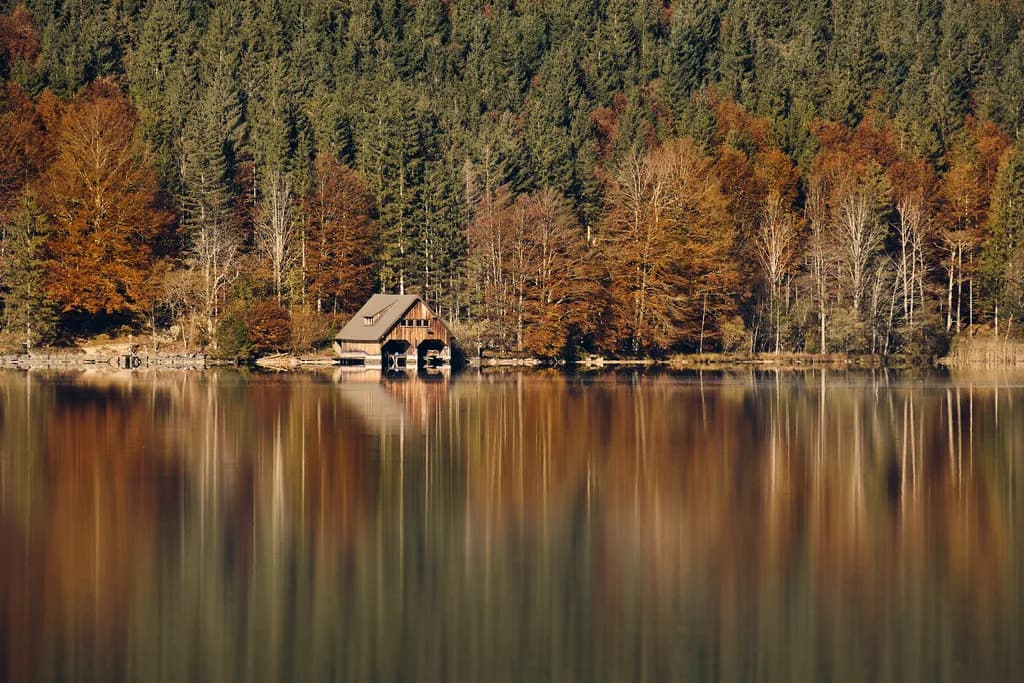
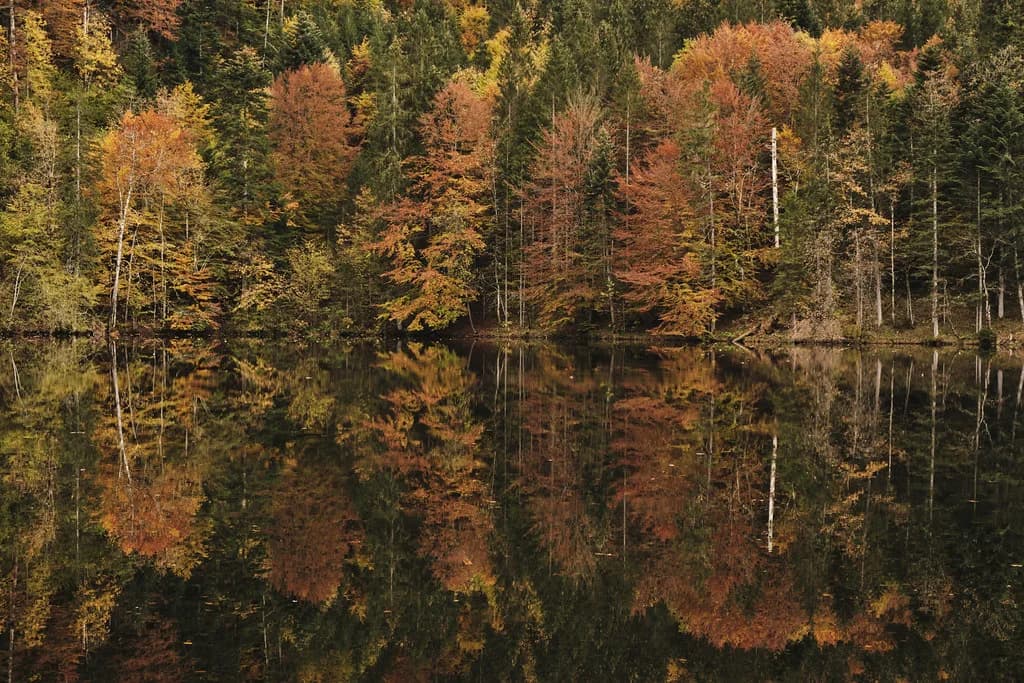
The Traunsee is the big water here, with boat cruises and watersports along its length. Smaller and quieter are the Offensee, used for swimming and mountain biking, and the Vorderer Langbathsee, which in winter freezes into a natural ice rink.
If you are routing onward to the Wolfgangsee, the lakes guide covers St. Wolfgang and the boats that link the villages on that shore.
Ebensee's museums
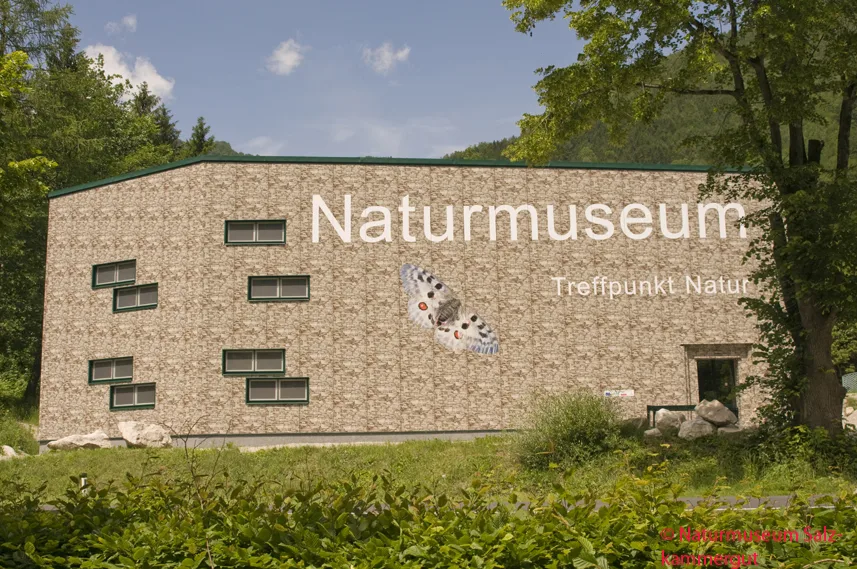
The Ebensee History Museum covers local culture and history, and the Salzkammergut Natural History Museum adds a natural-history strand to a day in town. Both are small-town museums rather than blockbuster collections, so they suit a traveler with spare hours after the memorial and the mountain. Check each museum's current opening days before building them into a tight schedule, since small museums often keep limited hours.
How long Ebensee needs
A full day covers the memorial properly, a trip up the Feuerkogel in good weather, and a wander through town; a half day is enough for the memorial alone. If you are short on time, keep the memorial and drop the rest, because it is the reason Ebensee stands out from other Salzkammergut lakeside towns. Basing a whole Salzkammergut leg here makes less sense than passing through, since the lake towns with the classic waterfronts lie elsewhere.
If you want a base with more amenities, Bad Ischl nearby is the better-known option, and its attractions are gathered in one place, from the imperial villa to the cafés.
Where Ebensee fits between Gmunden, Bad Ischl and Hallstatt
On a west-to-east route along the Traunsee, Ebensee sits between Gmunden at the north end and Bad Ischl to the south, making it a natural midpoint on the drive or train ride. From Bad Ischl you continue toward Hallstatt, so the memorial fits neatly into a morning before the onward leg. Allow the memorial its own unhurried time rather than squeezing it between transport connections.
Travelers heading deeper into the lake country can continue toward the Wolfgangsee and St. Gilgen, where the shore villages and boat connections take over from the Traunsee.
Food and cafes in town
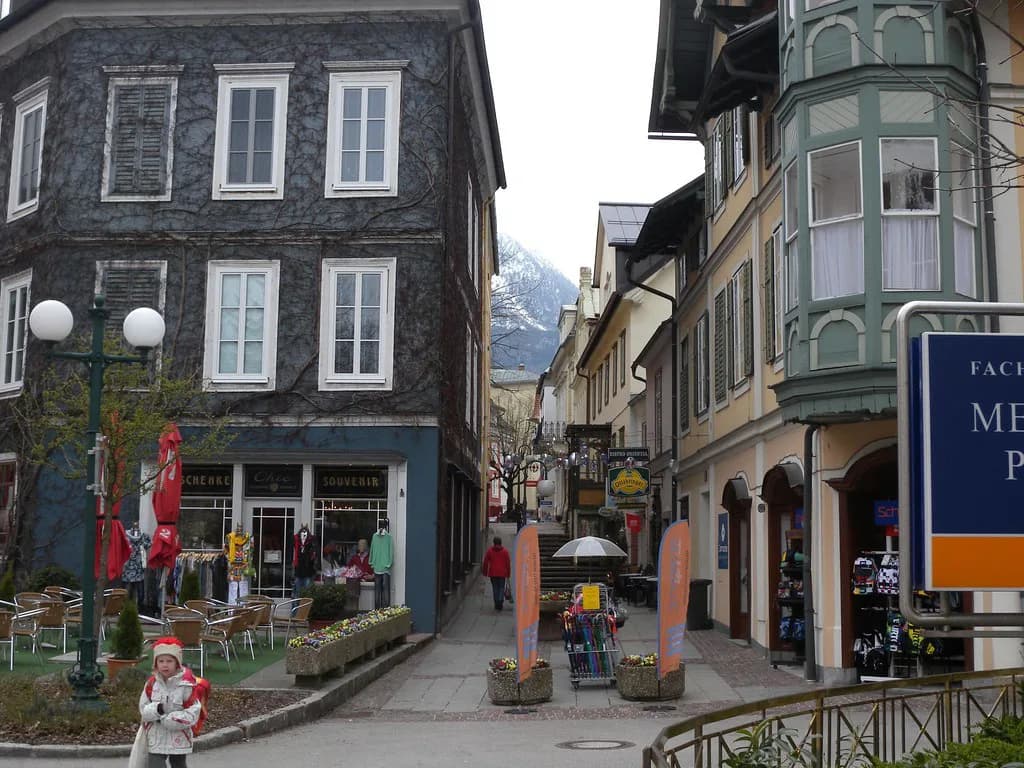
Ebensee has cafés and restaurants in the town center where you can stop between the memorial and the mountain, and they are everyday places rather than destination dining. Use them to break up the day: coffee before the site, a proper lunch after. Bad Ischl nearby has the more established café culture.
What to skip or keep brief
If time is short, keep the memorial and one outdoor stop and leave the small museums for another visit. The lakes around Ebensee are pleasant but not unique in a region full of lakes, so don't let them crowd out the historical site. Treat the town's shopping and everyday streets as background rather than a destination.
Should Ebensee be a stop on your route?
Yes, if you give the memorial the time it needs: the gate, the tunnel exhibition and the mass grave together tell a story that most Salzkammergut itineraries skip entirely. Add the Feuerkogel on a clear day and Ebensee becomes a full, worthwhile day between Gmunden and Bad Ischl. Skip it only if your route cannot accommodate a sober historical stop, and plan the rest of the lake country around it rather than through it.
Explore more Bad Ischl guides
Frequently Asked Questions
Can you visit the Ebensee memorial independently, without a guide?
Yes. The tunnel exhibition is in English and German, the entrance gate and the mass grave are on the site, and visitors can move between them at their own pace. Allow a couple of hours and treat the space with the quiet a memorial deserves.
What language is the tunnel exhibition at the Ebensee memorial in?
The exhibition inside the tunnel is presented in English and German, so English-speaking visitors can read the camp's history directly without a translator or guide.
Sources
Notes for your next Austrian town break
Optional updates when we add or revise town guides.
You might also like
Continue reading
More guides you'll find useful