Bad Ischl Guide: Imperial Town of the Salzkammergut
Bad Ischl is the imperial summer town of the Salzkammergut, with the Kaiservilla, spa gardens, Zauner pastry shop and the Katrin funicular above town.
On this page
Bad Ischl is the former imperial summer residence at the heart of the Salzkammergut, and that history is the reason to stop: the Kaiservilla where Franz Joseph and Empress Sisi spent the season, the promenade through the spa gardens, and a pastry shop that once supplied the court. In a half day you can cover the center and one or two sights; with the Kaiservilla and the mountain above town you can fill a full day. This guide covers what each sight actually is, how the town is arranged, and how it slots into a route around the lakes.
Why Bad Ischl is called the imperial town
Bad Ischl is known as the imperial town of the Salzkammergut because the imperial court made it its summer retreat for six decades, with Franz Joseph returning every year and the tradition still visible in the townscape. SalzburgerLand's regional tourism board describes it as the cultural center of the Salzkammergut, a small town of lanes and villas where the turn of the century is still present in the architecture. That double identity, court town and health resort, is what to hold in mind as you plan: the sights are close together, but several of them are tied to set visiting arrangements rather than open-ended wandering.
The year 2024, when Bad Ischl held the European Capital of Culture title, left the town with a contemporary layer on top of the imperial one: galleries, exhibitions and a festival calendar alongside the villas and the spa park. SalzburgerLand also notes the traditional health-resort role, which is why the spa side of town is a serious part of a visit rather than an afterthought. Plan by interest: history on one side, art and spa on the other, and the center in between.
How the center is laid out and how to walk it
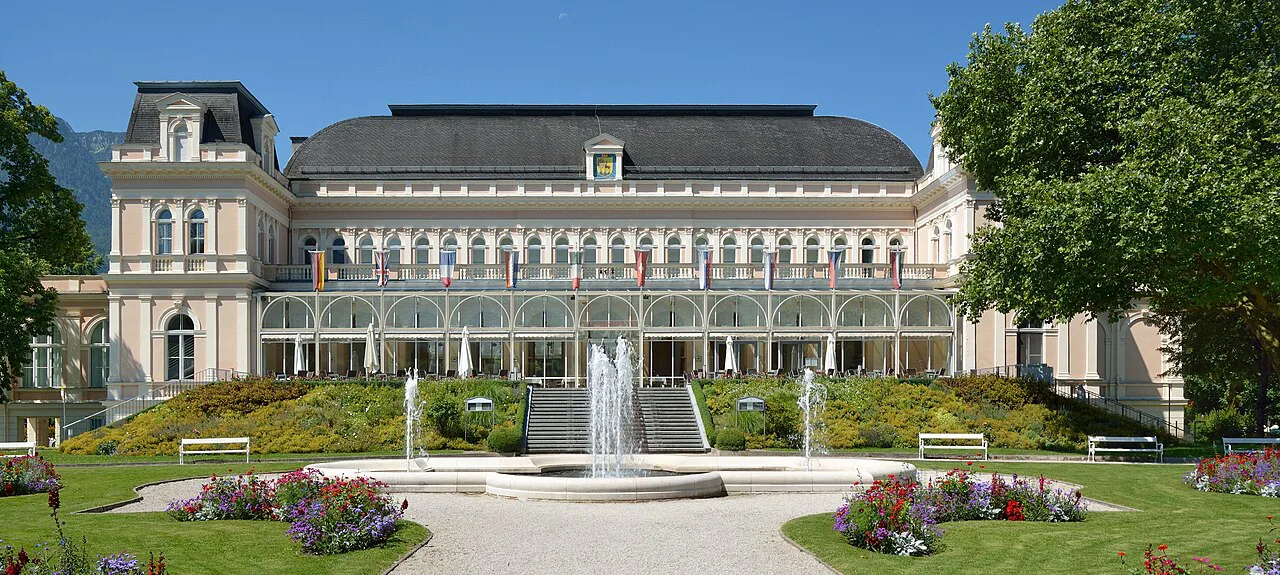
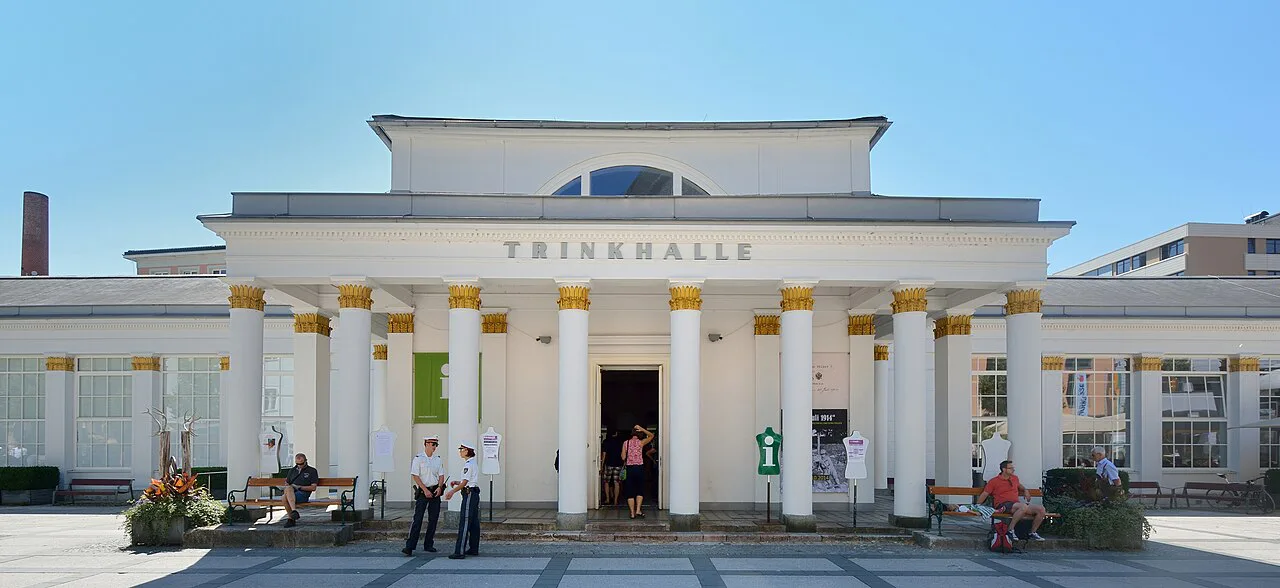
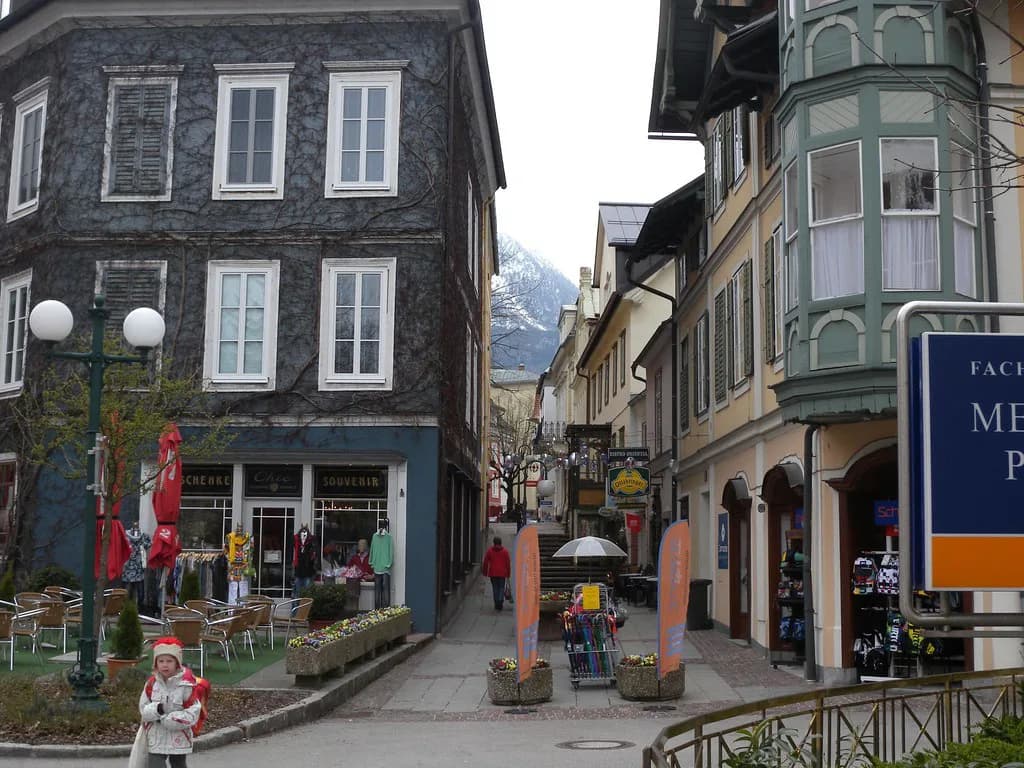
Bad Ischl's center is compact enough to cross on foot: lanes for strolling, the promenade through the spa gardens, and the imperial sights within a short walk of each other. The tourist information office sits at Auböckplatz 5 in the Trinkhalle, which makes a sensible first stop for a town plan and the current arrangements for the sights. Start there, walk the lanes, then take the spa-garden promenade, which is the spine of the town rather than a detour.
The Kaiservilla, the Marmorschlössl and the center sit close enough that a single loop covers them, and the spa gardens connect the imperial side of town with the resort side. Treat the walk as the backbone of your visit and slot interiors into it, because the Kaiservilla visit is a fixed stop rather than something you drift through. For the wider region and how other Salzkammergut towns compare in layout, the Salzkammergut guide covers the surrounding stops.
Kaiservilla and park: the summer residence
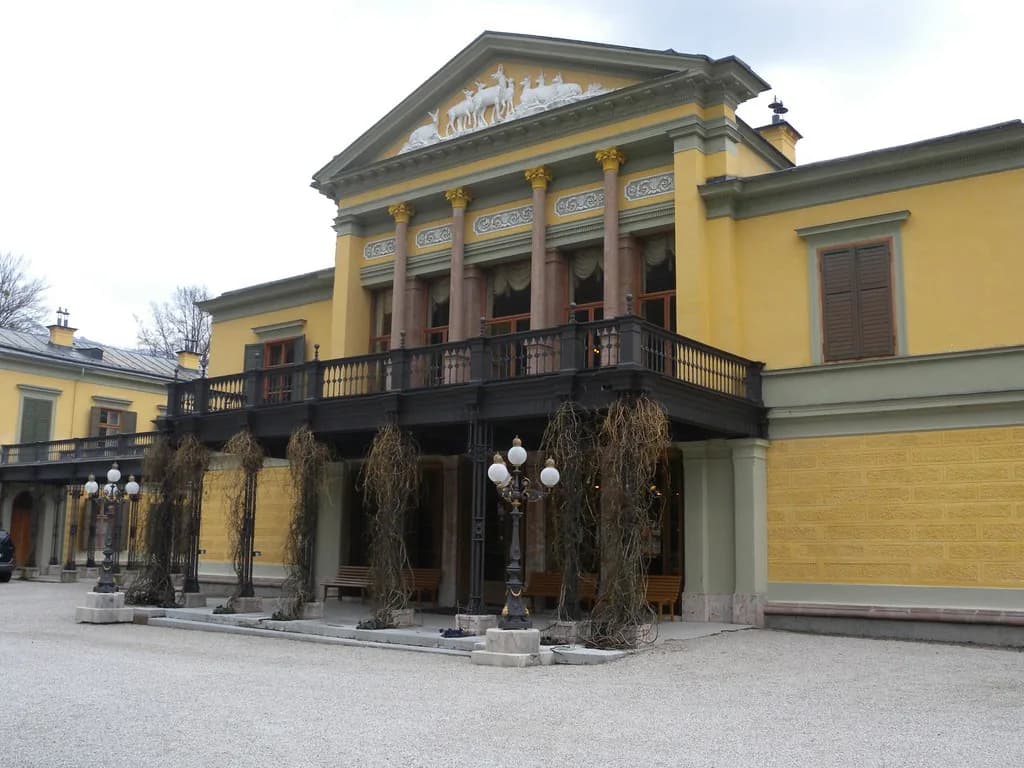
The Kaiservilla is the reason many travelers come: the summer residence of Emperor Franz Joseph and Empress Sisi, with the original chambers on view and a park around it. It is a house visit rather than a palace circuit, so the time you need depends on how closely you read the rooms and how long you spend in the grounds. Check the current visiting arrangements and any tour setup with the town's tourist office before you build a day around it, since a residence visit is the one element that cannot be improvised.
The Marmorschlössl, also called Sisi's cottage, sits in the same orbit and hosts changing exhibitions each year. Pair it with the Kaiservilla in one block of your day; the two together give you the imperial story in a compact form. If you only have time for one interior, the Kaiservilla is the primary sight and the Marmorschlössl the supplement.
Zauner and the taste of the old court
Zauner Café and Pâtisserie was once the supplier and baker to the royal court, and it remains the defining food stop in town, known for the Zaunerstollen and the Zaunerkipferl. Go for the pastry itself and the imperial setting rather than for a full meal, and expect the shop to be busiest in the middle of the day in season. It is a short stop that fits naturally between the spa gardens and the center lanes.
Haenel-Pancera Museum and the modern side of town
The Haenel-Pancera Museum shows a private collection of art from around the world, and it is the clearest expression of the modern, gallery-going Bad Ischl that sits alongside the imperial one. Add it if you want a contrast to the villas and the spa park, and give it a defined slot rather than leaving it to chance. For the town's full list of sights with individual pages on each, see Bad Ischl Attractions.
Katrin, the funicular and when the mountain pays off
Katrin is Bad Ischl's local mountain, reached by a funicular from town, and it is the fair-weather option: the appeal is the view over the Salzkammergut rather than the ride itself. Take it when the sky is clear and you have already covered the center, not as a substitute for the imperial sights on a gray day. Confirm the current operating arrangements locally before you go up, since a mountain lift is the most weather-dependent piece of the day.
The Lehár Festival and the operetta tradition
The Lehár Festival runs in July and August and is described as Austria's largest operetta festival, which tells you when the town is at its most animated and also when it is busiest. If operetta is the draw, plan the trip around those months and treat the rest of the day as the imperial circuit. Outside the festival season, the operetta tradition is still part of the town's story but not a live performance to build around.
The EurothermenResort and the spa side of town
The EurothermenResort Bad Ischl is the modern spa complex, with saunas, a jacuzzi, a lazy river and other water features, and it reflects the town's identity as a health resort rather than a theme-park add-on. Give it a half day if the spa is a priority, and treat it as the indoor alternative when the weather closes the mountain. Check current entry arrangements and what each area includes with the resort before you go.
How long Bad Ischl needs
A half day covers the center, the spa-garden promenade and Zauner, and it is a realistic stop on a driving or train day through the Salzkammergut. A full day lets you add the Kaiservilla and park plus either the Marmorschlössl or the Haenel-Pancera Museum, and a second day is only worth it if the spa or the mountain is central to your trip. The festival months of July and August stretch the town's capacity, so allow more time for the same ground.
Getting there and onward through the Salzkammergut
Bad Ischl works as a hub as much as a destination: the Wolfgangsee towns of St. Wolfgang and St. Gilgen are the natural next stops, and Hallstatt and the Hallstätter See sit on the same Salzkammergut circuit. The Salzkammergut Lakes guide sets out how the lake towns connect by road, rail and boat, which is the right place to work out the sequence before you book anything. Build the route around the lakes rather than around Bad Ischl alone, and the imperial town becomes the anchor of a two- or three-day loop.
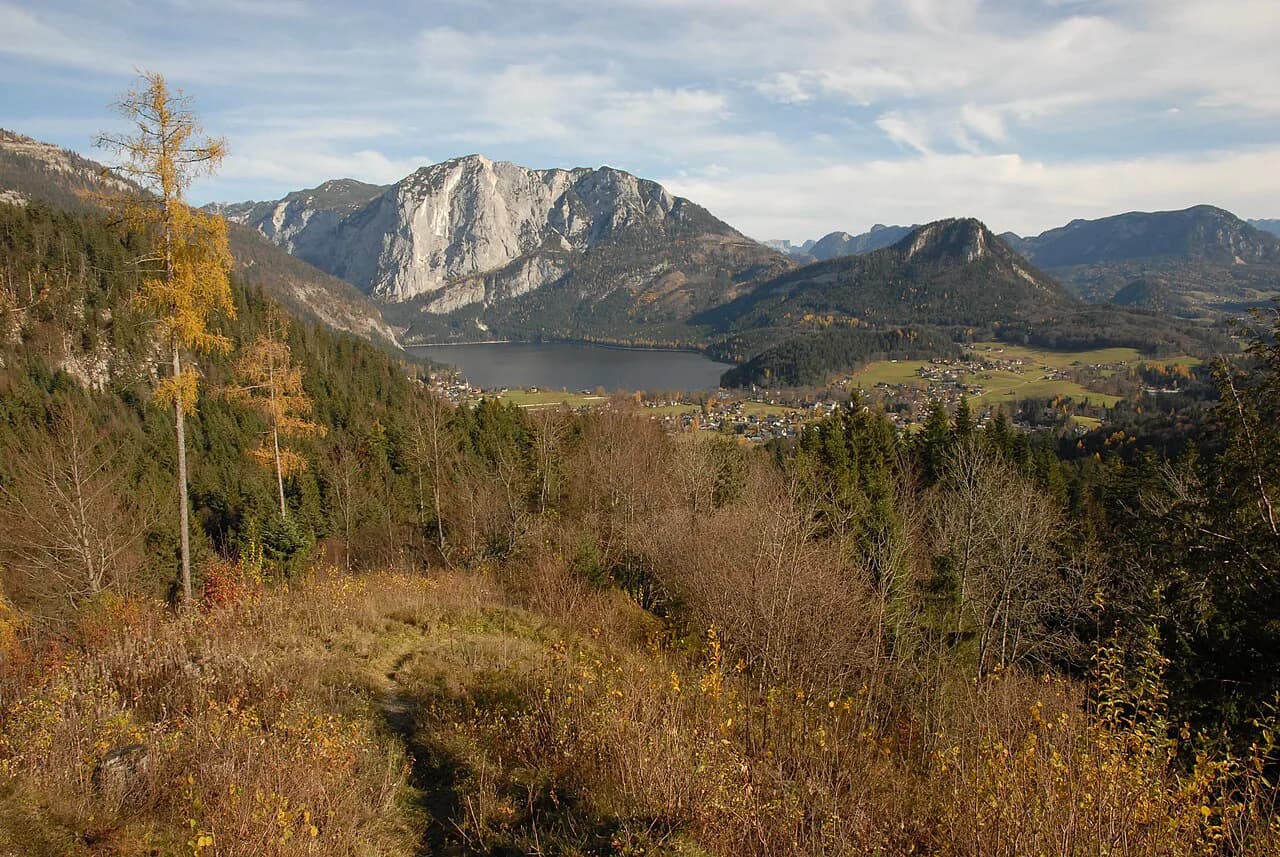
Trains and buses in the region follow published timetables, so take the times from ÖBB and Postbus for your own dates rather than from a guide. The regional tourism board publishes a public-arrival planning tool for Bad Ischl, which is a sound starting point for the rail and bus picture. For a quieter alternative on the same circuit, Altaussee is the other lake stop worth considering.
Trade-offs worth knowing before you go
The main trade-off is seasonal: the Lehár Festival fills July and August, so those months bring the operetta program and the crowds together, while the quieter months leave the town calmer but without the festival. The Kaiservilla and the Marmorschlössl are the sights most likely to structure your day around fixed visiting arrangements, so confirm those before you commit to an itinerary. The mountain funicular is the fair-weather card, worth holding back rather than promising.
Should you build your Salzkammergut route around Bad Ischl?
Build the route around Bad Ischl if you want the imperial story, the spa and a base with real town life rather than a lake village; the Kaiservilla, the spa gardens and Zauner give a half or full day that is not dependent on the weather. Choose a lake village instead if your priority is water and boats, and use Bad Ischl as a stop on the way rather than the anchor. Either way, the ordering of the route matters more than how long you stay in any one place.
Explore more Bad Ischl guides
Frequently Asked Questions
Why is Bad Ischl famous?
Bad Ischl was the summer residence of Emperor Franz Joseph and Empress Sisi for around six decades, and it is still known as the imperial town of the Salzkammergut. The Kaiservilla, the Marmorschlössl, the spa gardens, Zauner Café and Pâtisserie and the Lehár Festival carry that reputation today. It has also been a traditional health resort, which is why the spa side of town is part of a visit.
What is the Hallstätter See?
The Hallstätter See is the lake below Hallstatt, and it is one of the lake stops on the Salzkammergut circuit around Bad Ischl. Hallstatt sits on its shore, and the lake belongs to the same route as the Wolfgangsee towns. How the lake towns connect by road, rail and boat is set out in the Salzkammergut lakes guide.
Sources
Notes for your next Austrian town break
Optional updates when we add or revise town guides.
You might also like
Continue reading
More guides you'll find useful