Krems an der Donau: Old Town, Kunstmeile and Wachau Gateway
Krems an der Donau pairs a walled old town and the medieval Steiner Tor with the Kunstmeile museums in Stein, plus Danube views and the Wachau Valley beyond.
On this page
Krems an der Donau is worth visiting for its historic old town, its surviving medieval gate, and the Kunstmeile museums that line the walk toward Stein. The town sits on the Danube about 70 km west of Vienna, with a population of roughly 25,000, and functions as the eastern gateway to the Wachau Valley.
This guide explains how the town is split between the old center and Stein, which buildings anchor a short walk, and how the museums fit a Wachau route by train, bus or boat. It also covers when to come, how long the old town needs, and where Krems fits on a longer Austria trip.
Krems in one paragraph: a Danube town split between the center and Stein
Krems an der Donau is a Lower Austrian town on the Danube, roughly 70 km west of Vienna and home to about 25,000 people. The historic center and the medieval village of Stein sit at opposite ends of the Kunstmeile, a stretch of road that links them and holds most of the town's cultural institutions.
That two-part layout matters for planning: the old town is compact and walkable, while the Kunstmeile is a linear walk toward Stein rather than a separate excursion. A short stop can cover the medieval core; a full day adds the museums and the riverfront.
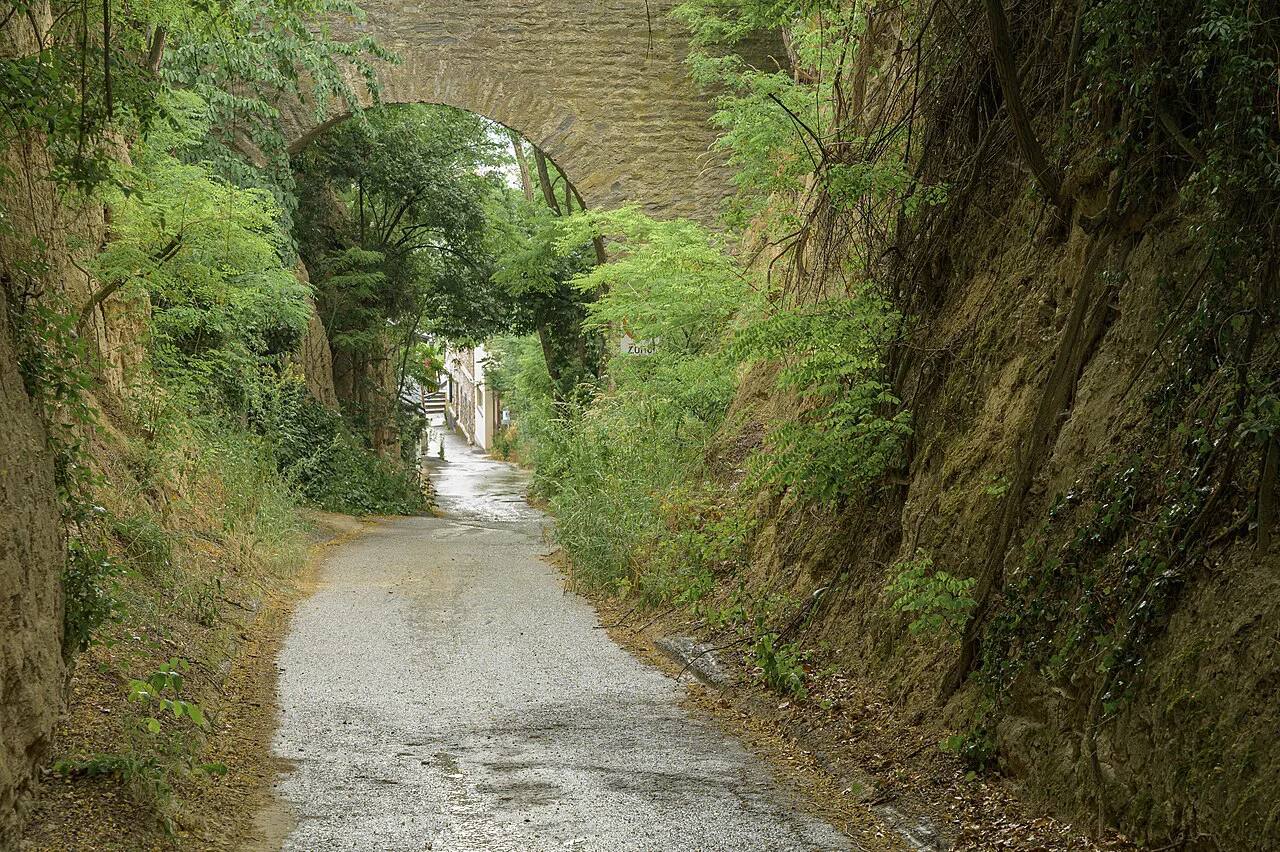
How Krems is laid out: Hoher Markt, the Steiner Tor and the walk to Stein
The old town centers on Hoher Markt and the streets around it, with the Steiner Tor, part of the original town wall, serving as the town's landmark and one of its surviving medieval gates. Start at the gate and walk inward through the pedestrian core rather than driving between sights.
From the old town, the Kunstmeile runs toward the medieval center of Stein, where the museums cluster. That makes a natural route: gate, squares, churches, then the art axis, ending at the Danube-side lanes of Stein.
What to see in the old town: Piaristenkirche, Gozzoburg and Veitskirche
Three buildings anchor the medieval and early modern core. The Piaristenkirche is a 17th-century church in late Gothic style, often described as a pendant to St. Stephen's Cathedral in Vienna; the Gozzoburg dates to the early 13th century and contains some of the earliest civic frescoes in Central Europe; and the Veitskirche is the earliest example of Baroque architecture in Austria.
Pair them with the Steiner Tor and a walk along the remaining town wall. These are exterior and interior sights in a compact area, so the old town rewards an unhurried loop rather than a checklist dash.
The Kunstmeile Krems: Kunsthalle and the museums toward Stein
The Kunsthalle Krems, housed in an old tobacco factory, is the anchor of the Kunstmeile and stages exhibitions of 19th-century, modern and contemporary art. The museum cluster lies along the same stretch toward Stein, making the Kunstmeile a single walk rather than a series of separate trips.
If time is tight, choose between the old town and the Kunstmeile rather than trying to do both at speed. The old town is easy to walk on foot; the museums are interiors, and their tickets, opening hours and any closures belong on each museum's own site on the day you go.
The Steiner Tor and the town wall: what survives and how it frames a walk
The Steiner Tor is the piece of the medieval fortification that still greets visitors, and it frames the approach to the old town. Plan your walk to enter through the gate, loop the squares and churches, then exit toward the Kunstmeile so the gate bookends the visit.
Danube-side Krems and Stein: where the Wachau begins upstream
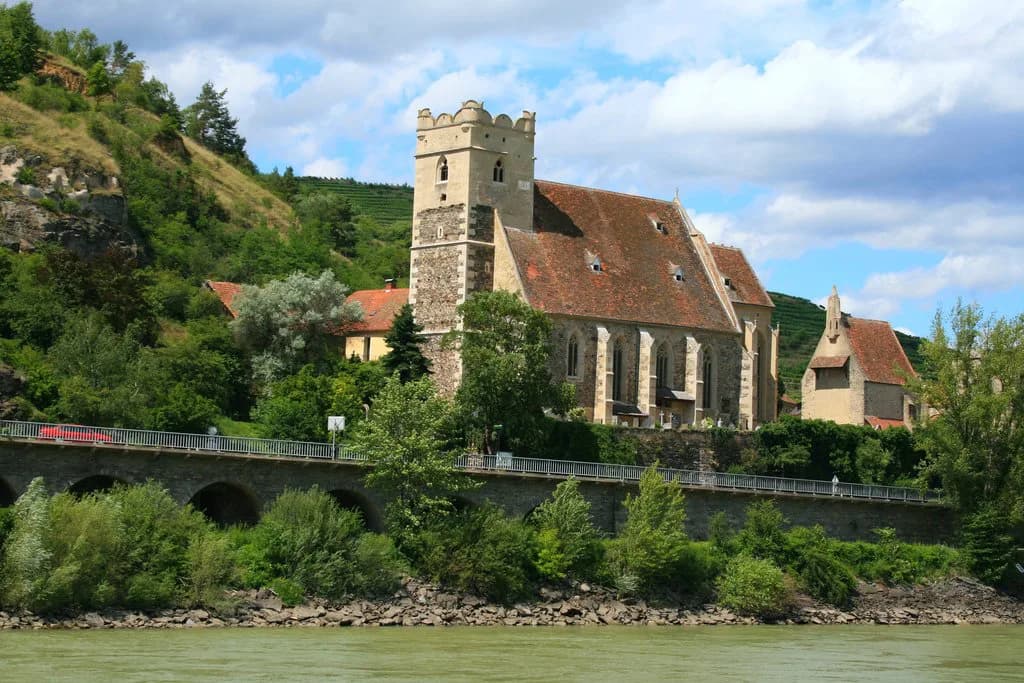
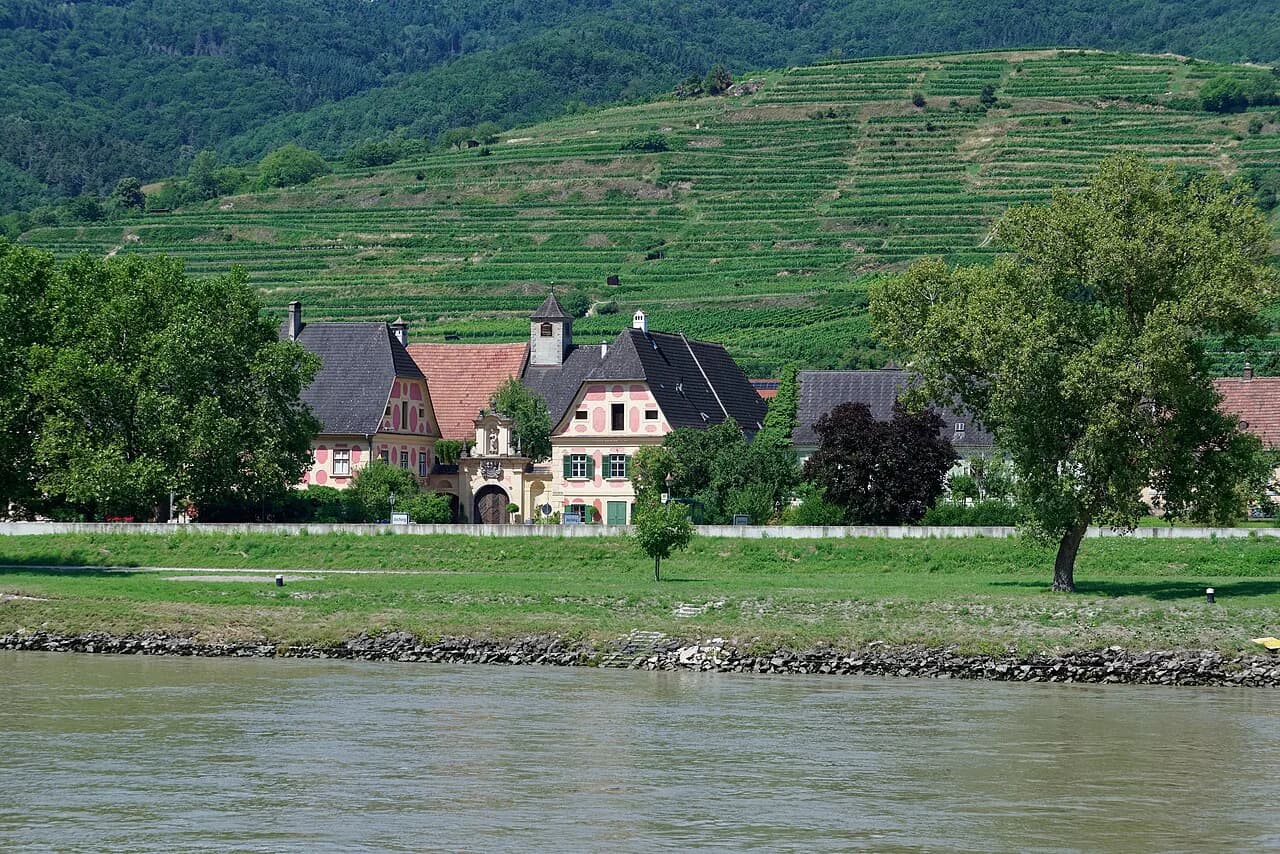
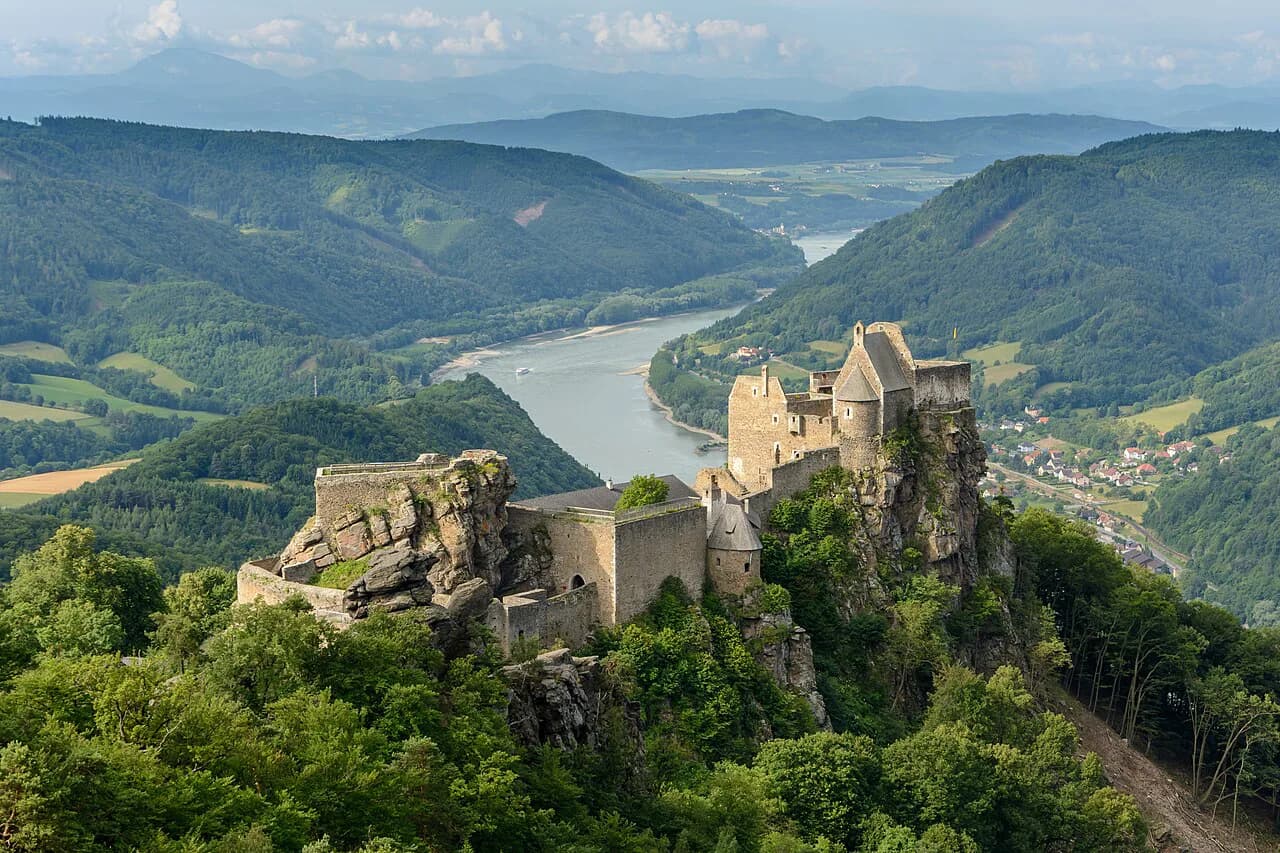
Krems sits on the banks of the Danube, and Stein's lanes run down toward the river. Upstream, the Wachau Valley opens into terraced vineyards and river bends, with Dürnstein, Weissenkirchen and Spitz an der Donau along the way.
The riverfront is the practical link: boats and the riverside setting connect the towns of the valley, and a Wachau cruise is the slowest, most scenic way to move between them. Check boat schedules and seasonal operating dates with the operator before building a day around a sailing.
Krems as a Wachau base: Dürnstein, Göttweig and the valley
Krems works as a base because the valley's sights are short hops west. The abbey at Göttweig on the south bank and Melk Abbey (Stift Melk) further upstream are the baroque highlights of the valley.
Trains and buses run along the valley, though schedules change by season, so build the day around published timetables rather than assumptions. A car gives more flexibility for Göttweig and the smaller villages, at the cost of parking in Krems and Dürnstein.
How long Krems needs: a few hours versus a full day
A few hours covers the Steiner Tor, the old-town squares, the Piaristenkirche, the Gozzoburg and the Veitskirche at an easy pace. Add the Kunstmeile and you need most of a day, because the walk to Stein plus one or two museums fills an afternoon.
Getting to Krems from Vienna and continuing west
Krems is about 70 km west of Vienna, which makes it reachable by train or car from the capital. Train times and connections belong to the operator's timetable on the day you travel, so check ÖBB or the relevant regional operator before you set out.
West of Krems the Danube route continues through the Wachau toward Melk, with rail and road running parallel to the river. If you are driving, the valley roads are slow and scenic; if you are on the train, the stations are the practical stops for Dürnstein and Melk, so plan the day around published timetables rather than an assumed frequency.
When to come: spring blossom and autumn harvest
Spring, when the apricot blossoms are out in the Wachau, and autumn, during the wine harvest, are the two seasons the town leans into. Both bring color to the valley and a busier feel to the riverside towns; summer is the peak for river traffic and museum visitors.
Costs and practical constraints: museum tickets, closures and tour times
Walking the old town and the Kunstmeile is a good way to see the sights from outside; the museums and any guided interiors charge admission, with prices set by each institution. Check the Kunsthalle Krems and the other Kunstmeile museums for current admission, opening days and closures before you commit to a museum-heavy day.
Some churches and abbey interiors keep set visiting hours or run tours at fixed times rather than open access, so a flexible plan beats a tight one. Leave the old-town loop for the hours when interiors are open, and treat the museums as the anchor of the afternoon.
Where Krems fits on a longer Austria route
Krems slots naturally between Vienna and the Wachau: arrive from the capital in the morning, walk the old town, then continue west toward Dürnstein and Melk. As a stop on a train route along the Danube, it breaks the journey without requiring a car.
If your route runs west from Vienna, plan the Wachau as a day or two and use Krems as the first stop rather than a standalone detour. That keeps train connections simple and leaves room for the abbey at Melk and the villages of the valley.
Krems as the first stop on a Wachau route
Krems pairs a compact old town with real medieval fabric with a modern art axis within walking distance. The Steiner Tor, the Gozzoburg frescoes and the Kunsthalle give the stop substance, and the Danube location makes Krems the practical first stop on a Wachau route.
Give the old town a few hours and the museums a full day, and check museum opening days and train timetables before you go. That is enough to make Krems a stop rather than a pass-through.
Explore more Krems guides
Frequently Asked Questions
Where is Krems an der Donau?
Krems an der Donau is in Lower Austria, on the Danube about 70 km west of Vienna, at the eastern end of the Wachau Valley.
What is Krems known for?
Krems is known for its medieval old town and the Steiner Tor, the Gozzoburg and its early civic frescoes, the Piaristenkirche and the Kunstmeile museums in Stein, including the Kunsthalle Krems.
How do I get to Krems from Vienna?
Krems is about 70 km west of Vienna and reachable by train or car. Check ÖBB or the regional operator's timetable for current train times.
Sources
Notes for your next Austrian town break
Optional updates when we add or revise town guides.
You might also like
Continue reading
More guides you'll find useful