Semmering Railway: Riding Austria's UNESCO Mountain Line
The Semmering Railway was the world's first mountain railway and is a UNESCO World Heritage Site. Here is how the line works and what to watch for on the ride.
On this page
The Semmering Railway is a working mountain line, not a museum train: it is the section of the Südbahn (southern railway) that climbs over the Semmering Pass, and it was the first railway in the world built at this scale through high mountain terrain. UNESCO inscribed it as a World Heritage Site because of that engineering, and the tunnels and viaducts that earned the listing are still carrying passengers today. This guide explains what Ghega's crews built between 1848 and 1854 and how to ride the mountain section as part of a Lower Austria itinerary.
What the Semmering Railway is and why UNESCO listed it
The listing covers a mountain railway, not a stretch of scenic track chosen for its views. The line crosses the Semmering Pass and made it possible to travel comfortably by rail from Vienna to the eastern foothills of the Alps in about two hours, which was the point of building it. What UNESCO recognized was the engineering achievement of laying a railway over that pass at all.
This is also the line's most misunderstood feature: the World Heritage value sits in the climb over the pass, not along the entire Vienna–Trieste route the Südbahn eventually formed. Understanding that matters when you plan a ride, because the viaducts and tunnels that justify the trip sit on the mountain section itself. If your schedule only allows a short hop out of Vienna, you are still on the Südbahn, but you have not yet reached the mountain crossing.
The Semmering line holds a second distinction worth knowing before you board: it is the first railway line anywhere to be listed as a UNESCO World Heritage Site. That status is tied to the quality of its tunnels, viaducts and other structures, which is why the line remains in use rather than being preserved as a static monument.
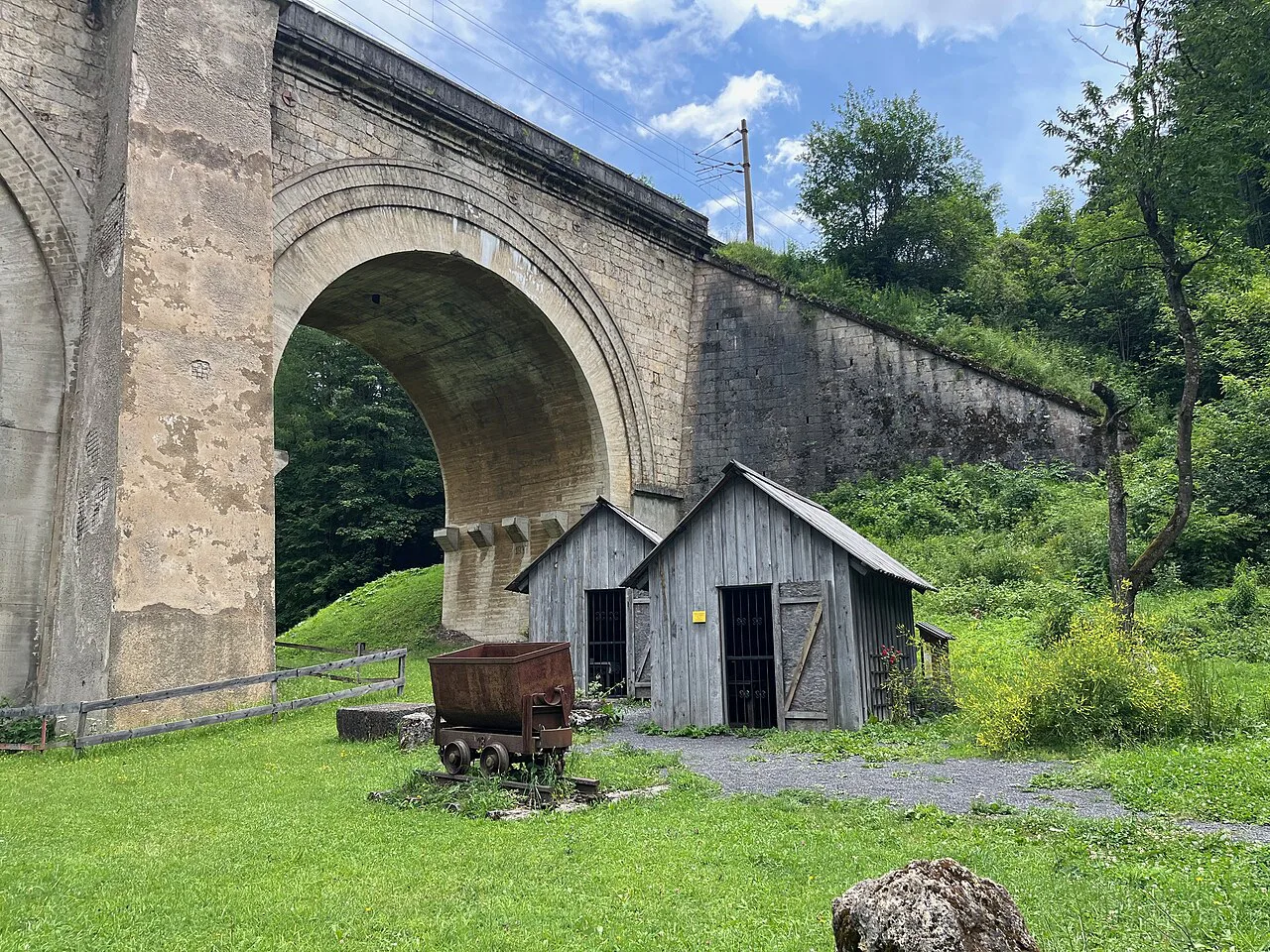
Where the line runs: the Semmering Pass section of the Südbahn
The Südbahn was built to connect Vienna, the imperial capital and residence, with Trieste, the Habsburg monarchy's most important seaport. Completing the Semmering section gave that route a continuous rail link, so the mountain crossing was a piece of a much longer commercial and political project rather than a local line.
For planning purposes, the ride you want is the climb over the Semmering Pass itself, where the viaducts and tunnels concentrate. The pass sits on the regular Südbahn route, so a long-distance train through can cross it without your noticing unless you are watching for the mountain section on your booking. Look at the station names on your ticket and pick a service whose mountain stretch falls inside your journey rather than before or after it.
Semmering itself sits on the mountain, and the line is often treated as a Lower Austria excursion because the northern approach begins in that province. The regional guide to Lower Austria is the place to build the rest of the trip around it, since the province's abbeys, castles and Danube towns connect easily to a rail itinerary.
Carl Ghega and the 1848–1854 construction
Carl Ghega was the chief engineer, and his plans were approved in the wake of the March Revolution of 1848, partly as a way to put unemployed Viennese laborers to work and to blunt revolutionary pressure among them. Between 1848 and 1854 the project employed 18,000 workers drawn from many countries. That labor history is the reason the line reads as a social as well as a technical achievement.
The engineering profession gained standing through projects like this one, and Ghega was knighted in 1851 while the line was still under construction. In 1869 the Austrian Association of Engineers and Architects erected a monument in his honor on the Semmering. When you pass it, you are looking at a tribute put up by his own profession, not by a tourist board.
Ghega's own generation documented the work with unusual thoroughness, which is why the line's history is so legible today. In 1854 he compiled a performance report titled Picturesque Atlas of the Railway Line over the Semmering, combining topographical maps, views of towns and villages along the route, and a 6.2-meter fold-out panorama by the Viennese artist Ludwig Czerny.
The line also had an artistic life beyond engineering drawings. The artist Imre Benkert was commissioned by the Milanese building contractor Ferdinand Tallachini to record the construction site as it evolved in the mountain wilderness, and Benkert's Panorama of the Semmering became a popular travel guide among the first passengers, reprinted nine times between 1855 and 1873. Nineteenth-century travelers, in other words, bought a picture of the route before or after riding it.
The engineering: tunnels, viaducts, and steep gradients
Running trains over the Semmering Pass was controversial among international experts, because railways on steep gradients were not yet an established practice. Design drawings for the locomotive competition of 1851 and for the first series-built mountain locomotives survive as evidence of how that problem was attacked. The trains had to be matched to the mountain, not the other way around.
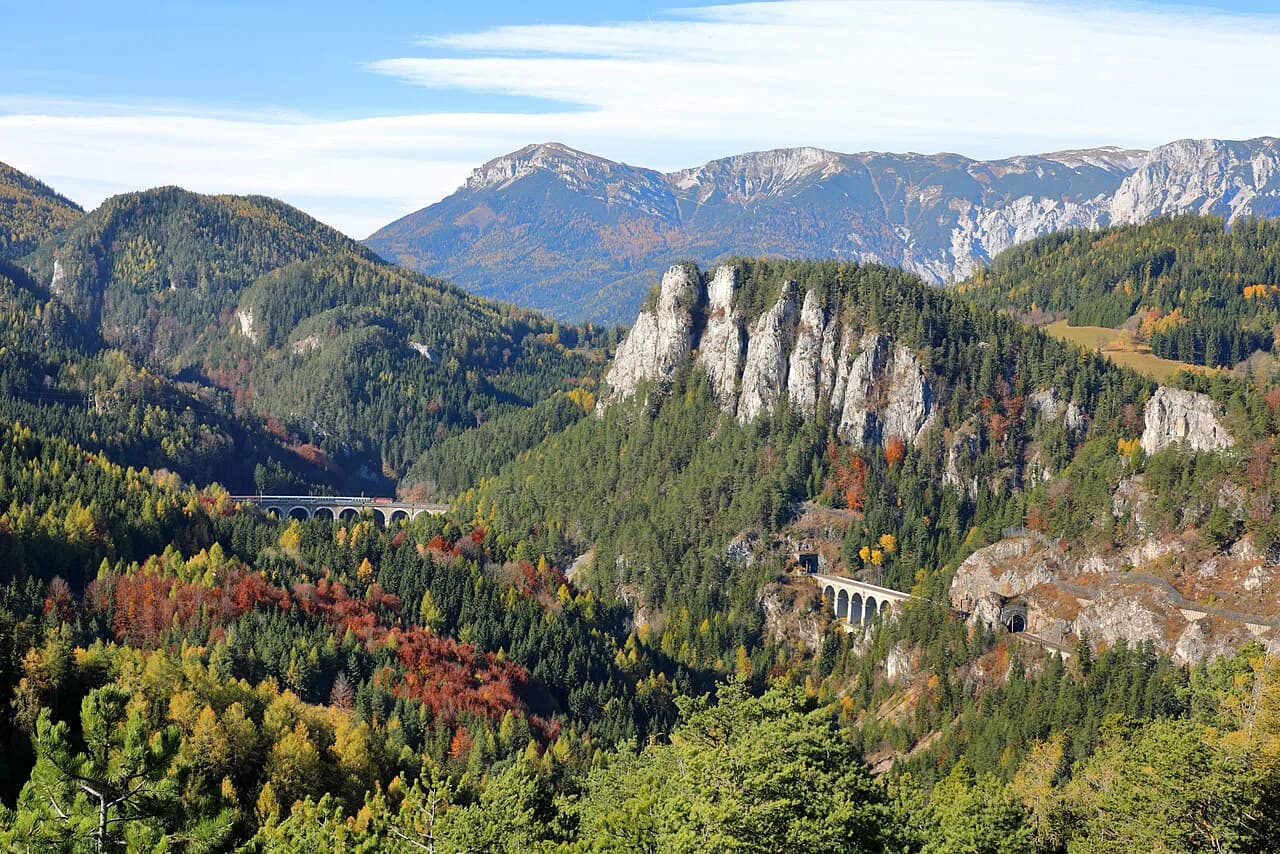
The structures themselves are the reason the line still functions: tunnels, viaducts and other works of a quality that has kept the route in service rather than requiring replacement. Among the documented works is the Krauselklause Tunnel, built in 1851 by Alois Lahoda. When the train crosses a viaduct or enters a tunnel, that is the heritage element in front of you, not a decorative addition to the landscape.
The construction was documented in remarkable detail by the engineers themselves, in notebooks, drawings and watercolors that followed the progress of the site. Panoramic vistas and photographs from the period show how the route wound through the ruggedly romantic landscape and how strongly the mountain railway fascinated its first passengers. Together these records explain why the line was perceived during construction as a model for future railway projects.
How to ride it: regular trains on the Südbahn
You do not book a heritage excursion to see the Semmering Railway. Ordinary Südbahn trains run the line, so the ride is a matter of choosing a service that uses the mountain route and sitting through the pass section rather than treating it as a separate attraction with its own schedule. The fastest trains from Vienna to Semmering take about 1 hour and 15 minutes over roughly 74 kilometers, which makes the line feasible as a half-day outing from the capital.
Fares vary by service, class and how far in advance you book, so treat any single figure you see advertised as an example rather than a rule for your date. Look up the price on the operator's own site or a booking platform when you have your travel date, and compare it with the cost of continuing onward if you plan to ride beyond Semmering. The journey time above applies to the Vienna–Semmering run and should not be stretched to cover other segments of the Südbahn.
Seat choice is worth a little thought. Because the protected value is the climb over the pass, you want to be on the train as it crosses the mountain section, not still on the approach or already down the far side. On busy long-distance services, boarding early enough to get a window seat is more useful than any particular side of the carriage.
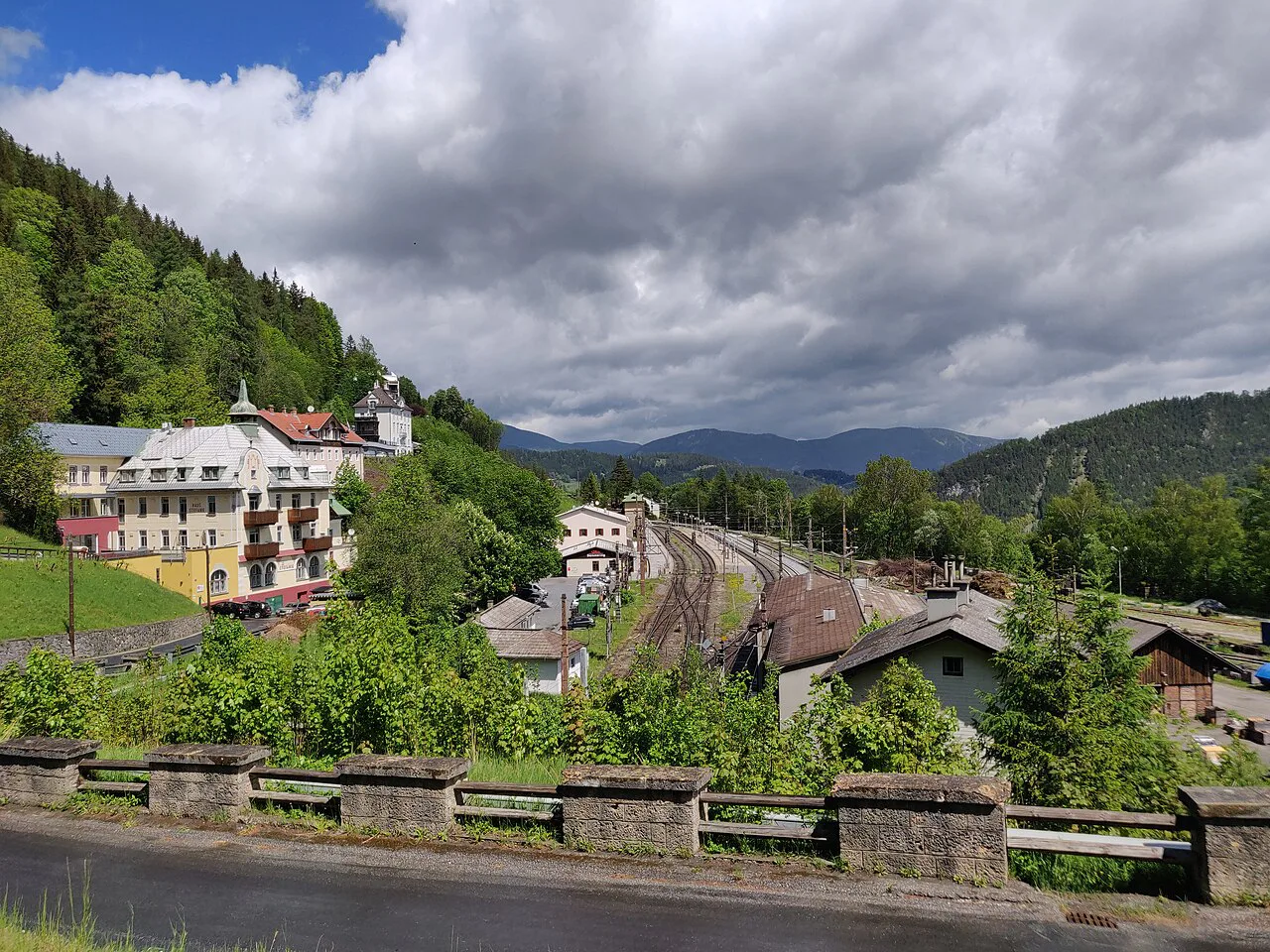
The landscape and what to watch for from the window
The line was cut through what period accounts describe as a ruggedly romantic landscape, and that phrase is a fair warning about what the ride actually looks like. Expect rock, forest and sudden openings rather than a continuous panorama, with the best views arriving at the viaducts and in the gaps between tunnels. Keep your camera ready at the crossings and let the tunnels go by.
The Semmering line is one of the few railways to hold a UNESCO World Heritage listing, which places it in the same conversation as Austria's abbeys and palaces when you are deciding where to spend a day. If you enjoy the mix of engineering and landscape here, the regional guide covers the province's other historic stops on the same network.
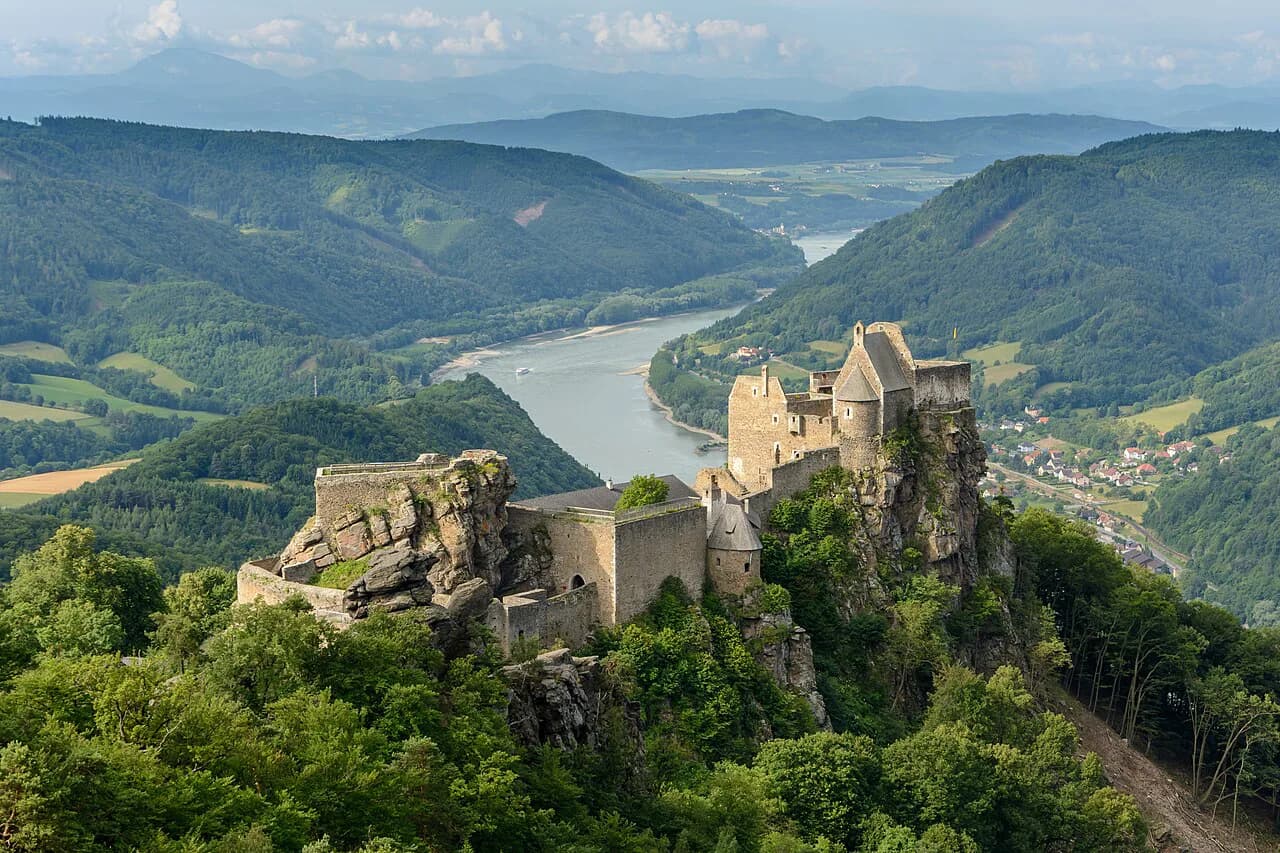
Travelers building a wider Lower Austria loop sometimes pair a rail day with the Kamp valley, where Rosenburg Castle in the Kamp Valley occupies a ridge above the river and is reached by road rather than by the Südbahn. It is a different kind of day out, but it fits the same trip if you have a car for part of the itinerary.
The resort side of Semmering
The railway did not only move people through the mountains; it created a destination on them. Exclusive mountain spa resorts were developed along the line, a pattern common wherever nineteenth-century rail reached scenic ground. Semmering became a place to stay as well as a pass to cross, and that resort history is part of what the World Heritage documentation records.
You can ride the line without staying on the mountain, and that is the simpler option for most itineraries: the train does the work, and the resort is a stop rather than a base. If you do get off at Semmering, plan around the trains rather than assuming frequent service at every hour, and confirm return times before you leave the station.
The Ghega monument and the line's place in railway history
The Ghega monument on the Semmering is the physical marker of how the profession viewed the achievement. Erected in 1869 by the Austrian Association of Engineers and Architects, it honors the chief engineer who was knighted in 1851 for the project. It is a modest stop compared with a palace, but it anchors the story in a specific place and date.
Anniversary celebrations held on a grand scale in 1879 and 1904 show that contemporaries already treated the line as a milestone in railway engineering, not merely a useful connection. The surviving documents, spanning 1844 to 1910, are among the world's oldest and most valuable records of railway history. Reading about the line before you ride turns a pleasant train journey into something with a plot.
Practical constraints: which stretch to ride
The main decision is where to join and leave the line. Aim for a service that puts the mountain crossing in daylight, and accept that a fast long-distance train will cross it quickly. If you want more time on the mountain, a local stopping service gives you the option to break the journey at Semmering and continue later, at the cost of a longer overall trip.
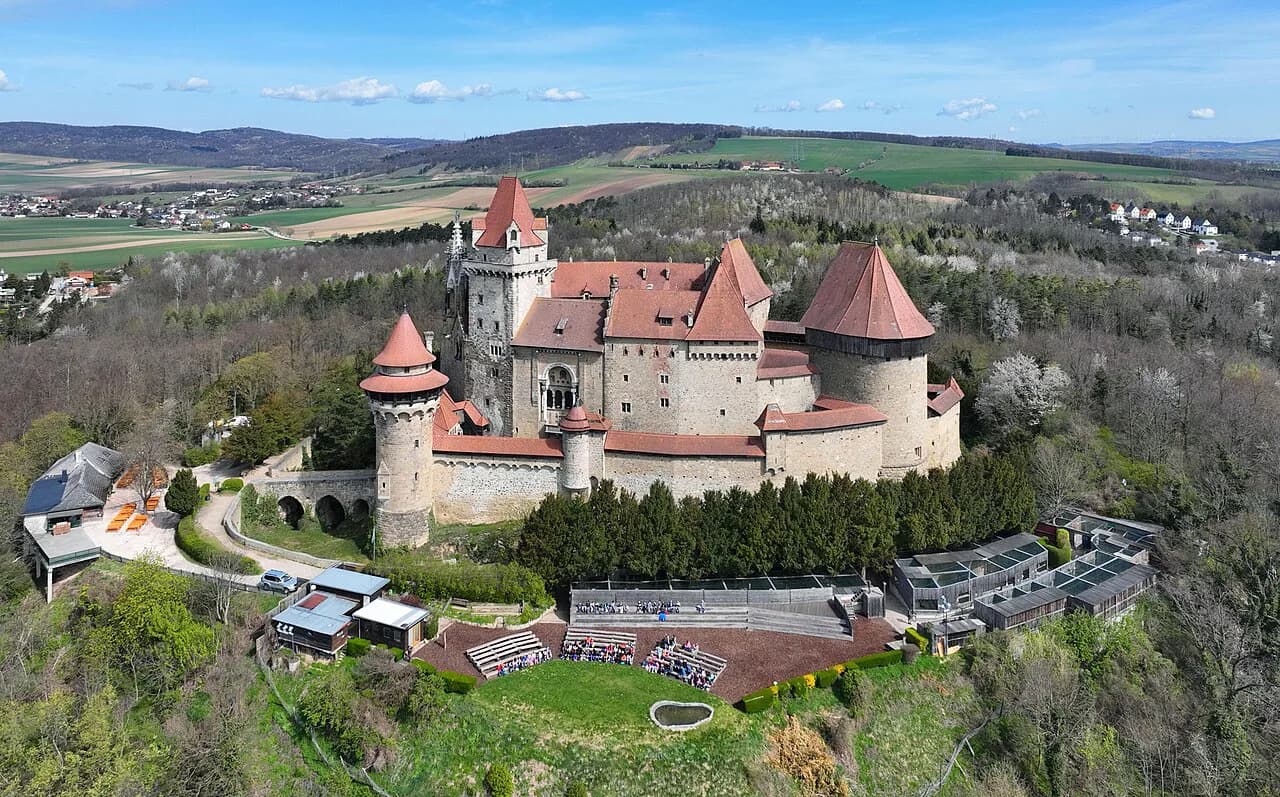
Semmering is southeast of the Danube, so it does not slot into a Wachau day. Build it as its own rail outing from Vienna, or as a stop on a longer southbound journey, and keep the rest of the Lower Austria plan — Krems, the abbeys, the Kamp valley castles — on separate days. For a town base with more to see between trains, Krems an der Donau works well, and Burg Kreuzenstein, a short trip from Vienna, suits travelers who want another castle within easy reach of the capital.
Should you build a day around the Semmering line?
Build the day around it if you want engineering and landscape rather than a ticketed attraction. The Semmering Railway rewards a traveler who understands that the World Heritage value sits in the climb over the pass and who arranges an ordinary Südbahn train to cross it in daylight. It asks little of you beyond a ticket and a window seat.
Skip it if you want a destination with a full day of sights at the end of the ride; the mountain section is short, and the resort is a small stop rather than a town to explore for hours. Confirm departure times for your date with ÖBB before you commit, and check the fare when you book rather than relying on an advertised example. Then decide whether the pass is your main outing or one leg of a longer run south.
Explore more Krems guides
Sources
Notes for your next Austrian town break
Optional updates when we add or revise town guides.
You might also like
Continue reading
More guides you'll find useful