Eggenburg, Austria: The Walled Town in the Waldviertel
Eggenburg is a small Lower Austrian town in the Horn district with a medieval town center. Here is how its old center is laid out and how much time it needs.
On this page
Eggenburg is a small town in the Horn district of Lower Austria, built inside a surviving ring of medieval walls and towers, and it needs about half a day on foot. The old center is compact enough that you can walk the square, the churches and the town museum without a car or a plan.
This guide covers what the town is, how the wall ring organizes a walk, what the Krahuletz Museum holds, and how much of a day to give it. It also places Eggenburg on a route through the region, with train and car access and the places that pair naturally with it.
What Eggenburg is and where it sits
Eggenburg lies in the Horn district of Lower Austria, in the country's northeast, where the open Weinviertel landscape begins to rise toward the wooded Waldviertel. The town grew up as a fortified settlement around 1160/70, which is why walls rather than a palace define it.
That position shapes what you see around the town: open fields on one side, rougher wooded country on the other, and a market town that grew up expecting to defend itself. It is not a Wachau river town, and it does not have the abbey or the Danube views of that stretch. What it has is a nearly complete medieval envelope around a working small-town center.
Lower Austria packs several of these distinct landscapes close together, from the Danube valley to the alpine edge, so Eggenburg works well as one stop among several rather than a destination on its own.
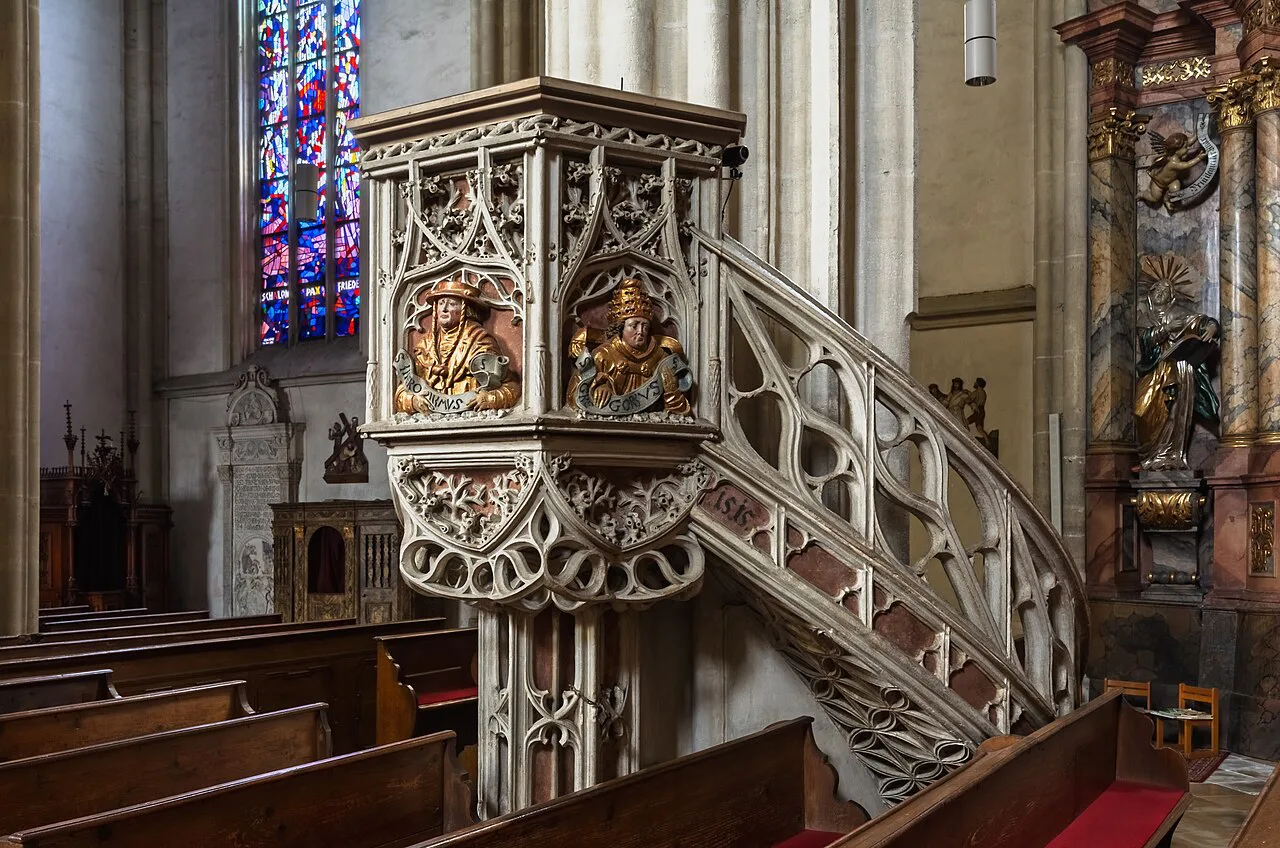
The old town at a glance
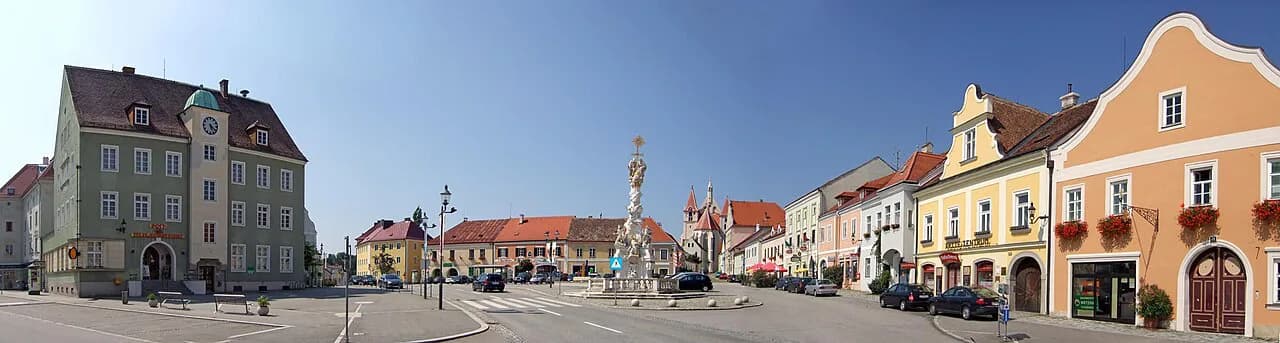
The layout is simple to hold in your head: a long main square lined with burgher houses, lanes running off it toward the wall ring, and gates and towers marking where the town once closed. Everything a visitor comes for sits inside or on that ring, so you can orient yourself in minutes.
Start at the main square, walk the perimeter of the walls, and dip back in for the churches and the museum. That order keeps you from wandering the lanes without a sense of where the edge of town is.
The wider Lower Austria region is the context for a town like this. The region's official tourism pages highlight the Wachau valley, the Waldviertel and the Kamptal as the big draws, which is exactly why a small walled town makes a useful contrast stop.
The town walls and towers
The wall ring and its towers are the reason to come, and they are best read on foot as a circuit rather than as a single photo stop. Eggenburg is known as a walled town, and the surviving stretches, gates and towers give you a continuous sense of how a medieval market town closed itself off.
The Kanzlerturm and the wall-walk are among the points where the fortifications are most visible. Treat the circuit as the spine of your visit and slot the other sights in between its stretches.
Wall walks and towers in small Austrian towns can run on seasonal hours or a small fee at the gate, so confirm access on the day rather than planning around a fixed slot. The reward is a low-key walk with views over the town and the surrounding country.
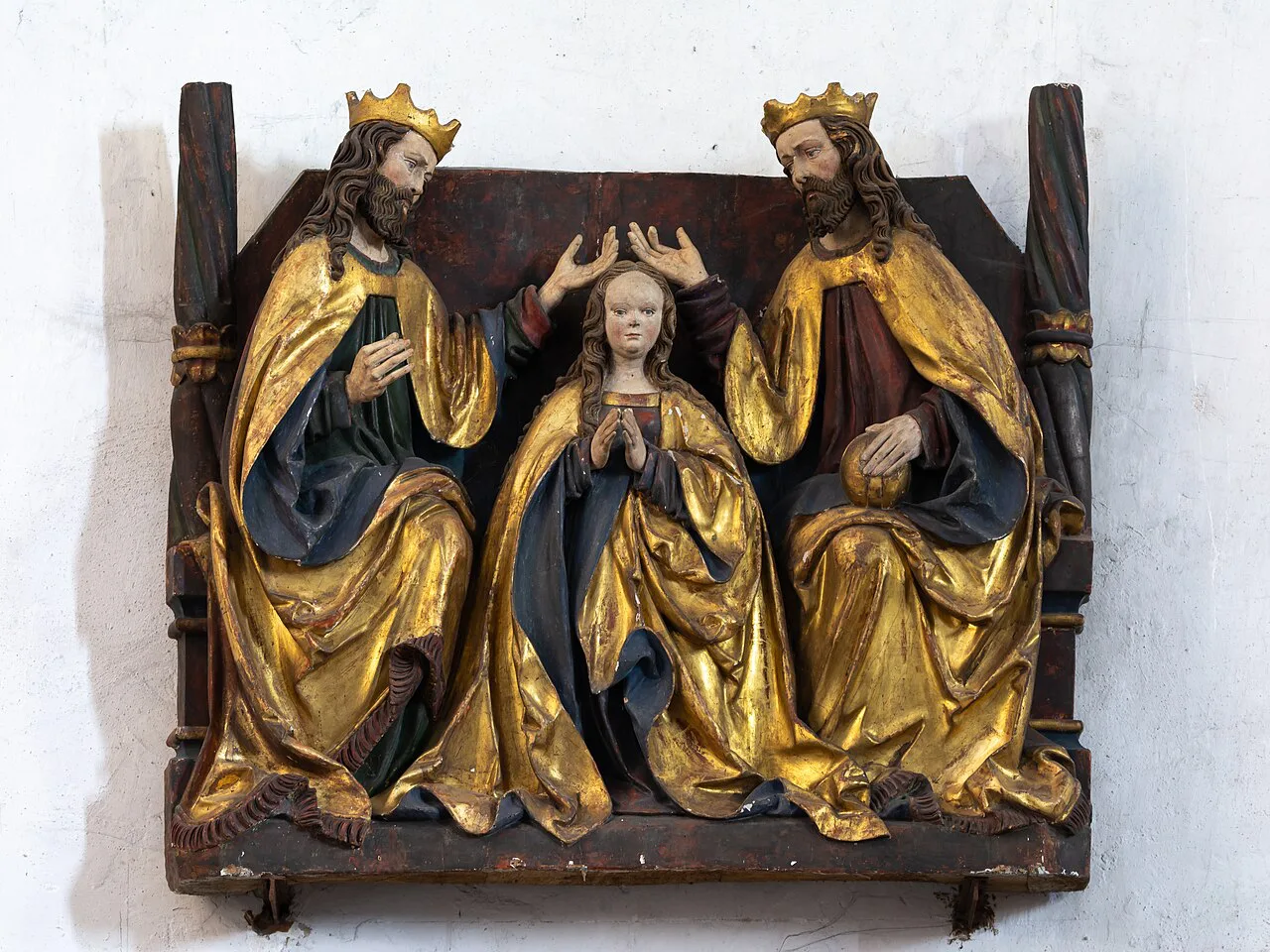
Krahuletz Museum: the anchor of a visit
The Krahuletz Museum is the town's main indoor sight and the reason to give Eggenburg more than a quick pass through the square. It is a regional museum of natural history and local archaeology, the kind of collection that explains the ground you have just walked over.
Small-town museums in Austria frequently close on Mondays and run reduced hours outside the summer season, so check the door or the town's own notices before you build the day around it. If it is shut, the walls and churches still fill a morning.
The Karner and Pfarrkirche St. Stephan
Two churches anchor the old center. The Pfarrkirche St. Stephan is the parish church, and the Karner is a small separate chapel building that you meet in medieval towns across this part of Austria.
Together they give the town its skyline and its quiet corners, and they sit close enough to the square that you can see both between other stops. Step inside where the doors are open, and keep your voice down where services are running.
Burgher facades and the painted house
The main square is a row of solid burgher houses, the kind of facades that mark a prosperous market town rather than a noble residence. Locally, older houses with decorated fronts are the detail most visitors remember, showing how much a merchant or burgher was willing to spend on display.
Walk the square slowly and look up: the ground floors have been reworked for shops and offices, but the upper stories and rooflines still carry the old proportions. This is the part of Eggenburg that costs nothing and takes the least planning.
A short walking route through the center
Begin on the main square, look at the burgher facades, then head for the parish church and the Karner. From there, follow the wall ring past the gates, and finish at the Krahuletz Museum.
The whole loop is short enough to walk in an unhurried morning or afternoon without a map, and you can reverse it without losing anything. Plan on a couple of hours of walking plus whatever time you give the museum.
How long Eggenburg needs
Give Eggenburg a half day: a couple of hours for the square, the churches and the wall ring, and another hour or so for the Krahuletz Museum. That is enough to see the center properly without stretching a small town into a full day.
As a stop on a longer drive through the region, two hours covers the walls and the square and leaves the museum for another time. The trade-off is simple: the town rewards a slower pace, but it does not demand one, and a short stop still shows you its best feature.
Getting there and onward
The most reliable way to reach a small Waldviertel-edge town like Eggenburg without a car is the regional rail and bus network, so check current ÖBB and Postbus connections before you commit to a day; services out here are not frequent enough to improvise around. Confirm the station and the timetable for your dates rather than assuming a direct line.
By car, the town is a straightforward drive from the Vienna area and a natural stop if you are heading on toward the Waldviertel or looping back through the Kamptal.
Where Eggenburg fits a Lower Austria itinerary
Eggenburg pairs naturally with the castles and small towns of the Waldviertel and Kamptal. Rosenburg Castle, a Renaissance palace on a rock above the Kamp river, makes a strong second stop on the same day if you have a car.
Toward the Danube, Krems an der Donau is the gateway to the Wachau and a good place to end a day that started among walls and fields. From Krems the river towns, abbey and vineyards of the Wachau are all within easy reach.
For a broader loop, Lower Austria's official tourism pages map the main regions, from the Wachau to the Waldviertel and the alpine edge, so you can see how a stop like Eggenburg slots into a longer drive.
Make Eggenburg a half-day stop, not a detour
Eggenburg earns its place on a Lower Austria route because it gives you something the big sights do not: a compact historic center you can walk in a morning. Build the day around the square and the wall ring, and let the museum and churches fill the gaps.
If you are driving the Waldviertel or Kamptal, treat Eggenburg as a short stop and save the museum for a return. If you are coming by train, confirm the connections first, then give the town the half day it deserves.
Explore more Krems guides
Frequently Asked Questions
Is Eggenburg in the Waldviertel or the Weinviertel?
Eggenburg is a town in the Horn district of Lower Austria, in the country's northeast where the open Weinviertel landscape begins to rise toward the wooded Waldviertel. It grew up as a fortified settlement around 1160/70, and its walls reflect that frontier position rather than a river or palace setting.
Do you need a car to visit Eggenburg?
No. Eggenburg can be reached by regional rail and bus, so a train works for a half-day visit if you check current ÖBB and Postbus connections first, because services out here are not frequent enough to improvise around. A car is more convenient if you want to combine Eggenburg with castles and towns further out in the same day.
Sources
Notes for your next Austrian town break
Optional updates when we add or revise town guides.
You might also like
Continue reading
More guides you'll find useful