Sachertorte: Austria's Chocolate-Apricot Cake, Explained
Sachertorte is Austria's chocolate-apricot cake. Learn what makes it distinct, how it is served, and how to order a slice at a café in Austria.
On this page
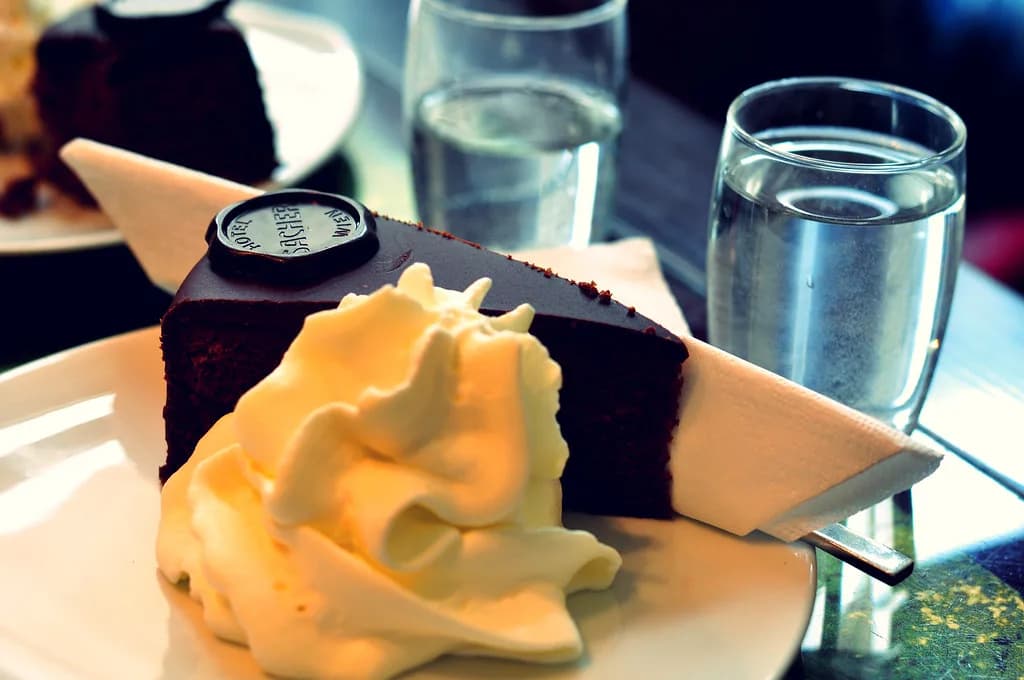
Sachertorte is a dense chocolate cake with a thin layer of apricot jam running through it and a smooth chocolate glaze poured over the top and sides. It is the cake to order at least once on an Austrian trip, and its appeal rests on the balance between the chocolate crumb, the apricot line, and the glaze rather than on extra sweetness. This guide covers what defines the cake, how it is served, how to order it, and how to buy a whole one to carry home.
Treat it as a coffee-house order, not a dessert course. A slice arrives thin, often with a spoonful of unsweetened whipped cream alongside, and it is eaten slowly with a coffee in the afternoon rather than after a heavy dinner.
What Sachertorte actually is
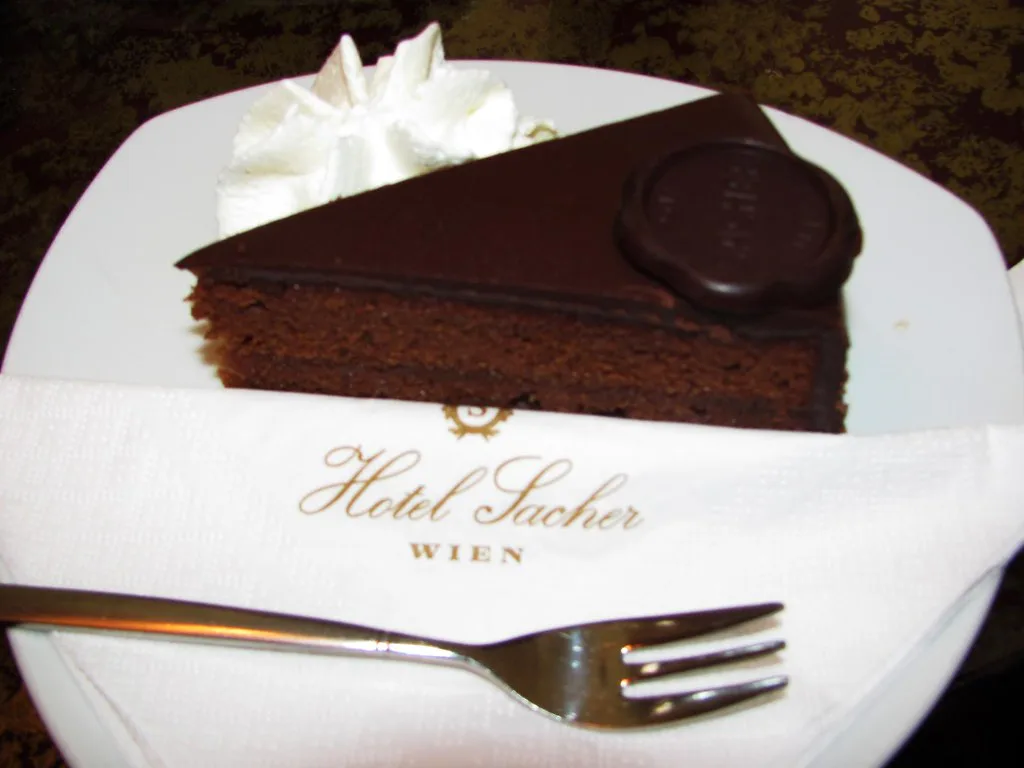
The cake is a chocolate sponge, baked until set and cooled, then filled with a thin layer of apricot jam before the whole thing is coated in a warm chocolate glaze that sets to a dull sheen. Apricot jam sits between two layers of dense chocolate cake, which is why the jam and the glaze, not the crumb alone, decide whether a slice tastes right.
That structure makes it firmer and less airy than an American layer cake. It is also why the cake is cut in modest slices: a thick wedge would be heavy, and a thin slice suits a coffee-house afternoon rather than a dessert course.
The defining features are easy to list for a traveler: a visible apricot layer between the sponge layers, a thin chocolate glaze, and a crumb that tastes of chocolate rather than sugar. A plain chocolate cake with frosting and no jam line is a different thing.
How it is made, in brief
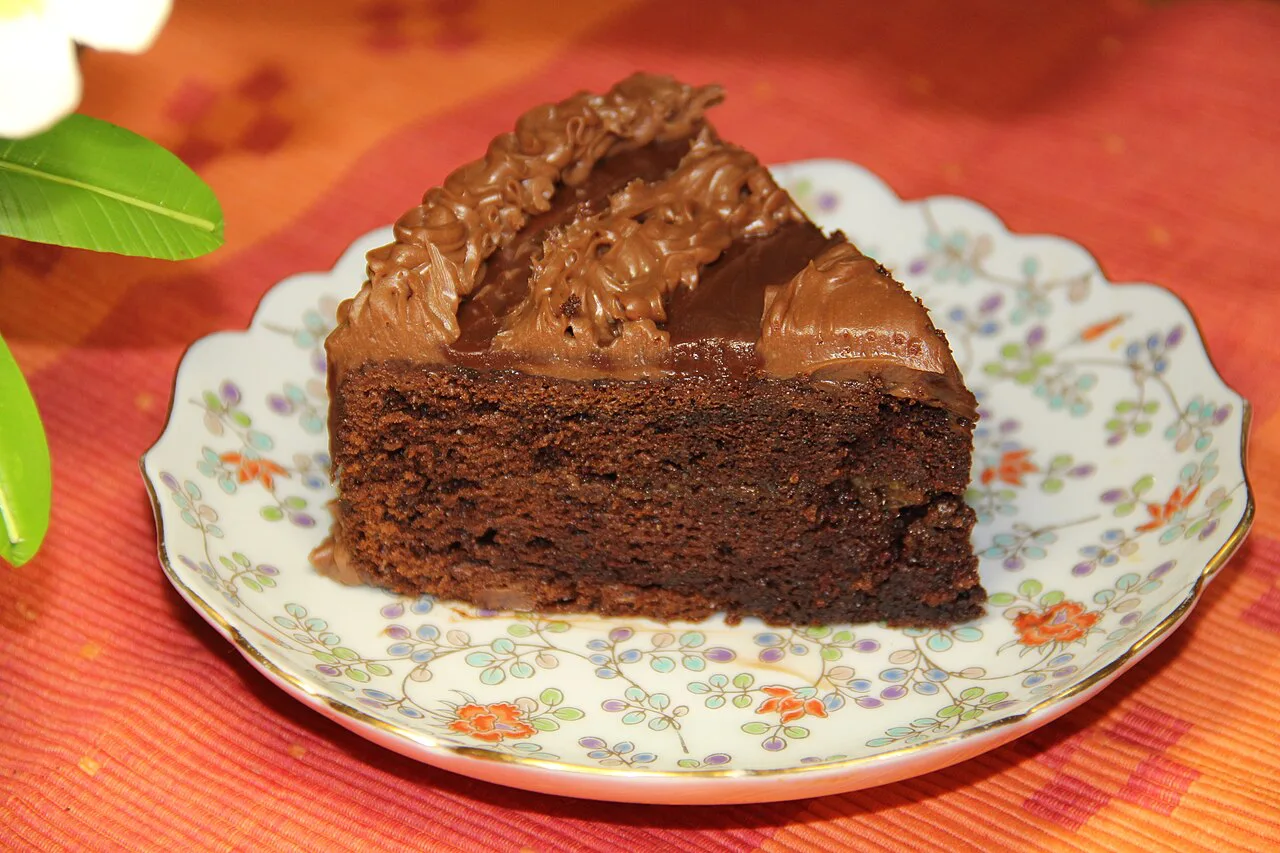
The method is a whisked sponge: butter and confectioners' sugar beaten light, melted chocolate worked in, egg yolks added one at a time, and whipped egg whites folded through with flour. The cake bakes in a single deep round pan. The folding, not the ingredient list, is where a homemade version usually goes wrong.
Why is Sachertorte so famous? It is a well-known Viennese dessert, and it is a fixture of the coffee-house cake list across Austria, served in thin slices with unsweetened whipped cream. Its distinctiveness rests on the combination of chocolate sponge, a thin apricot layer, and a poured chocolate glaze, which makes it look and taste different from a plain chocolate cake.
How do you pronounce Sachertorte? The German pronunciation is roughly ZAH-ker-tor-tuh, with a hard initial Z, a short e in the middle, and the final e sounding like a soft uh. Austrians say the name as one word, and ordering it by name in a café is enough; you do not need to translate it.
Is Sachertorte the same as a chocolate cake? No. A Sachertorte has a thin apricot jam layer between the sponge and a chocolate glaze poured over the entire cake, so the jam and the glaze are part of its structure.
Assembly matters as much as baking. The cooled cake is trimmed flat, coated with a warmed fruit glaze, set on a rack, and then flooded with a warm chocolate glaze poured from the center outward so it runs down the sides in one coat. One published home-baking variation brushes the cake with warmed currant jelly instead of apricot, so the fruit layer is not identical in every recipe.
One home-baking version splits the sponge into two layers and brushes both with apricot glaze before the chocolate goes on, which produces a more pronounced jam line than a single coated cake. Home recipes also tend to produce a moister cake than the café standard, so a homemade Sachertorte will not taste exactly like the one you order in town.
How it is served in Austria
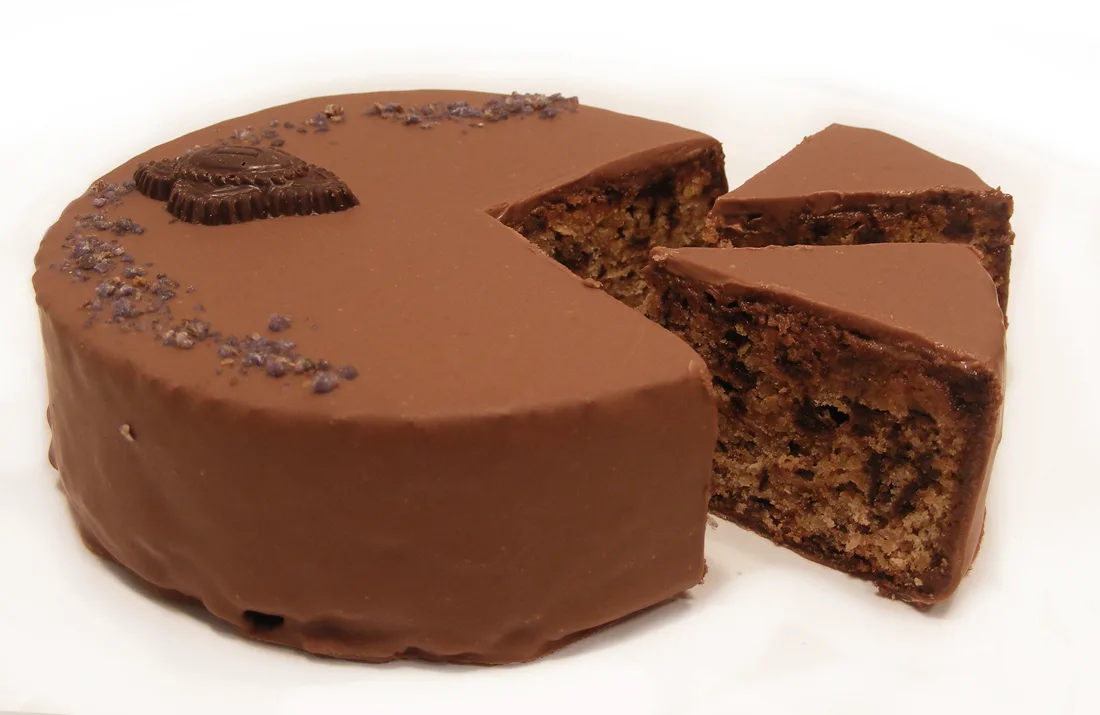
Order a slice and it comes on a small plate, glaze side up, often with a dollop of whipped cream on the side. The cream is traditionally unsweetened: it cuts the chocolate and the jam, and much of the pleasure of the cake comes from that contrast.
The portion is smaller than most American cake servings, and that is deliberate. A thin slice with coffee is a mid-afternoon stop, not a dessert to finish a meal, so plan it for the gap between lunch and dinner rather than after a large dinner.
The drink to pair it with is a coffee, and the Austrian coffee-house repertoire gives you plenty of options from a small espresso to a large milky coffee. Order the cake first and the coffee to match; a sweet coffee drink on top of the glaze is usually too much.
The café setting: how to order a slice
In an Austrian café or Konditorei, Sachertorte is usually on the printed cake list or visible in a glass case near the counter, and you order it by name at the table or at the counter depending on how the place runs. In a full-service café, take a seat and wait to be served; in a pastry shop, point at the slice you want and pay at the register.
Ask for the cream if it is not offered, since some places serve the slice plain. In a busy café in the afternoon, expect a short wait for a table, and at smaller pastry shops the day's cake may run out before closing, so going earlier is the safer bet for a first slice.
A café slice and a pastry-shop slice are different experiences. The café version comes plated with cream alongside a coffee and the atmosphere of the room; the pastry-shop version is often taken away in a box and eaten later, which is the more portable option.
Where to find it across Austria
Sachertorte is not a regional cake: it is sold in cafés, Konditoreien, and hotel pastry counters in cities and larger towns across the country, from Vienna outward. The kinds of places to look for are traditional coffee houses, pastry shops with a cake case, and the cafés attached to larger hotels, all of which typically carry it alongside other Austrian cakes.
Outside the big cities, the cake appears most reliably in towns with a pedestrian old center and a long café tradition, where the afternoon cake-and-coffee habit survives. Smaller villages may have only one café with a limited cake list, so make the cake stop in a town rather than counting on finding it on a mountain road.
If you are routing a trip around Austrian cakes, Sachertorte sits at the top of a short list that also includes Apfelstrudel, Kaiserschmarrn, and the Linzer Torte. Each is a different order at the same café counter, and the Sachertorte is the most chocolate-heavy of the group.
Buying a whole Sachertorte to take home
Whole Sachertorten are sold boxed at pastry shops and hotel confectioners, and this is the version to buy if you want to carry the cake home or serve it to a group. Ask at the counter for a whole Sachertorte and say how long until you eat it, so the staff can box it accordingly.
The cake travels well because the glaze seals it, but it does not like heat or being crushed in a suitcase. Keep the box flat and cool on the trip, and plan to eat it within a few days rather than treating it as a long-keeping souvenir; the glaze protects the cake, but not indefinitely.
A cake from a pastry shop counter, boxed on the spot, is the better choice if you have the time to buy it in town rather than at an airport shop or station kiosk.
What to look for in a good slice
Use four checks: a glaze thin enough to crack under a fork, a visible apricot line when you cut into the slice, a crumb that is dense but not dry, and a finish that is chocolate-forward rather than sugary. If the glaze is thick and dull and the jam is missing, the slice is likely a chocolate cake in the Sacher style rather than the real thing.
The cream on the side is part of the test. A café that serves the cake with properly unsweetened whipped cream understands the balance the cake is built on; sweetened cream pushes the whole plate over into dessert territory.
Temperature matters more than most people expect. The glaze should be set but not refrigerator-cold, and a slice taken straight from a cold case tastes flatter than one that has sat at room temperature for a few minutes.
Similar Austrian cakes to try next
If the Sachertorte works for you, the next orders are the other classics on the same café list. Apfelstrudel is the lighter, fruit-forward option, Kaiserschmarrn is a warm shredded pancake served with fruit compote, and the Linzer Torte is a lattice-topped tart built on nuts and jam. This is part of a wider set of Austrian Desserts worth working through, and the warm Kaiserschmarrn makes a natural second order.
The desserts share a heritage and a setting: they come out of the same coffee-house tradition that shaped Austrian baking, and the coffee-house ritual is what makes ordering them feel like part of a trip rather than a snack. Order one per afternoon and work through them across the trip.
If you only have room for two cakes on a short trip, make Sachertorte the first and Kaiserschmarrn the second, since one is a cold slice with coffee and the other a warm dish that works as a light meal.
Which cake to order first
Order Sachertorte in a café, with coffee and unsweetened cream, on your first free afternoon in an Austrian town. Judge the slice by the visible jam line and the thin glaze, and buy a whole boxed cake from a pastry-shop counter only if you can keep it flat and cool on the way home.
Explore more Austria guides
Frequently Asked Questions
Why is Sachertorte so famous?
It is a well-known Viennese dessert, and it is a fixture of the coffee-house cake list across Austria, served in thin slices with unsweetened whipped cream. Its distinctiveness rests on the combination of chocolate sponge, a thin apricot layer, and a poured chocolate glaze, which makes it look and taste different from a plain chocolate cake.
How do you pronounce Sachertorte?
The German pronunciation is roughly ZAH-ker-tor-tuh, with a hard initial Z, a short e in the middle, and the final e sounding like a soft uh. Austrians say the name as one word, and ordering it by name in a café is enough; you do not need to translate it.
Is Sachertorte the same as a chocolate cake?
No. A Sachertorte has a thin apricot jam layer between the sponge and a chocolate glaze poured over the entire cake, so the jam and the glaze are part of its structure. A plain chocolate cake usually has frosting between thicker layers and no jam line.
Sources
Notes for your next Austrian town break
Optional updates when we add or revise town guides.
You might also like
Continue reading
More guides you'll find useful