Manner Wafers: What They Are and How to Buy Them in Austria
Manner wafers are Vienna's hazelnut-cream Neapolitaner Schnitten in the pink pack, first made in 1898. Here is what they are and where to buy them.
On this page
Manner wafers are thin, crisp wafer sheets sandwiched around a hazelnut-cream filling, sold across Austria in the bright pink pack that locals call the Schnitten. The wafers were created in Vienna in 1898 by Josef Manner, whose business had begun with a chocolate and coffee shop near Stephansdom around 1890, and they remain the snack most travelers associate with the city. This guide explains the Neapolitaner name, how the wafers are eaten and which places in Austria and abroad actually sell them.
Treat it as a buyer's guide rather than a recipe: what the label means, what size packs exist, how the pink box survives a suitcase and where to pick one up on a city walk. Prices in Austrian shops vary by store and pack size, so check the shelf tag when you buy.
What Manner wafers actually are
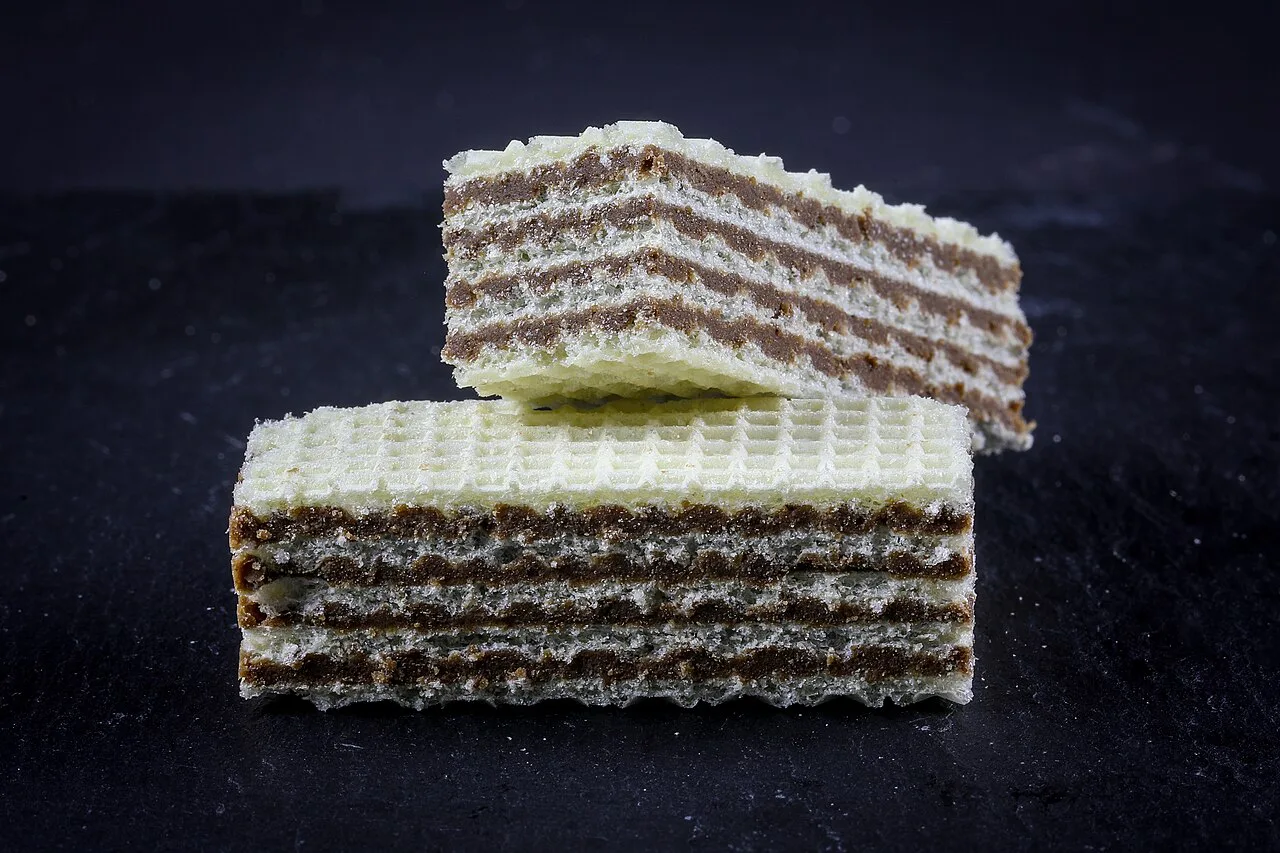
Each Schnitten stacks several thin wafer layers around a sweet hazelnut cream, then coats the whole thing in chocolate. The result is light and crisp rather than dense, which is why a single packet rarely lasts a full afternoon of sightseeing. Austrians eat them straight from the wrapper with coffee, and children treat them as an ordinary after-school snack rather than a specialty item.
You will see the word Schnitten on Austrian packaging and Neapolitaner alongside it; both refer to the same classic hazelnut wafer. They sit at the everyday end of the Austrian sweet counter, the same unpretentious register as a plain slice of cake. If you want the wider map of Austrian sweets, from strudel to torte, our guide to Austrian desserts sets out the main types you will meet.

Why the pack says Neapolitaner
The name Neapolitaner comes from Naples: the hazelnuts used in the original filling were sourced from the area around the Italian city, and the designation stuck on the packet. Spotting that word tells you the pack in your hand is the classic hazelnut version rather than a newer flavor.
Are Manner wafers the same as Neapolitaner? Yes. Neapolitaner is the designation on the classic hazelnut-cream wafer, a name that refers to the Naples-area hazelnuts used in the original filling.
Do Manner wafers contain nuts? The classic Neapolitaner is a hazelnut-cream wafer, so hazelnuts are central to the product. Read the allergen panel on the specific pack you buy, since other flavors and formats differ.
The naming is a small reminder that Habsburg-era Vienna traded across the Alps and absorbed ingredients from far south of the city. Austrian food history is full of these borrowed names, much as Kaiserschmarrn carries the memory of Emperor Franz Joseph I at the table.
The pink pack and the cathedral logo
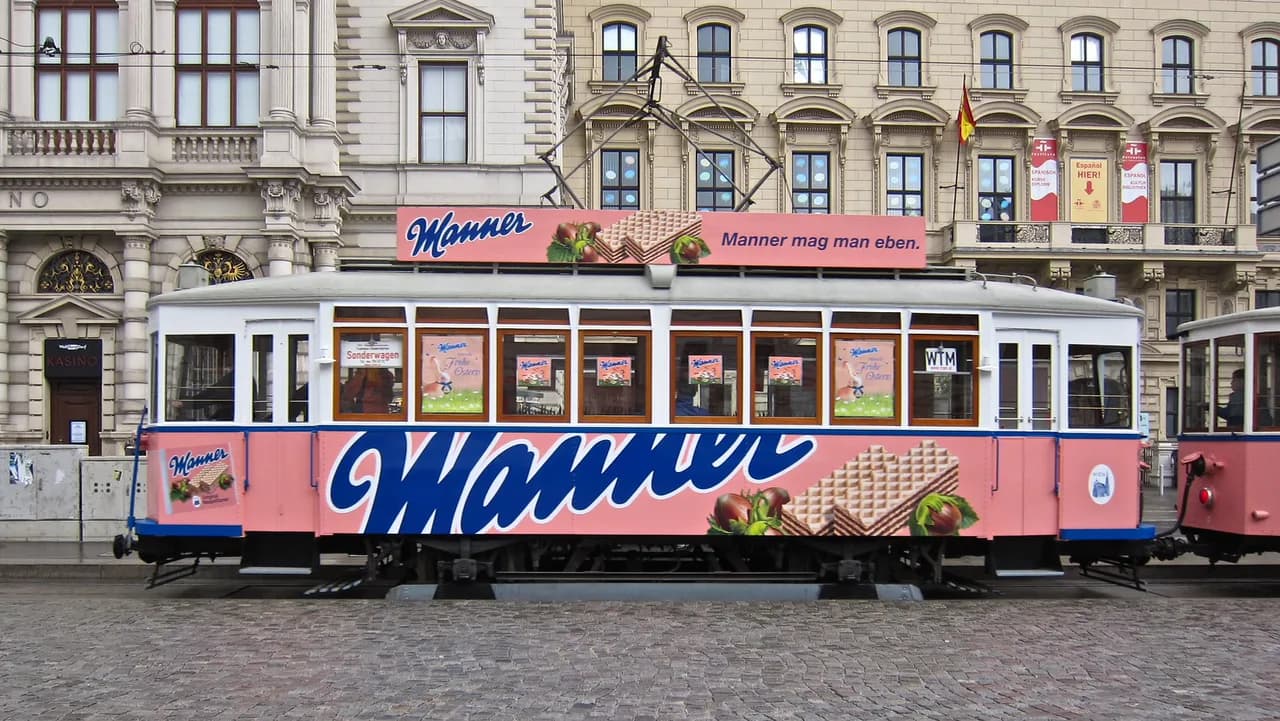
Manner's trademark pink wrapper and its cathedral logo both trace back to the company's Vienna origins, and the logo is a nod to those origins and the brand's association with the capital. On a supermarket shelf, the color is the fastest way to find the brand among rows of chocolate and biscuits. Look for the pink first, then check the label for Neapolitaner before you buy.
The same pink appears on the Manner tram and horse-drawn carriage that circulate in Vienna, so the branding follows you around the inner city. Travelers who want a photo-friendly errand can combine a Stephansplatz stop with the flagship store on the square, which carries the brand's products, many of them packed for gifting.
Where Manner wafers come from
Josef Manner started out with a chocolate and coffee shop near Stephansdom around 1890 before the company grew into a larger manufacturer. The wafers themselves were created in 1898, and the business has stayed Viennese: headquarters and a factory sit in the 17th district, Hernals, north of the center.
The Hernals site is a working factory, and its neighbor in the 16th district is the Ottakringer brewery, so the city's industrial food and drink quarter sits in the outer districts rather than the tourist core. Walking past on the right wind can mean a whiff of chocolate, which is the closest most visitors get to production.
How they taste and how Austrians eat them
Expect a hazelnut sweetness that is more nutty than chocolate-heavy, with a snap from the wafers and a thin coating that melts quickly. They are mild and not bitter, which makes them easy to eat alongside a milky coffee or a strong espresso.
The natural pairing is a cup in an Austrian coffee house, where a small packet on the saucer or a shared plate fits the unhurried style of the room. Our guide to Austrian Coffee House Culture covers the etiquette of ordering and settling in, from the water glass to the bill.
Buying them in Austria: supermarkets versus the flagship store
Every ordinary supermarket should stock the Schnitten, so a grocery run for water or fruit is the cheapest and easiest way to buy a pack for your room. The Manner flagship store on Stephansplatz is the better stop when you want gift-ready packaging, since many of its products come boxed for presents. Decide before you shop: supermarket for everyday snacking, flagship store for the version you hand to someone at home.
Austrian shelf prices are not fixed nationally and vary with pack size and retailer, so read the tag in the store rather than relying on a number from a website. Keep an eye out for the pick-and-mix or multi-pack formats, which usually cost less per wafer than a single small bar.
Sizes and packaging to look for
The range runs from small single bars, useful for a pocket or a quick coffee accompaniment, up to larger boxes meant for sharing or gifting. Classic hazelnut Neapolitaner is the reference point; other flavors appear in the same pink family and are worth trying if you already know you like the original.
For a suitcase, the sealed foil inside a rigid box protects the wafers from crushing far better than a loose bar. If you are buying several, pick one larger box over a pile of small ones so the contents stay intact in transit.
Manner wafers as a souvenir
The pink pack travels well because the wafers are light, sealed and not temperature-sensitive in the way chocolate truffles or cream-filled pastries are. That makes it one of the few Austrian food gifts you can carry in a carry-on without thinking about cool bags.
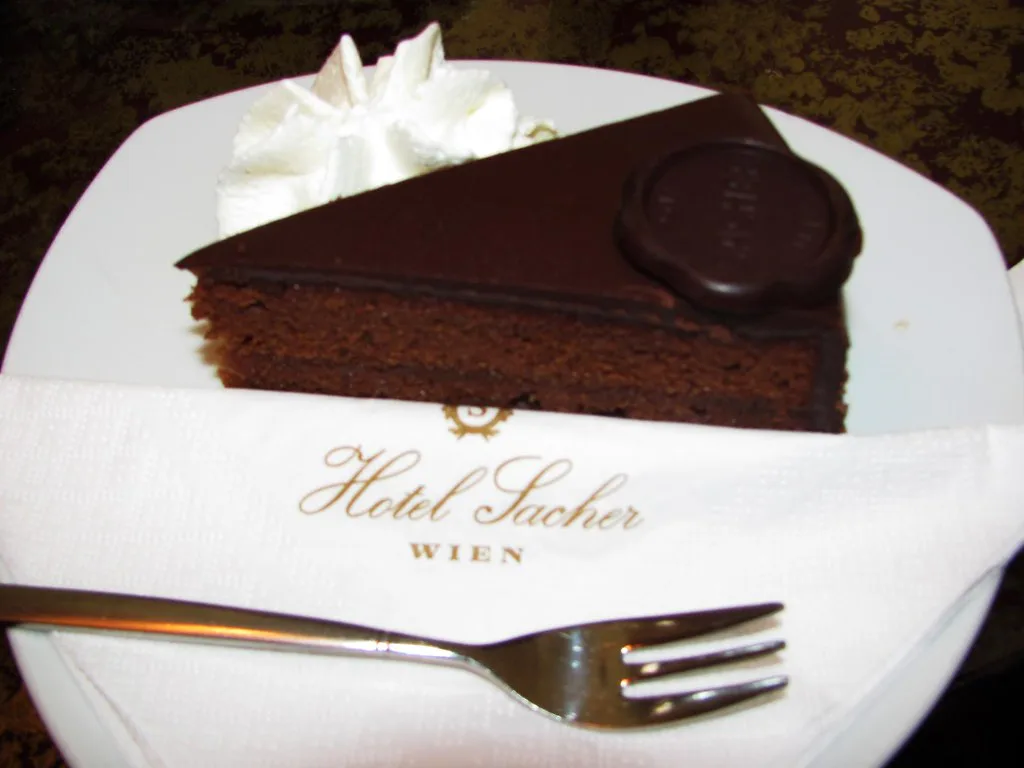
It is also a low-cost gift, which suits travelers bringing something back for colleagues rather than a single close friend. Pair it with other shelf-stable Austrian sweets if you want variety: a Sachertorte travels as a boxed version, and Apfelstrudel is best eaten in Austria rather than transported.
Buying Manner wafers outside Austria
In the United States, specialty European and German delis and online import shops carry Manner products rather than mainstream grocery chains. A Michigan deli, Nitsches Meats & Deli in Shelby Township, lists a 200-gram pack of Manner chocolate cream-filled wafers at $4.77.
Euro Food Mart, an online European grocer, lists a 75-gram pack of Manner Neapolitaner Original Wafers at $1.89 alongside larger packs. Treat those dollar figures as US import pricing rather than a guide to Austrian shelf prices, since import costs and store margins differ. Stock and pricing change, so confirm the listing before ordering a bulk box.
Who makes Manner, and what else the brand sells
Manner is a major Austrian snack, biscuit and baking brand, not just a wafer company, so its products turn up in home baking aisles as well as the sweet shelf. The Schnitten remains the flagship item and the one most travelers recognize.
Beyond the classic wafer, the range includes other snack, biscuit and baking products in similar packaging, which makes a mixed box a reasonable gift if you are unsure of someone's taste. If wafers are not the point, our guide to Austrian desserts covers other sweets you will meet across the country, from strudel to torte, with more table presence.
Supermarket pack or flagship gift box?
Buy a supermarket pack if you want the everyday version Austrians actually eat with coffee, and head to the Stephansplatz flagship store when the purchase is a present and the packaging matters. Either way, check the label for Neapolitaner to be sure you have the classic hazelnut wafer.
Travelers outside Austria should look to European import shops and compare the listed pack size against the price, since a 200-gram box and a 75-gram bar are not the same value.
Explore more Austria guides
Frequently Asked Questions
Are Manner wafers the same as Neapolitaner?
Yes. Neapolitaner is the designation on the classic hazelnut-cream wafer, a name that refers to the Naples-area hazelnuts used in the original filling. The Austrian word Schnitten refers to the same product.
Do Manner wafers contain nuts?
The classic Neapolitaner is a hazelnut-cream wafer, so hazelnuts are central to the product. Read the allergen panel on the specific pack you buy, since other flavors and formats differ.
Sources
Notes for your next Austrian town break
Optional updates when we add or revise town guides.
You might also like

Continue reading
More guides you'll find useful