Marillenknödel: Austria's Apricot Dumplings, Explained
Marillenknödel are Austrian apricot dumplings rolled in buttered breadcrumbs. Here is what they are, how they are made, and how to order them.
On this page
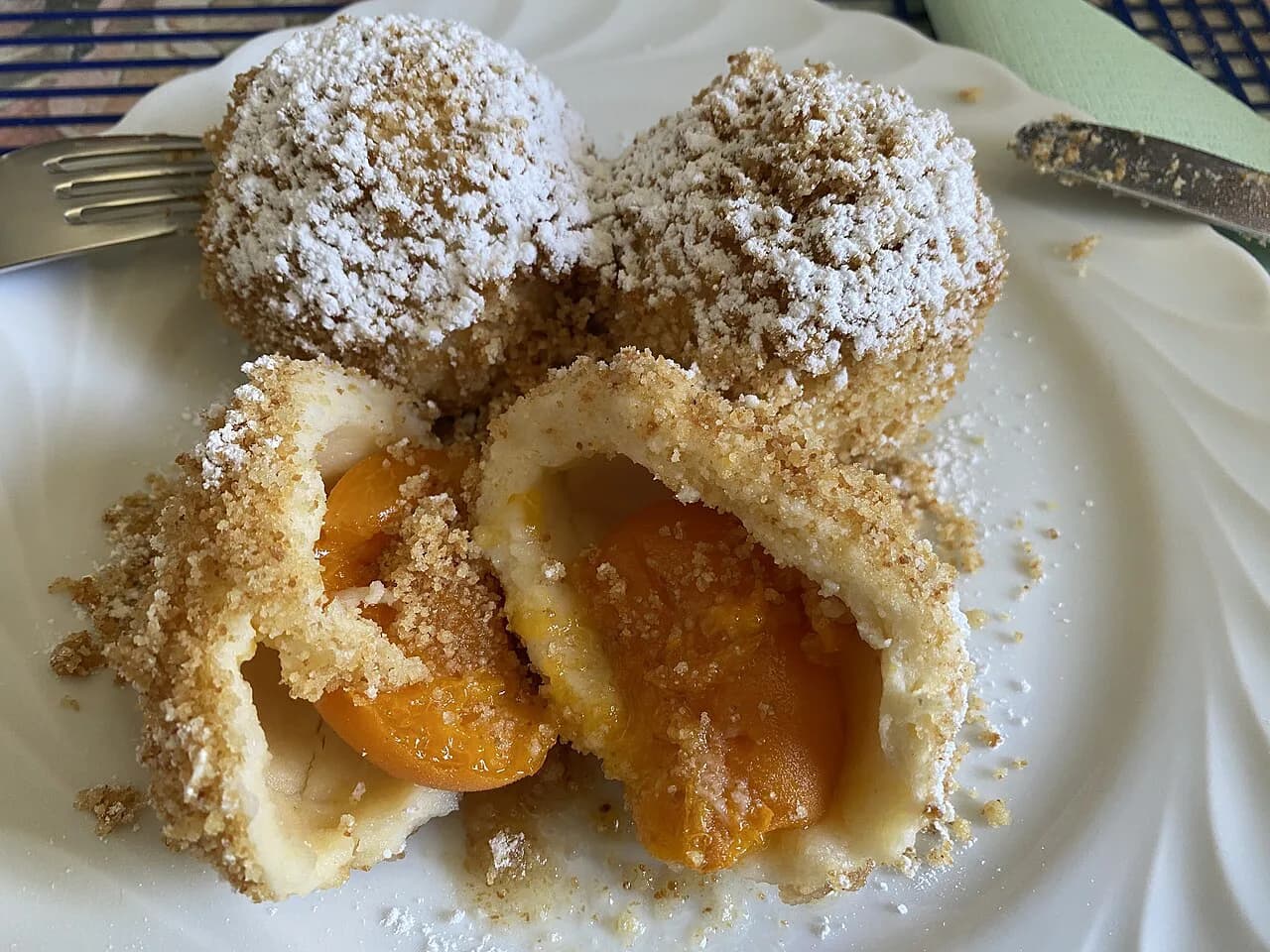
Marillenknödel are whole apricots wrapped in dumpling dough, simmered in salted water, and rolled while still hot in breadcrumbs toasted in butter. They are a classic Austrian summer dish, and Austrians often eat them as a sweet main course rather than a dessert. This guide explains the name, the two traditional doughs, what a good one tastes like, and how to order one without guesswork.
What Marillenknödel actually are
The construction is simple and the result is not. A pitted apricot goes inside a round of soft dough, the dough is sealed around the fruit, and the dumpling cooks in lightly salted water until it floats. It then goes straight into a pan of breadcrumbs browned in butter and gets rolled until the whole surface is coated. The fruit turns soft and juicy in the pot, and the crumb coating stays crisp because it is added at the very end.
Nothing about the dish is a cake or a pastry in the Viennese sense; it is closer to a dumpling in the savory kitchen, just sweetened and fruited. That is why Austrians can serve it as lunch, not only after dinner. Travelers who order it expecting a small plated dessert are usually surprised by the size of the portion.
Why the menu says Marille, not apricot
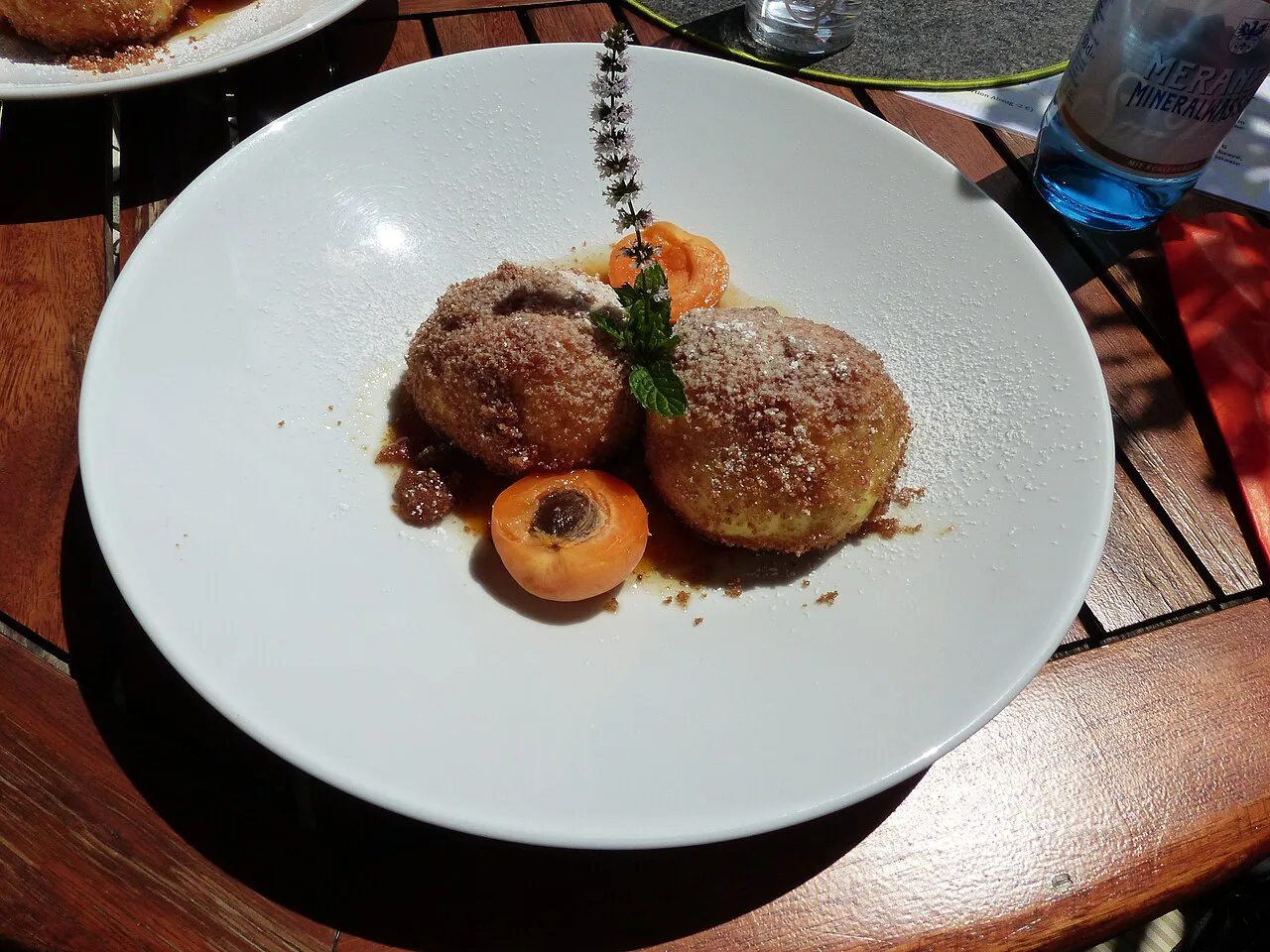
In Bavaria and Austria the fruit is called Marille, while most other German-speaking regions say Aprikose. Because the dish is Austrian, it is traditionally Marillenknödel and never Aprikosenknödel, so a menu or a shop sign will use the shorter word. Knowing this saves a moment of confusion when you read a menu in the Wachau or anywhere else in the country.
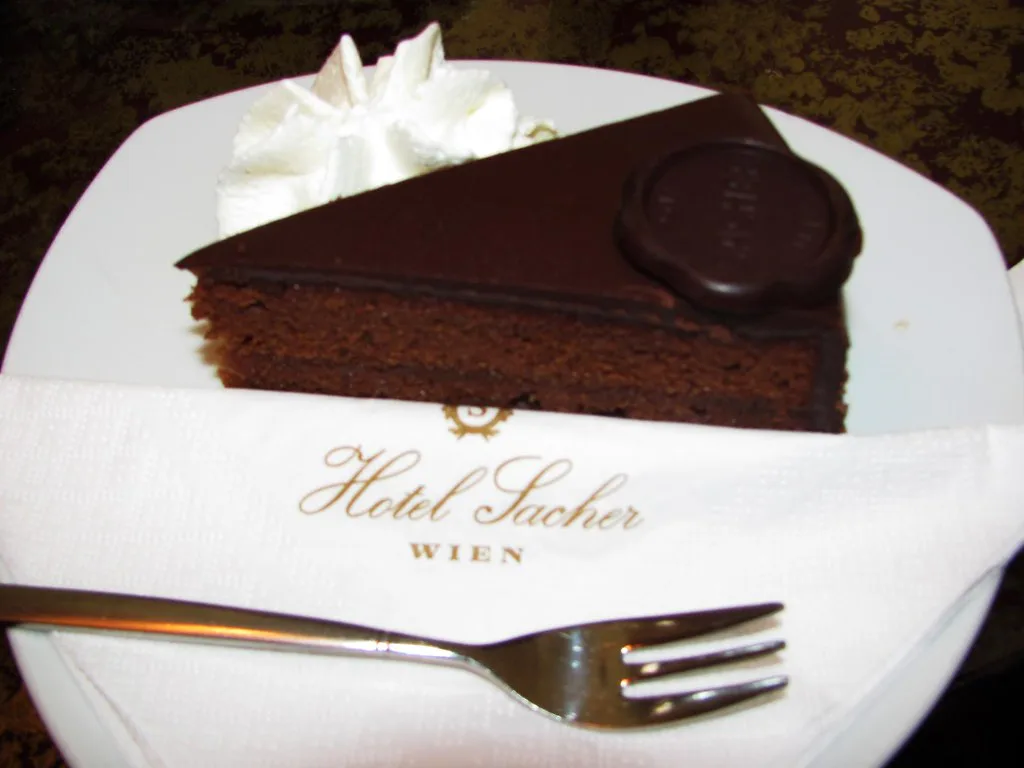
The word also carries into other apricot preparations you may meet: apricot jam, apricot schnapps and apricot cakes all tend to appear under the Marille label. The Austrian desserts overview is the place to see how these sweets fit together across the country, alongside classics such as Sachertorte.
Potato dough versus Topfen dough
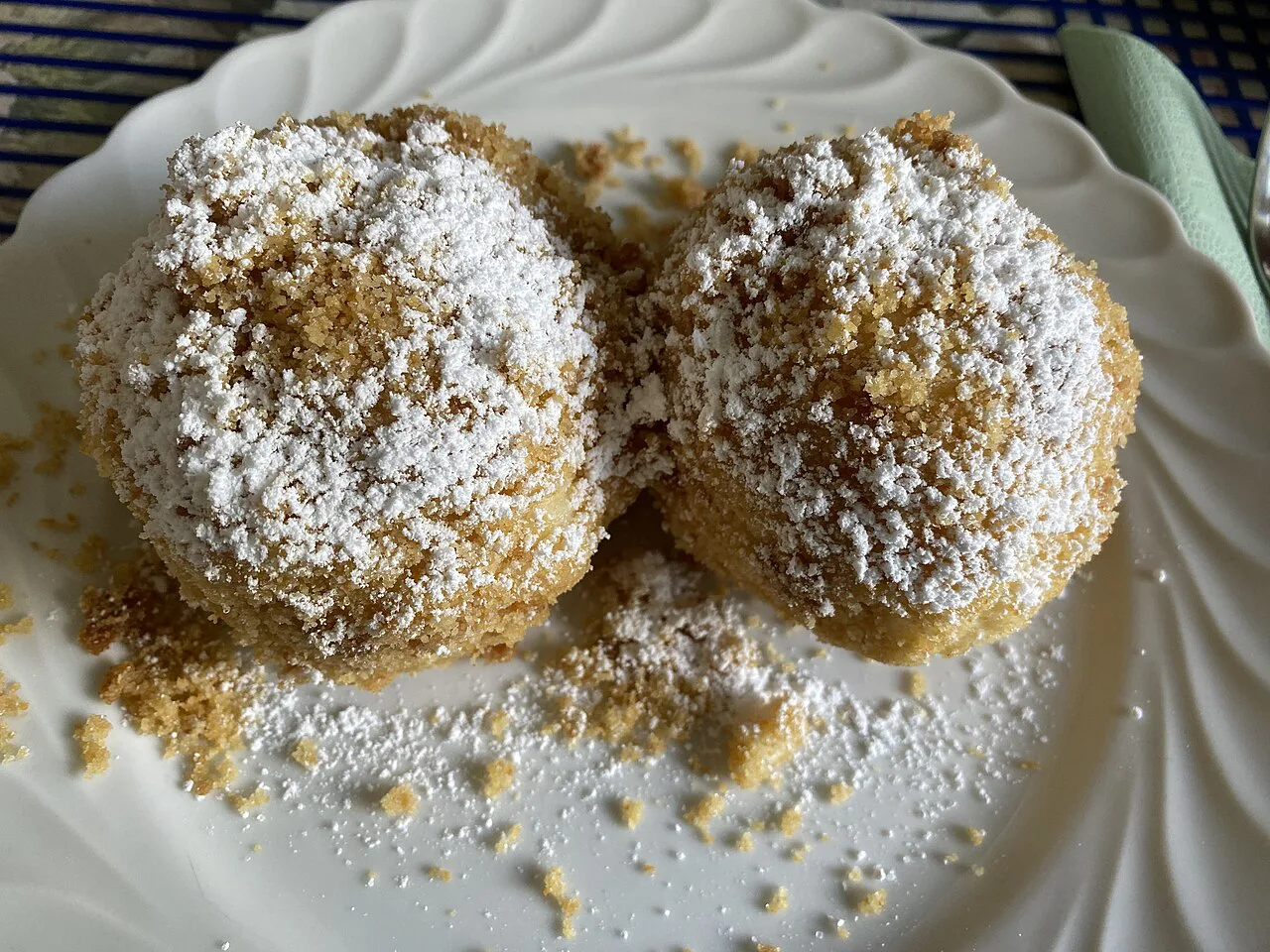
Austrians make Marillenknödel with one of two doughs. Potato dough uses boiled, riced potatoes with flour, semolina, a little butter and egg; it is sticky, mild, and similar in texture to gnocchi dough, which is why leftover dough can be turned into gnocchi. Topfen dough uses curd cheese, which outside Austria is often sold as farmer's cheese, and it gives a slightly tangier, softer casing around the fruit.
Both are traditional, so neither is the wrong order. If you care about the difference, potato dough lets the hot apricot juice soak into a denser, more neutral wrapper, while the cheese version tastes richer and a touch more acidic. A vegan version replaces both with plant-based curd and semolina, and it is worth knowing that such a recipe exists if you avoid dairy.
What a good one tastes like
The contrast is the point: hot, soft, juicy fruit inside, a firm but tender dough, and a crisp, buttery crumb layer that crunches before you reach the apricot. The breadcrumbs are usually sweetened only lightly, sometimes with a little cinnamon and sugar, so the fruit carries the sweetness. A dumpling that has waited too long loses that crunch and turns soggy, which is why it should reach you hot.
How it is served
The standard finish is the buttered crumb coating, a dusting of powdered sugar, and melted butter poured over. Vanilla sauce or whipped cream are common additions, and either makes the dish heavier and more dessert-like. With the sauce and cream, a single dumpling can be a full plate; without them, it reads as a snack. For the wider sweet repertoire, the Austrian Desserts guide collects the country's best-known plates.
The same family of sweet dumplings continues with Germknödel, a yeast-dough dumpling filled with plum jam and topped with poppy seeds and butter. If you like the idea of a hot sweet dumpling as a meal, that one is the winter counterpart to the summer apricot version. Austria's wider dessert tradition shows how often fruit, crumbs and sugar reappear.
Sweet main course or dessert
In Austria, Marillenknödel are commonly eaten as a sweet main dish, which is a tradition worth taking at face value. Order two or three as a lunch dish, or one as a dessert after a lighter savory course. Portion sizes vary by kitchen, so ask how many come on the plate before you commit to a number.
When to look for them
Fresh apricots run from July to September, and the dumplings follow the fruit. Outside those months you may still see the dish, but the fruit is the reason to seek it out in summer. In the Wachau, the Danube valley west of Vienna, the season is the natural time to look for it on menus.
How to eat one as a traveler
Order it as you would a main course if you want the full experience, and say if you want it to arrive as dessert. Ask whether the apricot was pitted, since some versions leave the stone in, and cut into the center before taking a large bite. Eat it promptly: the crust softens as the plate sits, and the fruit stays dangerously hot inside the dough.
Making them at home: the short version
The home method is to rest the dough, pit the apricots, wrap each fruit so no air is trapped, and simmer the dumplings until they float, roughly a quarter of an hour. Toast breadcrumbs in butter in a separate pan while they cook, then roll the drained dumplings in the crumbs and serve immediately. The sources name two pitfalls: trapped air makes a dumpling float from the start and can split it, and overworking the dough makes it tough.
What to drink alongside
A sweet dish like this sits well with coffee rather than a large milky drink, which competes with the fruit. If you are making a tour of the sweets, save room for the city's other classics, such as Kaiserschmarrn.
Should you order the Marillenknödel?
Order it if you are traveling between July and September and want a dish that is unmistakably Austrian, especially as a sweet lunch rather than a token dessert. Skip it if you want something light after a heavy meal, because dough, buttered crumbs and cream add up fast. Ask about portion size and whether the apricot is pitted, then eat it the moment it lands.
Explore more Austria guides
Sources
Notes for your next Austrian town break
Optional updates when we add or revise town guides.
You might also like

Continue reading
More guides you'll find useful