Germknödel: Austria's Sweet Yeast Dumpling, Explained
Germknödel is a steamed Austrian yeast dumpling filled with powidl plum jam and topped with poppy seeds, sugar and butter. Here is what to expect on the plate.
On this page
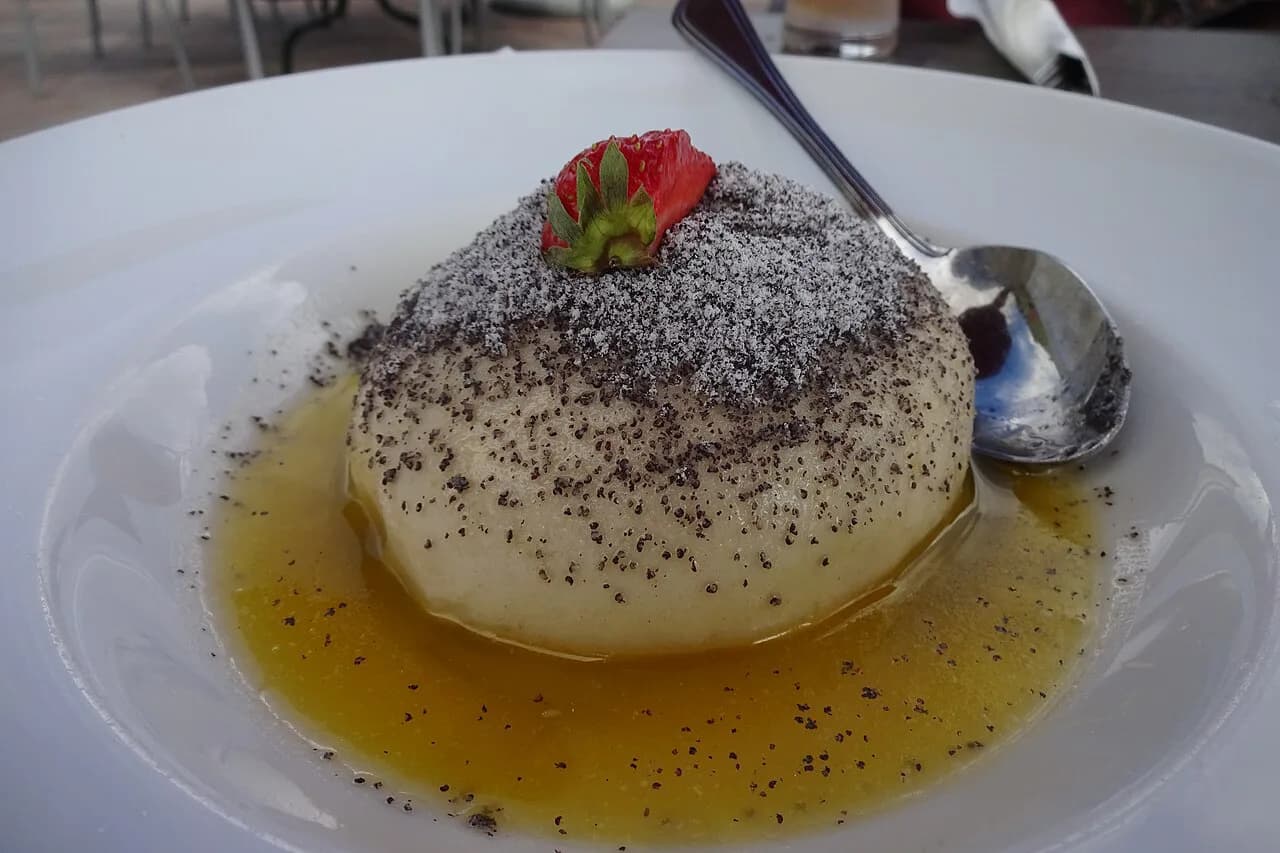
Germknödel is a sweet yeast dumpling, served warm and filled with powidl plum jam, then topped with ground poppy seeds, powdered sugar and brown butter or vanilla sauce. One dumpling is a full serving, which is why Austrians often eat it as a main course at lunch rather than as a small dessert. This guide covers what lands on the plate, why the filling is not ordinary jam, and how to read it on the menu, and it sits within the wider picture of Austrian Desserts.
The name tells you the first thing you need to know: Germ is Austrian German for yeast, so a Germknödel is literally a yeast dumpling. The dough is a firm, lightly sweet yeast dough rather than a potato or curd mixture, and that is what gives the dumpling its soft, bready crumb. German speakers outside Austria may know the same ingredient as Hefe, which is why the dish looks unfamiliar on a translated menu.
What Germknödel tastes like
The dough is soft and only faintly sweet, closer to a rich bread roll than to a cake, and it steams into a pillowy crumb. Inside sits powidl, a very thick, long-cooked plum spread that tastes tart-sweet and concentrated rather than sugary, and it stays hot enough to run when you cut the dumpling open. Over the top comes the part that defines the dish for most travelers: melted brown butter, a spoonful of ground poppy seeds and a dusting of powdered sugar.
Textures matter as much as flavor here, so think about what you are ordering rather than how it is plated. The crumb is soft, the filling is dense and jammy, the poppy seed mix is grainy, and the butter soaks into all of it. If you like brioche and plum preserves, this is an easy plate to finish; if soft, sweet, buttery food is not your thing, order something else from the sweets menu.
Powidl: the plum filling that makes it Austrian
Powidl is not a standard fruit jam. It is a very thick, long-cooked plum spread that holds its shape inside the dough rather than running out, and some versions add a little rum and cinnamon to the filling, which pushes the flavor toward the winter kitchen rather than the summer fruit basket.
Is Germknödel a dessert or a main course? It can be both, but it is most often eaten as a sweet main course at lunch, especially on a mountain hut. The dumpling is large, the filling is dense and the butter and poppy seed topping makes it rich, so one plate is a meal rather than a small finish to a savory course.
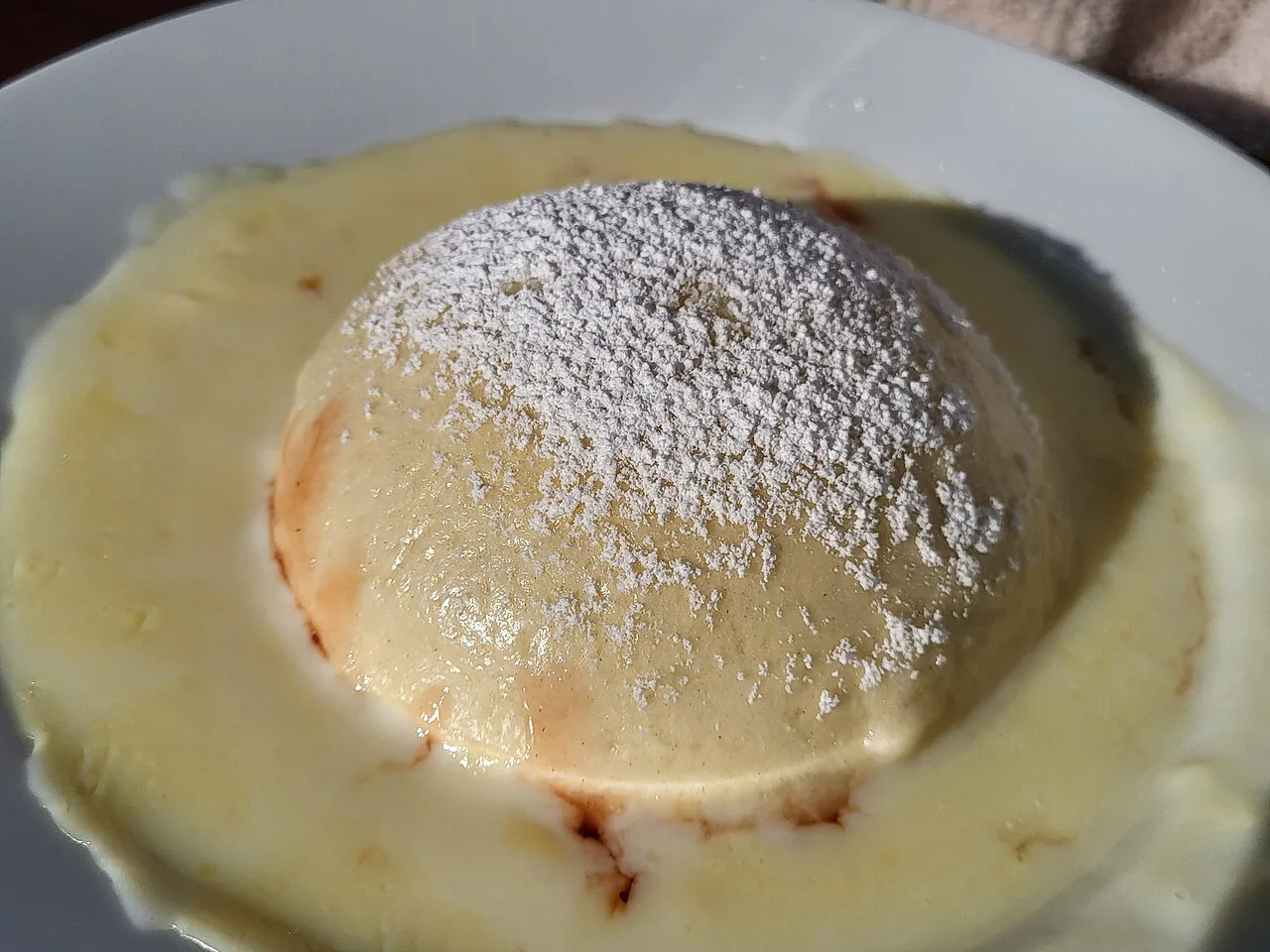
How is Germknödel served? As a single large steamed dumpling. The classic finish is melted brown butter with a mix of ground poppy seeds and powdered sugar poured over the top; many kitchens serve it instead with vanilla sauce, so the menu will tell you which one you are getting.
Is powidl the same as plum jam? It is a type of plum spread but much thicker and darker than ordinary jam, cooked down until it holds its shape inside the dumpling. Some versions add rum and cinnamon, which gives the filling a warmer, more spiced flavor.
For a traveler, the practical point is that the filling is tart enough to balance the butter and sugar on top. A dumpling with ordinary apricot jam would taste sweeter and flatter, so apricot on an Austrian menu points you toward a Krapfen or a Marillenknödel instead. The same instinct for fruit runs through the country's sweets, and it is worth seeing those plates as part of the wider picture of Austrian desserts.
How the dumpling is cooked
The dough is mixed, left to rise, portioned and flattened, then filled with a couple of spoonfuls of powidl and sealed so the jam cannot escape. The balls are then cooked, either in a steamer at around 100 degrees Celsius or in a covered pan with a steam insert, for roughly twenty minutes. A home cook without a steamer can stretch a clean cloth over a pot of simmering water and cook them under a lid.
The alternative method is boiling. The dumplings go into salted water, cook for around 6 minutes with the lid on, are turned and pricked once with a needle, then finish for another 5 minutes with the lid off, and they are done when a needle comes out dry. Hut kitchens and restaurants use the same principle at scale, which is why a Germknödel ordered at altitude arrives steamed and pillowy rather than baked or fried.
How it is served and eaten
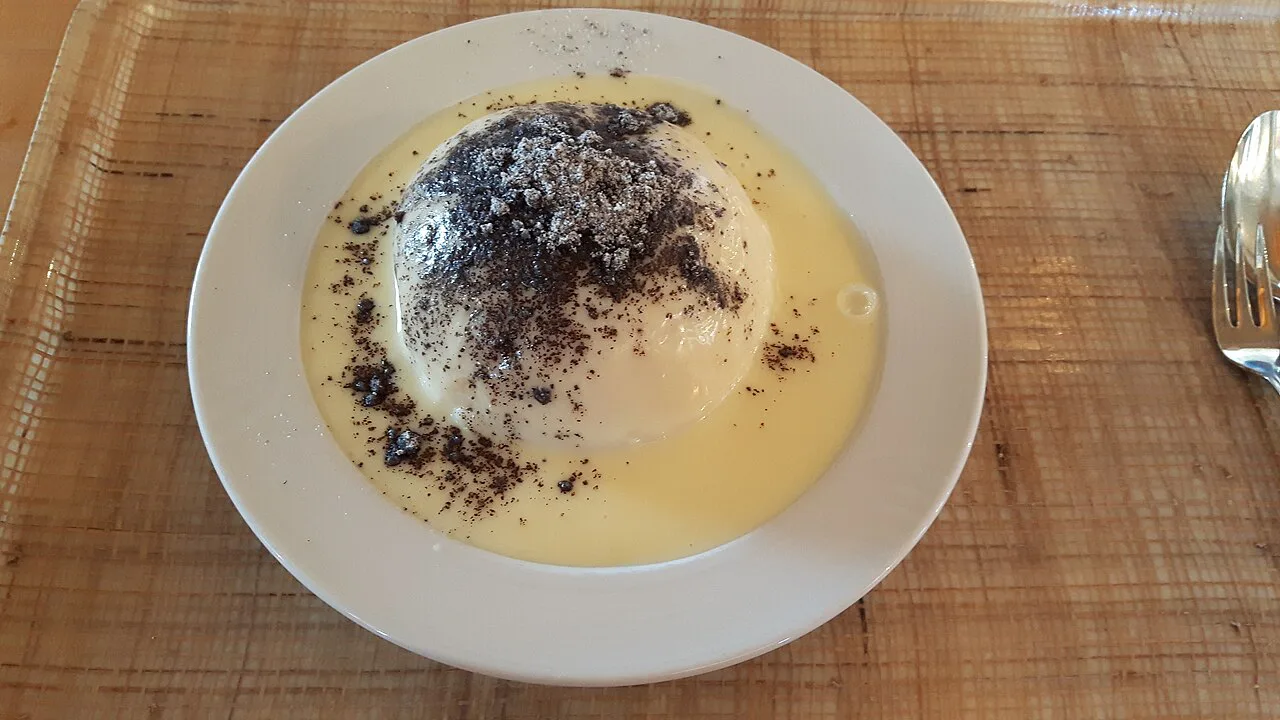
A Germknödel arrives on a plate as a single large dumpling, often with a pool of vanilla sauce or melted brown butter around it and a stripe of poppy seed and sugar across the top. Cut down through the middle so the powidl spills out and mixes with the sauce. Eat it while it is hot; once it cools the dough firms up and the butter sets.
There are two standard finishes, and menus usually name which one you are getting. The classic version is brown butter with a poppy seed and powdered sugar mix, which keeps the dish dense and rich, while the vanilla sauce version is wetter and sweeter and reads more like a dessert. If you want the hut-style version, ask for butter and Mohn; if you want something closer to a pudding, take the sauce.
Portion size and what to order with it
Treat one Germknödel as a full lunch, not a side to a main course. The dough is heavy, the filling is dense and the toppings add butter, sugar and starch, so a table of two can comfortably order one each and skip anything else, or split one after a lighter soup. Coffee is the usual companion rather than a second sweet dish, which fits the way an Austrian coffee house handles a mid-afternoon plate.
If you are working through the sweets of the country, Germknödel is the steamed, fruit-filled end of the family, next to the shredded pancake Kaiserschmarrn and the baked cake traditions of the cities. Ordering across a trip rather than at one meal is the sensible approach, since each of these is a substantial plate in its own right.
Where to look for Germknödel on an Austria trip
Germknödel is closely tied to mountain huts. Austrian recipe pages describe it as a favorite hut lunch and the perfect midday meal during a ski day, which is why it appears on so many alpine menus in Tirol and beyond. In towns, look for it on the dessert or small-plates section of a traditional Wirtshaus menu, often listed as Germknödel mit Powidl, Mohn und Butter.
The version you meet in Vienna and the Alps is the same dish with local accents, and a town kitchen may bill it as a Wiener Germknödel while still leaning on the hut association. Expect a town restaurant to pour vanilla sauce and a mountain hut to pour brown butter. The price is printed on the menu at the table.
Germknödel versus Dampfnudel
The two are close relatives and travelers regularly confuse them. A Dampfnudel is the same kind of steamed yeast dumpling but unfilled, and toppings vary by kitchen. Germknödel is defined by its powidl filling and its poppy seed and butter finish, so the presence of jam inside is the giveaway.
Other filled dumplings in the Austrian repertoire use different doughs entirely. Marillenknödel wrap apricots in potato or curd cheese dough and are coated in buttered breadcrumbs, so they taste lighter and more crumbly than the bready Germknödel. Knowing which dough and which fruit you are ordering saves a surprise at the table.
Reading the menu
The menu line usually names the filling and the topping, and that is all you need to decide. Powidl is the plum spread, Mohn is ground poppy seed, Butter means melted brown butter, and Vanillesauce means the dumpling comes with vanilla sauce. If the card says nur mit Butter, expect no sauce, and if it lists both, the kitchen may bring them separately.
Portions and prices are set by each kitchen and printed on the menu, and many huts run seasonal opening periods tied to the mountain season, so check the board at the entrance or the venue's own page before you build a day around one address. That applies especially outside the main season, when some alpine restaurants close in between.
Ordering your first Germknödel
Order one Germknödel per person as a lunch plate, choose butter and Mohn if you want the classic finish or vanilla sauce if you want it sweeter, and cut it open immediately so the powidl runs into the topping. If you only have room for one Austrian sweet dish on a given day, this is a strong candidate on a cold mountain afternoon.
Use the same logic across the rest of the trip: these plates are heavy and distinct, and the pleasure comes from ordering them one at a time in the place that specializes in them, whether that is a hut in the mountains or a café in town.
Explore more Austria guides
Frequently Asked Questions
Is Germknödel a dessert or a main course?
It can be both, but it is most often eaten as a sweet main course at lunch, especially on a mountain hut. The dumpling is large, the filling is dense and the butter and poppy seed topping makes it rich, so one plate is a meal rather than a small finish to a savory course.
How is Germknödel served?
As a single large steamed dumpling. The classic finish is melted brown butter with a mix of ground poppy seeds and powdered sugar poured over the top; many kitchens serve it instead with vanilla sauce, so the menu will tell you which one you are getting.
Is powidl the same as plum jam?
It is a type of plum spread but much thicker and darker than ordinary jam, cooked down until it holds its shape inside the dumpling. Some versions add rum and cinnamon, which gives the filling a warmer, more spiced flavor.
Sources
Notes for your next Austrian town break
Optional updates when we add or revise town guides.
You might also like

Continue reading
More guides you'll find useful