Punschkrapfen: Austria's Pink-Glazed Rum Cake, Explained
Punschkrapfen is a pink-glazed Austrian cake cube soaked with rum and apricot jam. Here is what is inside, how it tastes, and how to order one at the counter.
On this page
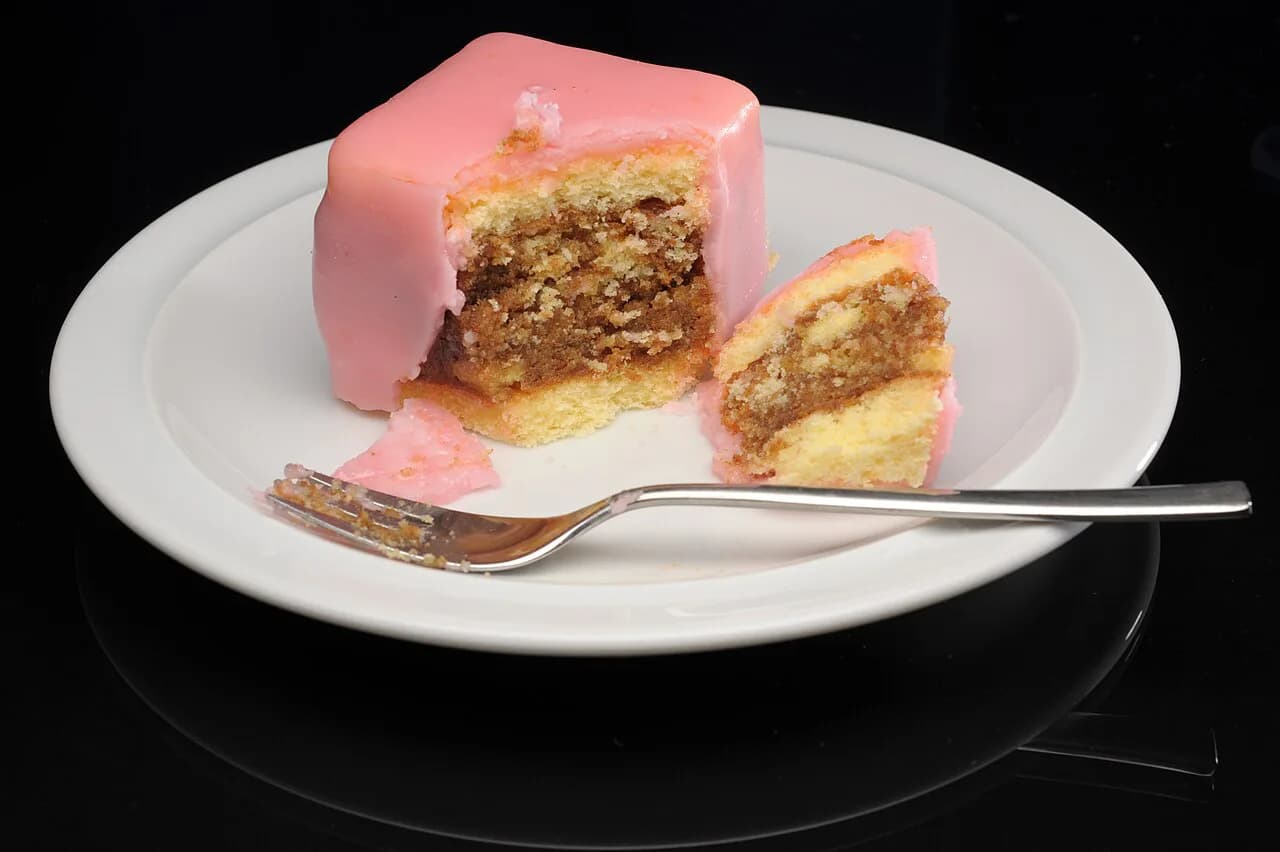
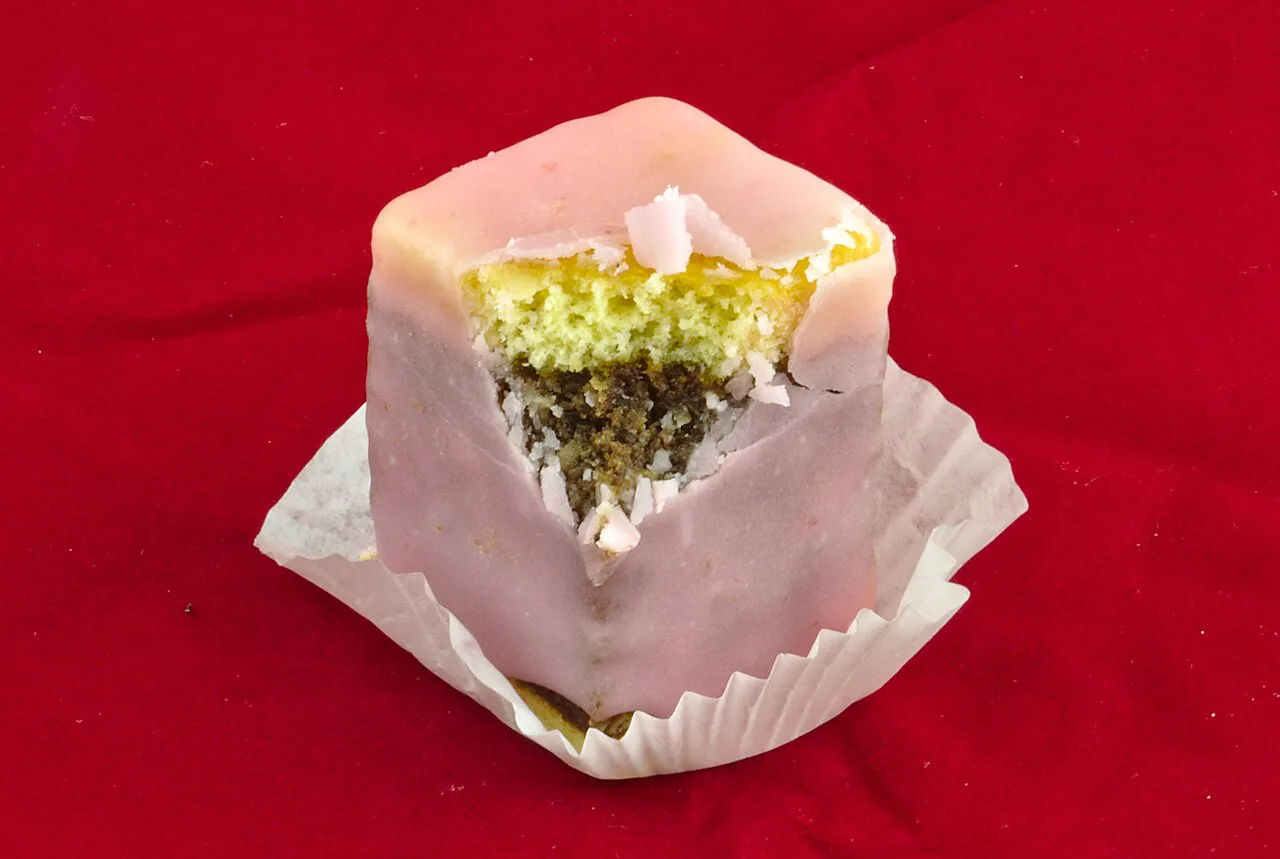
A Punschkrapfen is a small cube of sponge cake filled with a rum-soaked mixture of crumbs, apricot jam and dark chocolate, then sealed under a bright pink glaze. You buy it by the piece at a bakery or Konditorei counter and eat it with a fork and a coffee rather than as a plated dessert. This guide covers what is inside, why it carries the name Punsch, how it tastes, and how to recognize and order one on an Austria trip.
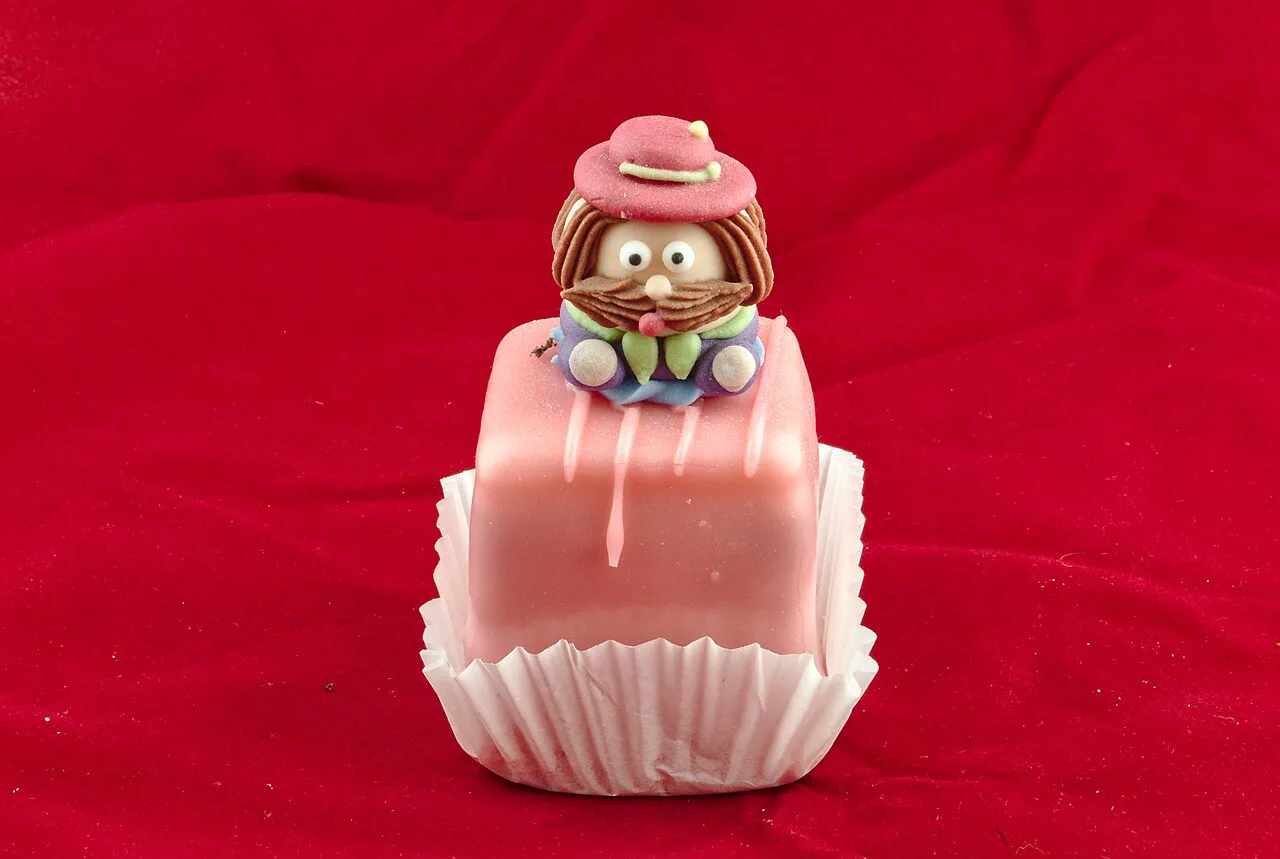
It is a fixture of the Austrian pastry case, and Austrian reference sources describe it simply as a typical Austrian sweet. Look for a squat pink-glazed cube with a glossy top, often finished with a single cocktail cherry. Once you know the shape and color, you can spot it in any town without reading German.
What is inside a Punschkrapfen
The filling is what decides whether a Punschkrapfen is good. Austrian sources give it as sponge cake broken into small pieces, mixed with jam (often apricot), rum, sugar and orange juice, then left to soak before it is packed between layers of sponge. Dark chocolate can go into the mixture as well, which is why a good one tastes deeper than its pink shell suggests.
STROH, the Klagenfurt rum producer, publishes its own version with breadcrumbs, apricot jam, dark chocolate and its Stroh 80 or Stroh 60 rum, finished with a punch glaze and a cocktail cherry. The exact formula varies from bakery to bakery, so the balance of rum, fruit and chocolate is the thing to judge. If you like apricot and dark chocolate together, the cake is built for you.
Home cooks outside Austria can recreate the idea with sponge, jam, dark chocolate and rum, though Stroh's high-proof spirit gives the commercial version its punch.
Why a cake is called Punsch
Punsch means punch, the mixed drink of spirits, fruit and sugar associated with the cold months. The cake borrows the word because its filling is soaked in a punch-like mix of rum, orange juice, sugar and jam rather than because it contains any liquid punch. Think of it as a drink turned solid: the same rum-fruit-sweetness logic, baked into a cube.
Is a Punschkrapfen alcoholic? Yes. The standard filling is made with rum along with jam, sugar, orange juice and, in many versions, dark chocolate, so the alcohol is part of the recipe rather than a flavoring.
What does the pink glaze on a Punschkrapfen taste like? The glaze is a sweet sugar coating, poured warm over the chilled cube. It reads as pure sweetness on the first bite, while the fruit, chocolate and rum come through underneath.
That is also why the sweets taste boozier than most Austrian cakes. The alcohol is not a background note; it is the point, and bakeries lean on it. If you avoid alcohol, ask before buying, because the rum is integral rather than optional in the standard recipe.
How it is made, in brief
A thin sheet of sponge is baked, cooled and cut. The filling is kneaded from crumbs, jam, rum, sugar and juice, then spread over one layer of sponge, topped with a second layer and pressed. The slab is chilled for several hours so it firms up, then cut into cubes and finished with warm pink glaze poured over the top before a cherry goes on.
The chilling step matters: it is what keeps a soft, moist cake from collapsing when it is cut. The glaze is applied warm so it sets glossy and thin rather than thick and sticky.
What it tastes like and how to eat it
Expect a dense, moist crumb, a sharp apricot note, a bitter edge from the dark chocolate and a clear rum finish. The pink glaze is pure sweetness on top, so the first bite is sugary and the rest is heavier and more complex. It is rich enough that one with a coffee is usually plenty.
Order it at the counter, take it to a table and eat it with a small fork; a knife tends to squash the filling out the sides. A melange or a strong black coffee cuts the sugar, which is why the pastry case and the coffee menu sit side by side in an Austrian coffee house. If you prefer your sweets less boozy, a Krapfen or a slice of Gugelhupf is the gentler choice from the same counter.
Where travelers buy them
Punschkrapfen are sold by the piece in Austrian bakeries and Konditoreien, the pastry shops that also sell tortes, strudel and small fancy cakes. They sit in the display case next to other small pastries, so you point, say the name, and pay at the register. They are also common in the pastry section of coffee houses.
Bakery prices shift with the season and the town. Check the label on the case or ask at the counter; small pastries in Austria are usually priced per piece, so the total for two or three is easy to work out before you pay.
How it fits an Austria trip
This is a bakery stop, not a destination dessert. In any Austrian town, a mid-morning pause for a Punschkrapfen and a coffee takes fifteen minutes, which makes it an easy addition to a day built around an old town square, an abbey or a castle. It is also a low-risk way to try something genuinely local without booking a table.
Because it keeps well for a day or two in a box, it also travels: buy one in the morning and eat it on a train between towns. If you are working through the wider pastry case, the Austrian desserts guide covers the main cakes and what each one is, so you can order with some idea of what is coming.
Punschkrapfen versus Punschkrapferl, Punschkugeln and Punschschnitten
The names in the case overlap, which is where most ordering confusion starts. Punschkrapferl is a diminutive of Punschkrapfen, naming a smaller version of the same pastry; Punschkugeln are rum balls, round rather than cubic; Punschschnitten are punch slices, cut from a tray rather than formed into cubes. The pink glaze is the quickest way to tell the Punschkrapfen cube from everything else.
Punschtorte is the larger relative: a whole punch cake, built along similar lines with sponge, jam and a rum-cream or chocolate filling, but sold as a slice or a whole cake rather than a bite-sized cube. If a menu lists Punschtorte, expect a softer, layered slice with more cream; if it lists Punschkrapfen, expect the dense glazed cube.
How it differs from other Austrian sweets
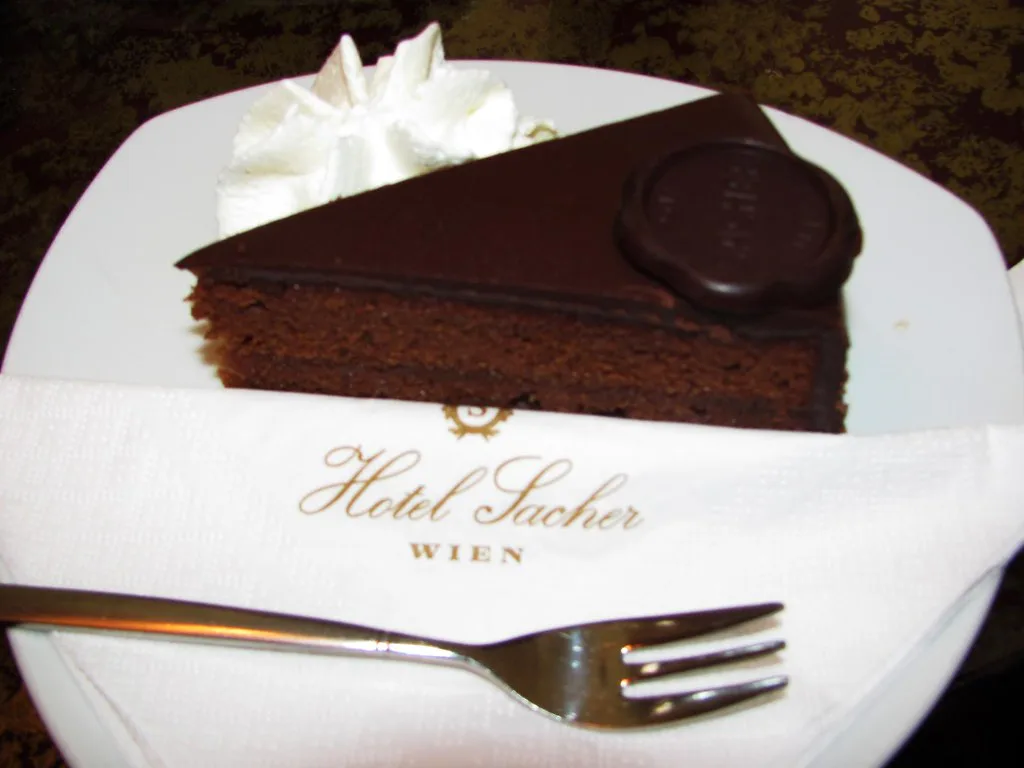
Austria's best-known cakes each have a signature. Sachertorte is a chocolate cake with a thin layer of apricot jam under a chocolate glaze, where the jam is a seam rather than a filling; the Punschkrapfen turns jam, chocolate and rum into the body of the cake. A Linzer Torte is a spiced nut-and-jam tart with a lattice top, closer to a Linzer cookie scaled up than to anything soaked in rum.
Other café classics are lighter eating: Salzburger Nockerl is a baked soufflé-like dessert served in a mound, and Kaiserschmarrn is shredded pancake with fruit compote, both of which you eat with a spoon rather than a fork. A Mozartkugel is a chocolate confection, not a cake, and a slice of Apfelstrudel is pastry and fruit with no rum at all. The Punschkrapfen sits at the rich, boozy end of the range.
Common ordering mix-ups
The most common mistake is expecting a slice. A Punschkrapfen is a cube of set filling and sponge, so it comes whole on a small plate or in a paper bag, not cut from a cake. Ask for one by name and you will get a single piece.
The second is assuming the pink means strawberry or cherry. The color comes from the glaze, while the fruit inside is apricot or another jam. If you want a safer bet for a child or a non-drinker, choose something from the case without rum in the name.
Ordering your first Punschkrapfen
Treat the Punschkrapfen as a coffee-break purchase rather than a planned stop. Find a bakery counter or a coffee house pastry case, point at the pink cube, and eat it with a melange before it warms up in your hand. If you like it, compare another rum-soaked Austrian sweet from the same case.
Prices and daily availability vary by shop, so check the case and the shelf label when you order. That is also the moment to confirm what a particular piece contains if that matters to you.
Explore more Austria guides
Frequently Asked Questions
Is a Punschkrapfen alcoholic?
Yes. The standard filling is made with rum along with jam, sugar, orange juice and, in many versions, dark chocolate, so the alcohol is part of the recipe rather than a flavoring. If you avoid alcohol, choose a different pastry from the case and ask the staff before buying.
What does the pink glaze on a Punschkrapfen taste like?
The glaze is a sweet sugar coating, poured warm over the chilled cube. It reads as pure sweetness on the first bite, while the fruit, chocolate and rum come through underneath.
Sources
Notes for your next Austrian town break
Optional updates when we add or revise town guides.
You might also like
Continue reading
More guides you'll find useful