Salzburger Nockerl: Austria's Soufflé Dessert, Explained
Salzburger Nockerl is a warm, soufflé-like dessert from Salzburg built on whipped egg whites. Here is what it tastes like and how to order and eat it.
On this page
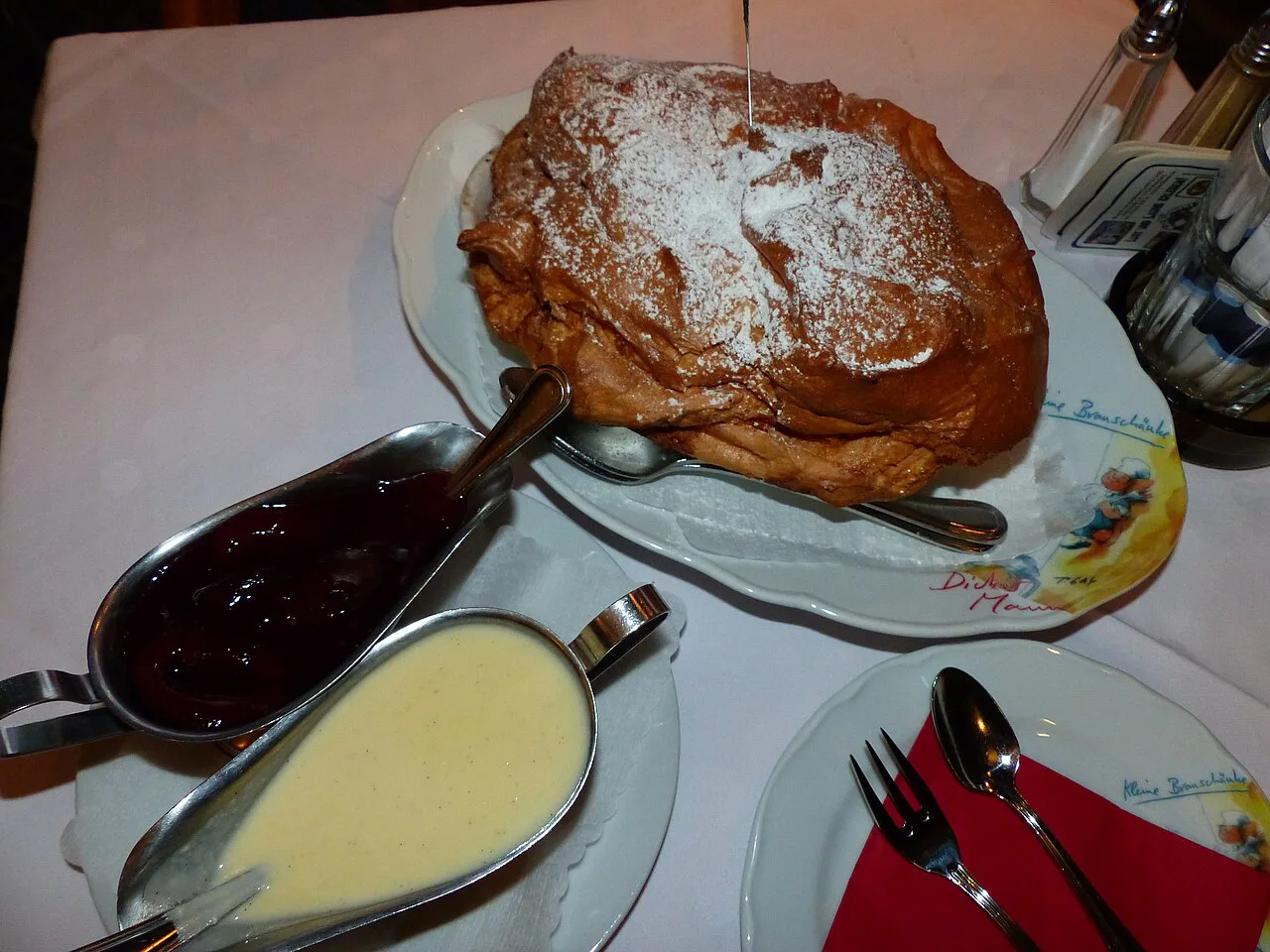
Salzburger Nockerl is a warm, airy dessert that behaves like a soufflé: mounded whipped egg white batter, dusted with icing sugar and brought to the table straight from the oven. It belongs to Salzburg by name and tradition, and it is ordered as a shared finish to a meal rather than a slice of cake with your coffee. This guide covers what goes into it, how it tastes, how to eat it without wasting the texture, and how to spot it on an Austrian menu.
The practical thing to understand before you order is that the dish is on a clock: it bakes briefly, it deflates as it cools, and the whole point is the few minutes between the oven and your spoon. It is one of the warm, spoonable classics in the wider world of Austrian Desserts, closer to Kaiserschmarrn than to a chilled torte.
What Salzburger Nockerl is
Salzburger Nockerl are fluffy dumplings that resemble a soufflé and are traditionally served as dessert in Salzburg, Austria.
The word Nockerl is the diminutive of Nocken, a generic Austrian term for a small dumpling, which is why the plural form covers the whole dish. The Salzburg version is sweet rather than savory, baked rather than boiled, and served hot instead of chilled, which puts it with warm desserts such as Kaiserschmarrn rather than with the cold tortes and strudels in the pastry case.
What it is made of
The ingredient list is short: egg whites, granulated sugar, vanilla sugar, egg yolks, a small amount of flour, butter for greasing the baking dish, and icing sugar for dusting at the end.
Is one order of Salzburger Nockerl enough for two people? The baked dish is built as a shared dessert rather than an individual serving, and a published batch makes four nockerl from one mix. Judge by the size of the dish on the menu and ask your server, because kitchens vary in how much they bring.
Does Salzburger Nockerl contain a lot of sugar? It is a sweet dessert, built on granulated sugar, vanilla sugar and a final dusting of icing sugar, and it is heavy on egg whites and yolks. A spoonful feels light because of the whipped whites, but anyone watching sugar or raw-egg content should plan on sharing and ask their server about the ingredients.
One published version uses seven egg whites, 100 g of granulated sugar, two egg yolks, 20 g of flour and a tablespoon of vanilla sugar, plus butter and icing sugar to finish.
What matters for the eater is the balance: the egg whites supply the volume, the yolks and vanilla sugar supply richness and aroma, and the flour is deliberately minimal so the structure stays light. There is no cream, no buttercream and no fruit inside the mounds themselves.
What it tastes like and how it feels
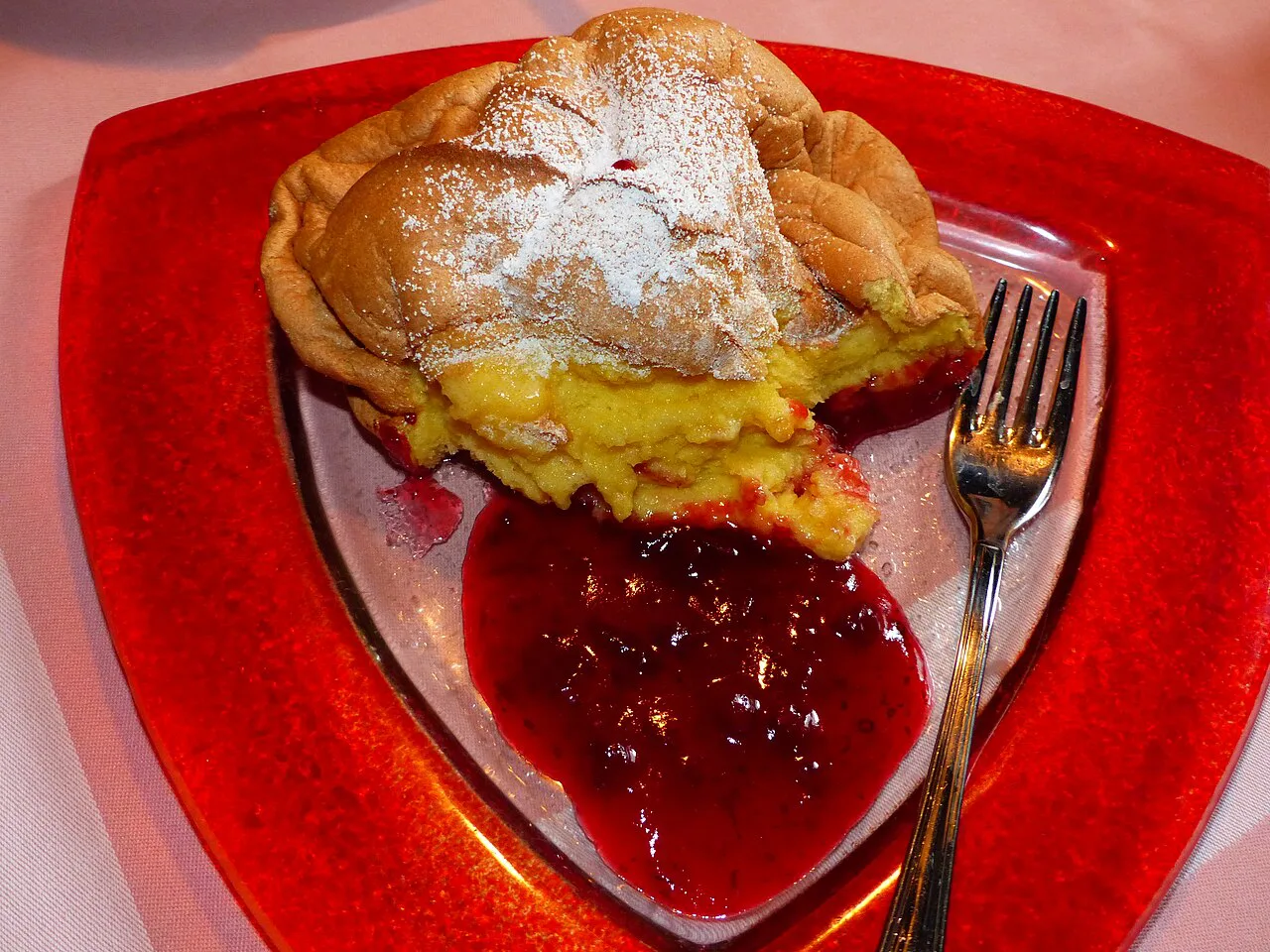
Expect something close to a sweet, warm meringue with a soft, slightly custardy interior: sugary on the surface, airy through the middle, and fragrant with vanilla. The flavor is simple and dairy-sweet rather than complex, so the icing sugar dusting and the heat do most of the work.
Texture is where the dish divides people. It is light enough to feel insubstantial on the first spoon and rich enough by the third that sharing makes sense, and the outside firms while the inside stays loose. If you like soufflés and meringues, it lands where you want it; if you prefer dense desserts, it will read as sweet air.
Why it comes in several mounds
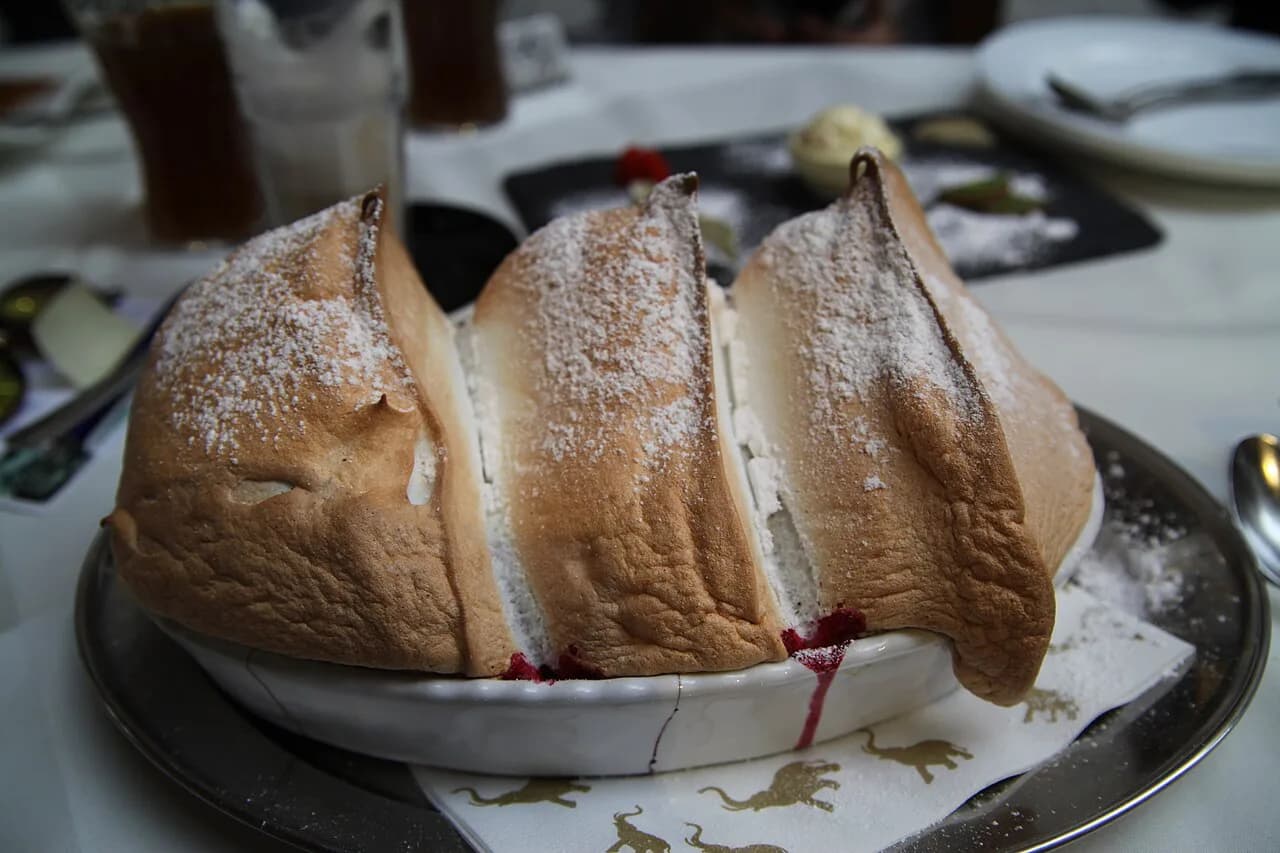
The batter is shaped into pyramid-like mounds placed side by side in an oval, buttered, ovenproof dish, and one published batch makes four nockerl.
The batter is shaped into pyramid-like mounds placed side by side in an oval, buttered, ovenproof dish, and one published batch makes four nockerl. The mounded presentation is what gives the dessert its shape and its loose, peaked structure, and it is why the dessert is served in a dish to be shared rather than plated as a slice.
How it reaches the table
Nockerl are baked at 220°C / 428°F for 8-10 minutes until golden brown, then dusted with icing sugar and served quickly so that they do not collapse.
That sequence explains what you see in a restaurant: the dish usually arrives with the dusting already applied and the server moves fast. If your dessert sits waiting while someone finishes a main course, the texture is already going.
How to eat it: spoon from the dish and share
Spoon directly from the baking dish, working from the outside in, and take the first bite as soon as it lands. There is no need to transfer the whole thing: lifting the mounds breaks them, and cutting them neatly with a knife compresses the structure you came for.
Because the dessert deflates, it does not wait politely while coffee is ordered or while one person finishes a second glass of wine. Order it when you plan to stop eating everything else, and share one dish between two rather than ordering one each at the end of a heavy Austrian meal.
On a menu, look for the Austro-Bavarian dialect name Soizbuaga Noggal as well as the standard Salzburger Nockerl, since the dish is known by both. Recognizing the dialect form helps where the name is written casually or abbreviated.
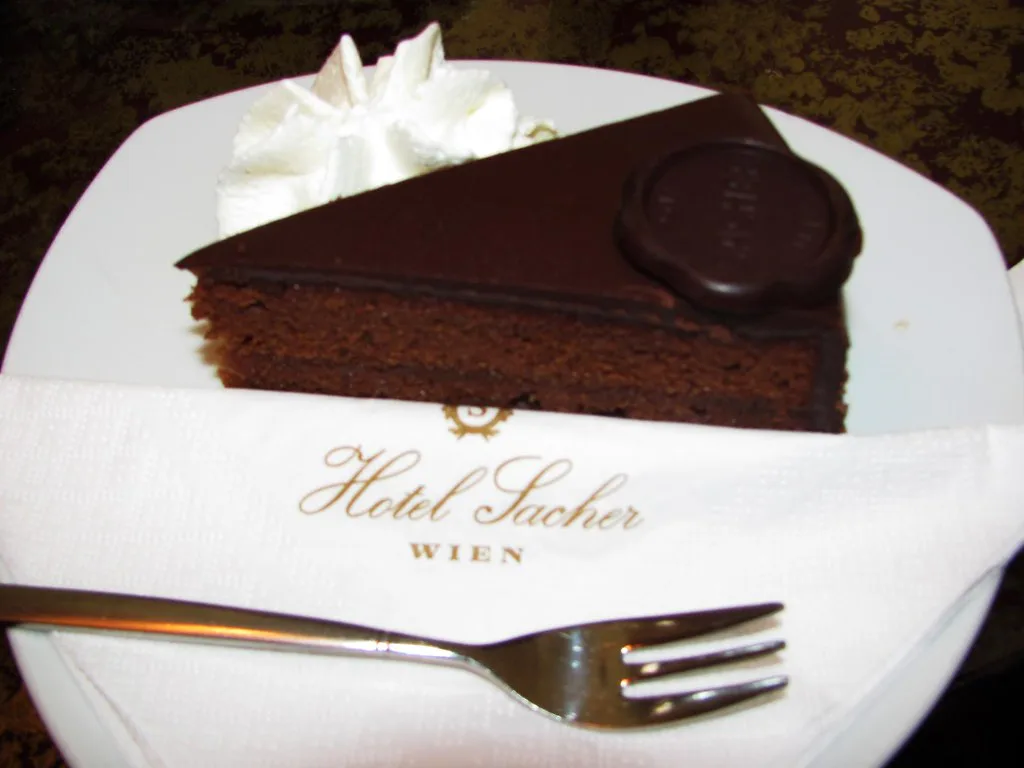
If the table is already deep into schnitzel and dumplings, a shared Nockerl is the lighter finish than a slice of Sachertorte, which is dense by comparison. It is the warm, spoonable counterpoint to the cold cakes and strudels on the same menu.
How hard it is to make at home
The method is short but unforgiving: whip the egg whites with a pinch of salt, add granulated sugar gradually until thick and creamy, then add vanilla sugar and egg yolks. Fold in the flour only three or four times with a whisk, because the mass must not become homogeneous, then shape pyramids in a buttered oval dish and bake.
The fold is the step home cooks get wrong. Overmixing turns a light foam into a dense batter that will not rise into mounds, and the second trap is the wait: an eight-to-ten-minute bake followed by a photo session produces a collapsed dessert. Have plates and eaters ready before the oven timer goes off.
Equipment is minimal: a hand mixer, a whisk, an oval ovenproof dish and an oven that holds its heat. An oven that runs cool stretches the bake past ten minutes, and the longer it bakes, the more the outside sets while the inside dries.
Where travelers in Austria encounter it
Nockerl shows up as a dessert on menus in Salzburg and beyond, most typically in restaurants serving traditional Austrian cooking. Salzburg is the dish's home, so it is the natural place to order it, but the dessert appears in traditional kitchens elsewhere in the country too.
Look for it among the warm desserts printed at the end of the menu, often under a heading for sweet dishes or Nachspeisen, rather than in the pastry display at the front. The sit-down meal, rather than the afternoon cake-and-coffee stop, is usually the better route to a freshly baked Nockerl.
Because kitchens differ in how they prepare and time the dish, ask your server when it will be ready and whether it is baked to order. That question is the most reliable guide to getting a freshly baked portion.
Portion size, price and what to ask
The recipe is written in servings rather than individual portions: one published batch yields four servings and makes four nockerl, which points to a shared, family-style bake rather than an individual plate.
The euro figure and the size of the dish are set by each kitchen and change with place and season, so read the price on the menu before ordering. Ask whether the portion is intended to share, since a dish designed for two ordered by four leaves everyone scraping the sides.
Ask the server when the Nockerl goes into the oven. A kitchen that bakes it to order will want your dessert request early, timed with the end of your main course, and that one question does more for the result than the choice of restaurant.
Order it early and eat it fast
Salzburger Nockerl is a short-lived dessert: whipped egg white foam, a little sugar and yolk, a brief bake and a dusting of icing sugar before it collapses. In Salzburg and anywhere else in Austria that serves traditional cooking, share one order, ask for it to be timed with the end of the meal, and start eating as soon as it arrives.
Among Austrian sweets it is the warm, airy end of the list, closer to Kaiserschmarrn and other spoon desserts than to a slice from the pastry counter.
Explore more Austria guides
Frequently Asked Questions
Is one order of Salzburger Nockerl enough for two people?
The baked dish is built as a shared dessert rather than an individual serving, and a published batch makes four nockerl from one mix. Judge by the size of the dish on the menu and ask your server, because kitchens vary in how much they bring.
Does Salzburger Nockerl contain a lot of sugar?
It is a sweet dessert, built on granulated sugar, vanilla sugar and a final dusting of icing sugar, and it is heavy on egg whites and yolks. A spoonful feels light because of the whipped whites, but anyone watching sugar or raw-egg content should plan on sharing and ask their server about the ingredients.
Sources
Notes for your next Austrian town break
Optional updates when we add or revise town guides.
You might also like
Continue reading
More guides you'll find useful