Museums in Innsbruck: What Each One Holds and How Long to Allow
A practical guide to museums in Innsbruck: what the Tyrolean Folk Art Museum and the City Museum hold, and how to fit them into a day in the old town.
On this page
Start with two museums: the Tyrolean Folk Art Museum next to the Hofkirche and the Stadtmuseum in the old town. Between them you get the objects of everyday Tyrolean life and the story of the city itself, and both sit inside the compact center that holds most of the things to do in Innsbruck on a short trip. This guide covers what each building holds, how much time to give it, and how to order a museum day on foot.
The two collections are different in kind. The folk art museum is a cabinet of carved parlors, costumes and cribs; the city museum is an exhibition program about Innsbruck's own past. Plan one as a collection visit and the other as a reading visit, and you will know within a few minutes of arriving whether the day is running long.
What Innsbruck's museums cover, and how to choose between them
If you have time for one museum, take the Tyrolean Folk Art Museum. It is described as one of the finest collections of its kind in Europe, and its displays of crafts, masks and costume give you the material culture of the whole Tyrol region in a single building. Choose the Stadtmuseum instead if you want the narrative of the city rather than the objects of its hinterland.
The Stadtmuseum runs special exhibitions on different aspects of Innsbruck's history, and its exhibit texts are in German and English. That bilingual labeling is the practical reason to put it on an English-speaking itinerary: you can read the displays rather than guess at them. The folk art museum's draw is its objects, so language matters less there.
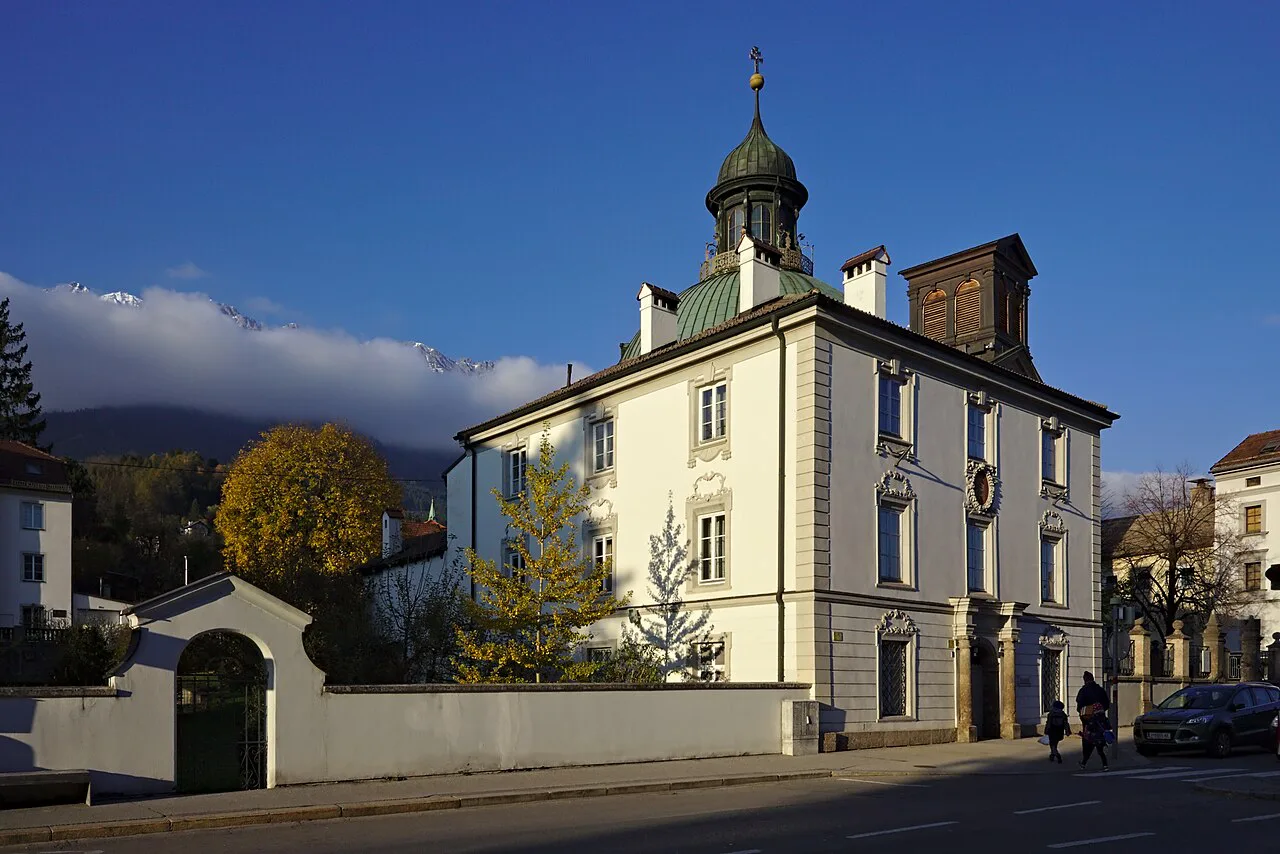
Tyrolean Folk Art Museum: location next to the Hofkirche
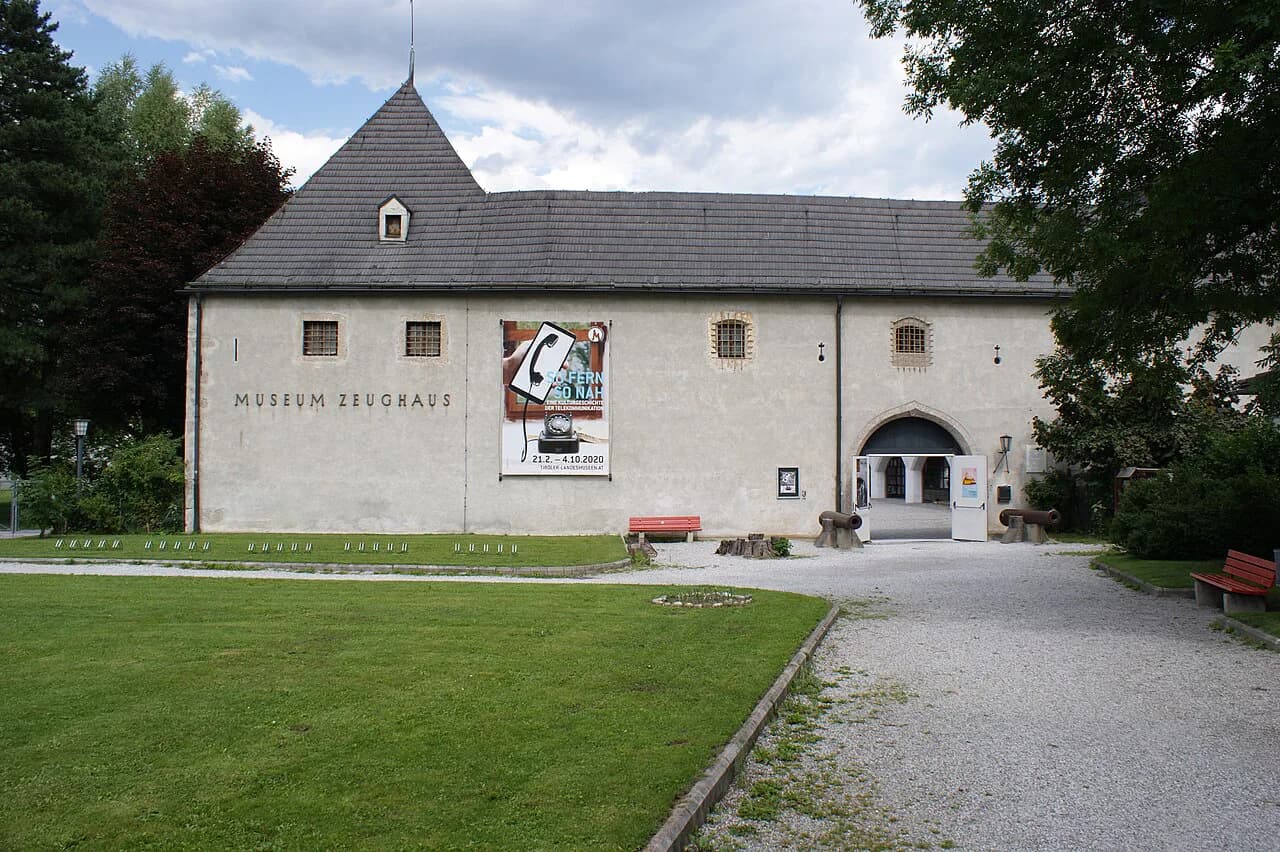
The museum, Tiroler Volkskunstmuseum in German, stands on Universitätsstrasse 2, directly beside the Court Church, the Hofkirche. Its founding history is slow: the Tyrolean Trade Association decided in 1888 to create a crafts museum in Innsbruck to inspire local craftsmanship, the collection passed to the Chamber of Commerce and later to the State of Tyrol, and the museum opened in 1929. The original collection covered historic Tyrol, including what is now Trentino and the Ladin valleys of the Dolomites.
The address puts it a few steps from the Hofkirche and the pedestrian core, which makes it the natural first stop of a museum morning. Pair it with the church next door rather than treating it as a separate excursion across town. The contact address published for the museum is volkskunstmuseum@tiroler-landesmuseen.at and the phone number is +43 512 59489-510.
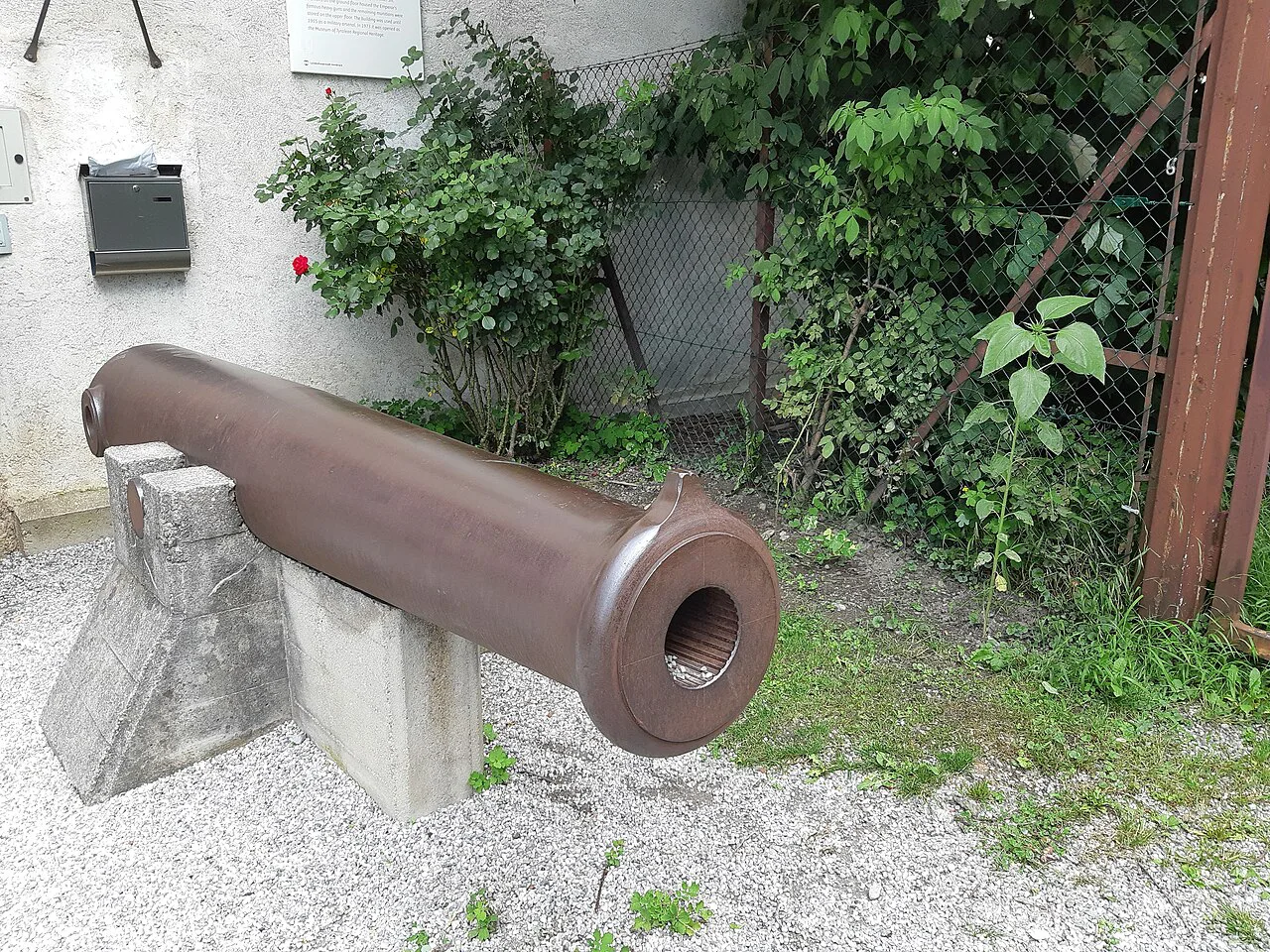
Inside the collection: dress, masks, crafts and cribs
The rooms are organized by theme rather than by century. One section, "The Full Year," looks at lavish feasts and celebrations, while a companion section called "Precarious Life" sets those festivities against the worries and fears of ordinary people. Elsewhere the displays cover the emotional weight of traditional Tyrolean costume, magical objects and religious ritual, masks, and elaborate craftwork.
Two areas decide whether the museum suits you. The history of the Christmas crib since the 18th century is a draw for anyone interested in woodcarving and nativity scenes, and the historic wood-paneled parlors, the Stuben, show how a Tyrolean living room was furnished and heated. You can sit on centuries-old chairs in the Stuben, which makes this the rare museum where resting is part of the exhibit.
Special exhibitions run through the year, so the permanent rooms are the fixed part of a visit and the temporary galleries are the variable one. Ask at the desk which special exhibition is on before you commit your time. If you want the architecture and church art around the museum in more depth, the churches of the old town fill out the same morning.
The Stadtmuseum: city history in German and English
The Stadtmuseum is the place to sort out how Innsbruck became a city. Its program of special exhibitions takes particular aspects of local history and builds an exhibition around them, and the texts are bilingual, so an English-speaking visitor can follow the argument without a guidebook. Read the labels here; skim them at the folk art museum.
Because the displays change, the museum rewards a check of what is currently showing before you build a day around it. Its value is in the rotation rather than a fixed treasure. Treat it as the flexible half of the museum day and the folk art collection as the fixed half.
For the bigger arc behind those exhibitions, the Habsburg residence and the city's medieval and imperial phases are covered in more detail elsewhere. Maximilian I and the counts of Tyrol explain why the old town looks the way it does, and that background makes the Stadtmuseum's special exhibitions easier to read.
Palaces, castles and monuments around a museum day
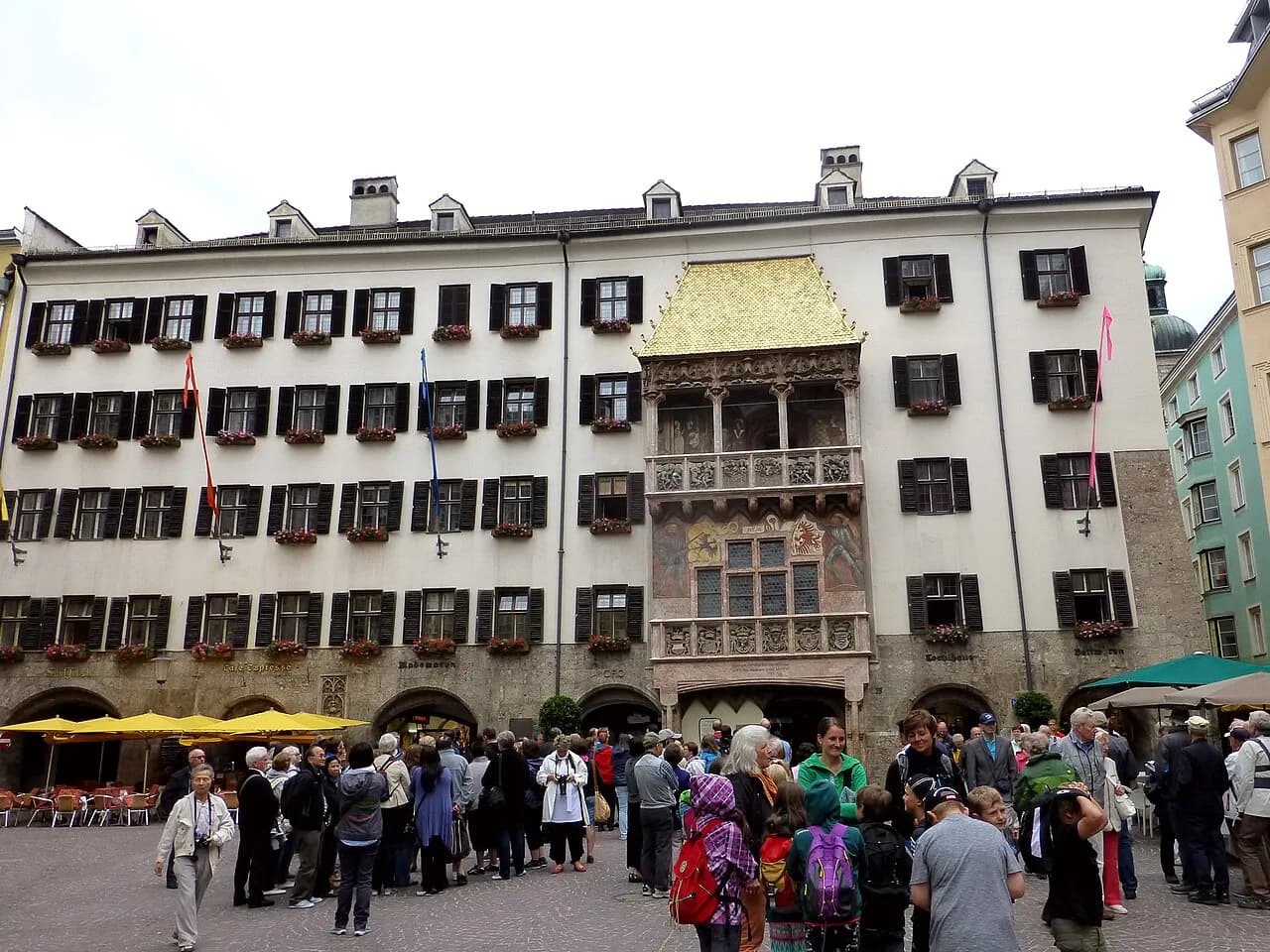
Innsbruck's best-known monument, the Goldenes Dachl, is a loggia clad in gilded copper tiles and stands in the old town, close enough to fold into a museum morning. The Hofburg, the former residence of the counts of Tyrol later rebuilt as a palace, and Ambras Castle, with its armor collection and portrait gallery, sit on the same short list of sights.
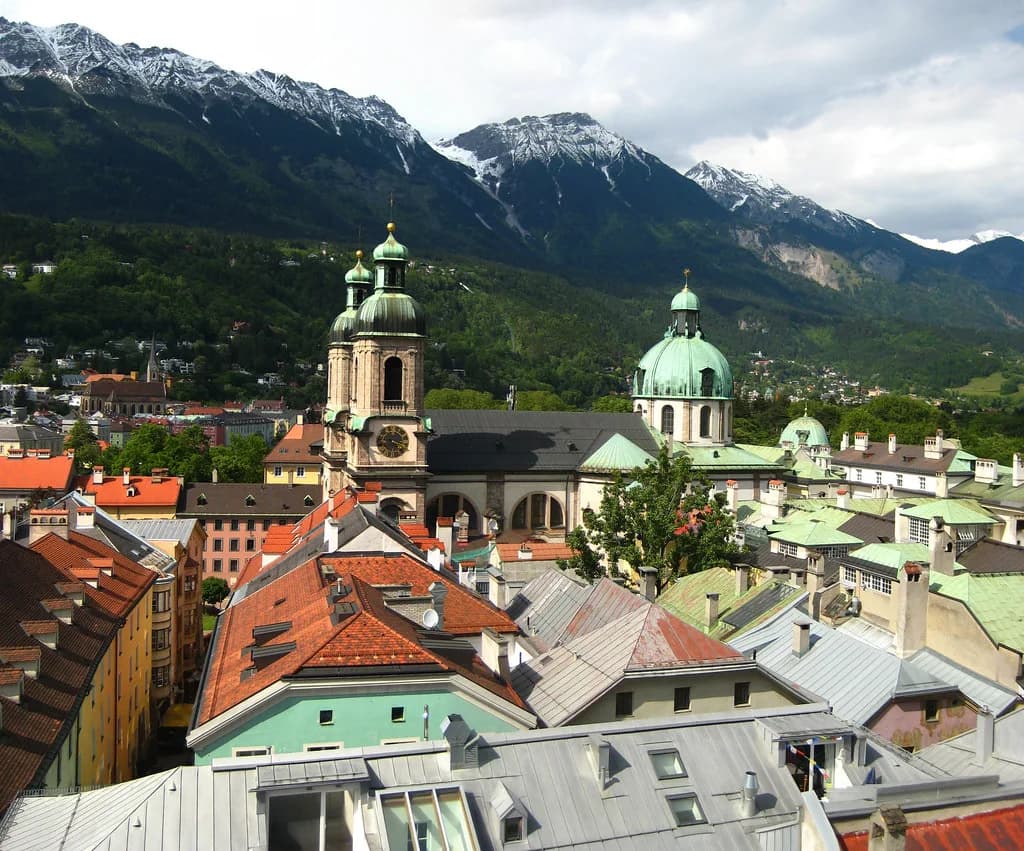
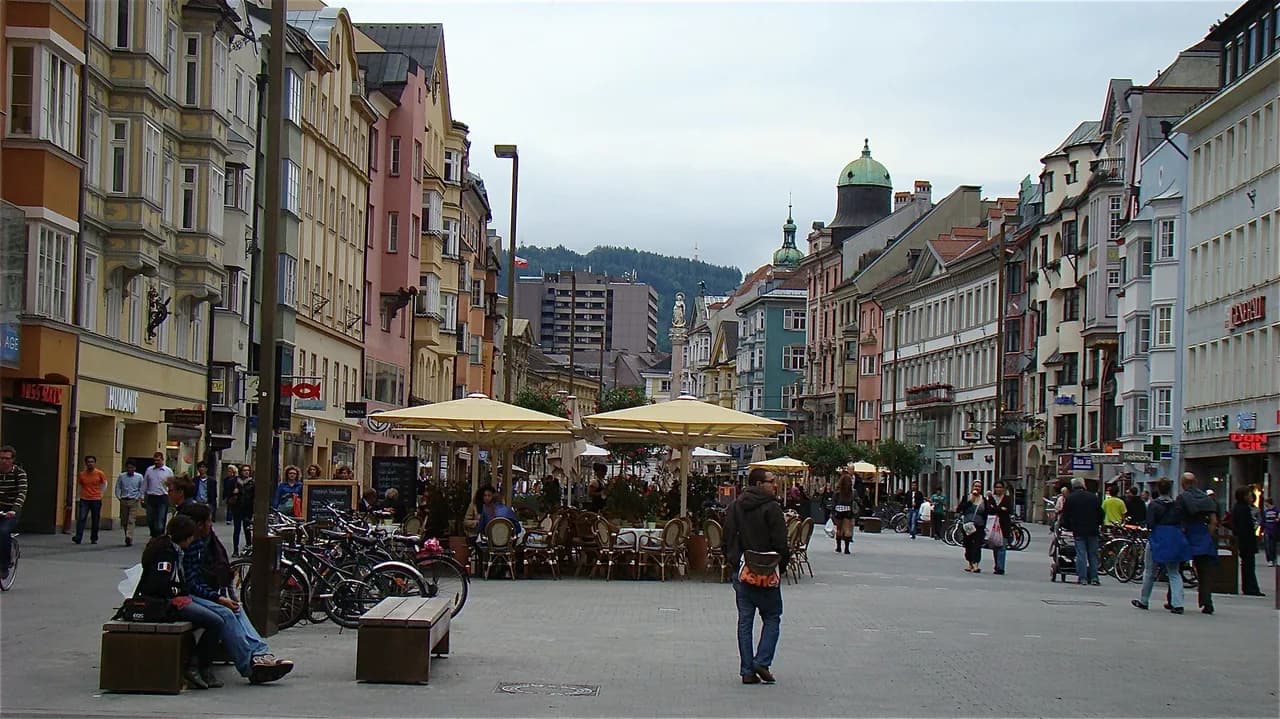
The layout is what matters for planning: the folk art museum, the Hofkirche, the Goldenes Dachl and the Stadtmuseum all sit within the walkable Altstadt von Innsbruck. Add one palace or castle as an afternoon block rather than a third museum, and the day stays comfortable.
If the weather turns, the museums absorb a wet morning without any transport planning. If it holds, the outdoor squares and the river walk are free, and a museum plus a walk beats three interiors in a row.
How long to allow and how to order the day on foot
Give the folk art museum the larger share of your time: the themed sections, the cribs and the Stuben are the kind of collection that rewards slow looking rather than a quick pass. The Stadtmuseum is the shorter stop, because a special exhibition has a defined scope. A museum morning plus a palace or castle afternoon is a realistic shape for one day.
Order the walk this way: start at the Hofkirche and the folk art museum on Universitätsstrasse, move into the Altstadt for the Goldenes Dachl, and finish at the Stadtmuseum. Everything is on foot and the sequence keeps you moving in one direction rather than backtracking.
If your day is tight, the outline of a single-day Innsbruck itinerary shows where the museum blocks sit against meals and the river. Book the museum hours around lunch rather than the reverse, since the old town restaurants fill at midday.
Practical notes before you go
The museum publishes its address and contact details for visitors: Universitätsstrasse 2, 6020 Innsbruck, volkskunstmuseum@tiroler-landesmuseen.at, +43 512 59489-510. Check the museum's own page for current opening hours and admission before you travel, and check the Stadtmuseum's current exhibition at the same time. Those two checks are the ones that matter for timing a visit.
Which museum gets your morning?
Give the morning to the Tyrolean Folk Art Museum and put the Stadtmuseum after lunch. The first carries the objects, the second carries the story, and together they cover Innsbruck's cultural ground without a single bus ride.
If you only have an afternoon, take the folk art museum alone and walk the Altstadt afterward, ending at the Goldenes Dachl. The wider list of Innsbruck Attractions: 17 Visitor Guides is the place to slot in a palace, a castle or a second museum.
Explore more Innsbruck guides
- Best Restaurants in Innsbruck for Austrian Food and Old Town Terraces
- Hall in Tirol
- Igls: What to See in Innsbruck's Village Above the Valley
- Innsbruck in Summer
- Innsbruck Map
- Innsbruck Parks
- Patscherkofel
- Seefeld in Tirol
- The Innsbruck Card
- Innsbruck Cafes
- Innsbruck Tours
- Innsbruck Viewpoints
- Innsbruck Walking Tour
Frequently Asked Questions
Do Innsbruck museums have English labels?
The Stadtmuseum's exhibit texts are in German and English, so its displays can be read directly. The Tyrolean Folk Art Museum is chiefly object-based — costumes, masks, cribs and paneled parlors — which reads visually, so language matters less there.
Is the Golden Roof in Innsbruck real gold?
The Goldenes Dachl is a loggia clad in gilded copper tiles, so the shine comes from gilding rather than solid gold. It stands in the old town and fits easily into a museum morning between the Hofkirche and the Stadtmuseum.
Sources
Notes for your next Austrian town break
Optional updates when we add or revise town guides.
You might also like
Continue reading
More guides you'll find useful