Innsbruck Card: What It Covers and When It Pays Off
The Innsbruck Card bundles museums, mountain lifts and city transport into one pass. See what it covers and how to test it against your own day plan.
On this page
The Innsbruck Card makes sense when your plan stacks two or three full-price entries into one tight window, and it rarely pays off for a slow day of wandering the Altstadt. It is a bundled pass rather than a discount coupon: museums and sights, mountain lifts, city transport and the shuttle to Wattens come free, while a second tier of partners offers reductions only. This guide walks through what sits in each tier, how the 24, 48 and 72-hour windows work, and how to tally your own day.
What the Innsbruck Card is and who it suits
The card is a time-based pass sold in 24, 48 and 72-hour versions, and everything inside it is keyed to that clock rather than to calendar days. That structure rewards travelers who front-load sightseeing and punishes anyone who buys it on arrival day and then naps. It suits a short, dense city stay with one mountain excursion built in; it suits less well a trip centered on old town streets that cost nothing to walk.
The pass covers 19 museums and sights outright, among them the Tiroler Landesmuseen, the Tirol Panorama, the Stadtturm, the Volkskunstmuseum and the Bergisel ski jump, plus the Swarovski Kristallwelten in Wattens. For a first-time visitor who wants armor, coins, panorama paintings and crystal in a single sweep, that list does most of the work. If you are still assembling a shortlist, the broader set of things to do in Innsbruck is the place to start, then check each pick against the card's inclusions.
Museum-heavy days are where the card earns its keep, and the museums in Innsbruck cluster tightly enough that you can move between them on foot or by the included tram. The Hofburg is now part of an included Imperial city walk, which folds a palace visit into a guided format rather than a simple ticket. Check the departure time of that walk before you build your plan around it.
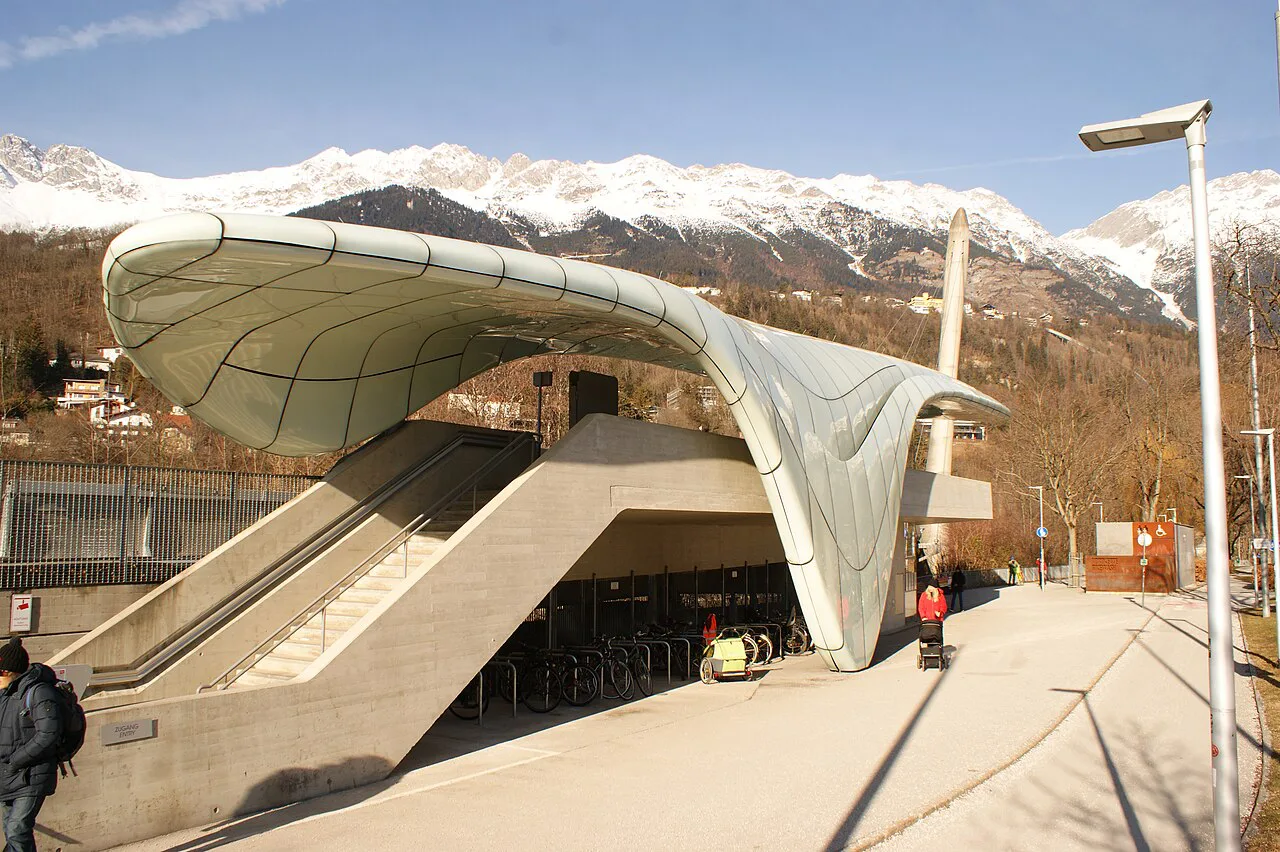
What the card includes: museums and sights
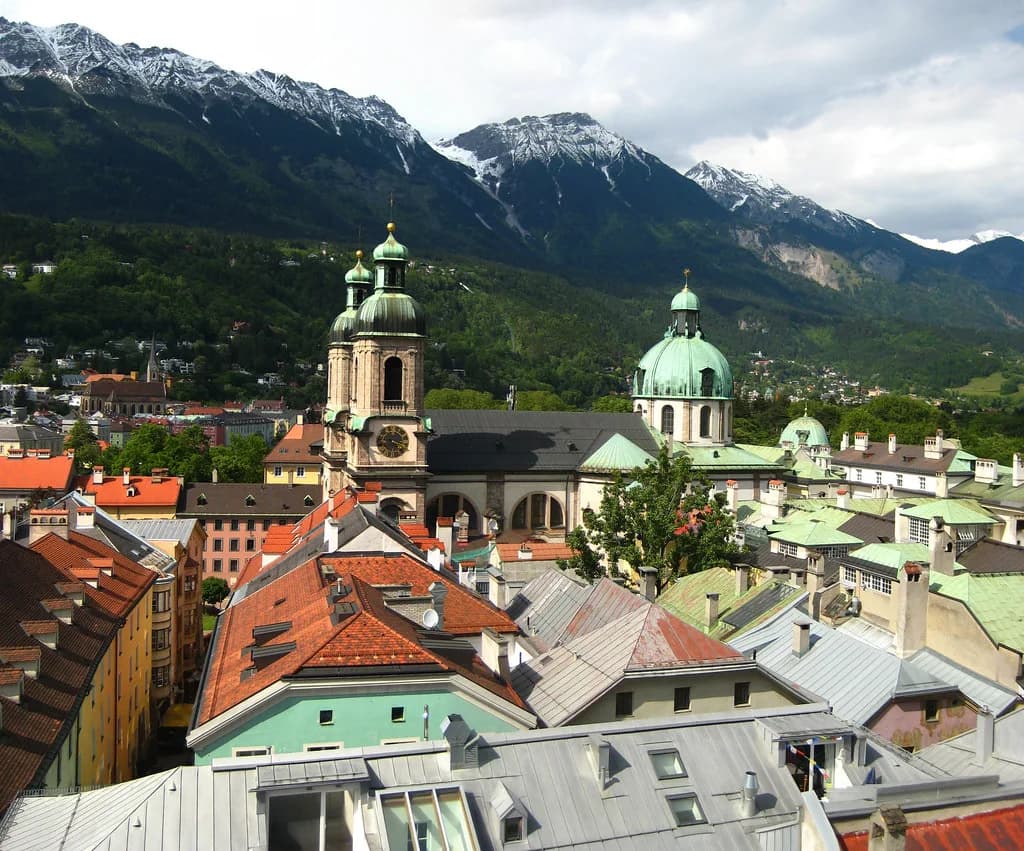
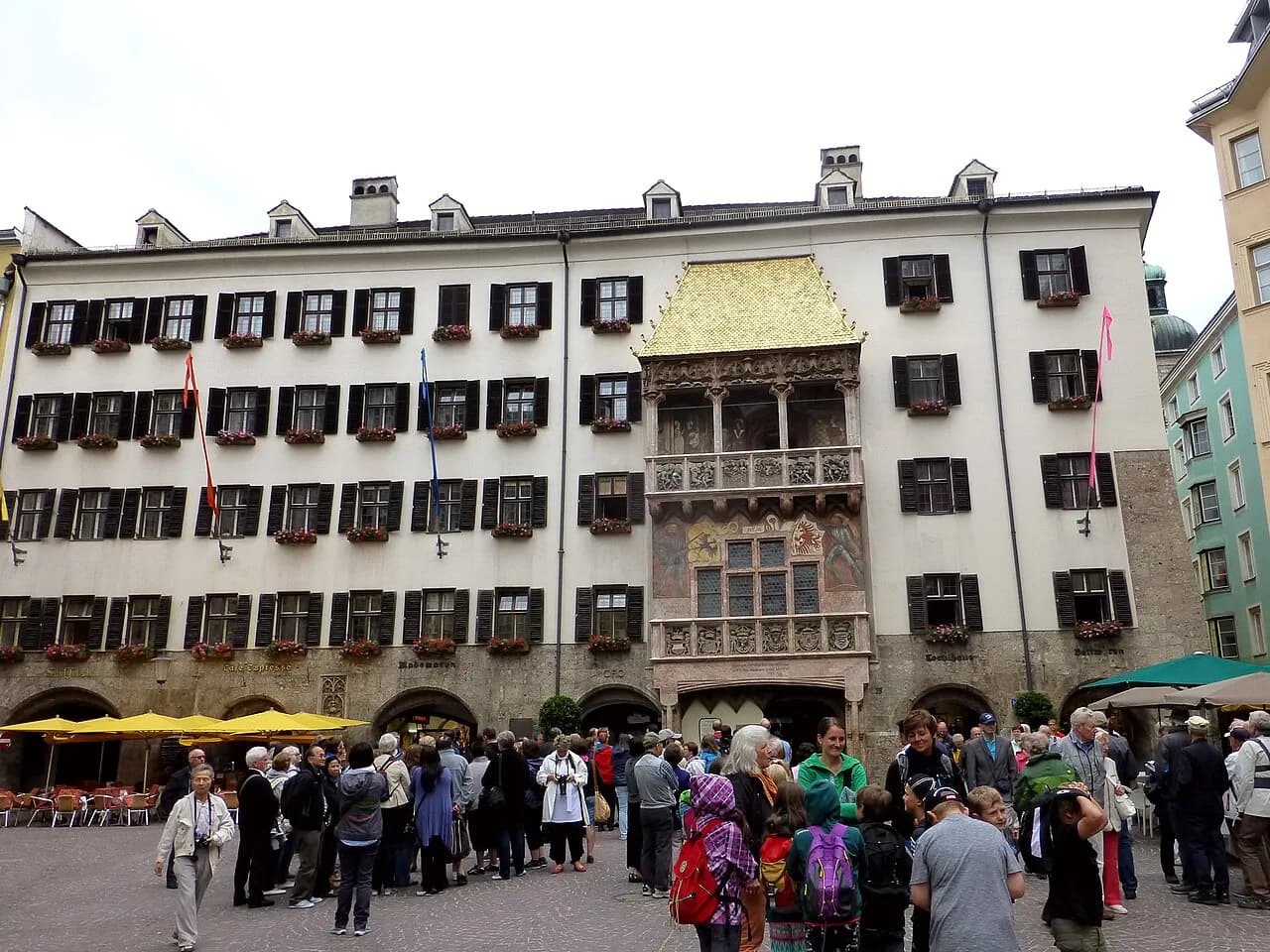
Full free entry covers the Tyrolean state museums, the Tirol Panorama with its giant circular battle painting, the Stadtturm tower on the main square, the Volkskunstmuseum, the Bergisel ski jump and the Swarovski Kristallwelten in Wattens. The Hofburg joins through the included Imperial city walk. The old town's own landmarks, including the Goldenes Dachl, work best as a walking anchor between paid stops rather than a reason to buy the card.
History travelers get real value here, since the state collections carry the Habsburg story and the Bergisel site frames the Tyrolean uprising. Pair the museum circuit with the Innsbruck history background so the armor and coins read as narrative rather than clutter. Three or more paid entries in a day is the threshold where the math starts to tilt.
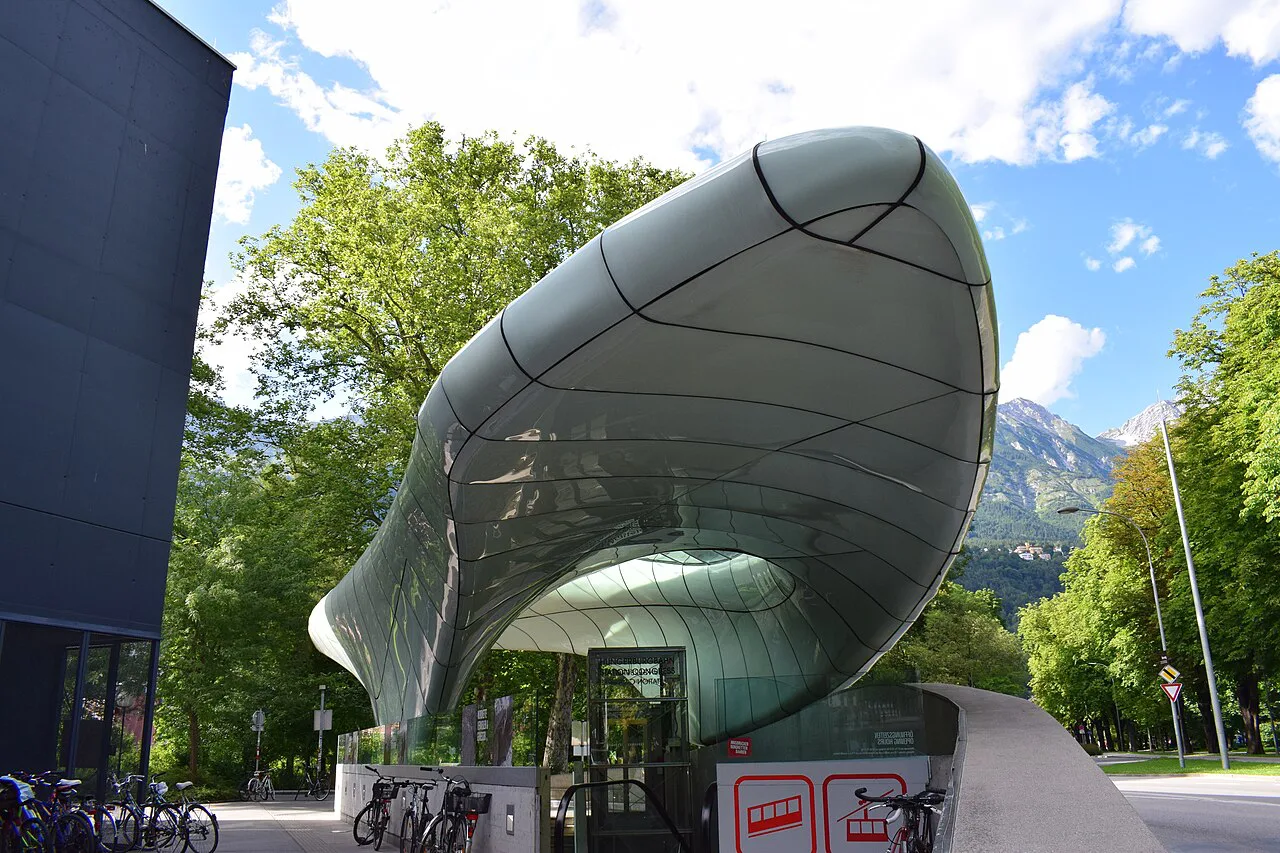
Mountain lifts and cable cars on the card
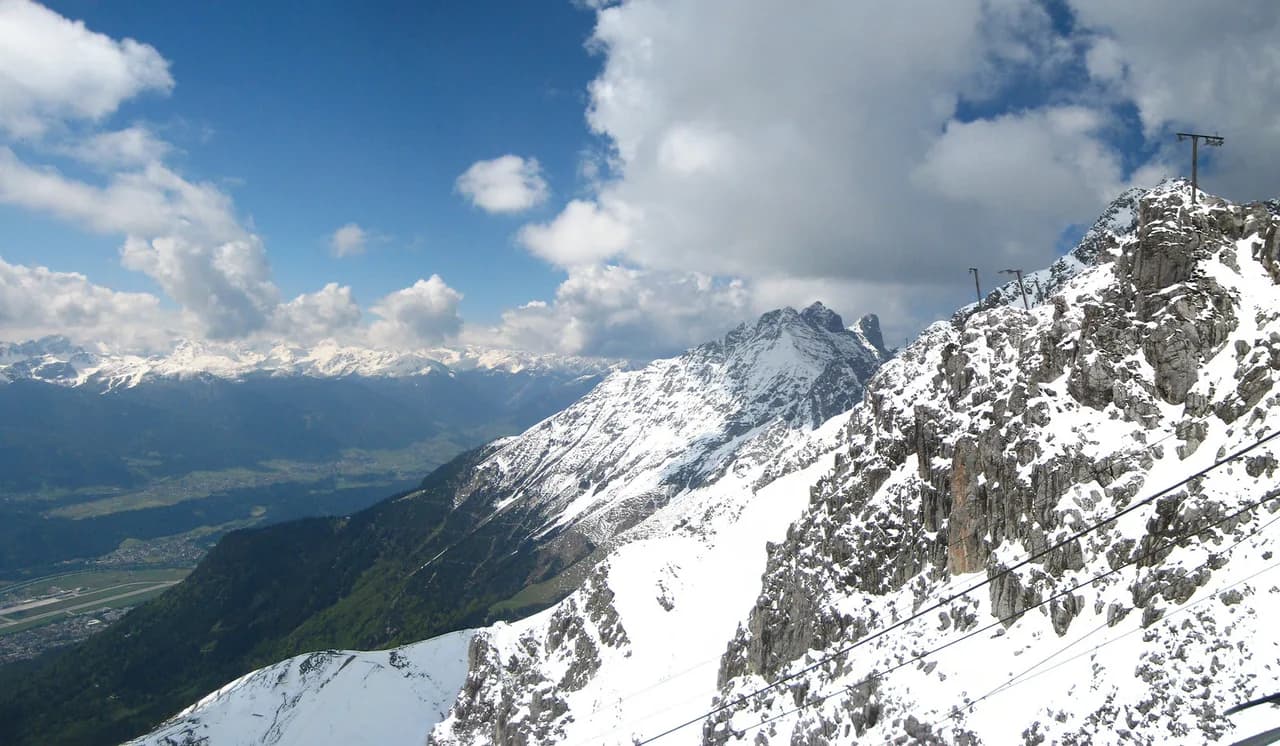
The pass includes one ascent and one descent on each of seven mountain lifts in the Innsbruck region, the single biggest line item for most buyers. Read it precisely: one round trip per lift, not unlimited riding, so a day shuttling between several lifts is not covered twice over. Choose the lift that matches your weather window rather than collecting them all.
Alpine lifts run on seasonal schedules and shut down in high wind or low cloud, so a summit day is never guaranteed. Build the lift into the middle of your validity window so a washed-out morning can be swapped for a museum.
The village lifts above the valley are the quieter alternative to the famous Nordkette run, and the tram-and-lift combination to Igls and Mutters sits inside the same transport allowance. Igls, Austria makes a sensible half-day: a gentle climb, a look back over the valley, and a return before afternoon crowds build.
Public transport, the Sightseer bus and the Kristallwelten shuttle
City transport in Innsbruck is included, along with the lines out to the medieval center of Hall in Tirol, and the Kristallshuttle to the Swarovski Kristallwelten in Wattens is free with the card. The Sightseer hop-on hop-off bus and the panoramic tram rides to Igls and Mutters are also inside. That combination means you can run a car-free day entirely on the pass, the strongest argument for it if you arrive by train.
Hall in Tirol is worth the short ride on its own: the old town is compact, and Burg Hasegg with the Münze Hall tells the story of the mint that gave the dollar its name. Riding out there on included transport turns a modest ticket into a full excursion.
Validity options and how the 24, 48 and 72-hour windows work
The card is sold in 24, 48 and 72-hour versions, and everything inside it is keyed to that clock rather than to calendar days. That structure rewards travelers who front-load sightseeing and penalizes anyone who buys it on arrival day and then naps; the Reise-Stories account of the relaunch does not spell out exactly when the clock starts, so check that at the point of sale. It suits a short, dense city stay with one mountain excursion built in; it suits less well a trip centered on old town streets that cost nothing to walk.
Rates and inclusions were revised when the card was relaunched in a new design, so older reporting is not a reliable guide to what you pay now. Check current validity lengths, inclusions and the partner list with Innsbruck Tourismus before you buy.
Price structure in EUR and the child discount
At the relaunch, adult rates were 39 EUR for 24 hours, 48 EUR for 48 hours and 55 EUR for 72 hours, with children aged 6 to 15 at half price. Treat those as launch-era pricing rather than today's rate, and confirm current numbers before you budget. The step from 24 to 72 hours was modest at launch, which is why the longer version often beats a single-day purchase on value.
A family of four doing two museums and one lift will usually find the math closer than a solo traveler will, because the child rate halves the marginal cost per head. Check the age rules and family terms directly with the seller before you rely on the tier.
How to run the math: a sample day that pays off and one that does not
Consider a 24-hour card activated at nine in the morning. You ride the Sightseer bus to orient yourself, visit the Tirol Panorama and the Bergisel jump, cross to the state museum and the Stadtturm, then take one mountain lift in the late afternoon. Four paid entries, a lift round trip and all transport in a single day clears the card's cost comfortably.
Now the version that does not. You arrive in the late afternoon, walk the Altstadt at dusk, eat dinner and visit one museum the next morning before a train. One ticket plus a tram ride rarely justifies a day pass, and the free things to do in Innsbruck, from the riverside to the old town's arcades, cover that kind of stay without paying admission.
Run the same test for the Swarovski Kristallwelten day: shuttle and admission are included, but the round trip to Wattens can consume half a day. Built into a 48-hour window alongside a city morning and one lift, the card works. Built into a 24-hour window, you will spend the pass on a bus.
Where to buy the card and how to activate it
The card is sold online and through Innsbruck Tourismus channels. Buy for the morning you actually start rather than the evening you arrive, so the pass is not running while you sleep.
The relaunch article does not describe a separate activation step, so ask at the point of sale how validity begins and how the card is presented on trams and buses, where inspectors expect to see it alongside your ID. Keep the confirmation email on your phone as a backup. Placeholder text for length only.
What the card does not cover and where discounts are partial
Several partners sit in a discount tier rather than the free list: the Gästebob at the ice channel in Igls, the Mountain Carts at Muttereralm, the Area 47 outdoor park, the bike taxi, city sightseeing tours, Schloss Tratzberg and selected shops and golf clubs. Those reductions are attractive but not free entry, and adding them to your tally inflates the card's apparent value. Count only full entries when you run the math.
Bathing at the Natterersee and three hours of city bike rental are included, along with ice skating at the Olympiaworld, though the lake swim is a summer proposition and the rink a winter one. Neither is likely to be the reason you buy the card, but both help when a day needs filling.
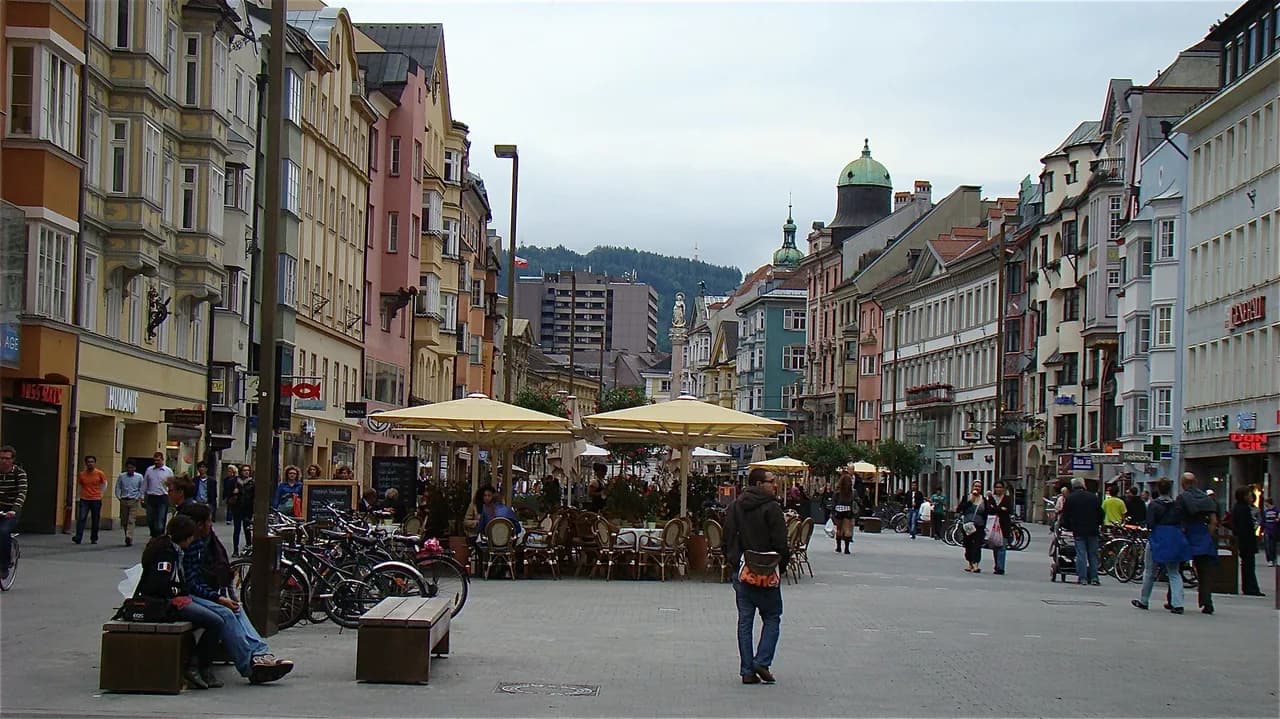
For a close look at the old town rather than the museum circuit, the Altstadt Innsbruck guide covers the streets the card never charges for. Churches in Innsbruck are largely free to enter and sit outside the pass's logic, so plan them as walking interludes between paid stops.
Innsbruck Card versus the Welcome Card: what actually differs
These are two separate products and they are not interchangeable. The Innsbruck Card is a paid sightseeing pass sold by the tourism board; the Welcome Card is a guest card issued through the accommodation sector, and its terms depend on where you stay rather than on what you buy. Confirm what your specific lodging hands you instead of assuming it matches the pass.
If your hotel gives you a guest card with transport or discounts, weigh that against the paid pass before buying both. Overlapping benefits are the most common way travelers waste money in Innsbruck, and the fix is a short comparison of what you already hold against what you plan to visit.
Should you buy the Innsbruck Card?
Buy it if you can put three or more paid sights, one mountain lift and your transport into a single morning-to-evening block. Skip it if your Innsbruck time is mostly old town wandering, a single museum and a slow meal, and put the money toward a good table at one of the best restaurants in Innsbruck instead.
Before you commit, confirm current rates and validity lengths with Innsbruck Tourismus, and buy for the morning you start rather than the evening you arrive. That sequence separates a pass that pays for itself from one that quietly expires over dinner.
Explore more Innsbruck guides
Frequently Asked Questions
Do I need to activate the Innsbruck Card on the day I buy it?
Check with the seller. The relaunch reporting describes 24, 48 and 72-hour versions but does not set out when the clock starts, so ask whether validity begins at purchase or at first use, and plan to start with a full day ahead of you.
Can I use the Innsbruck Card on the tram to Hall in Tirol?
The card includes free use of public transport in Innsbruck and on the lines out to the medieval town of Hall in Tirol, which makes a half-day excursion there cost no extra fare once you hold the card. The compact old town with Burg Hasegg is the core of that trip.
Sources
Notes for your next Austrian town break
Optional updates when we add or revise town guides.
You might also like
Continue reading
More guides you'll find useful