Seefeld in Tirol: What to See on Austria's Sunny Plateau
Seefeld in Tirol sits on a sunny plateau above Innsbruck. Here is what to see in the village, from the Seekirchl and St. Oswald to the Wildsee and Rosshütte.
On this page
Seefeld in Tirol is worth a stop for travelers who want an alpine village they can cover on foot: a compact center, two distinctive churches, a small lake at the edge of town and a cable car that climbs into the mountains above the plateau. The village sits on a sunny high plateau roughly 1,200 meters up and about 25 kilometers northwest of Innsbruck, so it works as a half-day or full-day break from the city rather than a base you need a car to enjoy.
This guide separates the sights inside the village — the pedestrian zone, the Seekirchl and the Pfarrkirche St. Oswald — from the Wildsee, the Rosshütte lifts and the Leutascher Geisterklamm outside it. It also explains how to weigh a short village visit against a longer one, and how Seefeld compares with Innsbruck if you are choosing where to spend a summer day.
Where Seefeld sits and how you reach it from Innsbruck
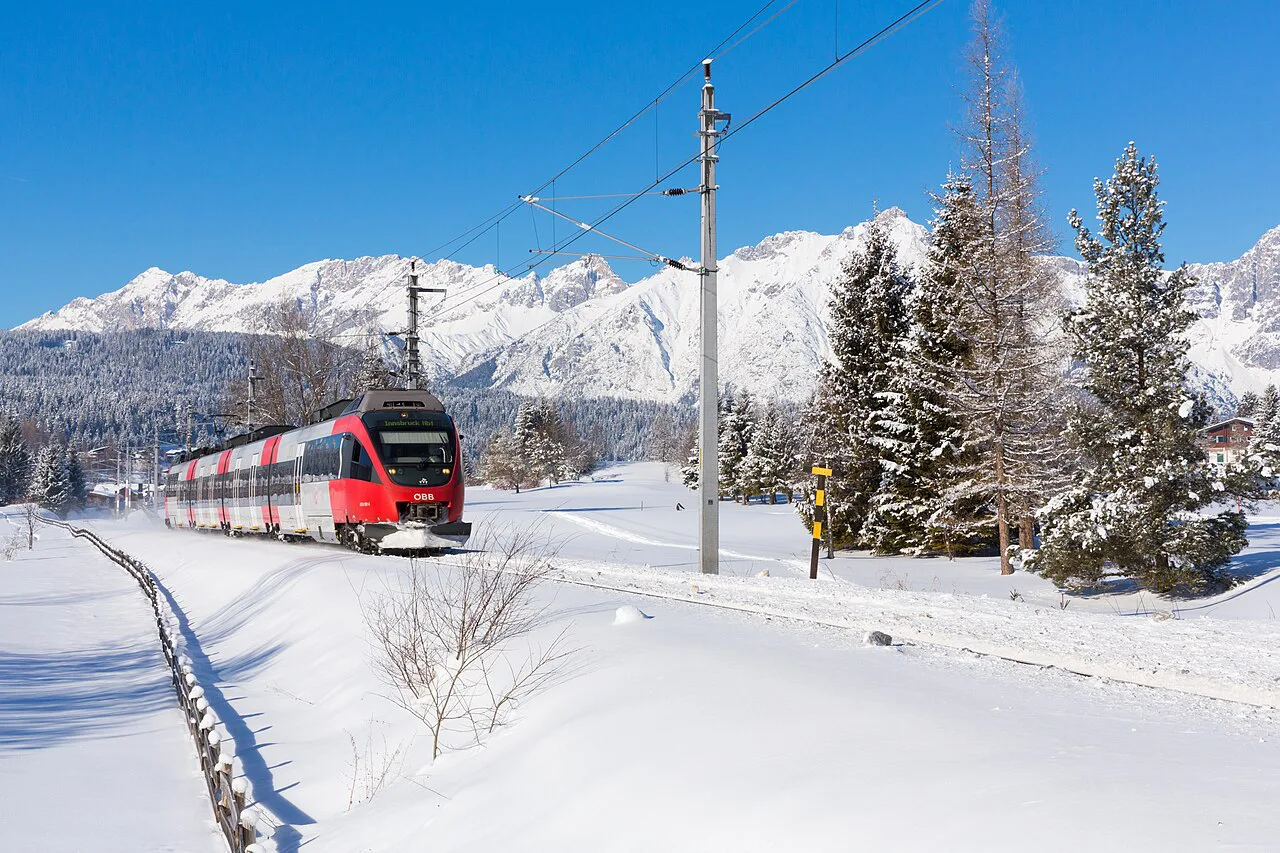
Seefeld lies on a sunny plateau in Tirol, about 25 kilometers northwest of Innsbruck, and the village is set up for travelers arriving without a car: the pedestrian zone is the natural starting point for any visit. The plateau sits at around 1,200 meters, and Seefeld draws roughly as many guests in summer as in winter, which shapes how busy the center feels on a fine day.
Confirm the current train and Postbus connections and departure times with ÖBB before you commit to a schedule; the plateau is served by rail, and the ride from Innsbruck is short enough to make a day trip practical. If you are building a wider Tirol itinerary, treat Seefeld as one stop and use the city as your base for the things to do in Innsbruck, then come up here for the village and the mountain air.
Once you arrive, the layout is simple: the center and its shops sit around the pedestrian zone, the churches are within easy walking distance, and the Wildsee is the closest green edge of town. Plan on walking, since the village sights are close together and the point of coming up is the pace, not a driving loop.
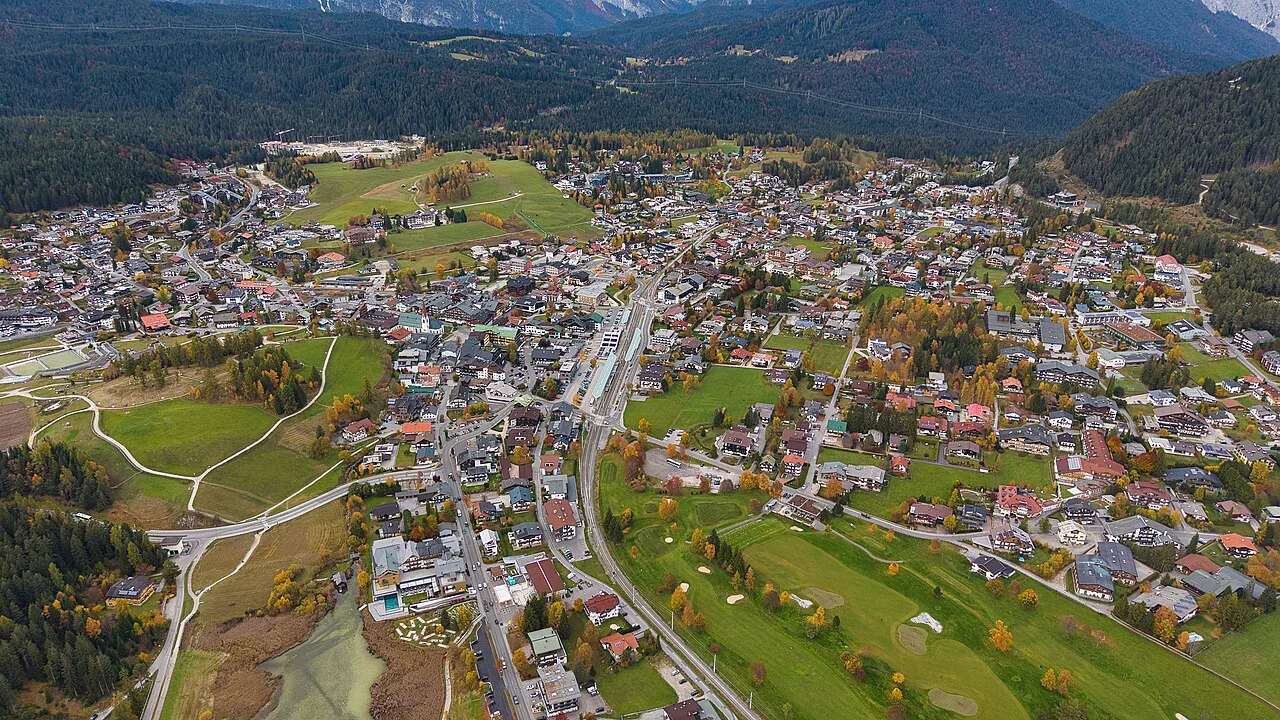
The village center: the pedestrian zone and what lines it
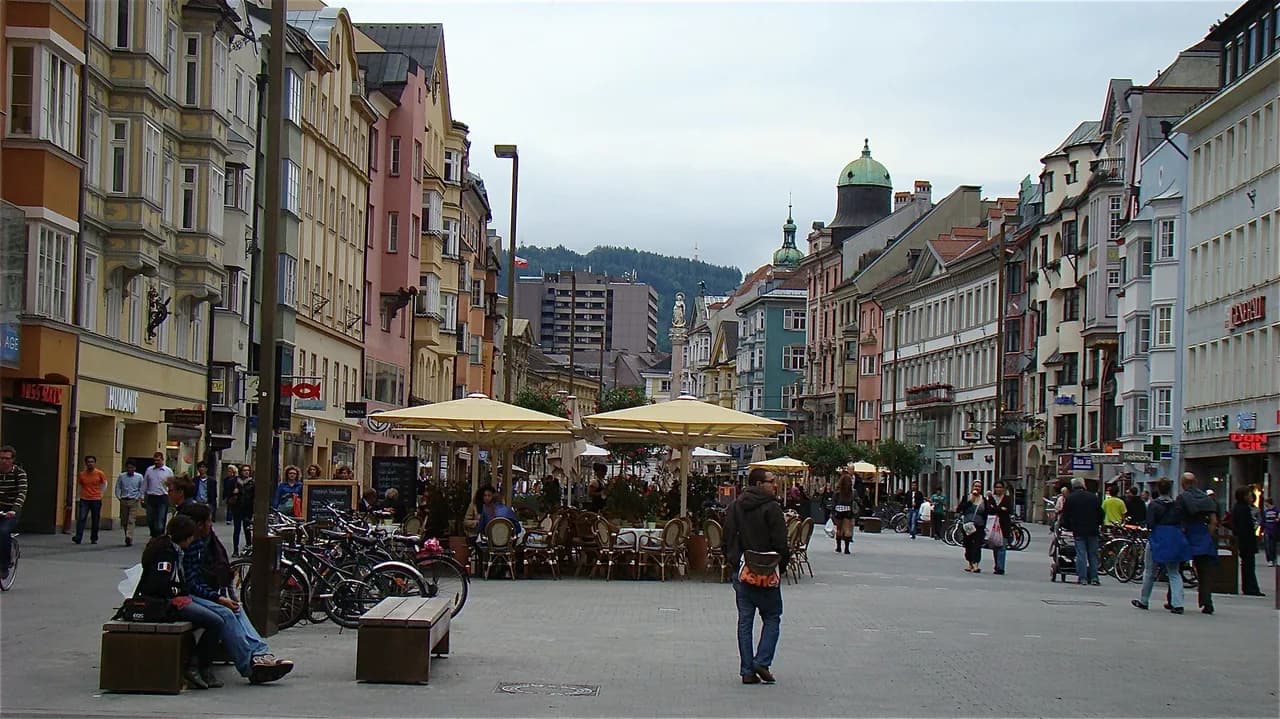
The Fußgängerzone is the spine of Seefeld, lined with boutiques, traditional shops, cafés and restaurants, and it is where a visit naturally begins. It is a strolling street rather than a single sight, so give it time on the way between the churches and the lake rather than treating it as a destination in itself.
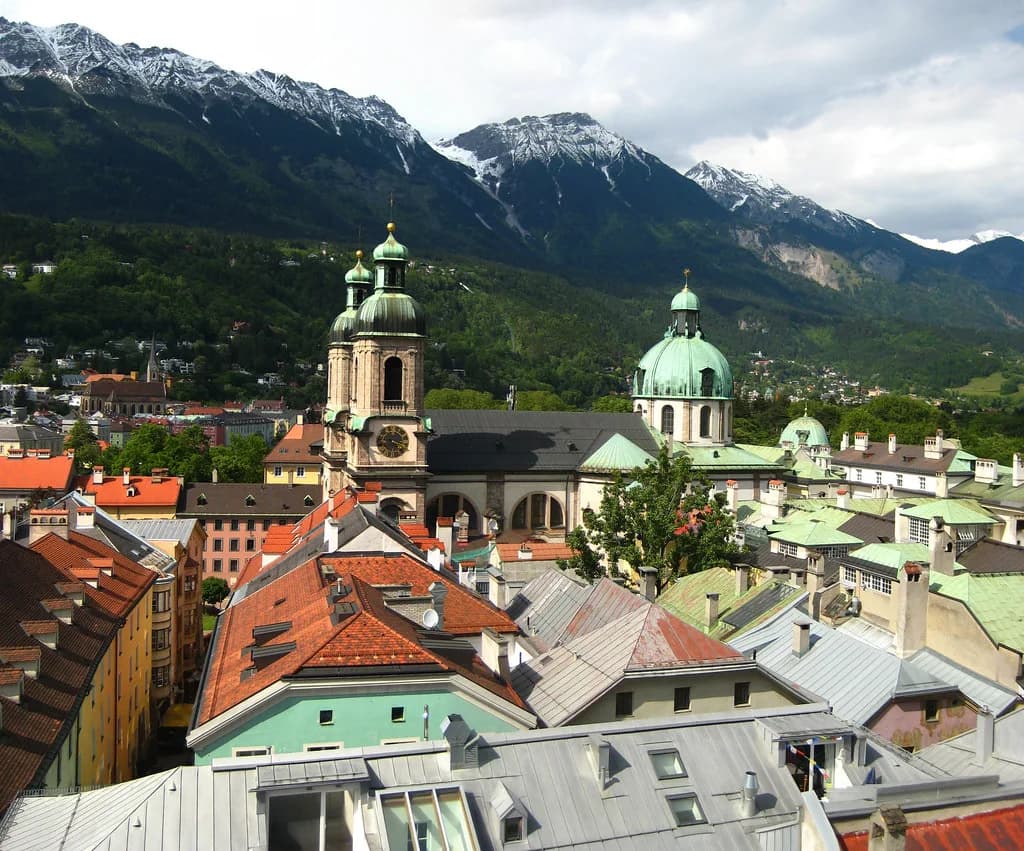
The atmosphere is polished and alpine, with mountain views closing off the ends of the street, and in summer the square and its cafés are the place to sit once you have finished walking. If you want an old-town fix with denser architecture and a proper cathedral square, save that for the Altstadt in Innsbruck, which is a different experience from this plateau village.
The Seekirchl: Seefeld's landmark church
The Seekirchl is Seefeld's landmark, a small chapel with a distinctive dome that stands apart from the busy center and is the image most associated with the village. It is the first thing to see if your time is short, because it is compact and quickly understood.
Pair it with the pedestrian zone and the parish church rather than making a separate trip; the three together are the cultural core of the village. If you are collecting baroque church interiors across the Tirol, the Innsbruck churches give you the larger-scale comparison in the city.
Pfarrkirche St. Oswald, the pilgrimage church
The Pfarrkirche St. Oswald is the village's pilgrimage church and the second anchor of a Seefeld visit, sitting close enough to the center that you can combine it with the Seekirchl in one walk. Its role as a pilgrimage site is what gives the village its religious weight, and it rewards a slower look than the chapel.
Together with the Seekirchl, St. Oswald explains why Seefeld is more than an outdoors base: the churches are the reason the village developed as a destination in the first place. Check the current opening arrangements at the church door or with the parish before you build a visit around going inside.
The Wildsee: the moor lake and its shoreline path
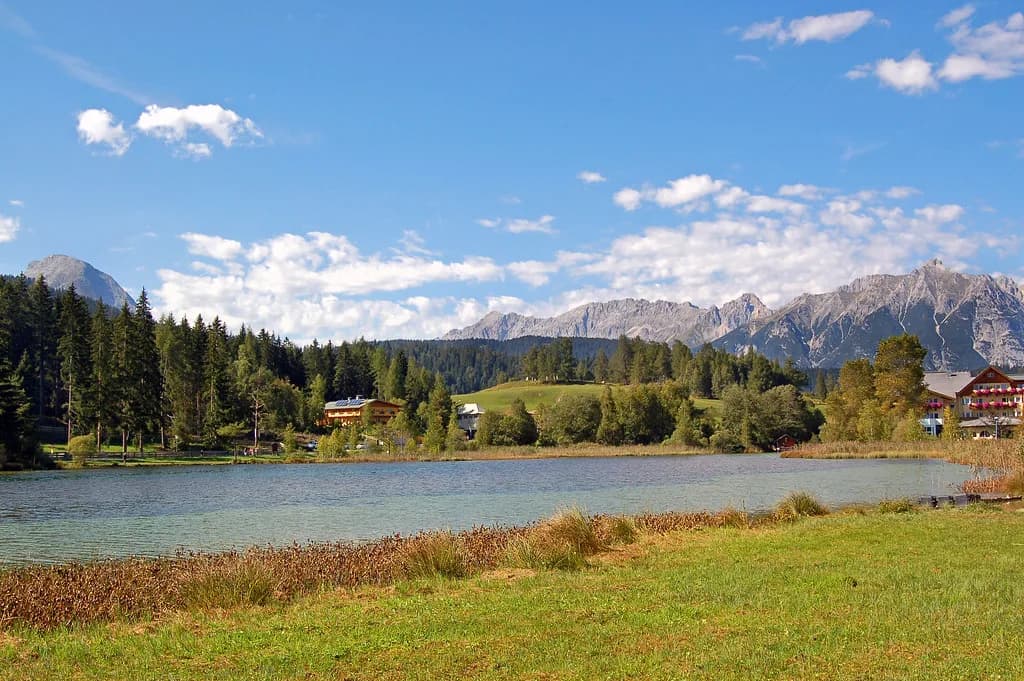
The Wildsee is the village's own lake, a moor lake with lawns for sunbathing and a gentle path around the shore that gives views back over the water to the surrounding mountains. It is the easiest nature stop from the center, and on a warm day it doubles as a swimming and picnic spot, which makes it the natural summer counterweight to the churches.
Treat the shoreline as a stroll rather than a hike, and go early or late if you want the water without the midday crowd. The lake is the one place where a village-only visit can stretch into a lazy afternoon, so decide up front whether you are sightseeing or settling in.
Riding the Rosshütte cable cars and the Härmelekopfbahn for the plateau view
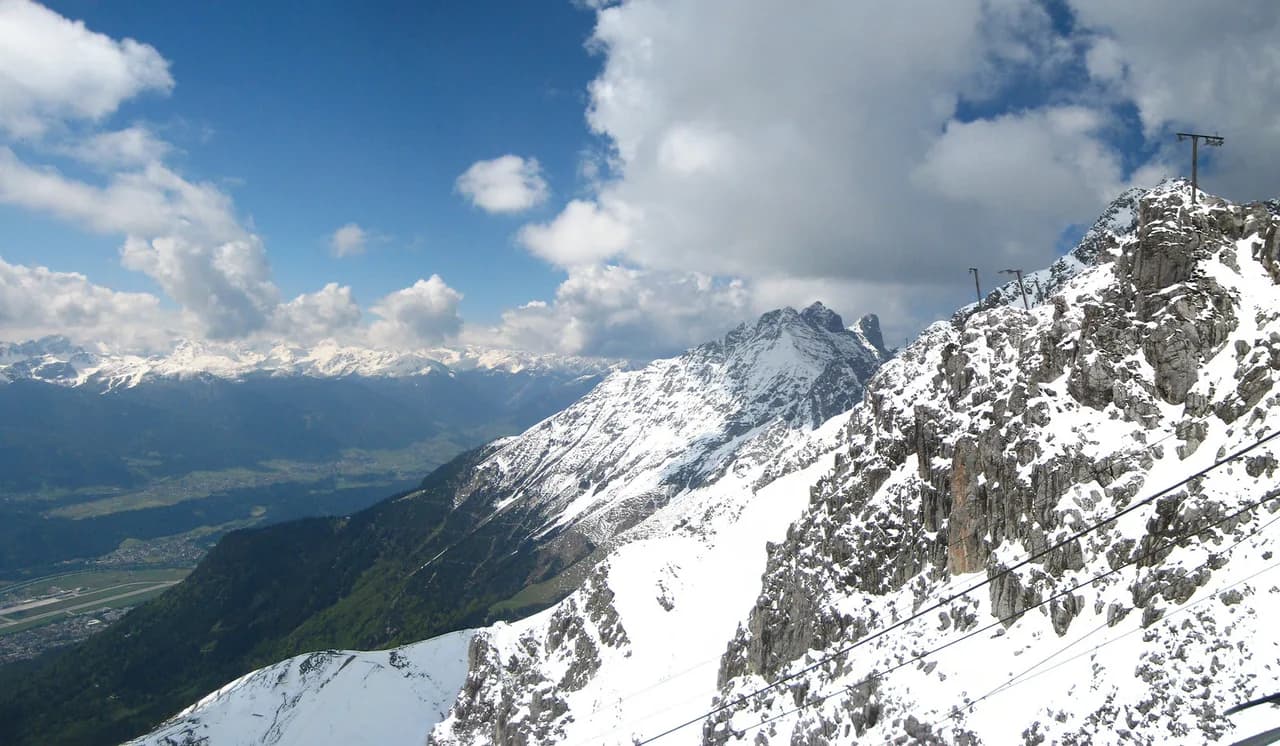
The Bergbahnen Rosshütte lift travelers above the village into the walking country of the Karwendelgebirge, and from the top station a network of panorama paths leads to alpine huts and viewpoints. For a higher view, the Härmelekopfbahn continues further up to terrain above 2,000 meters with a wide mountain panorama — the simplest way to see the plateau from above without a long climb.
The lifts run as a summer operation, so confirm the season's operating dates and ticket prices with the Bergbahnen before you go, and keep a plan B for the village if weather closes the upper section. Riding up and walking down is the classic compromise if you want the view without spending the whole afternoon on the mountain.
The Leutascher Geisterklamm: the gorge boardwalk a few minutes from the village
The Leutascher Geisterklamm is a gorge walk on boardwalks and bridges a short distance from Seefeld, following the Leutascher Ache through rock walls and waterfalls. The appeal is the engineering as much as the scenery: you walk above the water on fixed walkways, and the cool air makes it a good choice on a hot afternoon.
It is a self-contained outing rather than a village sight, which matters for planning: the gorge and the center compete for the same hours. If you only have a half day, choose the village and the Wildsee; if you have a full day and want one proper nature walk, the gorge is the stronger single choice.
The Brunschkopf viewpoint and what the walk involves
The Brunschkopf is the popular viewpoint above the plateau, reached on a walk through forest and alpine meadows to a summit platform with views over the Seefelder Plateau, the Karwendelgebirge and the Wettersteingebirge. It is a moderate outing rather than a casual stroll, so it suits travelers who have set aside a few hours and sturdy shoes.
Route length, elevation gain and timing for the Brunschkopf are published by the regional tourism board, so check the current route description and conditions there rather than relying on a rough estimate. If a summit walk is not what you came for, the Rosshütte lift gives a comparable high view with far less effort.
How much time Seefeld needs and how it fits a route through Tirol
A half day covers the pedestrian zone, the Seekirchl, St. Oswald and a loop past the Wildsee, which is the right amount for travelers passing through on the way between Innsbruck and the mountains to the north and west. A full day adds either the Rosshütte lifts or the Leutascher Geisterklamm, and only a dedicated outdoors day should try to add the Brunschkopf on top.
As a route stop, Seefeld works best as a plateau break between city time in Innsbruck and the mountain roads further west and north, with the village center as the anchor and the lifts and gorge as optional add-ons. Confirm rail and bus times from Innsbruck before you fix the plan, and confirm cable-car operating dates separately, since the two run on different schedules.
Village half day or mountain full day: which to book
Choose the village half day if your priority is the Seekirchl, St. Oswald and the pedestrian zone with a stroll along the Wildsee: it is compact, walkable and easy to fit around a train from Innsbruck. Choose the full day if you want the Rosshütte lifts or the Leutascher Geisterklamm, and accept that you will see less of the center.
Keep the Innsbruck Attractions: 17 Visitor Guides hub open while you plan, since it puts the city's sights in one place if you decide to spend the day down in Innsbruck instead. Either way, confirm current lift operating dates and train times before you set out, and check church opening arrangements at the door.
Explore more Innsbruck guides
Sources
Notes for your next Austrian town break
Optional updates when we add or revise town guides.
You might also like
Continue reading
More guides you'll find useful