Innsbruck Map for Visitors: Old Town, Sights and Getting Around
A visitor's map of Innsbruck: how the old town, the Hofburg and the Bergisel fit together, and which museum sits in which quarter.
On this page
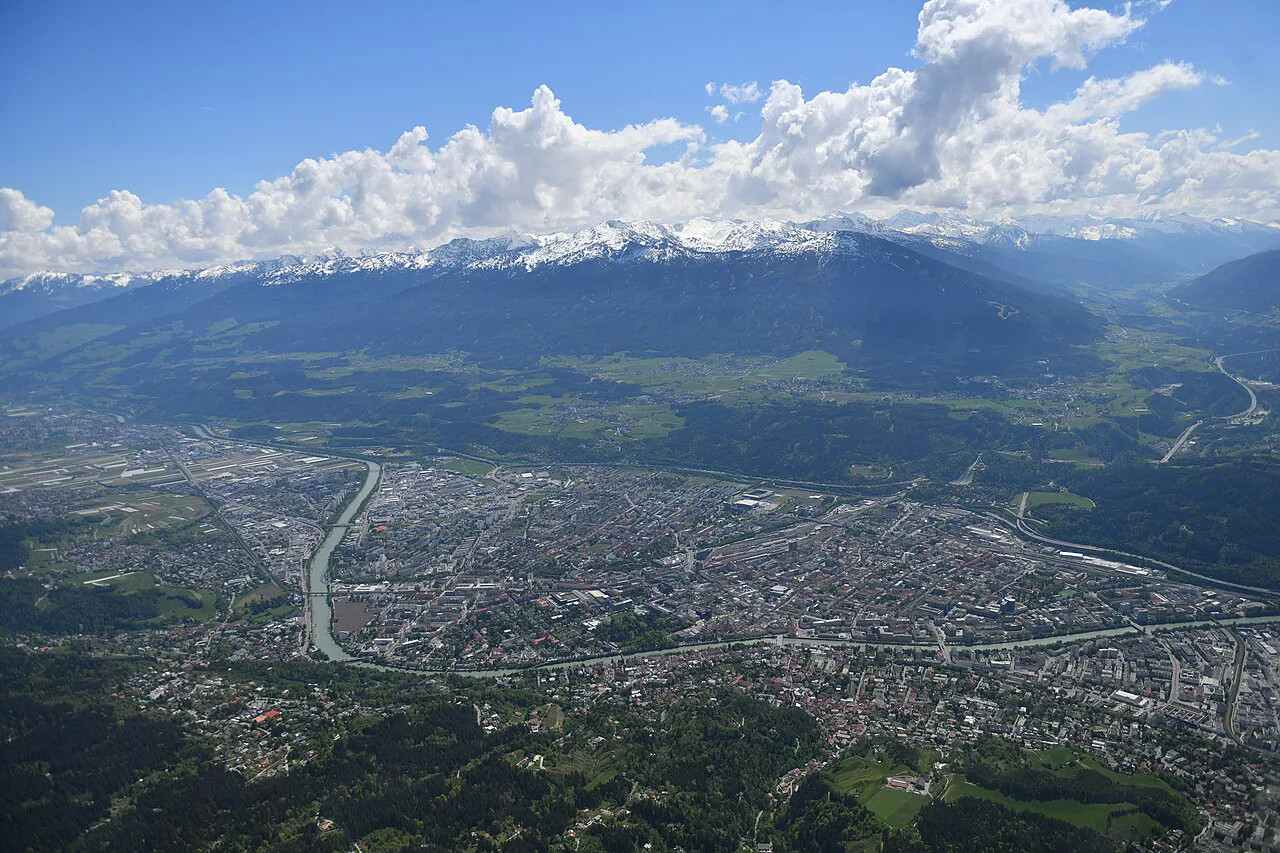
Innsbruck reads best as three layers stacked on a map: the old town on the south bank of the Inn, the Hofburg quarter immediately behind it, and the Bergisel rising above the city to the south. Almost everything a first-time visitor wants sits in the first two, with the Bergisel as a separate upland stop rather than a square you stroll into. This guide organizes the city by area so you can plan a loop instead of a ranked checklist, and it covers where the museums sit, which days they open, what tickets cost in euros, and how the valley roads run outward.
Where Innsbruck sits in the Inn Valley
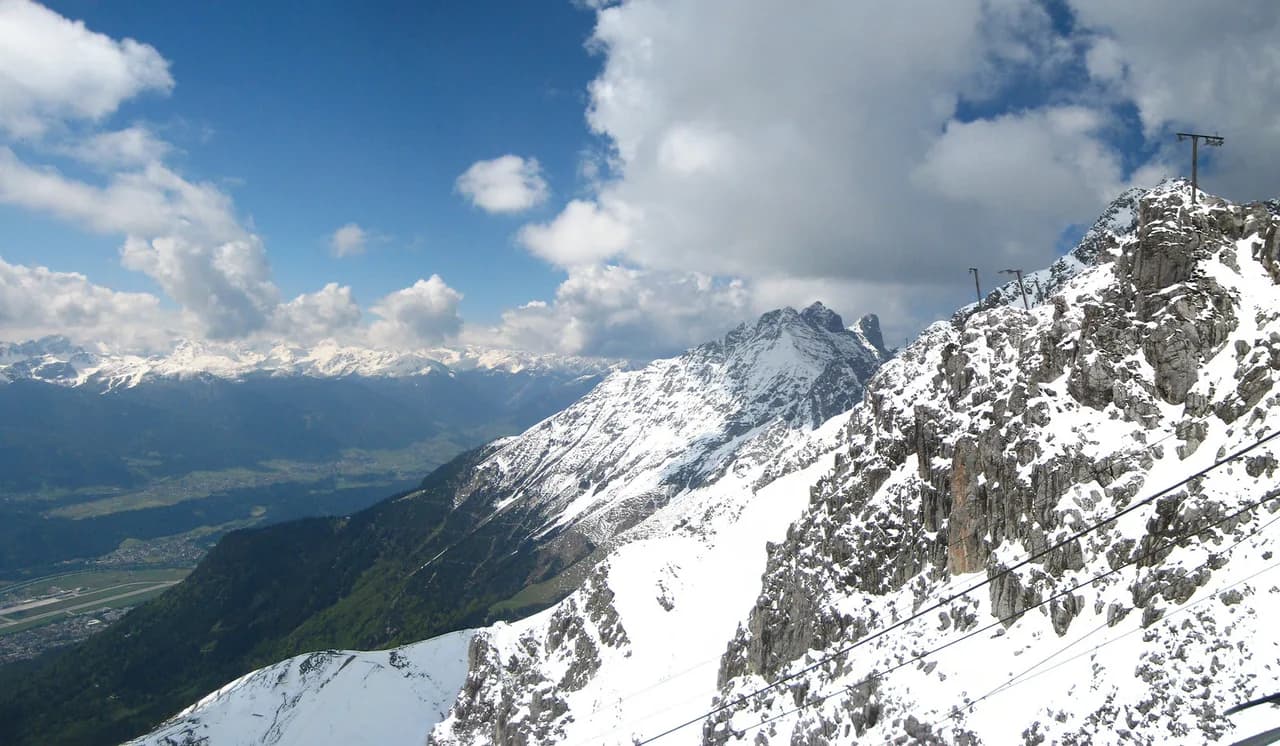
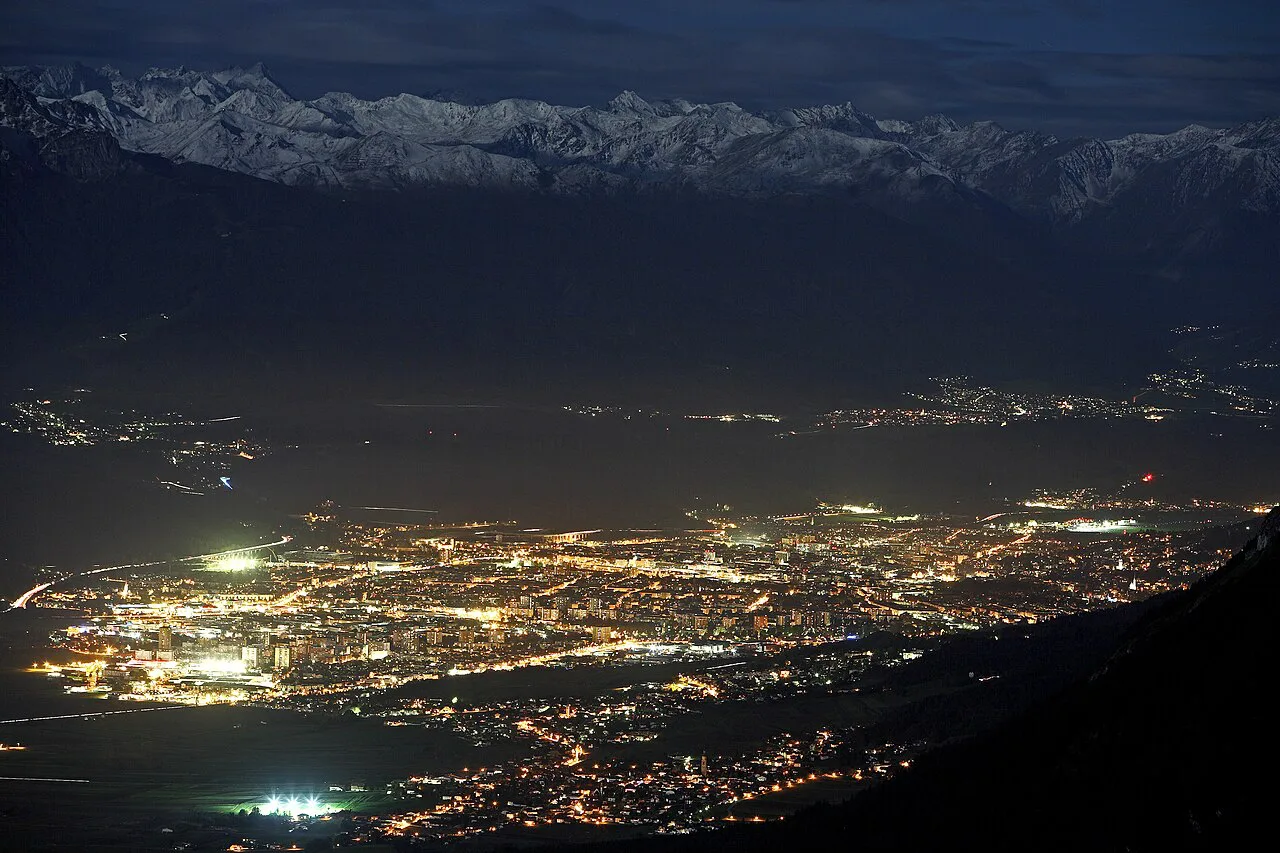
The city occupies a bend of the Inn where the valley floor is narrow enough that the mountains feel like walls, with the Nordkette range on the north side and the Tux and Stubai Alps pushing in from the south. That geography explains the map: the historic center is squeezed onto flat ground by the river, and everything else climbs. Because the valley runs east–west here, the main road and rail lines follow the river rather than cutting across it, which is why the station sits on the southern edge of the center rather than in the middle.
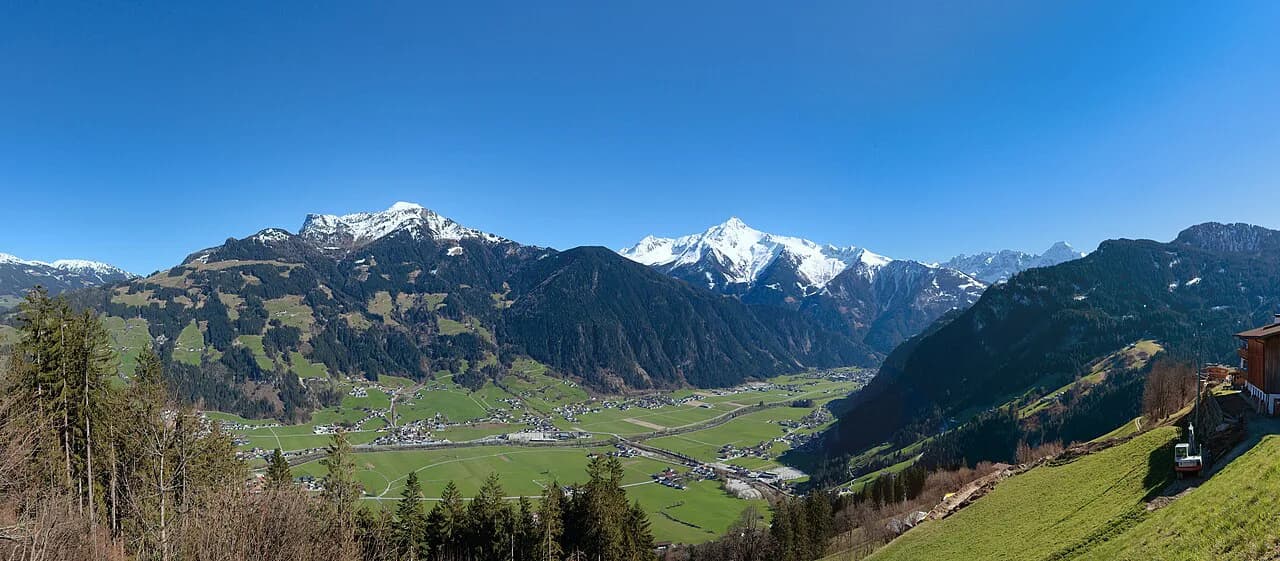
The Inn Valley is also the axis for anything beyond the city. Heading west, the valley carries you toward the Ötztal, Tirol's longest side valley, which runs roughly 65 km north to south and is home to about 22,000 people as of 2024, with villages such as Sölden, Obergurgl, Längenfeld and Umhausen strung along it.
The old town core on foot
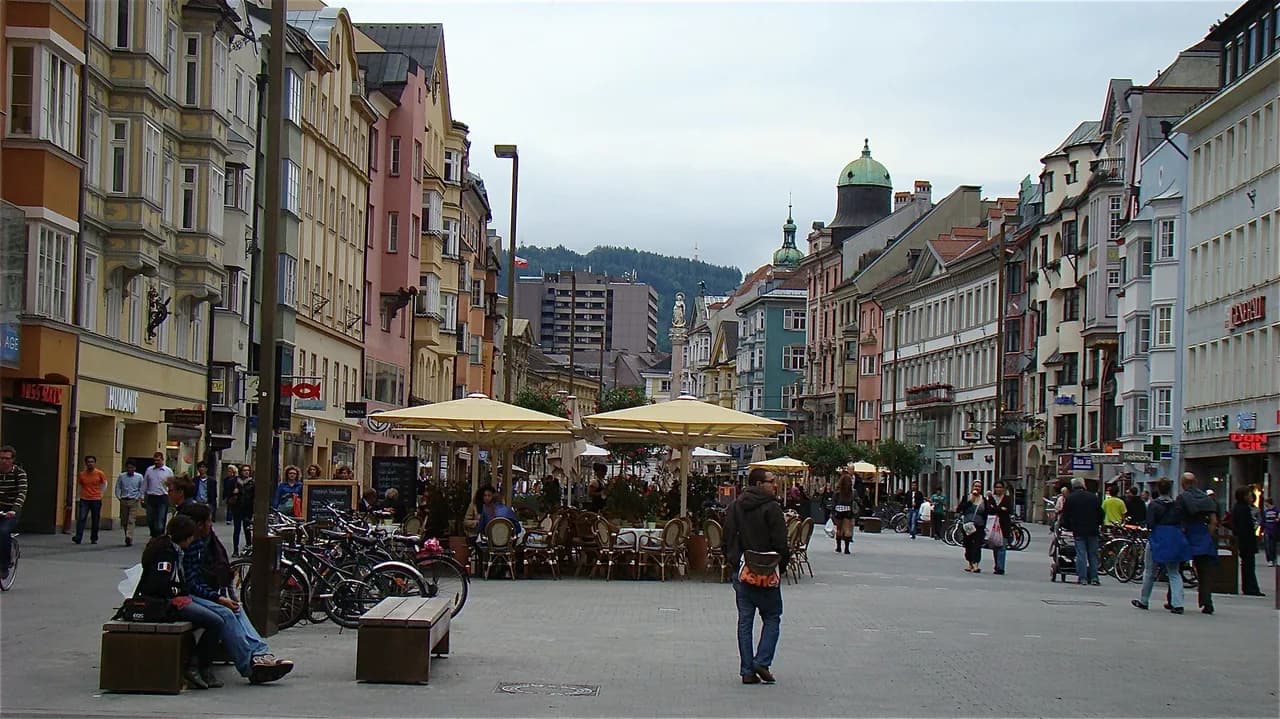
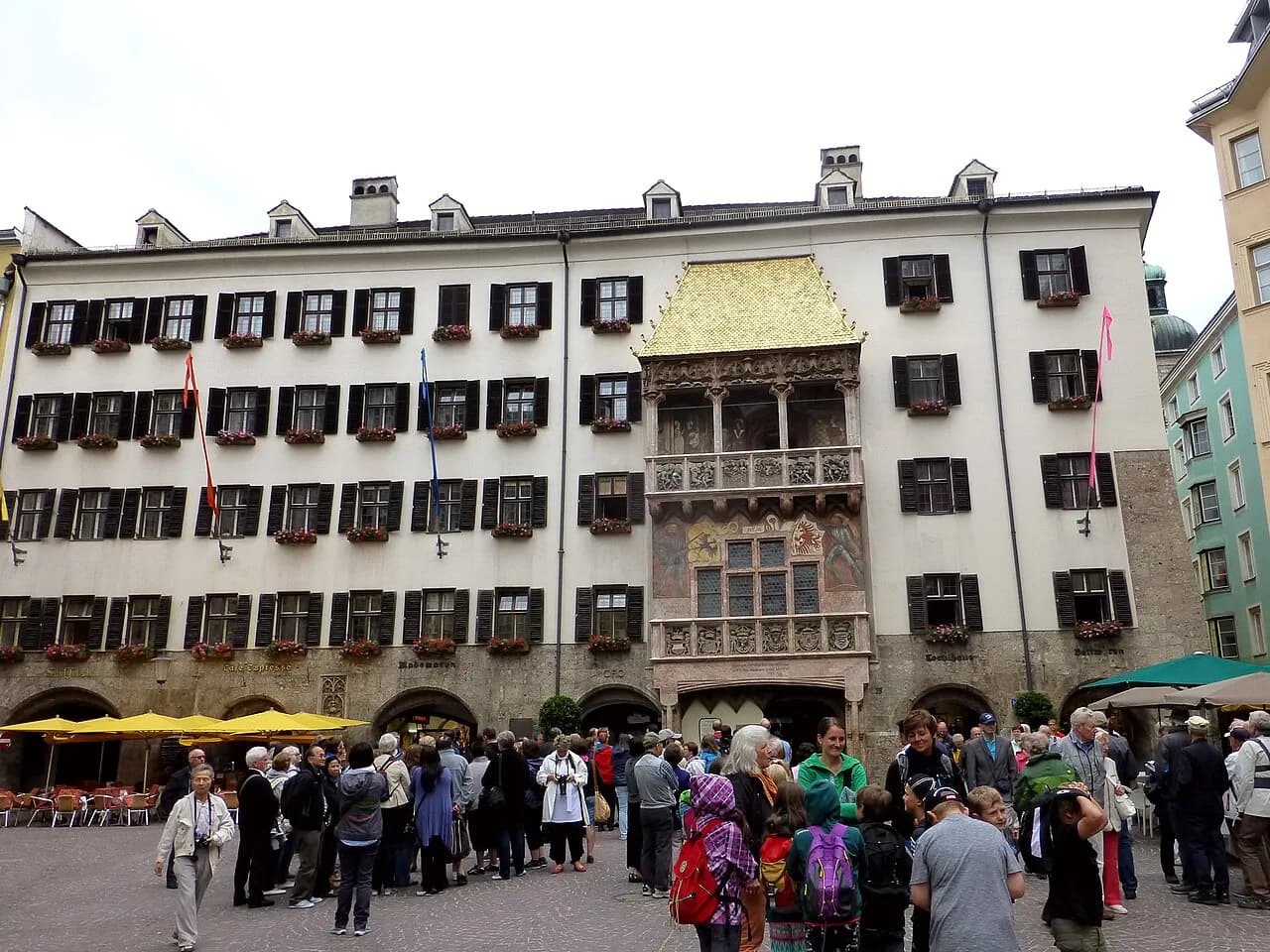
The Altstadt is the part of the map you can fold away. It is a tight knot of lanes and squares on the river's south bank, anchored by the Goldenes Dachl and the surrounding streets, and it rewards a slow wander rather than a route march. Treat it as one block of your day and resist the urge to dart back and forth to the Hofburg, which is close enough to combine.
Because the center is compact, the practical question is not how to get between sights but in what order to take them. A sensible loop starts in the old town lanes, crosses to the Hofburg side, and returns along the river, so you are never retracing a street you have already walked. Keep the Altstadt for the morning, when the lanes are quieter and the light on the painted facades is better.
If you want a single reference for what fills the rest of the day beyond the lanes, the city's sight-by-sight guides cover the arcades, courtyards and riverside walks that sit within this same compact center. It helps to pick two or three anchors and let the streets between them do the rest.
Budget the day around the lanes, the riverbank and the courtyards, and pay only for the one or two interiors you most want to see.
The Hofburg quarter: what the Imperial Palace actually contains
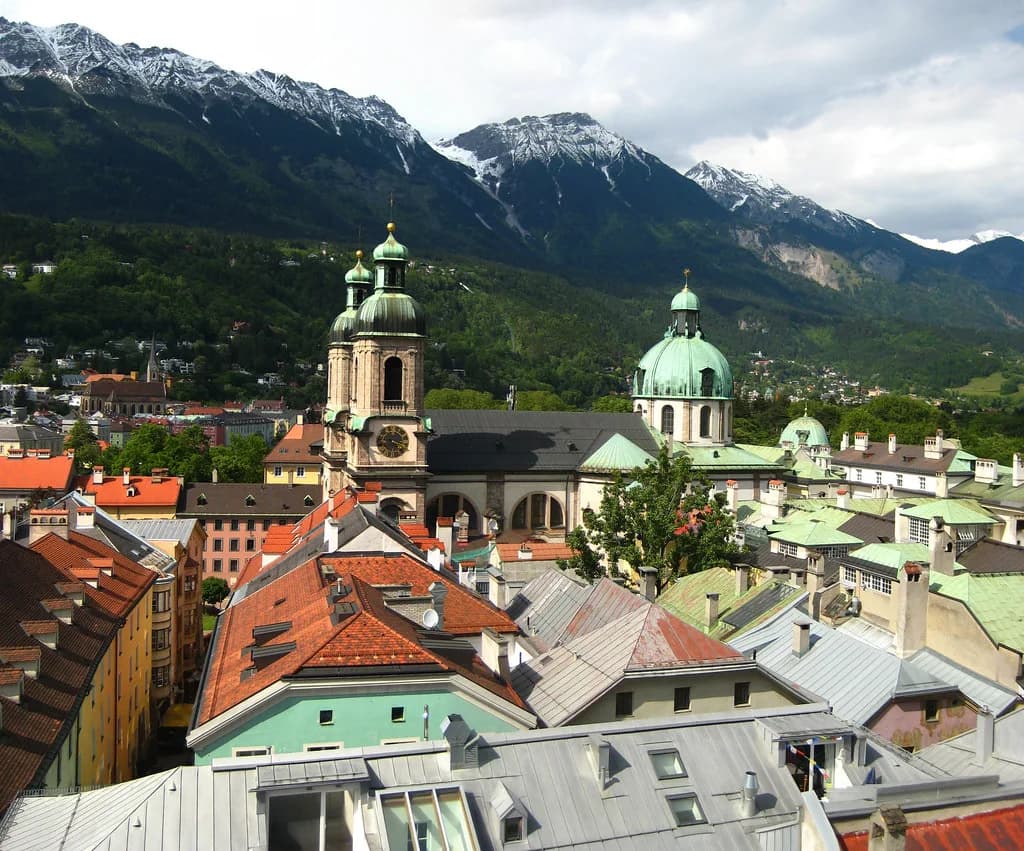
The Hofburg Innsbruck sits just beyond the old town, and its map footprint is larger than it looks from the street because the building wraps around a courtyard. That courtyard, paved in cobblestones and enclosed by the palace wings, is one of the most striking inner courts in the city, and it took its present dimensions in the sixteenth century when the residence was rebuilt as a Renaissance palace. The baroque remodeling between 1765 and 1770 added the sculptural decoration and the Austrian shields on the gables that you see on the facades today.
Inside, the state rooms are named and sized individually. The Giant Hall, at roughly 31.5 by 13 meters with an 11-meter ceiling, is the palace's ceremonial centerpiece and holds portraits of the imperial family hung between the windows; the Guard Hall next to it carries colossal oil paintings from 1773 to 1777 depicting victories over the Ottomans. Knowing these room names before you arrive makes the interior legible instead of a blur of gilt.
One map-reading trap: the rental fees published for these rooms are event-venue prices for private bookings, not what a visitor pays to walk through. Do not budget from those figures. Note also that the palace's imperial story belongs to the wider arc of the city's past, which is worth reading up on before you stand in the halls.
Museums of the Tiroler Landesmuseen, house by house
The Tiroler Landesmuseen run several houses scattered across the center, and they do not share a schedule, so a map of the museums is really a map of opening days. The Tiroler Volkskunstmuseum and the Hofkirche both open Monday to Sunday 9–17, though the Hofkirche starts later on Sundays and holidays at 12.30. The Zeughaus opens Tuesday to Sunday 9–17 and closes on Mondays, so it is the one to schedule carefully.
The Ferdinandeum, the Landesmuseen's flagship house, is closed for renovation until 2028. Its library has moved into the first floor of the Tiroler Volkskunstmuseum during the rebuild, and it opens Tuesday to Thursday 9–13 and Friday 9–17, with no registration needed and only part of the collection reachable while the building work continues. If you were planning a visit around the Ferdinandeum's galleries, move that slot to another house.
The Hofkirche sits within the same walkable ring as the Hofburg. If you are mapping churches specifically, it belongs on that list alongside the city's other religious interiors, and it is a natural pause between the old town and the palace.
Museum Aguntum, the Roman site outside the city near Lienz, keeps its own hours, Tuesday to Sunday 10–16, so it does not fit a quick city loop at all and needs to be treated as a separate excursion. On the map, think of the Landesmuseen as two clusters: the center's walking ring and the far-east Roman site.
The Bergisel and the Tirol Panorama
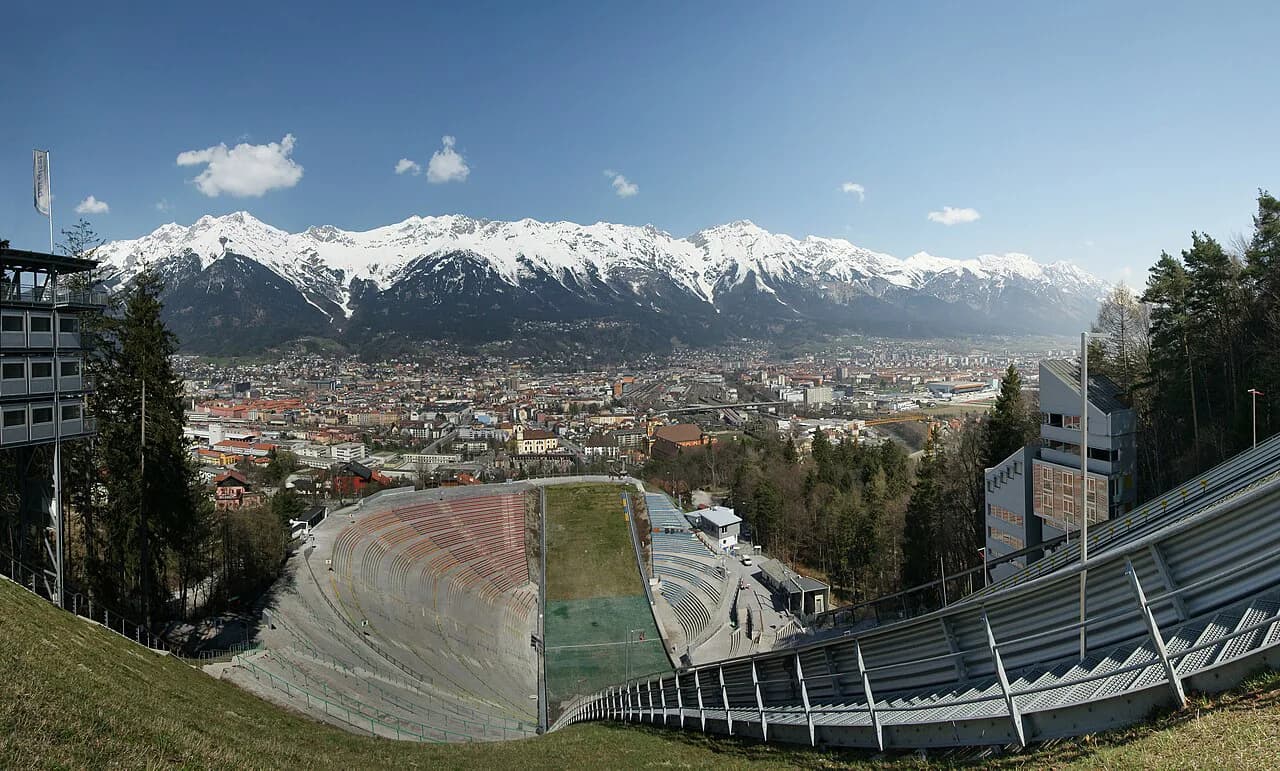
The Bergisel is the stop that sits above the city rather than inside it, and the Tirol Panorama with the Kaiserjägermuseum is the reason to make the climb. Its centerpiece is the Riesenrundgemälde, the largest painted artwork in Tirol at 1,000 square meters, showing the third Battle of Bergisel of 13 August 1809. The Munich painter Michael Zeno Diemer completed it in just three months under the supervision of the history painter Franz von Defregger.
After the panorama, the permanent exhibition Schauplatz Tirol examines how the idea of Tirol as a place and a myth was constructed, which makes the painting read as an argument rather than just a spectacle. Budget the Bergisel as a half-block of your day and check the door times before you go, since this house opens Wednesday to Monday 9–17 rather than every day, with last entry at 16.30.
Arriving and moving through the city
The city is easy to handle on foot once you have dropped your bag, and the center unfolds toward the river. For onward travel and current service details, Innsbruck.info is the tourism office's own site.
For the valley roads out of the city, the map's most useful line runs west along the Inn and then south into the Ötztal, where the villages of Sölden, Obergurgl, Längenfeld and Umhausen follow one another up the valley toward the high passes. Once you are in the valley, the attractions cluster: Stuibenfall, Tirol's largest waterfall, near Umhausen; Lake Piburg at 913 meters; the Aqua Dome in Längenfeld; and the 007 Elements installation tied to the SPECTRE filming location.
Museum tickets in euros
The Tiroler Landesmuseen price their houses in two tiers: a combi ticket at € 14 or € 11 and a single ticket at € 9 or € 7, with entry free for anyone under 19. Museum Aguntum is priced separately, at € 7 or € 6 for adults, € 4 for children, teenagers and students, and free for children under six.
Those two figures on each line usually represent the standard and reduced rate, so bring proof of status if you expect to qualify for the lower one.
One more cost question worth answering plainly: the published Innsbruck card bundles transport and admissions, and for a short stay with two or three museum visits it can beat buying individually. Compare the card's included houses against your own list before you commit.
What to map before you go and what to leave to the day
Map the fixed points first: the Landesmuseen houses that close on specific days, the Ferdinandeum's closure through 2028, the Bergisel's Wednesday-to-Monday schedule, and the Hofkirche's later Sunday start. Those are the constraints that decide the shape of your days. Leave the lanes, the courtyards, the riverbank and the café stops to the moment.
If a meal matters to the plan, pin one confirmed address before you set out rather than improvising at the end of a long walk.
Beyond the center, the villages on the map's edges make good half-days: Igls above the city, Hall in Tirol down the valley with its minting history, and the Patscherkofel for the view back over the Inn valley. Each is a single, simple add-on rather than a full excursion.
In summer the city relaxes outdoors, and the parks and gardens along the river become part of the walking map rather than an afterthought. If greenery is on your list, a couple of these are worth slotting between the museums.
Which Innsbruck map to draw first
Start with a two-cluster map: the old town and the Hofburg quarter as one walkable ring, the Bergisel as a separate upland stop. Then set the Landesmuseen houses on their own days using the schedule above, and treat the Inn Valley and the Ötztal as the outbound axis for a second day. That gives you a plan with real constraints built in rather than a list of names you have to sequence on the ground.
Explore more Innsbruck guides
Sources
Notes for your next Austrian town break
Optional updates when we add or revise town guides.
You might also like
Continue reading
More guides you'll find useful